Iconic Movie Stars and Their Very Last Film Roles
When you think about legendary actors, you remember their greatest performances. The roles that defined them.
The moments that made them immortal on screen. But every career has a final chapter, and sometimes those last performances tell a story all their own.
Some stars went out at the peak of their powers, delivering one last reminder of their talent. Others took smaller roles, quiet exits that felt almost accidental.
A few never intended their final film to be final at all. Death, retirement, or simply the passage of time decided for them.
These last performances reveal something about the people behind the characters. How they aged.
What they still wanted to say. Whether Hollywood still wanted them.
The endings don’t always match the legend, but they’re real.
Marlon Brando – The Score (2001)
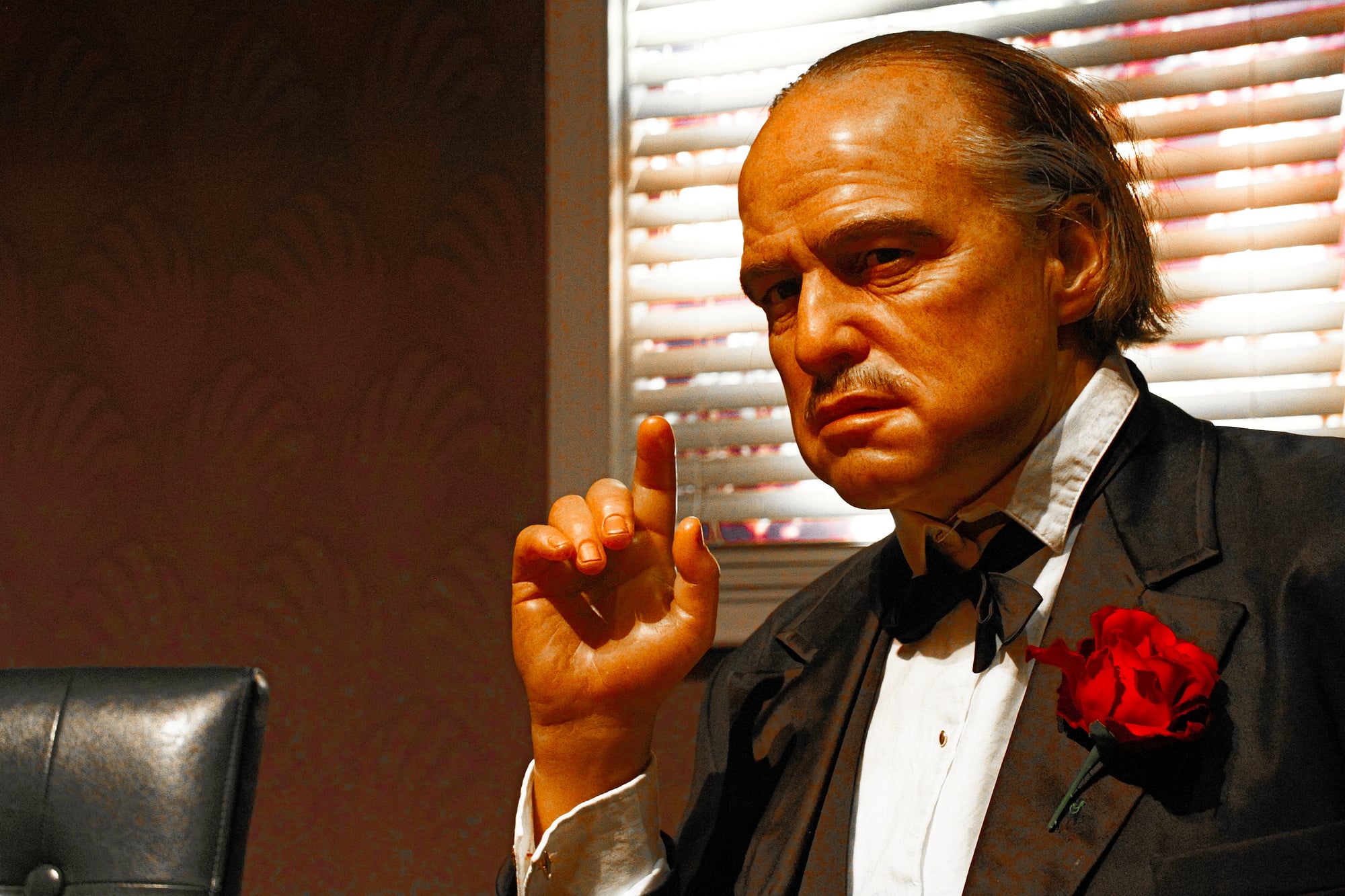
Brando spent his final years turning down scripts and collecting paychecks for the ones he accepted. The Score paired him with Robert De Niro and Edward Norton in a heist thriller that should have been electric.
Instead, Brando showed up overweight, uninterested, and reportedly difficult on set. He refused to film scenes with director Frank Oz, forcing De Niro to step in as an intermediary.
The performance feels like watching someone who stopped caring decades ago. Brando mumbles through his lines, barely engaging with the material or his co-stars.
You can see glimpses of the actor who dominated the screen in the 1950s, but they’re buried under layers of indifference.
Still, even a bored Marlon Brando commands attention. That’s how powerful he was at his peak.
The role didn’t demand much, and he gave exactly what it required—nothing more. Three years later, he died at 80, leaving behind a legacy nobody could match and a final performance nobody talks about.
Katharine Hepburn – Love Affair (1994)
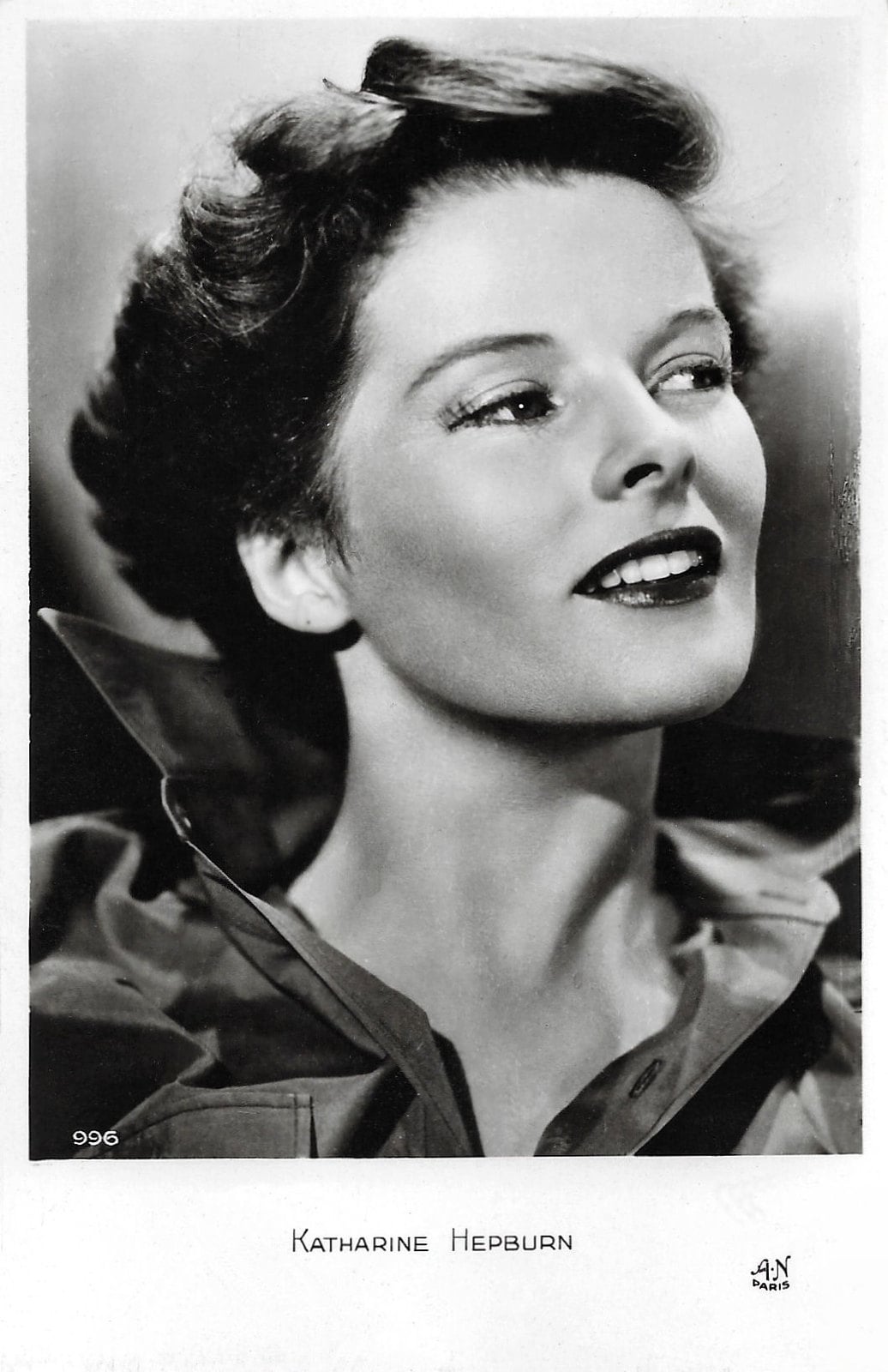
Hepburn played Warren Beatty’s aunt in this remake of An Affair to Remember. She was 87, visibly frail, and suffering from the tremors that had affected her for years.
The role required little of her physically, mostly just sitting and delivering wisdom to the younger characters.
But that voice. Even weakened by age, Katharine Hepburn’s voice still carried authority.
She brought dignity to a small part in an unremarkable film. The camera loved her even in old age, and she knew exactly how to use it.
She retired after this, spending her final years away from Hollywood in her Connecticut home. No farewell tour.
No lifetime achievement awards on camera. She just stopped, the way she did everything—on her own terms.
When she died in 2003, she’d been off-screen for nearly a decade.
John Wayne – The Shootist (1976)
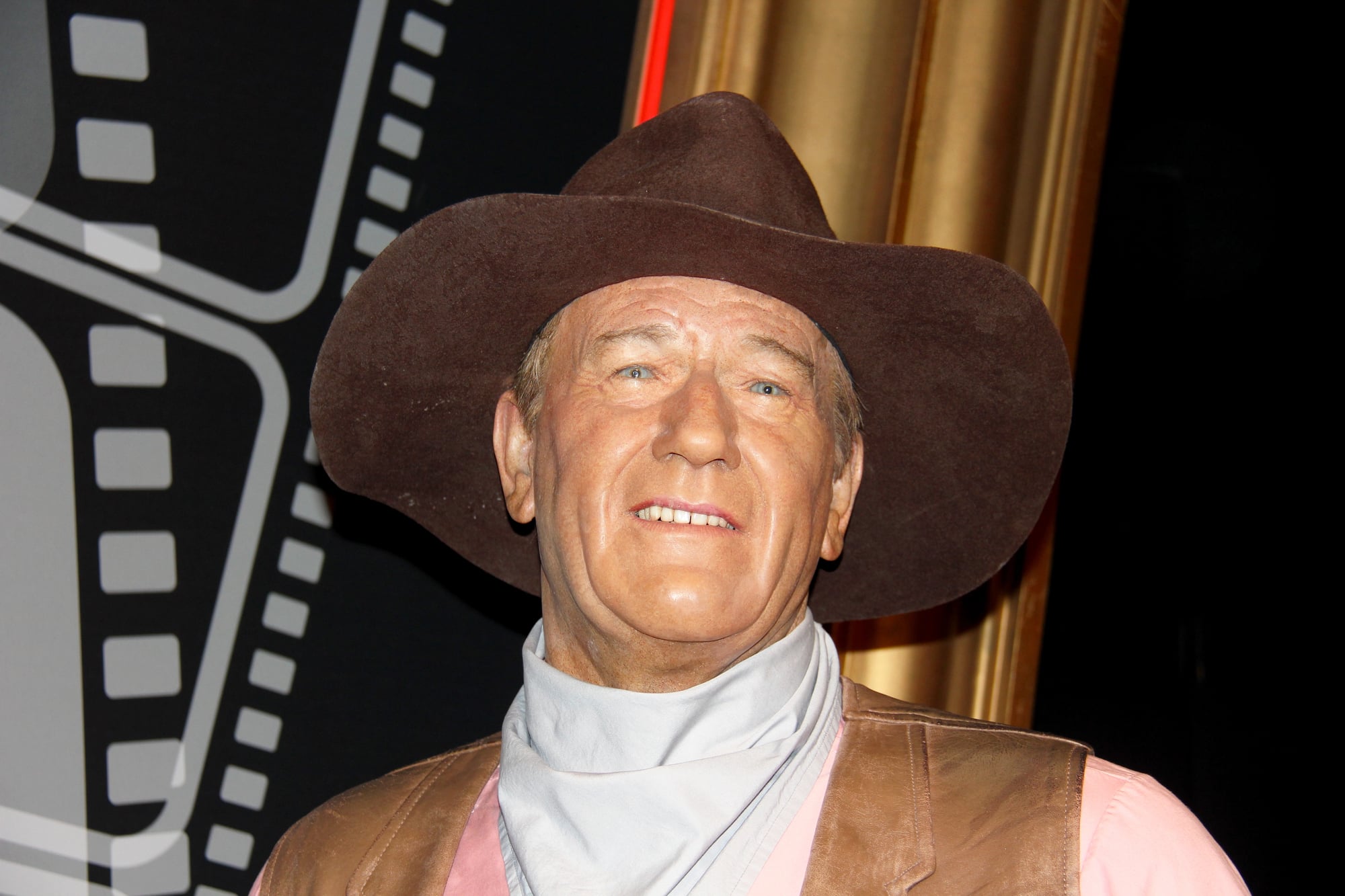
Wayne played a dying gunfighter with cancer. Wayne had cancer.
The parallel wasn’t subtle, and the film didn’t try to hide it. Director Don Siegel cast him knowing this might be his last role, and Wayne approached it with the kind of stoic grace his characters always had.
The Shootist gives you an aging cowboy in a changing world, holding onto his code even as everything he knew disappeared. It’s Wayne’s entire career in miniature.
The film uses clips from his earlier Westerns, creating a visual history of his time on screen.
His performance is measured, dignified, and heartbreaking in ways his usual tough-guy roles never were. He died three years later, but The Shootist feels like the goodbye he wanted.
A cowboy riding into the sunset one last time.
James Dean – Giant (1956)

Dean died before Giant even hit theaters. He’d finished filming his role as Jett Rink, the ranch hand who strikes oil and becomes a bitter, wealthy man.
Then he crashed his Porsche Spyder on a California highway at 24.
The performance shows an actor maturing. Dean ages from young man to elderly oilman, and he handles it with surprising depth for someone so young.
His final scene, drunk and alone at his own party, rambling into a microphone in an empty ballroom, feels prophetic now. A star burning out before your eyes.
George Stevens, the director, had to dub some of Dean’s lines in post-production because of technical issues. So the voice you hear in parts of Giant isn’t even Dean’s.
Just another layer of absence in a career cut impossibly short.
Humphrey Bogart – The Harder They Fall (1956)
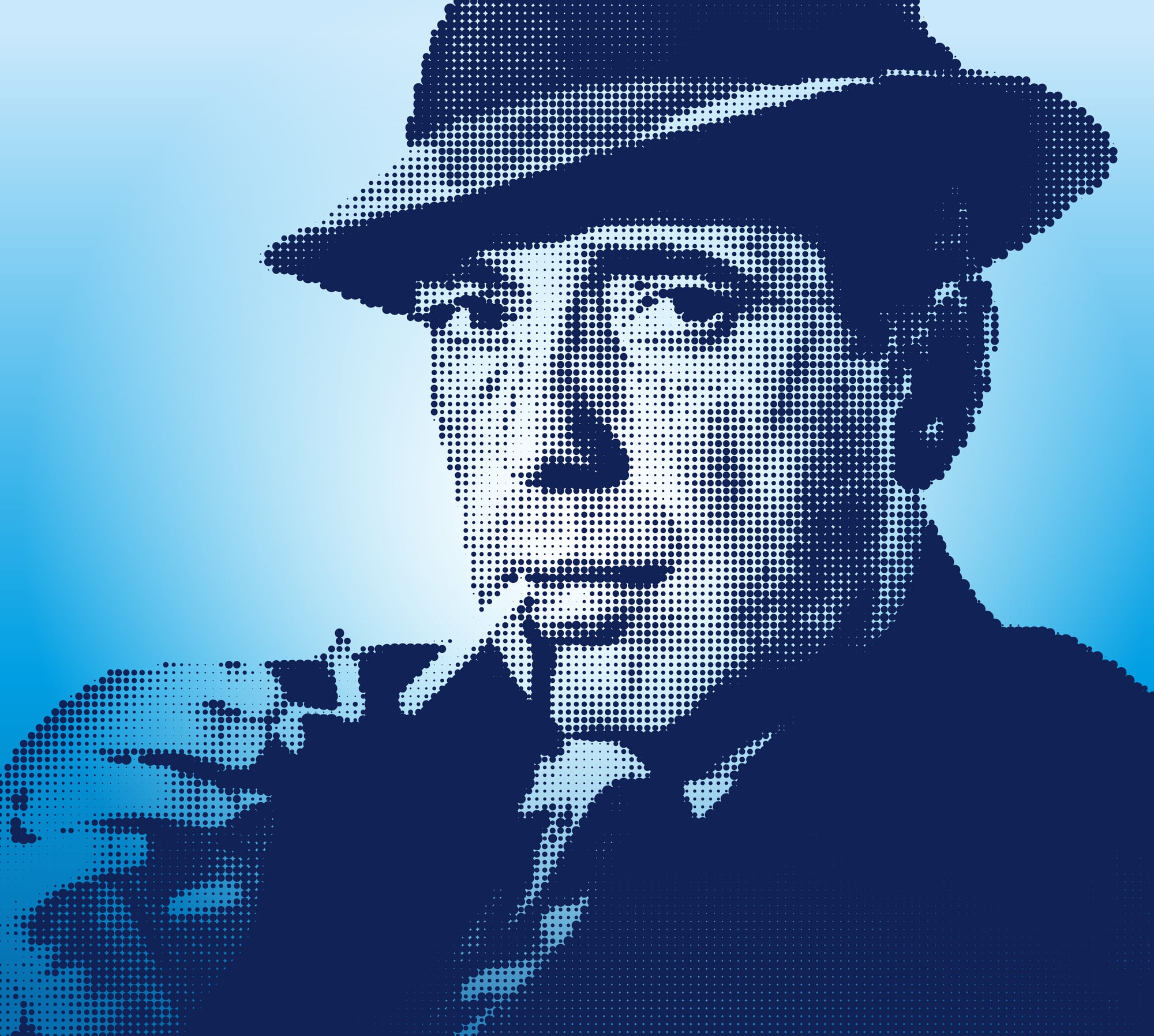
Bogart played a cynical sportswriter in this boxing drama. He was 56 and dying of throat cancer, though few people knew it at the time.
The film wrapped in early 1956, and he was dead by January 1957.
You can see the illness in his face if you know what to look for. The gauntness.
The exhaustion around his eyes. But Bogart powers through the role with his trademark toughness, playing a man disgusted by corruption in professional boxing.
The character fits him perfectly—world-weary, morally conflicted, but ultimately decent. It’s not Casablanca or The Maltese Falcon, but it’s a solid ending for a man who defined what a movie tough guy looked like.
He died at home with Lauren Bacall beside him, his legend secure.
Marilyn Monroe – The Misfits (1961)

Monroe stumbled through The Misfits, battling depression, insomnia, and addiction. Her marriage to Arthur Miller, who wrote the screenplay, fell apart during filming.
Director John Huston struggled to get usable takes. Clark Gable, her co-star, died shortly after they wrapped.
The production was cursed. Monroe was often hours late to set, when she showed up at all.
Yet somehow the performance works. She plays Roslyn, a damaged woman trying to find meaning after divorce, and you see the real Marilyn hurting through every frame.
Huston called her the most talented actress he ever worked with, even as she drove him crazy. The Misfits becomes almost unwatchable when you know she died a year later.
All that pain, all that fragility—it’s right there on screen, raw and unfiltered.
Orson Welles – Someone To Love (1987)
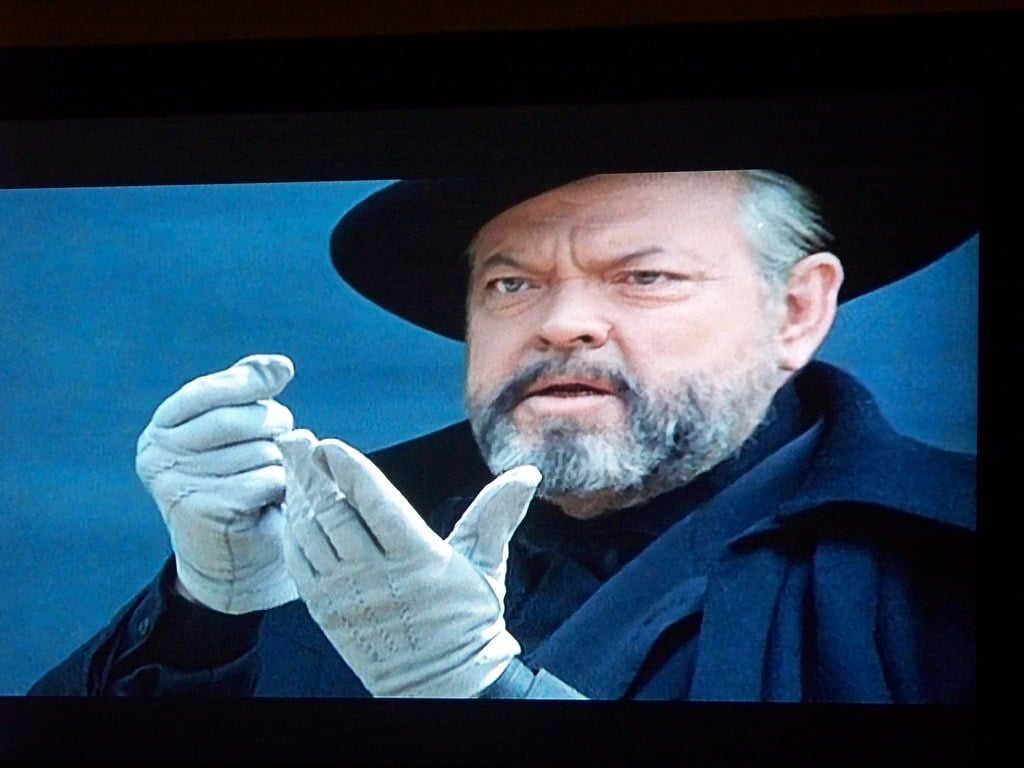
Welles spent his final years hustling for work, taking any role that paid. This experimental documentary by Henry Jaglom captured one of his last appearances.
Welles plays himself, basically, offering observations about love and relationships to the camera.
He’s enormous, clearly unwell, but still charismatic. That voice booms through every scene he’s in.
You watch him and remember that this man created Citizen Kane when he was 25, then spent the rest of his life fighting to make films on his terms.
The film feels like a footnote, which is exactly what it is. Welles deserved better.
He deserved to go out with a masterpiece, but Hollywood stopped giving him that chance decades earlier. He died in 1985 at his typewriter, working on a script, still trying to create.
The industry that once called him a genius had long since moved on.
Audrey Hepburn – Always (1989)
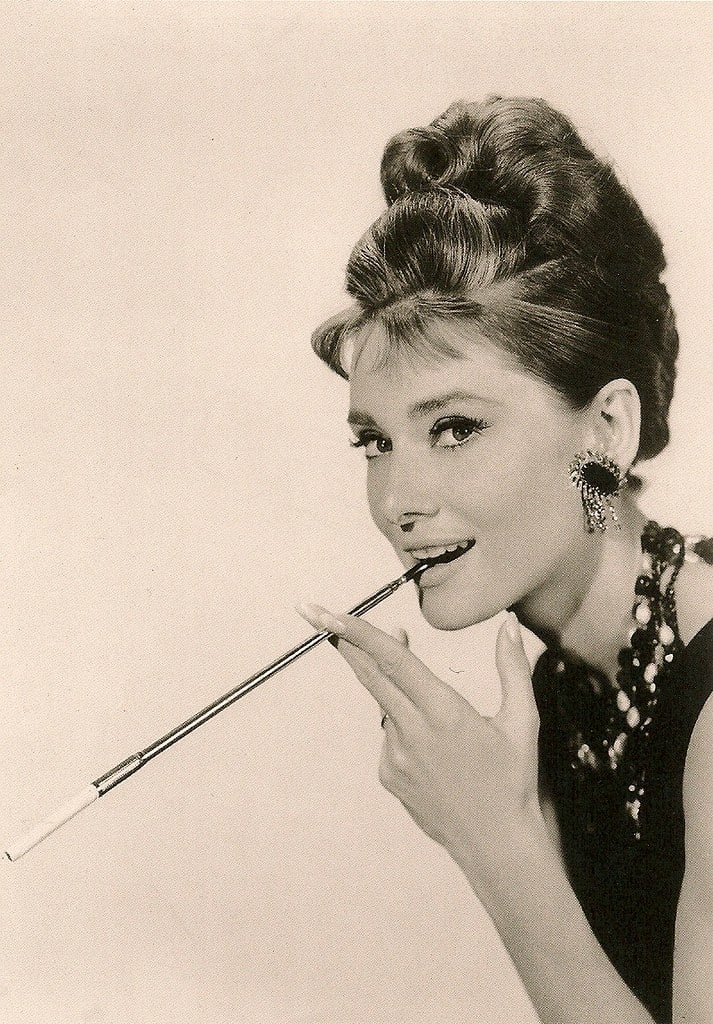
Hepburn came out of retirement for a small role in Steven Spielberg’s Always. She played an angel—fitting for someone who seemed almost too elegant for this world.
The part took just a few days to film, and Spielberg treated her like royalty on set.
She looks radiant and impossibly graceful at 60, though the cancer growing inside her would kill her three years later. The role required little more than her presence, and presence is what Audrey Hepburn always had in abundance.
After filming, she devoted herself to UNICEF work, traveling to impoverished regions to help children. That’s where her heart was.
Acting had been a job, one she was brilliant at, but charity became her real calling. She died in 1993, mourned worldwide as much for her humanitarian work as her films.
Spencer Tracy – Guess Who’s Coming To Dinner (1967)
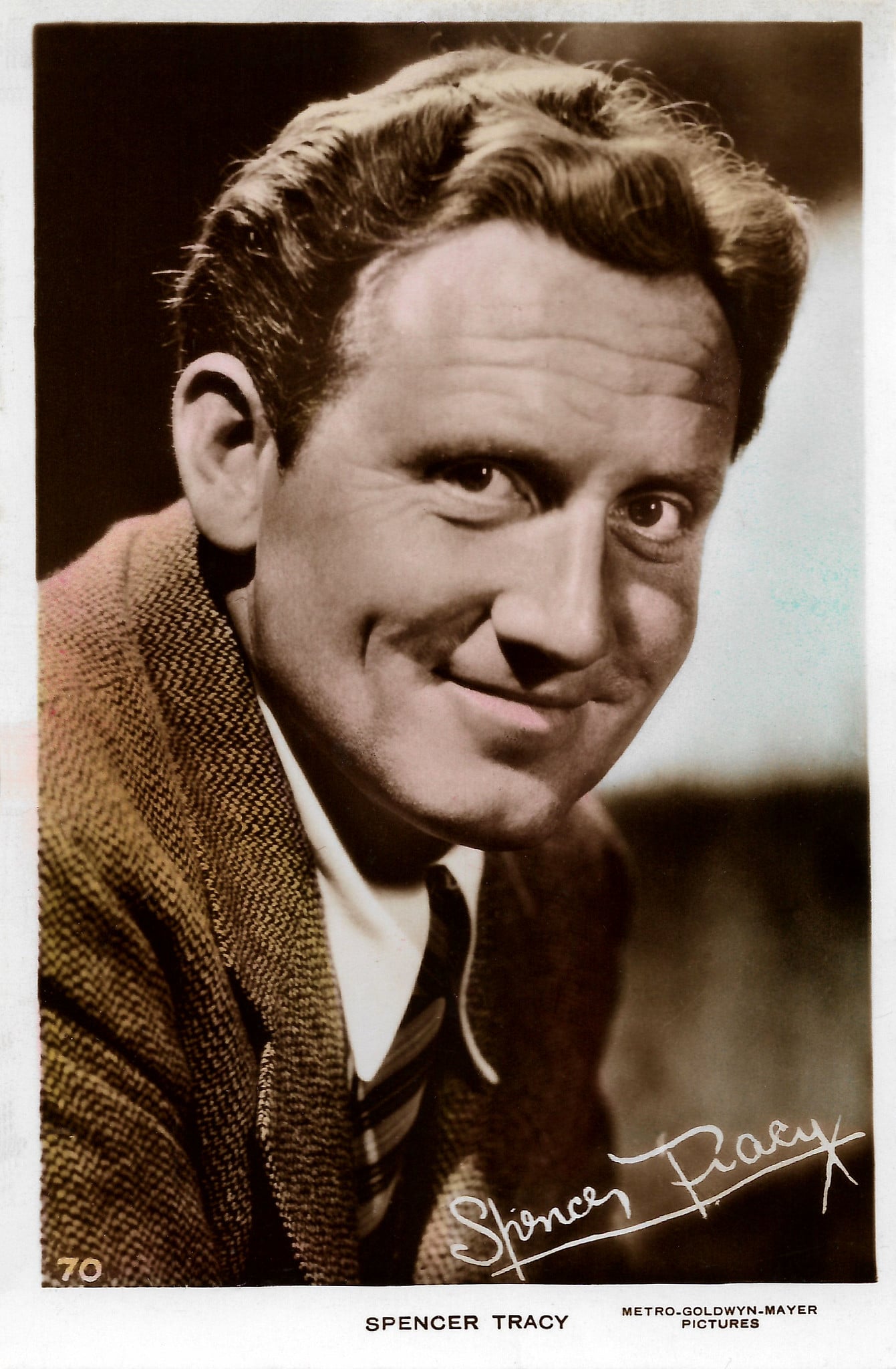
Tracy was so sick during filming that insurance companies refused to cover him. Director Stanley Kramer shot all of Tracy’s scenes first, just in case.
Katharine Hepburn, his partner of 25 years, watched him struggle through every take.
The film deals with interracial marriage, a controversial subject in 1967. Tracy plays a liberal father confronted with his own biases when his daughter brings home her Black fiancé.
His final monologue about love is powerful, made more so because everyone on set knew they were watching a legend’s last performance.
He died 17 days after filming wrapped, never seeing the finished movie. Hepburn won an Oscar for her role.
Tracy received a nomination for his, the ninth of his career. The Academy loved him, but he was already gone by the time they announced his name.
Cary Grant – Walk, Don’t Run (1966)
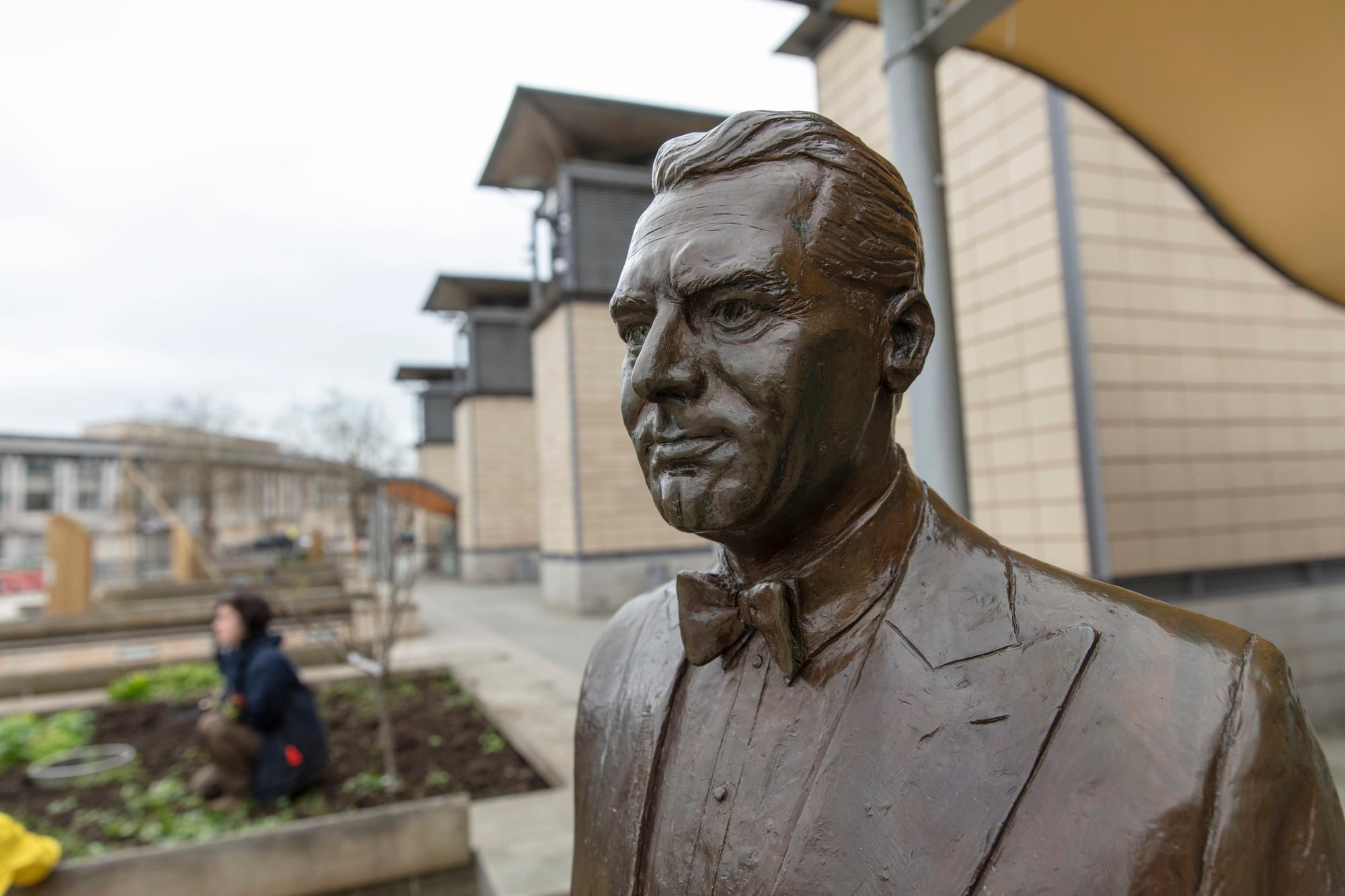
Grant retired at 62, still handsome and bankable. Walk, Don’t Run, a romantic comedy set during the Tokyo Olympics, became his farewell by accident.
He simply decided he was done and never returned.
The performance is pure Cary Grant—charming, witty, effortlessly sophisticated. He plays a British businessman playing matchmaker for two younger characters.
It’s not his best work, but it shows an actor still in complete command of his craft.
Grant lived another 20 years after retiring, turning down millions of dollars to return to the screen. He preferred giving lectures and living quietly.
When directors came calling with perfect roles, he said no. He knew when to leave, and he left.
That kind of discipline was rare then and remains rare now.
Bette Davis – Wicked Stepmother (1989)
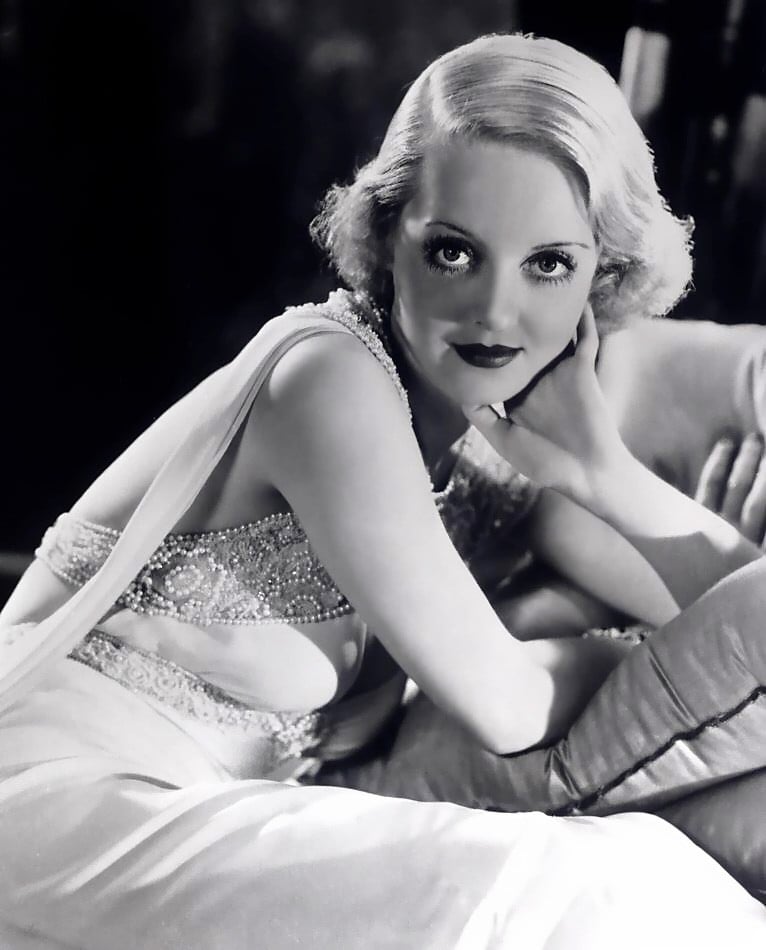
Davis walked off this low-budget horror comedy after just a few days of filming. Her health was failing, and the production was a mess.
Director Larry Cohen had to rewrite the script around her absence, creating one of the strangest final performances in Hollywood history.
Davis appears for maybe 15 minutes before her character “transforms” into another actress. It’s jarring and awkward, a testament to how badly the production fell apart.
But even diminished and clearly unwell, Davis brings more intensity to those few scenes than most actors manage in entire careers.
She died later that year at 81. Wicked Stepmother is a terrible movie, an embarrassing end for one of cinema’s greatest actresses.
But Davis never let Hollywood define her, not even at the end. She fought until she couldn’t anymore.
Paul Newman – Cars 3 (2017)
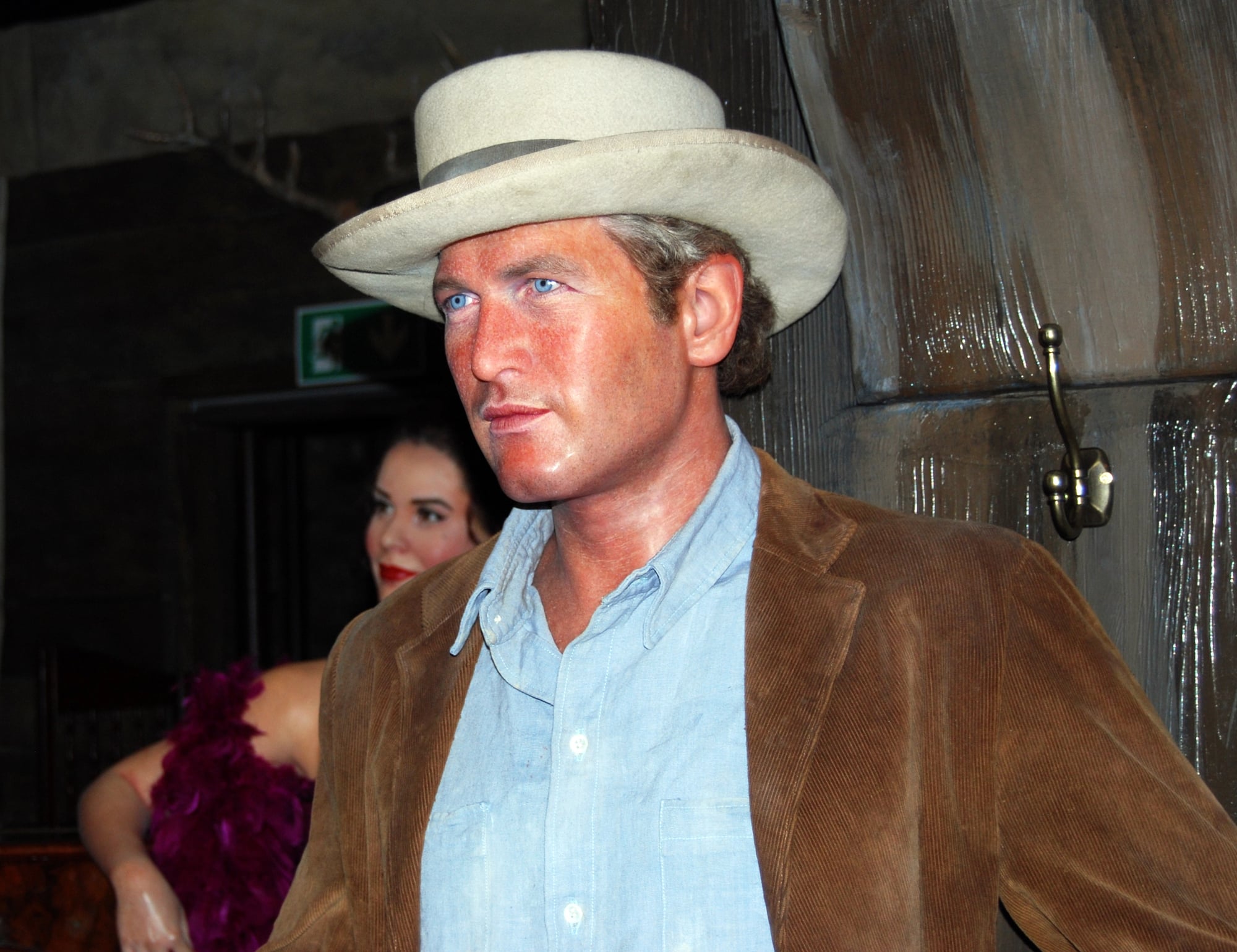
Newman recorded voice work for Cars 3 years after his death. Pixar used outtakes from the first Cars film, unreleased audio they’d saved.
His character, Doc Hudson, appears in flashbacks, teaching Lightning McQueen lessons about legacy and knowing when your time is up.
It’s strange, hearing a dead man speak in a children’s movie. But Newman loved the character, and Pixar handled it respectfully.
The film becomes a meditation on aging and relevance, themes Newman understood well in his final years.
His actual last role was as a mob boss in Road to Perdition (2002), a powerful performance that earned him his eighth Oscar nomination at 77. But Cars 3 gave him one more moment, posthumously, to remind audiences of that distinctive voice and the decency he brought to every role.
Peter O’Toole – Katherine Of Alexandria (2014)
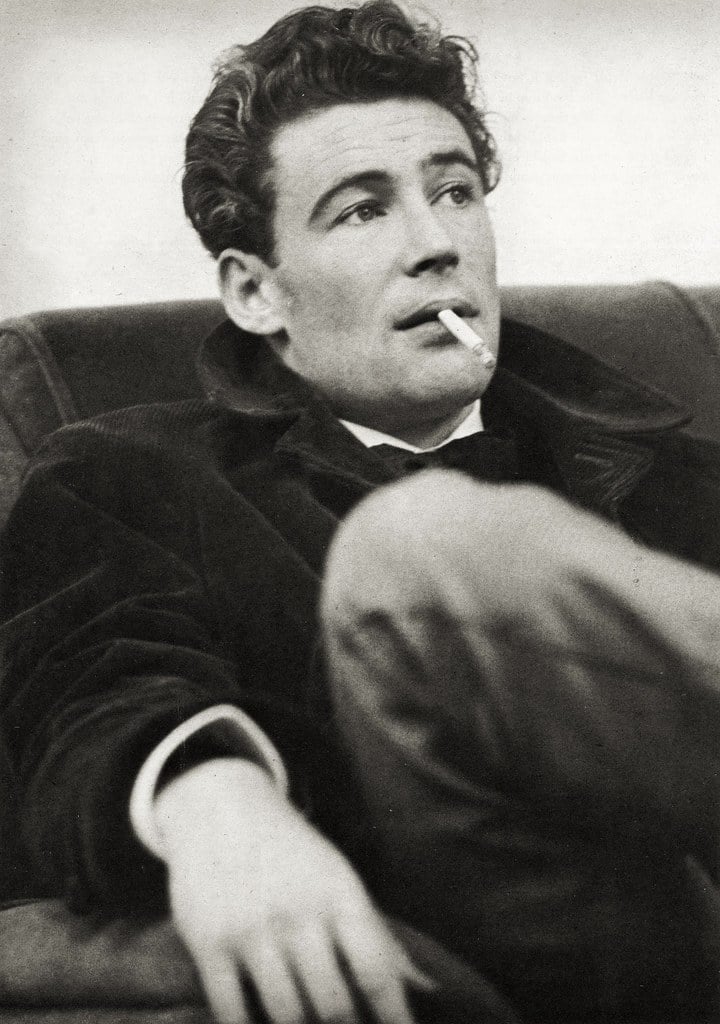
Though O’Toole appears aged and slow here, his role as Cornelius still holds weight. This film, shot in 2012, waited years before reaching audiences – only arriving once he was gone.
Far from the force seen in Lawrence of Arabia, he now seems distant, almost ghostlike on screen. Yet something lingers – the echo of what once burned so bright.
It sticks in no memory, tossed straight to video without much notice. Still, O’Toole gives it weight, somehow.
Watch him near the end – clinging to the role, moving through each line like a habit, like breath. Acting was simply what he did, nothing more.
One year after announcing his retirement, death came in 2013 – he was eighty one. Though nominated eight times, never once did he win.
Back in 2003, the Academy offered an honorary award; first, he said no, claiming he hadn’t finished yet. Eventually, they got him to take it.
Fade to black after twenty-six long seasons. That whistle blew, last one.
When The Camera Stops Rolling

Not every last act seals a legacy. A few go quiet after roaring loud – famous faces tucked into corners, voices once sharp now stumbling, big names playing extras.
Yet there’s truth here that highlight reels skip entirely.
Death shows itself. Faces once hidden behind roles now stare back, worn thin by time, illness, or silence.
Not everyone bowed quietly – some refused to let go. A handful simply vanished one day, like clocks that forgot to tick.
What counts isn’t the movies, but what comes after. A stop.
When acting stops, lights go off, film runs out. Each person has one final shot.
This is it.
More from Go2Tutors!

- The Romanov Crown Jewels and Their Tragic Fate
- 13 Historical Mysteries That Science Still Can’t Solve
- Famous Hoaxes That Fooled the World for Years
- 15 Child Stars with Tragic Adult Lives
- 16 Famous Jewelry Pieces in History
Like Go2Tutors’s content? Follow us on MSN.