Classic Cars That Defined Automotive History
Forever remembered, certain cars redefine driving itself. Not merely transportation, these machines shift how society views speed, style, shape.
Instead of simply going from point A to B, they echo through decades. Their influence bends manufacturing trends long after production ends.
Culture bends around their silhouette, sound, presence. Even now, years later, new models chase their shadow.
What stood the test of time? These did. They changed things without trying too hard.
Ford Model T
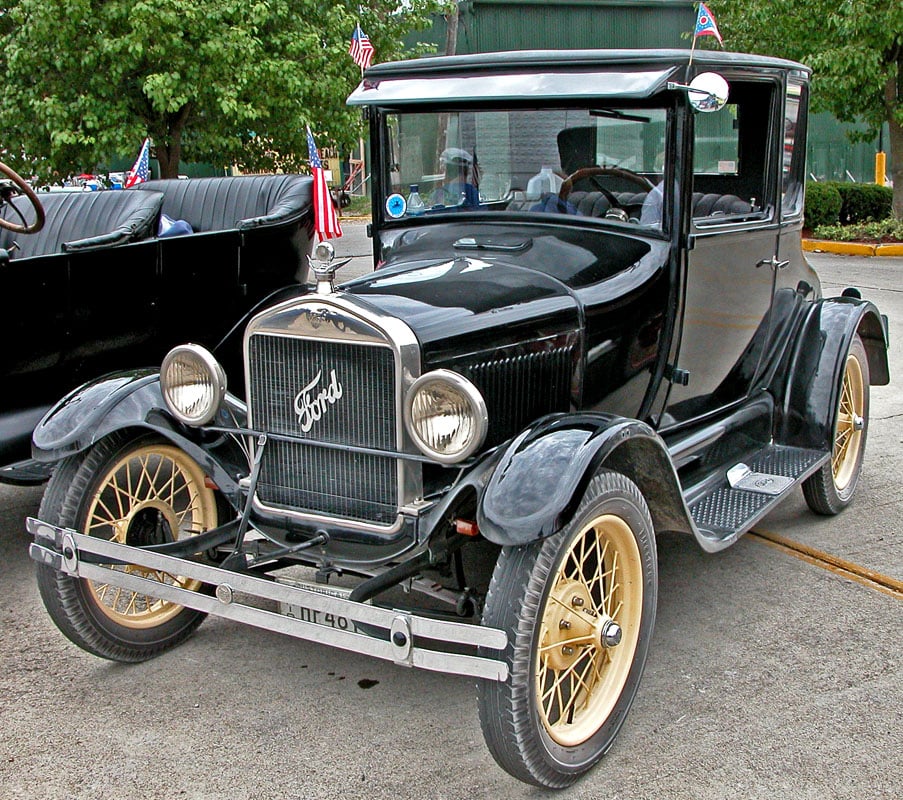
Folks used to think driving was a luxury – then came Henry Ford’s Model T in 1908. Not long after, roads began filling with ordinary people behind the wheel instead of just rich ones.
Thanks to an innovative way of building cars piece by piece on a moving track, prices dropped sharply. Working households started owning machines that once felt out of reach.
Come 1927, more than fifteen million had been built – one after another without slowing down. Distance didn’t seem so far anymore since travel became quicker for nearly everyone.
Even repairs stayed simple; common hand tools did most jobs thanks to clever engineering.
Chevrolet Corvette
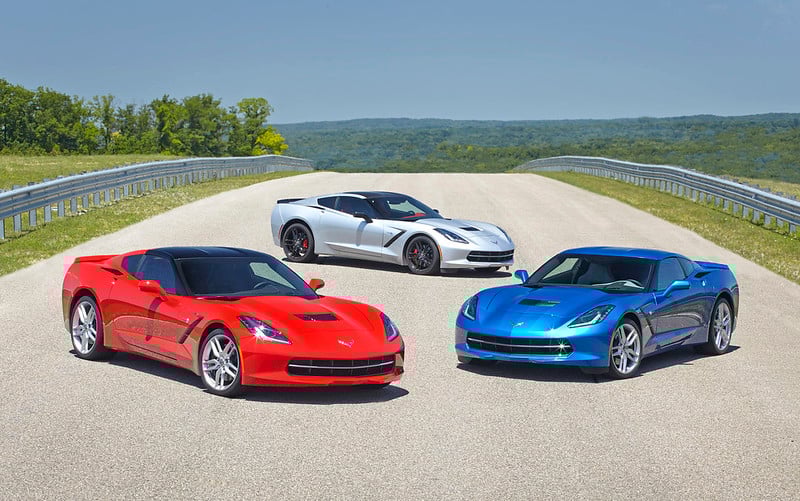
Fifty-three marked Chevy’s move into sporty territory with the Corvette, built to match nimble imports. Lightweight fiberglass shaped its frame, yet under the hood roared an engine ready for open roads.
Though first versions stumbled here and there, that original C1 laid roots deeper than anyone expected. More than quickness defined it – this machine slipped quietly into garages and imaginations across the country.
Porsche 911

Starting life in 1964, the 911 stood out instantly thanks to a rear-mounted engine and a profile you’d spot anywhere. Safety wasn’t their main concern – Porsche chose odd over ordinary, which gave the vehicle handling unlike any other at the time.
That special feel behind the wheel? People grew fond of how it moved, almost like it answered before being asked. Over fifty years passed, yet the outline stays close to original, simply because there was nothing wrong with what they built back then.
Ford Mustang

Out came the Mustang from Ford in April 1964, sparking a fresh kind of car altogether. Sporty design mixed with low cost made folks line up fast – no hesitation at all.
Sales blew past a million units within just twenty-four months, showing clearly what drivers craved. That stretched front and tight back end? Soon every company was chasing the look.
Jaguar E-Type

Beauty, Enzo Ferrari once said, lived in the lines of the E-Type when it arrived in 1961. Parked by the street, its stretched silhouette still whispered speed.
Not just design flair – this one blended British build sense with Italian shape magic. Speed reached near 150 mph, numbers few trusted back then.
Heads turned wherever it went, true – but under the skin, gears and steel delivered what eyes first believed.
Volkswagen Beetle
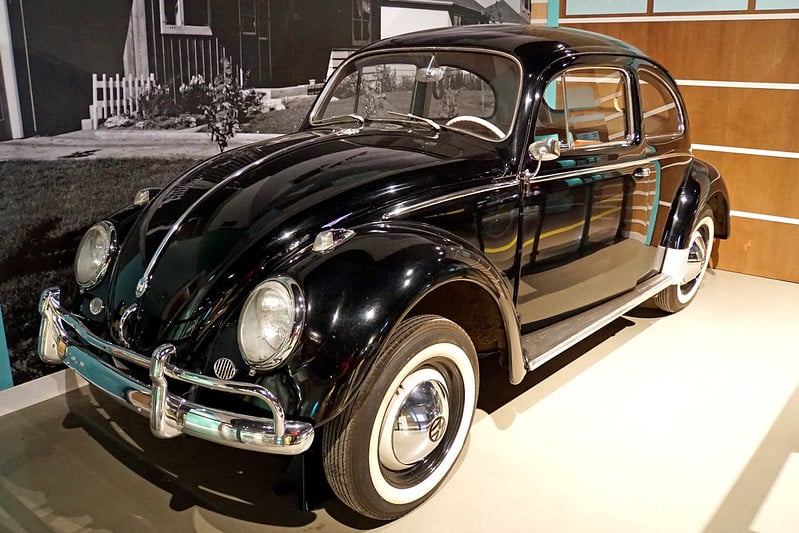
Out near Stuttgart, workers began assembling the Beetle before World War II even finished, yet its real journey kicked into gear once peace returned. Designed by Ferdinand Porsche, simplicity guided every curve and bolt – low cost mattered just as much as being straightforward to fix, fitting those piecing life back together.
Cooling the engine without a radiator cut down complexity; clever engineering hid in that smooth, bubble-like form everyone came to know. Production lines kept moving for decades, until more than 21 million rolled out of factories, each one adding to a quiet legacy on wheels.
Mini Cooper

Out of nowhere came the Mini in 1959, built by British Motor Corporation when gas got scarce. With the engine turned sideways and wheels stretched to each edge, Alec Issigonis made room inside feel huge despite the tight outside.
Because it was short and driven through the front tires, how it moved on roads felt unlike anything rolling before. Even on dirt tracks and mountain climbs, souped-up Minis kept winning races – showing little shape could still pack big spirit.
Mercedes-Benz 300SL
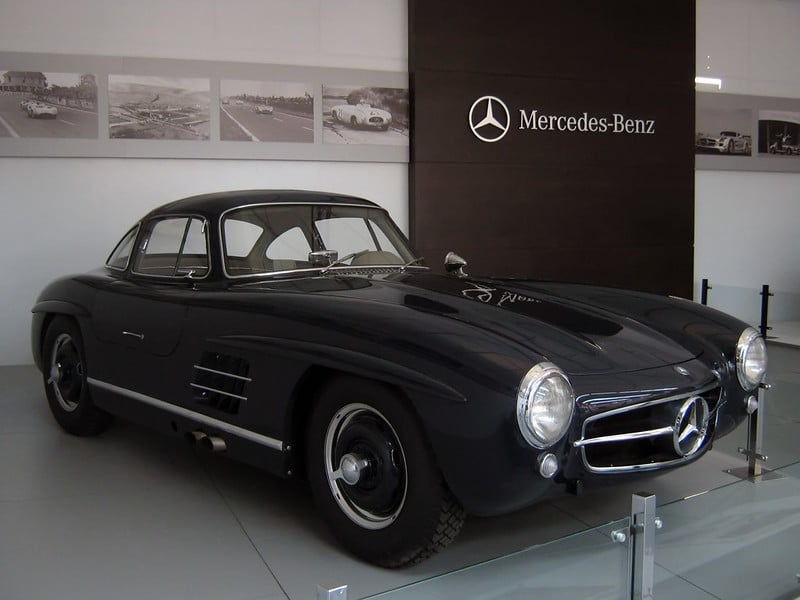
Up high in 1954, the 300SL showed up with doors that swung skyward, like something out of a dream. From track glory to street life – Mercedes reshaped their winner into something drivable every day, if you could afford it.
Speed came easy thanks to fuel injection, while a cage-like chassis held the chaos in check. Not many survived the build years, just around 3,200; scarcity built value fast.
Time turned rarity into legend, and price tags followed without being asked.
Lamborghini Miura
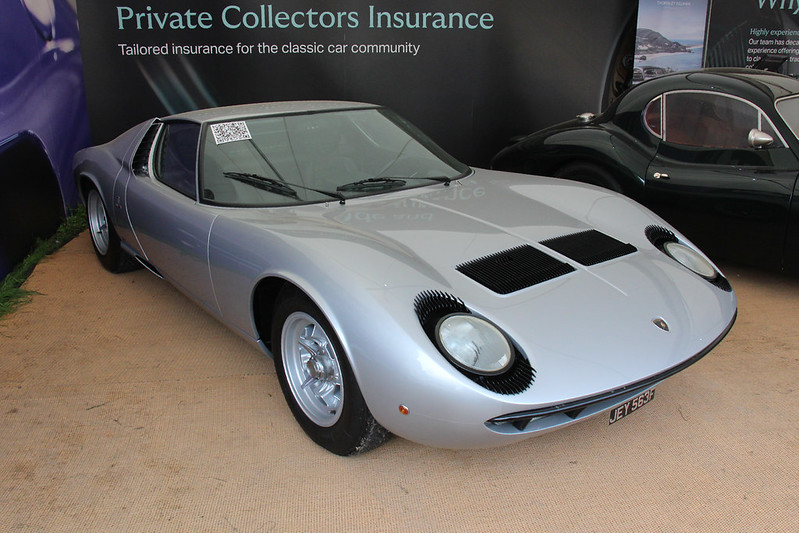
Lamborghini shocked everyone in 1966 by mounting a V12 engine sideways right behind the driver’s seat. The Miura looked impossibly low and wide, like something from a science fiction movie rather than a real production car.
This layout became the standard for supercars that followed, even though it seemed crazy at the time. Driving one meant dealing with intense heat and noise from that massive engine, but owners accepted these quirks as part of the experience.
Dodge Charger

The 1968-1970 Charger R/T represented American muscle cars at their absolute peak. Dodge offered huge V8 engines that could turn rear tires into smoke with minimal effort, and the fastback body style looked aggressive from every angle.
The hidden headlights and recessed rear window gave it a distinctive appearance that stood out even in a crowded muscle car market. Movies and TV shows later made the Charger even more famous, but it had already earned its place in automotive history.
Ferrari 250 GTO
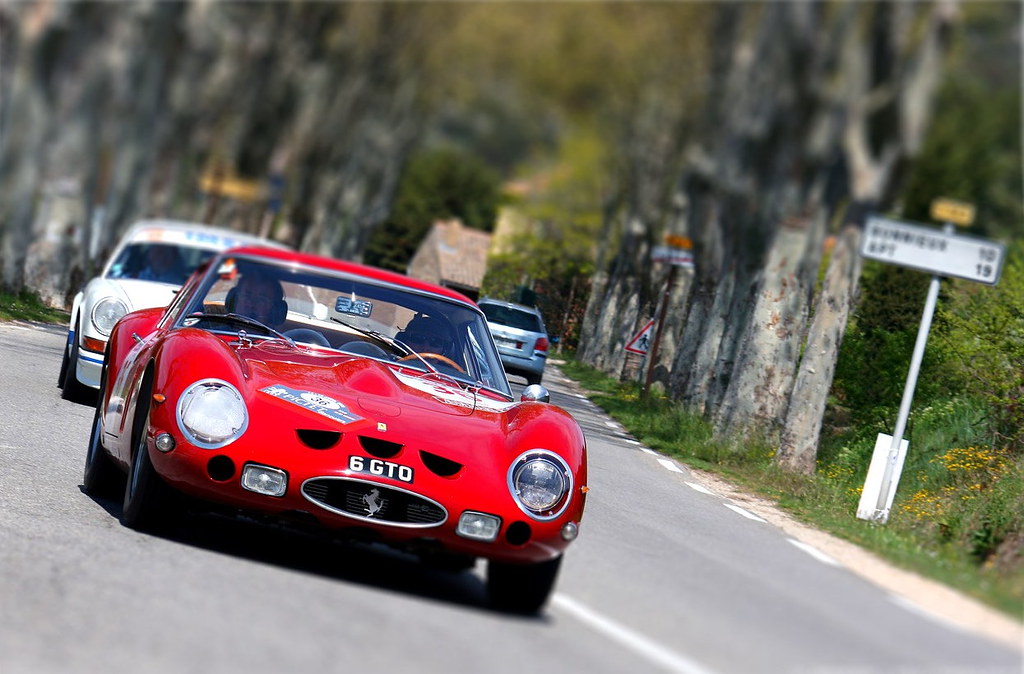
Ferrari built just 36 examples of the 250 GTO between 1962 and 1964, creating what many consider the ultimate collector car. The company designed it specifically for racing, and it dominated GT championships throughout its competitive years.
That combination of beauty, performance, and extreme rarity means GTOs now sell for tens of millions of dollars when they change hands. The V12 engine sang at high revs while the aerodynamic body slipped through air with minimal resistance.
Rolls-Royce Phantom

The original Phantom appeared in 1925 and set standards for luxury that other companies spent decades trying to match. Rolls-Royce hand-built each car with attention to detail that bordered on obsessiveness, and the smooth, powerful engine ran so quietly that engineers used a clock to check for vibrations.
Owning a Phantom meant having the absolute best that money could buy, and the Spirit of Ecstasy hood ornament became a universal symbol of wealth and success. The name continues today because Rolls-Royce established something timeless.
Datsun 240Z
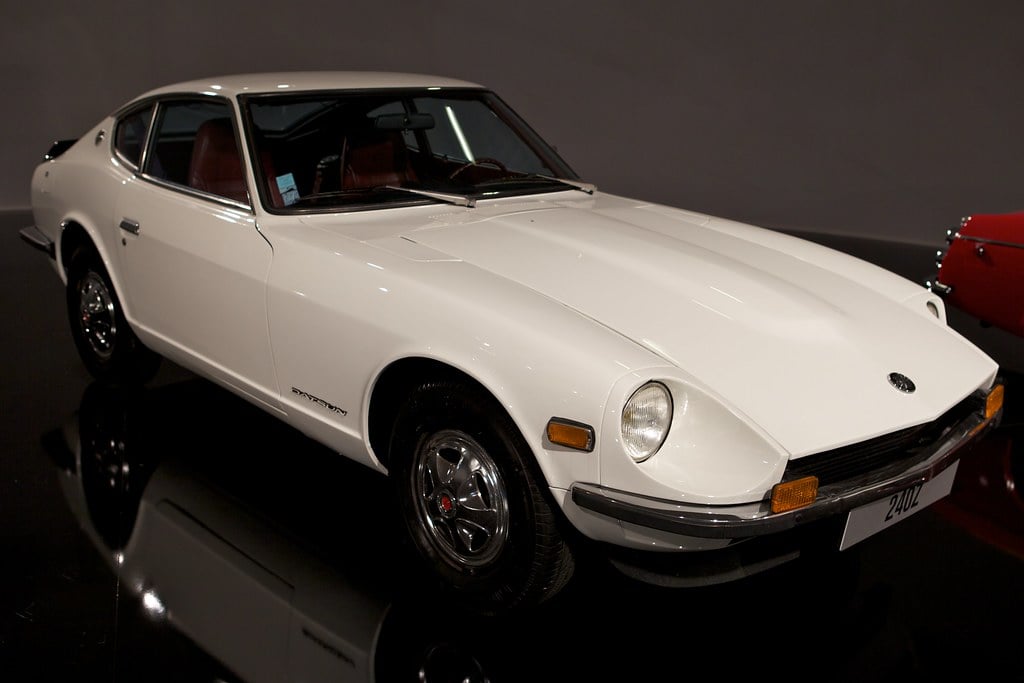
Nissan introduced the 240Z in 1969 under the Datsun brand name, bringing Japanese sports cars to American buyers in a serious way. The long hood and fastback design clearly drew inspiration from European GTs, but the reliable inline-six engine and affordable price made it accessible.
Americans bought over 45,000 units in the first year, proving that Japanese automakers could compete directly with established brands. The Z-car legacy continues today because that first 240Z got so much right from the start.
Cadillac Eldorado

The 1959 Eldorado pushed American design excess to absolute limits with tail fins that stretched nearly four feet high. Cadillac covered the car in chrome, gave it enormous proportions, and made sure everyone knew the owner had arrived.
The design divided opinions then and still does now, but nobody can deny its impact on automotive styling. This generation of Eldorado represents a moment when American confidence and optimism got expressed through car design for the boldest way possible.
Land Rover Series I
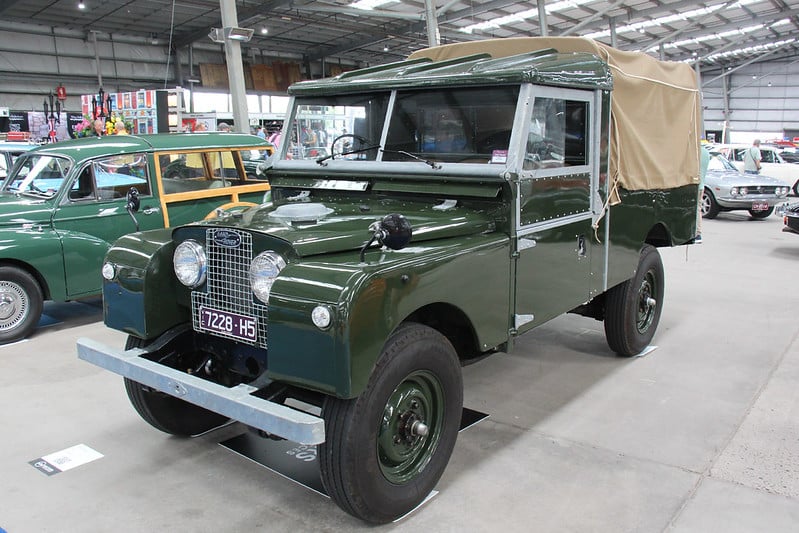
British engineers created the original Land Rover in 1948 using leftover aircraft aluminum and a simple ladder frame. The design prioritized function over comfort, giving farmers and workers a tough vehicle that could handle terrible roads and heavy loads.
Four-wheel drive and high ground clearance meant it could go places that stopped regular cars completely. The basic formula worked so well that Land Rover kept refining it rather than replacing it for decades.
Alfa Romeo Spider

The Spider arrived in 1966 wearing bodywork designed by Pininfarina, and it captured the spirit of Italian open-top motoring perfectly. The twin-cam engine loved to rev while the balanced chassis made country roads feel like personal racetracks.
Alfa kept producing variations of this design until 1993, which shows just how right they got the original concept. Rust proved to be the Spider’s worst enemy, but survivors still deliver the pure driving experience that made them special.
Where These Legends Live On
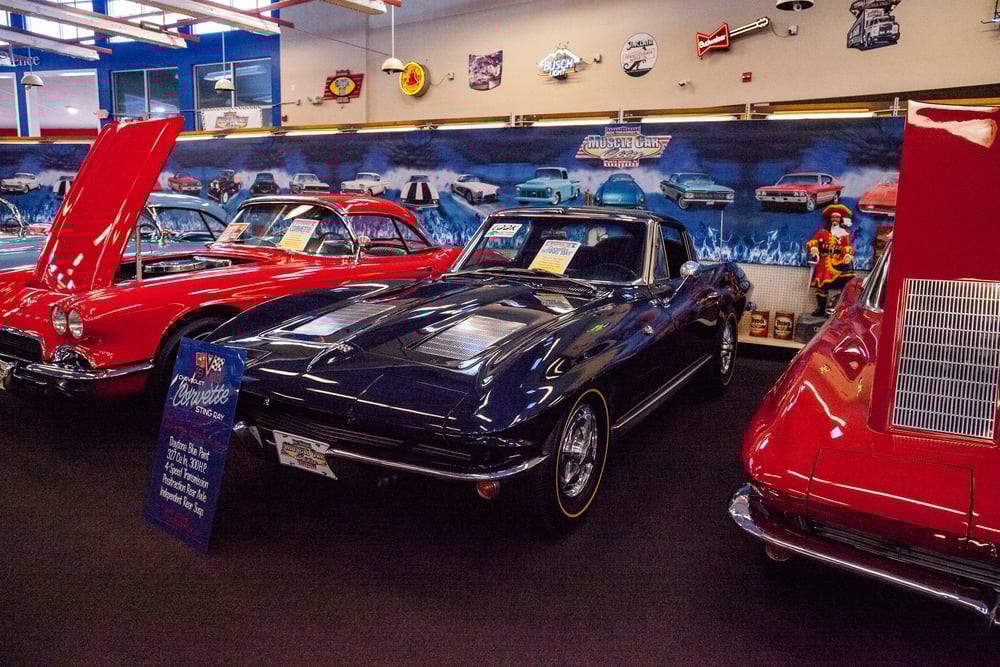
Classic car values keep climbing because people remember what these vehicles meant when they first appeared. Museums preserve important examples while private collectors maintain running machines that still hit the road regularly.
Modern automakers often look backward at these designs when creating new models, understanding that certain proportions and details just work. The internal combustion engine might be fading away, but the impact of these classic cars will echo through automotive design for generations to come.
More from Go2Tutors!

- The Romanov Crown Jewels and Their Tragic Fate
- 13 Historical Mysteries That Science Still Can’t Solve
- Famous Hoaxes That Fooled the World for Years
- 15 Child Stars with Tragic Adult Lives
- 16 Famous Jewelry Pieces in History
Like Go2Tutors’s content? Follow us on MSN.



