16 Fashion Styles Born From Global Protests
Fashion serves as more than fabric and thread—it functions as a language of rebellion, identity, and social change. Throughout history, some of the most iconic styles didn’t emerge from runways or design studios, but from the streets during moments of upheaval and resistance.
Here is a list of 16 fashion styles that were born from global protests and movements, each carrying the spirit of defiance that created them.
Black Panther Party Aesthetic
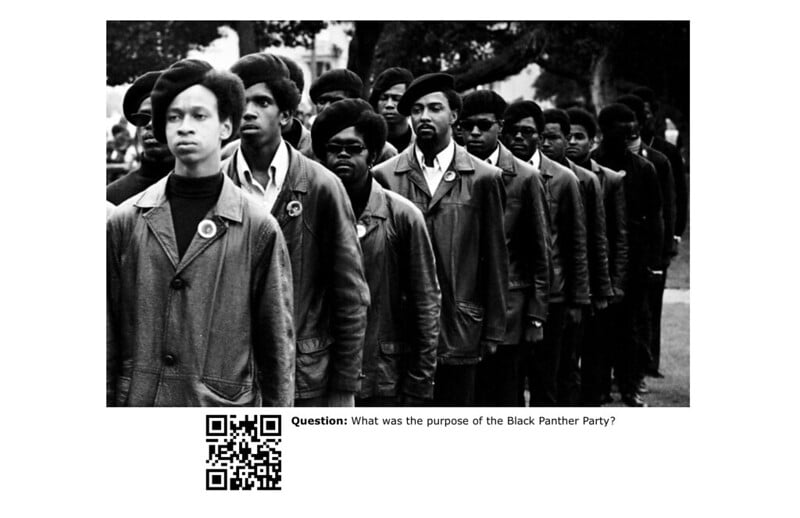
The Black Panthers didn’t just fight for civil rights—they created one of the most powerful visual statements in fashion history. Their uniform of black leather jackets, berets, and turtlenecks became an instant symbol of strength and solidarity. The look was deliberately chosen to project authority and unity, transforming everyday clothing into armor for social change.
Punk Rock Style
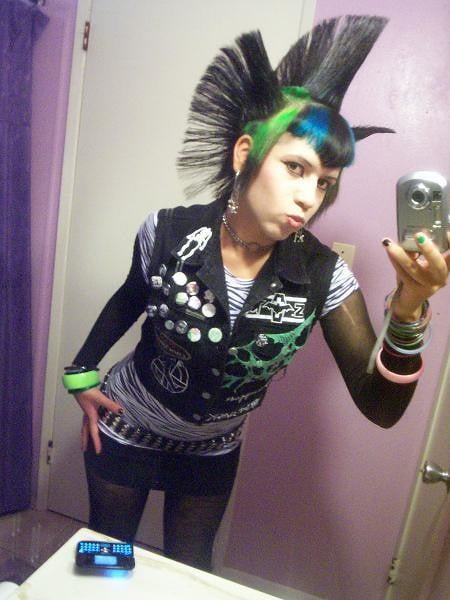
Born in the grimy clubs of 1970s London and New York, punk fashion emerged as a middle finger to mainstream society. Safety pins, torn clothing, and DIY aesthetics weren’t just style choices—they were statements of economic frustration and political anger. This deliberately destructive approach to fashion gave young people a way to wear their rebellion on their sleeves, literally.
Hippie Counter-Culture Fashion
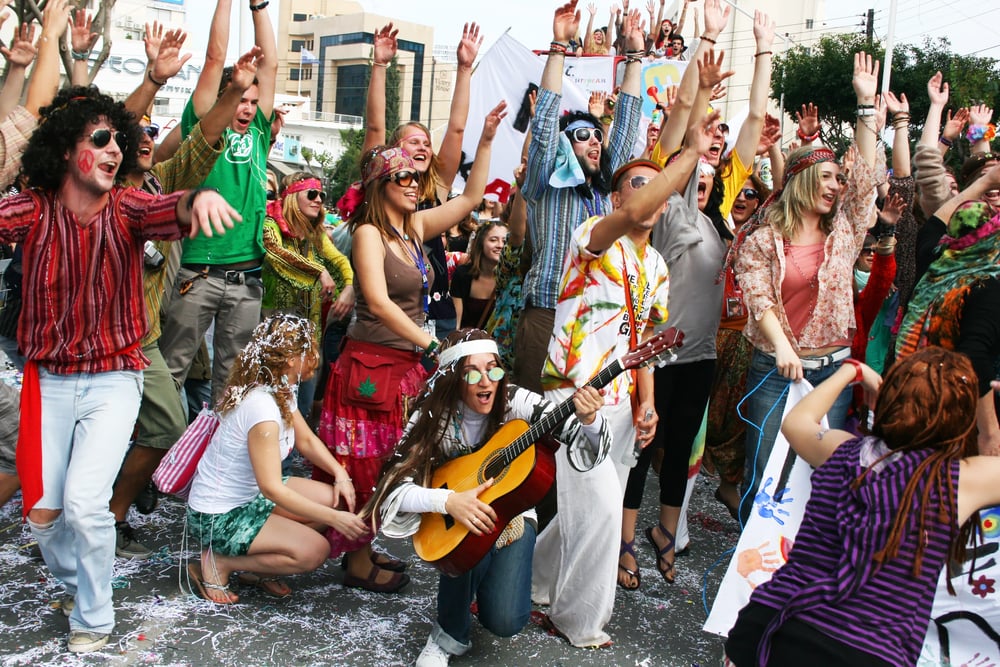
— Photo by ruzanna
The flower power movement of the 1960s created fashion that was the complete opposite of buttoned-up corporate America. Flowing fabrics, natural materials, and handmade accessories represented a rejection of consumerism and war. Bell-bottom jeans and peasant blouses became uniforms for a generation that wanted to make love, not war.
Che Guevara T-Shirt Phenomenon

— Photo by 360ber
Few images have traveled as far as Che Guevara’s iconic portrait, which became a global symbol of resistance after his death. The simple black and white image on a t-shirt transformed everyday clothing into political statement wear. This style proved that sometimes the most powerful fashion comes from the most unlikely places.
Suffragette Colors
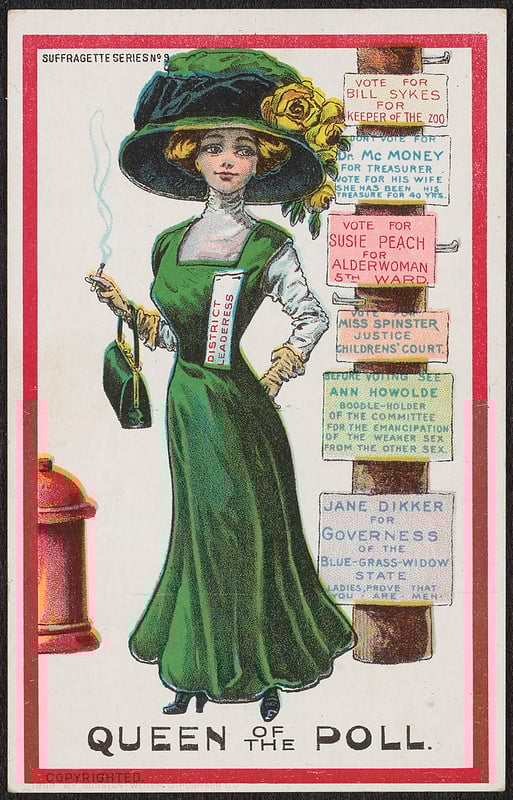
The women’s suffrage movement gave birth to a strategic use of color that still influences fashion today. Purple, white, and green became the official colors of the movement, representing dignity, purity, and hope. These colors appeared on sashes, ribbons, and clothing, turning fashion into a form of political communication long before hashtags existed.
Zoot Suit Rebellion

The zoot suit became a symbol of defiance for Mexican-American and African-American youth in the 1940s. With its dramatically oversized silhouette and bold colors, the style was both a fashion statement and an act of resistance against wartime fabric rationing. The suit represented cultural pride and refusal to conform to mainstream American expectations.
Mod Fashion Movement
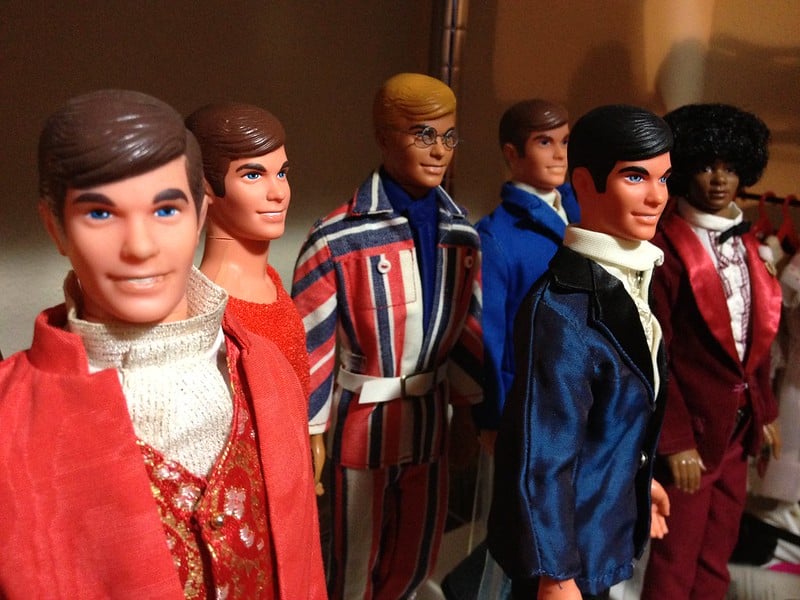
The Mod subculture of 1960s Britain created a clean, geometric aesthetic that rejected both the stuffiness of traditional British fashion and the messiness of rock and roll. Sharp suits, mini skirts, and bold patterns became symbols of youth rebellion and working-class pride. This movement showed that protest fashion could be polished and precise rather than deliberately rough.
Anti-Apartheid Fashion

The global movement against South African apartheid created fashion that transcended borders. Freedom fighter imagery, African-inspired patterns, and politically charged t-shirts became ways for people worldwide to show solidarity. Nelson Mandela’s later adoption of colorful African shirts as formal wear demonstrated how protest fashion could eventually become mainstream political expression.
Rasta Fashion and Reggae Culture
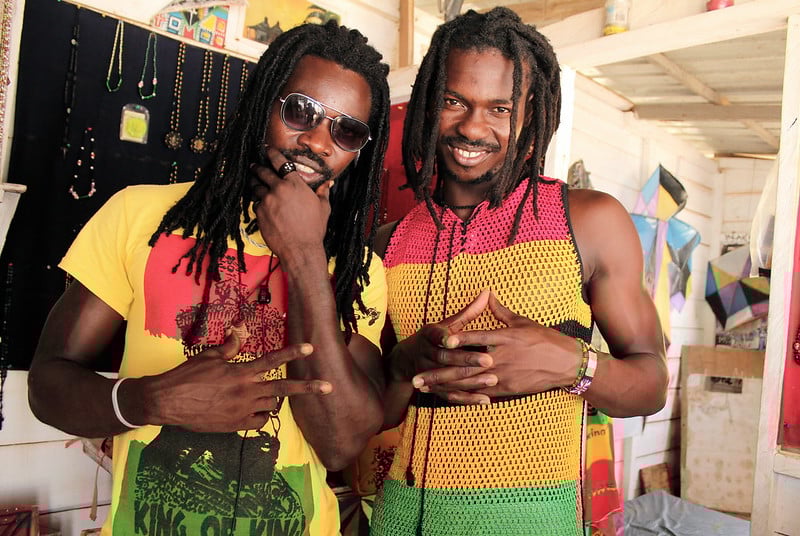
The Rastafarian movement transformed red, gold, and green into colors of spiritual and political resistance. Dreadlocks, knit caps, and natural fabrics became symbols of African identity and anti-colonial sentiment. Bob Marley’s global influence helped spread this aesthetic far beyond Jamaica, making it a universal language of resistance.
Grunge Anti-Fashion
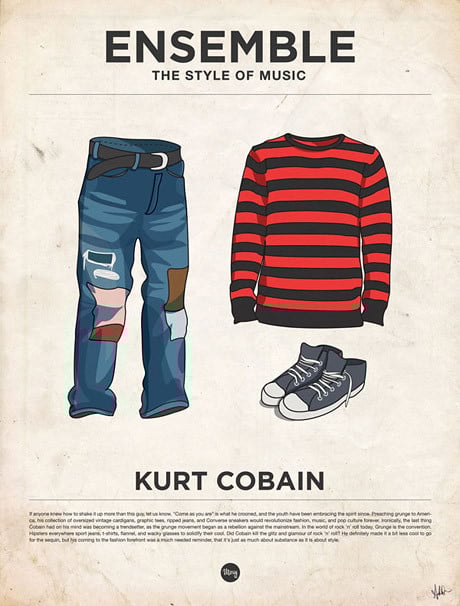
Seattle’s grunge movement of the early 1990s created an anti-fashion statement that accidentally became high fashion. Flannel shirts, ripped jeans, and thrift store finds represented economic frustration and rejection of 1980s excess. The irony wasn’t lost when luxury brands began selling expensive versions of deliberately cheap-looking clothes.
Occupy Wall Street Aesthetic

The 2011 Occupy movement created a deliberately casual, anti-corporate aesthetic that rejected traditional business attire. Camping gear, handmade signs, and deliberately mismatched clothing became symbols of economic protest. Guy Fawkes masks, popularized by the movement, turned anonymous resistance into a recognizable fashion statement.
Climate Activist Fashion
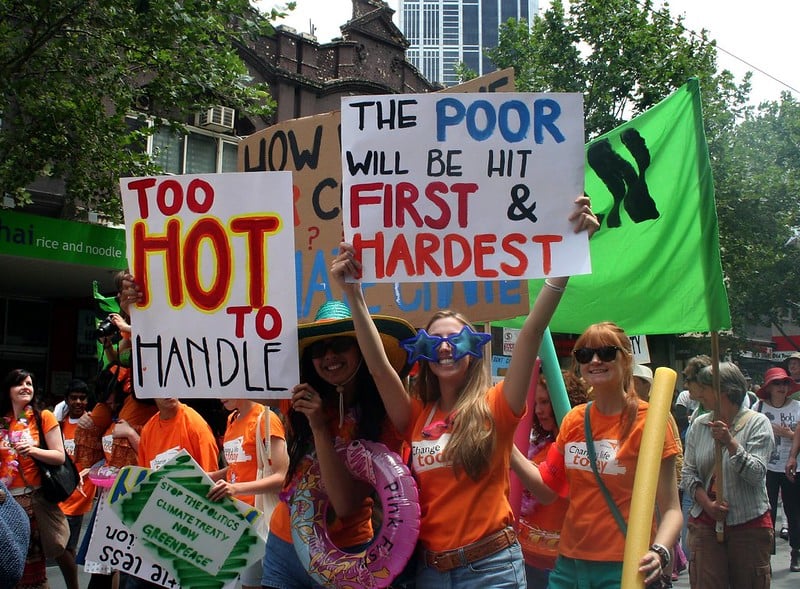
Modern environmental protesters have created a fashion aesthetic built around sustainability and visibility. Bright green accessories, upcycled clothing, and deliberately simple styles make statements about both environmental consciousness and anti-consumerism. Greta Thunberg’s plain, practical clothing choices became a powerful example of how understated fashion can make the loudest statements.
LGBTQ+ Pride Fashion
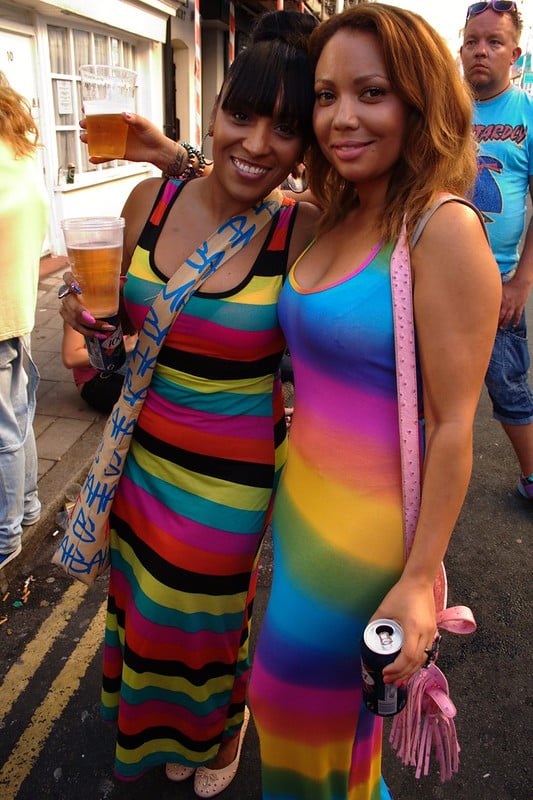
The Stonewall riots and subsequent Pride movements created an explosion of rainbow colors and bold, expressive fashion. What began as acts of defiance against discrimination became celebrations of identity and diversity. Pride fashion showed that protest clothing could be joyful and celebratory rather than angry and confrontational.
Anti-War Protest Fashion

The Vietnam War era produced iconic protest fashion that went far beyond peace signs. Military surplus clothing worn ironically, flower crowns, and handmade protest buttons turned everyday items into statements against war. This aesthetic proved that fashion could be both beautiful and politically powerful.
Solidarity Movement Style

Poland’s Solidarity movement of the 1980s created a distinctive aesthetic of red and white badges, simple clothing, and worker-inspired fashion. The movement’s emphasis on dignity and unity translated into clothing choices that were both practical and symbolically powerful. This style influenced labor movements worldwide.
Arab Spring Fashion

The Arab Spring protests created a modern fusion of traditional Middle Eastern elements with contemporary protest aesthetics. Checkered keffiyehs, combined with modern street wear and social media-friendly graphics, created a new visual language of resistance. This style demonstrated how ancient symbols could be reimagined for contemporary movements.
When Fashion Becomes History

These 16 styles remind us that fashion has always been political, whether we realize it or not. What began as acts of rebellion eventually influenced mainstream culture, proving that the most authentic fashion often comes from the most authentic human experiences. Today’s protest movements continue this tradition, creating new visual languages that will undoubtedly influence tomorrow’s fashion trends.
More from Go2Tutors!

- 16 Historical Figures Who Were Nothing Like You Think
- 12 Things Sold in the 80s That Are Now Illegal
- 15 VHS Tapes That Could Be Worth Thousands
- 17 Historical “What Ifs” That Would Have Changed Everything
- 18 TV Shows That Vanished Without a Finale
Like Go2Tutors’s content? Follow us on MSN.