17 Women Who Broke Barriers In World War Ii
Recruiting posters asked women to free a man to fight. Plenty of them read that as an invitation to do considerably more, and the war was short enough of people that nobody could afford to stop them.
They ran spy networks, flew fighters, broke ciphers and commanded tens of thousands of troops. Most were told at some point that the job was not open to women, usually by someone who needed it done by Friday.
Nancy Wake
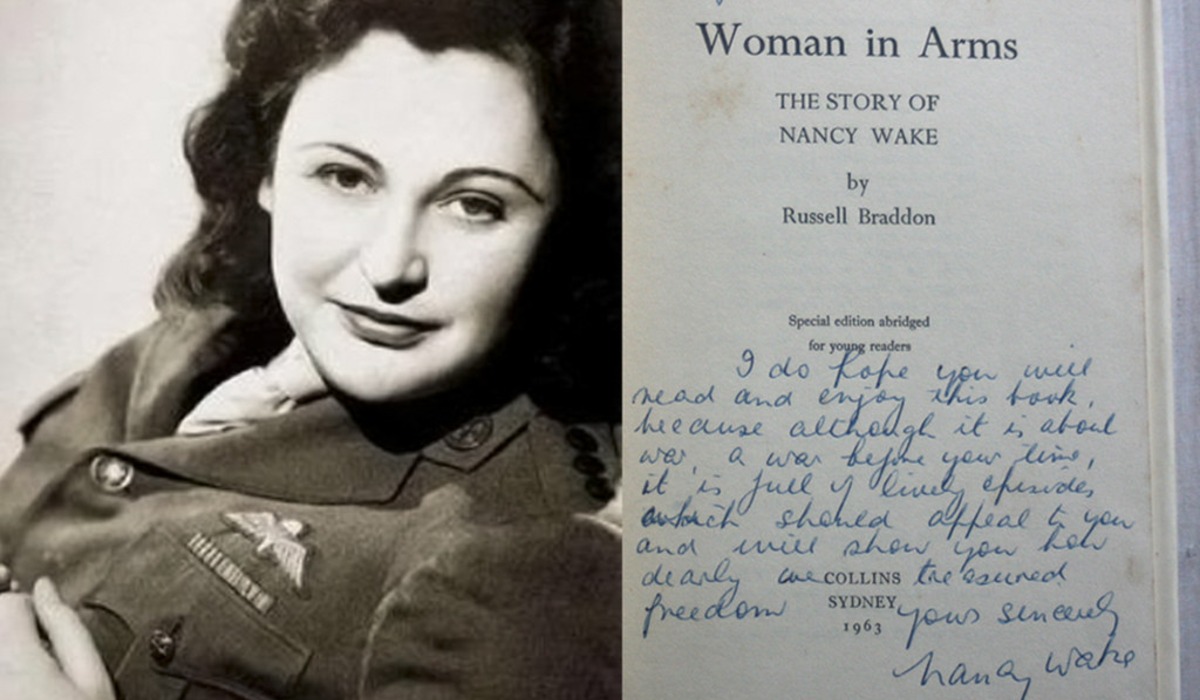
Wellington, New Zealand, was her birthplace and Sydney her childhood home, but Nancy Wake was living in Marseille as a wealthy man’s wife when France fell. She spent the next years moving downed airmen along an escape line toward Spain until the Gestapo closed in.
After training in Britain she parachuted into the Auvergne in the spring of 1944 to arm and organize thousands of maquis fighters. When her group lost its radio codes, she bicycled roughly 500 kilometers in about three days to arrange replacements.
Britain gave her the George Medal, and the United States added its Medal of Freedom.
Noor Inayat Khan
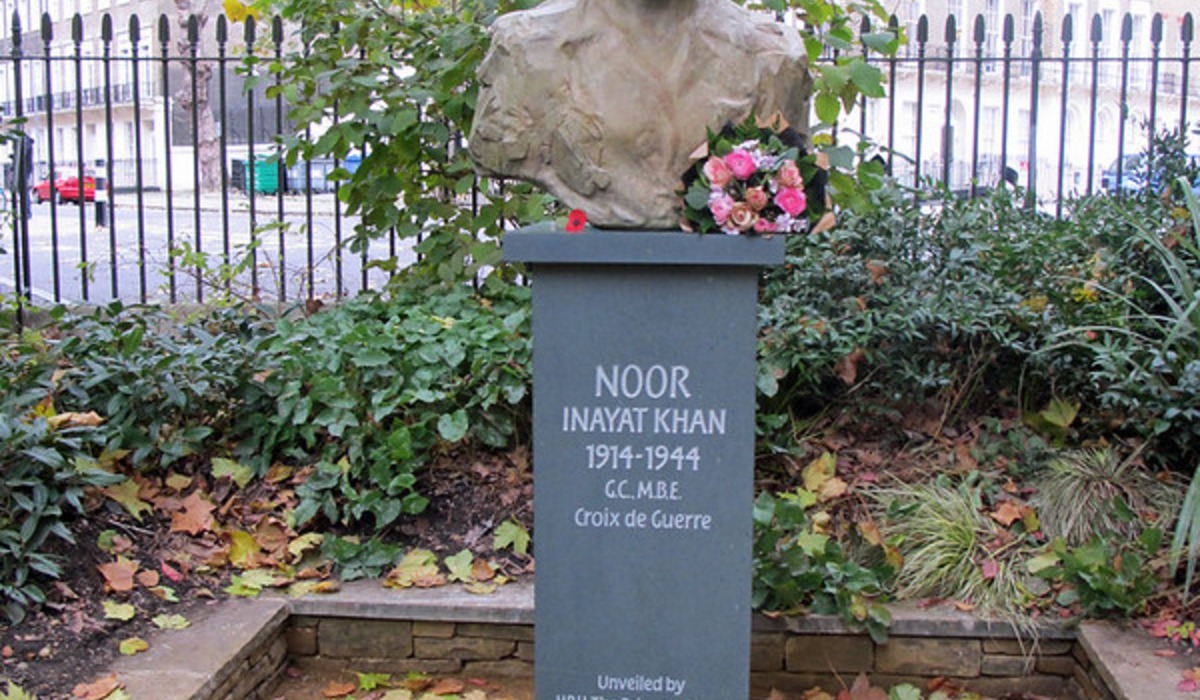
A children’s author who had published a book of Buddhist fables in 1939 was an unlikely candidate for clandestine radio work. Noor Inayat Khan, born in Moscow in 1914 to an Indian Sufi teacher and an American mother, flew into France in June 1943 as the first woman wireless operator the Special Operations Executive sent into occupied France.
Her network was rolled up within weeks. She declined a flight home and kept transmitting from Paris for months, moving constantly, until she was betrayed that October.
Khan was executed at Dachau in September 1944 and received the George Cross in 1949.
Violette Szabo
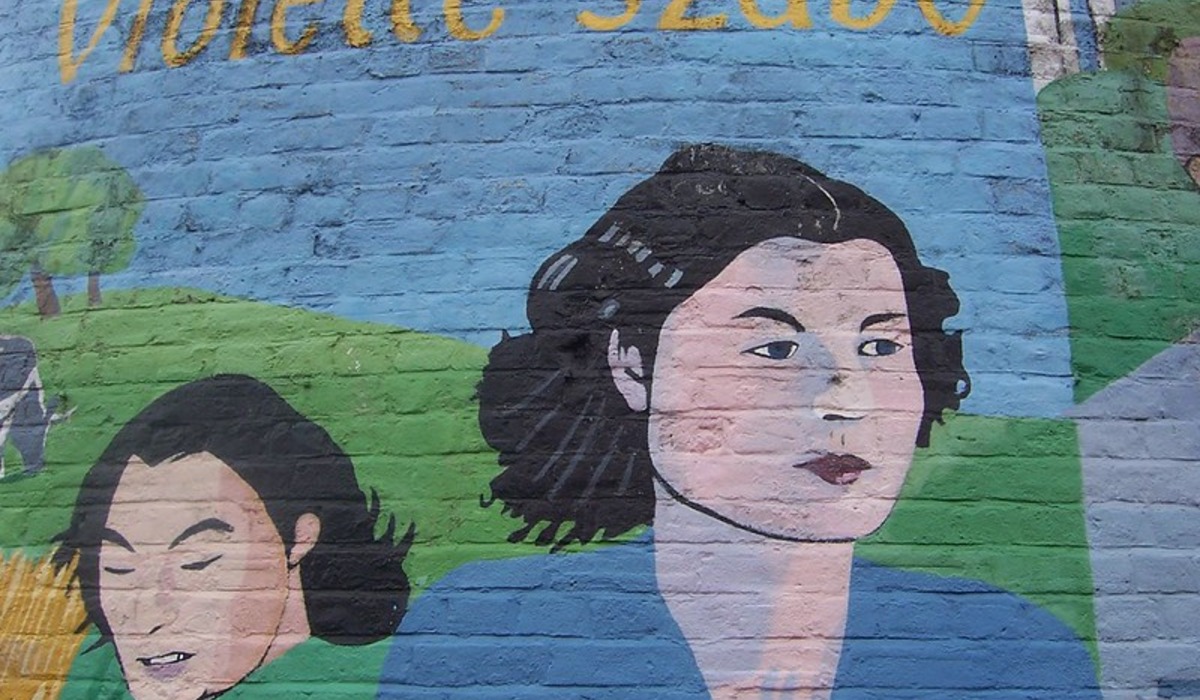
Violette Szabo was a widow of 22 with an infant daughter when the Special Operations Executive accepted her in 1943. Her husband, a French Foreign Legion soldier, had died of wounds at El Alamein in October 1942 without ever seeing the child.
Szabo completed one mission to France in April 1944 and went back by parachute just after D-Day. Two days after landing she was captured following a firefight near Salon-la-Tour in which she reportedly covered a colleague’s escape.
She was executed at Ravensbruck in early 1945, aged 23. Her daughter Tania, by then a small girl, collected the posthumous George Cross from King George VI.
Lyudmila Pavlichenko
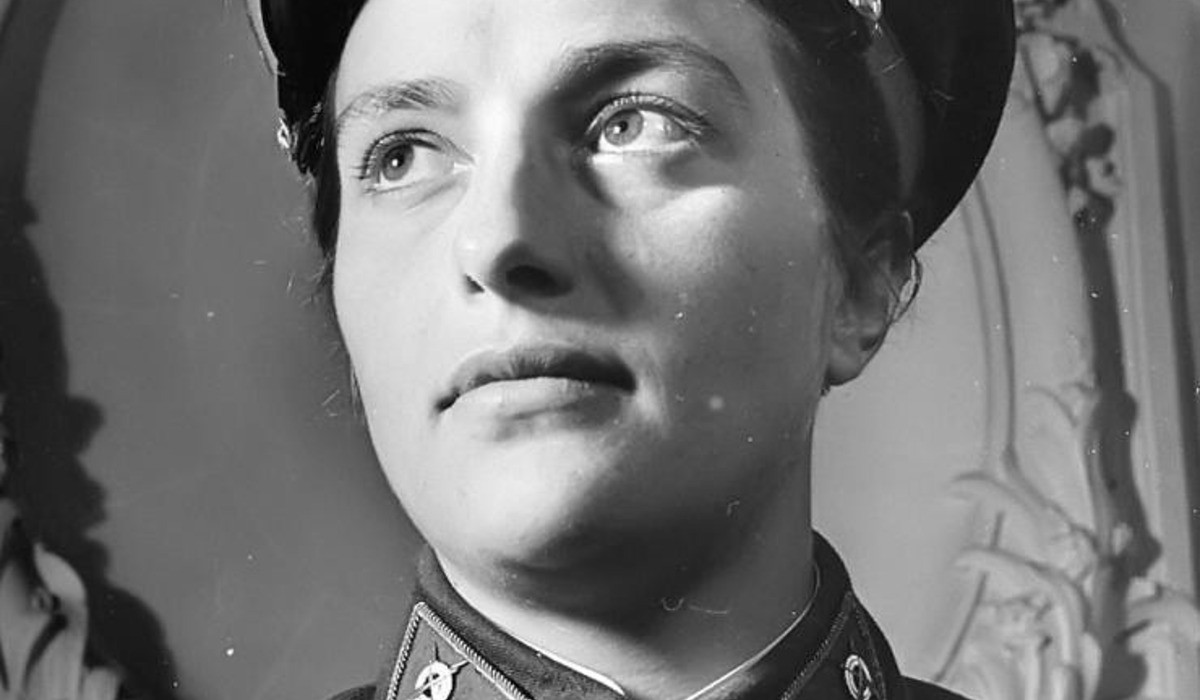
History student Lyudmila Pavlichenko walked into a recruiting office in Odessa in 1941 and was steered toward nursing. She insisted on a rifle.
Over the sieges of Odessa and Sevastopol the Red Army credited her with 309 kills, a Soviet official tally that cannot be checked independently but that made her the best-known woman sniper of the war. Wounded by mortar fire in June 1942, she was pulled from the front and sent on a publicity tour of North America and Britain.
Franklin and Eleanor Roosevelt received her at the White House, and American reporters asked mostly about her uniform.
Jacqueline Cochran
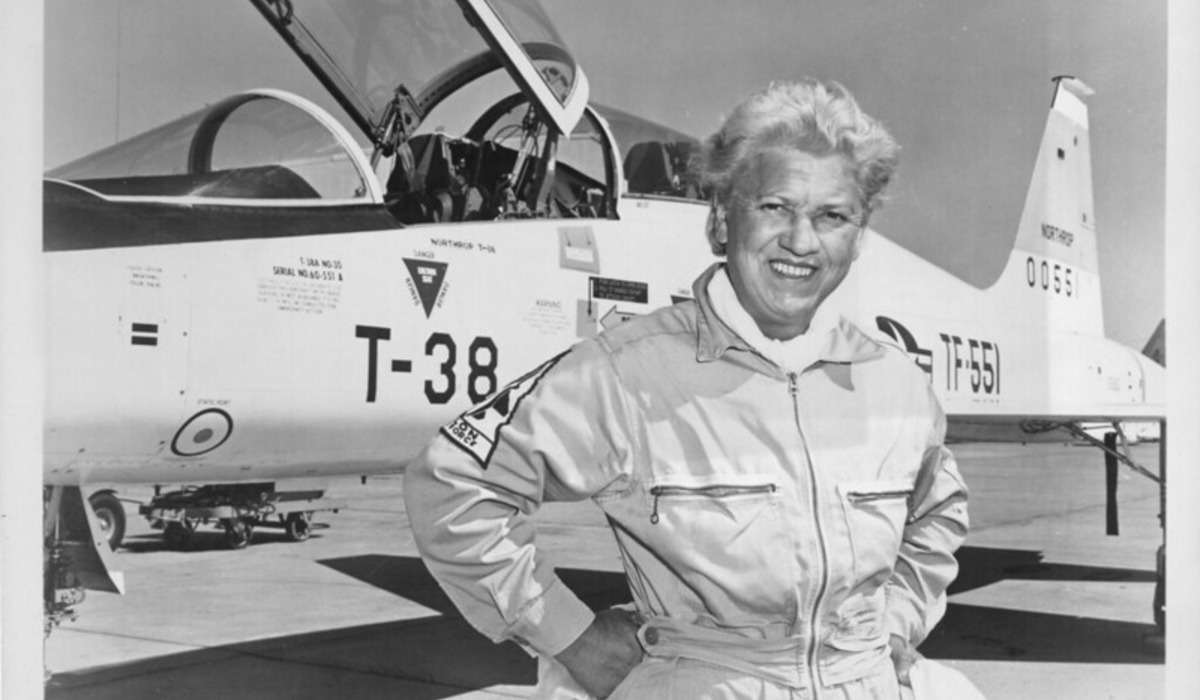
Already a Bendix Trophy winner, Jacqueline Cochran flew a Lockheed Hudson to Britain in June 1941 and is generally credited as the first woman to pilot a bomber across the Atlantic. She then recruited American women to fly for Britain’s Air Transport Auxiliary before coming home to run pilot training for the Army Air Forces.
From 1943 she directed the Women Airforce Service Pilots, whose 1,074 graduates ferried aircraft, towed gunnery targets and tested repaired planes. Thirty-eight of them died in service.
The program was shut down in December 1944, and its members waited until 1977 for veteran status.
Cornelia Fort
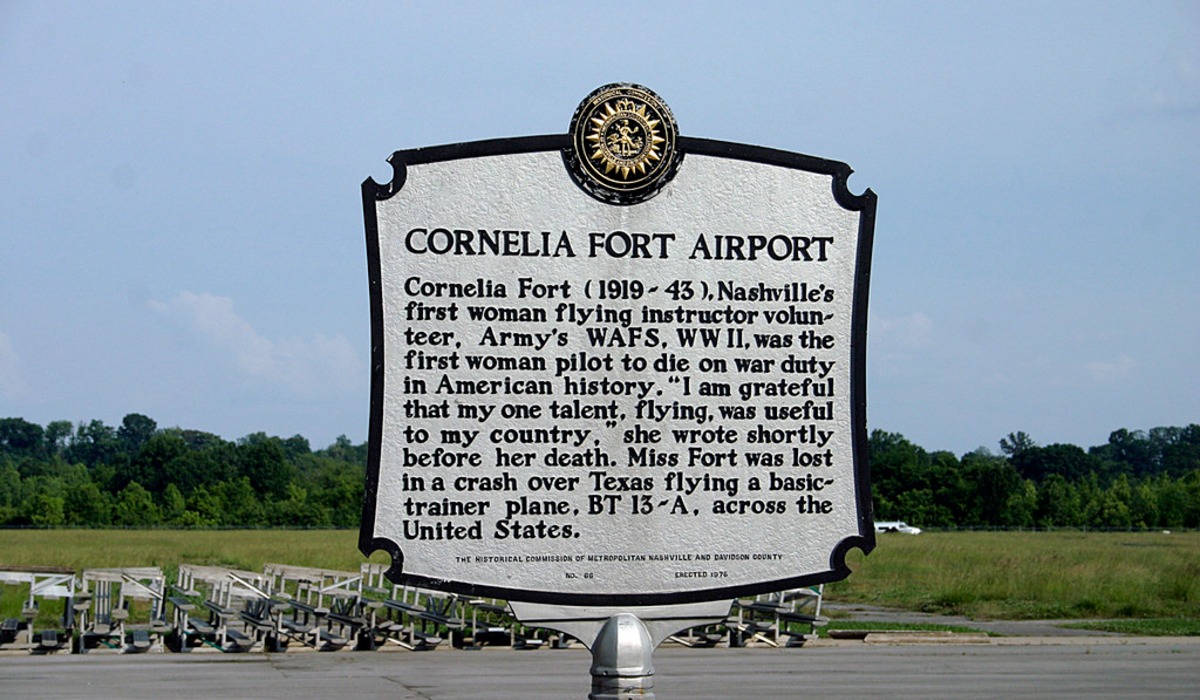
On the morning of December 7, 1941, flight instructor Cornelia Fort was circling above Honolulu with a student when a military plane came straight at them. She seized the controls, pulled up, and saw the red disks on its wings as it passed.
Fort landed under fire at the civilian airfield beside Pearl Harbor. The Nashville native became the second woman to join the Women’s Auxiliary Ferrying Squadron the following year.
She was killed on March 21, 1943, when another aircraft clipped her trainer over Texas, and is widely recognized as the first American woman pilot to die on active military duty.
Oveta Culp Hobby
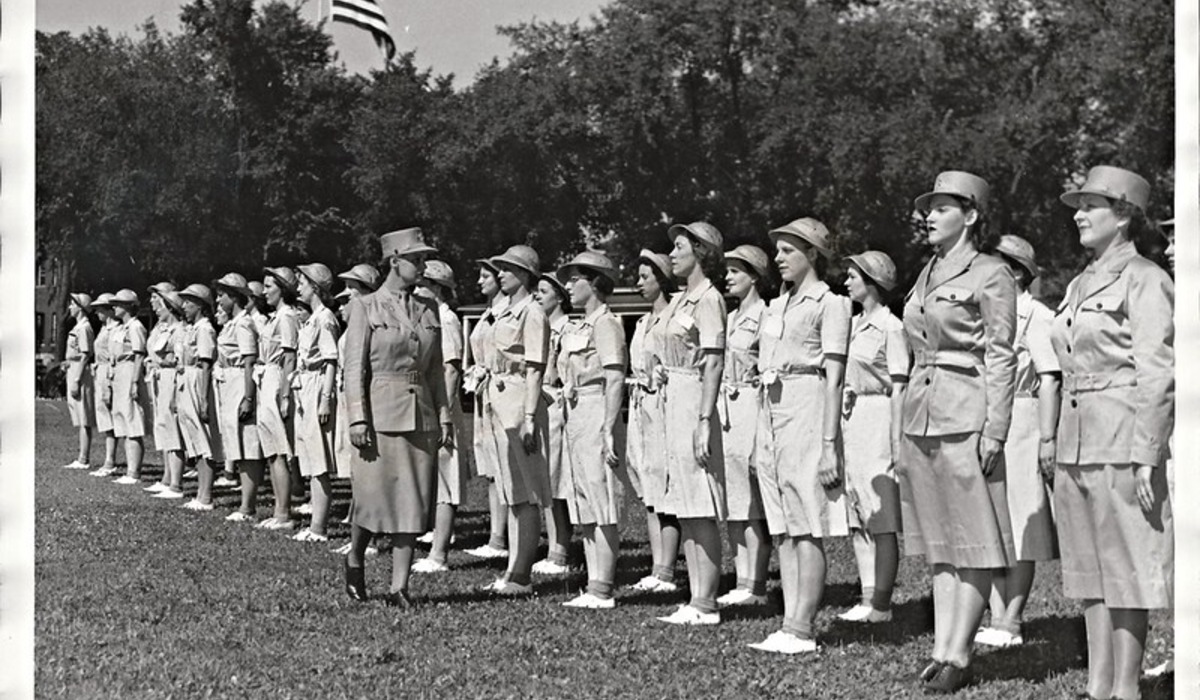
Texas newspaper executive Oveta Culp Hobby went to Washington in 1941 to handle War Department publicity aimed at soldiers’ wives and mothers. By May 1942 she was the first director of the Women’s Army Auxiliary Corps, building an organization from nothing while critics questioned whether women belonged in uniform at all.
Early planners listed a few dozen jobs women might do. Hobby’s staff eventually filled several hundred specialties, and about 150,000 women served in the corps during the war.
In January 1945 she became the first woman in the Army to receive the Distinguished Service Medal. Eisenhower later appointed her to his cabinet.
Mildred McAfee
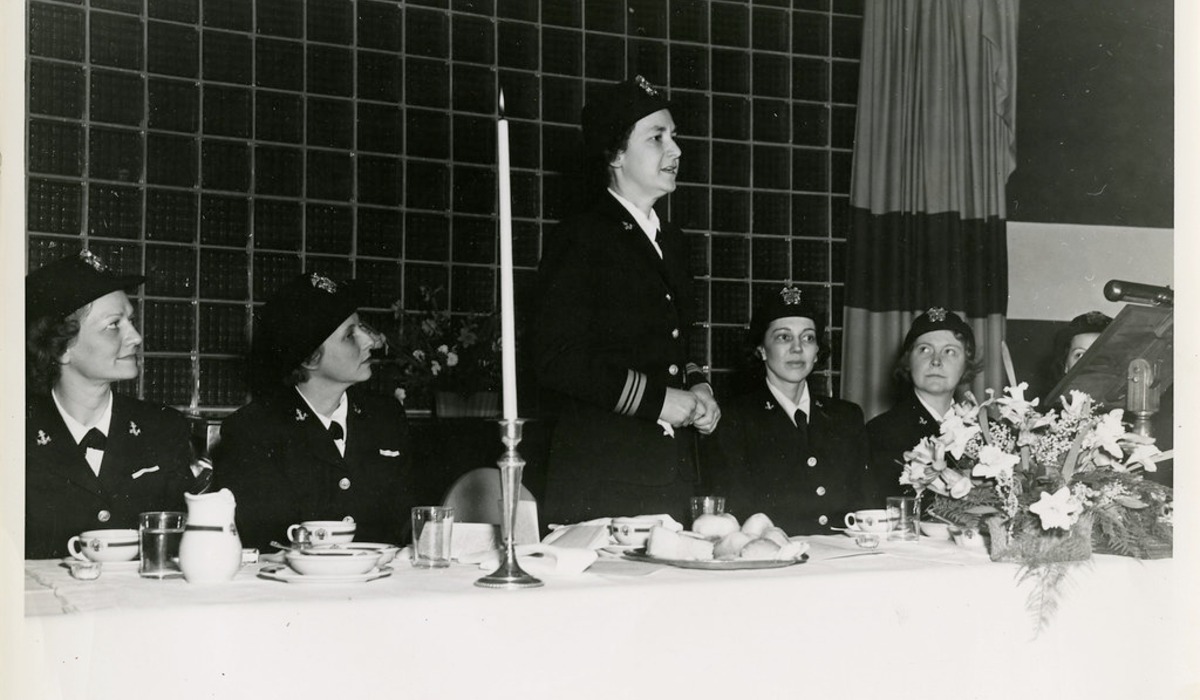
Wellesley College lent its president to the Navy in the summer of 1942. Mildred McAfee was commissioned a lieutenant commander on August 3, days after Congress authorized a women’s reserve, making her the first woman commissioned in the Naval Reserve.
The service she directed, known as the WAVES, grew to more than 80,000 women working as air traffic controllers, cryptologists, mechanics and instructors. Black women were admitted from late 1944, a step McAfee supported, and they trained alongside white recruits.
Promoted to captain in late 1943, she became the first woman to receive the Navy Distinguished Service Medal in November 1945 and then went back to Wellesley.
Ruth Cheney Streeter
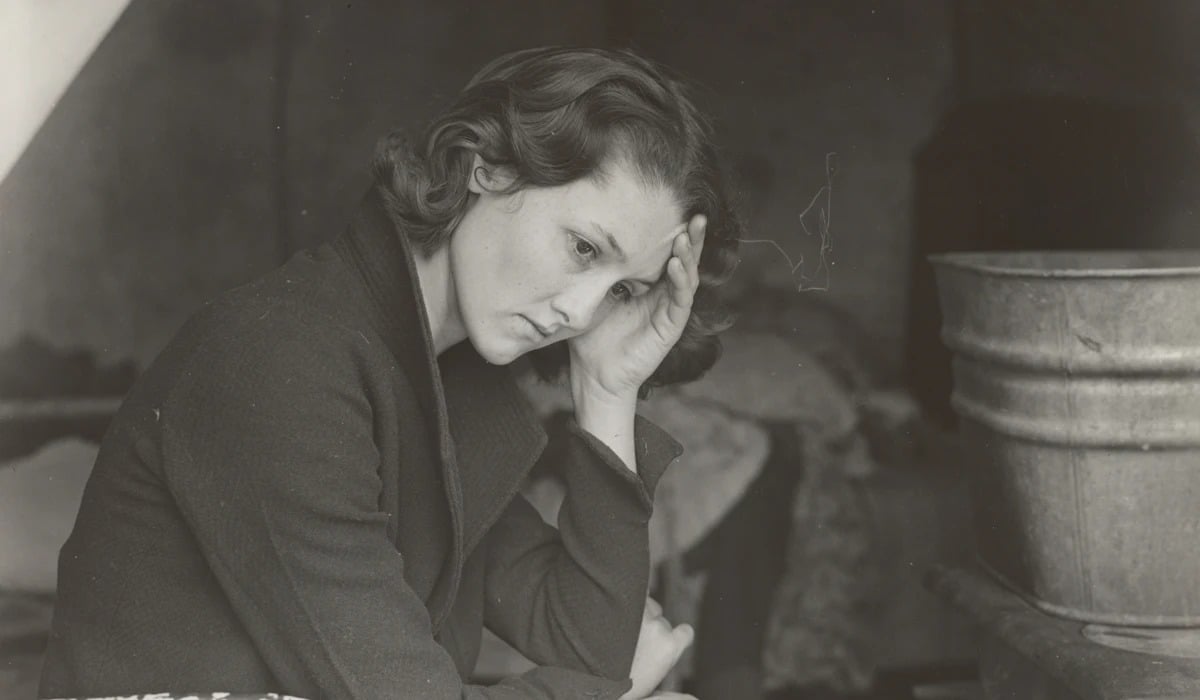
Ruth Cheney Streeter, a mother of four from Morristown, New Jersey, earned a commercial pilot’s license at 47. She applied repeatedly to fly for the women’s ferrying program and was rejected each time as too old.
The Marine Corps had a different offer. In early 1943 she was sworn in as a major and the first director of the Marine Corps Women’s Reserve, which the commandant pointedly declined to give a cute acronym.
Close to 19,000 women had joined by the end of the war, serving in more than 200 kinds of assignments. Streeter retired as a colonel.
Grace Hopper
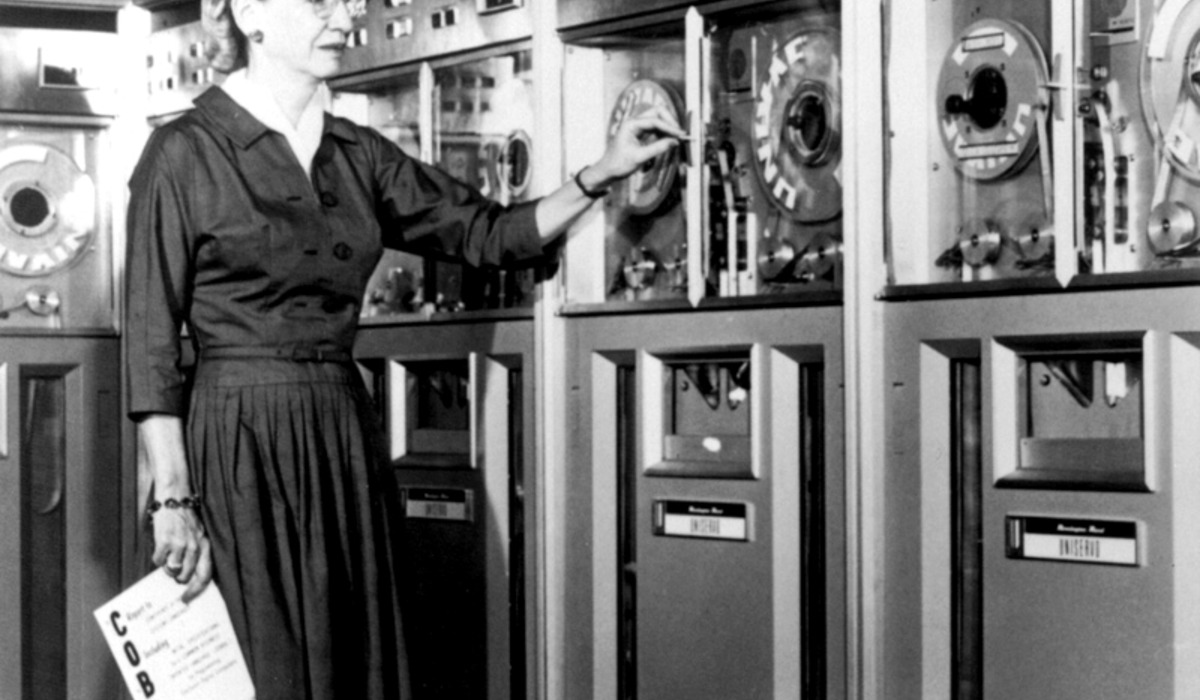
Mathematics professor Grace Hopper weighed too little and was considered too old when she tried to join the Navy, and her job at Vassar was classed as essential. She obtained an exemption for her weight, took leave from the college and was sworn into the Naval Reserve in December 1943.
After finishing first in her midshipmen’s class, she was ordered to Harvard in 1944 to work on the Mark I, an electromechanical calculator 51 feet long. Hopper wrote its operating manual, running to several hundred pages, and coded problems for wartime projects.
She remained in computing for four decades and retired from the Navy as a rear admiral.
Joan Clarke
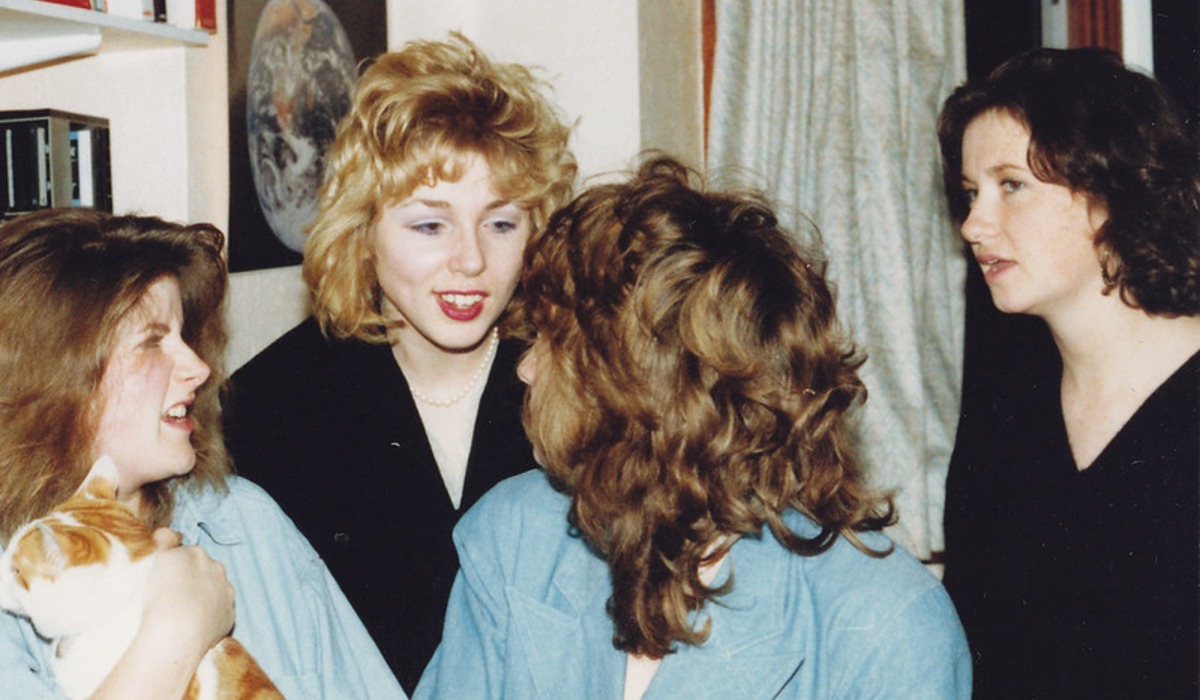
Cambridge would not grant women full degrees in 1939, though Joan Clarke had earned top marks in mathematics there. Recruited to Bletchley Park by one of her former supervisors, she began in 1940 doing clerical work for about two pounds a week.
Within days she was moved to Hut 8, the section attacking German naval Enigma, where she became one of the leading practitioners of a statistical technique called Banburismus. The civil service had no pay grade for a senior woman cryptanalyst, so she was promoted as a linguist despite speaking no foreign languages.
By 1944 she was deputy head of the hut.
Agnes Meyer Driscoll
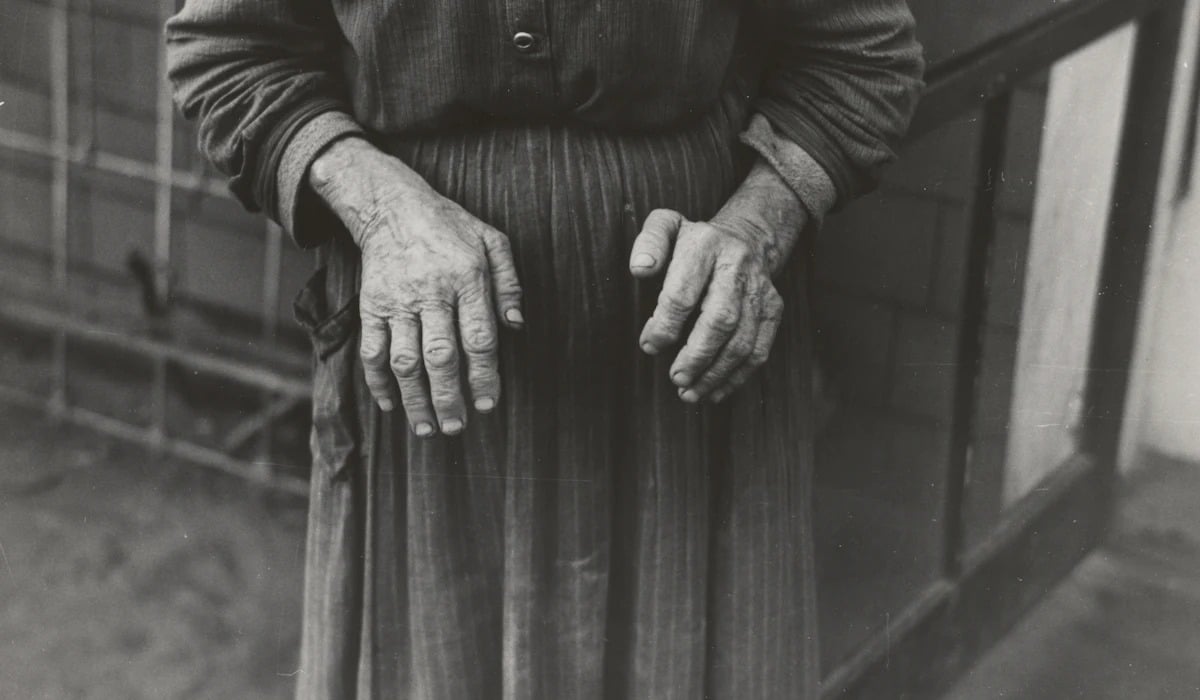
Few people shaped American naval codebreaking as much as Agnes Meyer Driscoll, a former mathematics teacher who enlisted in 1918 and reached chief yeoman, then the highest enlisted rank. As a civilian in the Navy’s code section, she broke the Japanese fleet’s main operational codes in the 1920s and again in the 1930s.
She also made early inroads into the system known as JN-25 before the war. Many officers who later read Japanese signals in the Pacific had learned the craft at her desk.
Colleagues called her Madame X. The National Security Agency added her to its Hall of Honor in 2000.
Josephine Baker
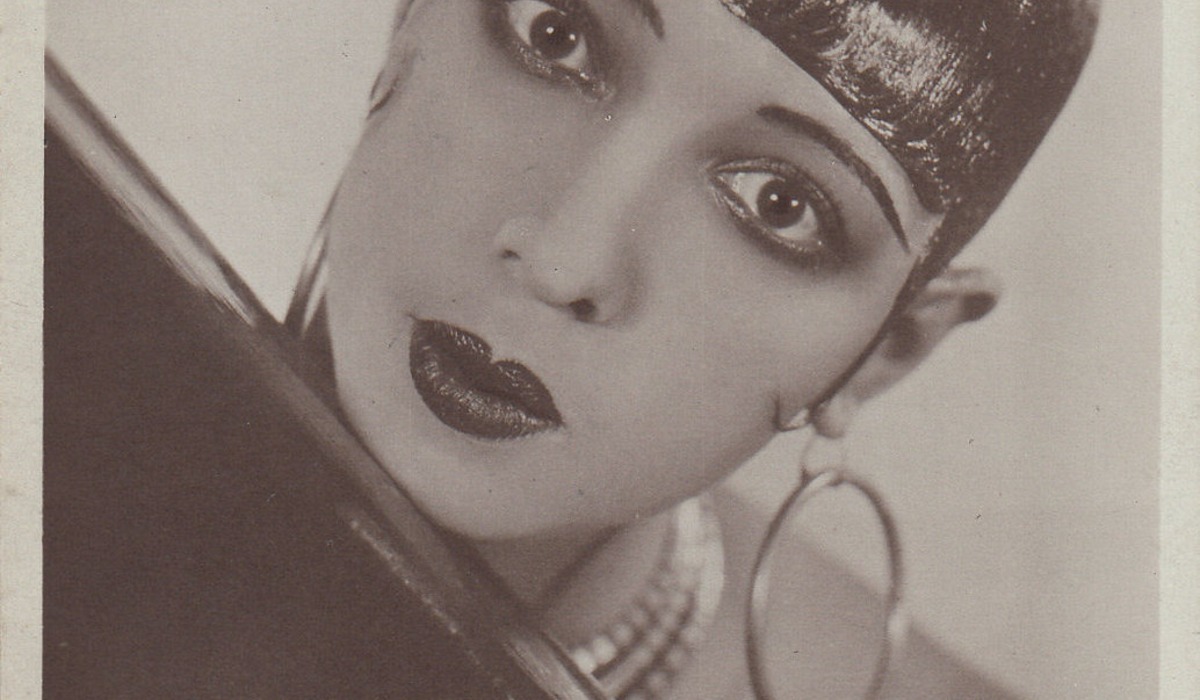
French military intelligence approached one of Paris’s most famous entertainers in 1939, reasoning that a star could go anywhere and talk to anyone. Josephine Baker, born in St.
Louis in 1906 and a French citizen since 1937, agreed. She gathered gossip at embassy parties and carried reports across borders written in invisible ink on her sheet music, trusting that customs officers would be too busy asking for autographs.
Later she toured North Africa entertaining Allied troops as an officer in the Free French women’s air auxiliary. France awarded her the Croix de Guerre, and in 2021 she became the first Black woman honored in the Pantheon.
Irena Sendler
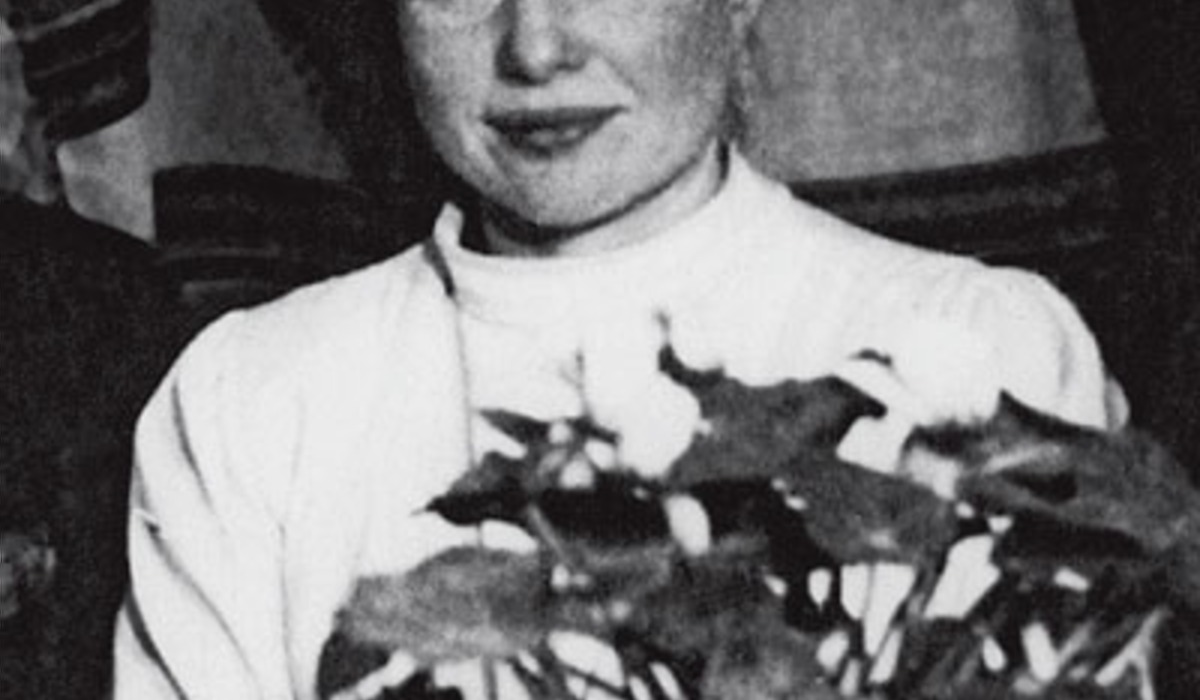
Warsaw social worker Irena Sendler held a pass that let her enter the sealed ghetto to check for typhus. She and a circle of mostly women colleagues used that access to bring Jewish children out, hidden in ambulances, toolboxes and sacks, or led through a courthouse that straddled the wall.
Her network, working with the underground council Zegota, is credited with placing roughly 2,500 children in convents and foster homes. Sendler kept their real names on slips of paper buried in jars.
Arrested in October 1943 and sentenced to death, she escaped when her colleagues bribed a guard.
Hedy Lamarr
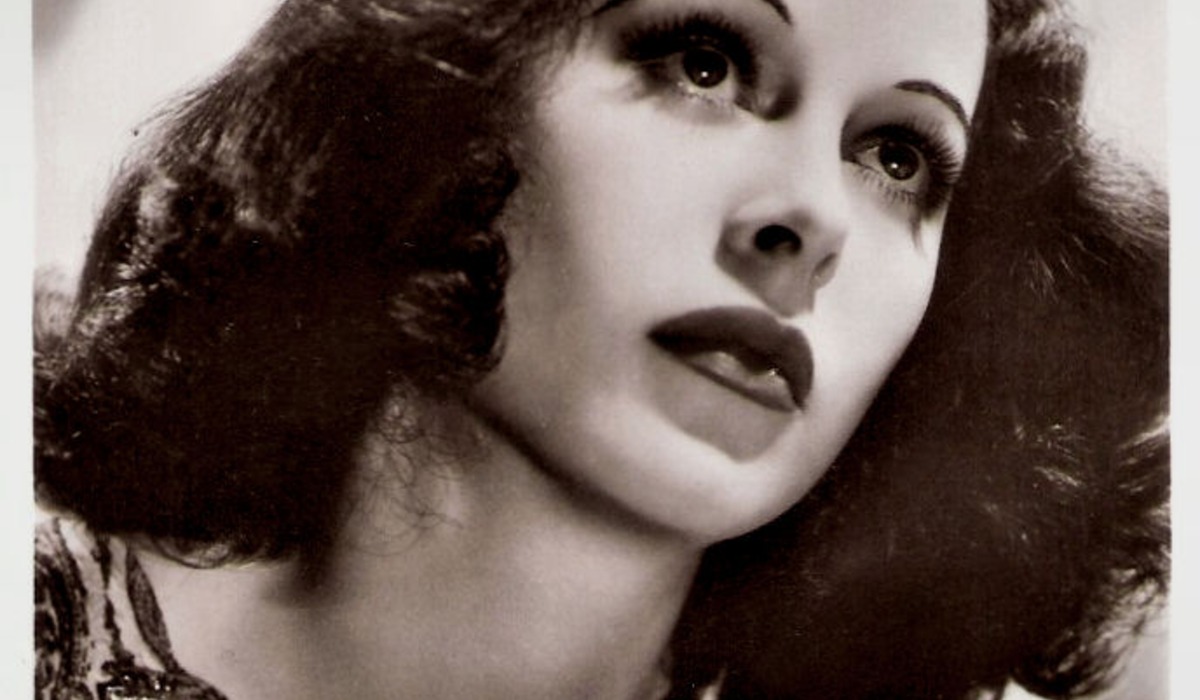
Hollywood knew Hedy Lamarr as a Vienna-born film star. The United States Patent Office knew her as co-inventor on patent 2,292,387, granted on August 11, 1942.
Working with the composer George Antheil, she designed a radio guidance system for torpedoes that jumped between 88 frequencies in a synchronized pattern, an idea borrowed from player-piano rolls, so that an enemy could not jam the signal. The Navy filed it away and suggested she sell war bonds, which she did with great success.
Frequency hopping later became a foundation of secure military radio and a cousin of the methods used in modern wireless devices.
Margaret Bourke-White
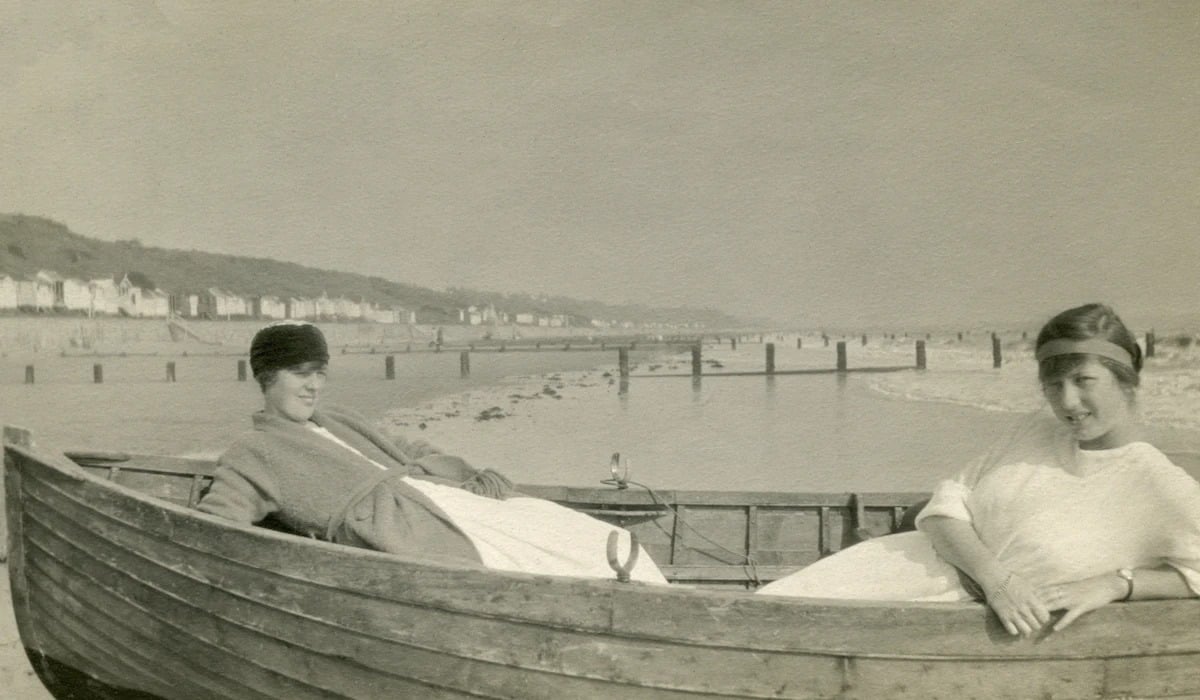
Life magazine photographer Margaret Bourke-White had been in Moscow when German bombs fell on the Kremlin in 1941. The following year she became the first woman accredited as a war correspondent with the United States Army Air Forces, who designed a uniform for her because none existed.
Denied permission to fly to North Africa as too dangerous, she went by sea and was torpedoed on the way. In January 1943 she finally rode along on a B-17 raid against an airfield near Tunis, the first woman to fly on an American combat mission.
In April 1945 she photographed the liberation of Buchenwald.
Martha Gellhorn
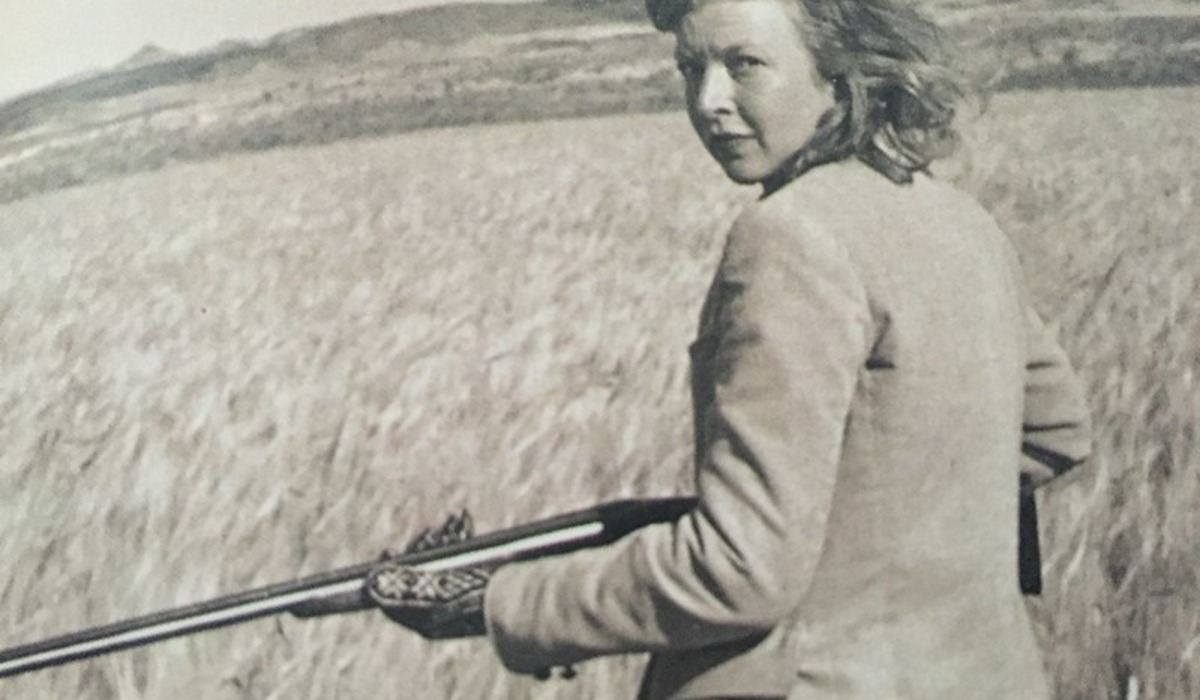
Military rules kept women correspondents off the invasion fleet in June 1944. Martha Gellhorn, who had been covering wars since Spain in 1937, had also just lost her magazine’s single front-line accreditation to her husband, Ernest Hemingway.
She talked her way onto a hospital ship, locked herself in a lavatory until it sailed, and went ashore at Omaha Beach with the stretcher bearers to help carry wounded men. She is widely described as the only woman correspondent to get ashore in Normandy during the invasion.
Military police arrested her on her return, and she lost her accreditation and was confined to a nurses’ training camp, which she soon slipped out of.
Doors Opened by Necessity
Almost none of these women were invited in. They were admitted because armies ran out of radio operators, ferry pilots, mathematicians and mail clerks, and because a few of them refused to take the first refusal as an answer.
The exceptions were written into the rules as temporary, and many were withdrawn the moment the shooting stopped.
That is why so much of the recognition came late. Veteran status arrived in 1977, a Hero’s star in 1990, a Gold Medal in 2022, and several files stayed sealed for longer than the women lived.
The work itself was never in doubt, only the willingness to say who had done it.
More from Go2Tutors!

- The Romanov Crown Jewels and Their Tragic Fate
- 13 Historical Mysteries That Science Still Can’t Solve
- Famous Hoaxes That Fooled the World for Years
- 15 Child Stars with Tragic Adult Lives
- 16 Famous Jewelry Pieces in History
Like Go2Tutors’s content? Follow us on MSN.