28 Marbles and Game Pieces Collectors Sort For
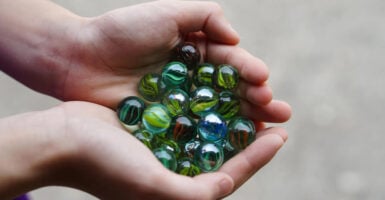
A coffee can full of old marbles looks like clutter until someone sorts it properly. Buried among ordinary machine-made glass, collectors regularly find handmade antiques worth real money, along with game pieces from board and card games that have been quietly appreciating for decades.
Pricing for nearly everything on this list depends heavily on condition, since chips, cracks, and wear dramatically affect value even on genuinely rare pieces.
Sorting starts with material and manufacturing marks, not size or color, which is why so many valuable pieces sit unrecognized in old game boxes and jars.
Handmade German Swirl Marbles
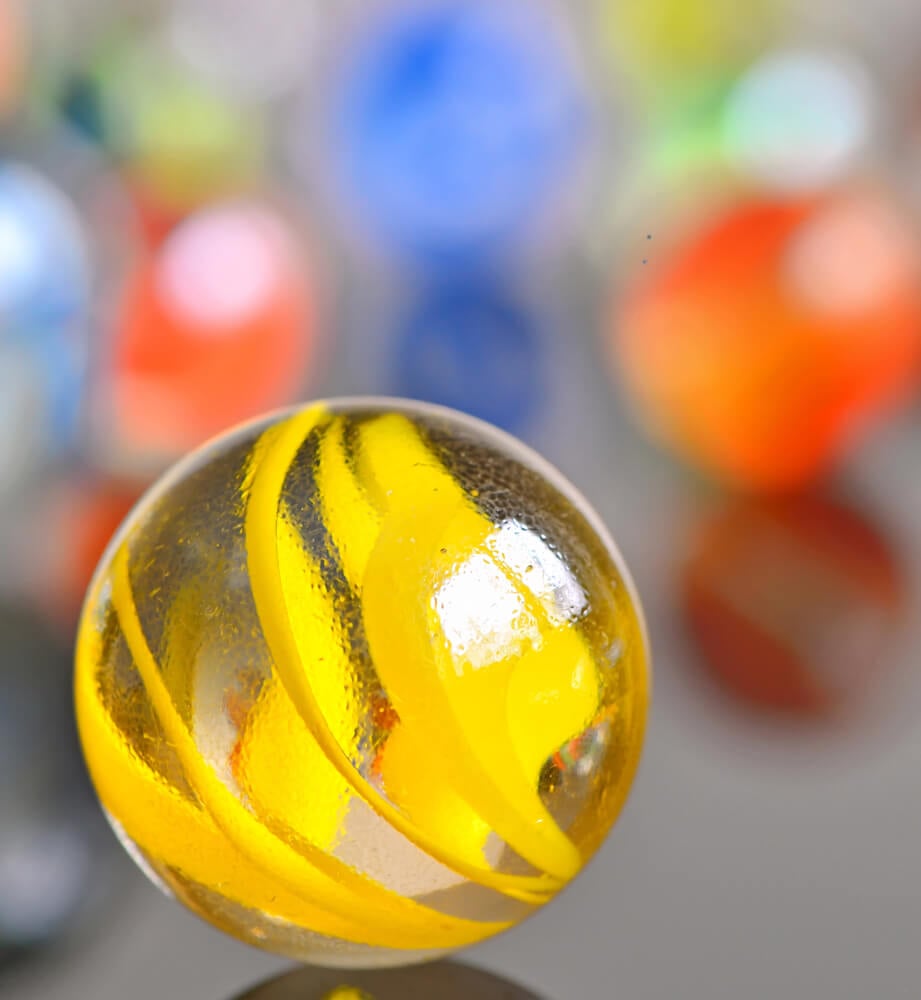
Produced in Germany from the mid-nineteenth century through the early twentieth, swirl marbles were made by hand-pulling colored glass canes into twisting patterns before cutting and rounding individual pieces, a labor-intensive process that ended once cheaper American machine production took over the market. Each one is genuinely unique, since no two hand-pulled swirl patterns turn out identical.
Condition is critical to value, since even a small surface chip on an antique handmade piece can cut its worth substantially. Collectors specifically look for vivid, well-preserved color bands as the clearest sign of quality.
Onionskin Marbles
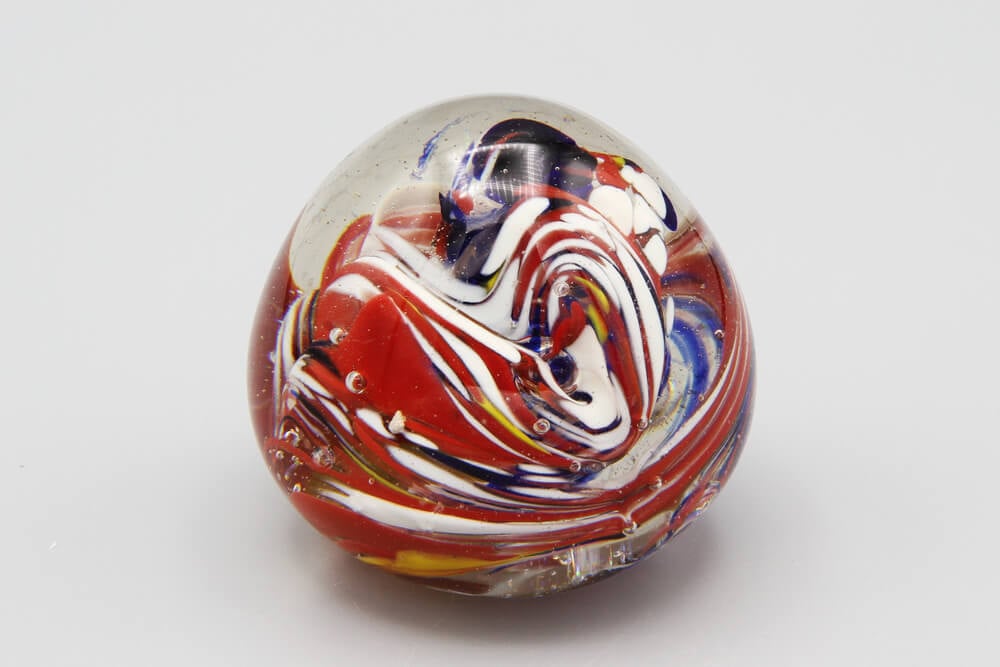
A specific type of handmade German glass marble, onionskin pieces feature a thin outer layer of colored glass mottled across the surface, resembling the papery skin of an onion when held to light. They are considered among the more visually striking handmade marbles from the nineteenth century.
Because the colored layer sits close to the surface, these marbles are especially prone to fading or surface damage, making pristine examples significantly scarcer than damaged ones. Collectors pay close attention to how evenly the color mottling covers the full surface.
Lutz Marbles
Lutz marbles, named for the manufacturer credited with the technique, incorporate thin strands of copper flecks within the glass that catch light with a distinctive metallic shimmer. Genuine antique Lutz marbles from the nineteenth century are among the most sought-after pieces in the entire hobby, and their rarity has led to a significant number of later reproductions entering the market.
Authentication by an experienced dealer is strongly advised before a serious purchase. Even minor surface wear meaningfully reduces value on a piece this specialized.
Sulphide Marbles
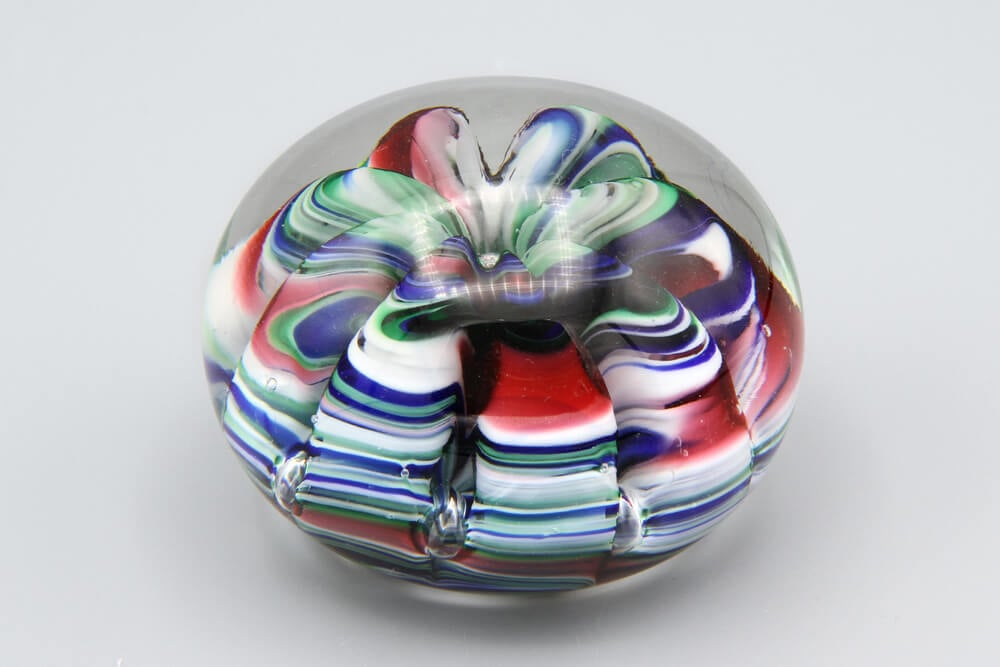
Sulphide marbles contain a small figure, often an animal or human form, encased in clear glass at the center of the piece, a technique that required considerable skill to execute without cracking the surrounding glass during production. Popular figures include farm animals and historical figures, with rarer subjects commanding higher prices among collectors who specialize in this category specifically.
Clarity of the surrounding glass matters as much as the figure itself, since cloudiness or internal fractures reduce both visual appeal and value. Larger sulphides are generally scarcer and more valuable than smaller examples.
Akro Agate Marbles
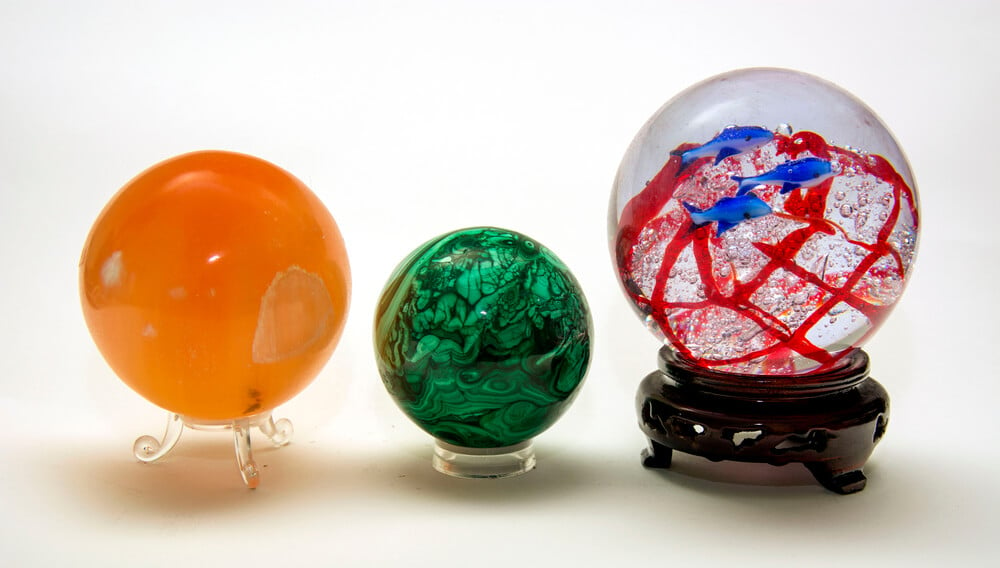
Akro Agate, an American company operating through the early to mid-twentieth century, became one of the dominant machine-made marble manufacturers in the United States, producing millions of pieces in distinctive corkscrew and swirl patterns. Certain rare color combinations, particularly those produced only briefly before being discontinued, are significantly more valuable than the company’s standard output.
Original mesh bags or boxes bearing the company’s branding add meaningful value beyond the marbles themselves. Surface condition, particularly avoiding chips along the equator where two glass halves were fused, is the primary value factor.
Christensen Agate Marbles
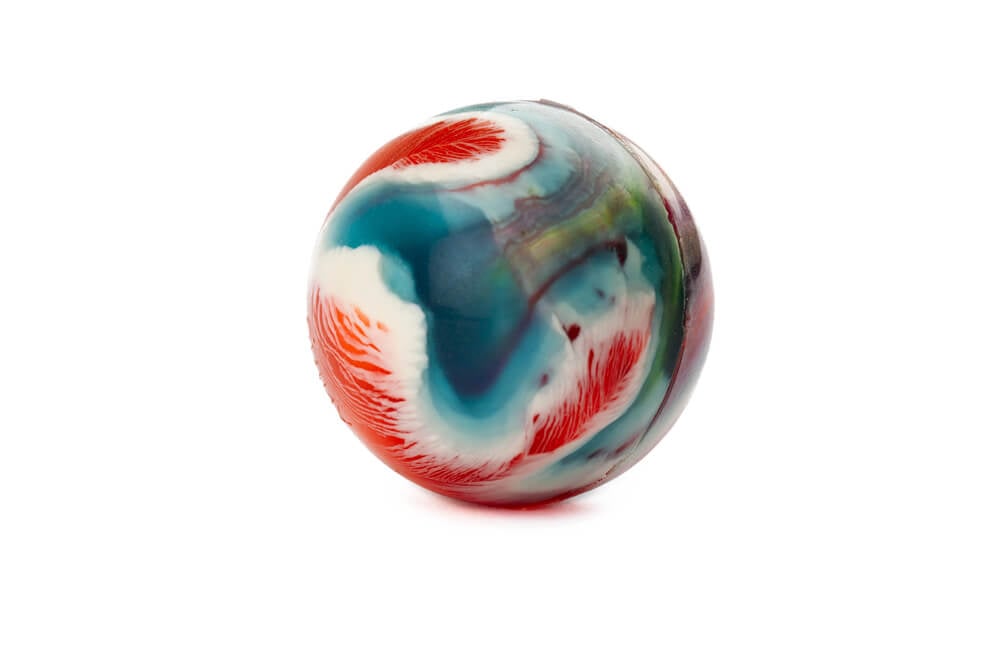
Christensen Agate operated for only a brief period in the late 1920s and early 1930s, but its intensely saturated color combinations have made its pieces among the most valuable machine-made marbles ever produced. The company’s short production run means genuine examples are considerably scarcer than those from longer-lived competitors.
Collectors specifically seek out the company’s guinea-color patterns, prized for their speckled, multicolor surface. As with most machine-made marbles, chips and surface wear substantially affect resale value even on rare color patterns.
Peltier Glass Marbles
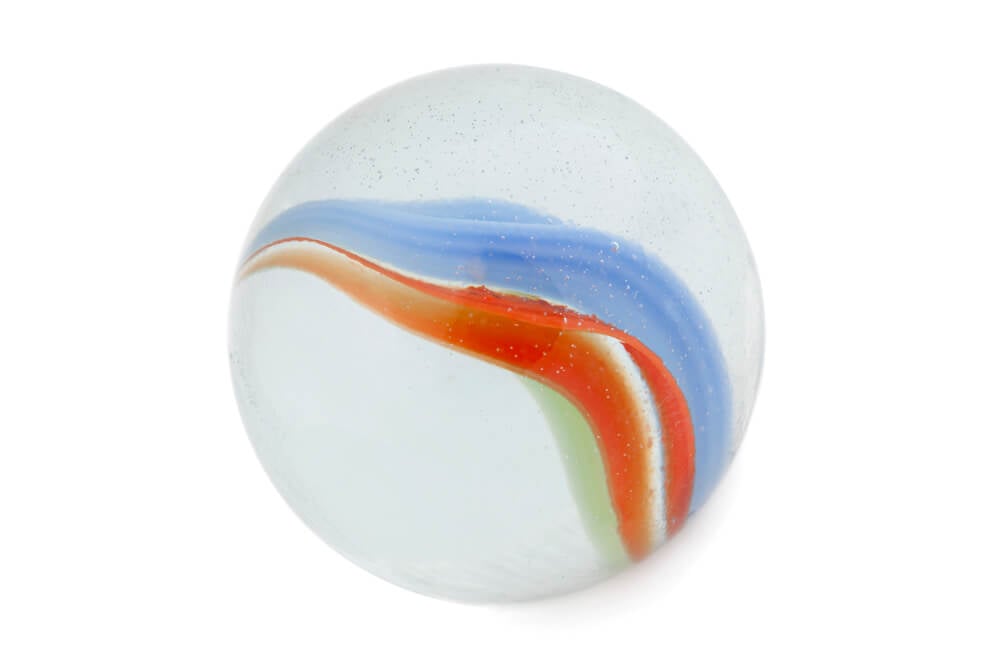
Peltier Glass, an American manufacturer that began producing marbles in the 1920s, became particularly known for character-themed marbles decorated with popular comic figures pressed onto the glass surface. Because the printed character decoration sits on the outer surface, condition is especially critical, since even light handling wear can degrade the printed image over decades of use.
Complete, well-preserved character marbles command significantly higher prices than the company’s plainer standard output.
Vitro Agate Marbles
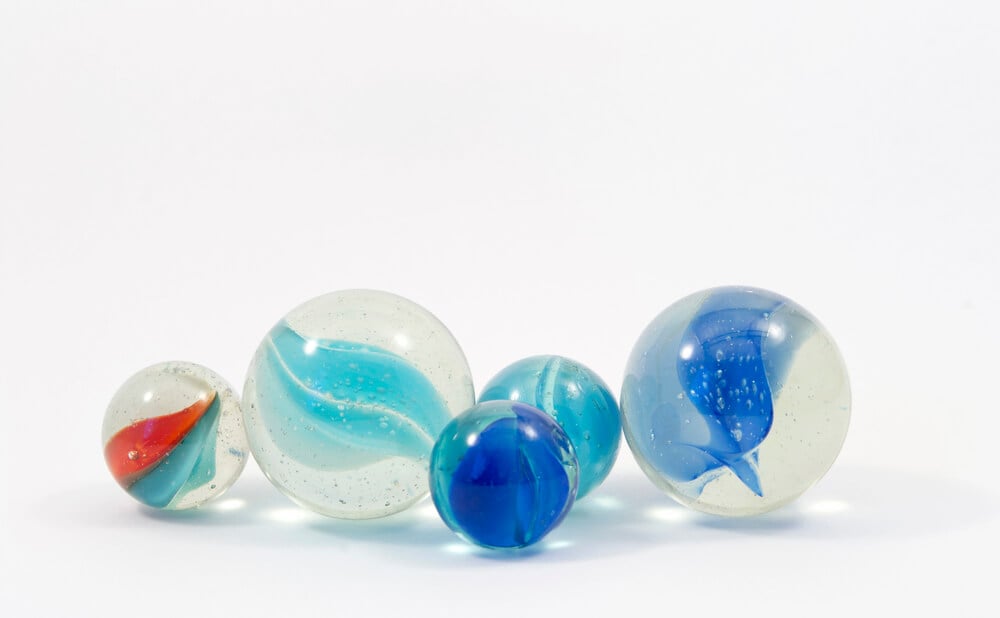
Vitro Agate, another major American manufacturer operating through much of the twentieth century, is best known among collectors for its distinctive patch-and-ribbon pattern, featuring bold colored bands set against a contrasting background. The company’s marbles were produced in enormous volume, which keeps common examples relatively affordable even in good condition.
Rarer, limited color variations produced briefly during specific production runs are considerably more sought after than the company’s standard catalog colors.
Marble King Marbles
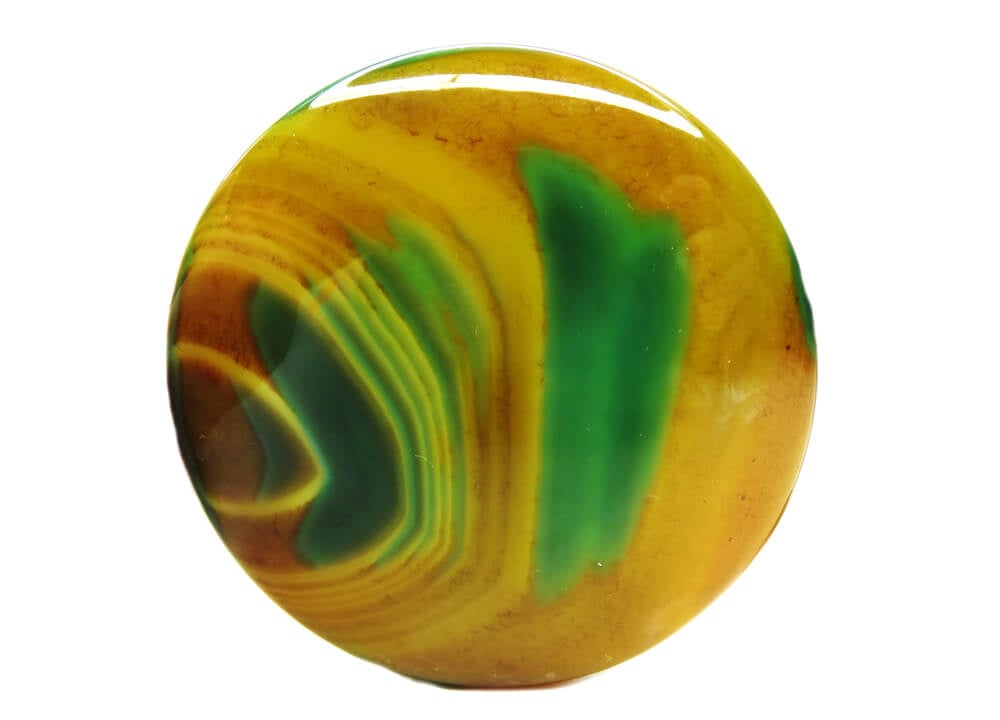
Marble King, an American manufacturer that began production in the 1950s and remains active today, is notable among collectors for producing recognizable patterns including its distinctive rainbow swirl designs. Because the company has operated continuously for decades, collectors carefully distinguish between older vintage production and modern output, since vintage pieces from specific early decades carry meaningfully higher value.
Surface gloss and lack of chipping remain the primary condition factors collectors evaluate.
Cat’s Eye Marbles
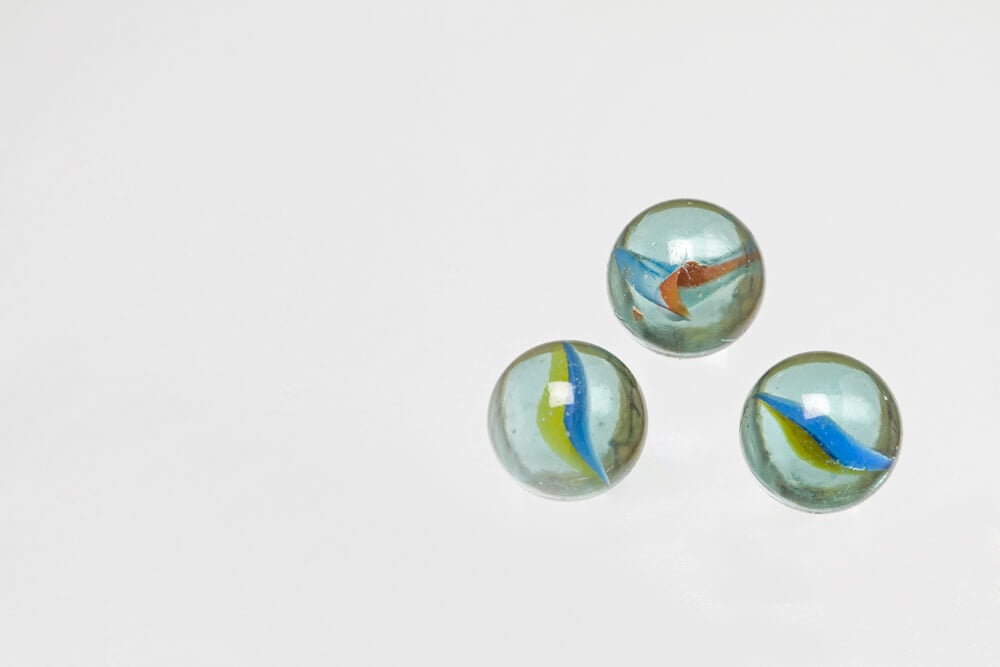
Cat’s eye marbles, featuring a colored vane suspended within clear glass, were introduced in the mid-twentieth century and became enormously popular among children, which paradoxically keeps most examples relatively common and affordable today despite genuine visual appeal. Certain unusual multi-vane or rare color variants are more actively sought by specialized collectors than standard single-vane versions.
Because they were primarily play pieces rather than display objects, condition varies widely, and unchipped examples are notably scarcer than the enormous surviving supply might suggest.
Clambroth Marbles
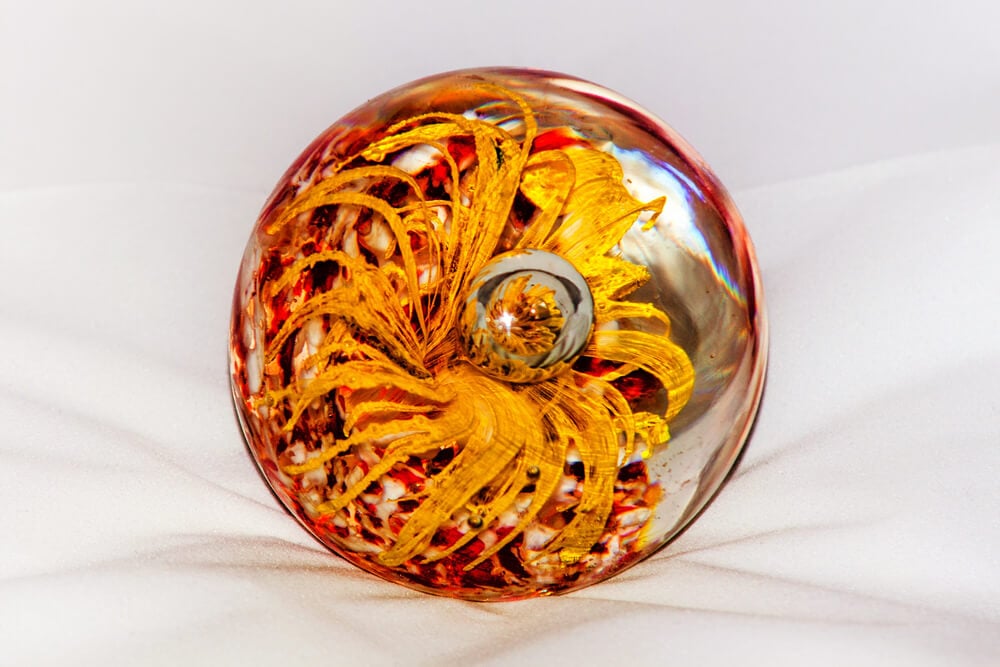
Clambroth marbles, produced by hand in the nineteenth century, feature fine colored lines set against an opaque white or translucent base, a technique requiring considerable precision during production. They are considered relatively scarce compared to more common swirl patterns from the same era, since the specific technique was less widely used.
Collectors pay particular attention to the sharpness and consistency of the fine line pattern, since blurred or uneven lines generally indicate lower production quality.
Bennington Marbles
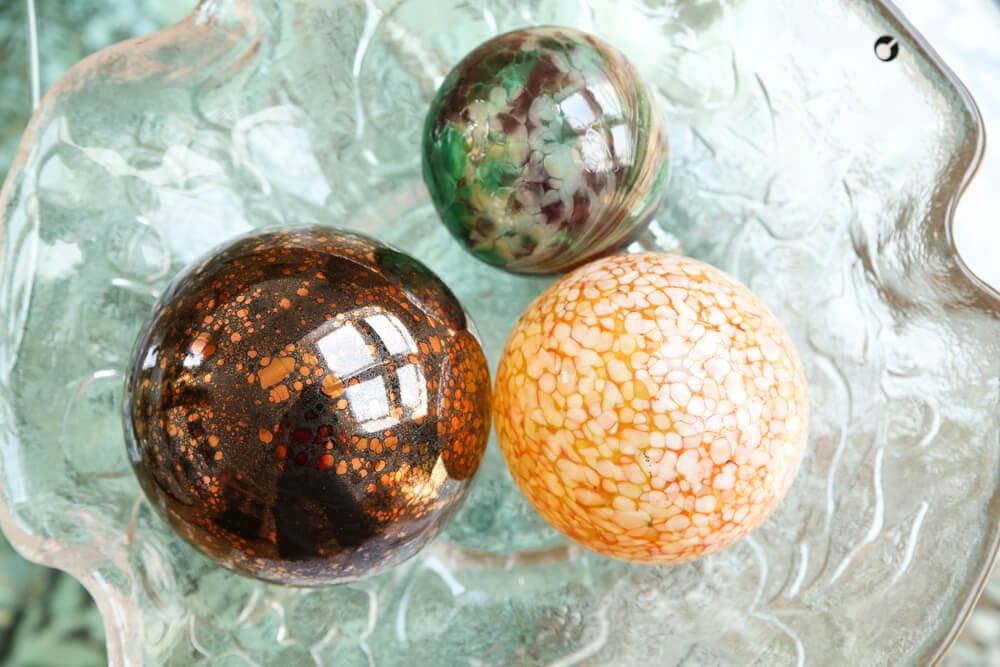
Bennington marbles are ceramic rather than glass, coated in a distinctive brown or blue mottled glaze associated with pottery production in Bennington, Vermont, during the nineteenth century. Their ceramic construction makes them more prone to chipping than glass marbles, and condition heavily affects value given how visually prominent surface damage is against the glaze.
Collectors specifically interested in American ceramic history seek these out alongside dedicated marble collectors. Glaze consistency and an absence of hairline cracks are the primary quality indicators.
Mica Marbles
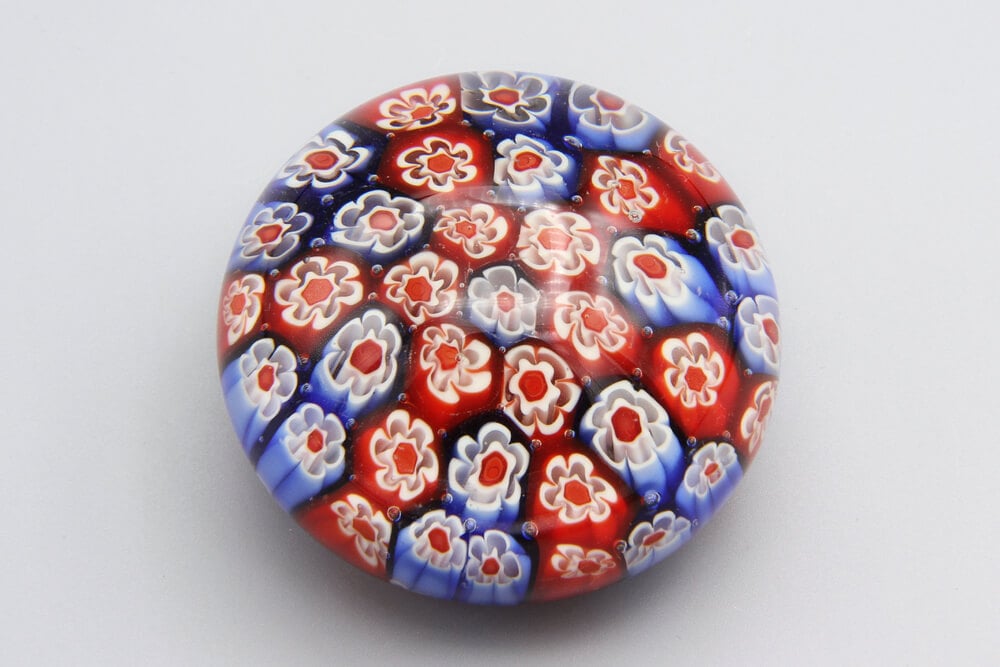
Mica marbles, sometimes called Indian marbles by collectors due to an association with historical import sources, contain fine flecks of mica suspended within the glass that create a subtle sparkling effect when the piece catches light. Their production history is less well documented than major American manufacturers on this list, which adds to their appeal among collectors interested in less-cataloged marble varieties.
Surface clarity and even distribution of the mica flecks are the primary factors distinguishing higher-quality examples.
Comic Character Marbles
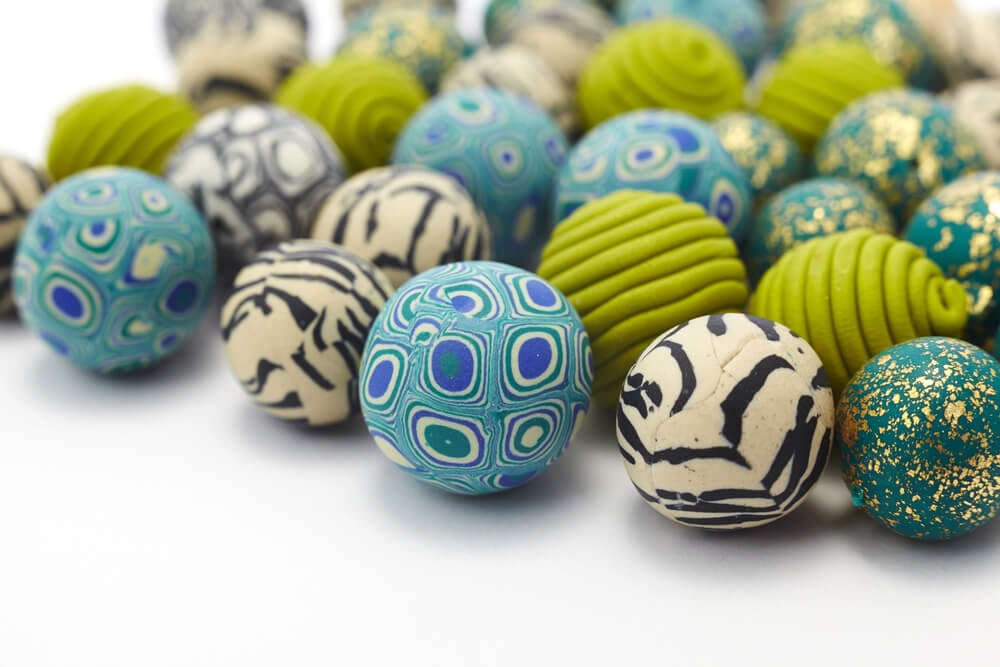
Comic character marbles, produced by several American manufacturers through the mid-twentieth century, feature printed images of popular newspaper comic strip characters transferred directly onto the glass surface. Because the printed decoration is applied to the exterior rather than embedded within the glass, surviving examples with clearly legible, unfaded artwork are considerably scarcer than examples with worn or partially removed decoration.
Collectors specializing in character merchandise seek these out alongside dedicated marble collectors, which tends to keep demand for well-preserved examples strong.
Antique Mahjong Tiles
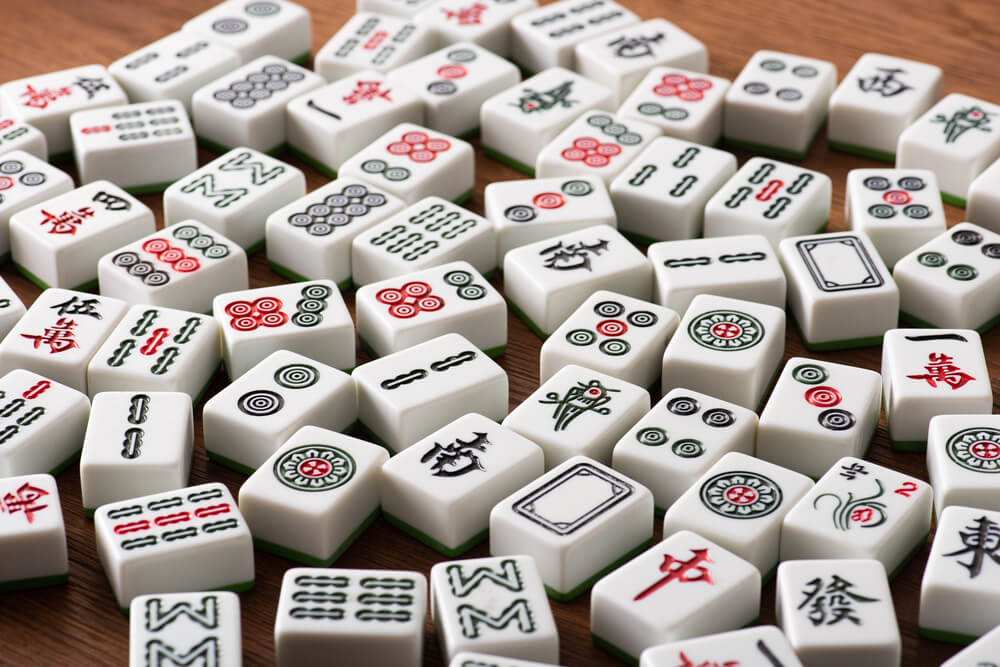
Early twentieth-century mahjong sets, particularly those imported from China during the game’s initial popularity surge in the West during the 1920s, were often crafted from bone backed with bamboo rather than the plastic used in later sets. Sets with hand-carved, hand-painted tiles are considerably more valuable than later machine-produced versions.
Completeness is essential, since a set missing even a handful of tiles from its full complement is worth substantially less than a complete original set with its original carrying case.
Ivory and Bone Chess Sets
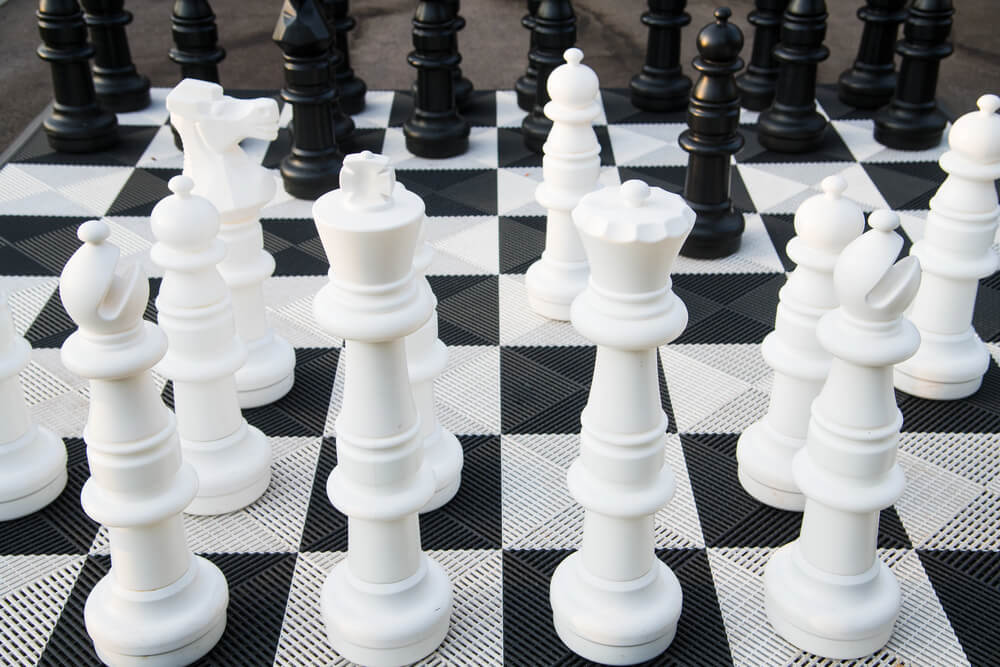
Chess sets carved from ivory or bone, particularly those produced in China and India for export markets during the nineteenth century, remain popular among collectors of decorative game pieces. Because ivory trade is now heavily restricted internationally, older documented sets carry particular importance, and buyers should be aware of significant legal restrictions on ivory sale and transport that vary by country.
Bone alternatives, visually similar but legally unrestricted, are increasingly sought by collectors as a result. Completeness of all thirty-two pieces and an original board, when present, significantly affects overall value.
Bone Dominoes
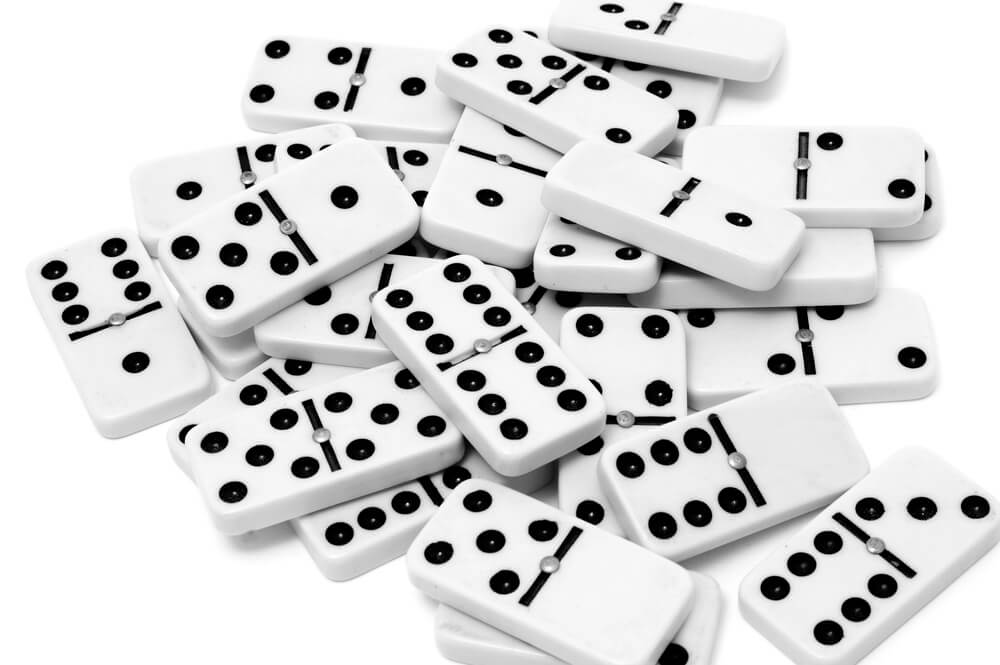
Nineteenth-century domino sets crafted from bone set into ebony or another dark wood backing were common before plastic manufacturing took over the category in the twentieth century. Collectors look specifically for sets with an intact original wooden storage box, since loose pieces without their case are worth considerably less.
Yellowing of the bone surface is generally considered a normal sign of age rather than damage, while actual cracks or chips reduce value meaningfully.
Vintage Dice
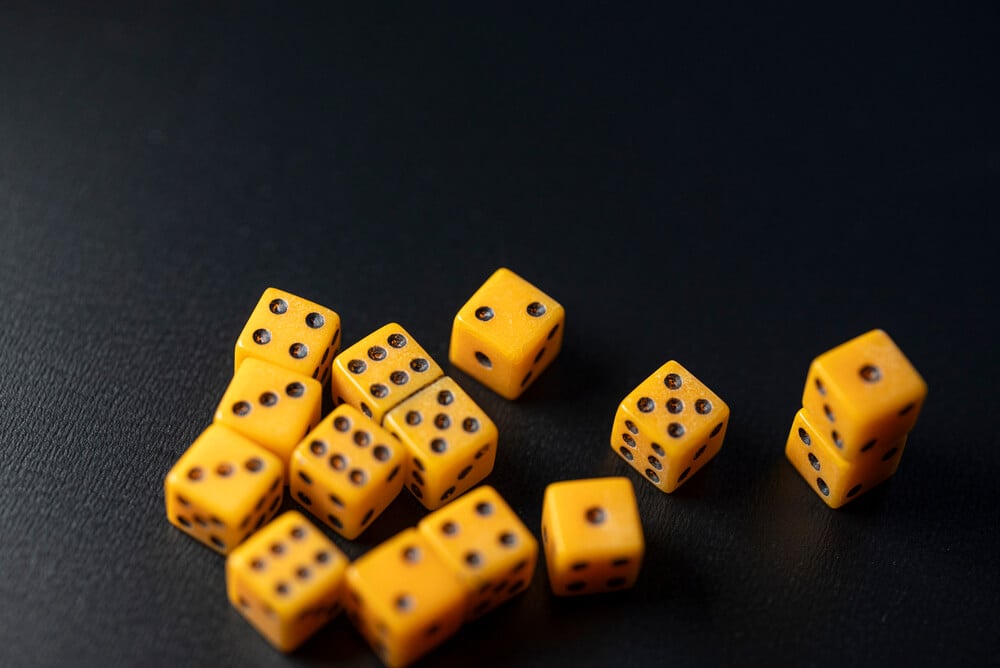
Dice made from early plastics like Bakelite or Catalin, produced primarily in the early to mid-twentieth century, are sought by collectors both for their distinctive color saturation and for the historical significance of the manufacturing materials themselves. Catalin dice in particular can be identified by their slightly heavier weight and characteristic sound compared to modern plastic dice.
Cracking, a common issue with aging early plastics, significantly reduces value even when the dice remain otherwise legible and usable.
Cribbage Pegs
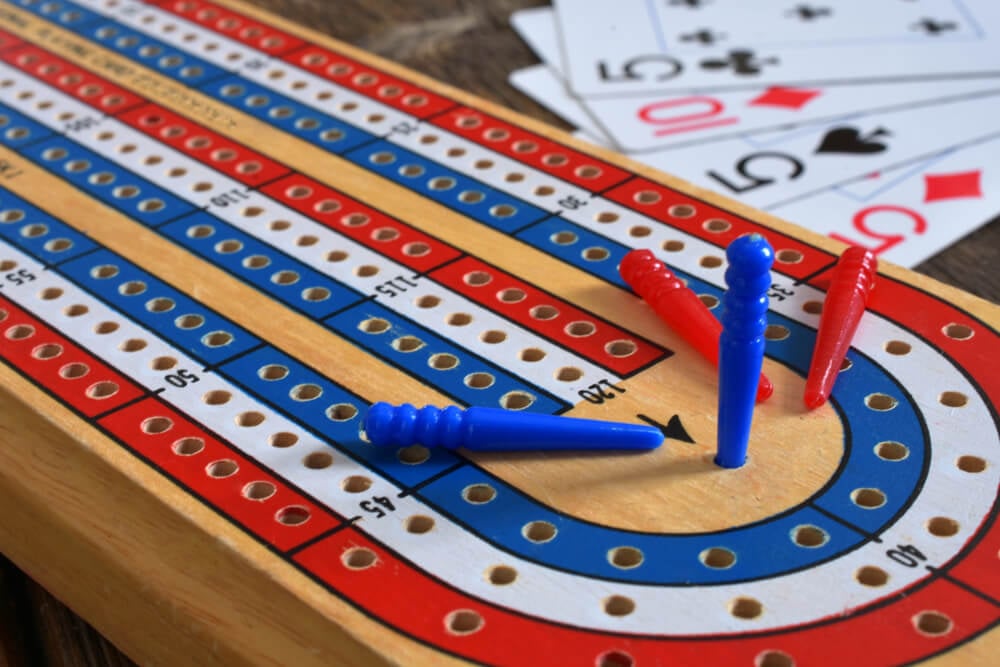
Antique cribbage boards with their original bone, wood, or metal scoring pegs intact command notably higher prices than boards found without their pegs, since replacement pegs are commonly mismatched or made from different materials than the original set. Hand-carved wooden cribbage boards, particularly those depicting maritime or folk-art scenes, are sought by collectors independent of the pegs themselves.
A complete, matched set of a board and its original pegs is considered meaningfully more valuable than either piece found separately.
Bakelite Checkers Pieces
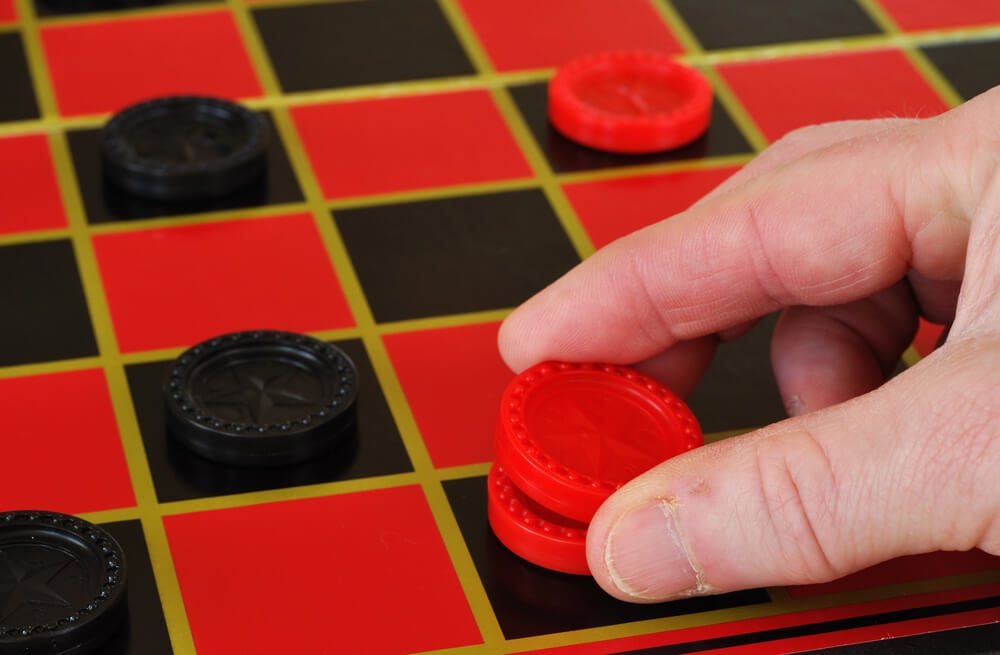
Checkers, or draughts, sets made from Bakelite during the early to mid-twentieth century are valued by collectors both for the game pieces themselves and for their place within the broader early plastics collecting hobby. Bakelite’s tendency to discolor slightly with age is generally viewed as a normal patina rather than damage, provided the pieces remain crack-free.
A complete set of twenty-four matching pieces in a single, undamaged color pairing commands a meaningful premium over a mismatched or incomplete set.
Backgammon Checkers
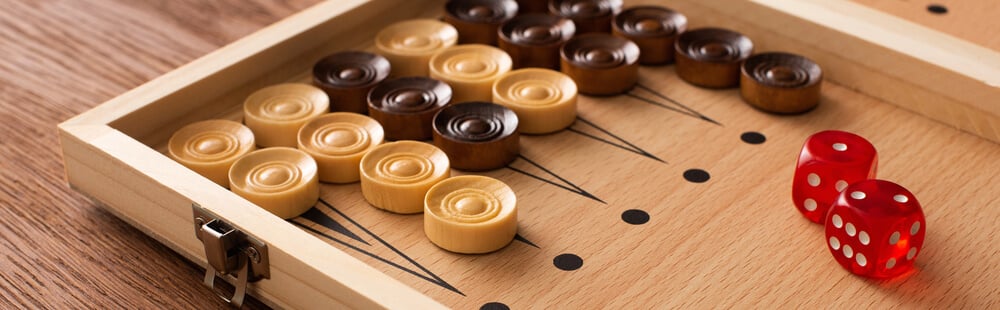
Antique backgammon sets, particularly those with inlaid wooden boards and matching turned checker pieces, are sought by collectors of decorative game furniture as much as game piece specialists. Sets crafted from exotic or inlaid woods, common in Middle Eastern and Mediterranean production regions, carry particular appeal.
As with most multi-piece game sets, completeness of all thirty checker pieces alongside dice and a functioning dice cup significantly affects overall collector value.
Early Monopoly Tokens

Early Monopoly sets, particularly those produced shortly after the game’s original 1935 release, used metal tokens that have varied noticeably across different production runs and licensed regional editions over the decades. Certain retired token designs, no longer included in modern editions, are specifically sought by collectors assembling historical sets.
A complete original token set matched to its correct original board edition is valued considerably higher than mismatched or incomplete pieces.
Clay Poker Chips
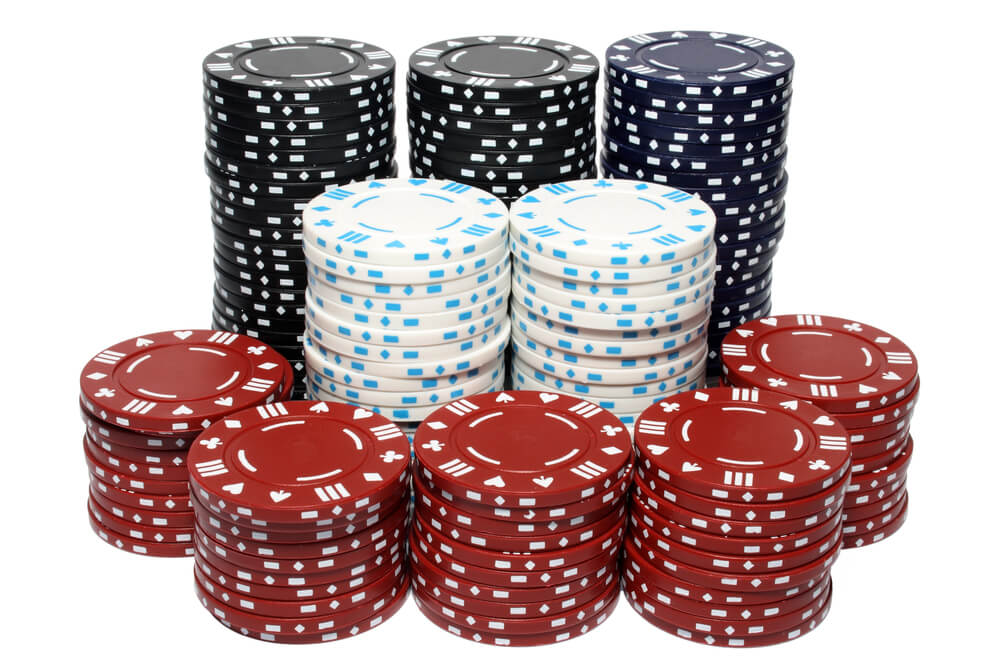
Clay composite poker chips produced in the early to mid-twentieth century, before modern injection-molded plastic chips became standard, are sought by collectors both for their tactile weight and for distinctive embossed designs specific to certain manufacturers and eras. Chips associated with a documented casino or specific historical set carry particular premium value.
Chipping or cracking along the edges, common with age on clay composite material, is the primary condition factor collectors evaluate.
Parcheesi Pawns
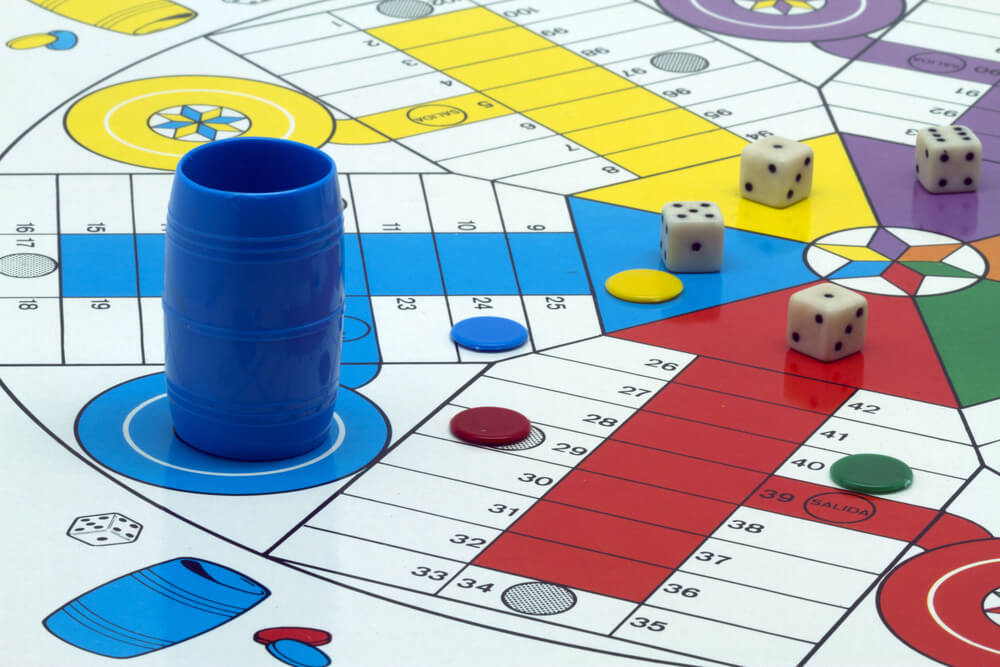
Early Parcheesi sets, produced from the late nineteenth century onward following the game’s American introduction, used wooden or early plastic pawns that varied in design across different manufacturers and decades. Collectors of vintage board games seek complete sets with an original board and full complement of matching pawns, since replacement pieces are common and easily identified as mismatched by experienced collectors.
Board condition and completeness of the pawn set together determine most of a given set’s overall value.
Jackstones
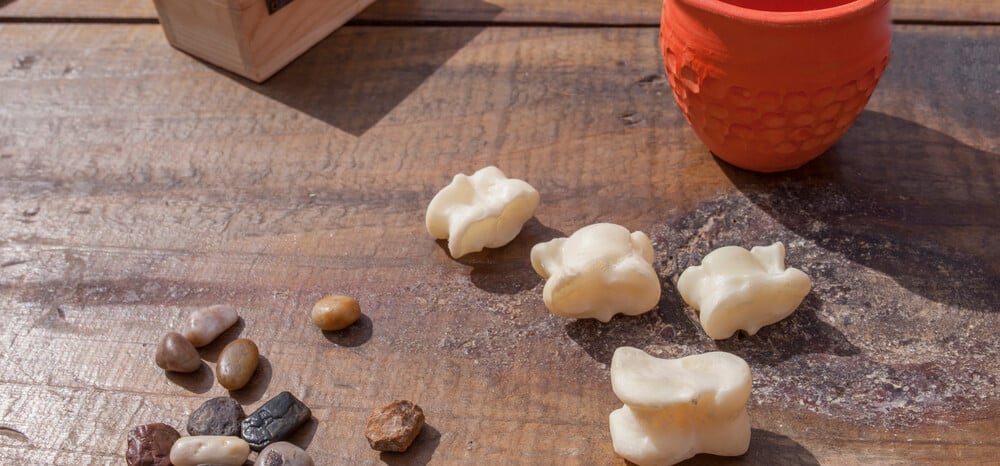
The metal six-pointed pieces used in the traditional game of jacks have been manufactured with minimal design changes for well over a century, making individual pieces relatively common and inexpensive on their own. Collector interest tends to focus instead on complete original sets that include their accompanying small rubber or glass sphere and original packaging, particularly sets from before plastic packaging became standard.
A complete, boxed vintage set carries meaningfully more value than loose jackstones alone.
Chinese Checkers Pegs
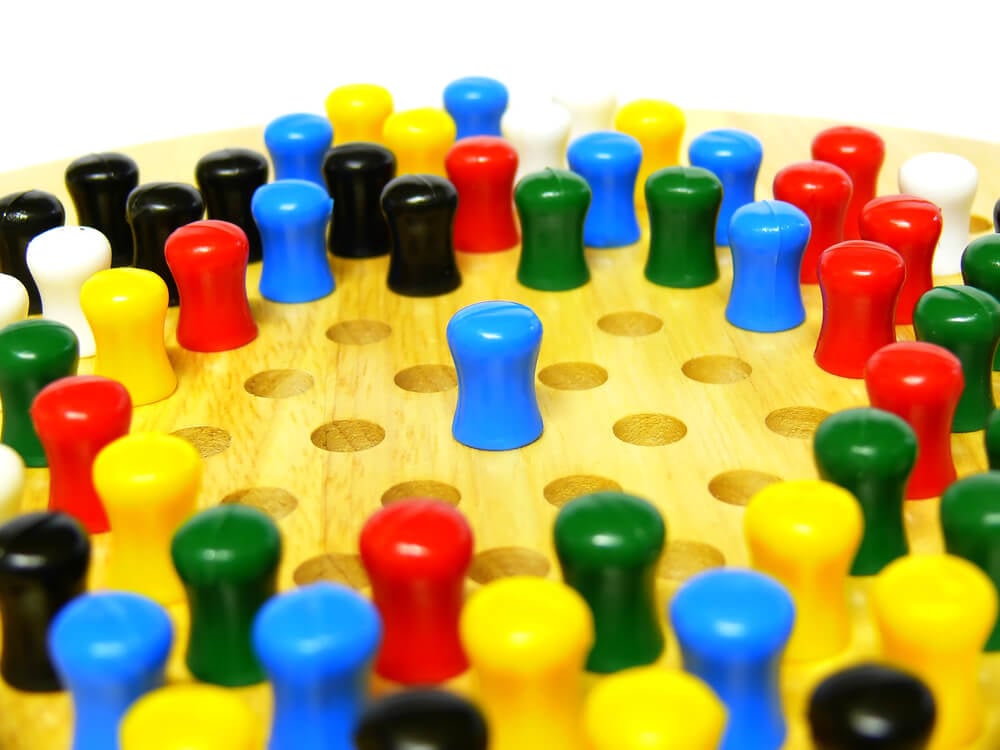
Early Chinese Checkers sets, popular in the United States from the 1930s onward, used colored glass or early plastic pegs set into a star-shaped board, distinct from the marbles sometimes used in later editions of the game. Collectors seek complete sets with a full matching complement of pegs in each of the six colors, since incomplete color sets are common among surviving vintage boards.
Board condition, particularly avoiding warping in wooden examples, is an additional significant factor in overall value.
Tiddlywinks Discs
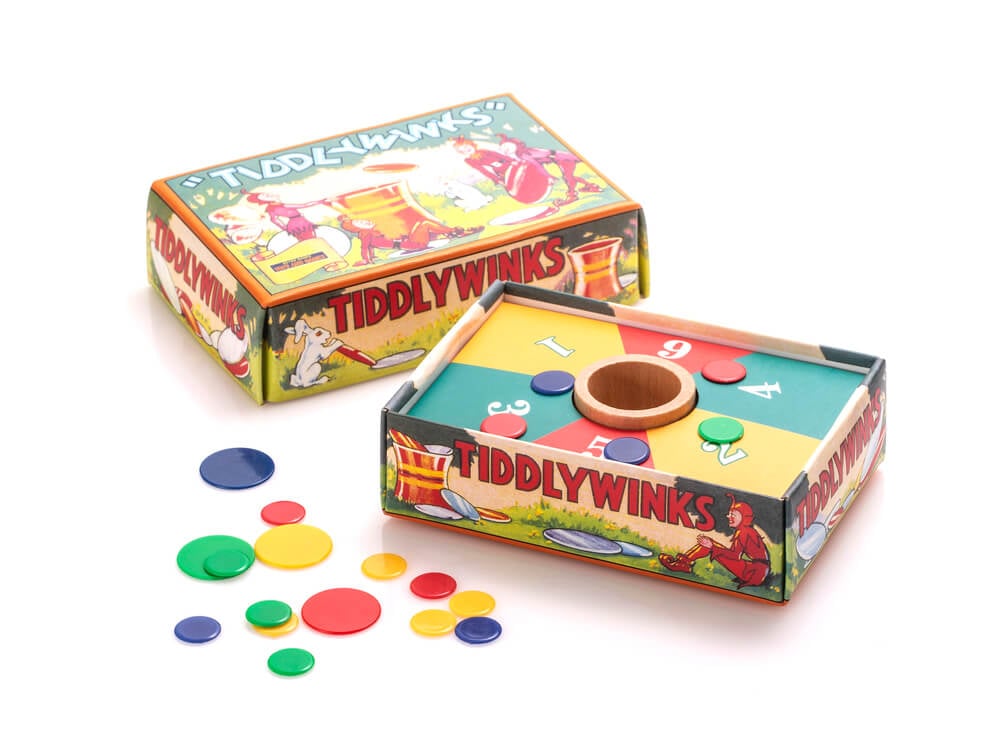
Vintage tiddlywinks sets, popular from the late nineteenth century through the mid-twentieth, included small colored discs along with a larger shooter disc used to flip them into a central container. Early sets made from celluloid rather than later plastic are considered more collectible, though celluloid’s flammability and tendency to degrade over time make well-preserved examples genuinely scarce.
A complete set with its original tin or box container is valued considerably higher than loose discs alone.
Pick-Up Sticks Sets
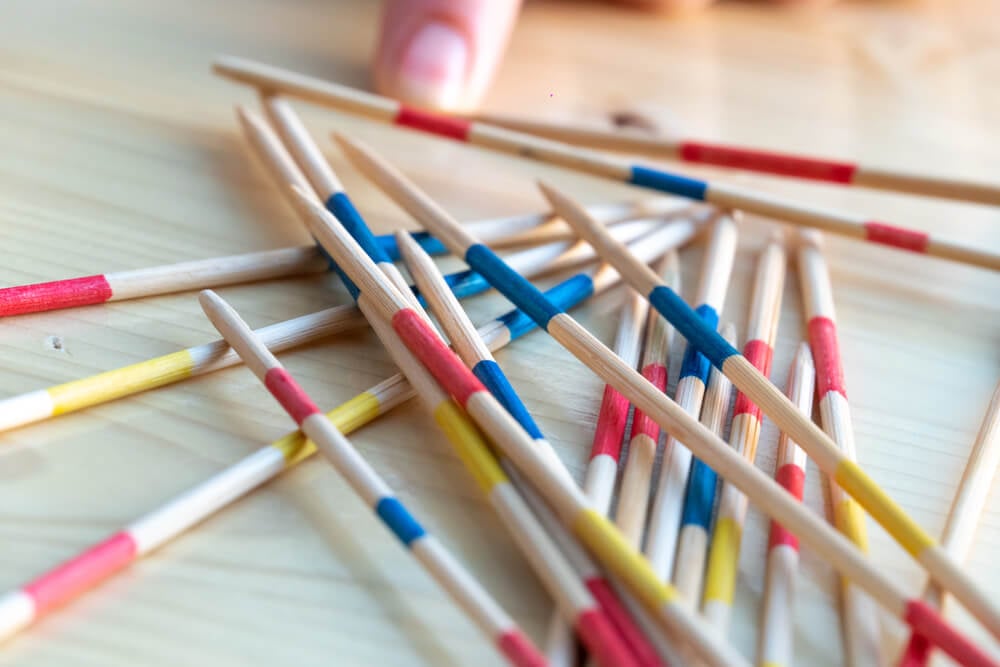
Traditional pick-up sticks sets, produced from wood or bamboo through much of the twentieth century, are valued by collectors for complete sets with their original color-coded sticks intact, since the game depends on a full, correctly proportioned set to function properly. Sets with a distinctive original carrying case or tube, rather than a generic box, are particularly sought after.
Warping or missing sticks significantly reduce both playability and collector value.
The Value in Sorting Slowly
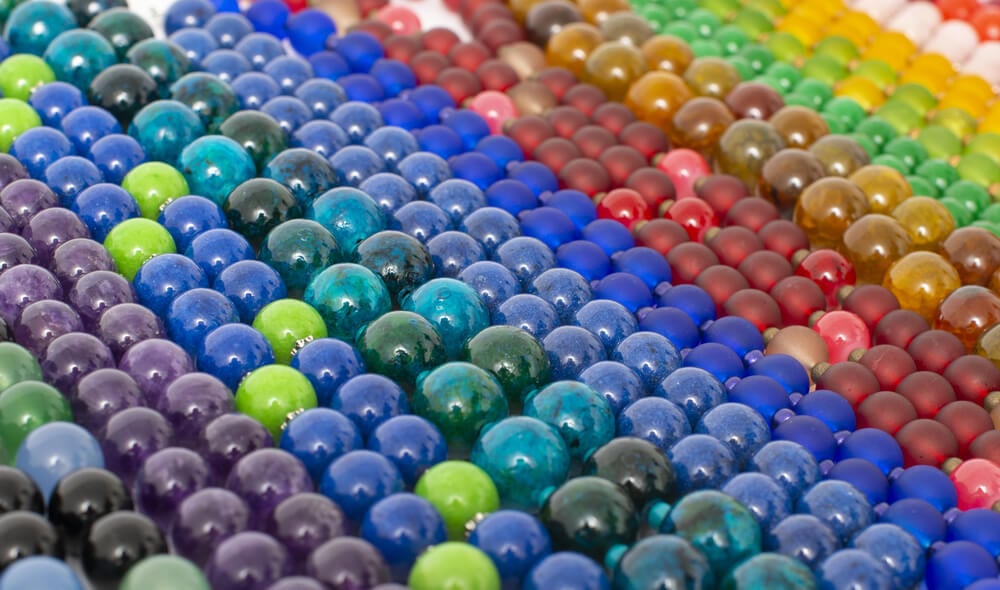
Nearly everything on this list rewards patience over quick judgment. A handmade nineteenth-century swirl and a common mid-century machine-made piece can look almost identical to an untrained eye at a glance, and the difference between them, in both history and value, often comes down to details that only become visible under close inspection.
That is really the appeal of this particular corner of collecting. The objects are small enough to hold in one hand, common enough that most families have a jar or box of them somewhere, and specific enough that sorting through them properly can turn up something genuinely worth keeping.
More from Go2Tutors!

- The Romanov Crown Jewels and Their Tragic Fate
- 13 Historical Mysteries That Science Still Can’t Solve
- Famous Hoaxes That Fooled the World for Years
- 15 Child Stars with Tragic Adult Lives
- 16 Famous Jewelry Pieces in History
Like Go2Tutors’s content? Follow us on MSN.