14 Ancient Footprints Found in Unexpected Places
Time has a curious way of preserving the most fleeting moments of human existence. While ancient buildings and artifacts receive much attention, there’s something uniquely intimate about discovering footprints left thousands of years ago—silent testimonies to lives once lived.
These aren’t just impressions in mud or sand; they’re frozen moments of human activity, preserved against astronomical odds. Here is a list of 14 ancient footprints that have been discovered in the most unexpected and fascinating locations around the world.
White Sands National Park
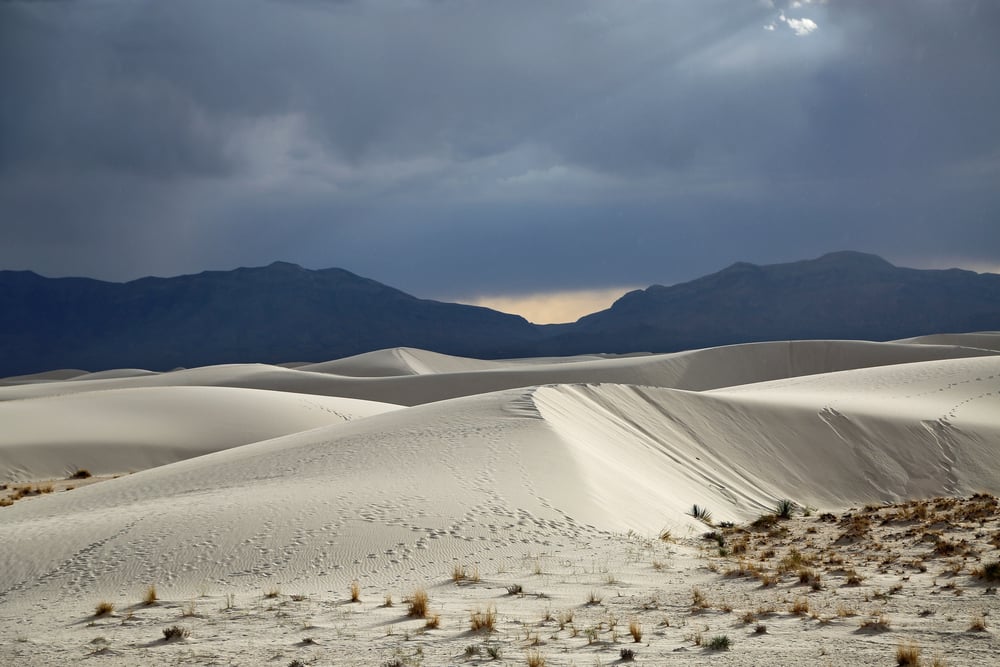
The arid deserts of New Mexico hide an astonishing secret beneath their shifting sands. Researchers discovered human footprints dating back approximately 23,000 years ago—potentially pushing back the timeline of human habitation in North America by thousands of years.
These tracks reveal not just walking patterns but glimpses of daily life: adults carrying children, people rushing in certain directions, and even evidence of playful behavior.
Laetoli Footprints
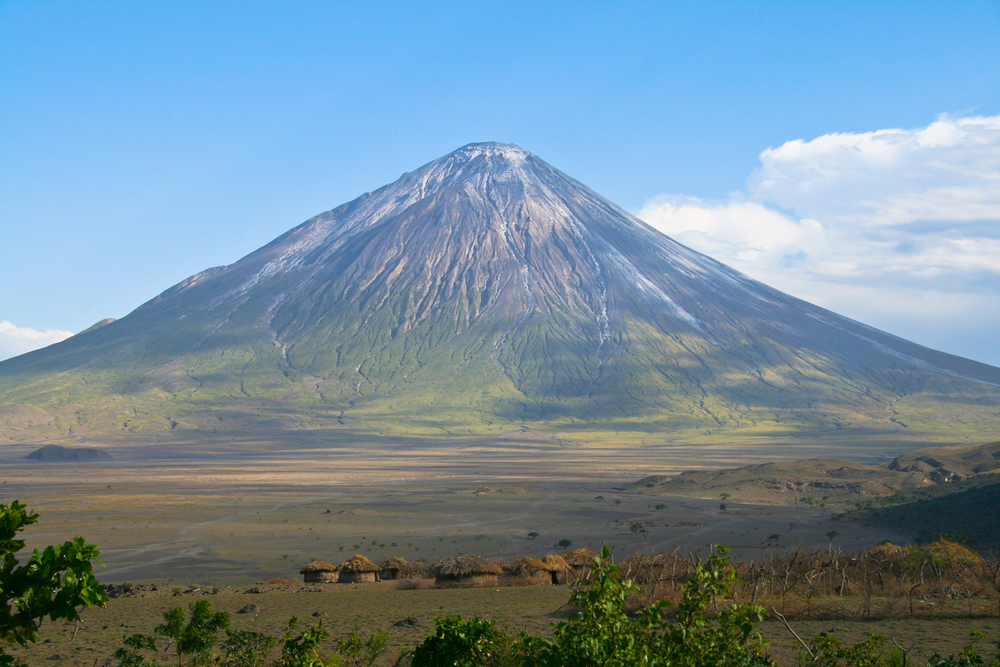
Hidden in Tanzania, these footprints tell a 3.6-million-year-old story of early human ancestors walking upright across freshly fallen volcanic ash. What makes these prints so extraordinary isn’t just their age but their perfect preservation—showing that our distant ancestors walked remarkably like modern humans.
The three individuals who left these prints likely had no idea their casual stroll would revolutionize our understanding of human evolution.
Like Go2Tutors’s content? Follow us on MSN.
Happisburgh Beach

Along the constantly eroding coastline of Norfolk, England, a series of footprints appeared briefly in 2013 before being washed away by the tide. Dating back 850,000 years, these are the oldest human footprints ever found outside Africa.
Scientists believe they belonged to a family group of Homo antecessor—proving that early humans had adapted to northern climates much earlier than previously thought.
Willandra Lakes
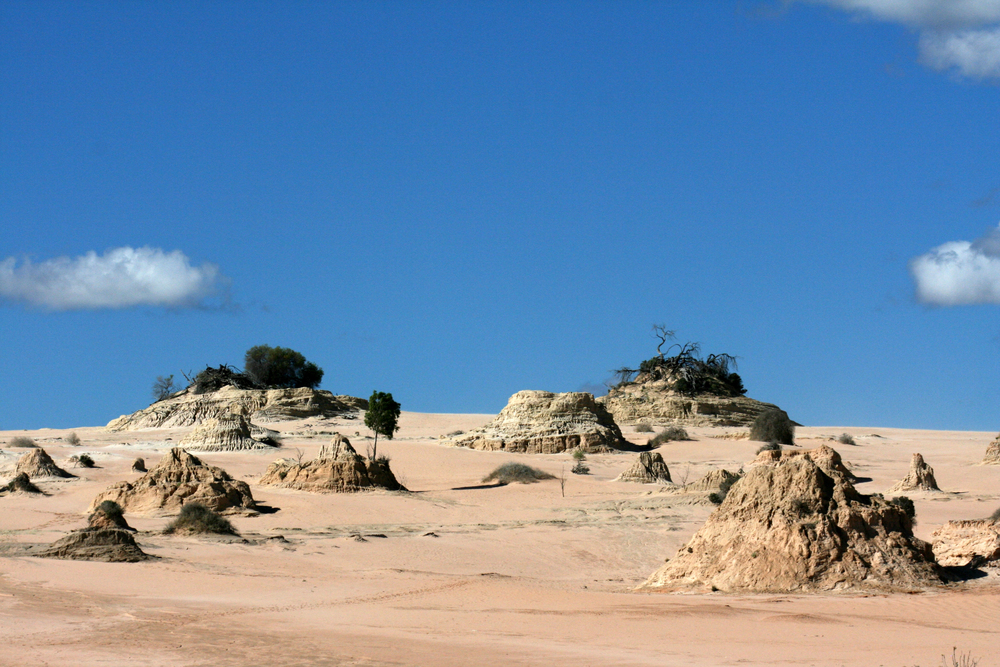
The ancient lakebeds of Australia preserve an extraordinary 20,000-year-old snapshot of Aboriginal life. Over 700 footprints belonging to men, women, and children reveal a moment when people ran and walked across muddy shores.
Among the most striking is what appears to be a one-legged man moving at impressive speed—suggesting either incredible adaptation or possibly a hunting technique involving hopping.
Mount Vesuvius Victims
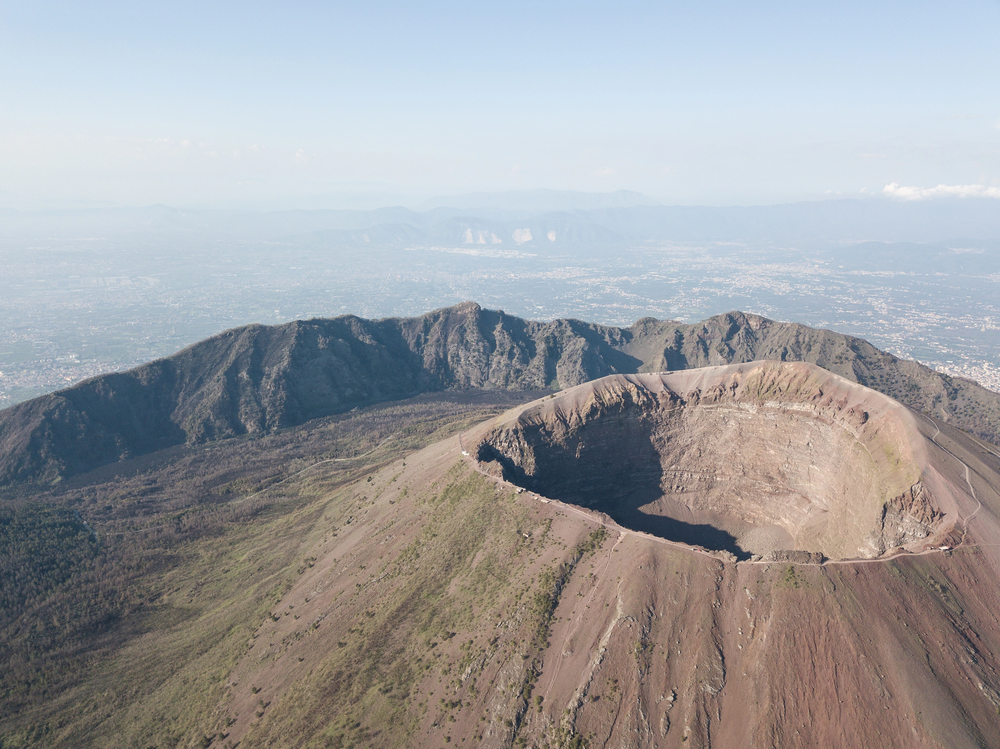
When Mount Vesuvius erupted in 79 CE, it preserved more than just buildings and bodies in Pompeii and Herculaneum. Archaeologists discovered footprints of people fleeing the disaster—their final moments captured in volcanic ash.
These prints tell heartbreaking stories of families running together, people stumbling, and even a person who appears to have stopped to help someone else, sacrificing precious escape time.
Like Go2Tutors’s content? Follow us on MSN.
Engare Sero Footprints

On the southern shores of Tanzania’s Lake Natron, over 400 footprints dating back 19,000 years reveal fascinating social behaviors. The patterns suggest mostly women and children traveling together, possibly collecting resources.
What makes these prints remarkable is how they illuminate gender roles and community structures in hunter-gatherer societies that would otherwise be invisible in the archaeological record.
Chauvet Cave
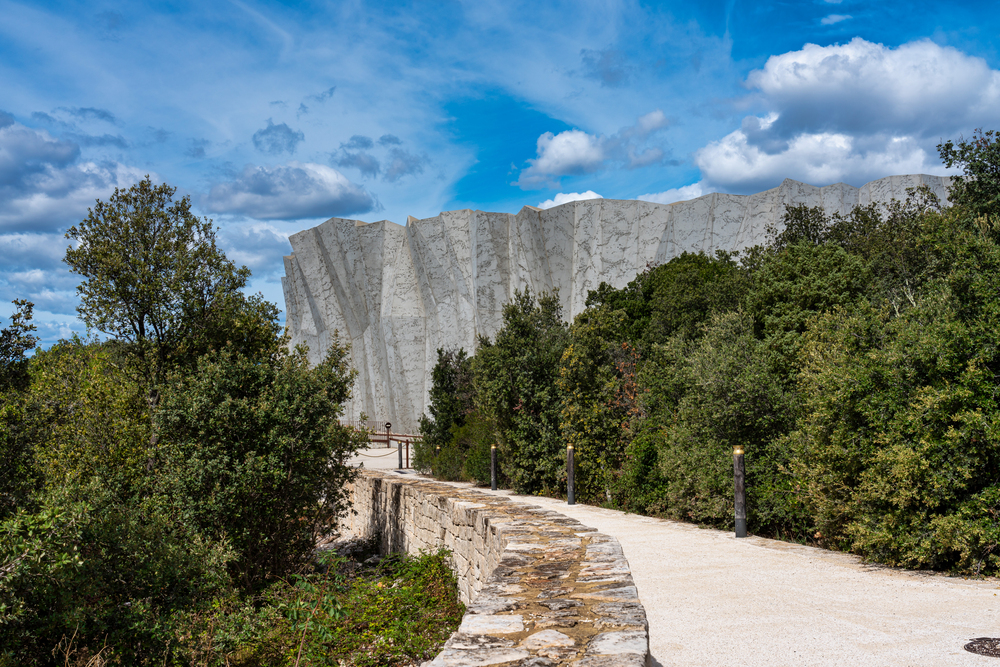
While France’s Chauvet Cave is famous for its stunning prehistoric artwork, it also contains something more intimate—30,000-year-old footprints of a young boy. What’s remarkable is how these prints intermingle with torch marks on the walls and paw prints of cave bears, suggesting a possibly ritual interaction between humans and these massive prehistoric predators.
The boy’s path through the cave follows the exact same route an artist took when creating the cave paintings.
Cuatrociénegas Basin

In the Mexican desert, researchers discovered human footprints dating back 10,500 years preserved in travertine—a type of limestone formed by mineral springs. Unlike most ancient footprints, these were made in stone rather than mud or volcanic ash.
They appear to have been created when people walked across calcium-rich shallow waters, which subsequently hardened into rock, preserving even the imprints of ancient clothing fibers.
Like Go2Tutors’s content? Follow us on MSN.
Tuc d’Audoubert Cave
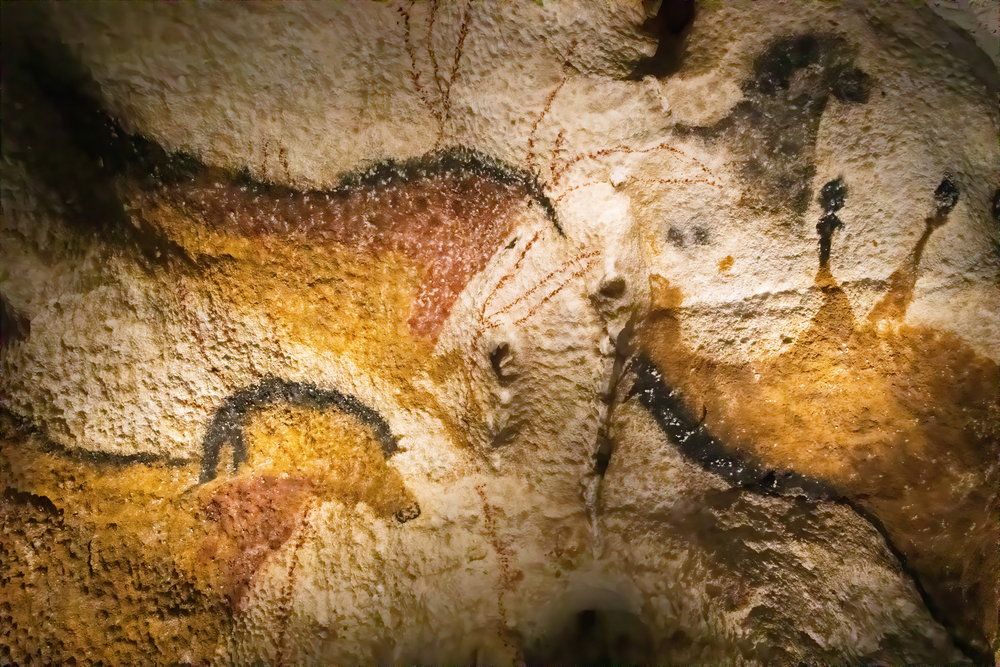
Deep in a remote French cave, archaeologists discovered 15,000-year-old footprints of two adolescents around a clay sculpture of bison. The foot impressions reveal a shuffling, possibly ceremonial dance performed around what appears to be a ritual installation.
The prints were left undisturbed in the soft clay for millennia, preserved by the cave’s constant temperature and humidity.
Calvert Island

Along the coast of British Columbia, researchers uncovered 13,000-year-old human footprints in 2014, revealing some of the earliest evidence of human habitation along the Pacific coast. These prints likely belonged to a family group walking along an ancient shoreline.
The discovery supports the coastal migration theory—suggesting humans may have moved down the Pacific coast rather than through an inland ice-free corridor when populating the Americas.
Devil’s Trail
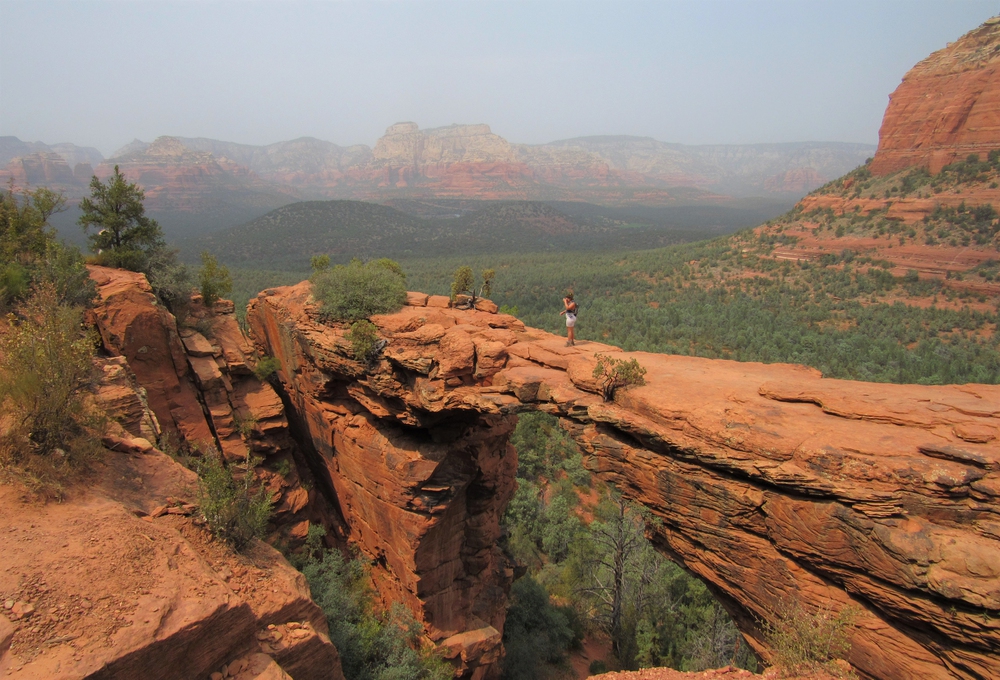
In Italy’s Roccamonfina volcanic crater, peculiar footprints dating back 350,000 years were long attributed to supernatural beings by local folklore. Only in the 20th century did scientists recognize them as belonging to Neanderthals who walked across cooling volcanic ash.
These prints are particularly valuable as they show individuals moving confidently down an extremely steep slope—revealing impressive physical abilities of our evolutionary cousins.
Like Go2Tutors’s content? Follow us on MSN.
Ileret Footprints
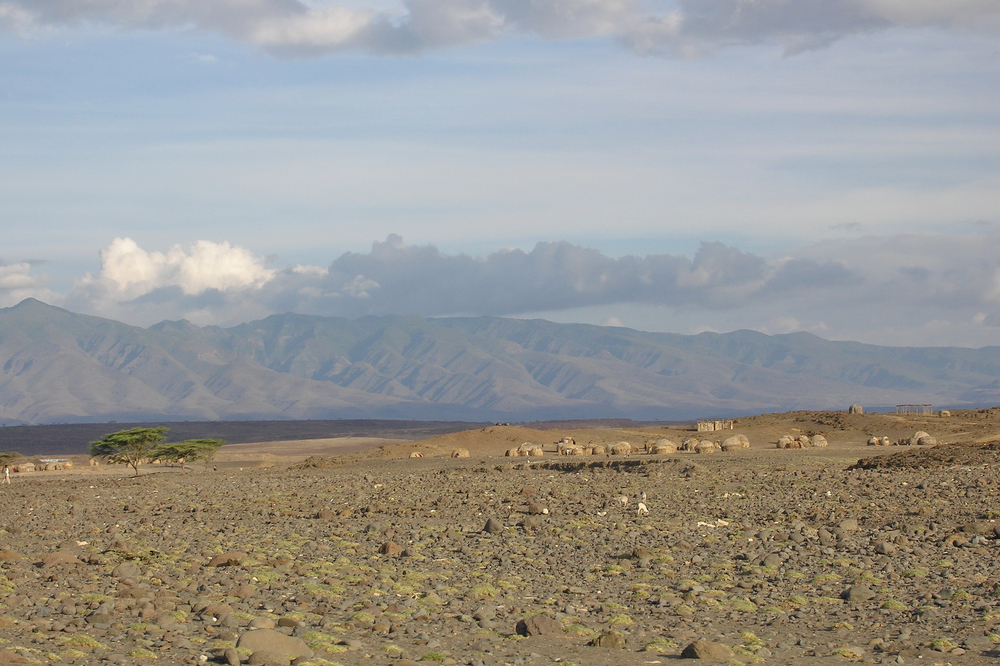
On the shores of Kenya’s Lake Turkana, 1.5-million-year-old footprints provide crucial evidence of Homo erectus’s walking style. Unlike earlier hominins, these prints show a modern foot structure with a pronounced arch—suggesting efficient long-distance walking had evolved by this time.
The discovery includes multiple individuals walking in the same direction, possibly tracking prey along an ancient lakeshore.
Theopetra Cave
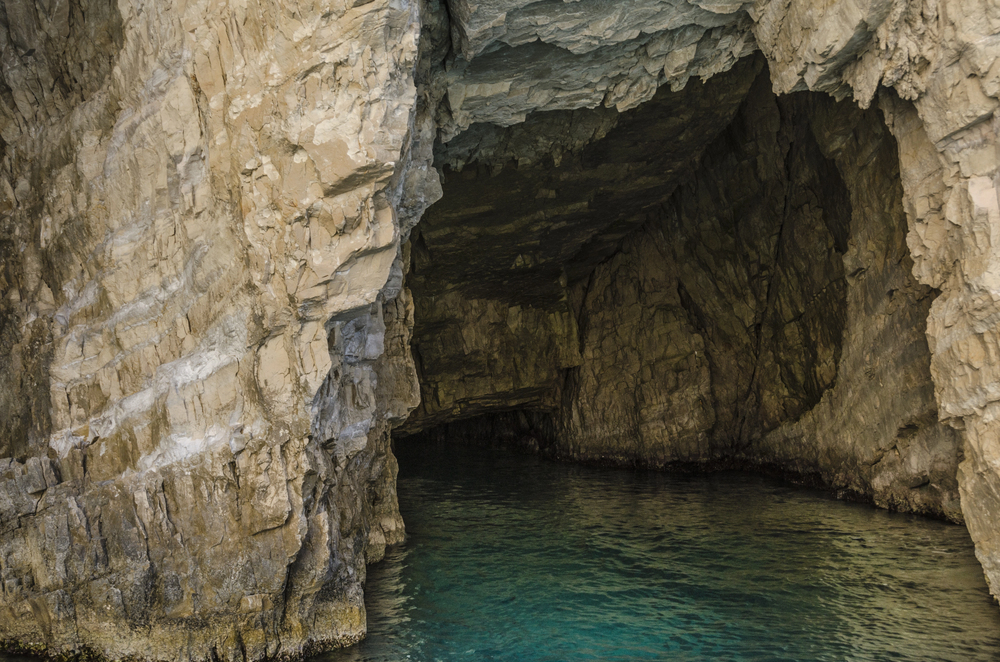
In Greece’s Theopetra Cave, researchers discovered a child’s footprint dating back 135,000 years—likely belonging to a Neanderthal youth. What makes this print remarkable is its position high on the cave wall, suggesting the child was exploring or perhaps placed there by adults.
The location of the footprint reveals complex spatial use of the cave and hints at social dynamics not otherwise visible in the archaeological record.
Bennett’s Cave

In Gibraltar, archaeologists discovered Neanderthal footprints dating back 28,000 years—potentially some of the last evidence of Neanderthals before their extinction. These prints were found alongside evidence of hearths and tool-making activities, providing a bittersweet glimpse into the daily life of a vanishing people.
The small size and depth of some prints suggest children playing near adults who were engaged in subsistence activities.
Like Go2Tutors’s content? Follow us on MSN.
Connecting Past and Present Steps
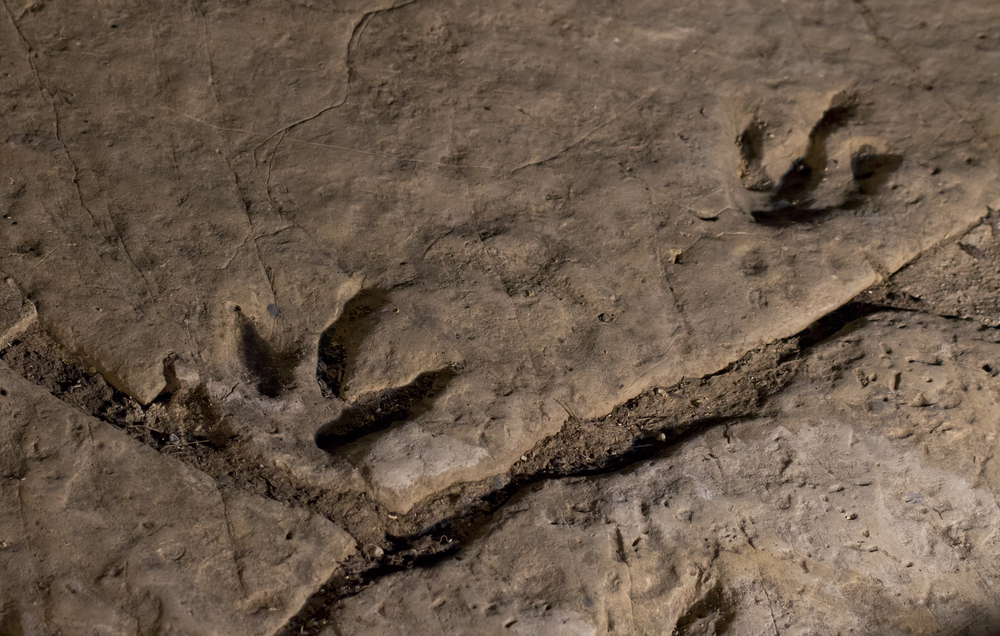
These ancient footprints bridge the immense gap between our present and the distant human past in ways that artifacts alone cannot. Each impression represents a moment when someone like us walked across the Earth—unaware that their routine movements would one day become extraordinary evidence of human existence.
As climate change and development threaten many archaeological sites, these fragile impressions remind us that we too are merely passing through time, leaving our own ephemeral marks on an ancient planet.
More from Go2Tutors!

- 18 Unexpectedly Valuable Collectibles You Might Have Lying Around
- 15 Things Every Teenager in the ’70s Did That Teens Today Wouldn’t Understand
- 15 Strange Things People Have Tried to Ban (And Failed)
- 15 Inventions That Were Immediately Banned After Being Created
- 20 Actors Who Were Almost Cast in Iconic Roles
Like Go2Tutors’s content? Follow us on MSN.



