27 Animals That Were Declared Extinct and Then Found Alive
The story of extinction is rarely final. Scientists and conservationists spend years searching for species deemed gone forever, only to find them thriving in remote corners of the world.
These rediscovered species, called Lazarus species in honor of the biblical figure raised from the dead, remind us that declaring something extinct is sometimes premature. The natural world is vast and human knowledge is limited.
The gap between those two facts creates space for miracles. When an animal thought gone for decades suddenly reappears, it changes everything about how we approach conservation.
It also proves that giving up on species is rarely justified when habitat still exists.
Coelacanth
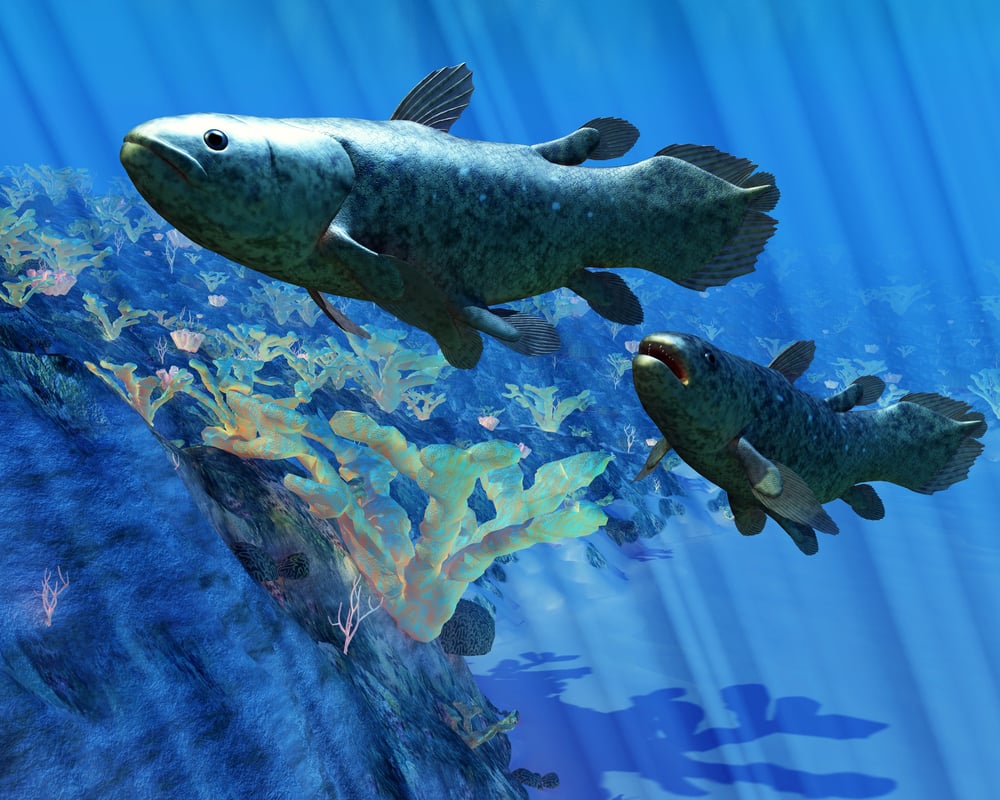
Fossil records show the coelacanth disappeared 66 million years ago. Scientists assumed the species vanished with the dinosaurs.
On December 22, 1938, a fishing trawler off the coast of South Africa brought up a five-foot fish with strange leg-like appendages. Local biologists identified it as a living coelacanth.
The shock to the scientific community was profound—a fish thought extinct for 70 million years had survived in deep-sea caves the entire time. Multiple species have been discovered since, proving an entire evolutionary lineage had persisted unseen.
Takahē
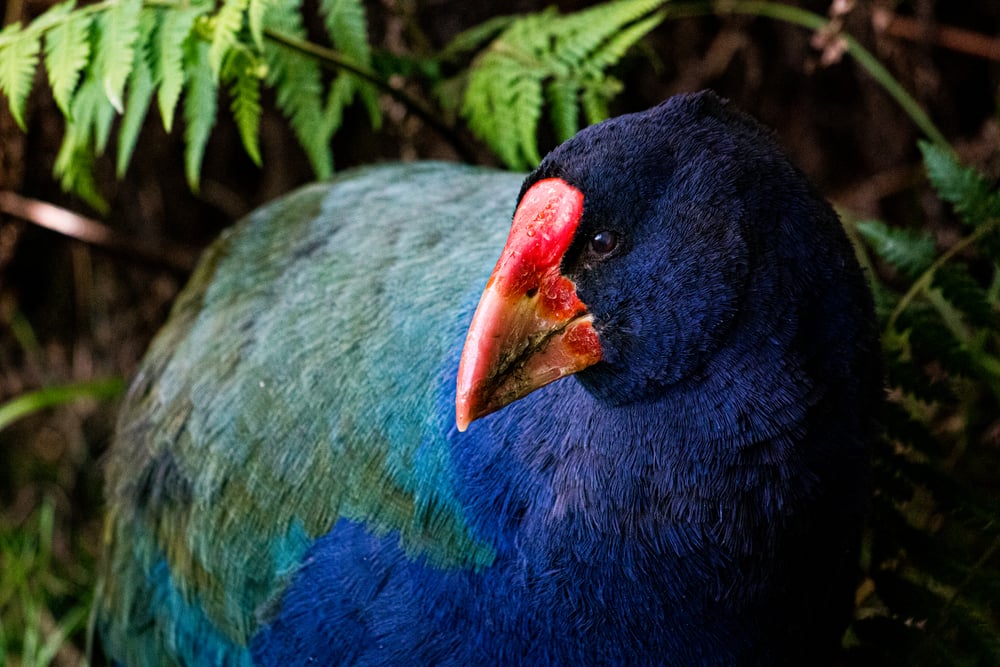
The takahē, a large flightless bird endemic to New Zealand, was declared extinct in 1898 due to overhunting and invasive predators. In 1948, a physician named Geoffrey Orbell refused to believe they were gone and searched the remote Murchison Mountains.
His persistence paid off—he found a small population hiding in the mountains. The takahē is now one of the world’s most intensively managed species, a living example of how Lazarus species often require immediate protection upon rediscovery.
Bermuda Petrel
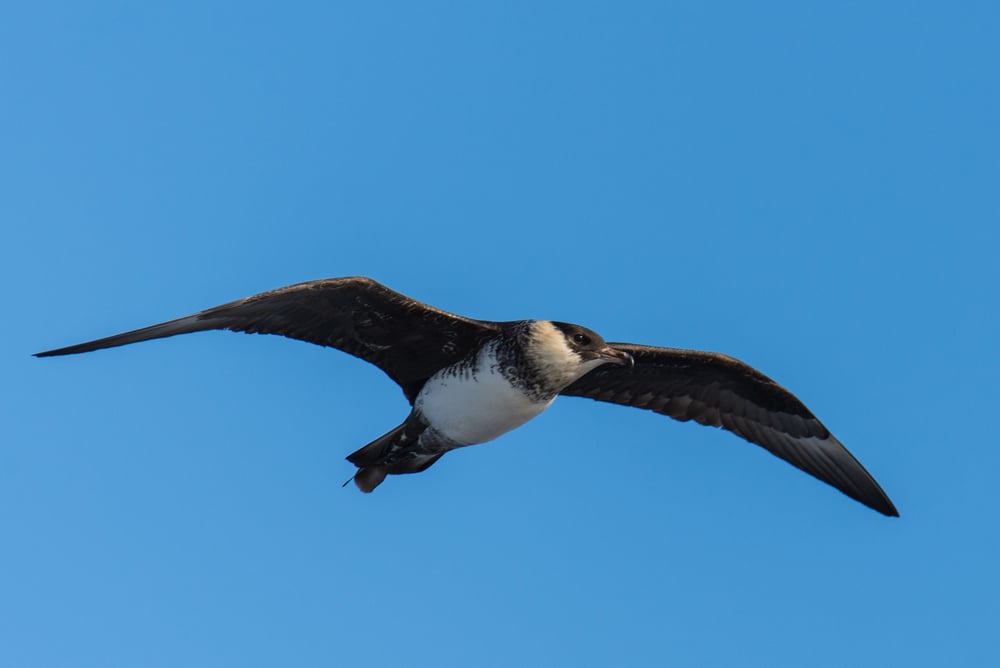
The Bermuda petrel, also called the cahow, was presumed extinct in the early 1600s after European settlers destroyed its nesting habitats. For over 350 years, the species existed only in historical records.
In 1951, a small population was rediscovered nesting on rocky islands off Bermuda’s coast. The bird had survived in such tiny numbers in such inaccessible locations that it went completely undetected for centuries.
Today, intensive management has slowly increased its population.
Australian Night Parrot
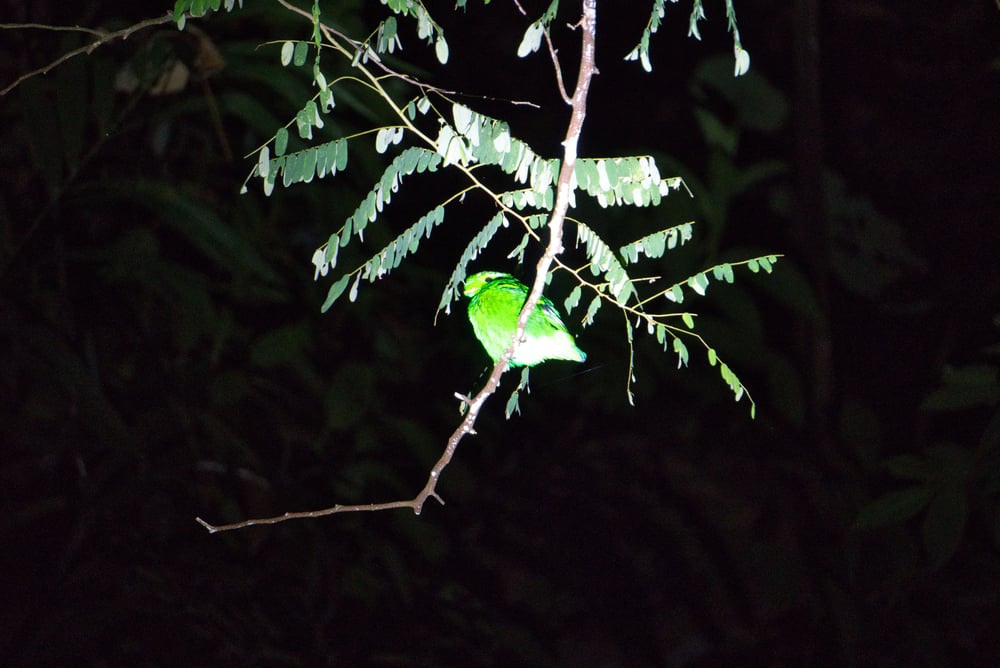
The night parrot disappeared from records in 1912. For a century, not a single confirmed sighting occurred despite extensive searching. In 2013, wildlife biologist John Young photographed a living night parrot in remote outback Australia, breaking a 101-year gap in observations.
The bird’s rediscovery sparked intense conservation efforts to protect it and understand its behavior. Since Young’s initial documentation, only a handful of additional confirmed sightings have occurred, making it one of the world’s rarest birds.
Fernandina Island Giant Tortoise
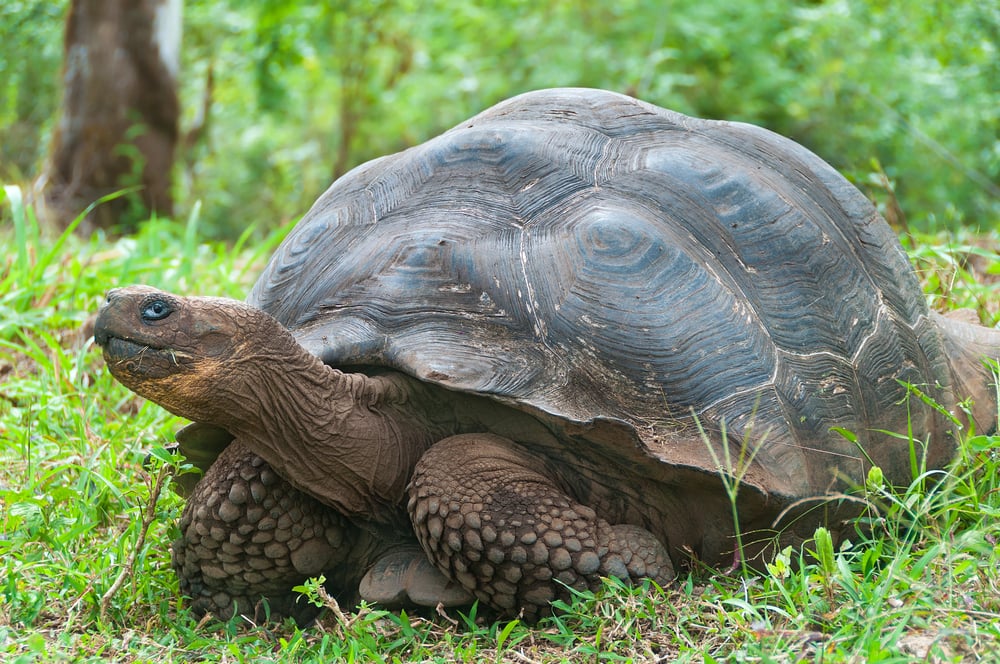
The Fernandina Island giant tortoise was declared extinct in 1906 after the last known individual was taken for scientific study. For over a century, no specimen was found anywhere.
In 2019, a single female was discovered on Fernandina Island in the Galápagos, suggesting a tiny population had survived undetected for generations. The discovery of this individual—called Fernanda—renewed efforts to understand how the species persisted and whether other survivors exist on the island.
Floreana Island Tortoise
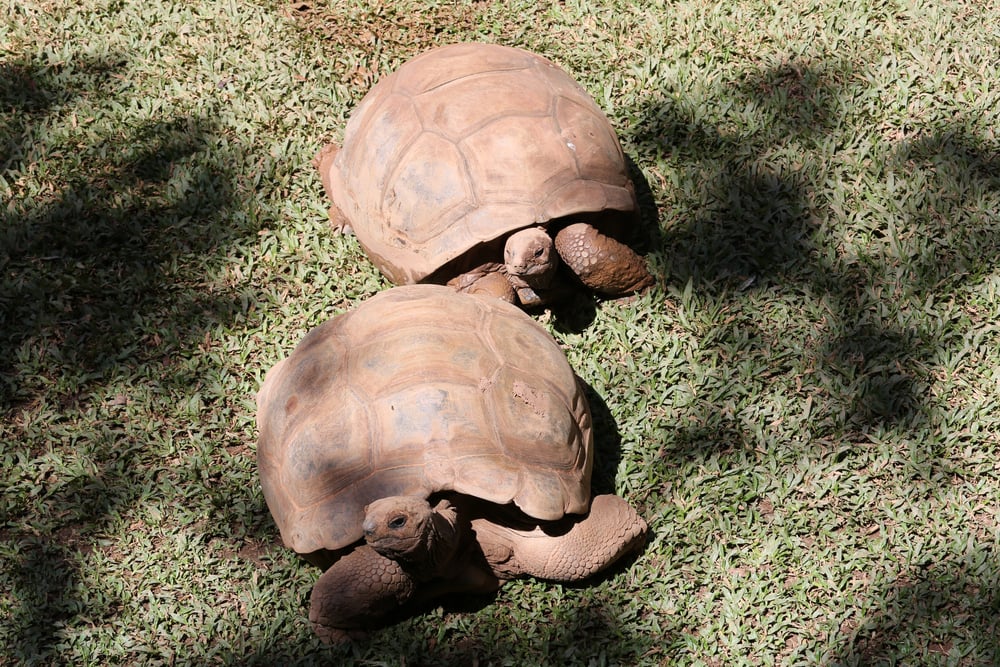
The Floreana Island giant tortoise was driven to extinction by sailors and settlers who killed tortoises for food during the 1700s and 1800s. Genetic analysis revealed that several tortoises held in captivity around the world were actually descendants of the extinct Floreana species.
Scientists used genetic identification to find these individuals and are now attempting to breed a Floreana population from these captive descendants, effectively resurrecting the species from near-total extinction.
Philippine Eagle
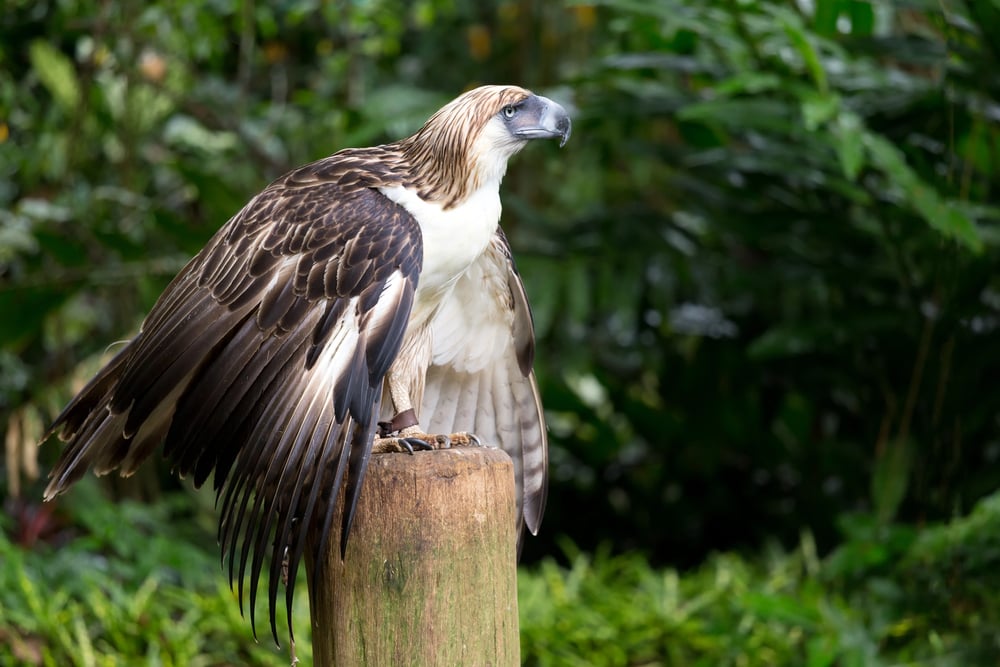
The Philippine eagle, one of the world’s rarest birds of prey, was believed to be heading toward extinction as its rainforest habitat disappeared. In the 1980s and 1990s, the species was thought to be in terminal decline with no hope for recovery.
However, intensive surveys in remote Philippine forests revealed a surviving population larger than previously estimated. Conservation efforts focused on protecting remaining habitat have stabilized the population, though the species remains critically endangered.
Jamaican Iguana
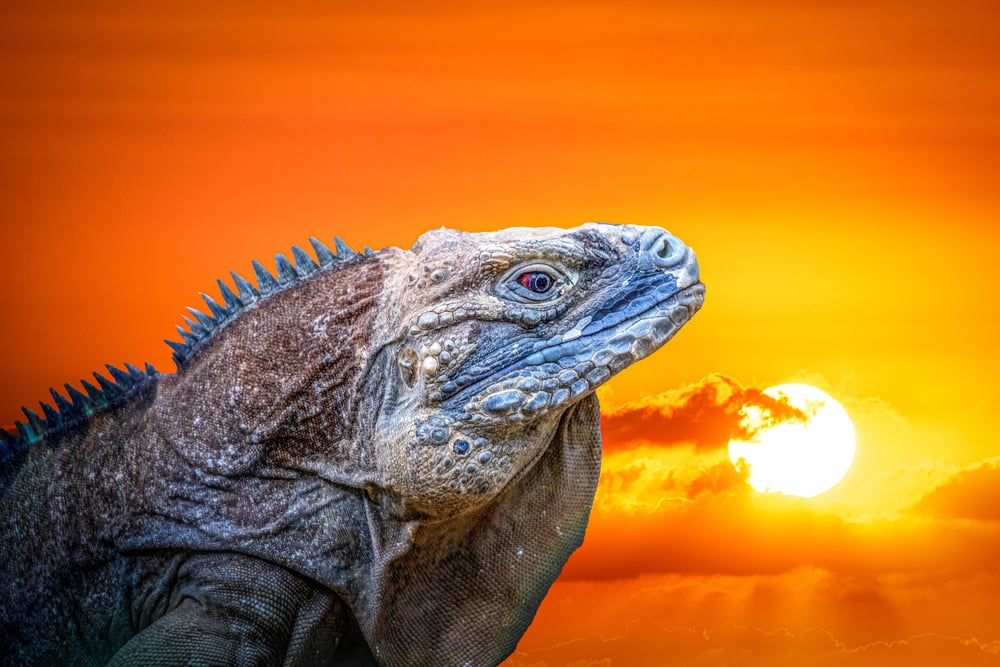
The Jamaican iguana was presumed extinct in the 1950s. The species had not been officially recorded for decades as its forest habitat was destroyed.
In 1990, a single individual was discovered in a remote area of Jamaica, sparking rediscovery of a surviving population. Researchers found that while numbers were low, enough individuals survived to establish a breeding program.
Today, the species remains critically endangered but is no longer considered fully extinct in the wild.
Black-footed Ferret

The black-footed ferret was declared extinct in 1979 after decades of sightings declined to zero. The species depended entirely on prairie dogs for food and shelter, and as prairie dog colonies were systematically eliminated, ferrets disappeared.
In 1981, a small population was discovered in Wyoming. The rediscovery sparked captive breeding programs and prairie dog habitat restoration efforts.
The ferret remains critically endangered, but the rediscovered population provides hope for recovery.
Goblin Shark
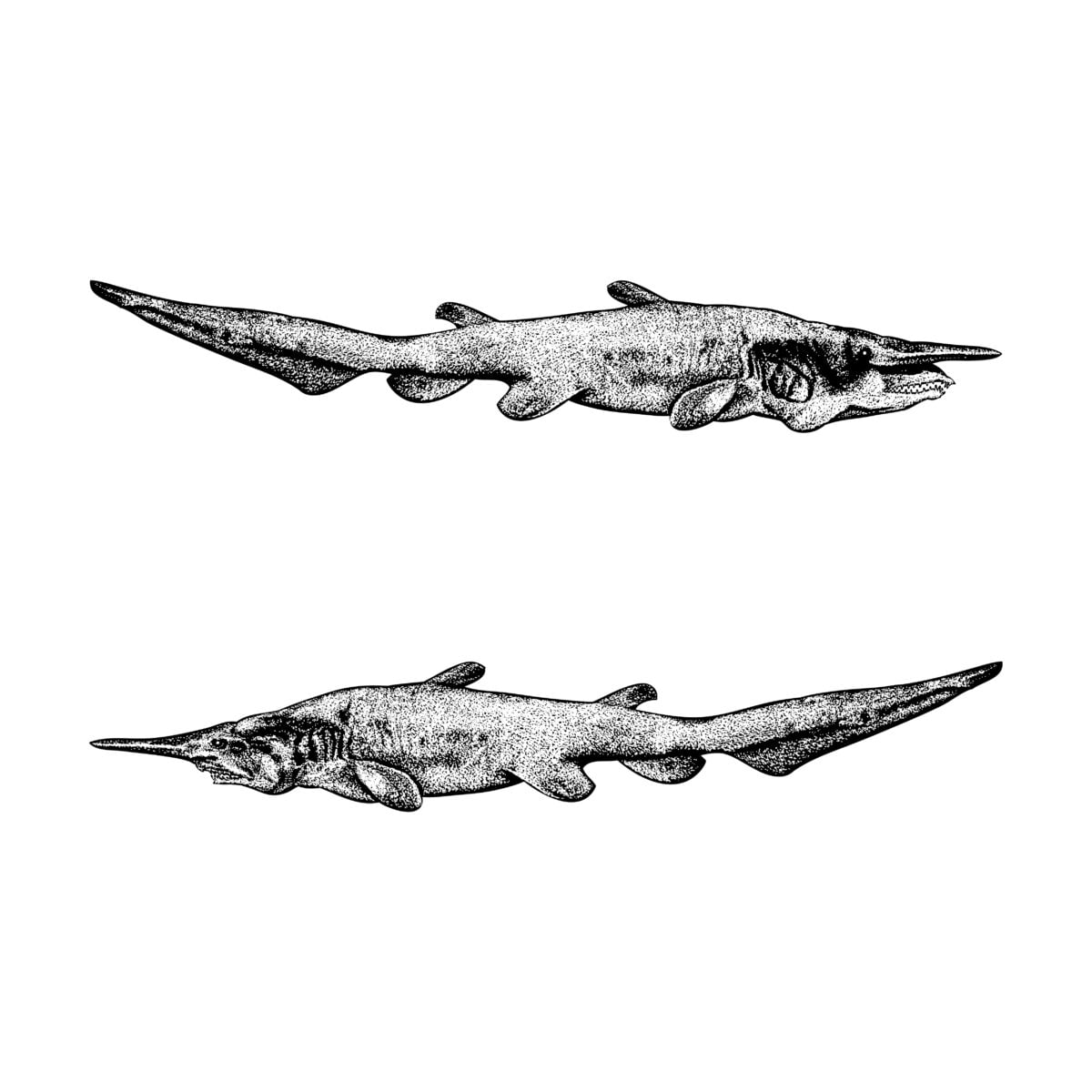
The goblin shark, a deep-sea predator with bizarre protruding jaws, was unknown to science until 1898, when a living specimen was captured off the coast of Japan. Scientists initially debated whether the specimen was a genuine species or a malformed individual of another shark due to its unusual appearance.
Additional specimens captured in subsequent decades confirmed the species was real and distinct. Since then, occasional goblin sharks have been captured in deep-sea fishing nets, proving a population persists in the ocean depths despite remaining poorly studied.
Omura’s Whale
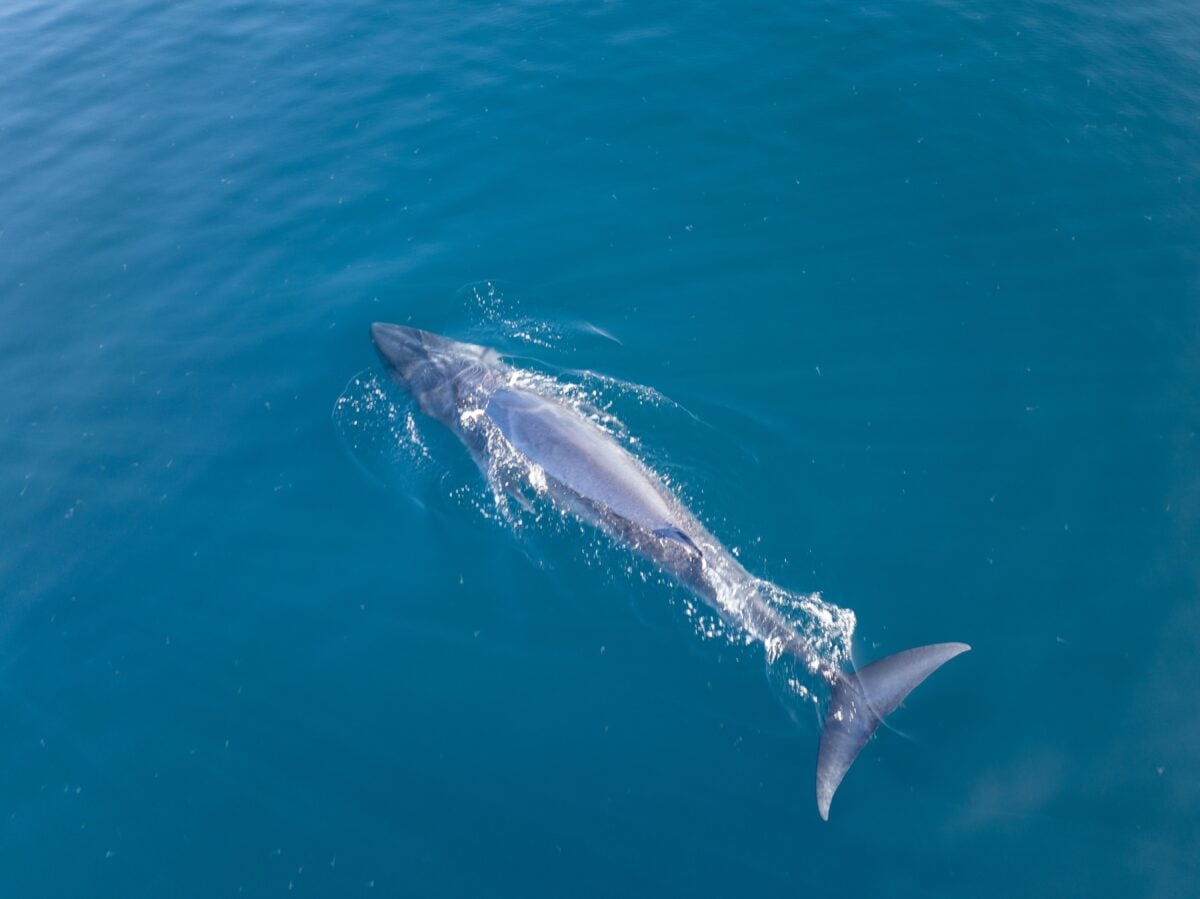
Omura’s whale was identified as a distinct species only in 2003, after being confused with other whale species for decades. During the mid-1900s, Japanese whalers had killed what they thought were Bryde’s whales but were actually Omura’s whales.
The living species wasn’t scientifically recognized until 100 years after its first recorded specimens were processed as catches. The whale remains one of the ocean’s least-known baleen whale species.
Wallace’s Giant Bee
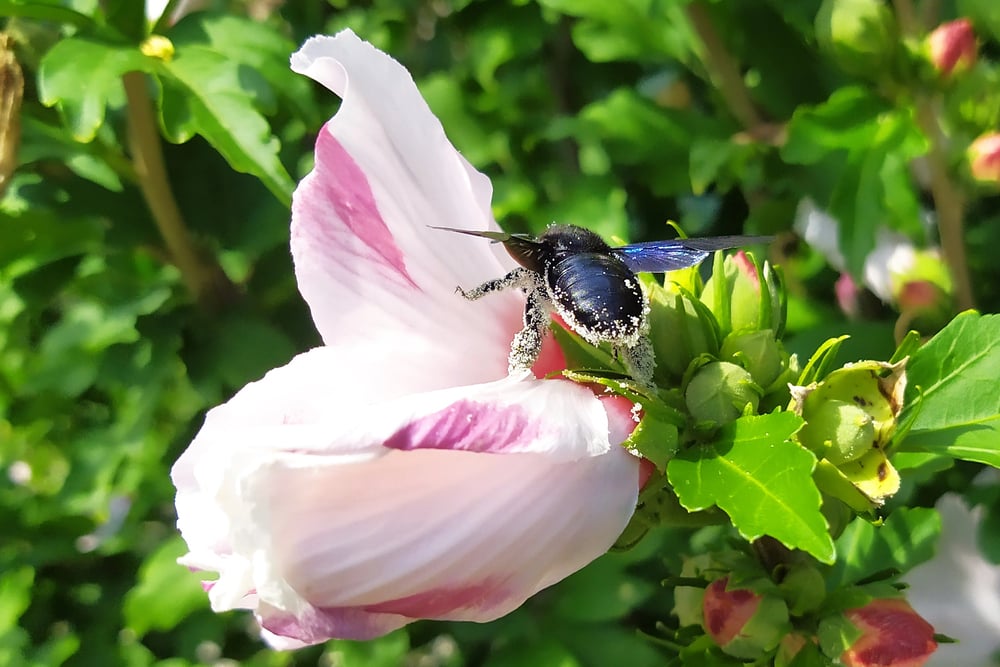
Wallace’s giant bee, with a body length of 1.5 inches, is the largest known bee species. The insect was known only from a single specimen collected in 1858.
For over 120 years, no additional specimens were found despite searches of Indonesian forests. In 1981, a naturalist rediscovered the species in Indonesia.
Today, the bee remains rare and poorly studied, but its rediscovery proved the species had survived when most assumed it extinct.
Chacoan Peccary
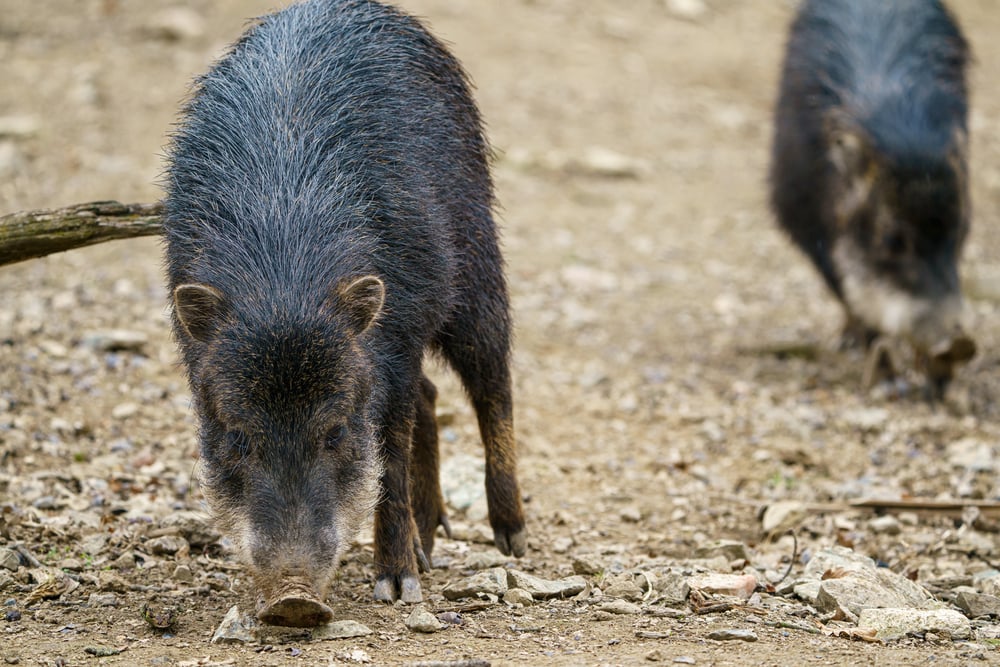
The Chacoan peccary was known only as a fossil from Central and South America until 1970, when a living population was discovered in the Gran Chaco region. The species had survived in remote scrubland for thousands of years, unknown to modern science.
The rediscovery was shocking because the animal had been presumed extinct for millennia. Today, the species remains endangered but represents a major gap in understanding how extensively humans have failed to catalog living species.
Pinocchio Lizard
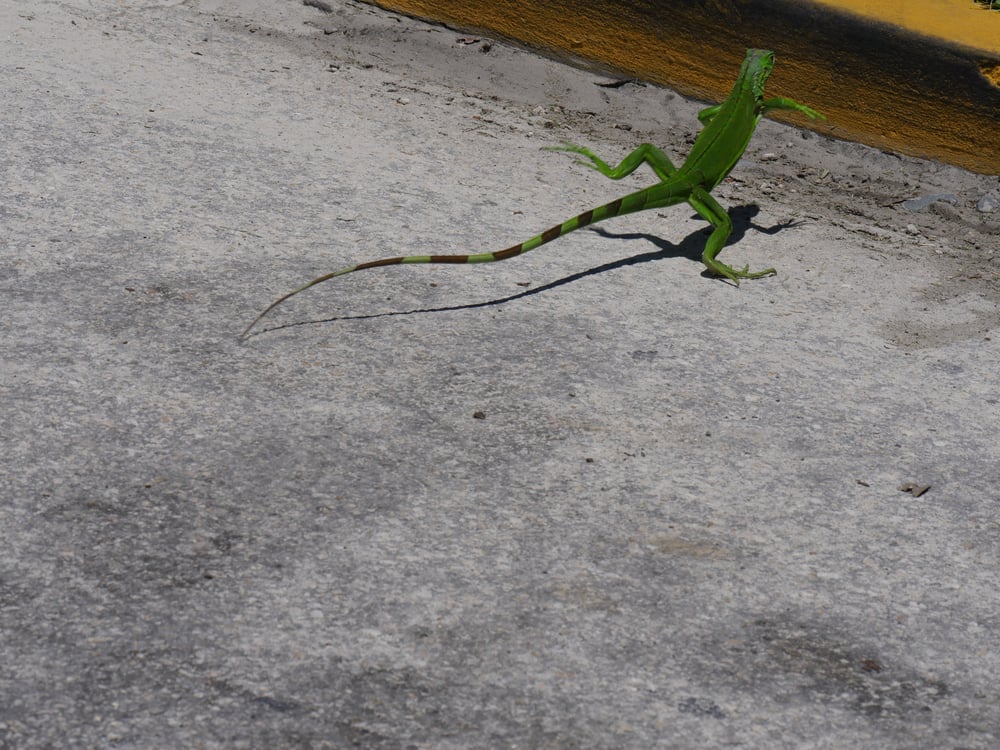
The Pinocchio lizard, named for the pronounced horn on its snout, was discovered in 1953 and then lost to science for decades. The only known specimen came from a specific location in Ecuador that was rapidly being developed.
In 2005, the species was rediscovered in a small patch of remaining cloud forest. The find illustrated how easily species can vanish from scientific knowledge when their habitat is destroyed, only to be relocated once conservation focus turns to specific regions.
Pygmy Tarsier
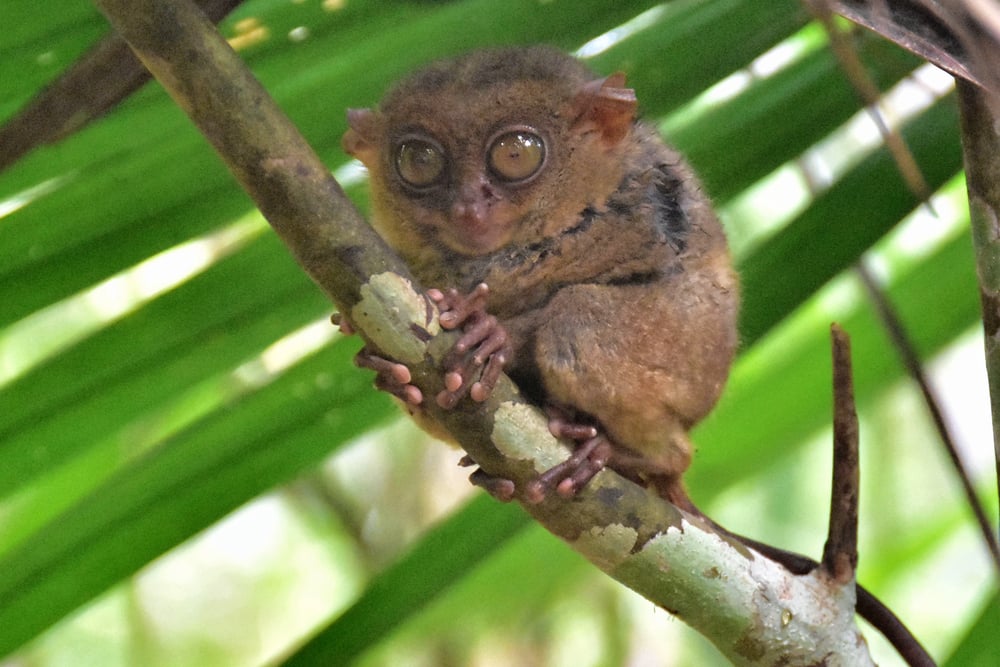
The pygmy tarsier, a tiny nocturnal primate from Sulawesi, was known only from museum specimens from the early 1900s. By the 1960s, no living specimen had been documented in decades.
In 2008, researchers found the species still surviving in a remote mountain forest. The tarsier remains one of the world’s rarest primates, illustrating how species persist in remnant forests long after scientists presume them extinct.
Kashmir Musk Deer
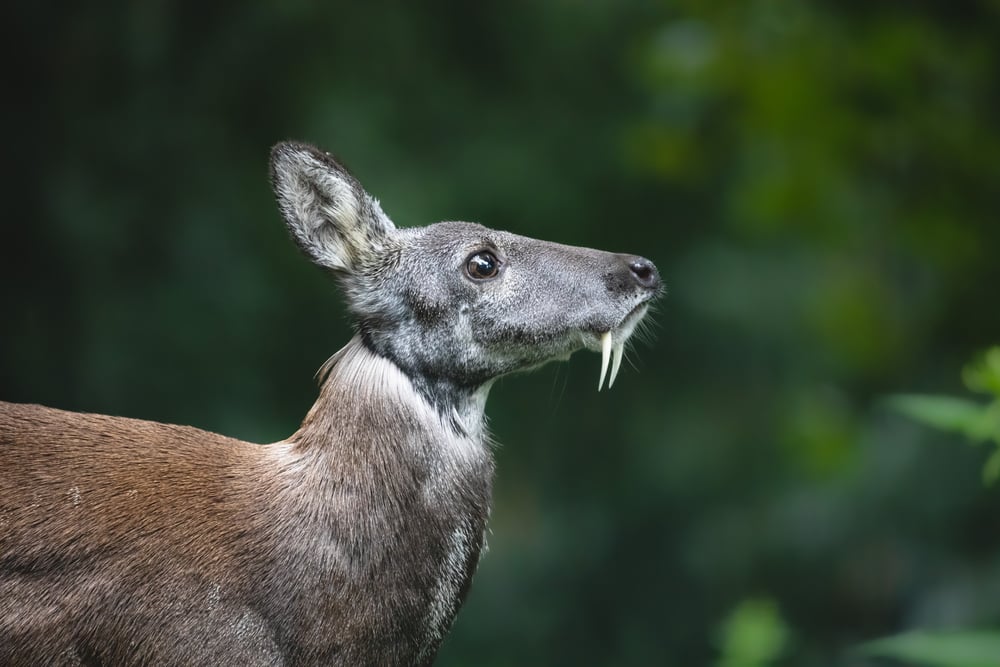
The Kashmir musk deer was thought to be extinct in Kashmir for centuries, with populations surviving only in remote Himalayan regions of other countries. In the 1970s, a small surviving population was discovered in Kashmir itself, despite the region being inhabited for thousands of years.
The rediscovery suggested the deer had persisted in extremely remote mountain refuges, unseen by both local residents and scientific surveys for generations.
Jerdon’s Babbler
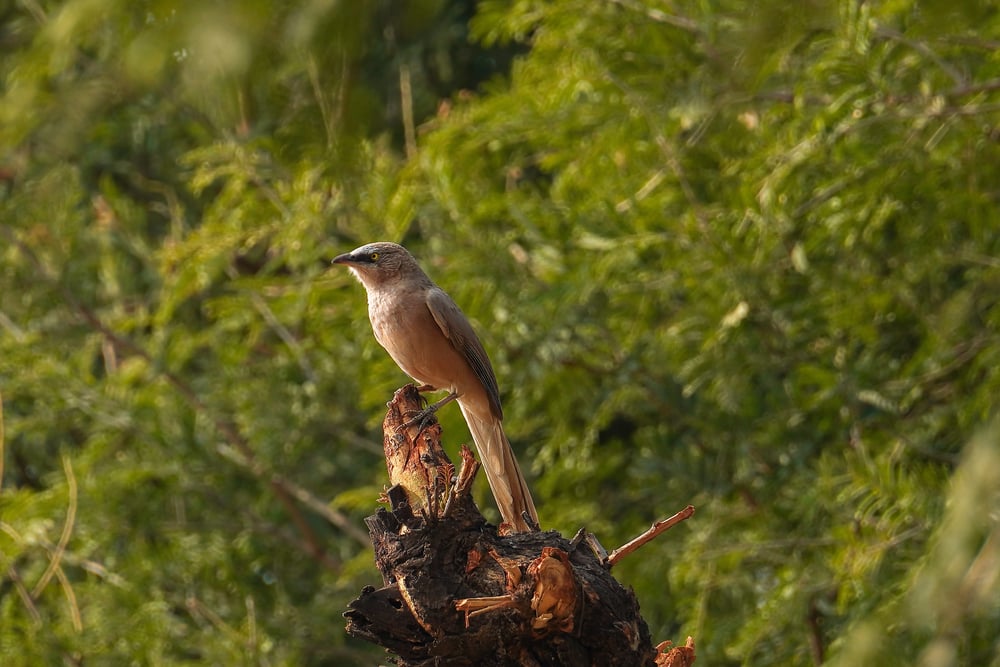
Jerdon’s babbler, a bird from India, disappeared from scientific records for over 100 years. The last specimen was collected in 1855. In 1967, the species was unexpectedly rediscovered in India’s Nerbudda Valley.
The century-long gap in observations meant the species could have gone extinct multiple times without anyone knowing. Today, the bird remains extremely rare, with conservation efforts focused on protecting remaining grassland habitat.
Jerdon’s Tree Frog

Jerdon’s tree frog from India had not been seen since 1871, over 130 years, when it was rediscovered in 2008. The frog’s rediscovery was accidental—researchers found it while conducting surveys for other species.
The enormous gap in observations raised questions about how many species disappear from scientific knowledge simply because habitats are not actively surveyed. Today, the species remains known from only a handful of locations.
Blue-eyed Ground Dove
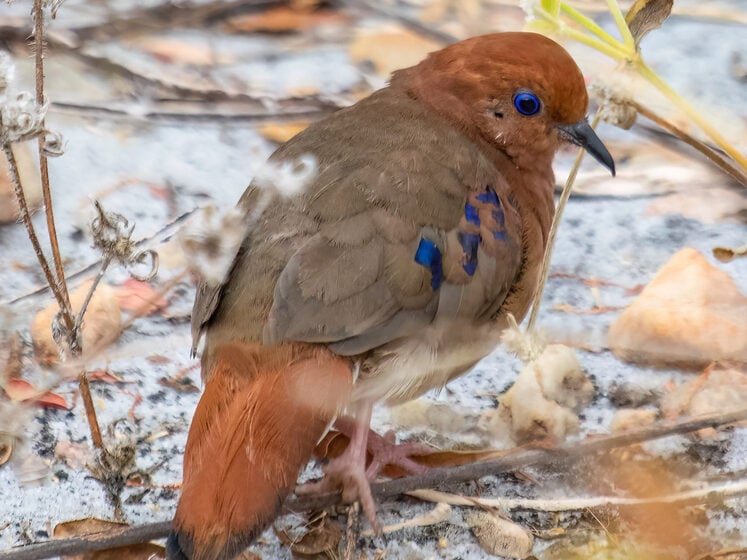
The blue-eyed ground dove from Brazil was known from only a few specimens collected in the 1800s and early 1900s. No confirmed sightings occurred for decades, and the species was presumed extinct.
In 1986, a small population was rediscovered in a small fragment of remaining Atlantic Forest habitat. The dove remains critically endangered, but the rediscovery proved that species can survive in smaller habitat fragments than scientists typically assume necessary.
Zapata Rail
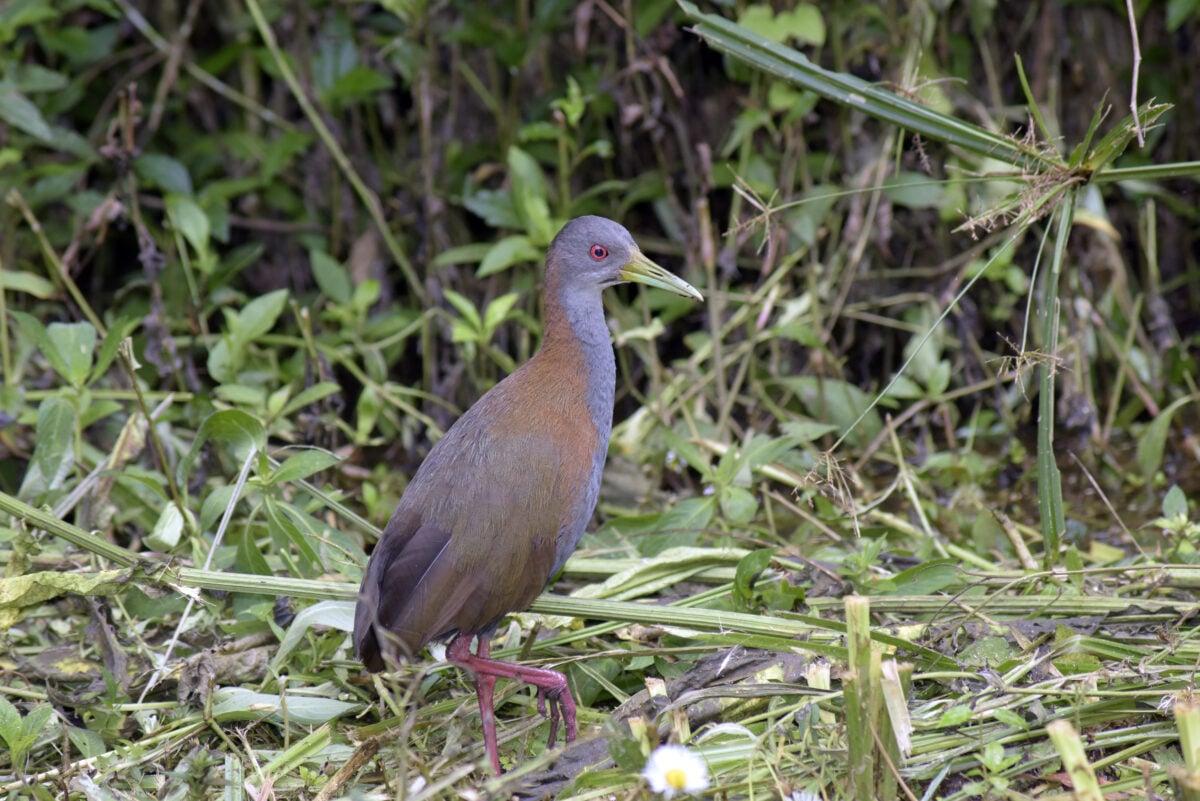
The Zapata rail, a Cuban bird, was thought extinct after no sightings were recorded for decades. In 1967, a population was discovered in the Zapata Swamp in western Cuba. The rediscovery showed that even in well-studied regions like Cuba, species can escape notice when they inhabit remote wetland areas.
Today, the species remains restricted to the Zapata Swamp, making it one of the world’s most geographically restricted birds.
Stresemann’s Bristlefront
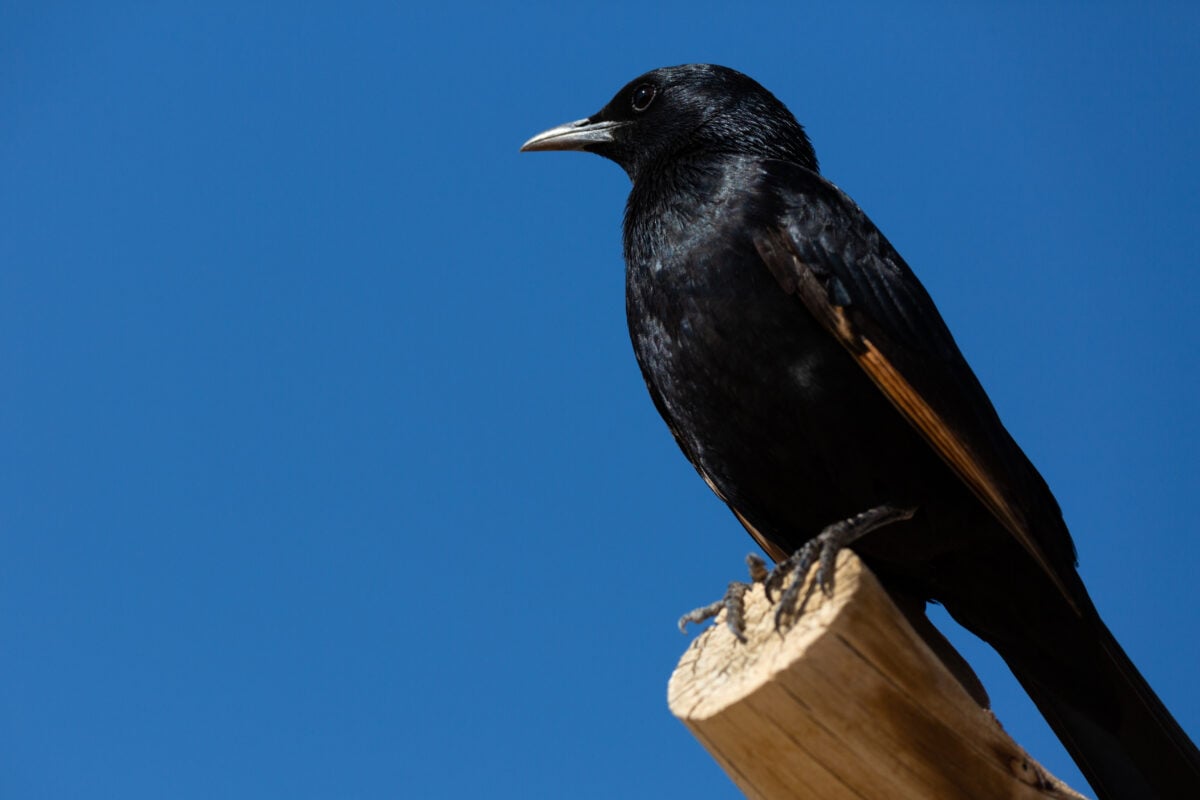
This small Brazilian bird was known only from a single specimen collected in 1870. No additional sightings occurred for over a century. In 1991, the species was rediscovered in a tiny forest fragment in Brazil.
The gap between discovery and rediscovery illustrated how thoroughly birds can vanish from scientific knowledge when forest habitats are destroyed. The species remains known from only a handful of locations.
Peruvian Yellow-Tailed Woolly Monkey
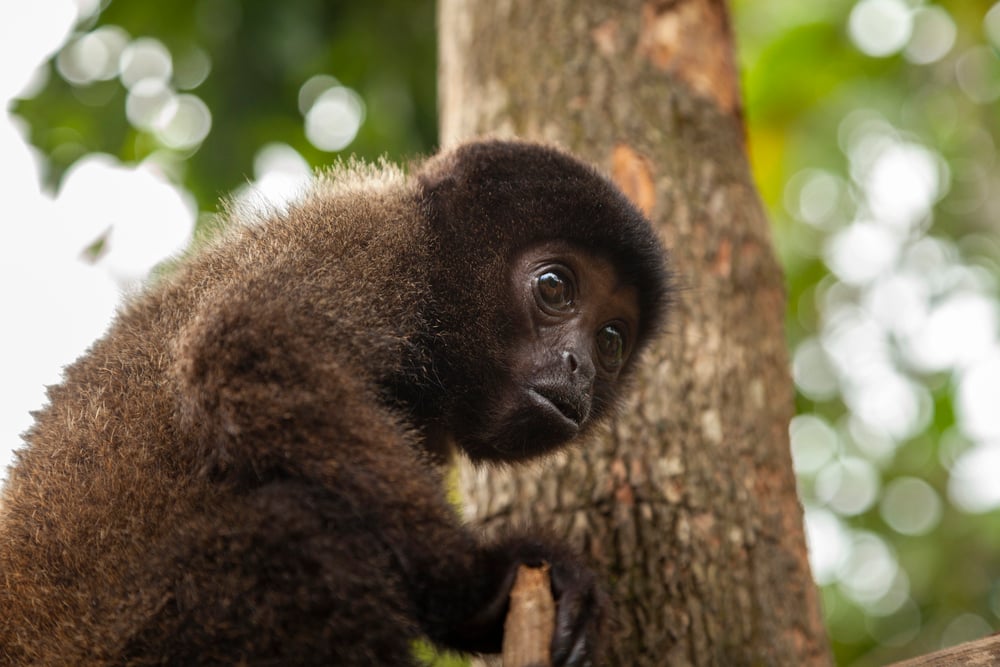
The Peruvian yellow-tailed woolly monkey was nearly extinct by the 1980s, with only a few individuals believed to survive in remote montane forests. Intensive conservation efforts and habitat protection have slowly increased the population.
The species’ survival against such overwhelming odds demonstrates the value of focused conservation work and the possibility of recovery even when species are reduced to tiny populations.
Mount Diablo Buckwheat

This California plant species was discovered in 1862 but only seven specimens were ever recorded, the last observed in 1936. The species was declared extinct.
In 2005, a researcher accidentally rediscovered it on the edge of its recorded range on Mount Diablo. The plant had survived 70 years without detection in an area subjected to intensive botanical study, illustrating how thoroughly plants can vanish from notice even in well-explored regions.
New Guinea Big-eared Bat
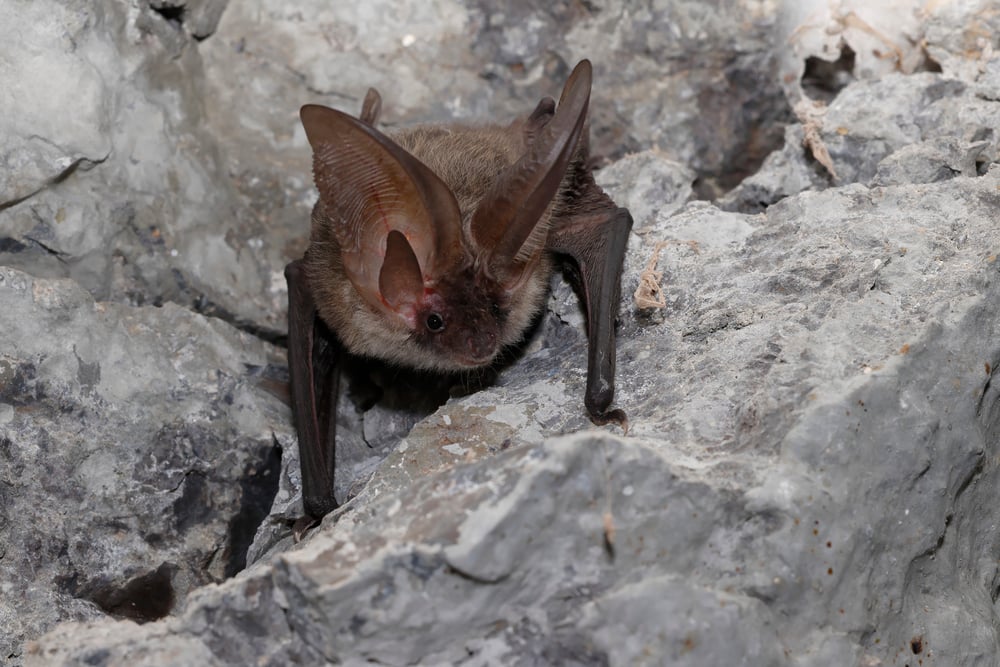
This bat species was declared extinct in 1996 after none had been seen since 1964 despite intensive surveys. The decline was attributed to hunting and habitat loss from sugar cane plantations.
In 2001, the species was rediscovered on Cebu and Negros islands. The 37-year gap in observations coincided with habitat transformation, suggesting the species survived in unmonitored areas despite deforestation.
Pygmy Long-fingered Possum

This marsupial was known only from fossils found in New Guinea, dating back 7,000 years. Scientists assumed the species had been extinct for millennia.
In 2023, a living specimen was documented, stunning researchers. The rediscovery proved that species can persist for thousands of years in remote, inaccessible habitats without leaving any fossil traces or being observed by humans.
Ring-tailed Glider
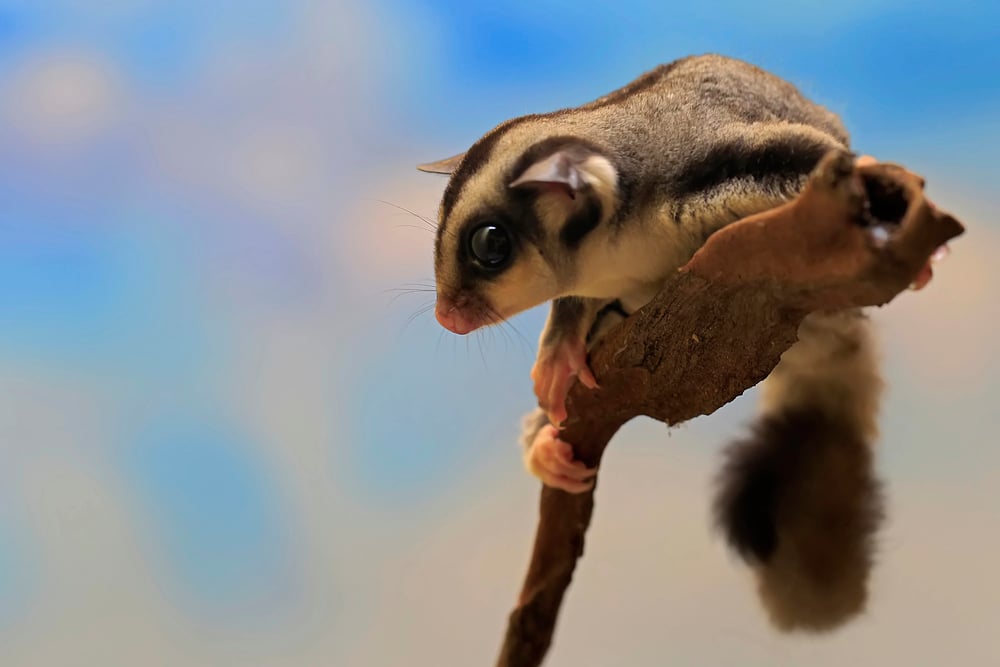
The ring-tailed glider marsupial was similarly known only from 7,000-year-old fossils until 2023, when it was rediscovered living in New Guinea. The simultaneous rediscovery of two Lazarus species thought extinct for millennia was unprecedented in scientific history.
The discovery illustrated how vast areas of New Guinea remain so remote and poorly studied that entire species populations can exist completely unknown to science.
Tachira Antpitta
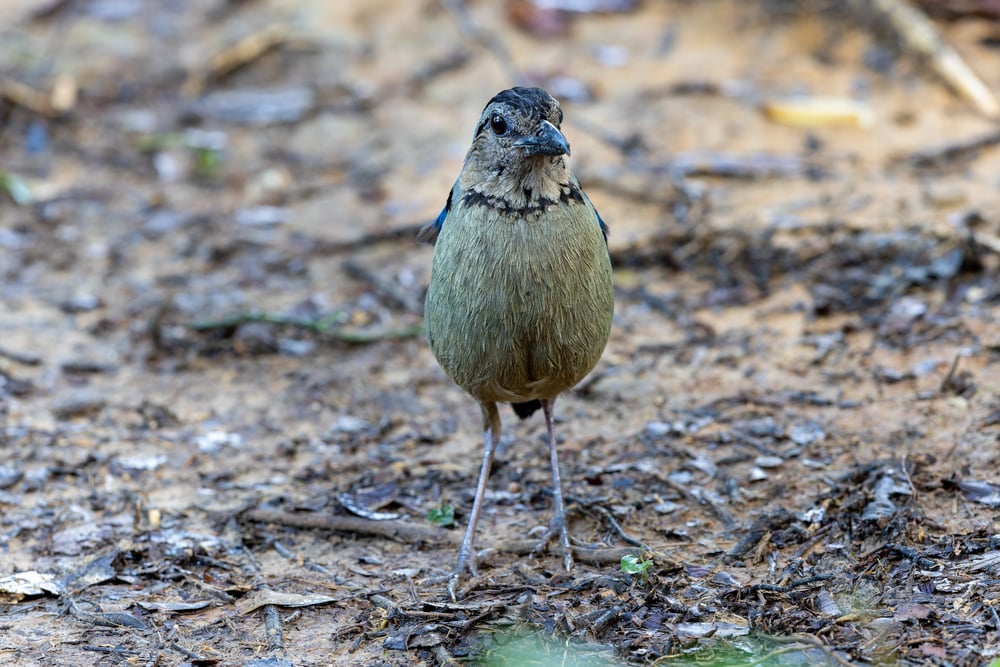
This small bird from Venezuela was known only from a holotype specimen collected in 1955. The species disappeared from scientific records for decades, with searches in the region yielding nothing.
In 1989, the species was rediscovered in a small forest fragment. The antpitta remains one of the world’s rarest birds, known from only a handful of locations in a small geographic range.
Persistence Against the Odds
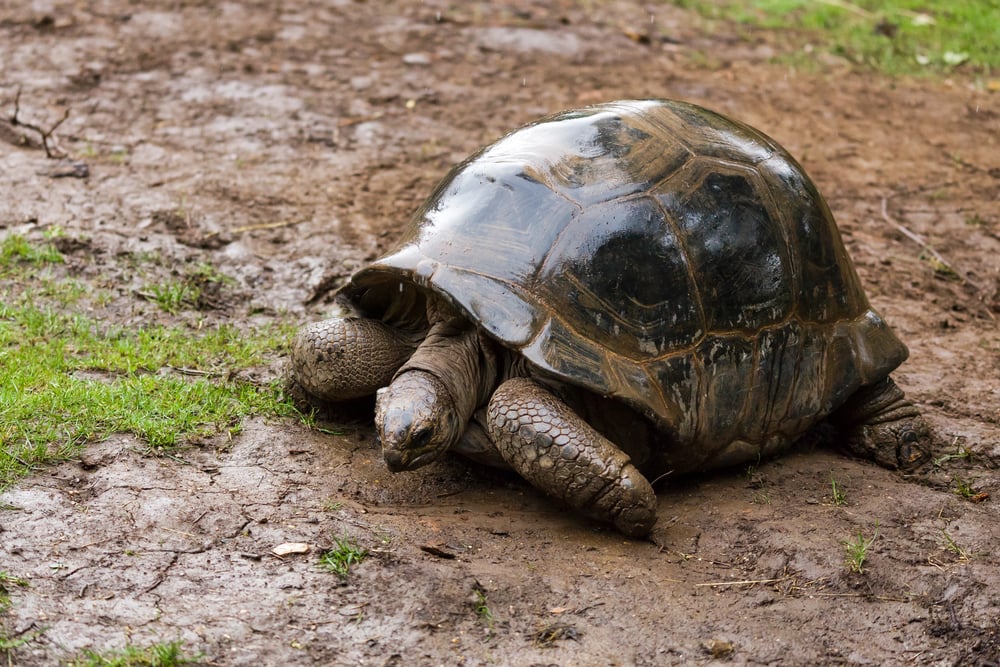
These 27 species share a common story: they survived in remote, inaccessible, or poorly surveyed habitats while scientists presumed them extinct. Their rediscoveries teach an essential lesson—extinction is often provisional.
A species declared extinct may simply be waiting to be found again. This provides hope for conservation: species are not lost until they are truly gone, and protecting habitat gives vanished species a chance to reappear.
More from Go2Tutors!

- 16 Historical Figures Who Were Nothing Like You Think
- 12 Things Sold in the 80s That Are Now Illegal
- 15 VHS Tapes That Could Be Worth Thousands
- 17 Historical “What Ifs” That Would Have Changed Everything
- 18 TV Shows That Vanished Without a Finale
Like Go2Tutors’s content? Follow us on MSN.



