28 Soda Fountain and Diner Traditions from the ’50s That Deserve to Come Back
Step into any modern restaurant and you’ll find yourself swimming in digital menus, tablet payment systems, and servers who barely make eye contact. The experience feels efficient, sure, but something essential has been lost in translation.
Back in the 1950s, soda fountains and diners weren’t just places to grab a quick bite — they were community theaters where every meal came with a side of genuine human connection.
These establishments operated on an entirely different philosophy. The counter wasn’t just a place to order food; it was a front-row seat to culinary theater.
The jukebox wasn’t background noise; it was the soundtrack to countless first dates and late-night conversations. And the staff? They weren’t just employees — they were neighborhood fixtures who knew your order before you sat down.
What made these places special wasn’t the food alone, though a perfectly crafted milkshake certainly didn’t hurt. It was the rituals, the unspoken rules, the small traditions that transformed eating out from a transaction into an experience.
From the art of the table-side sundae to the lost language of soda jerks, these customs created a dining culture that prioritized connection over convenience.
Made-to-Order Ice Cream Sundaes
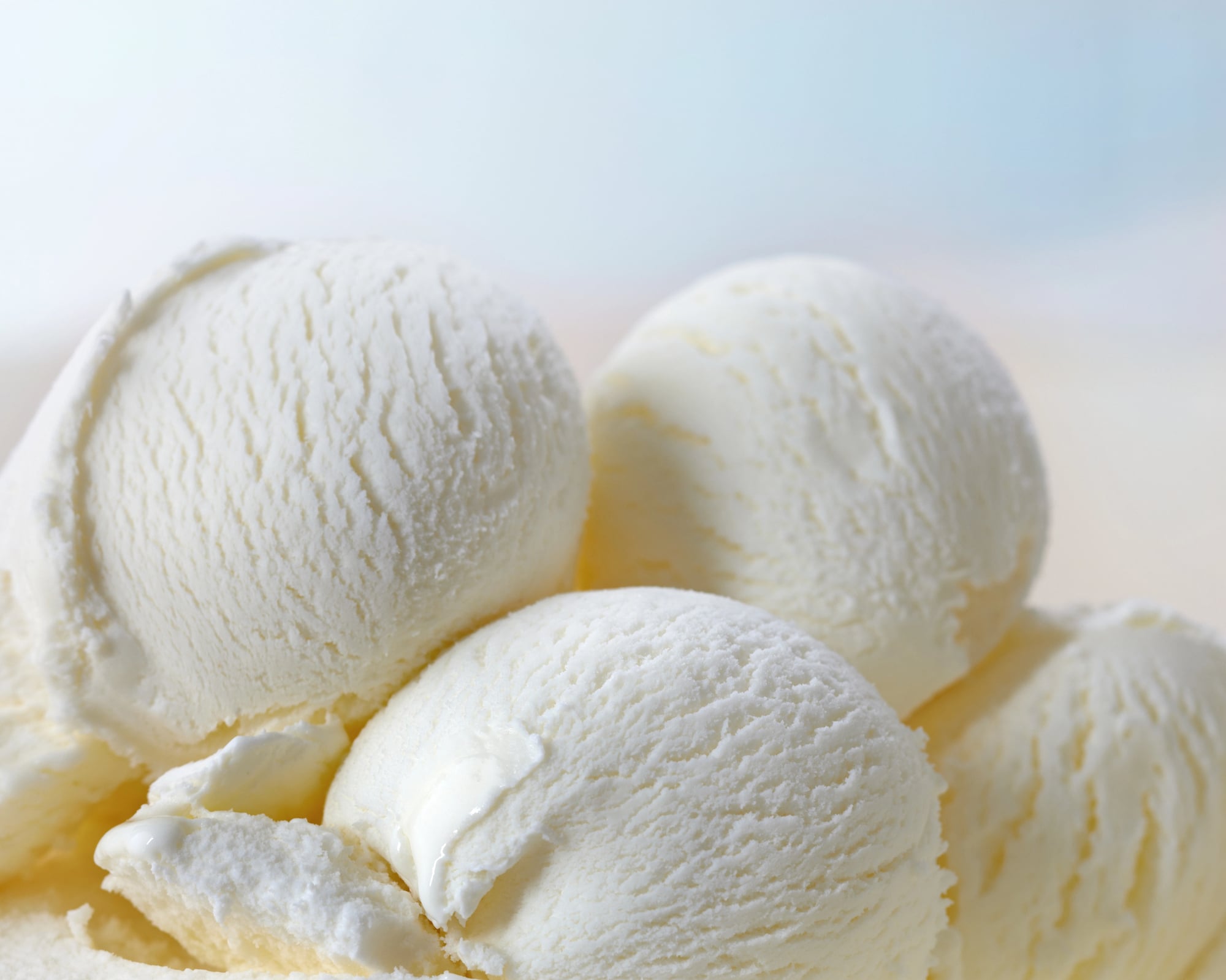
The sundae wasn’t just dessert. It was performance art with whipped cream and a cherry on top.
Every step happened right in front of the customer. Scoops of ice cream were carefully placed in a glass dish, toppings were poured with a practiced hand, and whipped cream was added with a flourish that made even a simple order feel special.
Watching a soda jerk build a sundae was part of the experience. No two sundaes were exactly alike.
Some were loaded with hot fudge and nuts, others piled high with fruit and syrup, but each one felt custom-made rather than assembled from a corporate recipe card. The presentation mattered almost as much as the taste, turning dessert into an event worth lingering over rather than something rushed through at the end of a meal.
Soda Jerks Who Actually Knew Their Craft
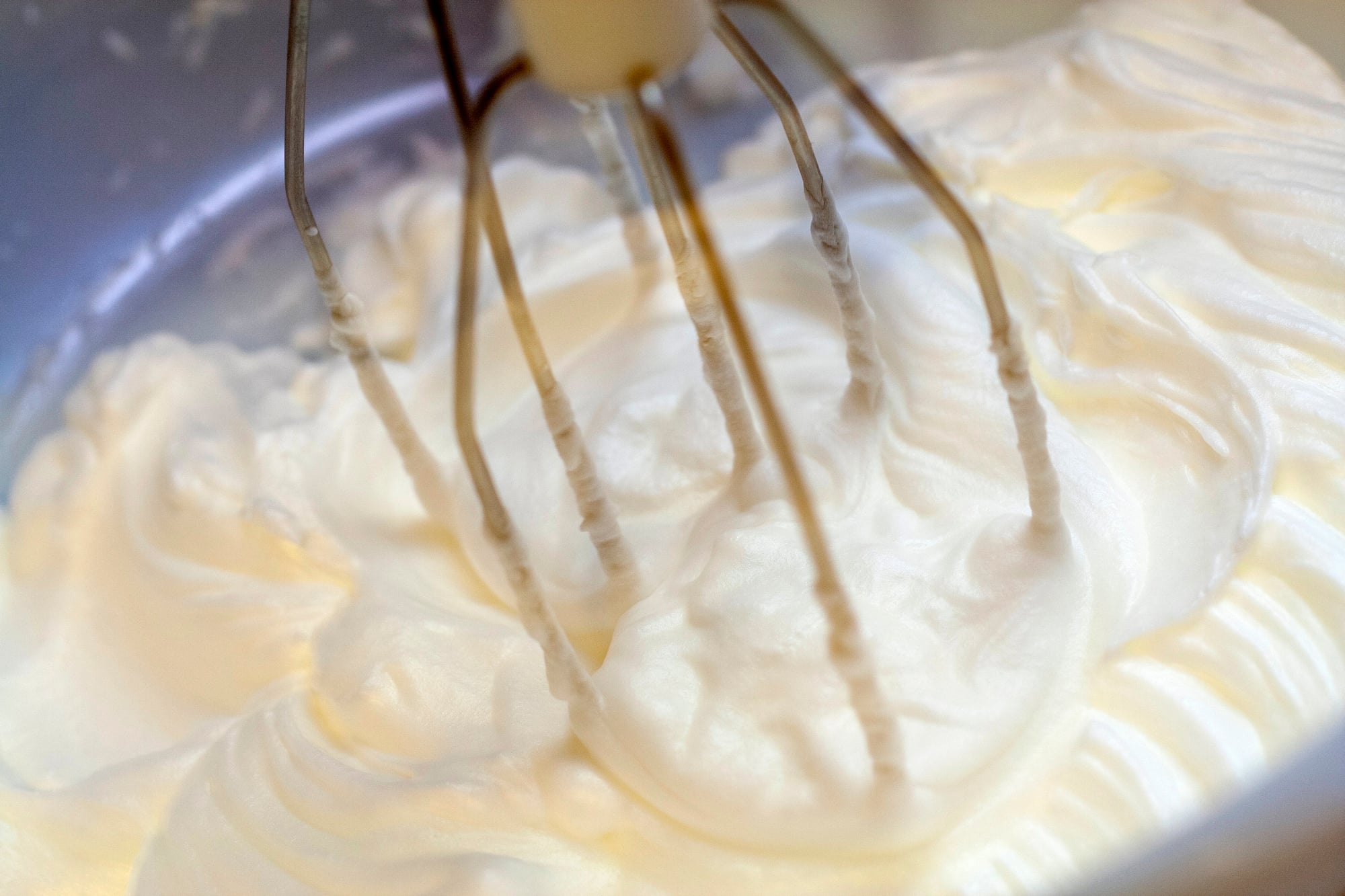
Making a proper phosphate or egg cream required skill (and understanding what both phosphates and proper egg creams were supposed to taste like, which most people today don’t). These weren’t teenagers mindlessly pressing buttons on a machine — though plenty of them were teenagers — they were craftspeople who understood the chemistry of carbonation, the physics of the perfect milkshake consistency, and the theater of making it all look effortless.
The term “soda jerk” came from the jerking motion required to operate the soda dispensers, but watching a skilled one work, you’d swear the motion was more like conducting an orchestra. So when someone ordered a cherry Coke, they didn’t get a can of pre-mixed syrup water.
They got Coca-Cola syrup, carbonated water, and cherry syrup mixed in precise proportions — and if the soda jerk knew their business (which they usually did), those proportions were adjusted based on everything from the temperature outside to how the customer looked like they were feeling that day. The drink was mixed fresh while you watched, tasted different every time in subtle ways, and somehow always tasted better than anything that came out of a machine.
Personal Coffee Cups for Regular Customers
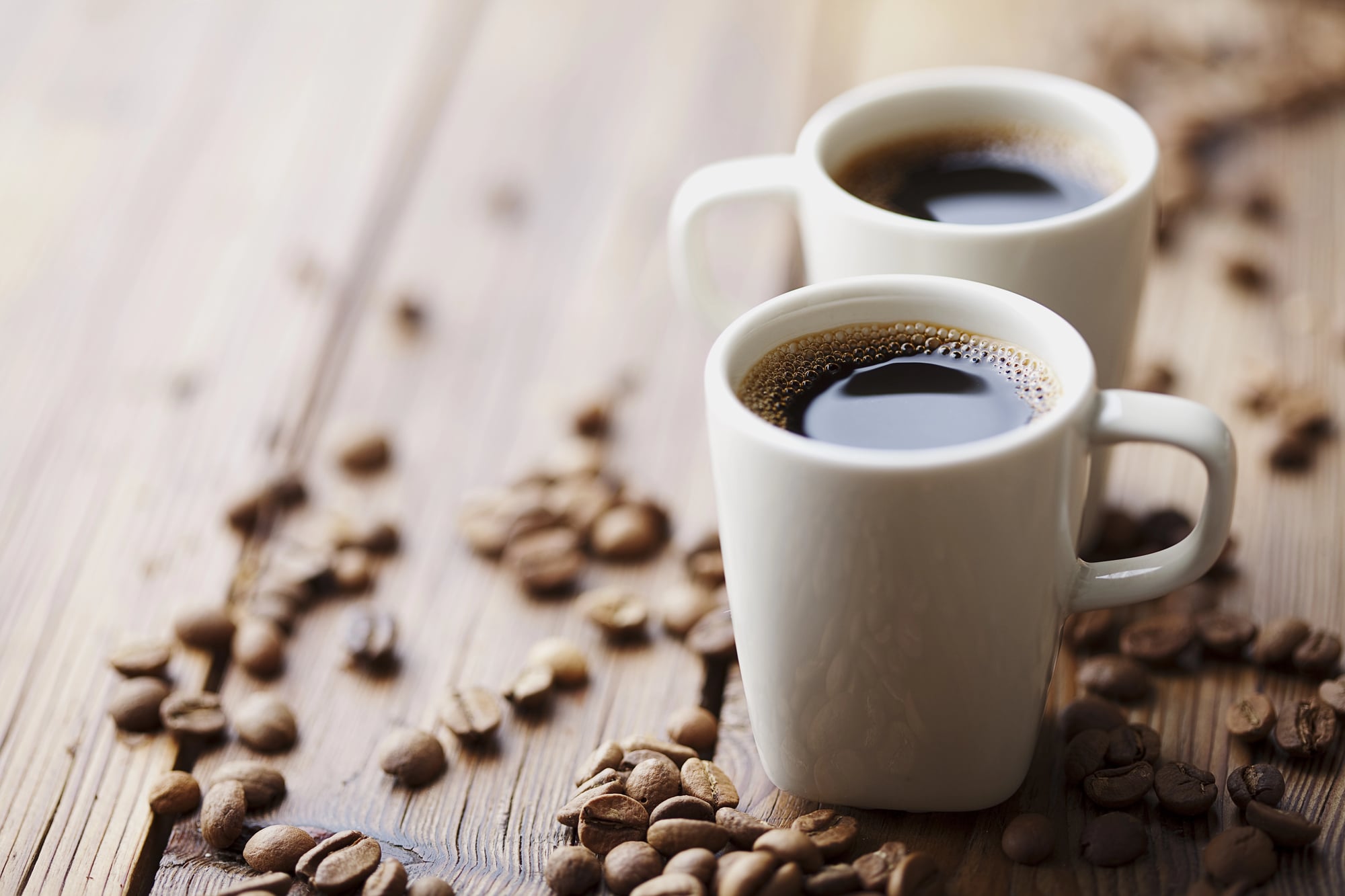
Walk into the right diner often enough and eventually a cup would appear with your name on it. Not literally — though sometimes literally — but a specific mug that became yours by unspoken agreement.
The waitress would see you coming through the door and your coffee would be waiting before you reached your usual stool. Same cup, same spot, same understanding that this wasn’t just about caffeine.
Counter Seating as the Main Event
The counter was where the action happened, but it wasn’t just about getting served faster (though you usually did). Sitting at the counter meant you became part of the diner’s ecosystem — half customer, half audience member, sometimes reluctant participant in whatever drama was unfolding between the cook and the waitress, or the regulars and whoever wandered in looking like they didn’t belong.
You could watch your food being prepared, which sounds mundane until you realize how rare that experience has become. Most restaurant kitchens today are hidden behind walls, sealed off from the dining room like they’re performing surgery back there instead of flipping eggs.
And the counter created a strange democracy of dining: the businessman in his pressed suit sat next to the construction worker still covered in drywall dust, both of them equally entitled to their two feet of counter space and their opinion about whether the coffee was too weak. The physical arrangement forced a kind of accidental community that booth seating never quite managed.
You couldn’t ignore the person sitting eighteen inches away, so you didn’t — you made conversation, or at least acknowledged each other’s existence in a way that feels almost quaint now.
Handwritten Daily Specials
Specials weren’t printed on glossy inserts or displayed on digital screens. They were written in chalk on a blackboard or scrawled on a piece of paper taped to the wall, usually in handwriting that ranged from barely legible to surprisingly elegant.
The impermanence was the point — when the cook ran out of pot roast, someone walked over and erased it. When the strawberries came in perfect that morning, strawberry shortcake appeared on the board like a small miracle.
These weren’t marketing-tested menu items designed by corporate committees. They were whatever the cook felt like making with what was fresh, what was seasonal, or what needed to be used up before it went bad.
Sometimes this meant discovering something unexpectedly wonderful — Tuesday’s mystery soup that turned out to be the best thing you’d eaten all month. Sometimes it meant ordering the fish special on a Wednesday in Iowa and learning an important lesson about geography and supply chains.
Table-Side Jukebox Selectors
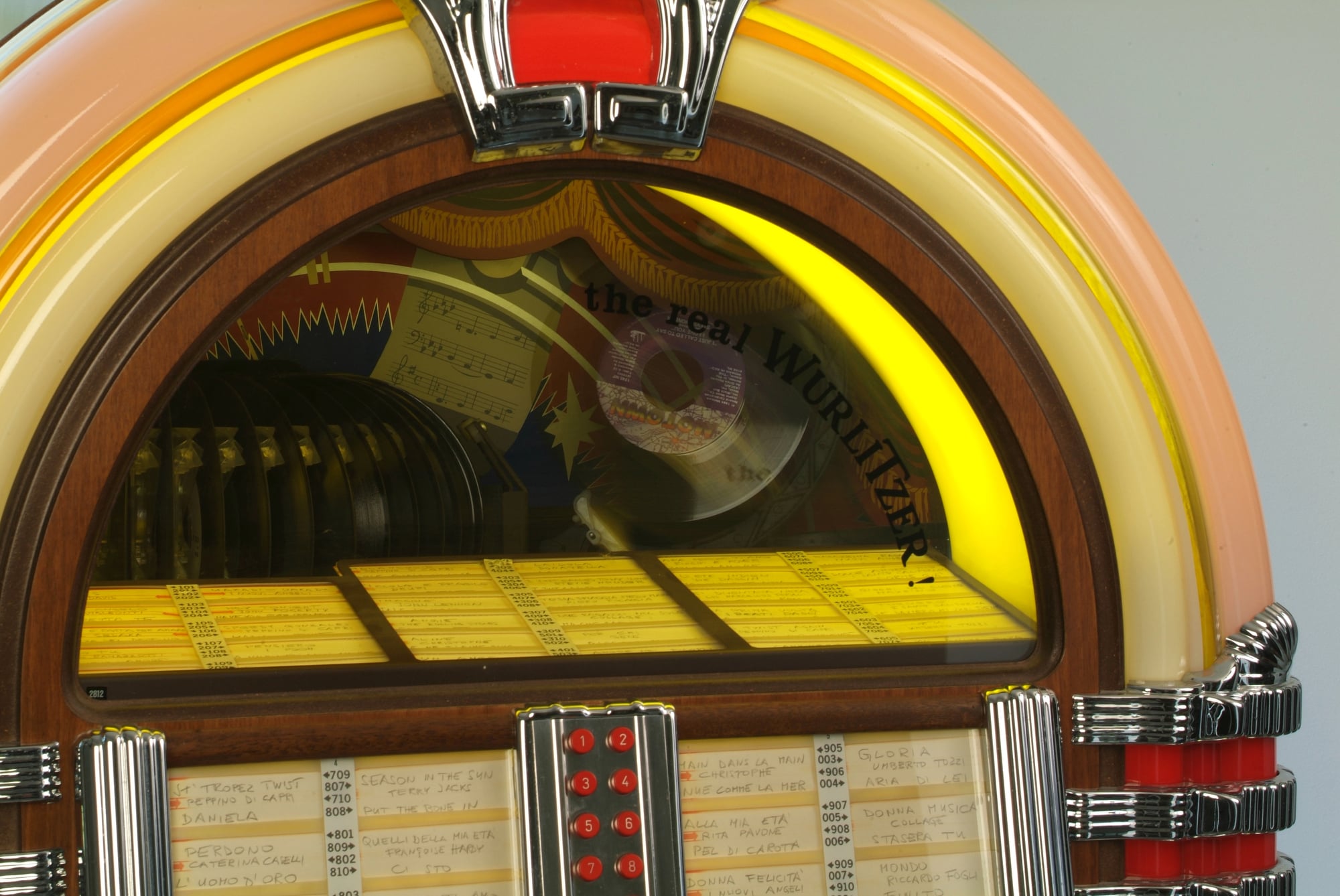
Each booth came equipped with its own miniature jukebox — a small chrome and glass device that let you flip through song selections and drop in a nickel (later a dime, then a quarter as inflation caught up with romance) to hear your choice played on the main jukebox across the room.
The beauty was in the control it gave you over your own soundtrack. First date going well? Time for something slow and romantic.
Need to signal to your friends that it was time to leave? Pick something loud and obnoxious. Want to annoy the couple in the next booth who’d been arguing all evening?
Three plays of “How Much Is That Doggie in the Window” usually did the trick.
The Art of the Proper Milkshake
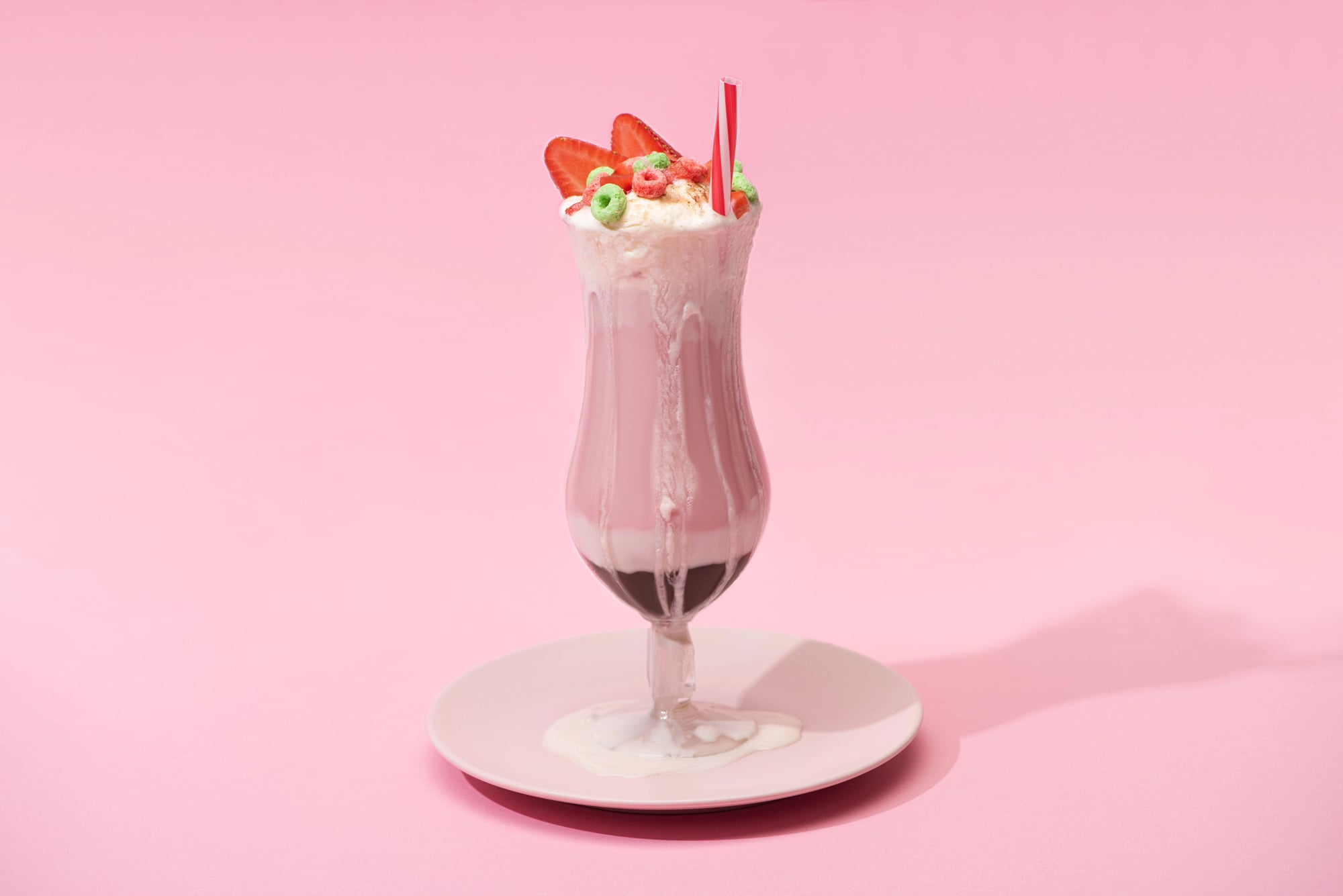
Modern milkshakes are thick enough to stand a spoon in, which completely misses the point of what a milkshake was supposed to be. The goal wasn’t to create a frozen dairy brick that required a structural engineering degree to consume through a straw.
The goal was to shake milk, ice cream, and flavoring into something that was liquid enough to actually drink while being rich enough to feel like dessert. A proper milkshake required actual shaking — either by hand or using one of those multi-headed mixing machines that looked like they belonged in a chemistry lab.
The process incorporated air into the mixture, creating a texture that was simultaneously light and rich, cold and creamy. And here’s what really matters: they served you the glass plus the metal mixing cup with whatever didn’t fit.
You always got more than one serving, which meant you could sit there and refill your glass while talking to whoever you were with, stretching out the experience instead of rushing through it.
Booth Conversations Without Phones
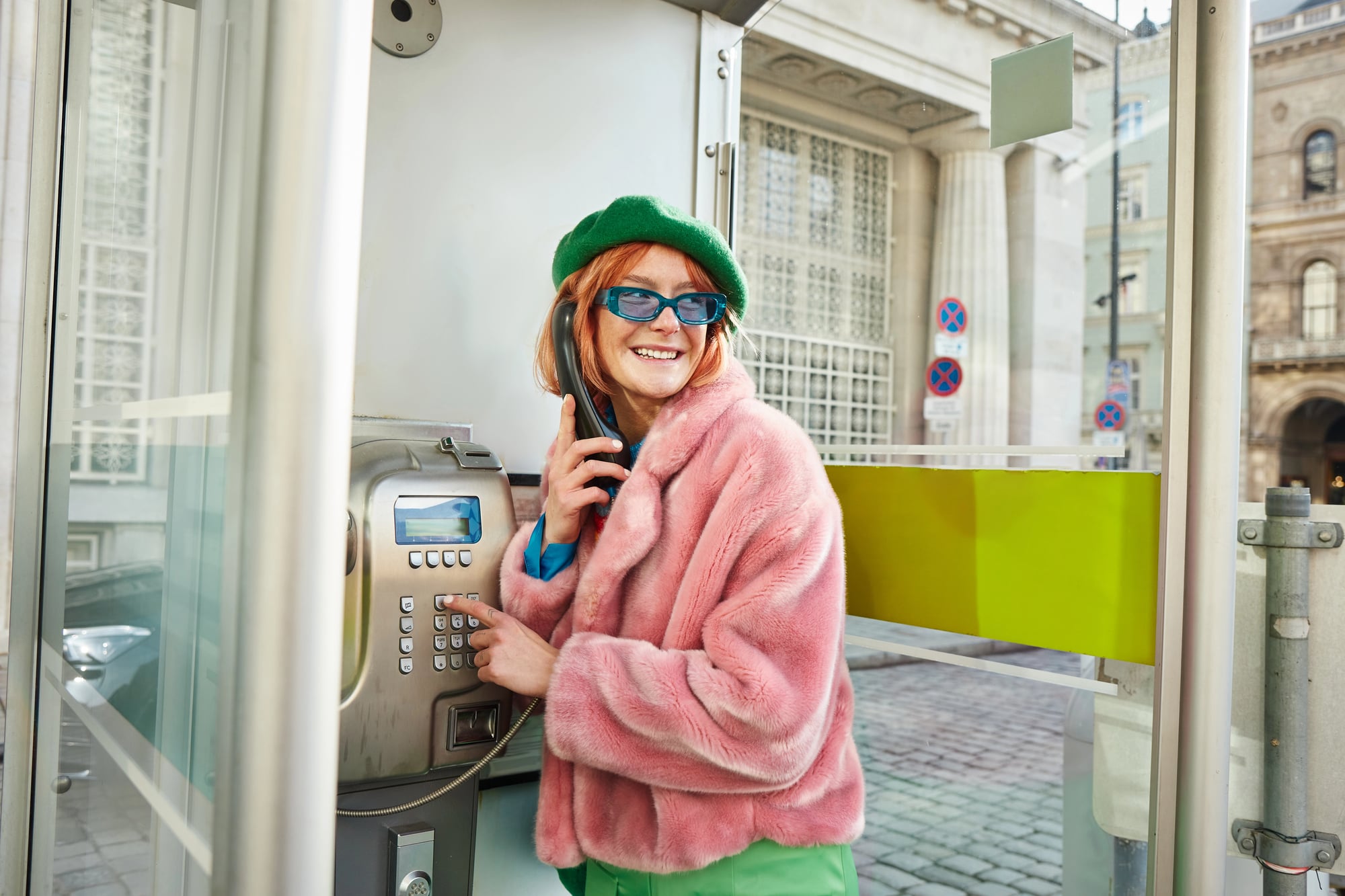
Something shifts when both people know the conversation is all there is. No buzzing interruptions, no urgent notifications, no half-attention paid to whatever might be happening somewhere else.
Booth conversations in diners had a different quality because they existed in a bubble of focused attention that’s almost impossible to recreate now. The booths themselves encouraged this — high-backed, enclosed spaces that created their own little world within the larger restaurant.
You could have a private conversation in a crowded room, plan secret schemes, break up dramatically, or fall in love quietly while the rest of the diner carried on around you. The design forced eye contact and actual listening, which turns out to be more revolutionary than it sounds.
Pie That Was Actually Made That Day
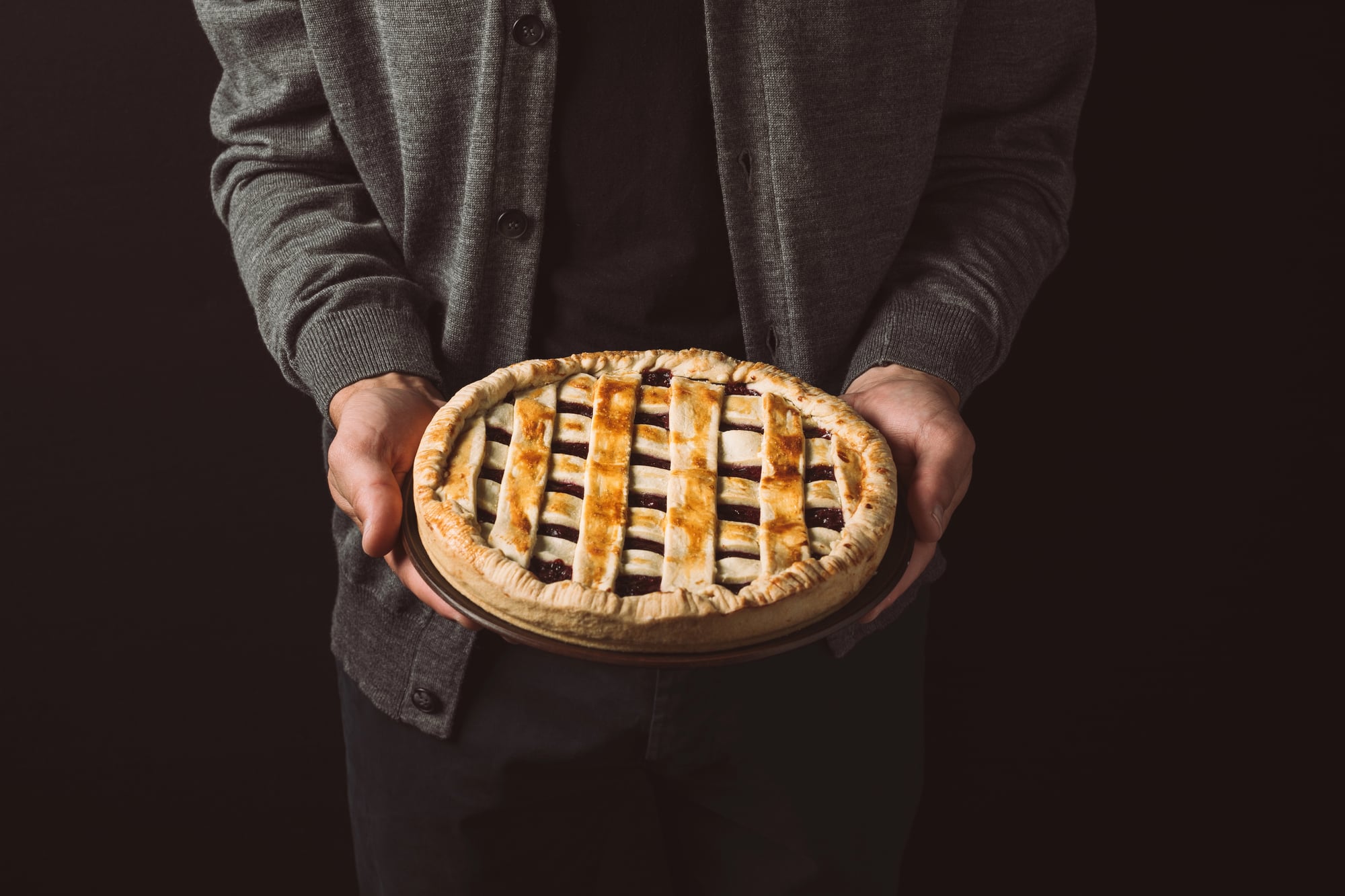
Pie wasn’t a frozen dessert shipped in from a factory somewhere. It was made in the restaurant’s kitchen, usually that morning, by someone who understood that pie crust should be flaky, that fruit fillings should taste like fruit, and that meringue should be golden on top without being rubber underneath.
You could tell the difference immediately. The crust shattered when you cut into it instead of bending like cardboard.
The filling had actual flavor instead of corn syrup sweetness. And the selection changed based on what was in season and what the baker felt like making, which meant you might discover a new favorite or be disappointed that your usual choice wasn’t available.
Both experiences felt more real than the endless consistency of modern chain restaurants.
Waitresses Who Called Everyone “Hon”
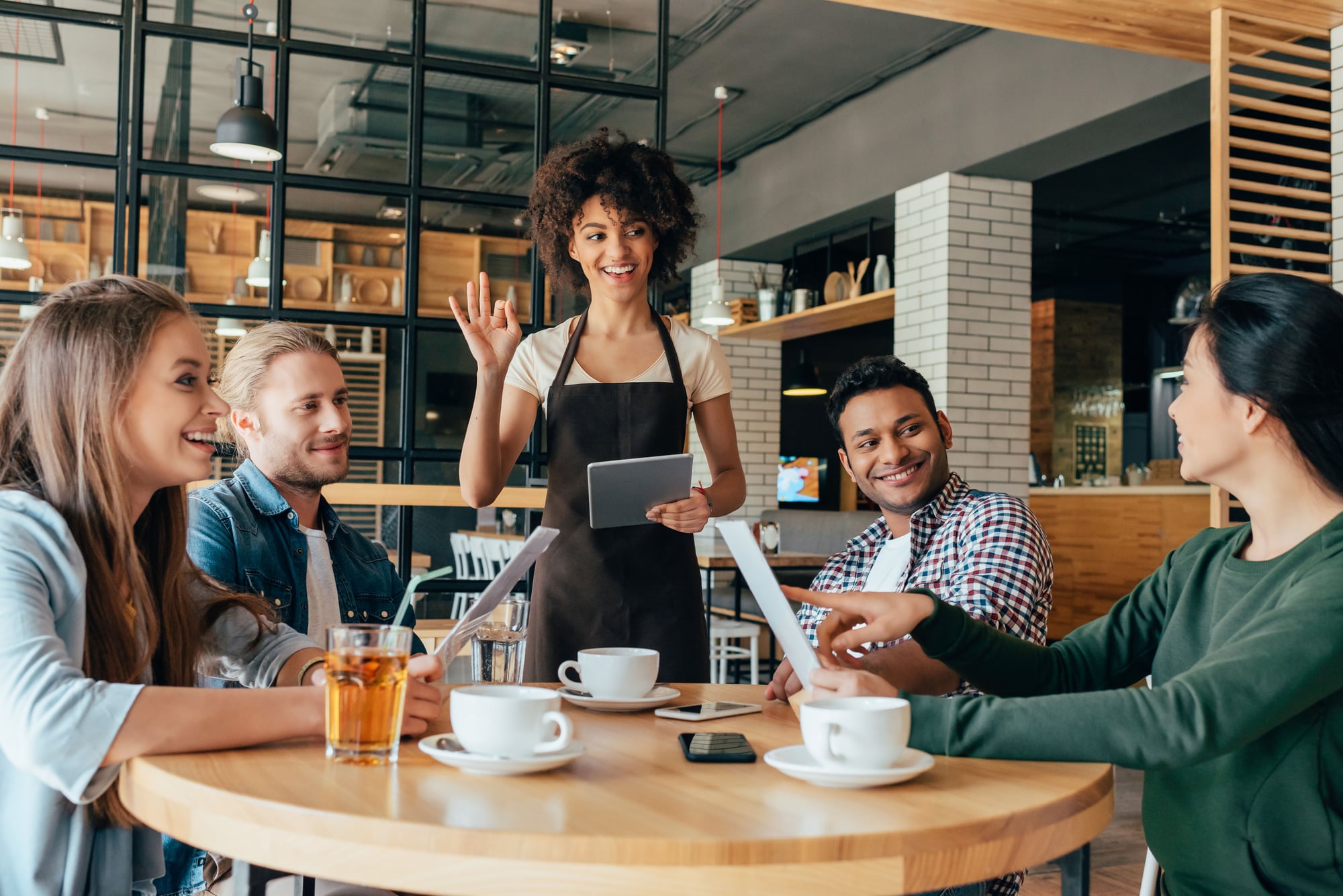
This wasn’t condescension disguised as friendliness — though it easily could have been in the wrong hands. The best diner waitresses used “hon” the way a good bartender uses your first name: as a signal that you were temporarily part of their extended family, entitled to coffee refills, gentle teasing, and honest opinions about whether the meatloaf was worth ordering that day.
It created instant intimacy in a space full of strangers (which is probably why it makes people uncomfortable now, but that discomfort says more about us than it does about the custom). And these weren’t servers reading from a script about how everything was “awesome” and they’d be “taking care of you today.”
They were professionals who understood that good service meant anticipating what you needed before you asked for it, refilling your coffee cup without interrupting your conversation, and knowing when to chat and when to leave you alone. The “hon” was shorthand for all of that — a verbal signal that you were in capable hands, even if you’d never seen each other before and probably wouldn’t again.
The Lost Art of Egg Creams
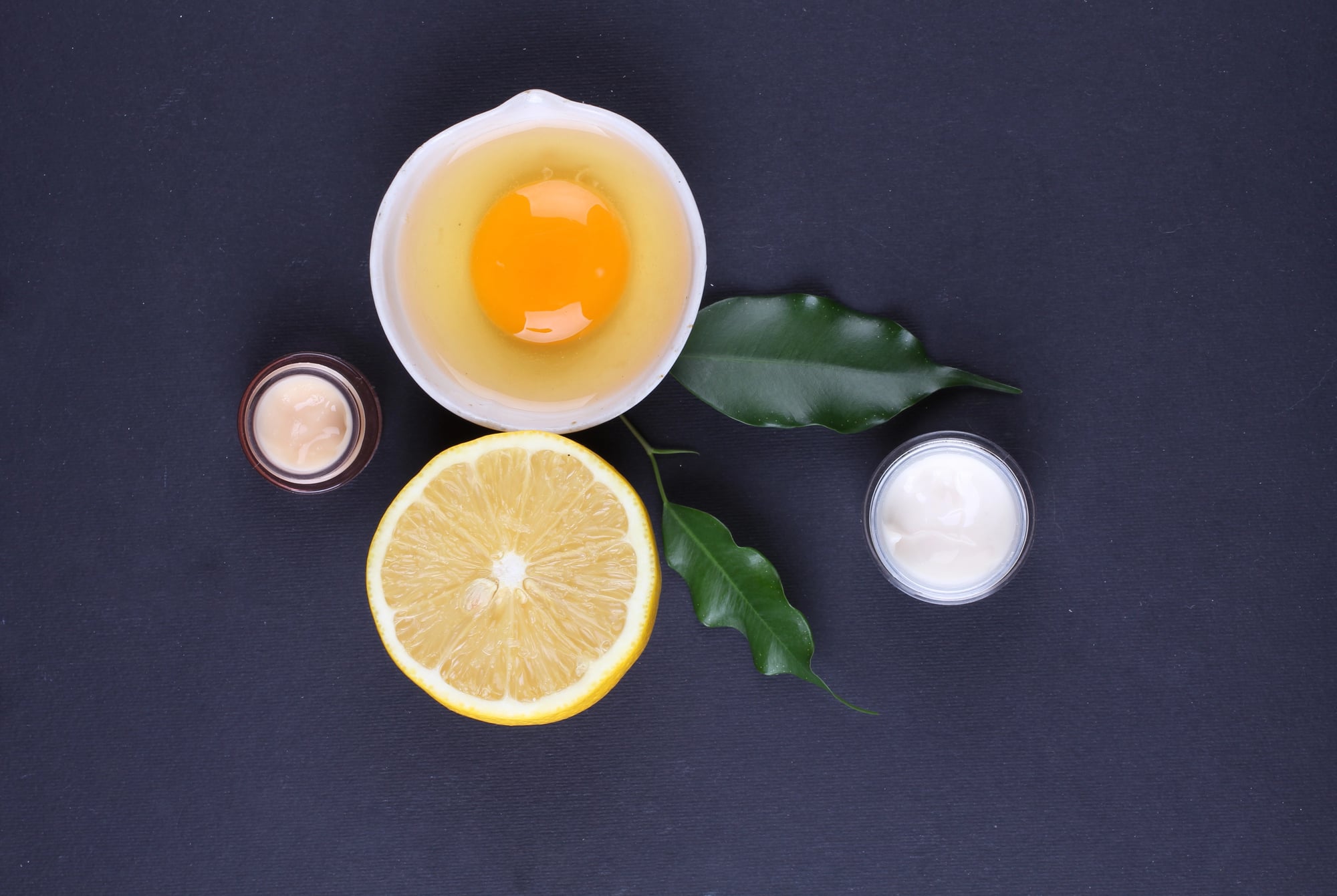
An egg cream contains neither eggs nor cream, which tells you everything you need to know about why they’ve disappeared from most menus. They were pure chemistry: chocolate syrup, milk, and seltzer water combined in the right proportions and mixed with enough vigor to create a foamy head that lasted exactly as long as it took you to drink it.
The drink existed primarily in New York and a few other East Coast cities, which meant most of the country never experienced the strange pleasure of drinking something that tasted like liquid chocolate cake while being light enough that you could finish it without feeling like you’d consumed a meal. Making them required timing and technique — add the ingredients in the wrong order or mix too little and you’d end up with chocolate milk.
Mix too much and the foam would collapse before you served it. Get it right and you’d created something that was somehow greater than the sum of its parts.
Daily Newspapers Shared Among Customers
Newspapers lived communally in diners, passed from customer to customer like a conversation everyone could join. Someone would finish the sports section and slide it down the counter.
The crossword puzzle became a group effort, with random strangers offering suggestions for seven-letter words meaning “persistent.” This created an odd intimacy among strangers — you’d find yourself discussing the morning’s headlines with someone whose name you didn’t know but whose opinion on the mayor’s latest scandal you’d somehow solicited.
The newspaper served as both entertainment and social lubricant, giving solo diners something to do with their hands and their attention while remaining open to interaction with whoever happened to be sitting nearby.
Proper Banana Splits
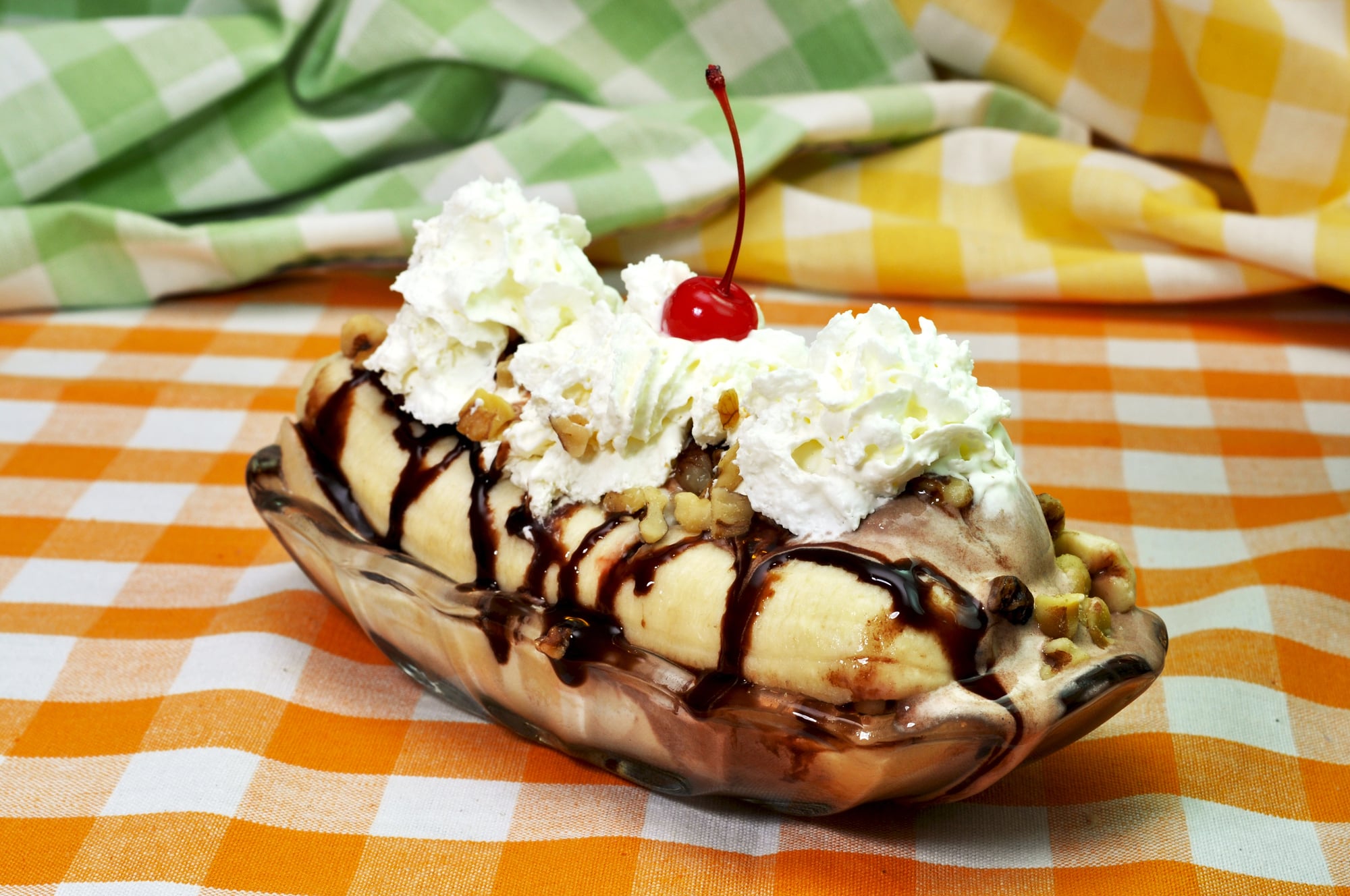
A banana split wasn’t just ice cream and fruit thrown together in a bowl — it was architectural. Three scoops of ice cream (vanilla, chocolate, and strawberry, arranged in that specific order) nestled between banana halves that had been split lengthwise and positioned to create natural barriers between flavors.
Hot fudge on the chocolate, strawberry topping on the strawberry, pineapple on the vanilla. Whipped cream rosettes placed strategically.
Chopped nuts scattered with apparent randomness but actual precision. A maraschino cherry crowning each scoop.
The presentation mattered because eating it was an event, not just dessert. You planned your approach like a general studying a map, deciding which combination of flavors to try first, how to manage the structural integrity as you worked your way through it, whether to save the cherry for last or eat it immediately.
The experience lasted twenty minutes and left you feeling accomplished rather than just full.
Hash Brown Perfection
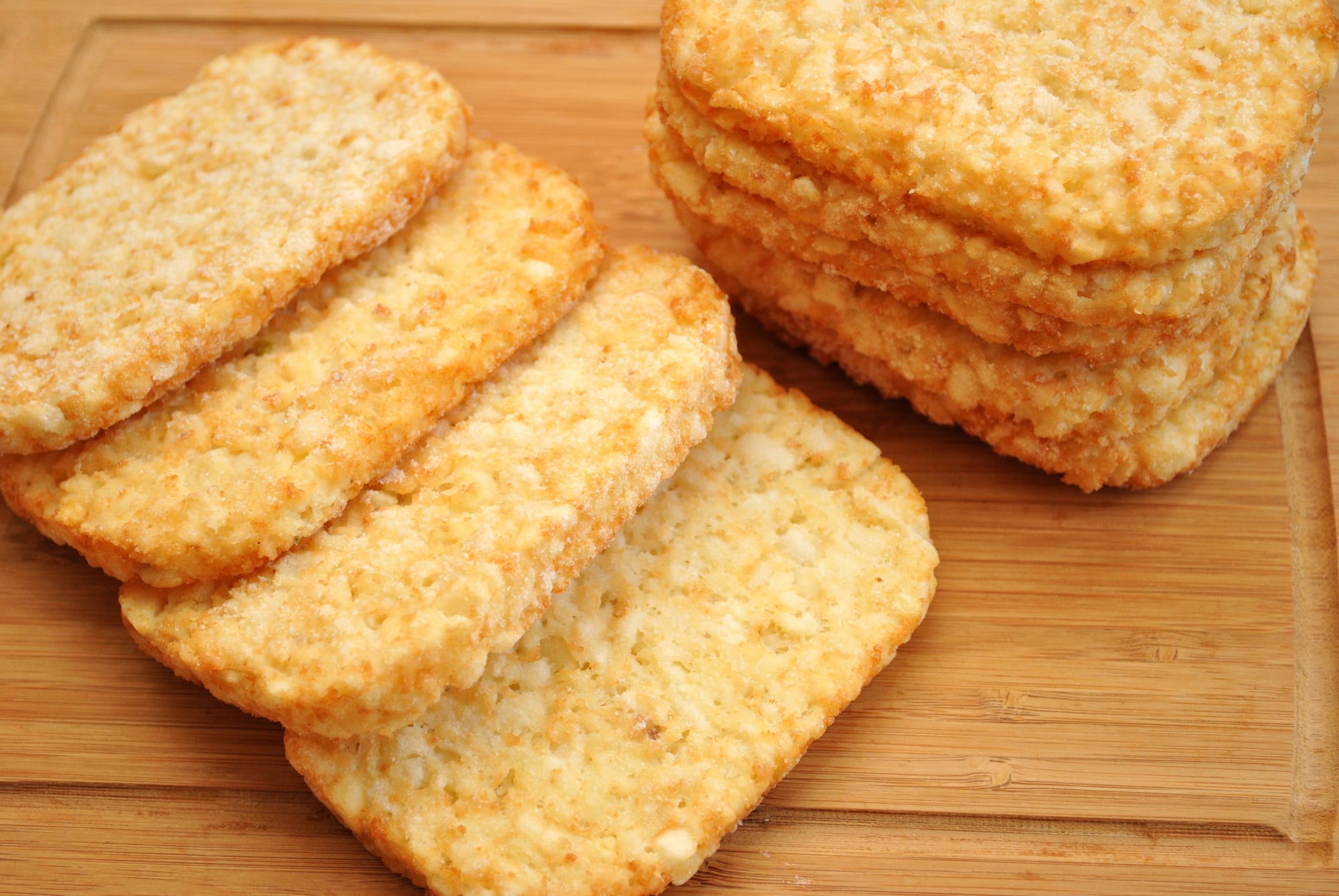
Hash browns were a craft, not a convenience food. Potatoes were peeled and shredded fresh each morning, squeezed dry, seasoned properly, and cooked on a flat grill with enough oil to create crispy edges while keeping the interior fluffy.
The result bore no resemblance to the frozen potato pellets that pass for hash browns in most places today. The texture told the story: crispy exterior giving way to tender potato inside, golden brown color that came from proper cooking rather than artificial additives, and a flavor that actually tasted like potatoes instead of salt and preservatives.
They took time to make properly, which meant you waited a little longer for your breakfast. Which somehow made it taste better when it arrived.
The Ritual of the Coffee Refill
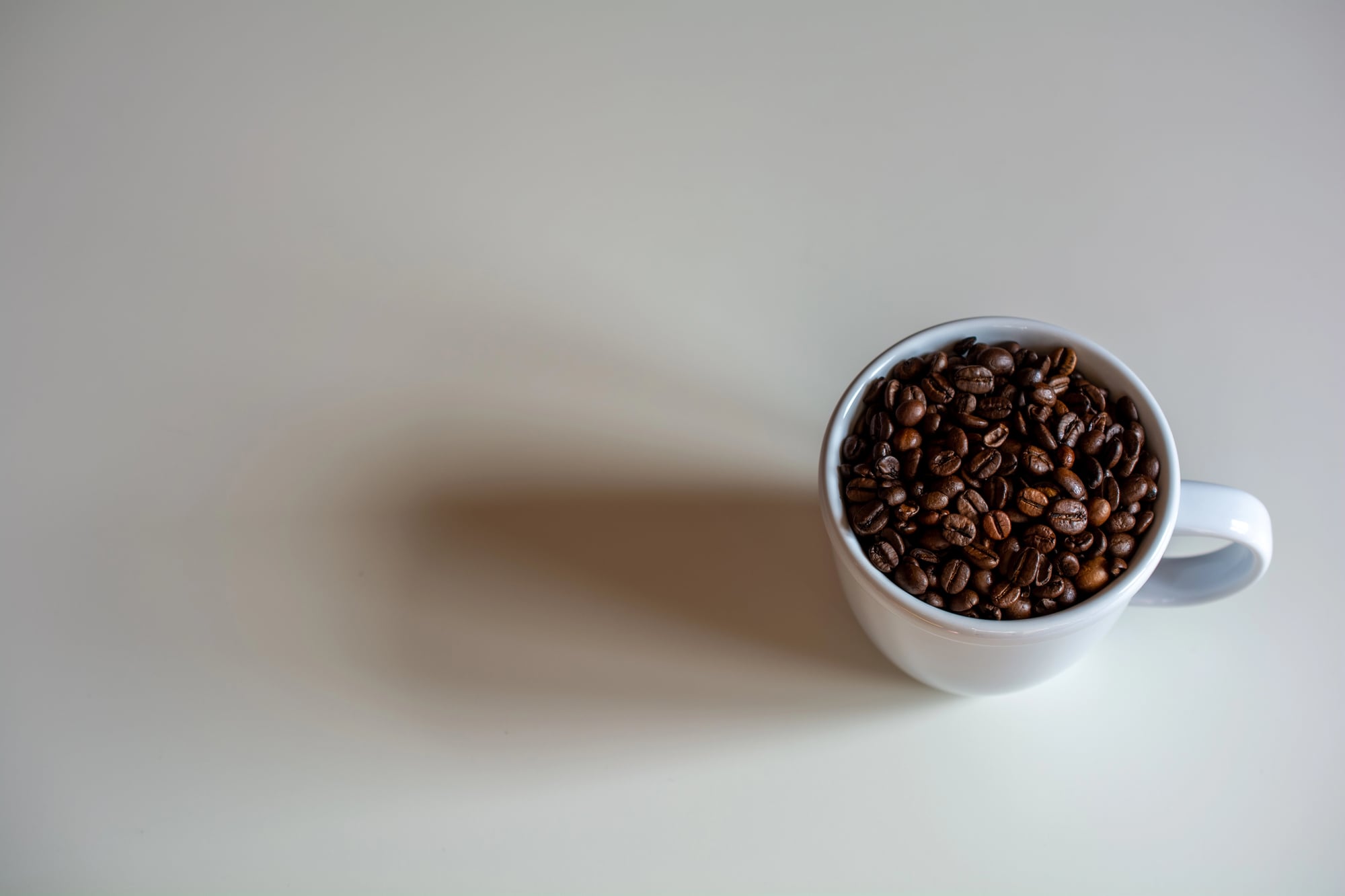
Coffee service operated on an unspoken understanding between customer and waitress. Your cup never went empty, but the refill happened without interrupting whatever conversation you were having or newspaper you were reading.
Good waitresses developed an almost supernatural ability to appear with the coffee pot just as you drained the last sip, top off your cup, and disappear again without breaking your concentration. This wasn’t about maximizing caffeine consumption — though that certainly happened.
It was about creating a rhythm to the dining experience, a reason to linger, a signal that your time and your business were valued enough that someone was paying attention to your needs without making you ask for help.
Handmade Onion Rings
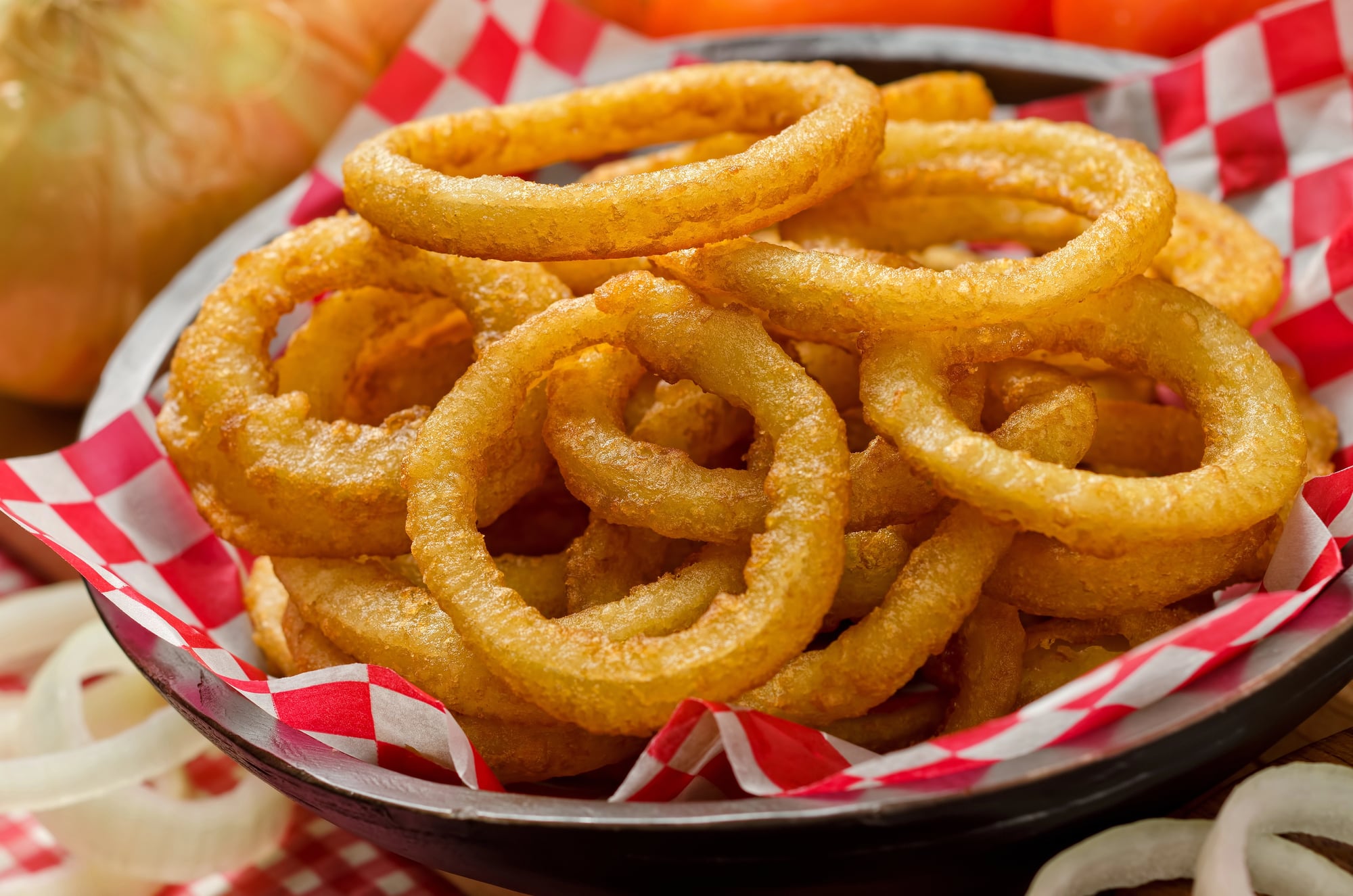
Before onion rings became uniformly round, suspiciously consistent frozen products, they were actual onions sliced thick, separated into rings, dipped in batter that was mixed fresh that day, and fried to order. The result was delightfully inconsistent — some rings enormous, some tiny, some perfectly round, others slightly oblong because onions, it turns out, aren’t manufactured to precise specifications.
The batter made the difference. Thick enough to create a substantial coating, light enough that it didn’t overwhelm the onion inside, seasoned well enough that it tasted like something other than fried flour.
When you bit into one, you got actual onion flavor along with the crispy coating, and the size variations meant each bite was slightly different from the last. Eating them required strategy and patience, since they were usually too hot to eat immediately and definitely too good to let cool off completely.
Soda Fountains That Served Real Phosphates
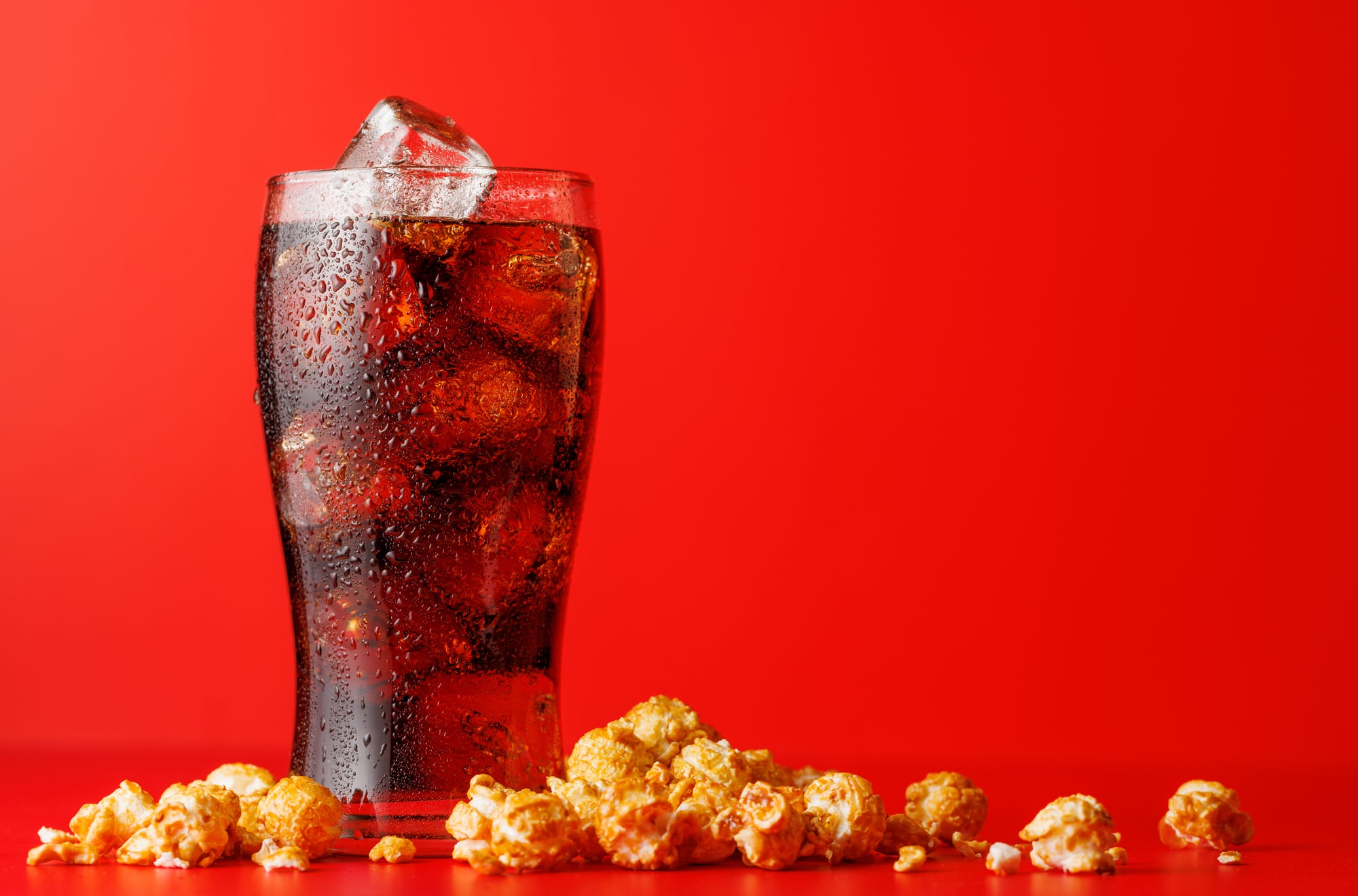
The phosphate was the grandfather of modern soft drinks, but infinitely more interesting. Fruit syrup, phosphoric acid (which provided the tang), and carbonated water mixed to order in proportions that varied depending on the soda jerk’s interpretation of your mood and the weather outside.
Cherry phosphates, strawberry phosphates, lemon phosphates — each one sour enough to make your face scrunch up slightly before the sweetness kicked in. The drink disappeared partly because phosphoric acid fell out of favor (though it’s still used in many commercial sodas today) and partly because consistency became more important than craftsmanship.
But mostly it disappeared because making a good phosphate required understanding the balance between sweet and sour, knowing how much carbonation complemented which flavors, and caring enough about the customer’s experience to get it right. Those skills became rarer as efficiency became more valued than excellence.
The Social Democracy of Lunch Counters
Lunch counters operated as accidental equalizers, places where social hierarchies temporarily dissolved in the face of shared hunger and limited seating. The bank president sat next to the shop clerk, both of them equally subject to the waitress’s mood and the cook’s interpretation of “over easy.”
Conversation happened naturally because the seating arrangement made it almost unavoidable, and the informal atmosphere made it acceptable. This wasn’t utopian thinking — plenty of lunch counters were also sites of exclusion and discrimination, particularly in the South.
But at their best, they created a space where people who normally moved in different social circles found themselves sharing the same small talk, complaining about the same weather, and discovering they had more in common than their different clothing suggested.
Made-From-Scratch Chicken Salad
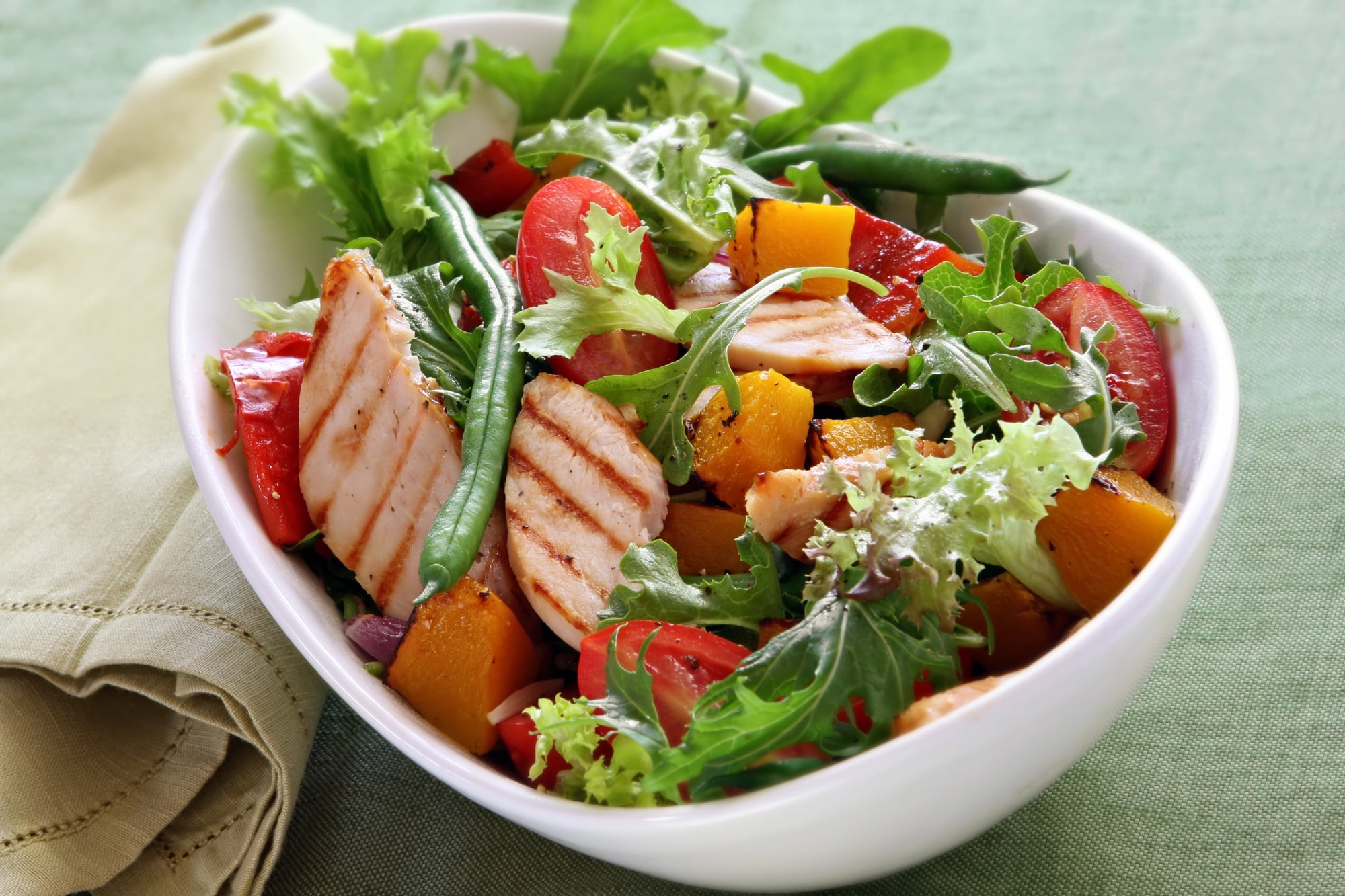
Chicken salad meant leftover roast chicken, chopped celery, mayonnaise, and maybe some herbs or pickle relish mixed together that morning by whoever was working the prep station. The texture had character — chunks of chicken that were identifiably chicken, celery that still had some crunch, seasoning that varied slightly from batch to batch depending on who was making it and what they thought it needed.
You could taste the individual ingredients instead of some homogenized protein paste. The chicken actually tasted like chicken because it had been chicken until recently, not processed poultry product reconstituted into chicken-like substance.
The result was messier, less consistent, and infinitely more satisfying than the uniform, preservative-laden versions available in most places today.
The Art of the Grilled Cheese and Tomato Soup Combo
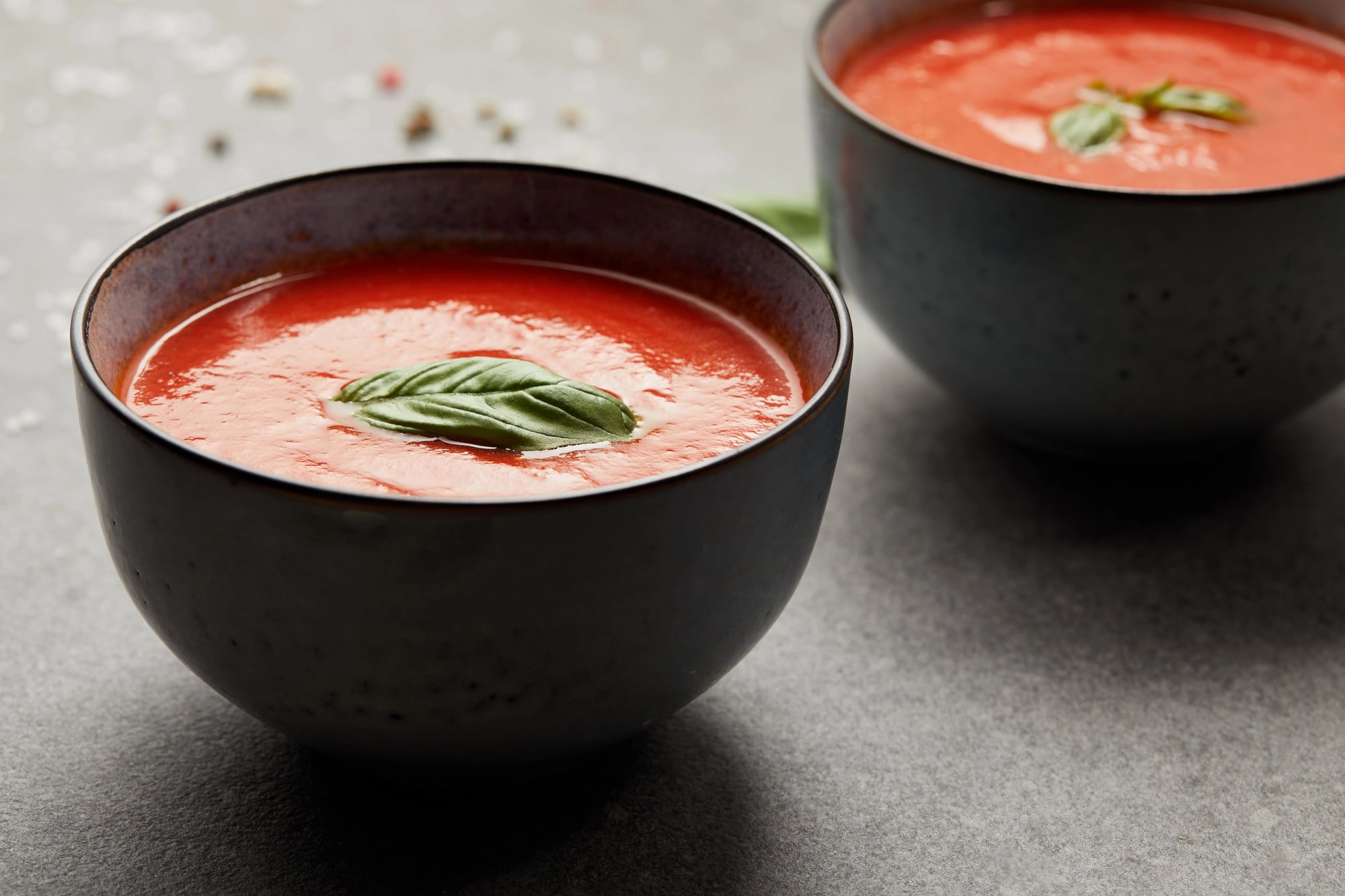
This wasn’t just comfort food — it was comfort food executed with precision. The sandwich required butter on the outside of the bread (not margarine, not cooking spray, not “butter-flavored” anything), real cheese that melted properly, and a grill hot enough to create a golden crust without burning the bread before the cheese melted.
The soup came from a pot that had been simmering all day, made from actual tomatoes, cream, and seasonings that complemented rather than overwhelmed the tomato flavor. The combination worked because both elements were prepared with enough care that they elevated each other.
The sandwich’s crispy exterior and melted interior played against the soup’s smooth richness. Dipping the sandwich into the soup wasn’t just acceptable — it was encouraged, part of the ritual that made the meal feel like a small celebration rather than just lunch.
Penny Candy Sold at the Register
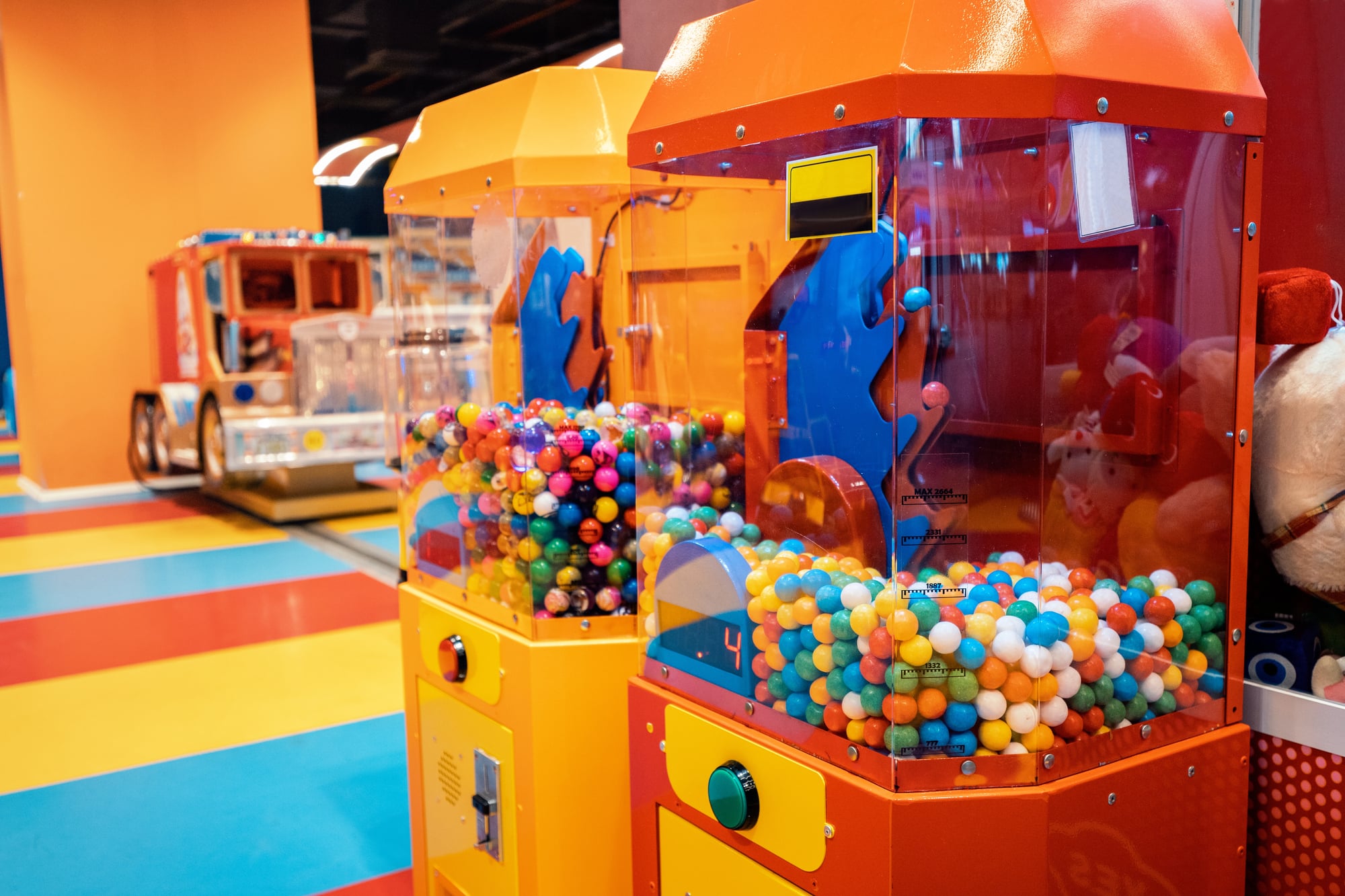
The cash register area doubled as a candy counter, stocked with penny candies that cost an actual penny (or at most a nickel). Root beer barrels, lemon drops, fireballs, chocolate nonpareils — individually wrapped pieces that you could buy one at a time, perfect for using up the loose change from your meal or satisfying a sweet tooth without committing to a full dessert.
The candy served multiple purposes: it gave kids something to look forward to and parents a small negotiating tool, it helped customers use up small change, and it provided a tiny profit margin on what was essentially impulse buying. But mostly it extended the experience of being at the diner, giving you something sweet to savor on the walk home and a small reminder of where you’d just spent your afternoon.
A piece of candy handed over with your change felt like a small reward, the final touch in an experience designed to leave customers looking forward to their next visit.
Napkin Dispensers at Every Table
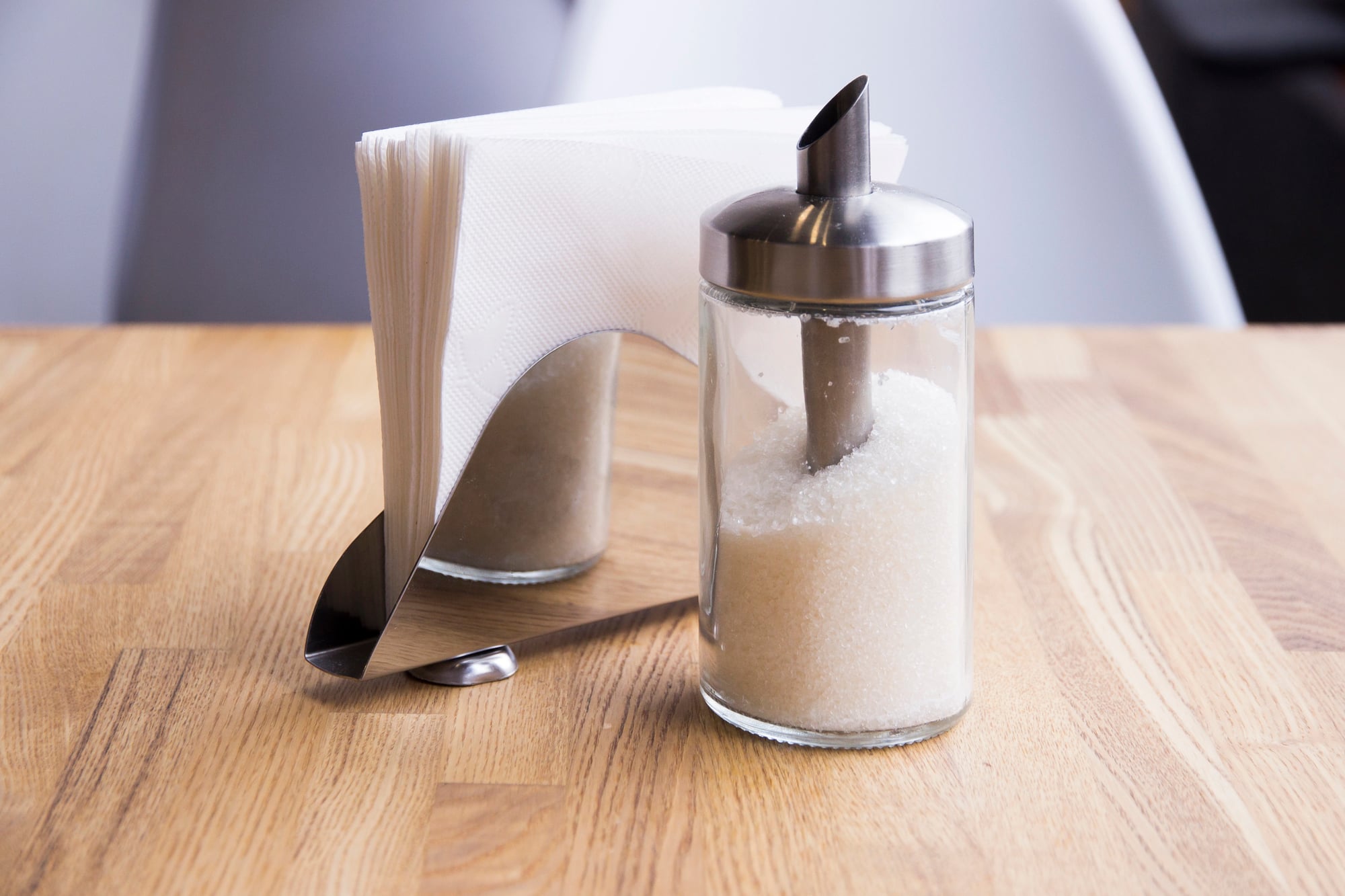
Every table had a sturdy metal napkin dispenser sitting in the middle, usually filled with paper napkins and local advertisements tucked behind the glass panels. They weren’t decorative.
They were practical tools designed for messy burgers, overflowing sandwiches, and milkshakes that inevitably dripped down the side of the glass. The dispensers became part of the dining ritual.
People doodled on napkins, wrote down phone numbers, worked out math problems, and left notes for friends. Long before smartphones gave everyone a digital scratch pad, the humble diner napkin handled countless small tasks while adding a little personality to every table.
Breakfast Served All Day
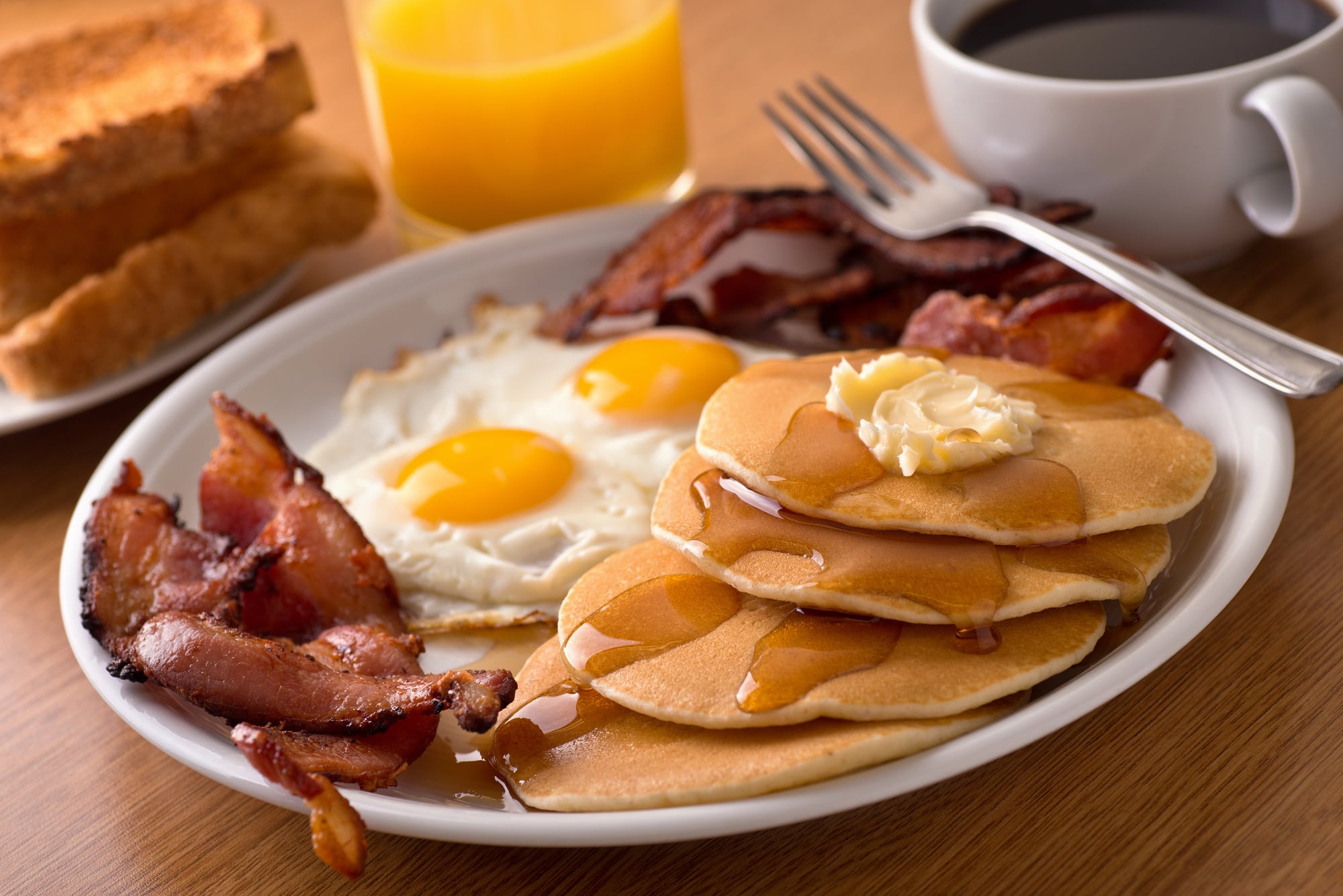
One of the greatest diner traditions was the understanding that breakfast foods belonged to everyone, regardless of what the clock said. Pancakes at dinner?
Perfectly acceptable. Eggs and hash browns at midnight?
Even better. The flexibility reflected a simple philosophy: people should eat what they want when they want it.
There was something comforting about knowing that a plate of bacon and eggs was always available, whether you were starting your day, ending a late shift, or simply craving breakfast food at an unconventional hour.
Homemade Soups Simmering All Day
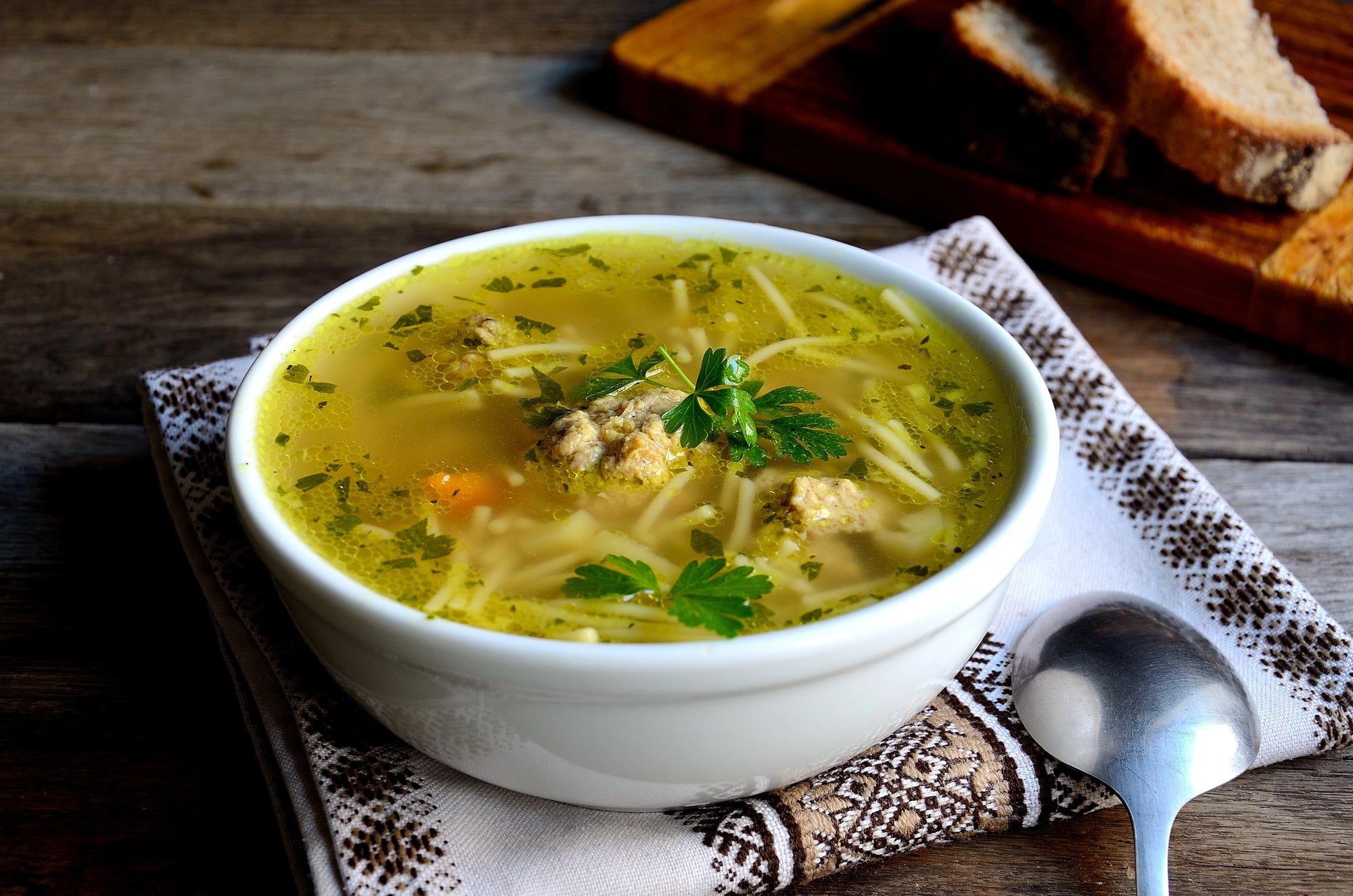
Soup wasn’t reheated from a frozen bag. It spent hours simmering on the stove, filling the diner with aromas that greeted customers before they even looked at a menu.
Chicken noodle, vegetable beef, split pea, clam chowder — each pot reflected the cook’s preferences and the ingredients available that week. The long cooking process gave the soups depth and character that can’t be rushed.
Regular customers often judged a diner by its soup as much as its coffee, and a particularly good batch became the kind of thing people talked about for days afterward.
Open-Faced Sandwich Specials
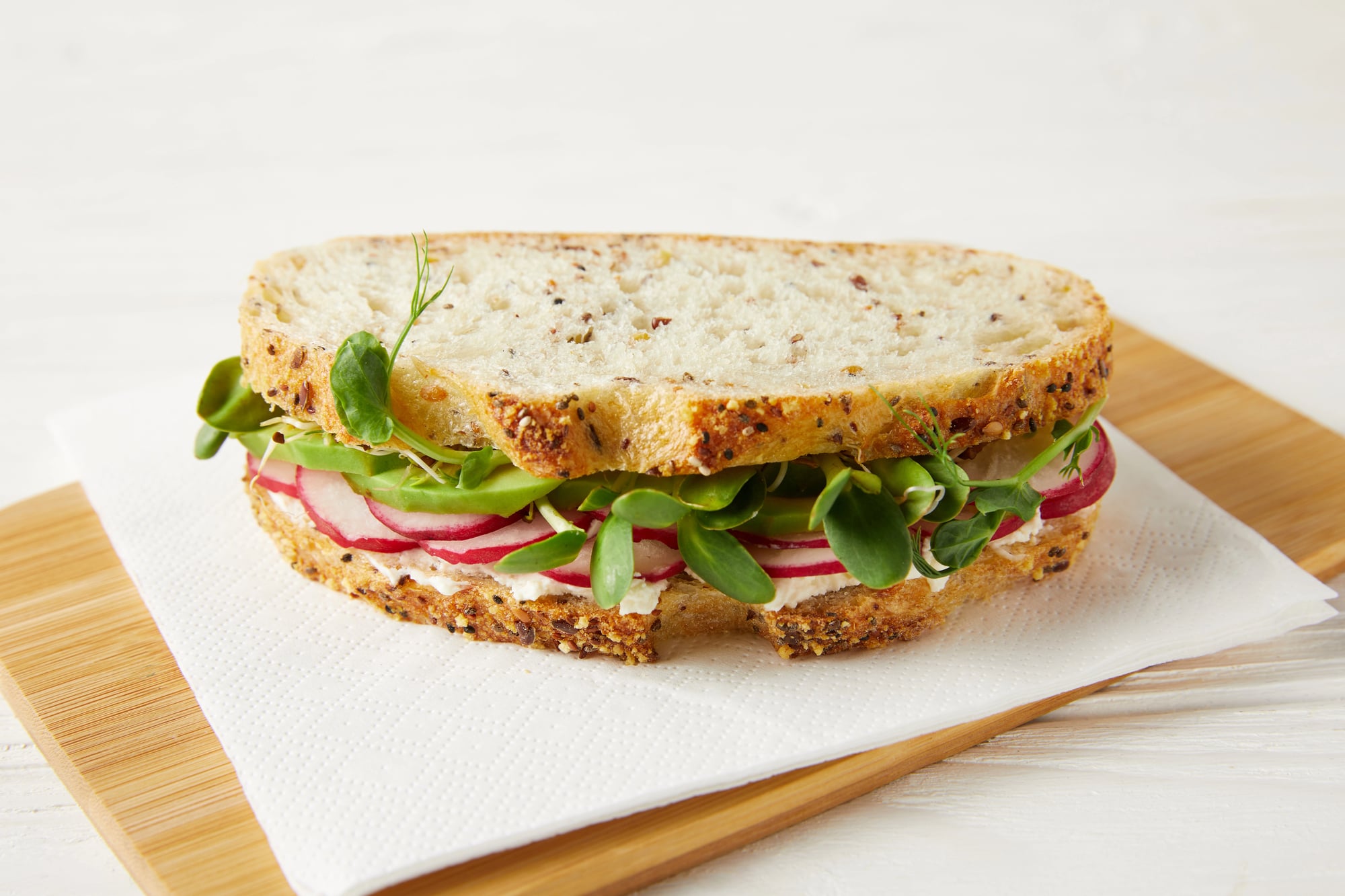
Few modern menus give open-faced sandwiches the respect they once commanded. These hearty meals featured slices of roast turkey, beef, or meatloaf served atop thick bread and covered generously with gravy, transforming a simple sandwich into something closer to a complete dinner.
They were economical, filling, and endlessly customizable. More importantly, they reflected an era when comfort mattered more than presentation.
Nobody ordered an open-faced sandwich because it looked elegant. They ordered it because it tasted good and left them satisfied.
Knowing the Staff by Name
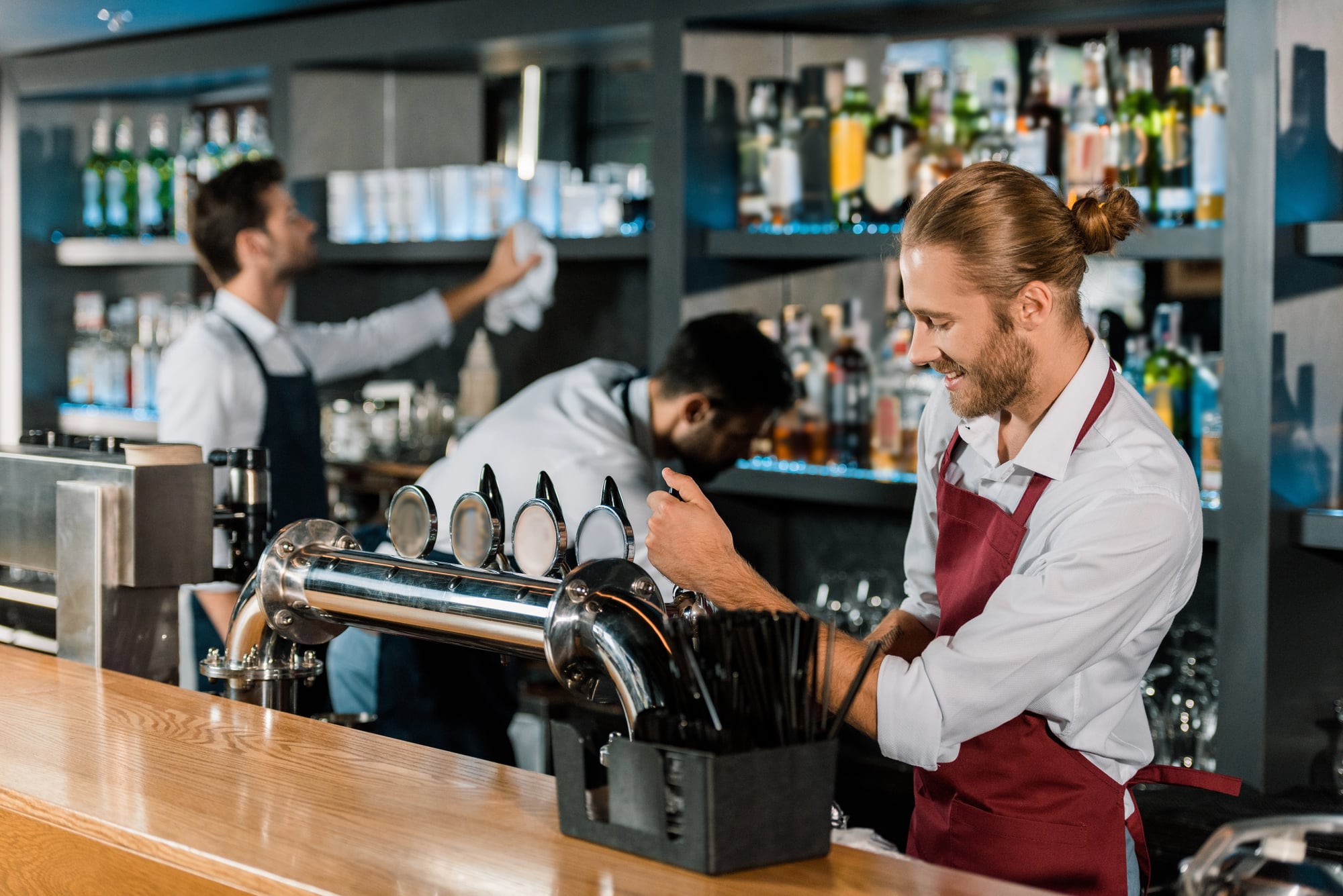
Perhaps the most overlooked tradition was the relationship between customers and employees. People knew the waitress, the cook, the soda jerk, and the owner.
Staff members knew customers’ names, their usual orders, and often pieces of their personal lives. These relationships turned diners into community hubs rather than anonymous businesses.
A regular wasn’t just another transaction. They were part of the daily rhythm of the establishment.
In a world where many interactions now feel temporary and transactional, that sense of familiarity and belonging is something worth bringing back.
Nostalgia from the 50s
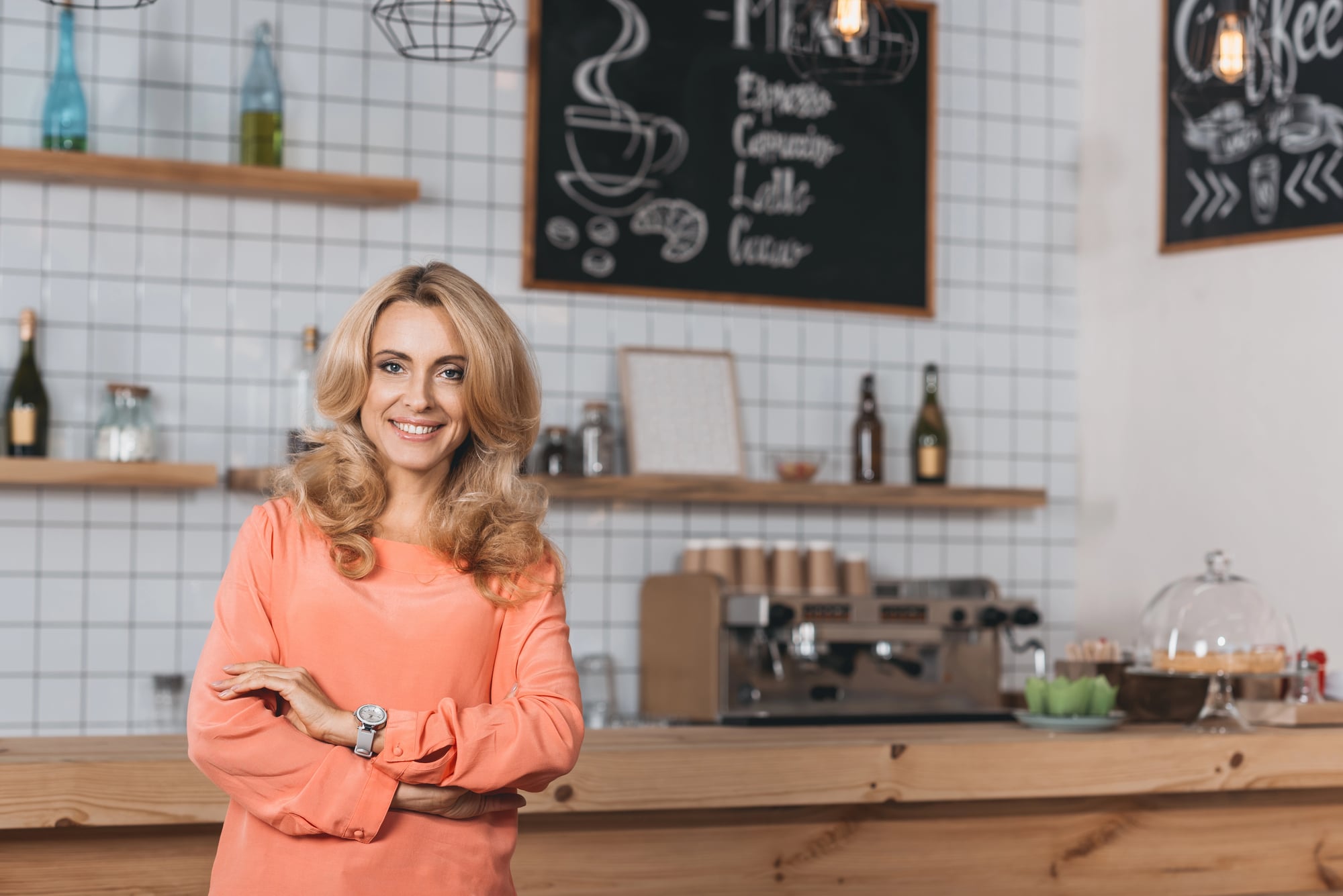
The appeal of 1950s soda fountains and diners wasn’t simply nostalgia for chrome stools, jukeboxes, or towering banana splits. It was the culture those places created.
They encouraged people to slow down, talk to one another, build relationships, and enjoy food that was prepared with care rather than maximum efficiency. Not every tradition deserves a revival, but many of these customs remind us that dining out can be more than a transaction.
Whether it’s a made-from-scratch milkshake, a handwritten daily special, or simply a waitress who remembers your name, the best diner traditions transformed ordinary meals into memorable experiences. That’s a lesson modern restaurants could still learn from today.
More from Go2Tutors!

- The Romanov Crown Jewels and Their Tragic Fate
- 13 Historical Mysteries That Science Still Can’t Solve
- Famous Hoaxes That Fooled the World for Years
- 15 Child Stars with Tragic Adult Lives
- 16 Famous Jewelry Pieces in History
Like Go2Tutors’s content? Follow us on MSN.