18 Ancient Curses That People Still Fear
Curses have terrified people for thousands of years. Ancient civilizations believed words and rituals could bring misfortune, illness, or death to enemies.
Some of these curses come with documented histories of tragedy that make even skeptics pause. Whether you believe in supernatural forces or think it’s all coincidence, the stories behind these curses are undeniably unsettling.
People today still avoid certain artifacts and places because of the dark reputations they’ve earned over centuries.
The Curse of Tutankhamun’s Tomb

When Howard Carter opened King Tut’s tomb in 1922, newspapers sensationalized every death connected to the expedition. Lord Carnarvon, who funded the dig, died four months after the tomb’s opening from an infected mosquito bite.
His death sparked rumors about an ancient curse protecting the pharaoh’s resting place. Over the next decade, several people associated with the tomb died, though most were elderly or had pre-existing health conditions.
Carter himself lived for another 17 years after the discovery. The curse probably wasn’t real, but it captured public imagination so completely that people still reference it today.
Museums that display Tutankhamun artifacts deal with visitors who refuse to get too close.
The Hope Diamond’s Trail of Tragedy
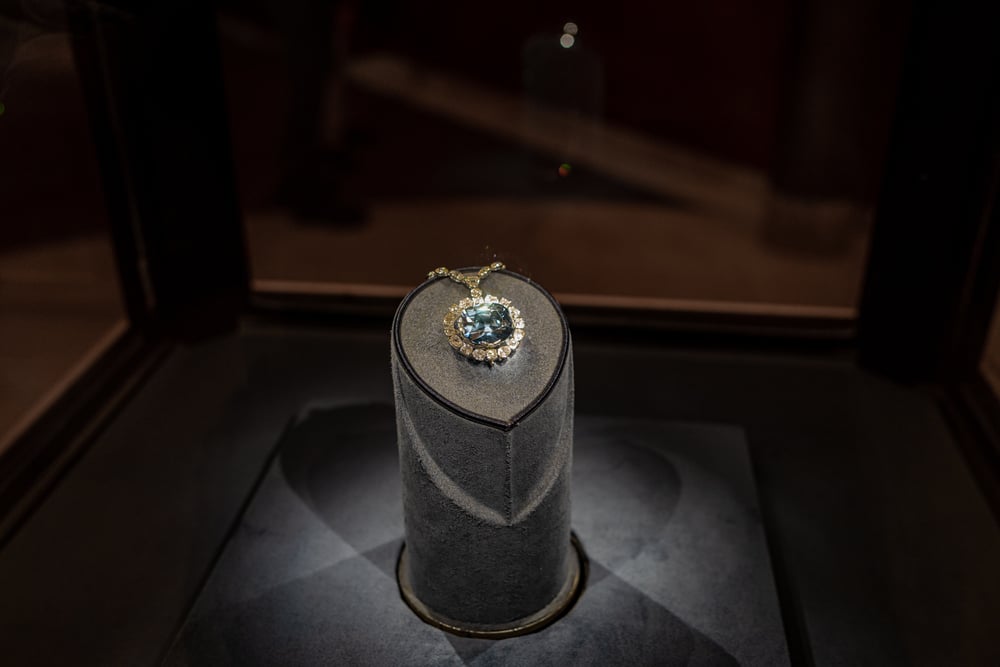
This 45-carat blue diamond supposedly carries a curse that brings misfortune to whoever owns it. The gem was allegedly stolen from a Hindu statue in India, though historians dispute this origin story.
What’s documented is the string of European nobility who owned the diamond and met terrible fates. Louis XVI and Marie Antoinette owned the diamond before losing their heads during the French Revolution.
Later owners faced bankruptcy, family tragedies, and early deaths. The Smithsonian Institution has owned the Hope Diamond since 1958, and curators joke that their only curse is dealing with crowds of tourists.
Still, the reputation sticks, and some people won’t touch the display case.
The Curse of Tecumseh

Tecumseh, the Shawnee leader, allegedly cursed American presidents in 1811 after being defeated at the Battle of Tippecanoe. The curse supposedly killed every president elected in a year ending in zero.
William Henry Harrison died in 1841, just one month into his presidency. Abraham Lincoln, James Garfield, William McKinley, Warren Harding, Franklin Roosevelt, and John F. Kennedy all died in office after being elected in zero years.
The pattern held for 120 years until Ronald Reagan survived an assassination attempt in 1981. George W. Bush also survived his term after being elected in 2000.
Whether the curse broke or never existed, the coincidental pattern was striking enough to make historians and statisticians take notice.
The Curse of the Crying Boy Paintings
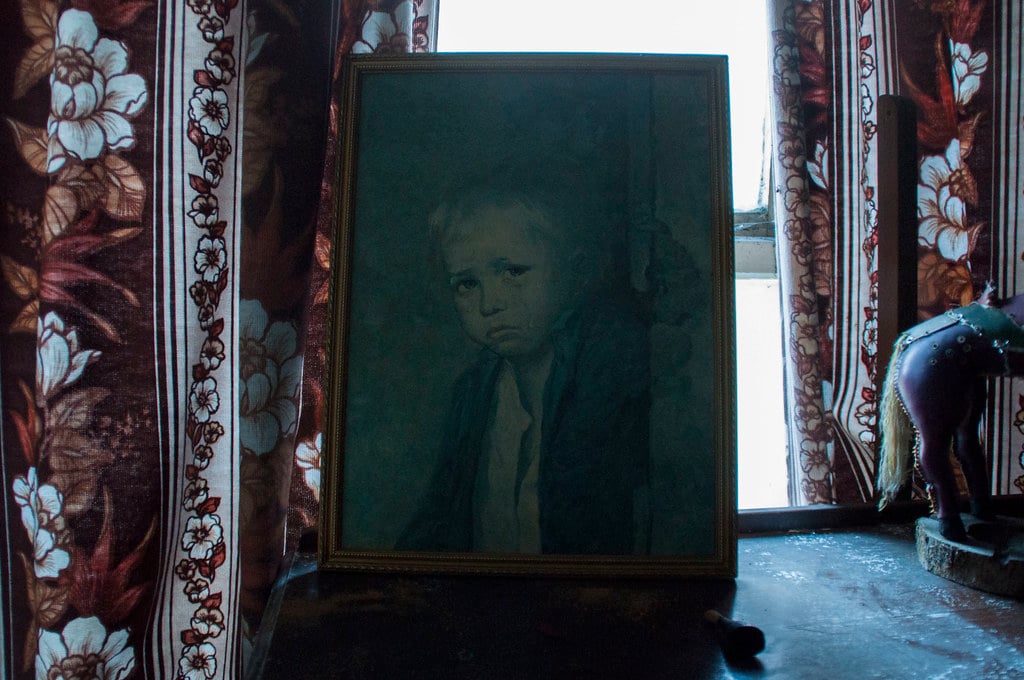
Mass-produced paintings of a crying child became popular in Britain during the 1950s. In 1985, a British tabloid reported that several house fires left these paintings mysteriously unburned while everything around them was destroyed.
The newspaper claimed more than 50 fires had this common element. People started destroying their crying boy paintings in bonfires.
Art dealers couldn’t give them away. Fire investigators found no evidence that the paintings caused fires, and the varnish used on them was actually fire-resistant, explaining why they survived.
Logic didn’t matter—the paintings became symbols of bad luck, and most people who owned them got rid of them immediately.
The Curse of the Poltergeist Films

The Poltergeist movie franchise is surrounded by tragedy that some attribute to a curse. Four cast members died during or shortly after the production of the three films.
Dominique Dunne, who played the older daughter, was murdered by her boyfriend months after the first film’s release. Heather O’Rourke, the young girl who said “They’re here,” died at age 12 before the third film was released.
Julian Beck and Will Sampson, who appeared in the second film, both died of illness within a year of its release. Some blamed the curse on real human skeletons used as props in the first film.
The director insisted they were plastic, but rumors persisted that real remains were cheaper and more realistic-looking.
The Curse of the Bambino
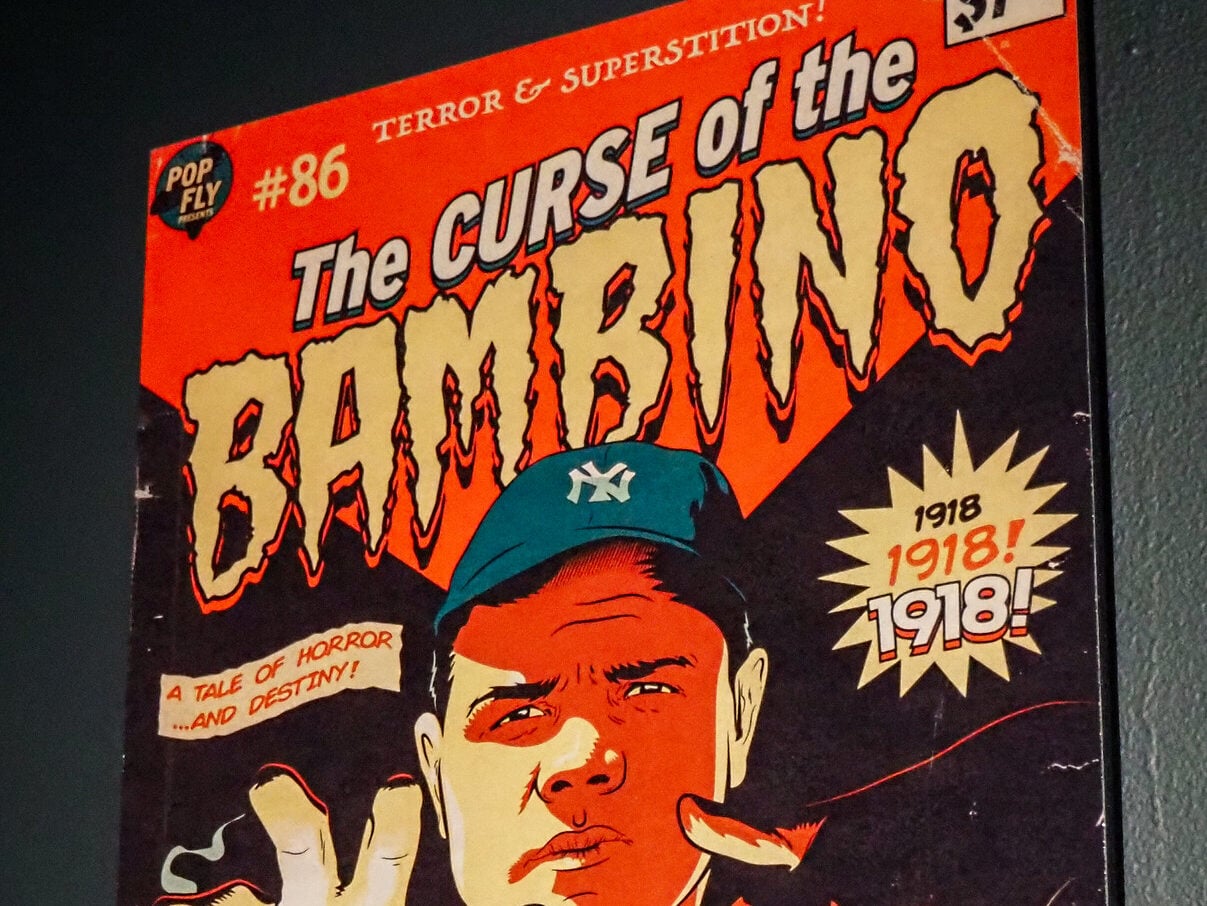
The Boston Red Sox went 86 years without winning a World Series after selling Babe Ruth to the New York Yankees in 1920. Fans called it the Curse of the Bambino, believing Ruth had hexed the team for trading him.
The Red Sox came heartbreakingly close to championships several times but always found new ways to lose. The curse supposedly ended when Boston won the World Series in 2004.
They’ve won several championships since then. Whether Ruth actually cursed the team or they just had bad luck for eight decades, the belief shaped Boston sports culture for generations.
Some fans still make offerings at Ruth’s grave.
The Curse of Otzi the Iceman

Otzi is a 5,300-year-old mummy discovered in the Alps in 1991. Seven people connected to the discovery and study of Otzi died in unusual circumstances, leading to curse rumors.
Helmut Simon, who discovered the mummy, died in a fall while hiking the same region years later. Kurt Fritz, who retrieved Otzi’s body, died in an avalanche.
Rainer Henn, who examined the body, died in a car accident while traveling to a conference about Otzi. Other deaths followed, though some were clearly from natural causes in elderly people.
Scientists studying Otzi dismiss the curse, but the coincidences make for a compelling story.
The Curse of the Kennedy Family

The Kennedy family has experienced so many tragedies that some believe they’re cursed. Joseph Kennedy Jr. died in a plane crash during World War II.
John F. Kennedy was assassinated in 1963. Robert Kennedy was assassinated in 1968. Ted Kennedy survived a plane crash and the Chappaquiddick incident but faced a scandal.
John F. Kennedy Jr. died in a plane crash in 1999. Multiple Kennedy family members have struggled with addiction and legal troubles. Some trace the supposed curse to Joseph Kennedy Sr.’s business dealings or political ambitions.
Others see a wealthy, prominent family that simply has more tragedies documented than most families.
The Curse of King Casimir’s Tomb
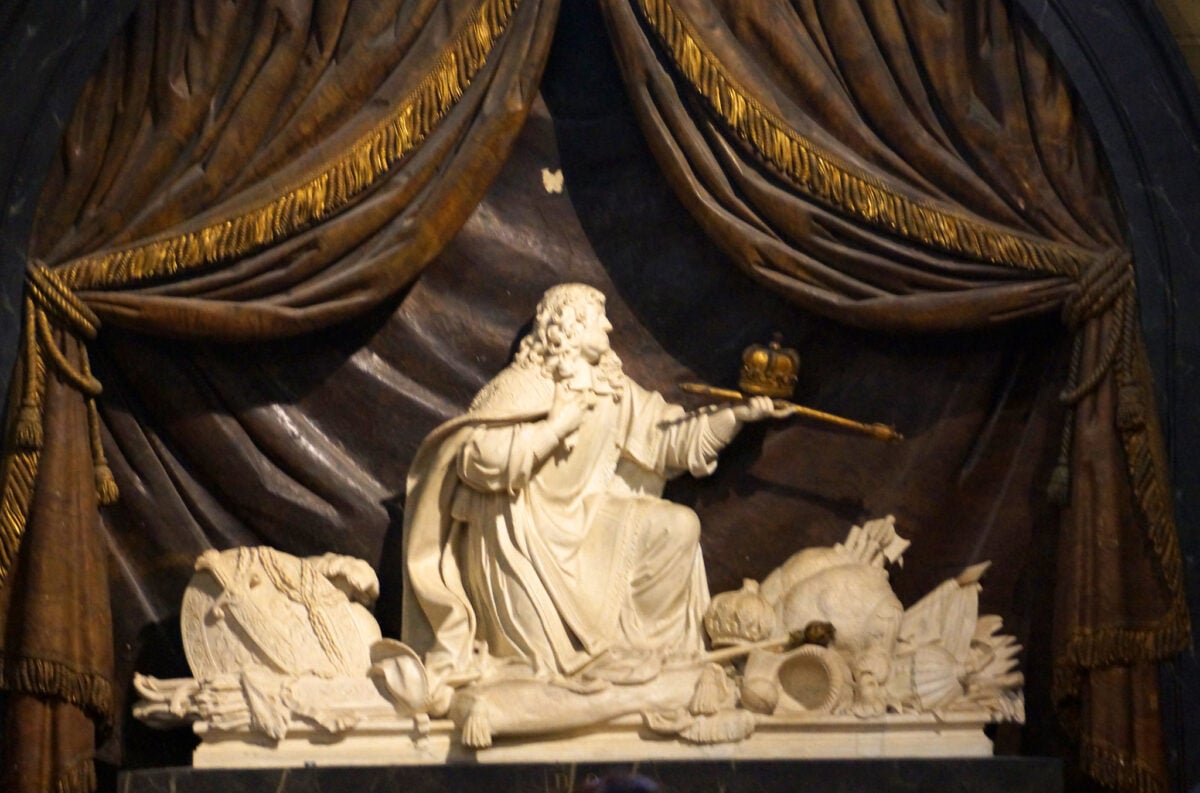
When King Casimir IV’s tomb in Poland was opened in 1973, ten of the twelve researchers involved died within a few years. Most died from respiratory illnesses.
Scientists later discovered deadly fungi growing in the sealed tomb, explaining the deaths as biological rather than supernatural. The curse story spread anyway.
Even after the scientific explanation was published, people preferred the supernatural version. The incident shows how easily cursed narratives form around genuine dangers.
The fungi were real and lethal, but calling it a curse felt more dramatic than admitting that disturbing ancient tombs carries health risks.
The Curse of Tippecanoe

This curse overlaps with Tecumseh’s but focuses specifically on William Henry Harrison, who became president in 1841. Harrison supposedly ignored Tecumseh’s warnings and disrespected Native American sacred sites.
He died of pneumonia just 31 days into his presidency, becoming the first president to die in office. The curse allegedly extended to every president elected in a year ending in zero.
Seven presidents died in office following this pattern until Reagan broke it in 1981. The coincidence was strange enough that historians still debate whether it’s purely statistical randomness or something more.
The Curse of the Billy Goat

The Chicago Cubs went 108 years without winning a World Series after a tavern owner was ejected from Wrigley Field for bringing his pet goat in 1945. William Sianis supposedly declared that the Cubs would never win another World Series.
The team made it to the playoffs many times but always found ways to lose at crucial moments. The Cubs finally won in 2016, breaking the longest championship drought in professional sports.
Some credit the curse breaking to various rituals performed over the years. Others point out that bad team management probably had more to do with the losing streak than an angry tavern owner and his goat.
The Curse of Rudolph Valentino’s Ring
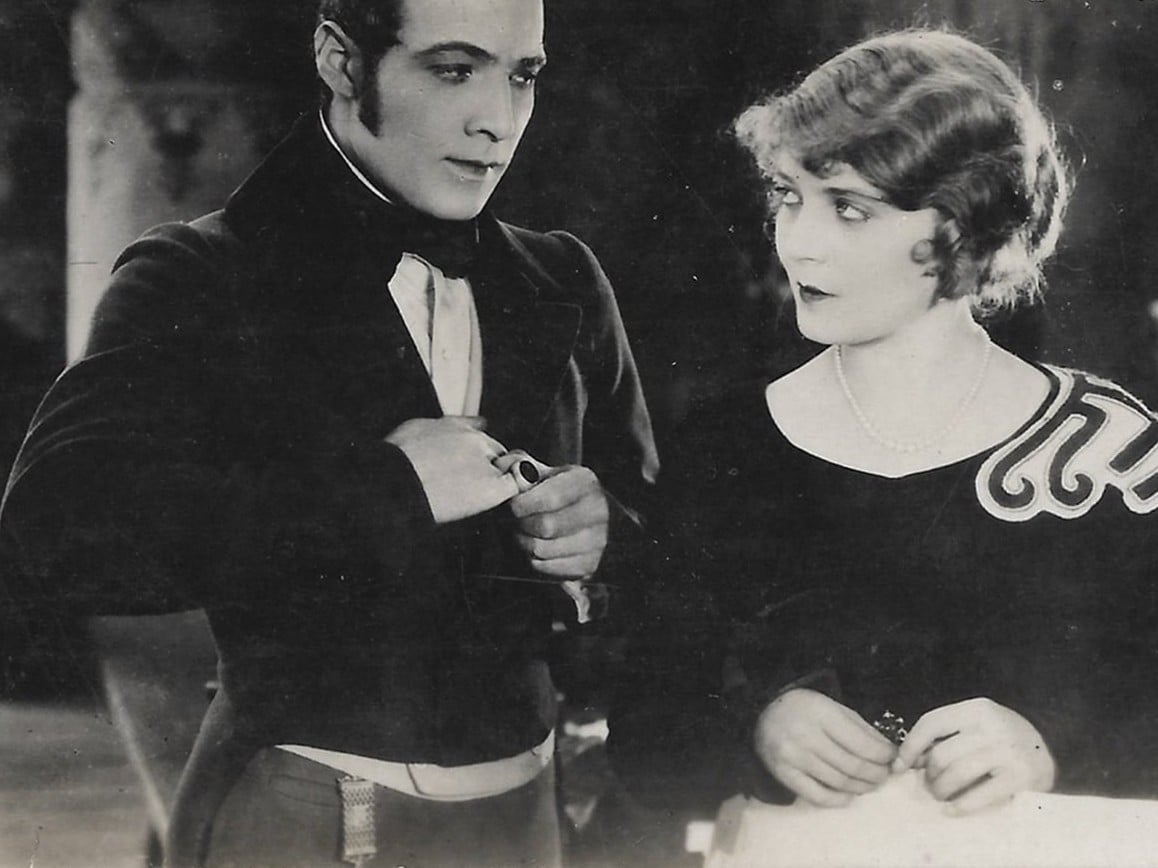
Silent film star Rudolph Valentino bought a ring shortly before his sudden death in 1926 at age 31. The ring passed to various owners, and several died young or faced tragedies. Pola Negri, who wore the ring after Valentino’s death, became seriously ill.
Russ Colombo, who borrowed the ring, died in a shooting accident. Joe Casino bought the ring and promptly died.
Jack Dunn took possession and died shortly after. The ring disappeared for years, then resurfaced in the 1980s.
Whether it’s still claiming victims is unclear, but collectors of Hollywood memorabilia avoid it. The combination of Valentino’s fame and the suspicious timing of deaths cemented the curse legend.
The Curse of the Petrified Forest
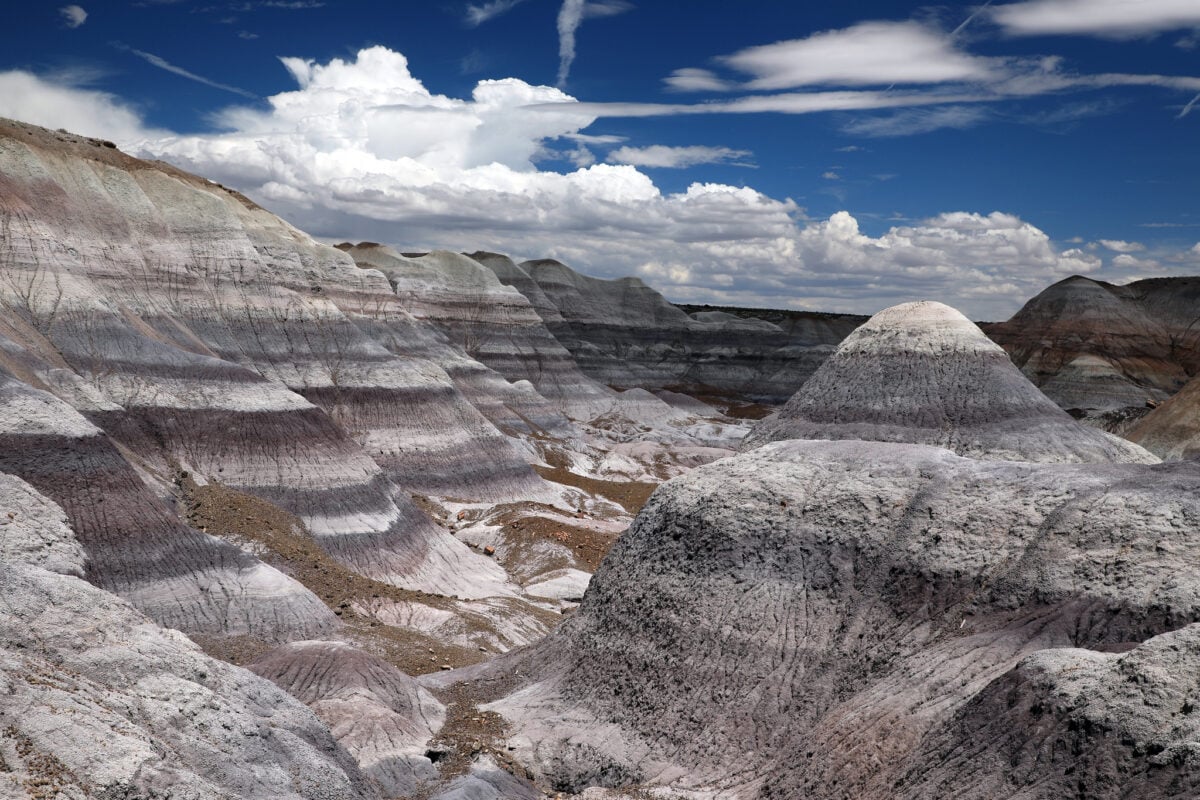
Arizona’s Petrified Forest National Park receives packages almost daily from people returning stolen rocks. Visitors who took pieces of petrified wood as souvenirs report runs of bad luck afterward—divorces, job losses, illnesses, accidents.
They mail the rocks back with letters apologizing and begging park rangers to return the stones. The park has a room full of returned rocks and apology letters.
Rangers say there’s no official curse, but they don’t discourage the belief because it gets stolen property returned. Whether the bad luck is real or people notice negative events more when they feel guilty, the curse effectively protects the park.
The Curse of the Delhi Purple Sapphire
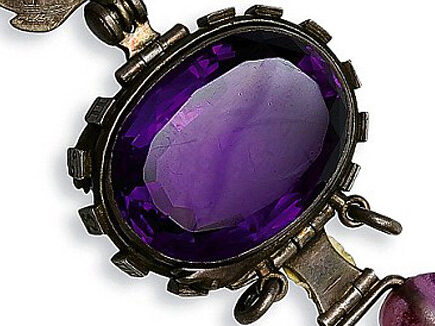
This gem isn’t actually a sapphire—it’s an amethyst that was looted from a temple in India during the 1857 rebellion. Everyone who owned it experienced financial ruin, health problems, and family tragedies.
Edward Heron-Allen, who inherited the stone, had it thrown into a canal. It was returned to him. He locked it away with a warning note.
The curse warnings didn’t stop. The stone now sits in the Natural History Museum in London, sealed in a box surrounded by protective charms.
Museum staff joke about the curse but admit they’re careful when handling it. The documented history of misfortune makes even skeptics uncomfortable.
The Curse of Atahualpa

The last Incan emperor, Atahualpa, was executed by Spanish conquistadors in 1533 despite paying an enormous ransom in gold. Legend says he cursed the Spanish as he died, declaring that anyone who disturbed Incan treasures would face terrible consequences.
The Spanish Empire declined dramatically in the following centuries. Modern archaeologists and treasure hunters who’ve searched for Incan gold have reported unusual accidents and deaths.
Some historians dismiss this as coincidence and the natural dangers of archaeological work. Others point to the specific pattern of tragedies following Incan excavations.
The curse persists in Peruvian culture today.
The Curse of the Basano Vase
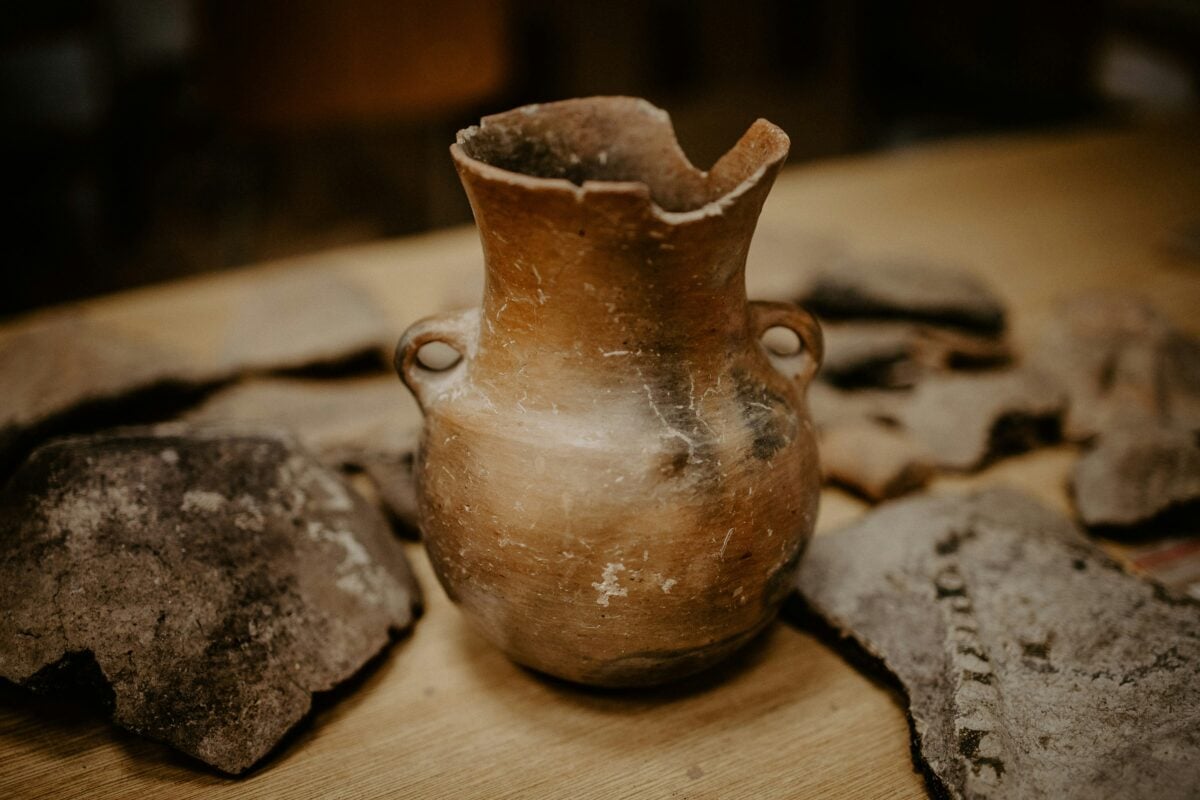
This 15th-century silver vase from Italy comes with a legend that says it was made for a bride who was murdered on her wedding night. She supposedly died holding the vase, cursing it as she passed.
The vase disappeared for centuries, then resurfaced in the 1980s with a note warning about the curse. Several owners died mysteriously before the vase was donated to a museum, which refused it.
The vase was then supposedly buried in an undisclosed location to protect people from its influence. Whether the story is true or an elaborate hoax, the detailed documentation of deaths and the dramatic burial decision keep the legend alive.
The Curse of James Dean’s Car

James Dean died in his Porsche 550 Spyder in 1955. After the accident, the car’s parts were sold and reused.
George Barris bought the wreckage, and while it was being transported, it fell off the truck and broke a mechanic’s legs. Two doctors bought the engine and transmission for their race cars. Both crashed during races, with one doctor dying.
The tires were sold to someone who experienced simultaneous blowouts. The shell of the car was displayed at safety exhibitions, and it caused accidents at several venues—fires, a truck hitting a showroom, the display falling and breaking a teenager’s hip.
The car eventually disappeared in 1960 and hasn’t been seen since.
The Curse of Macbeth

Theater people refuse to say “Macbeth” inside a theater, calling it “The Scottish Play” instead. The superstition started because productions of Macbeth have been plagued by injuries, deaths, and disasters since the first performance in the 1600s.
Some blame the actual incantations Shakespeare included in the witches’ scenes. Documented incidents include actors dying during performances, stage combat turning deadly, fires destroying theaters during runs, and bizarre accidents injuring cast members.
Whether the play is actually cursed or theaters notice problems more when they’re performing this particular show, the tradition of avoiding the name continues. Break the rule, and you must perform a cleansing ritual.
Where Belief Meets Reality

Curses work because people believe in them. Confirmation bias makes you notice every bad thing that happens after you break a supposed curse while ignoring all the bad things that happen randomly.
The mind is powerful enough to create genuine physical symptoms from stress and fear. Some curses might be based on real dangers like toxic fungi or structural defects in cursed objects.
But explaining away curses doesn’t stop them from being effective. The families who lost multiple members, the actors who died during cursed productions, the owners of cursed objects who faced ruin—they experienced real tragedies regardless of whether supernatural forces were involved.
Whether you believe in ancient curses or dismiss them as superstition, the stories endure because they tap into our deepest fears about forces beyond our control. Sometimes the belief itself becomes the curse, shaping behavior and outcomes in ways that make the original hex unnecessary.
The power was in the story all along.
More from Go2Tutors!

- The Romanov Crown Jewels and Their Tragic Fate
- 13 Historical Mysteries That Science Still Can’t Solve
- Famous Hoaxes That Fooled the World for Years
- 15 Child Stars with Tragic Adult Lives
- 16 Famous Jewelry Pieces in History
Like Go2Tutors’s content? Follow us on MSN.