18 Arcade Games That Ate All Your Quarters
The golden age of arcade gaming wasn’t just about flashy lights and electronic beeps—it was about the irresistible pull of that coin slot. These machines were engineered to be addictive, with difficulty curves designed to keep you pumping in quarters just when you thought you were getting good. From the late 1970s through the early 1990s, certain games became legendary for their ability to empty pockets and keep players coming back for ‘just one more try.’
Here’s a list of 18 arcade games that were notorious quarter-munchers, each one a masterclass in keeping players hooked and cash registers ringing.
Pac-Man
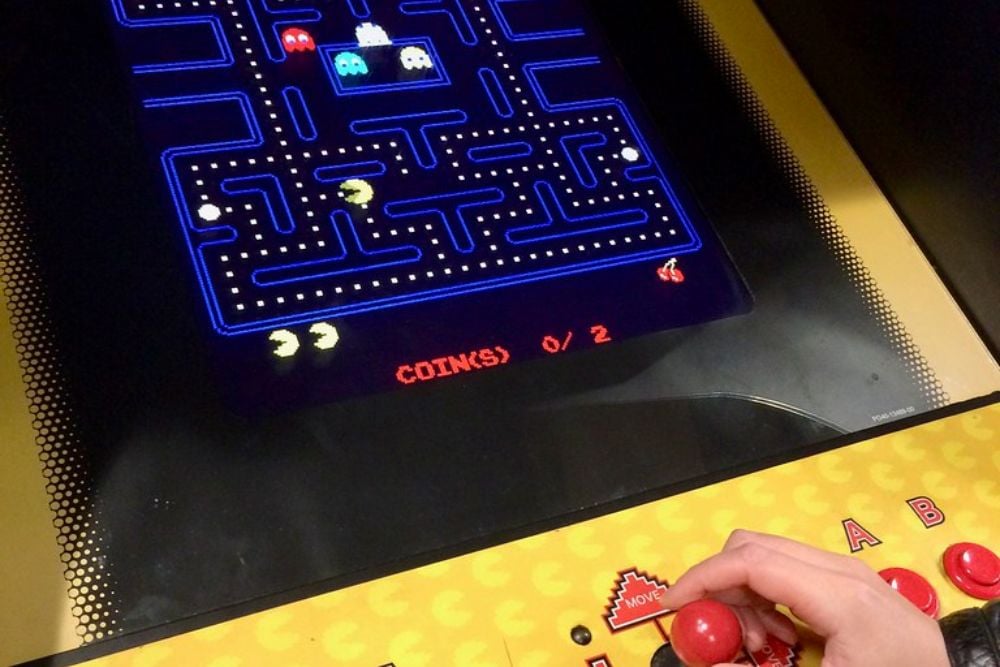
Eating dots became an art form thanks to Pac-Man, but those ghosts had a terrible way of getting you just when you thought you had them figured out. The magic of the game was its straightforward idea, which grew more intricate as the levels went on, featuring ghost patterns that appeared arbitrary but adhered to predetermined algorithms.
Pinky would come up from an unexpected angle and cut off your run just when you had mastered Blinky’s movement pattern.
Galaga
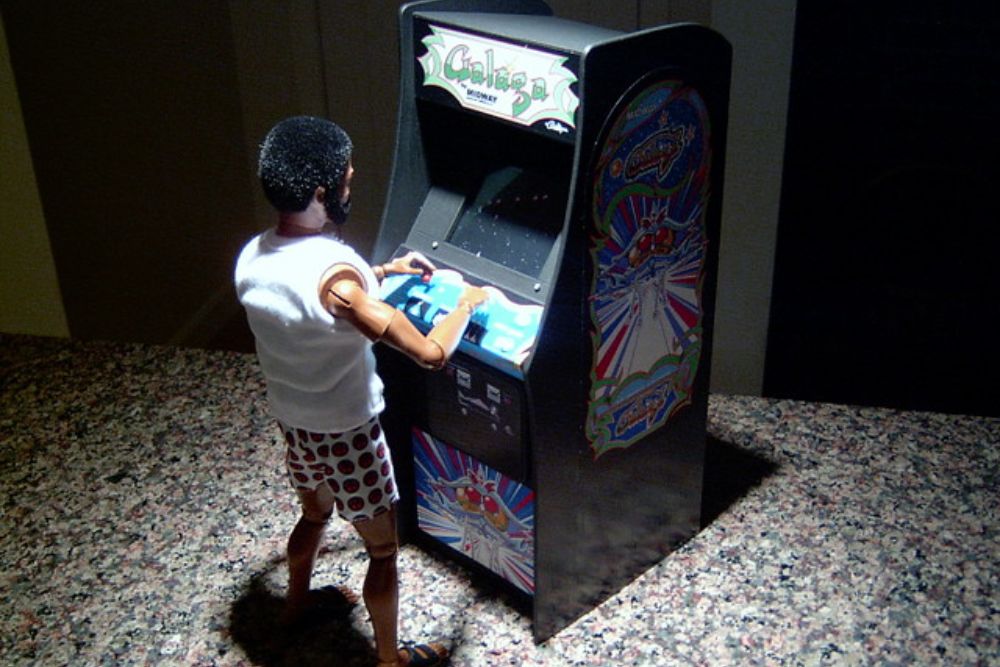
This space shooter perfected the ‘one more ship’ mentality that kept quarters flowing like water. The formation-flying enemies created mesmerizing patterns that were beautiful to watch but deadly to navigate through.
The bonus stages gave players just enough hope and extra points to justify another round, while the challenging rescue missions added an extra layer of strategy that made losses feel like learning experiences rather than failures.
Like Go2Tutors’s content? Follow us on MSN.
Donkey Kong
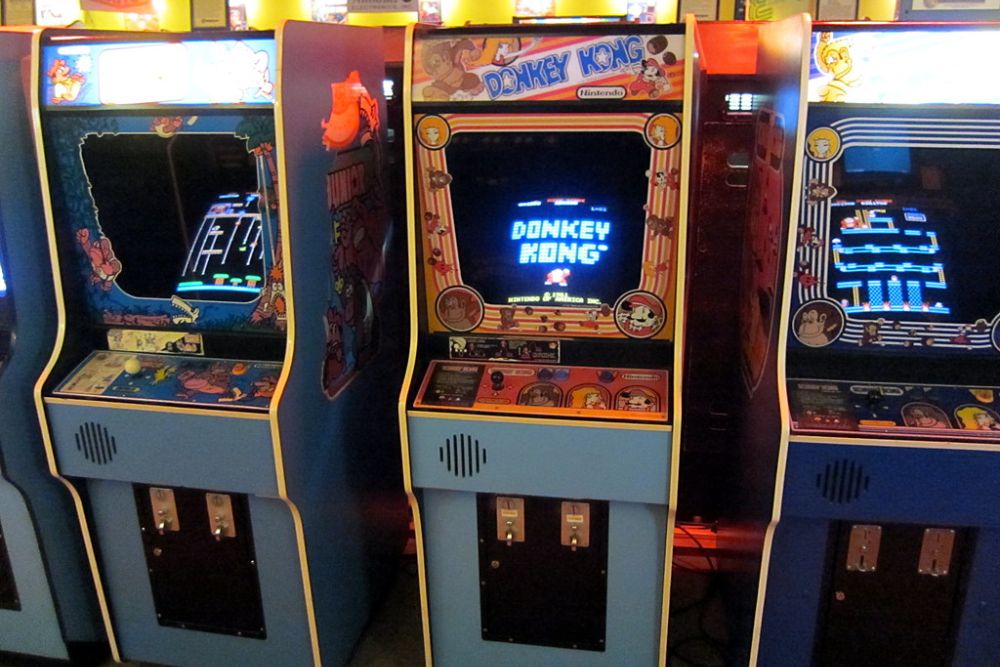
Mario’s original adventure introduced platforming to the arcade world, but it also introduced controller-throwing frustration. The barrels rolled down those girders with physics that seemed designed to catch you off guard, especially when you thought you had the timing down perfectly.
Climbing those ladders while dodging fireballs required split-second timing that felt achievable but remained just difficult enough to demand multiple attempts.
Defender
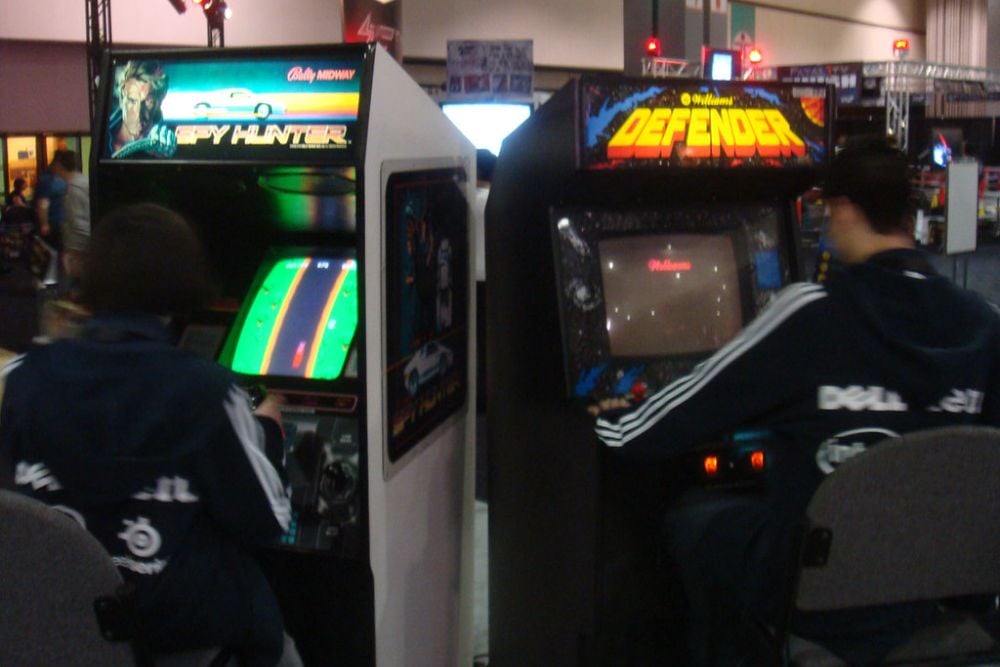
Eugene Jarvis created a horizontal scrolling nightmare that moved faster than most players could think. The control scheme alone required a PhD in button management, with five different controls that needed to be mastered simultaneously.
The radar at the bottom showed you where enemies were coming from, but interpreting it while dodging attacks and managing your thrust felt like trying to solve calculus while riding a roller coaster.
Robotron: 2084
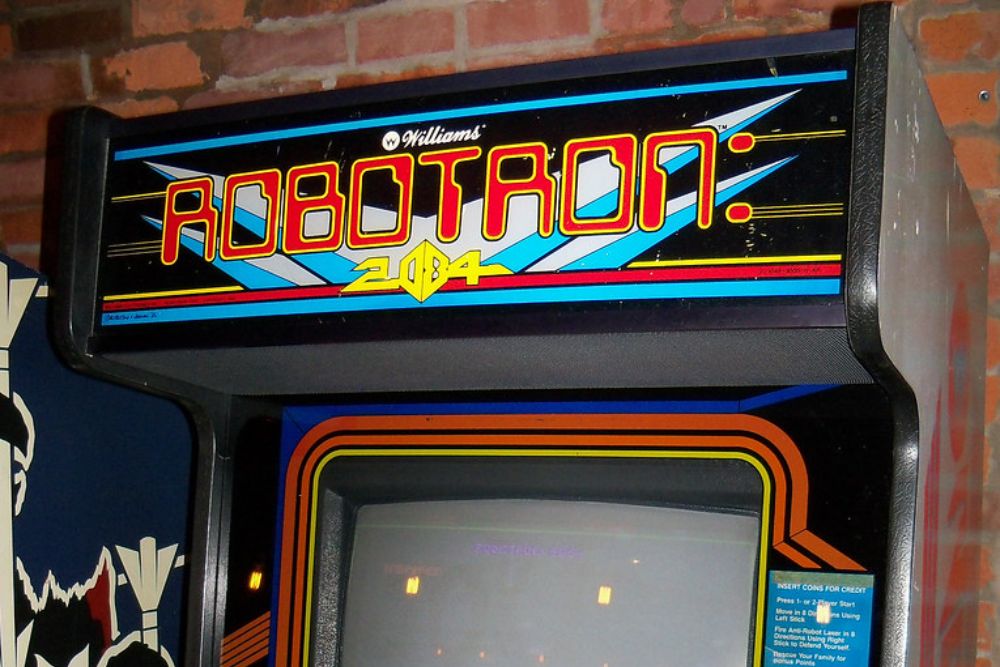
Twin-stick controls met bullet-hell gameplay in this frantic rescue mission that never gave you a moment to breathe. The screen filled with enemies so quickly that survival became more important than strategy, creating a pure adrenaline rush that lasted about as long as a coffee break.
The humans you were supposed to save often seemed determined to walk directly into danger, adding an element of dark comedy to the relentless action.
Like Go2Tutors’s content? Follow us on MSN.
Centipede
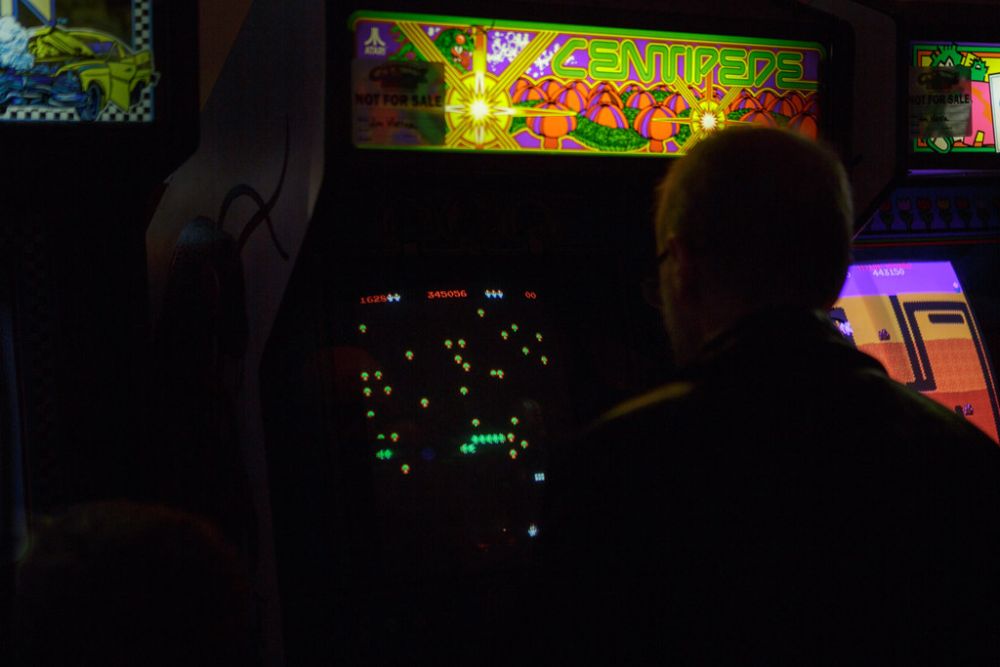
Atari’s creepy-crawly shooter turned garden pest control into a quarter-eating obsession. The centipede would wind its way down through a field of mushrooms, changing direction every time it hit an obstacle in ways that seemed logical but remained unpredictable.
The spider that bounced around the bottom of the screen added an extra layer of chaos that could either save you by eating mushrooms or destroy you by appearing at exactly the wrong moment.
Frogger
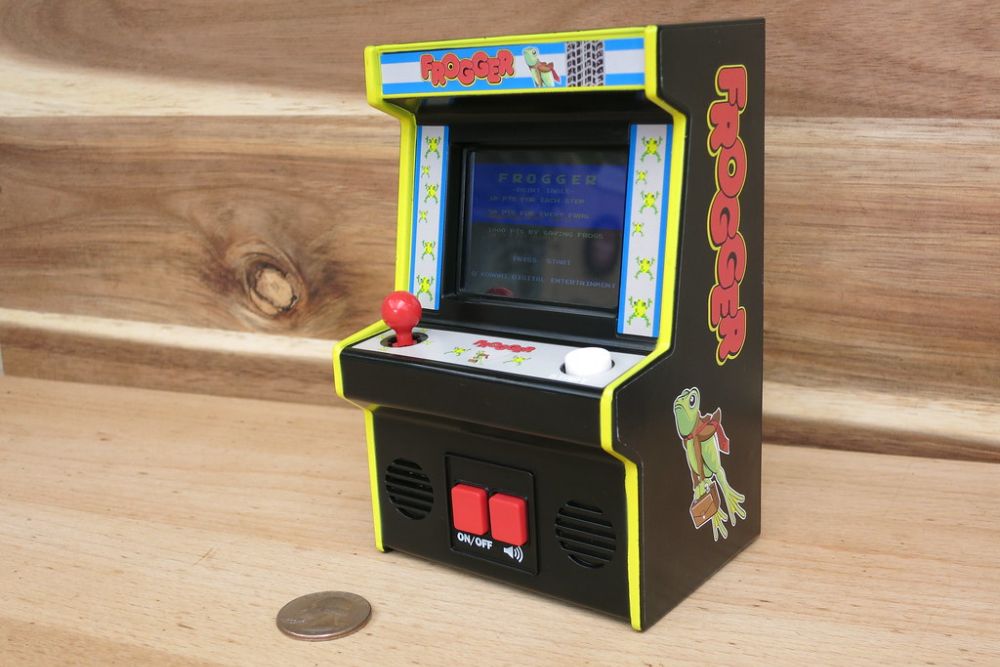
Getting a frog across a busy road shouldn’t have been this difficult, but somehow it became one of the most frustrating experiences in arcade history. The timing required to navigate between cars was precise enough to feel fair, but the logs and turtles in the river moved at speeds that seemed designed to catch you when you committed to a jump.
The bonus timer ticking down added pressure that turned a simple crossing into a high-stakes sprint.
Q*bert
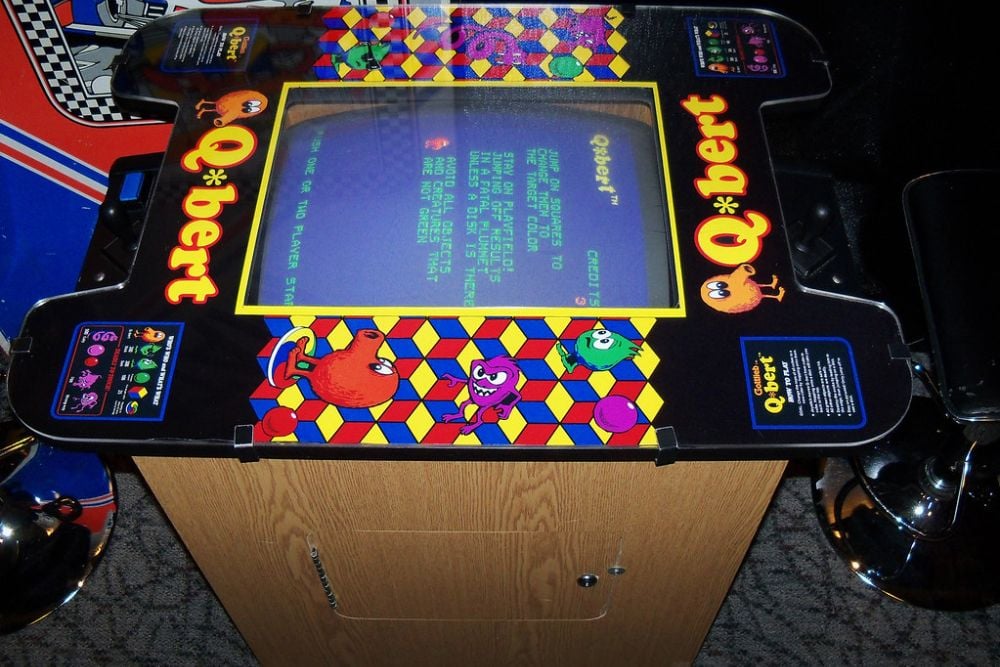
This pyramid-hopping orange creature with an attitude introduced diagonal movement to a world used to straight lines. The isometric perspective created depth that looked impressive but made it easy to misjudge jumps, especially when Coily the snake started chasing you around the pyramid.
The creative character design and unique sound effects made failures feel entertaining, which somehow made losing feel less painful and more worth repeating.
Like Go2Tutors’s content? Follow us on MSN.
Dragon’s Lair
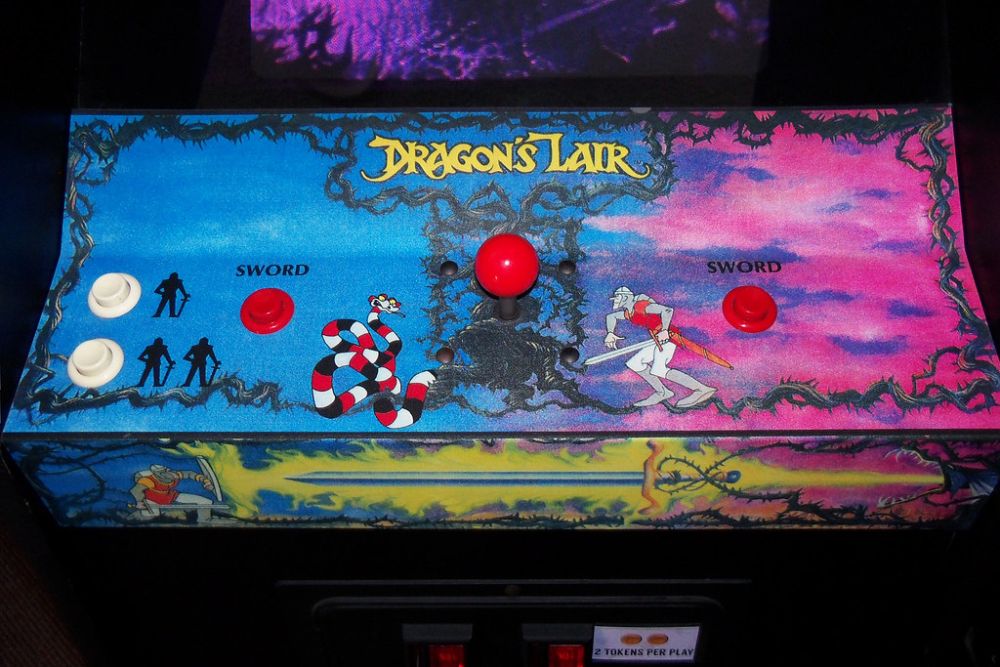
Don Bluth’s animated adventure looked like a Disney movie but played like a memory test with a sadistic streak. The full-motion video sequences were gorgeous, but the precise timing required for each directional input left no room for error or creative problem-solving.
Every wrong move meant instant death and another quarter, making this one of the most expensive learning experiences in arcade history.
Street Fighter II

Capcom’s fighting game revolution brought complex move sets and special attacks that required precise joystick and button combinations. Learning to execute a dragon punch consistently took practice that could only be gained through countless matches against increasingly skilled opponents.
The computer-controlled fighters seemed to read your inputs and counter them perfectly, creating the impression that victory was always just one perfectly timed combo away.
Mortal Kombat

Midway’s brutal fighting game added fatalities and blood to the formula, creating controversy that drew crowds and quarters in equal measure. The special moves required even more precise inputs than Street Fighter, and the computer opponents seemed to have psychic abilities when it came to blocking and countering attacks.
The promise of discovering new fatalities and secret characters kept players experimenting long after their initial quarter budget was exhausted.
Like Go2Tutors’s content? Follow us on MSN.
Gauntlet
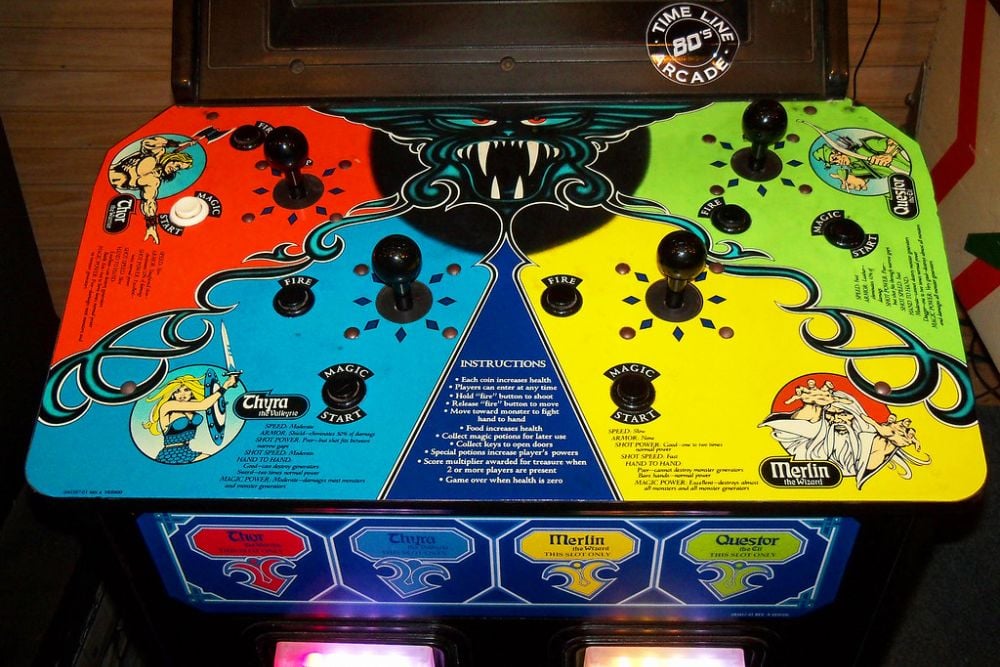
This four-player dungeon crawler introduced the concept of ‘health constantly draining’ to arcade gaming, essentially putting a timer on every quarter. The red warrior needed food badly, and that food cost money in the form of continued play.
The cooperative gameplay meant that your survival often depended on other players’ skills and willingness to share power-ups, creating a social dynamic that kept groups of friends feeding the machine.
Paperboy
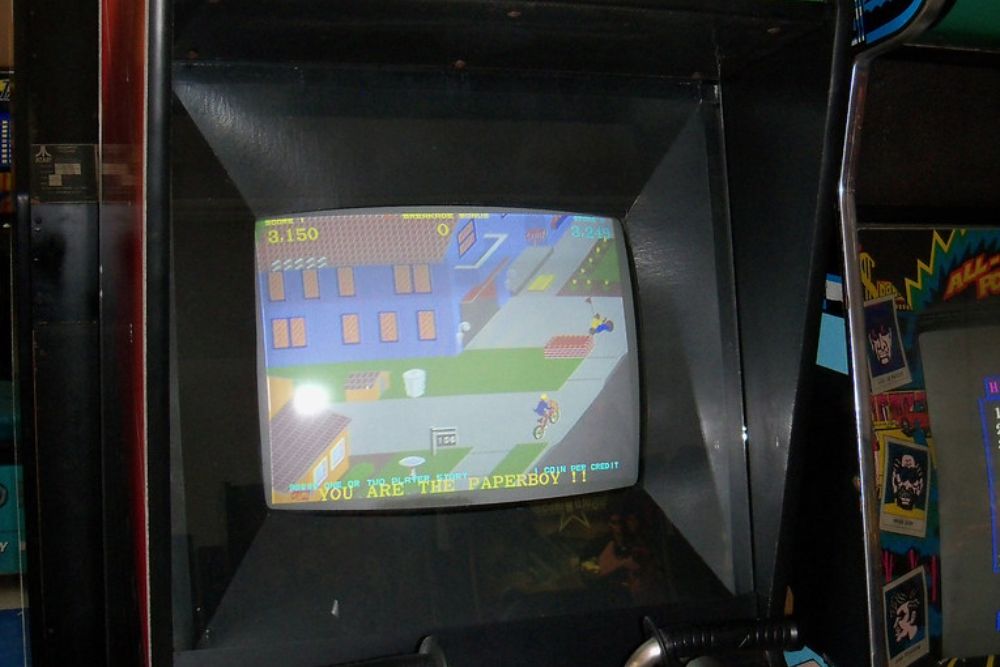
Delivering newspapers while avoiding obstacles sounds simple until you try to hit specific targets while riding a bicycle through suburban chaos. The control scheme felt realistic enough to be intuitive but remained challenging enough to make perfect deliveries feel like genuine accomplishments.
The variety of obstacles and the satisfaction of nailing a perfect throw kept players coming back to improve their delivery routes.
Marble Madness
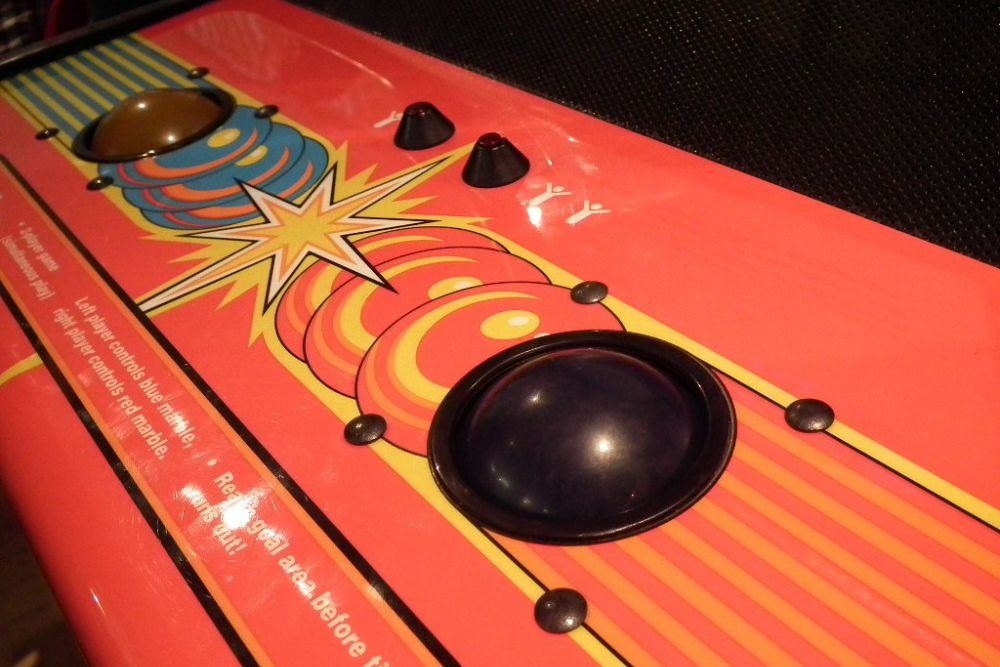
Atari’s isometric marble-rolling challenge combined precise physics with trackball controls that felt natural but demanded perfect precision. The marble responded to momentum and gravity in ways that felt realistic, but the narrow pathways and time limits meant that even small mistakes could end your run.
The trackball interface gave players complete control over speed and direction, making failures feel like personal shortcomings rather than unfair game mechanics.
Like Go2Tutors’s content? Follow us on MSN.
Asteroids
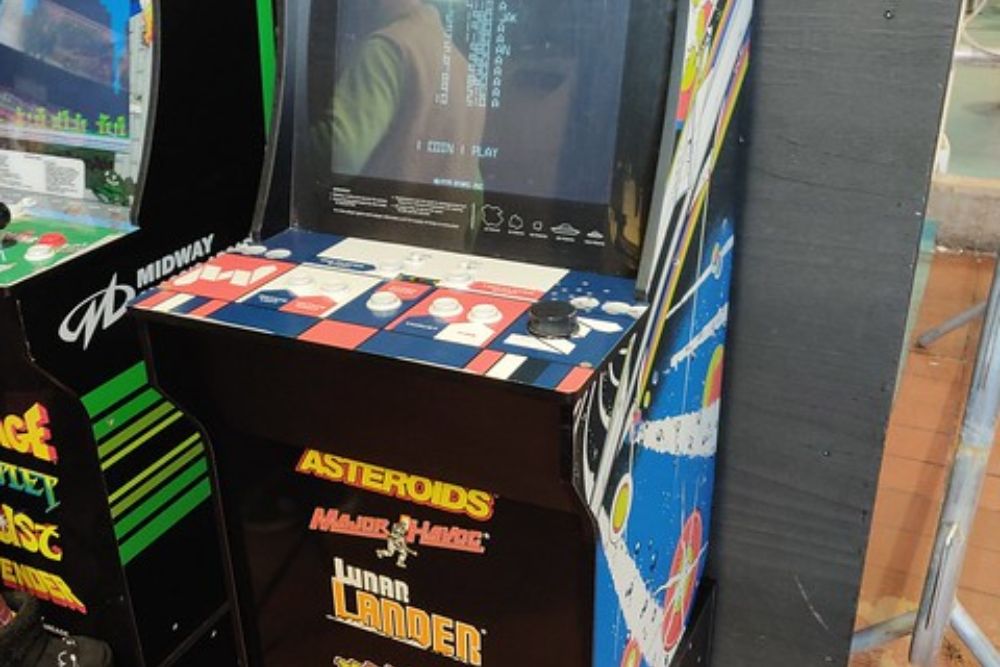
This vector graphics space shooter created a claustrophobic environment where every destroyed asteroid broke into smaller, faster pieces. The physics-based movement meant that every thrust and turn had consequences, creating a momentum-based gameplay that felt realistic but remained difficult to master.
The UFOs that appeared periodically added unpredictable elements that could either provide bonus points or sudden death.
Tempest
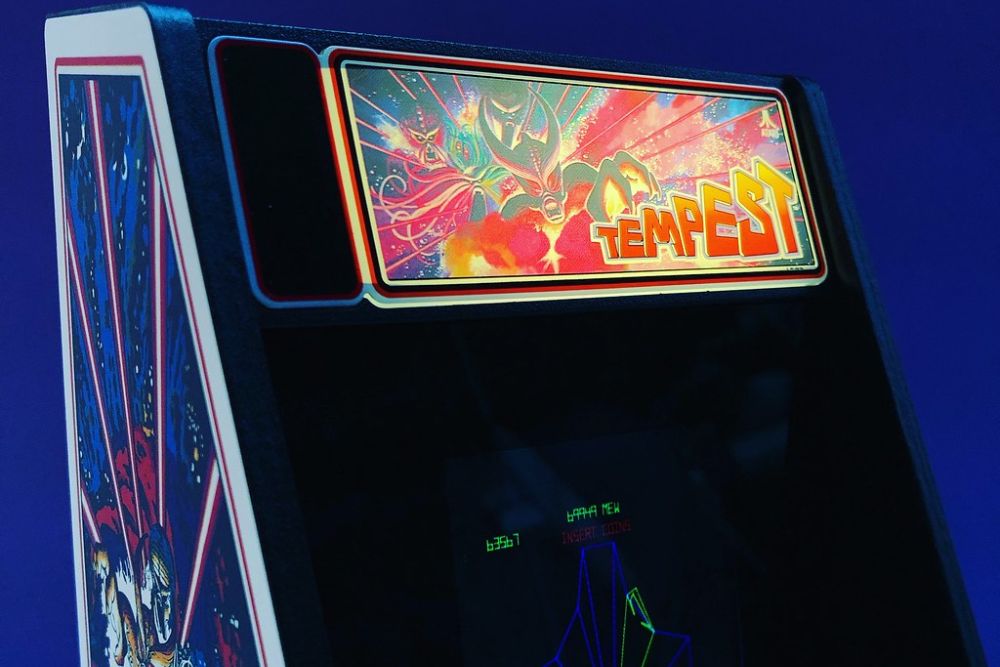
Jeff Minter’s geometric tube shooter combined abstract visuals with frantically precise gameplay that demanded perfect timing and spatial awareness. The vector graphics created tunnels that seemed to stretch into infinity, while enemies crawled up from the depths at increasing speeds.
The spinner control allowed for smooth movement around the rim, but the precise positioning required to avoid enemies and clear levels kept players spinning quarters as fast as the control knob.
Spy Hunter
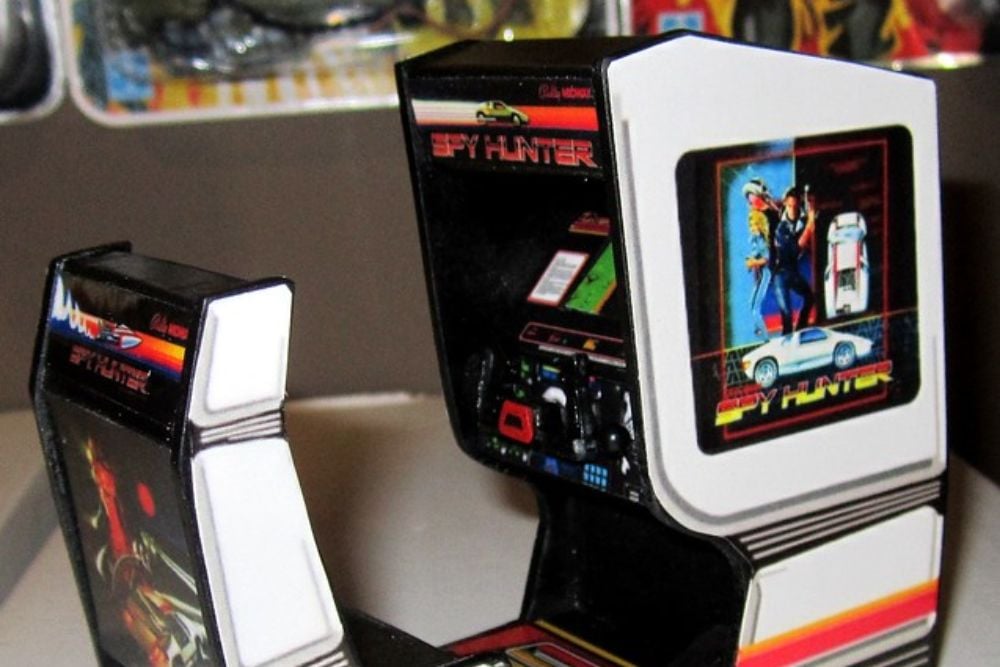
This driving game combined action and strategy as players navigated their armed vehicle through enemy traffic. The weapon upgrades felt powerful enough to provide a real advantage, but the increasing difficulty meant that even the best equipment couldn’t guarantee survival.
The Peter Gunn theme song became synonymous with high-speed chases, while the oil slicks and enemy vehicles created constant tension that made every successful mile feel earned.
Like Go2Tutors’s content? Follow us on MSN.
Tron
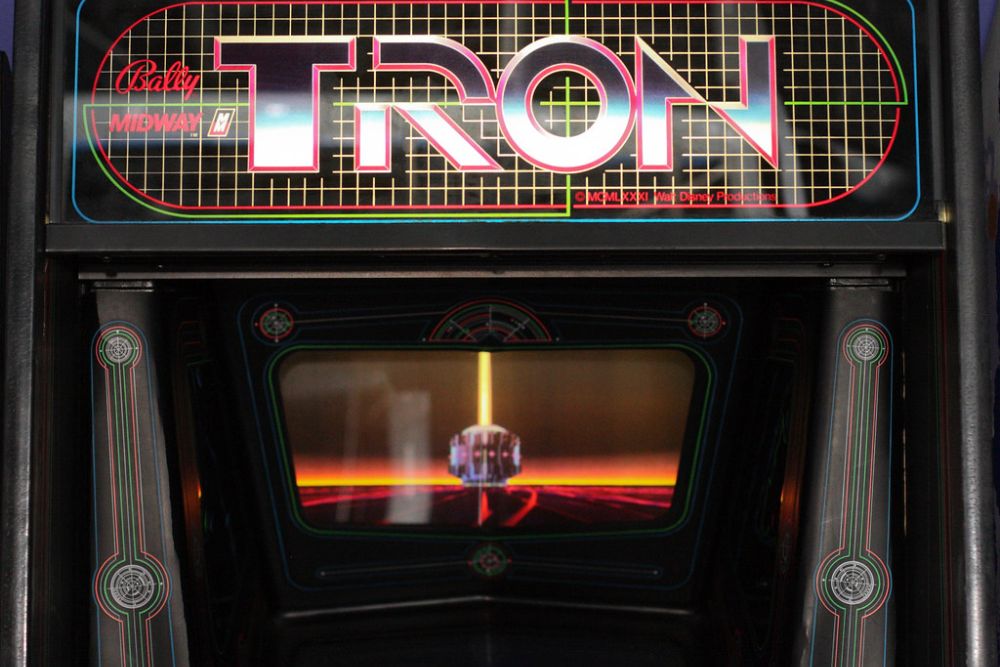
Disney’s movie tie-in brought the film’s digital world to life through multiple mini-games that each required different skills. The light cycle sequences captured the movie’s most memorable scenes while adding competitive gameplay that felt both familiar and futuristic.
Each sub-game within Tron offered different challenges, meaning that mastering one section didn’t guarantee success in others, effectively multiplying the learning curve and the quarter consumption.
The Quarter Legacy Lives On
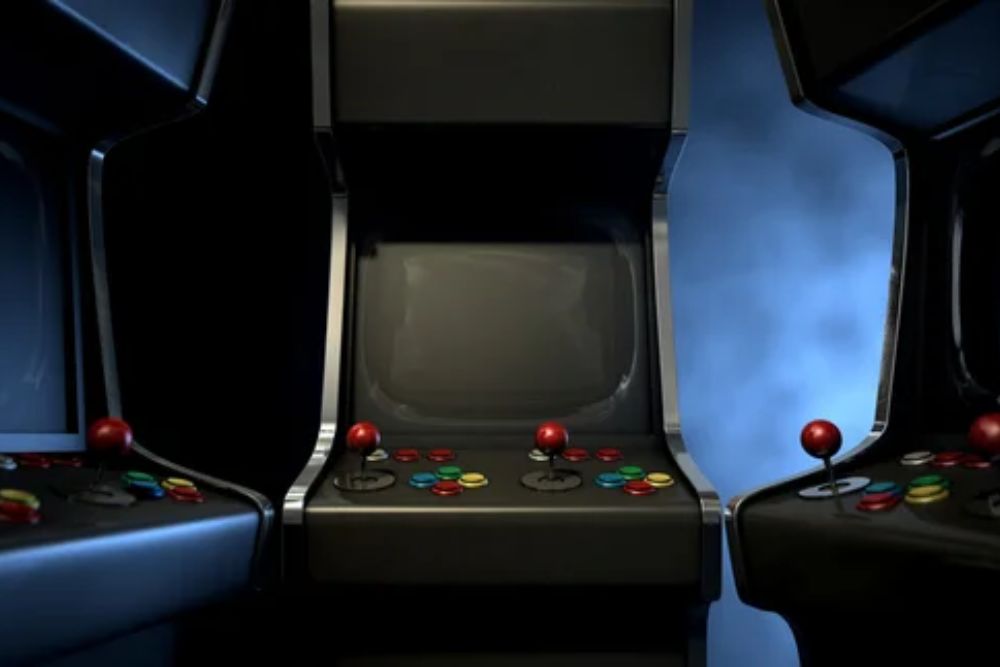
These games didn’t just take your money—they created an entire generation of players who learned that the best entertainment required investment, patience, and practice. The quarter-munching design philosophy influenced decades of game development, teaching developers that the perfect difficulty curve keeps players engaged without making them feel cheated.
While modern gaming has moved away from coin-operated models, the lessons learned from these arcade classics still influence how games create compelling, repeatable experiences that keep players coming back for more.
More from Go2Tutors!

- 16 Restaurant Chains That Went Too Fast
- 12 Things Sold in the 80s That Are Now Illegal
- 15 Strange Things People Have Tried to Ban (And Failed)
- 16 Collectibles People Tossed Out Too Soon
- 17 Myths from Your Childhood That Were Actually Based on Real Things
Like Go2Tutors’s content? Follow us on MSN.