18 Art History Stories Behind Famous Paintings
Every masterpiece hanging in a gallery has a tale to tell beyond what meets the eye. These iconic works of art carry fascinating backstories filled with scandal, mystery, heartbreak, and triumph that make them even more captivating than their visual beauty alone.
From stolen identities to hidden messages, these paintings reveal the complex human drama that unfolded behind the canvas. Here is a list of 18 remarkable stories that transform how we see these beloved works of art.
The Mona Lisa’s Mysterious Theft

Leonardo da Vinci’s masterpiece vanished from the Louvre in 1911, causing international panic and making headlines worldwide. The thief turned out to be Vincenzo Peruggia, an Italian handyman who believed the painting belonged in Italy, not France.
He kept the Mona Lisa hidden under his bed for two years before trying to sell it to an Italian art dealer, who promptly turned him in to authorities.
Vermeer’s Girl with a Pearl Earring
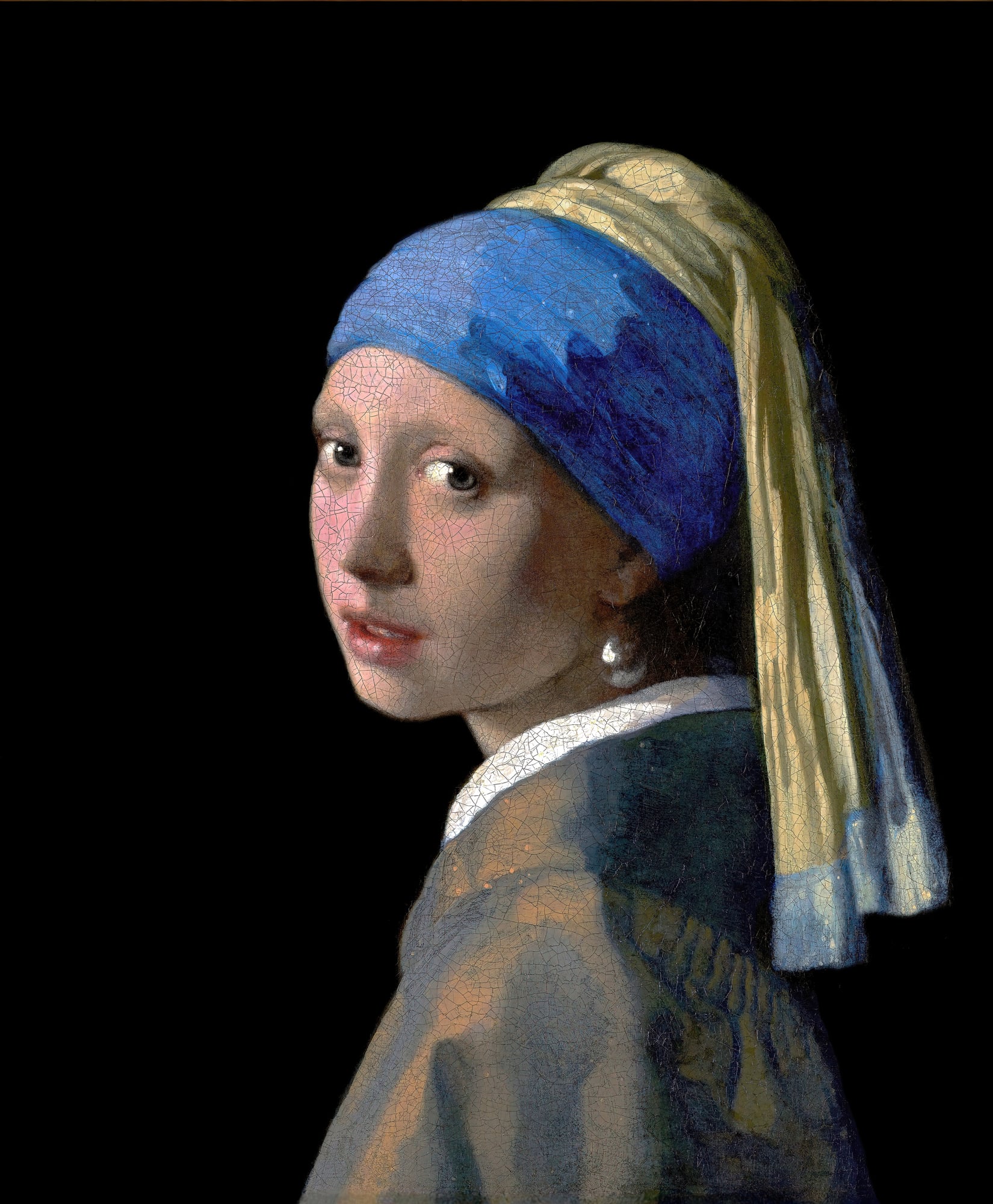
Johannes Vermeer’s haunting portrait might not depict a real person at all, but rather an idealized figure meant to showcase his artistic skill. The ‘pearl’ earring that gives the painting its name is likely made of polished silver, as real pearls of that size would have been impossibly expensive in 17th-century Holland.
Recent analysis suggests Vermeer used his own daughter as inspiration for the girl’s features.
Van Gogh’s Starry Night Hospital Vision
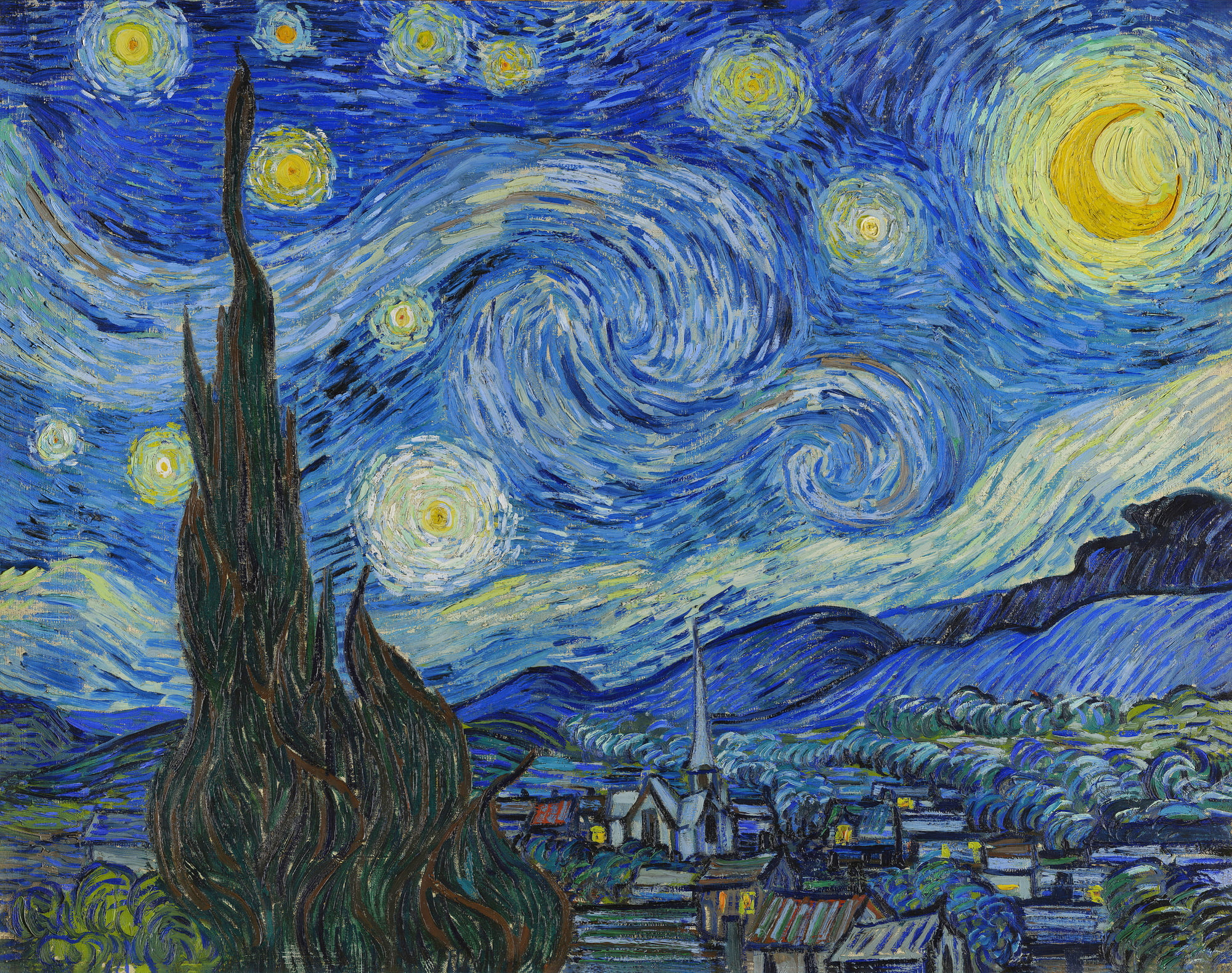
Vincent van Gogh painted this swirling masterpiece while confined to a mental asylum in Saint-Rémy-de-Provence in 1889. The view from his east-facing window showed only countryside, but van Gogh added the village from his imagination and memory.
The painting’s turbulent sky reflects his mental state during one of his most challenging periods, yet it became his most recognized work.
Like Go2Tutors’s content? Follow us on MSN.
Whistler’s Mother’s Reluctant Pose
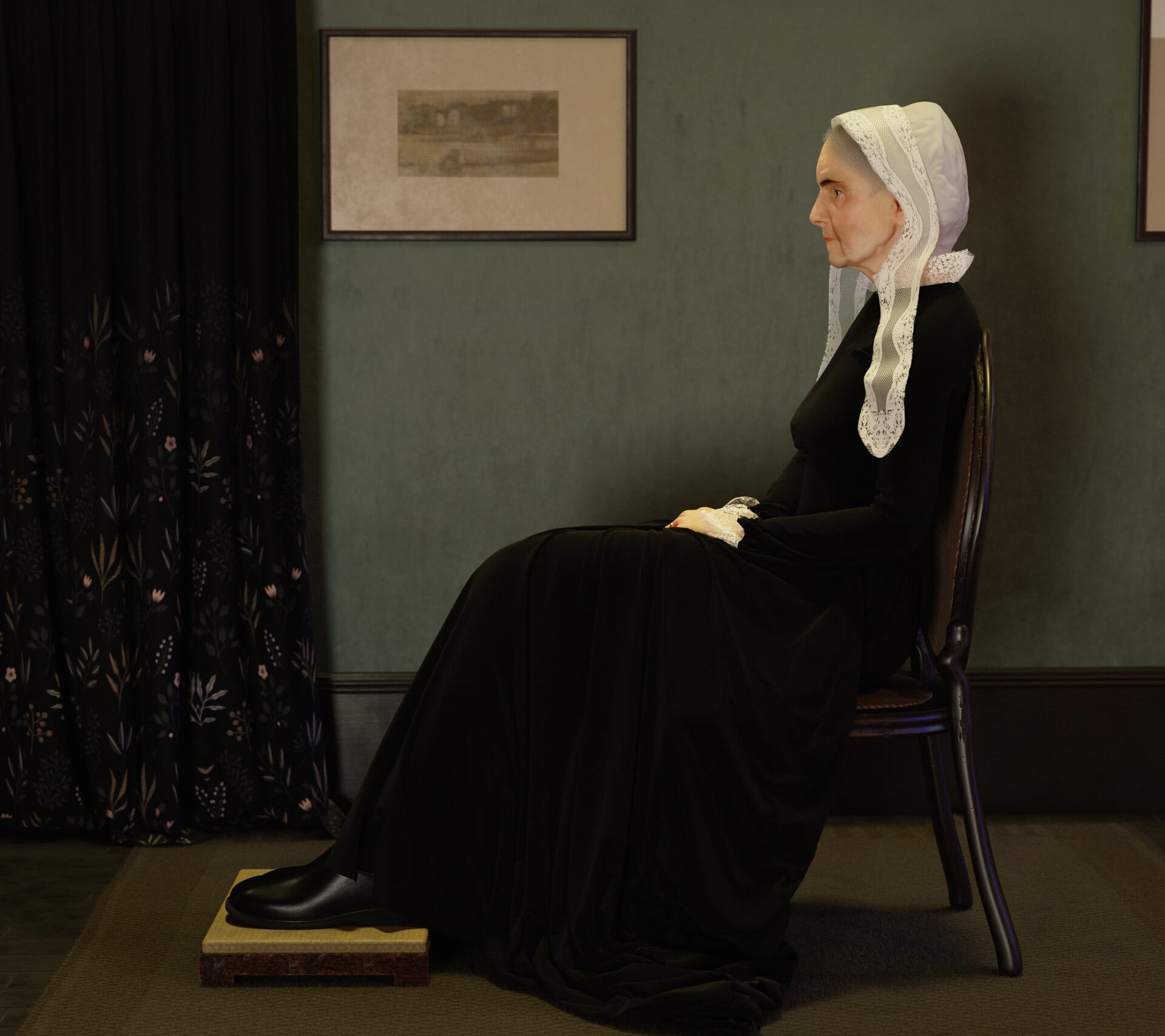
James McNeill Whistler’s famous portrait wasn’t originally intended to feature his mother at all. His planned model failed to show up, so he asked his 67-year-old mother to fill in as a last-minute substitute.
She couldn’t stand for long periods, which is why the painting shows her seated in profile rather than in a more traditional frontal pose.
The Scream’s Inspiration from Nature

Edvard Munch’s iconic artwork depicts a real moment when the artist was walking at sunset and heard ‘the scream of nature’ piercing through the landscape. The blood-red sky wasn’t artistic exaggeration but likely inspired by volcanic ash from Krakatoa’s 1883 eruption, which created unusual sunset colors across Europe.
Munch created several versions of this image, showing how deeply the experience affected him.
American Gothic’s Borrowed Models

Grant Wood’s stern farming couple weren’t actually married or even related to each other. The ‘farmer’ was Wood’s dentist, Dr. Byron McKeeby, while the woman was the artist’s sister, Nan Wood Graham.
Wood painted them separately and never intended them to be seen as husband and wife, though that’s how most people interpret the composition.
Like Go2Tutors’s content? Follow us on MSN.
The Great Wave’s Hidden Mount Fuji

Katsushika Hokusai’s famous woodblock print places Mount Fuji in the background, almost hidden by the dramatic wave that dominates the scene. This was part of Hokusai’s series ‘Thirty-six Views of Mount Fuji,’ where he showed Japan’s sacred mountain from various perspectives.
The wave appears to threaten the mountain, creating tension between two powerful forces of nature.
Nighthawks’ Lonely Inspiration

Edward Hopper’s late-night diner scene captures the isolation of urban life, but the artist claimed it wasn’t based on a specific location. However, the painting’s corner setting closely resembles a demolished restaurant that once stood in Greenwich Village.
Hopper’s wife, Jo, served as the model for the lone woman in the red dress, making this a more personal work than it initially appears.
The Birth of Venus’ Controversial Nudity
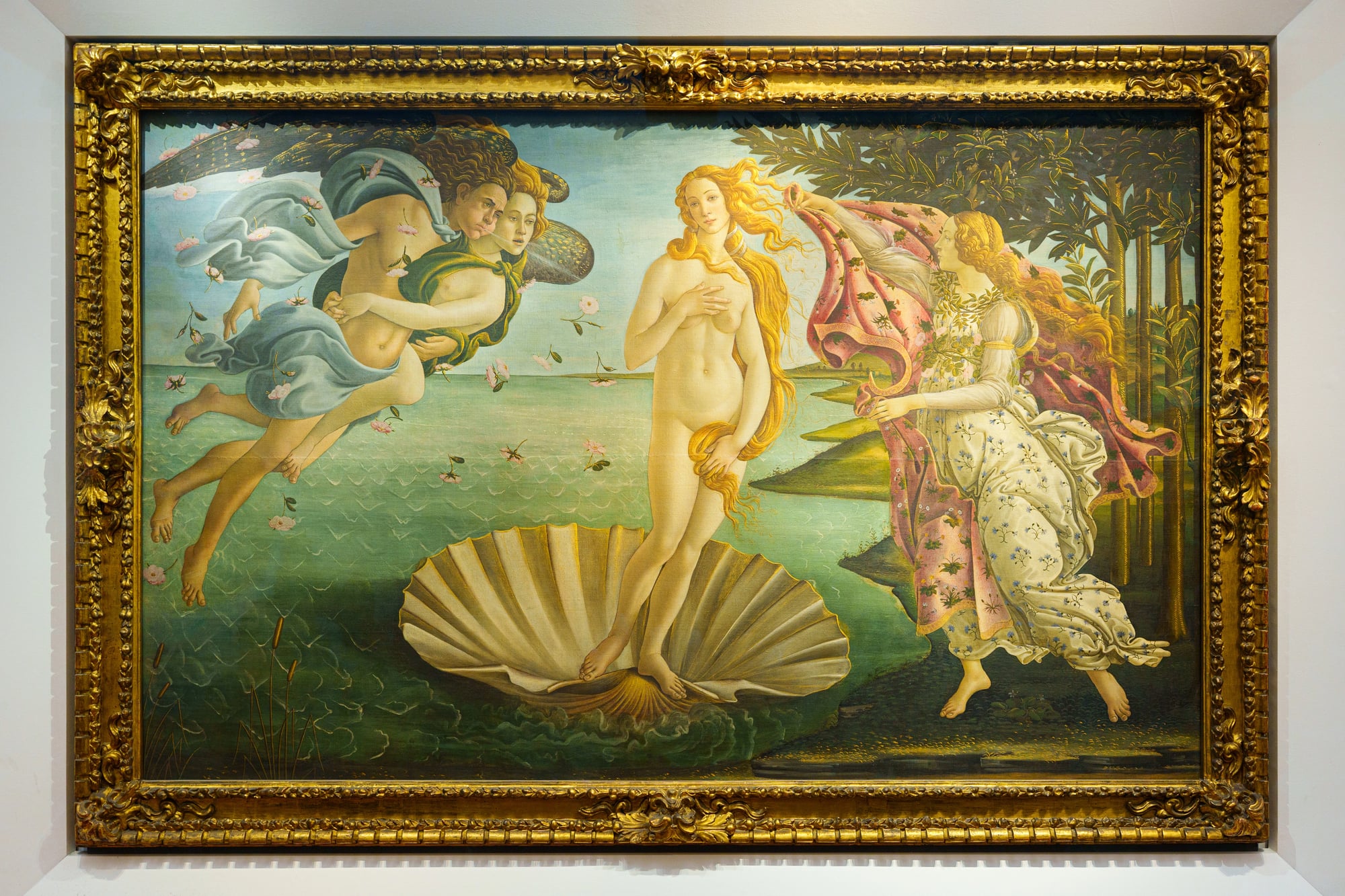
Sandro Botticelli’s goddess rising from the sea shell was revolutionary for its time, as unclothed figures were rarely depicted in 15th-century religious art. The model was likely Simonetta Vespucci, considered the most beautiful woman in Florence and rumored to be the mistress of Giuliano de’ Medici.
Her early death at age 22 added tragic romance to the painting’s story.
Like Go2Tutors’s content? Follow us on MSN.
Las Meninas’ Royal Interruption

Diego Velázquez painted this complex scene showing the Spanish royal family, but the true subject remains debated centuries later. The artist included himself in the painting, working at an easel, while mirrors and doorways create multiple layers of reality.
Some scholars believe we’re seeing the scene from the perspective of the king and queen, who are posing for Velázquez while their daughter and courtiers watch.
Guernica’s Anti-War Statement

Pablo Picasso’s fragmented masterpiece responded to the bombing of Guernica during the Spanish Civil War, but the artist refused to explain its symbolism. The painting toured the world as a protest against war, and Picasso stipulated it couldn’t return to Spain until democracy was restored.
It finally arrived in Madrid in 1981, six years after Francisco Franco’s death.
The Persistence of Memory’s Melting Time
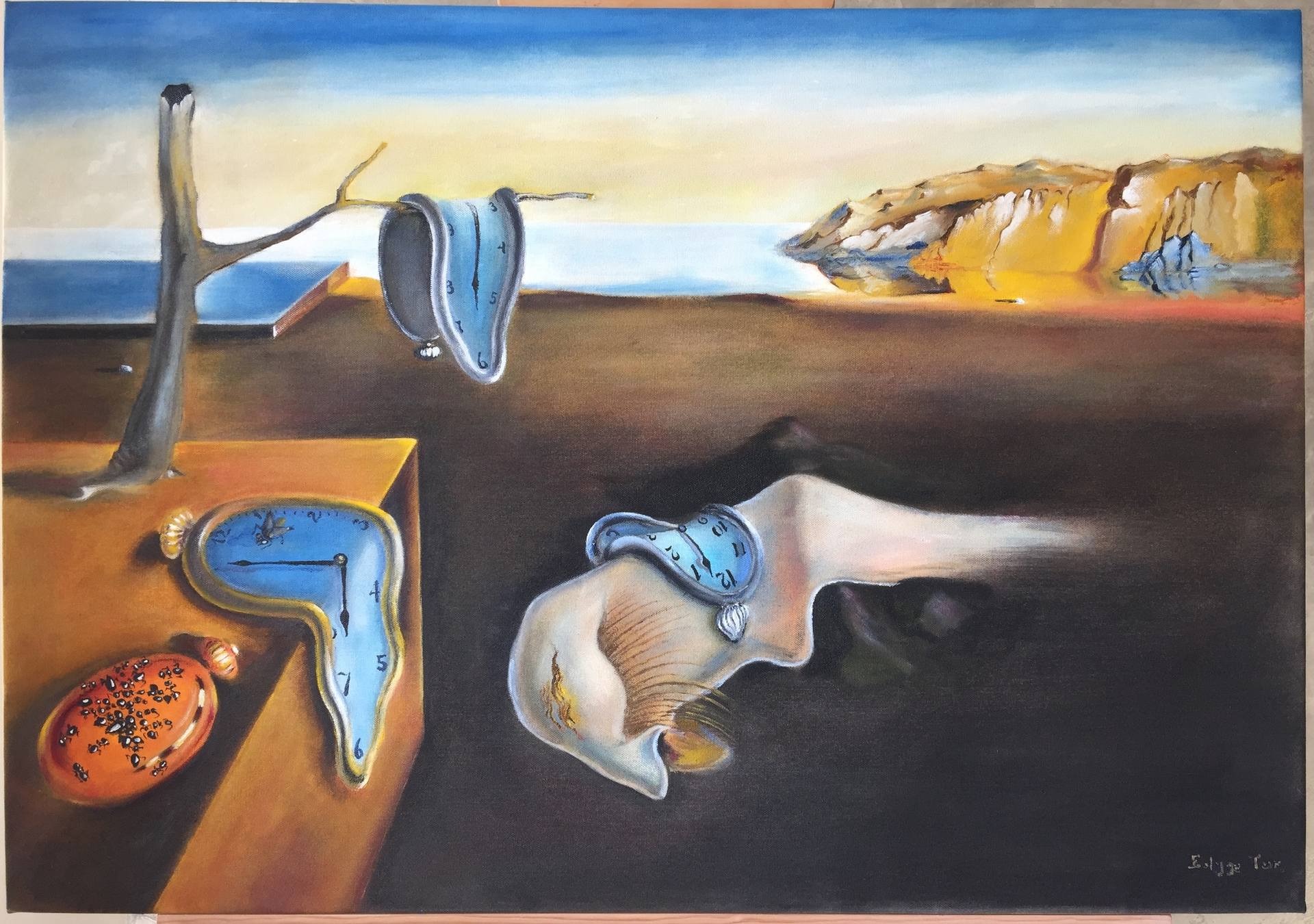
Salvador Dalí’s surreal clocks came to him after watching Camembert cheese melt in the Spanish sun. The artist called these ‘soft watches’ and used them to explore his theories about time and memory.
The landscape in the background depicts the cliffs near Dalí’s home in Catalonia, grounding the fantastical elements in a real place.
Like Go2Tutors’s content? Follow us on MSN.
Water Lilies’ Failing Eyesight

Claude Monet painted his famous pond series while suffering from cataracts, which affected his color perception and made him see more yellows and reds. The increasingly abstract nature of his later water lily paintings reflects his deteriorating vision rather than just artistic evolution.
After cataract surgery, Monet was amazed by how blue the world actually was.
The Kiss’ Golden Inspiration

Gustav Klimt’s embrace between lovers features elaborate gold leaf that was inspired by Byzantine mosaics he saw in Ravenna, Italy. The painting shows Klimt himself with his muse and probable lover, Emilie Flöge, though their relationship remained officially platonic.
The decorative patterns on their clothing create a cocoon that separates them from the world around them.
A Sunday on La Grande Jatte’s Pointillist Technique

Georges Seurat spent two years creating this massive painting using thousands of tiny dots of pure color. He studied color theory and optics to develop his pointillist technique, believing that colors would blend more vibrantly in the viewer’s eye than on the palette.
The painting depicts Parisians enjoying leisure time on an island in the Seine, capturing the emerging middle-class culture of the 1880s.
Like Go2Tutors’s content? Follow us on MSN.
The Arnolfini Portrait’s Hidden Symbols
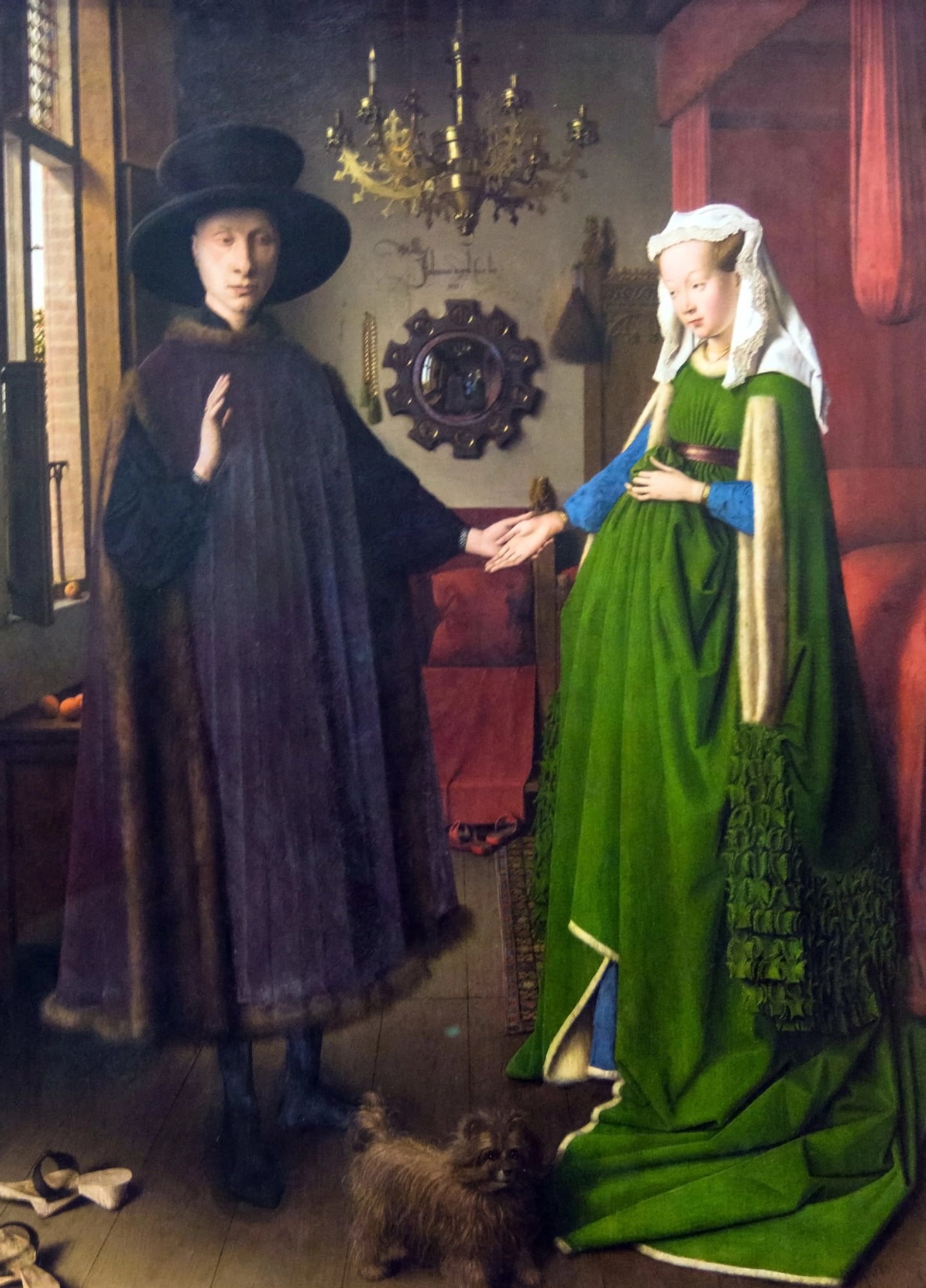
Jan van Eyck’s detailed painting contains numerous symbolic elements that tell a story beyond the surface image. The single lit candle represents the presence of the divine, while the small dog symbolizes fidelity and the oranges suggest wealth.
The convex mirror in the background shows two additional figures entering the room, possibly including van Eyck himself as a witness to the scene.
Dogs Playing Poker’s Commercial Origins
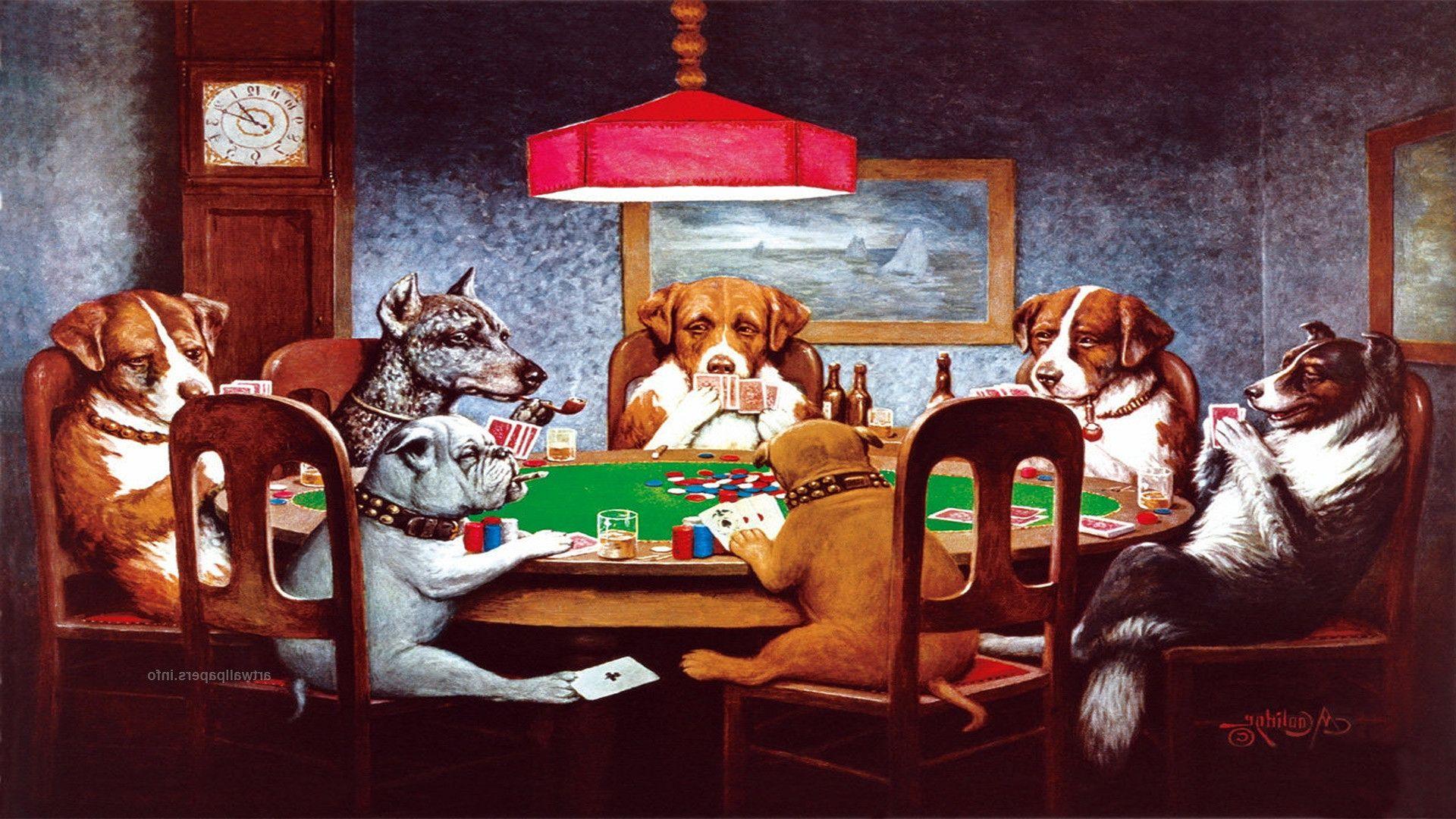
Cassius Marcellus Coolidge’s humorous paintings of anthropomorphic dogs were commissioned by a nicotine company for advertising purposes. The artist created 18 paintings in the series, with ‘A Friend in Need’ becoming the most famous for its depiction of a dog secretly passing an ace to his partner.
These works became popular in American homes despite being dismissed by art critics as lowbrow entertainment.
The Last Supper’s Experimental Disaster

Leonardo da Vinci’s famous fresco began deteriorating almost immediately after completion because the artist experimented with an untested paint mixture. Instead of using traditional fresco techniques, da Vinci applied oil and tempera to dry plaster, causing the paint to flake and fade.
The painting has undergone numerous restoration attempts over the centuries, each changing its appearance from da Vinci’s original vision.
Stories That Outlive Their Creators

These tales remind us that great art emerges from very human circumstances, whether it’s a mother filling in for a missing model or an artist painting through failing eyesight. The stories behind these masterpieces often prove as compelling as the paintings themselves, revealing the passion, struggle, and ingenuity that drove their creation.
Understanding these backstories transforms a simple gallery visit into a journey through centuries of human creativity and determination.
More from Go2Tutors!

- 18 Unexpectedly Valuable Collectibles You Might Have Lying Around
- 20 Little-Known Historical Battles That Had Huge Consequences
- 20 Historical Artifacts That Scientists Can’t Explain
- 15 Inventions That Were Immediately Banned After Being Created
- 20 Actors Who Were Almost Cast in Iconic Roles
Like Go2Tutors’s content? Follow us on MSN.



