18 Best Picture Oscar Winners from the Last Two Decades
The Academy Awards have a way of freezing moments in time. Each Best Picture winner becomes a snapshot of what Hollywood and audiences valued in that particular year — whether it’s sweeping epics, intimate character studies, or bold experimental filmmaking.
Looking back at the winners from 2005 to 2024 reveals fascinating patterns about storytelling, social consciousness, and the film industry’s evolving tastes. Some choices feel inevitable in hindsight, while others still spark heated debates among movie lovers.
Crash
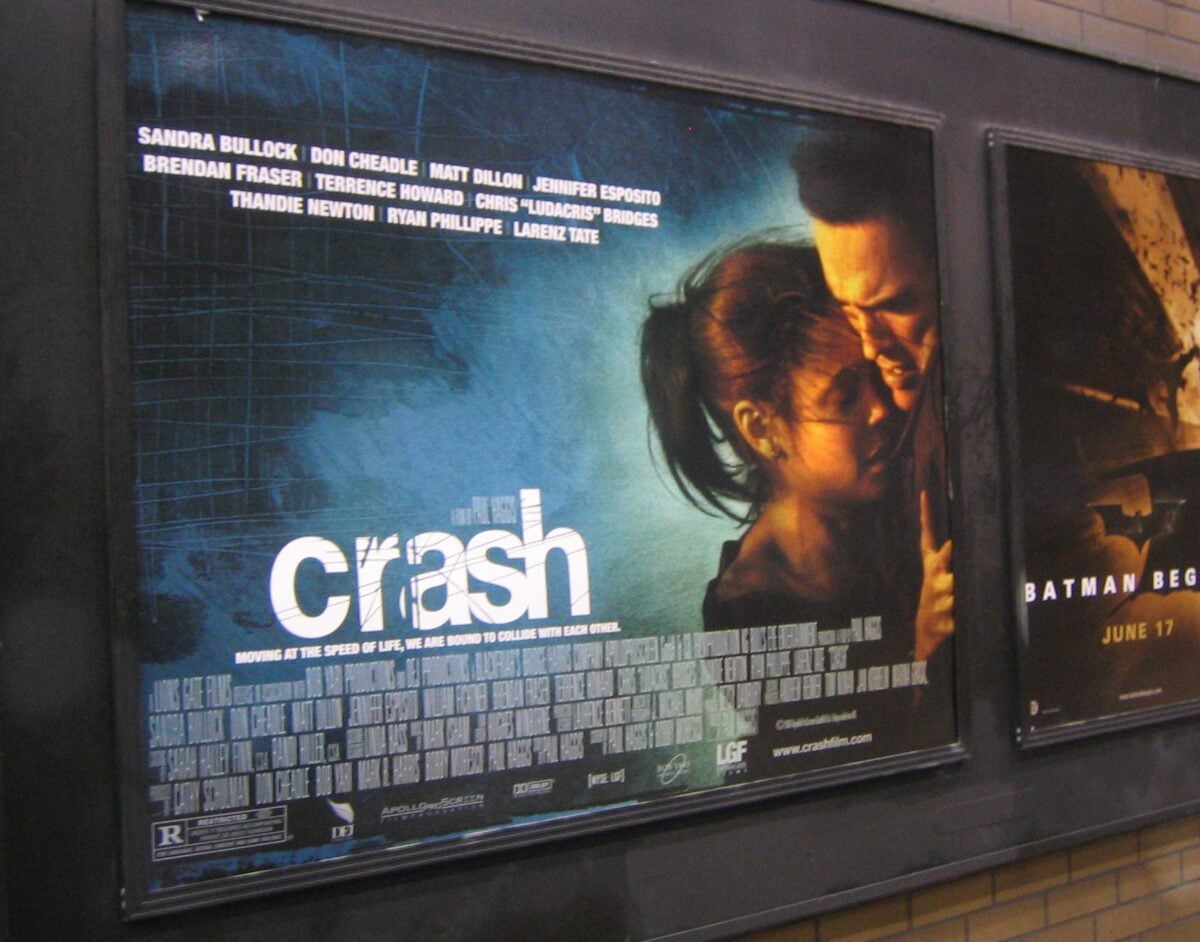
The 2005 winner remains one of the Academy’s most controversial picks. Paul Haggis crafted an ensemble drama about racial tensions in Los Angeles that felt urgent and necessary to many voters at the time.
But Crash hasn’t aged gracefully. Its heavy-handed approach to racism and coincidence-driven plot structure feels clunky now.
The film beat Brokeback Mountain, and that upset still stings for many film enthusiasts who saw it as the Academy playing it safe on a culturally sensitive issue.
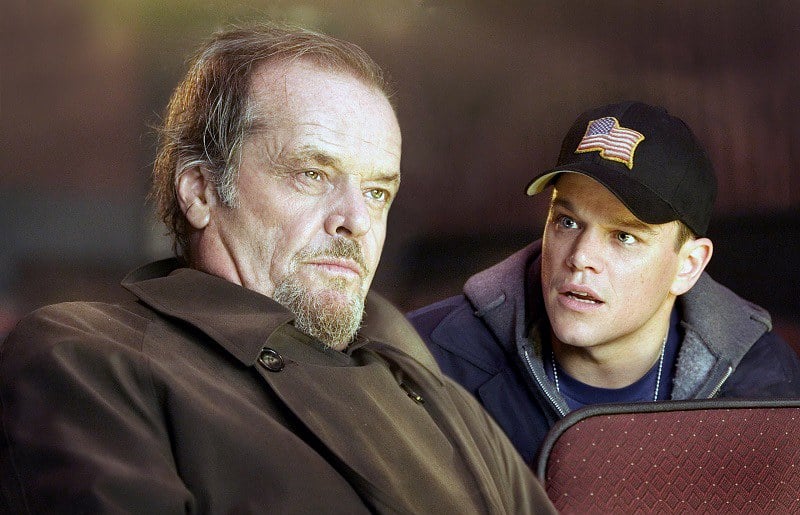
The Departed
Scorsese finally got his Oscar, and it only took him six nominations to get there. The Departed was the Academy’s way of saying sorry for overlooking Taxi Driver, Raging Bull, and Goodfellas — which is both satisfying and slightly insulting when you think about it (because those earlier films were clearly superior, but the Academy needed a commercially successful mob movie to feel comfortable honoring one of cinema’s greatest directors).
The film itself — a remake of the Hong Kong thriller Infernal Affairs — crackles with the kind of energy that comes from a master filmmaker working with premium material and an ensemble cast that includes Leonardo DiCaprio, Matt Damon, and Jack Nicholson chewing scenery like it’s his last meal. And yet something about the win feels like a makeup call rather than recognition of Scorsese’s absolute best work, though to be fair, when you’ve made as many classics as Scorsese has, even your consolation prizes can be pretty spectacular.
No Country for Old Men
Violence in the Coen Brothers’ hands becomes something closer to philosophy than entertainment. Anton Chigurh doesn’t just kill people — he erases them from existence with the methodical patience of entropy itself.
The film strips the western genre down to its existential bones. Sheriff Bell’s retirement isn’t about age catching up with him.
It’s about recognizing that some forms of evil operate beyond human understanding or intervention. The coin toss scene remains one of cinema’s most perfectly crafted moments of dread.
Slumdog Millionaire
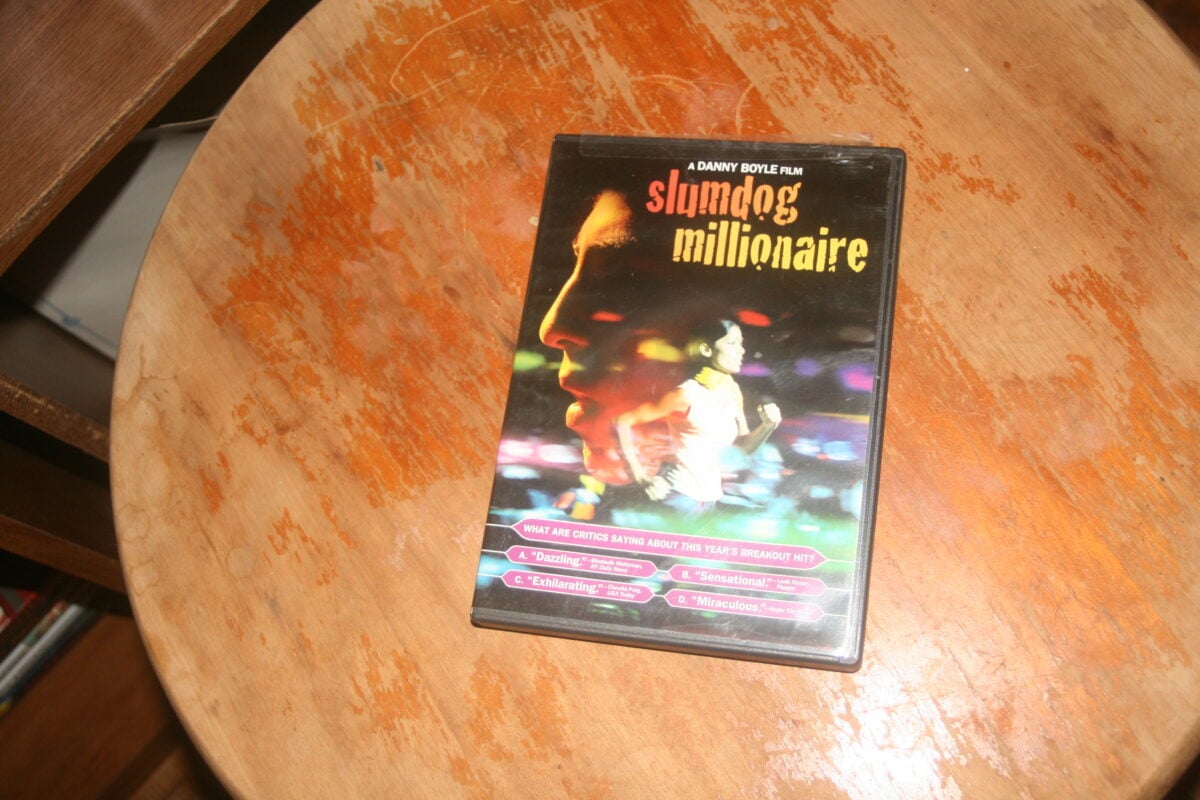
Danny Boyle’s Mumbai fairy tale arrived at exactly the right moment for Oscar voters. The film’s exuberant energy and underdog story felt like a breath of fresh air in a year dominated by heavy dramas and economic anxiety.
The movie works as pure entertainment — which shouldn’t be dismissed. Sometimes the Academy rewards films that remind people why they fell in love with movies in the first place.
Slumdog Millionaire does that without apology, even if its portrayal of poverty occasionally feels romanticized.
The Hurt Locker
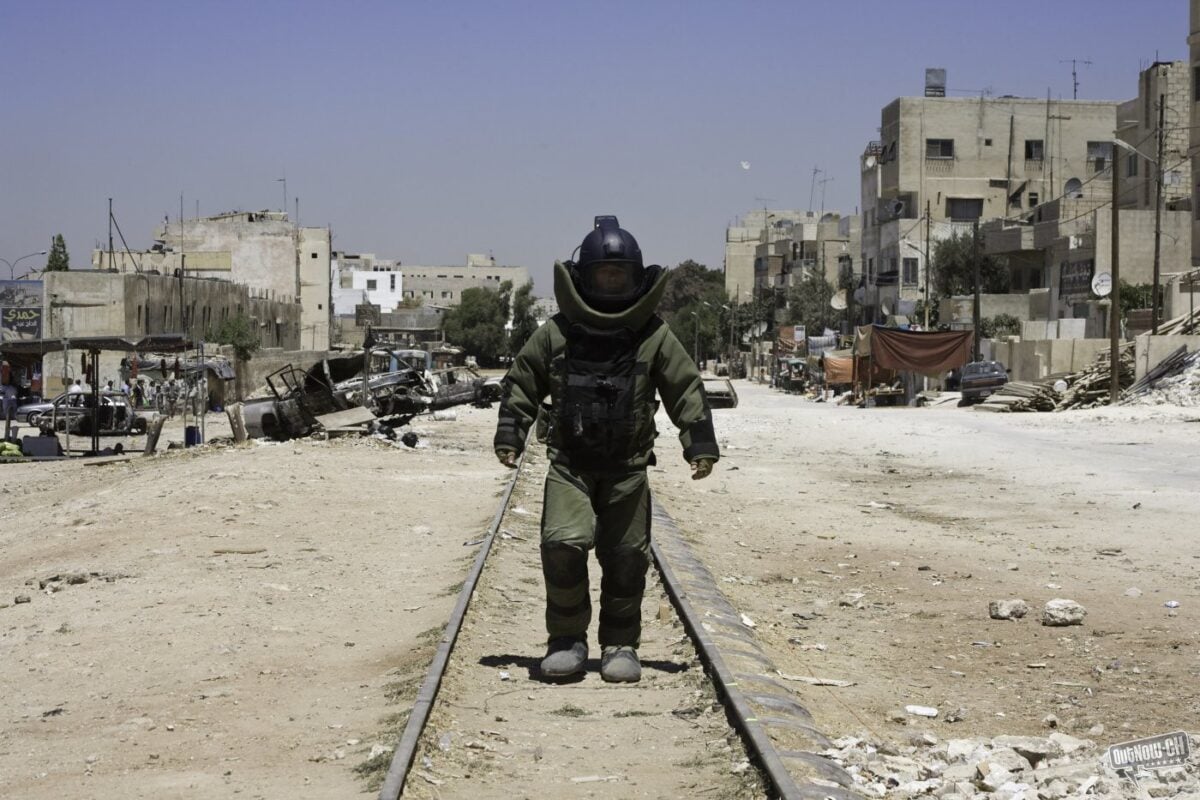
Kathryn Bigelow became the first woman to win Best Director, and she did it with a war film that refused to take political sides. The Hurt Locker focuses on the psychological toll of defusing bombs in Iraq rather than debating the war’s merits.
The film’s narrow focus becomes its strength. Jeremy Renner’s bomb disposal expert is addicted to the adrenaline rush of life-or-death situations — a character study that says more about warfare’s human cost than any sweeping political statement could.
Bigelow’s direction keeps the tension wire-tight throughout.
The King’s Speech
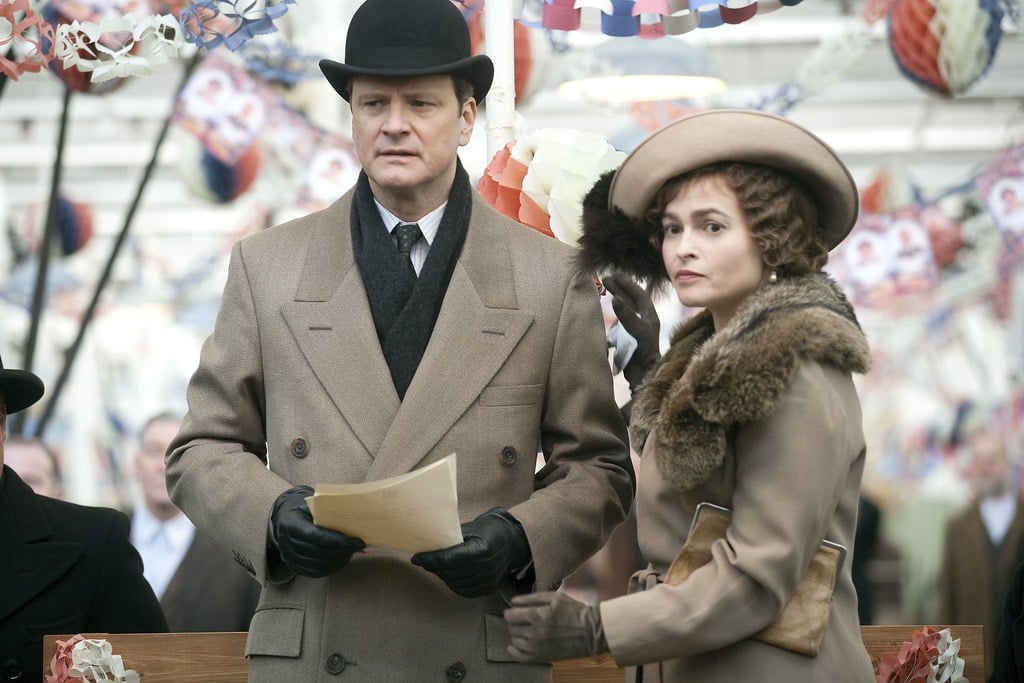
There’s something deeply comforting about watching someone overcome a fundamental limitation through sheer determination and good coaching. Colin Firth’s King George VI doesn’t conquer nations or solve world hunger — he just learns to speak clearly enough to address his people during wartime, and somehow that feels like the most important victory imaginable (which says something profound about how we connect with stories that scale human struggle down to manageable, relatable proportions rather than inflating them to superheroic dimensions).
The film arrived during a period when many people felt politically powerless and economically uncertain, so watching a man literally find his voice resonated in ways that had nothing to do with British royalty. And Geoffrey Rush as the speech therapist Lionel Logue provides the perfect counterbalance — irreverent, patient, and utterly unimpressed by titles or status. Simple story, perfectly told.
The Artist
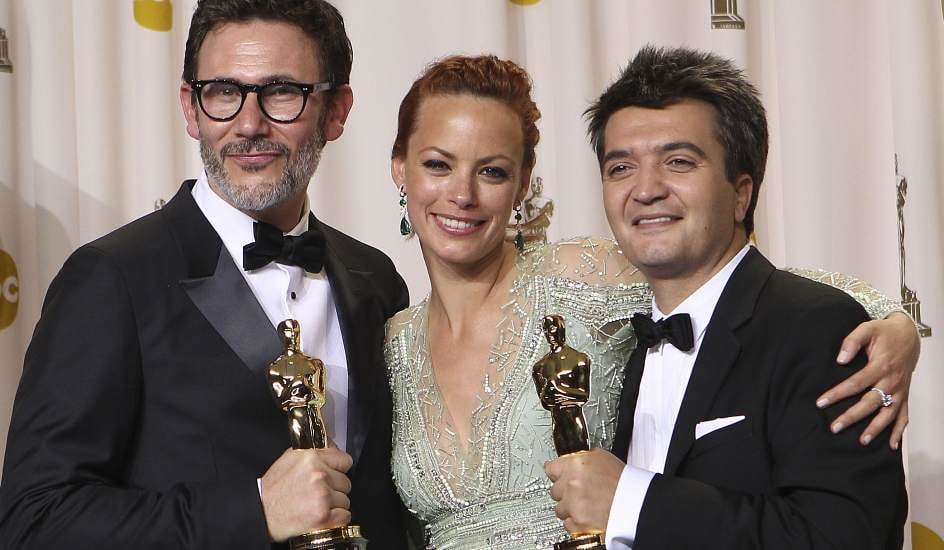
Silent films returning to prominence in 2011 felt like the Academy making a statement about cinema’s roots. Michel Hazanavicius crafted a love letter to Hollywood’s golden age that managed to feel both nostalgic and fresh.
Jean Dujardin’s performance carries the entire film without speaking a word for most of its runtime. The movie’s commitment to the silent format could have been a gimmick, but instead becomes a reminder of how much actors can communicate through expression and movement alone.
Argo
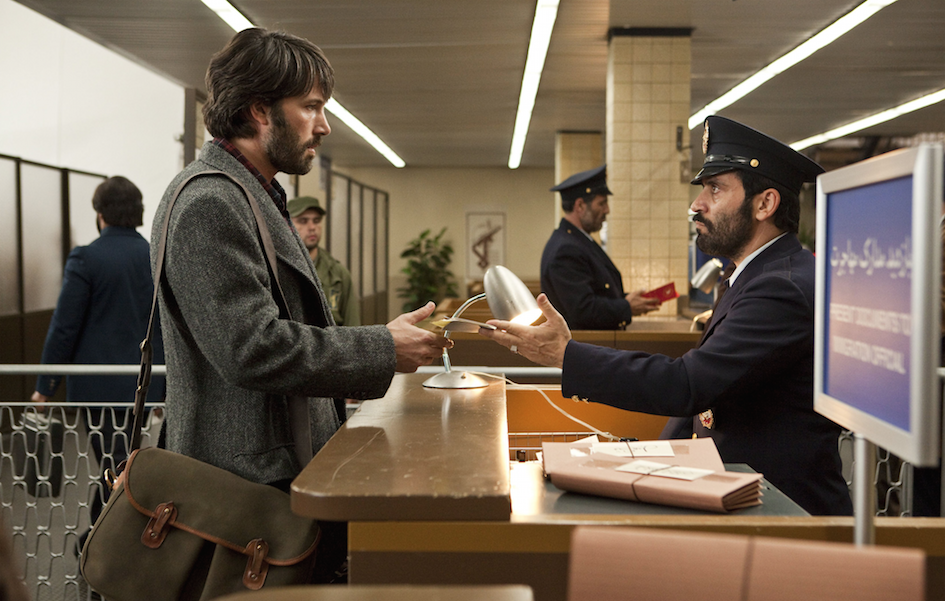
Ben Affleck pulled off one of Hollywood’s most impressive career resurrections by directing this based-on-a-true-story thriller about the Iranian hostage crisis. The film balances political tension with dark comedy in ways that feel effortless.
The movie works because it treats an absurd situation — using a fake science fiction movie as cover for a rescue mission — with complete seriousness. Affleck’s direction keeps the suspense taut even when audiences know the historical outcome.
Sometimes the best thrillers are the ones that actually happened.
12 Years a Slave
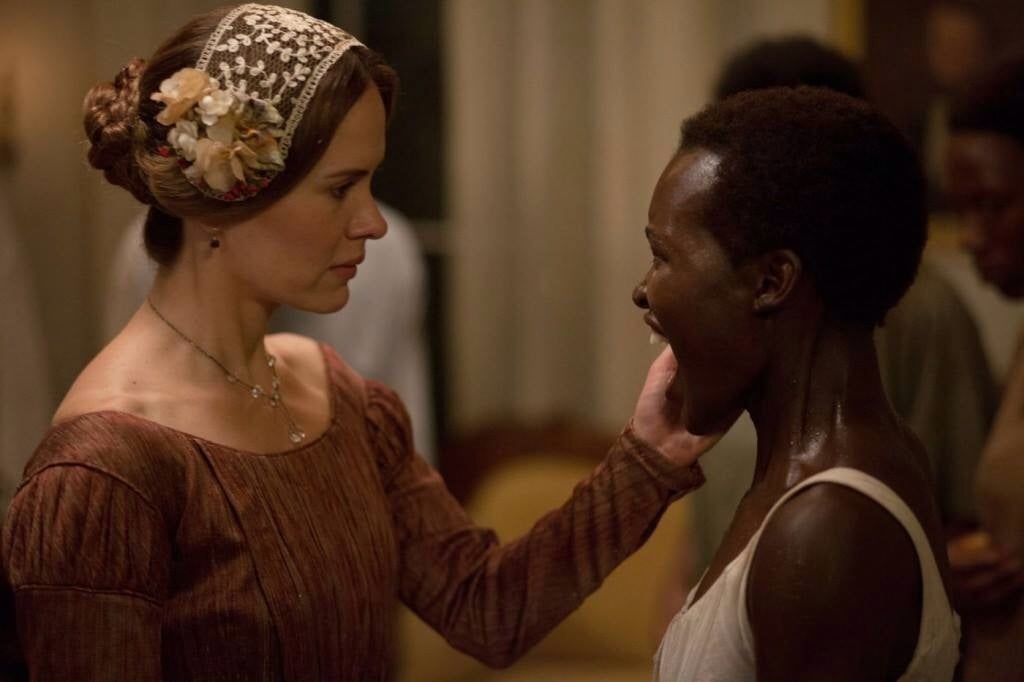
Steve McQueen’s unflinching examination of slavery refuses to offer audiences any comfortable distance from its subject matter. The film presents historical horror without softening edges or providing easy moral victories.
Chiwetel Ejiofor’s Solomon Northup becomes a witness to systematic dehumanization, and his journey from free man to enslaved person to survivor maps the full scope of American slavery’s psychological damage. The film earned its Oscar by refusing to make slavery palatable or digestible.
Some stories demand to be told without compromise, and this is one of them.
Birdman
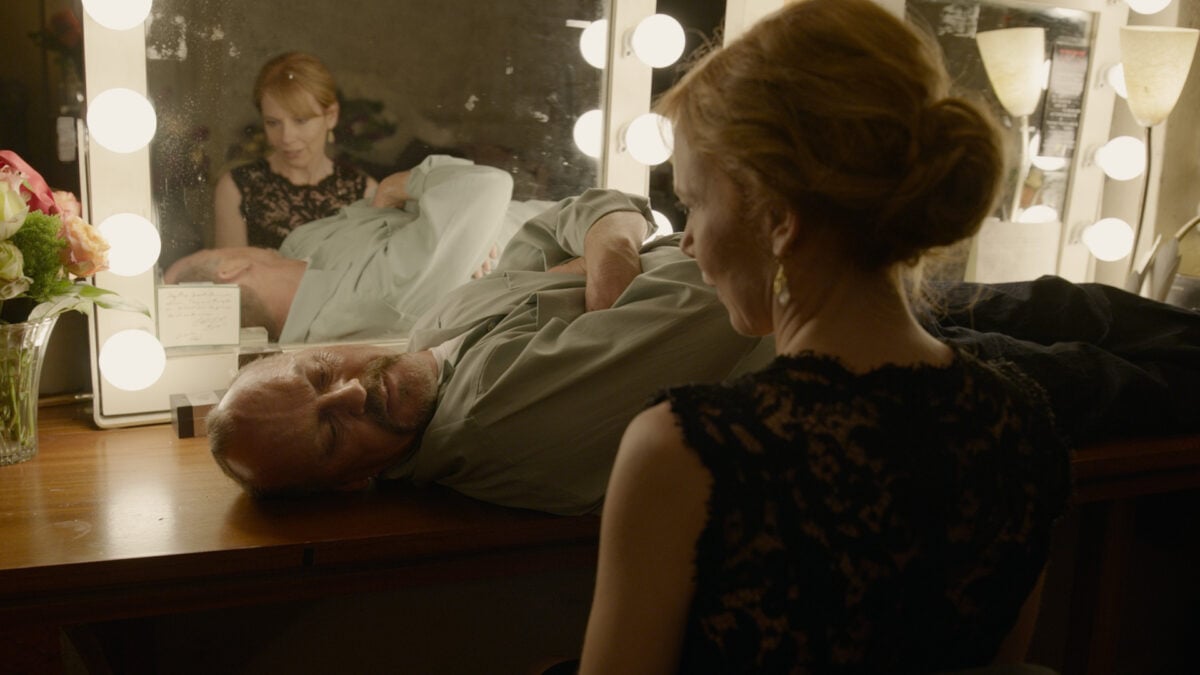
Alejandro González Iñárritu’s meditation on fame, relevance, and artistic integrity arrived disguised as a technical showcase (the film appears to be shot in one continuous take, though it’s actually composed of long, carefully choreographed sequences stitched together with invisible cuts that required months of rehearsal and precise timing from everyone involved). Michael Keaton’s washed-up superhero actor trying to mount a Broadway comeback provided perfect meta-commentary on Keaton’s own career trajectory after playing Batman in the late 1980s and early 1990s.
But the film’s real achievement lies in how it captures the psychological vertigo of an artist desperate to create something meaningful while battling his own ego, financial pressures, and the constant noise of social media commentary. The magical realism elements — does Riggan actually have telekinetic powers, or is everything just psychological projection? — keep the story grounded in emotional truth rather than literal reality.
Spotlight
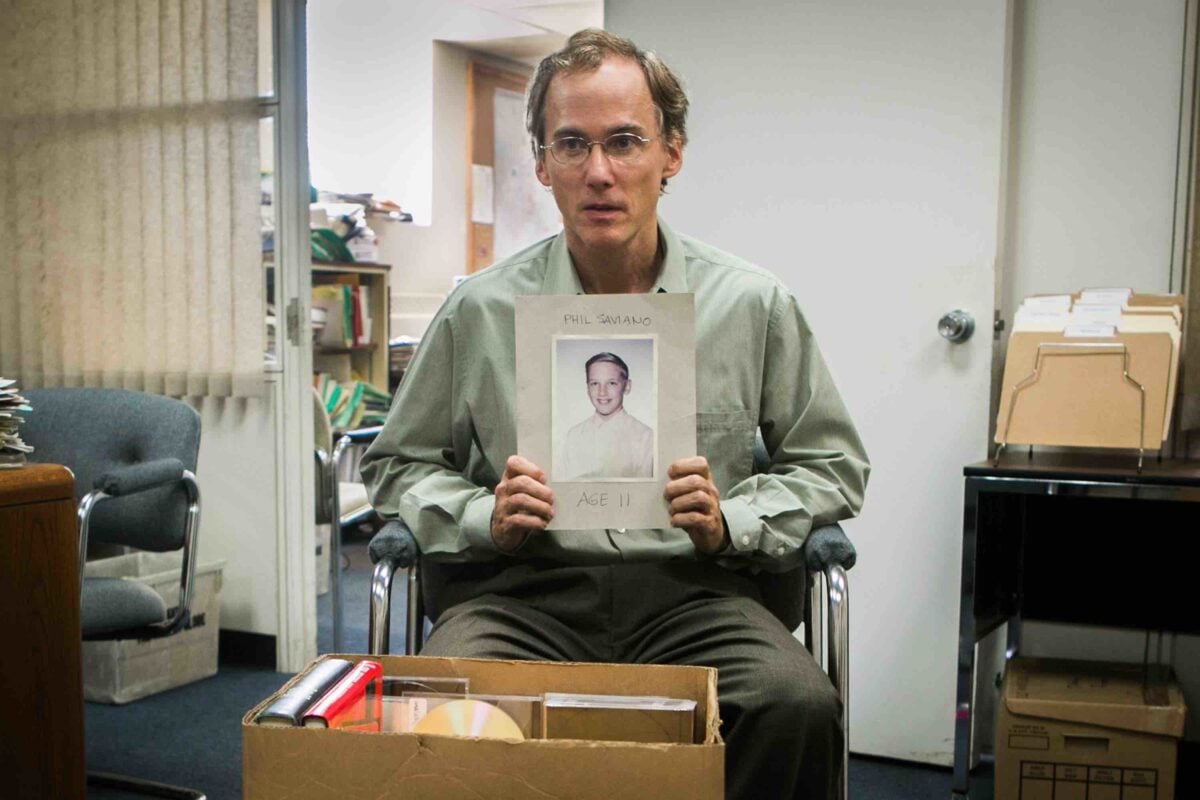
Journalism procedurals rarely win Best Picture, but Spotlight earned its Oscar by treating investigative reporting like detective work. The film follows the Boston Globe’s investigation into Catholic Church abuse with methodical precision.
The movie’s restraint becomes its greatest asset. Rather than sensationalizing the scandal, director Tom McCarthy lets the facts accumulate slowly until their weight becomes undeniable. The performances feel documentary-real, which makes the story’s revelations even more devastating.
Moonlight
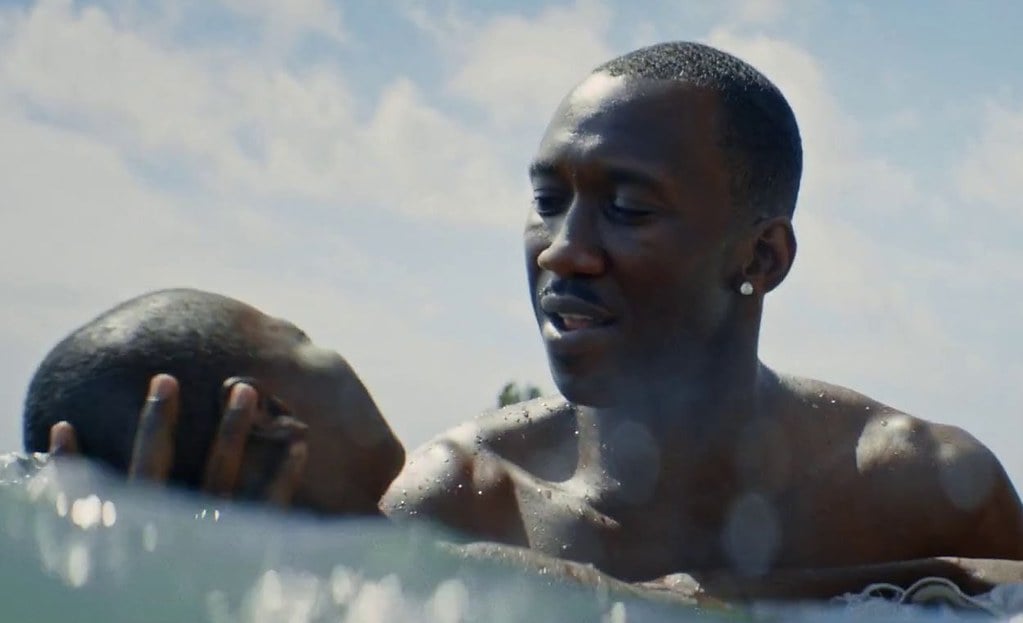
Barry Jenkins crafted a coming-of-age story that operates in whispers rather than declarations. The film’s three-act structure follows Chiron at different life stages, each revealing new layers of identity and self-acceptance.
Moonlight‘s win represented the Academy embracing more diverse storytelling approaches. The film’s poetry and restraint created space for audiences to feel rather than simply observe.
Its upset victory over La La Land — complete with the envelope mix-up drama — became one of Oscar night’s most memorable moments.
The Shape of Water

Guillermo del Toro’s fairy tale romance between a mute woman and an amphibious creature shouldn’t work, but somehow becomes deeply moving. The film treats its fantastical premise with complete emotional sincerity.
Sally Hawkins delivers a nearly wordless performance that communicates volumes about loneliness, connection, and the transformative power of love. Del Toro’s direction creates a world where monsters are more human than the humans, and beauty exists in the most unexpected places.
Green Book
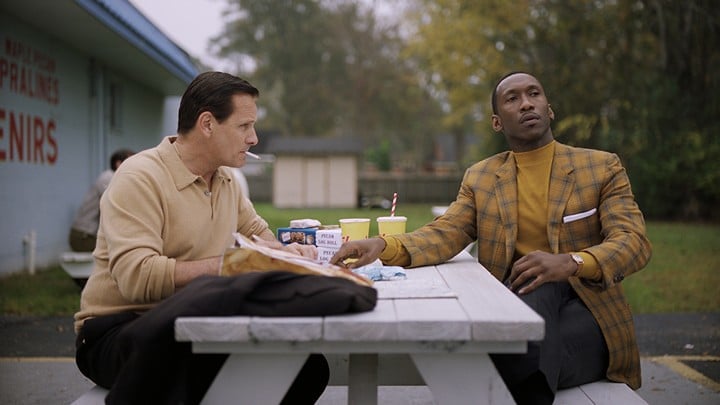
The road trip friendship between a Black pianist and his white driver hit familiar beats but executed them with genuine warmth. Viggo Mortensen and Mahershala Ali’s chemistry carries the film through its more predictable moments.
Critics accused the film of offering a sanitized view of racism, but audiences responded to its message of personal connection overcoming prejudice. Sometimes the Academy rewards films that choose hope over cynicism, even when the approach feels overly optimistic.
Parasite
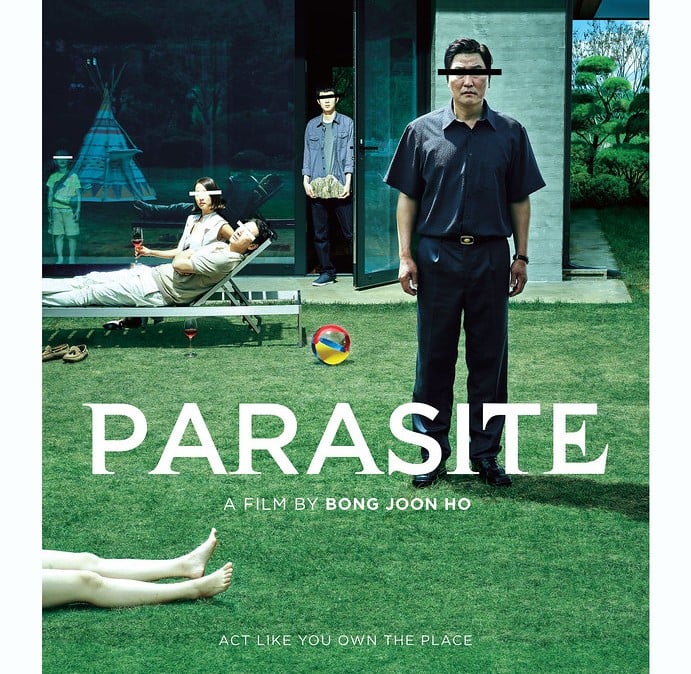
Bong Joon-ho’s class warfare thriller broke the Academy’s resistance to subtitled films by being simply too good to ignore. The movie works as horror, comedy, and social commentary without sacrificing effectiveness in any category.
Parasite‘s win felt like a watershed moment for international cinema’s recognition at the Oscars. The film’s genre-blending approach and razor-sharp social observations proved that great storytelling transcends language barriers.
Bong’s acceptance speech joke about subtitles opening up “many more amazing films” felt like a promise.
Nomadland
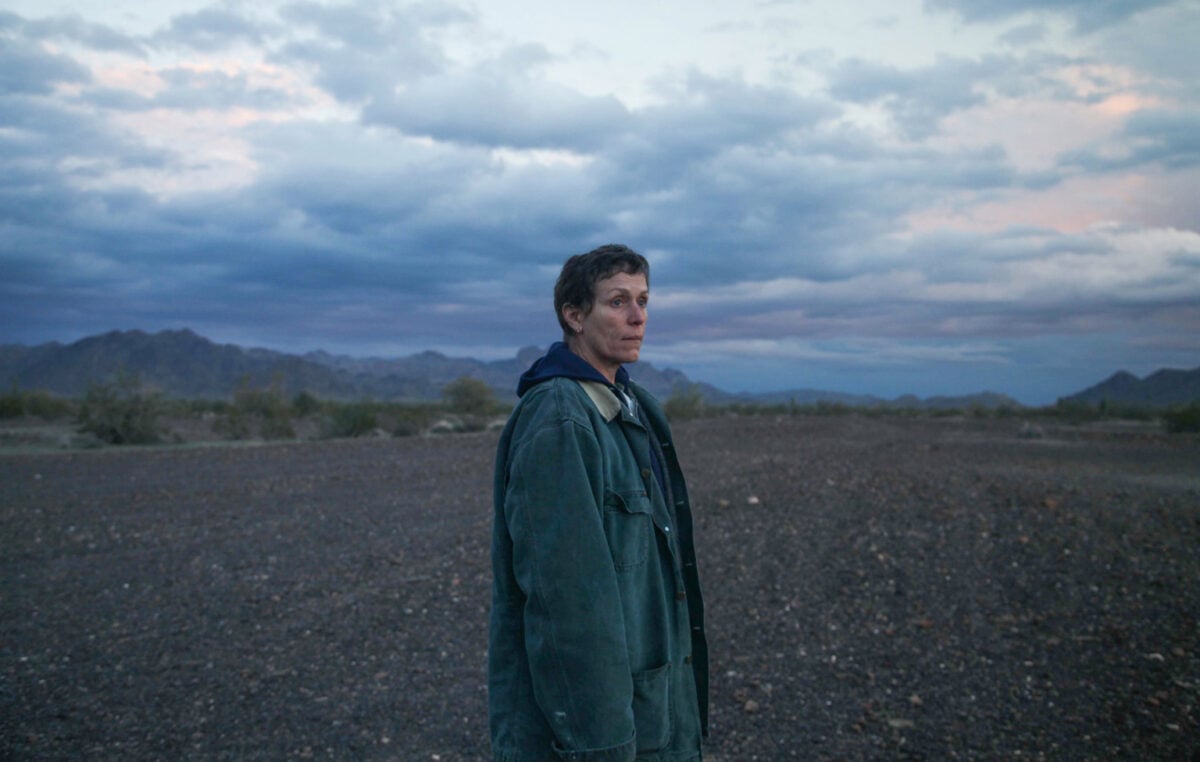
Chloé Zhao’s meditation on American displacement follows Frances McDormand’s Fern as she travels the country in a van after losing everything in the 2008 recession (a character study that doubles as documentary about real nomadic communities scattered across the American West, since Zhao cast actual nomads alongside professional actors and let their genuine stories shape the film’s emotional landscape). The movie arrived during a pandemic year when many people felt similarly unmoored from their previous lives, making Fern’s journey toward self-sufficiency and community feel particularly resonant.
McDormand’s performance strips away all vanity and self-pity — she presents Fern as someone making practical choices rather than romantic ones. And Zhao’s direction finds beauty in landscapes and faces that Hollywood typically ignores: the overlooked spaces where people rebuild their lives after economic catastrophe.
CODA
This small-budget film about a hearing teenager in a deaf family became the first streaming service movie to win Best Picture. Sian Heder’s direction balances family comedy with genuine insight into deaf culture and communication.
Emilia Jones carries the film as Ruby, torn between family loyalty and personal ambition. The movie earned its win by treating deafness as a cultural difference rather than a limitation, while telling a universal story about growing up and finding independence.
Apple’s victory marked a significant shift in how the Academy views streaming versus theatrical releases.
Everything Everywhere All at Once
Daniels created something unprecedented — a multiverse action comedy that somehow becomes the year’s most emotionally devastating film about family relationships. Michelle Yeoh’s laundromat owner fights through infinite realities to reconnect with her daughter, and the journey covers everything from hot dog fingers to googly eyes philosophy.
The film’s maximalist approach could have been exhausting, but instead becomes exhilarating. By embracing absolute chaos, the movie finds genuine wisdom about kindness, acceptance, and the courage required to love imperfect people.
Its seven Oscar wins felt like the Academy finally catching up with audiences who had been celebrating bold, original filmmaking all along.
When Stories Become History
These eighteen films don’t just represent the Academy’s choices — they map the cultural anxieties and hopes of two decades. From post-9/11 paranoia to economic displacement to pandemic isolation, each winner carries the weight of its historical moment while trying to achieve something timeless.
The best among them manage that balance. They speak to their specific moment while creating characters and situations that transcend their original context.
The weaker choices feel too tied to their time, destined to become footnotes rather than classics. But even the footnotes matter, because they show us what we were thinking about, worrying about, and hoping for when the world felt uncertain.
More from Go2Tutors!

- The Romanov Crown Jewels and Their Tragic Fate
- 13 Historical Mysteries That Science Still Can’t Solve
- Famous Hoaxes That Fooled the World for Years
- 15 Child Stars with Tragic Adult Lives
- 16 Famous Jewelry Pieces in History
Like Go2Tutors’s content? Follow us on MSN.