15 Coffee Myths You’ve Always Believed (That Just Aren’t True)
Coffee is more than just a morning ritual for millions of people worldwide—it’s a cultural phenomenon wrapped in tradition, preference, and surprisingly, quite a bit of misinformation. From your grandmother’s warnings about stunted growth to baristas insisting on specific brewing temperatures, coffee advice often gets passed around as fact when it’s actually fiction.
Here is a list of 15 coffee myths that have been brewing for generations but don’t hold up under scrutiny.
Dark Roast Has More Caffeine

Contrary to popular belief, dark roast coffee actually contains slightly less caffeine than lighter roasts. The extended roasting process breaks down some of the caffeine molecules.
The robust, intense flavor of dark roast comes from oils released during longer roasting times and has nothing to do with caffeine content. Think of it like cooking meat—the longer you cook it, the more flavors develop, but certain nutrients diminish.
Coffee Dehydrates You

Although coffee is a mild diuretic, studies indicate that moderate use—3-4 cups per day—does not cause dehydration. Coffee actually helps your body to keep most of the water, which adds toward your regular fluid consumption.
Though it doesn’t mean a net fluid loss, many people find they go to the bathroom more often after consuming coffee, which may explain the ongoing myth of dehydration.
Coffee Stunts Growth

Decades without any scientific evidence, this myth has haunted youths inquisitive about coffee. No research has ever shown a link between coffee use and impaired physical growth in teenagers.
Early 20th-century advertising campaigns against caffeine, which were aimed at children and overstated possible health issues, most certainly gave rise to this fallacy.
Espresso Contains More Caffeine Than Regular Coffee

A typical 8-ounce cup of drip coffee has roughly 95 mg, whereas an average shot of espresso has about 63 mg. Though drunk in far lesser amounts, espresso has a greater concentration per ounce.
Espresso’s strong taste and quick energy boost, which results from ingesting caffeine quickly rather than from a higher overall amount, cause the misunderstanding.
Coffee Should Be Stored in the Refrigerator

Storing coffee beans in the refrigerator actually accelerates their deterioration due to moisture and odor absorption. Coffee beans are like little sponges that absorb surrounding aromas and moisture, which is why that forgotten box of baking soda in your fridge exists.
The best storage method is an airtight container kept in a cool, dark place away from direct sunlight.
Decaf Coffee Contains No Caffeine

Decaffeinated doesn’t mean caffeine-free. Most decaf coffees still contain about 2-5 mg of caffeine per cup, compared to regular coffee’s 95 mg.
The decaffeination process removes approximately 97% of caffeine, not 100%. For those extremely sensitive to caffeine or under strict medical restrictions, even decaf might need to be approached with caution.
Coffee Sobers You Up

Despite what your college friends might have told you, coffee cannot reduce blood alcohol levels or accelerate alcohol metabolism. Caffeine can make an intoxicated person feel more alert, creating a dangerous illusion of sobriety while motor skills and judgment remain impaired.
This myth is particularly hazardous because it might encourage someone to drive when they shouldn’t.
Morning Is the Optimal Time for Coffee

Science suggests that early morning might actually be the worst time to drink coffee. Your body naturally produces cortisol upon waking, providing a natural energy boost.
Adding caffeine during peak cortisol production (8-9 AM for most people) contributes less to alertness and potentially builds caffeine tolerance faster. Mid-morning or early afternoon, when cortisol levels dip, might be more effective times.
You Need Expensive Equipment for Great Coffee

Good coffee doesn’t require a $500 machine. Simple, inexpensive brewing methods like French press, pour-over, or even a quality drip machine can produce exceptional results.
The factors that truly impact quality are freshness of beans, grind consistency, water quality, and proper brewing technique. Many professional baristas prefer manual brewing methods precisely because of their simplicity and control.
Freezing Coffee Beans Preserves Freshness
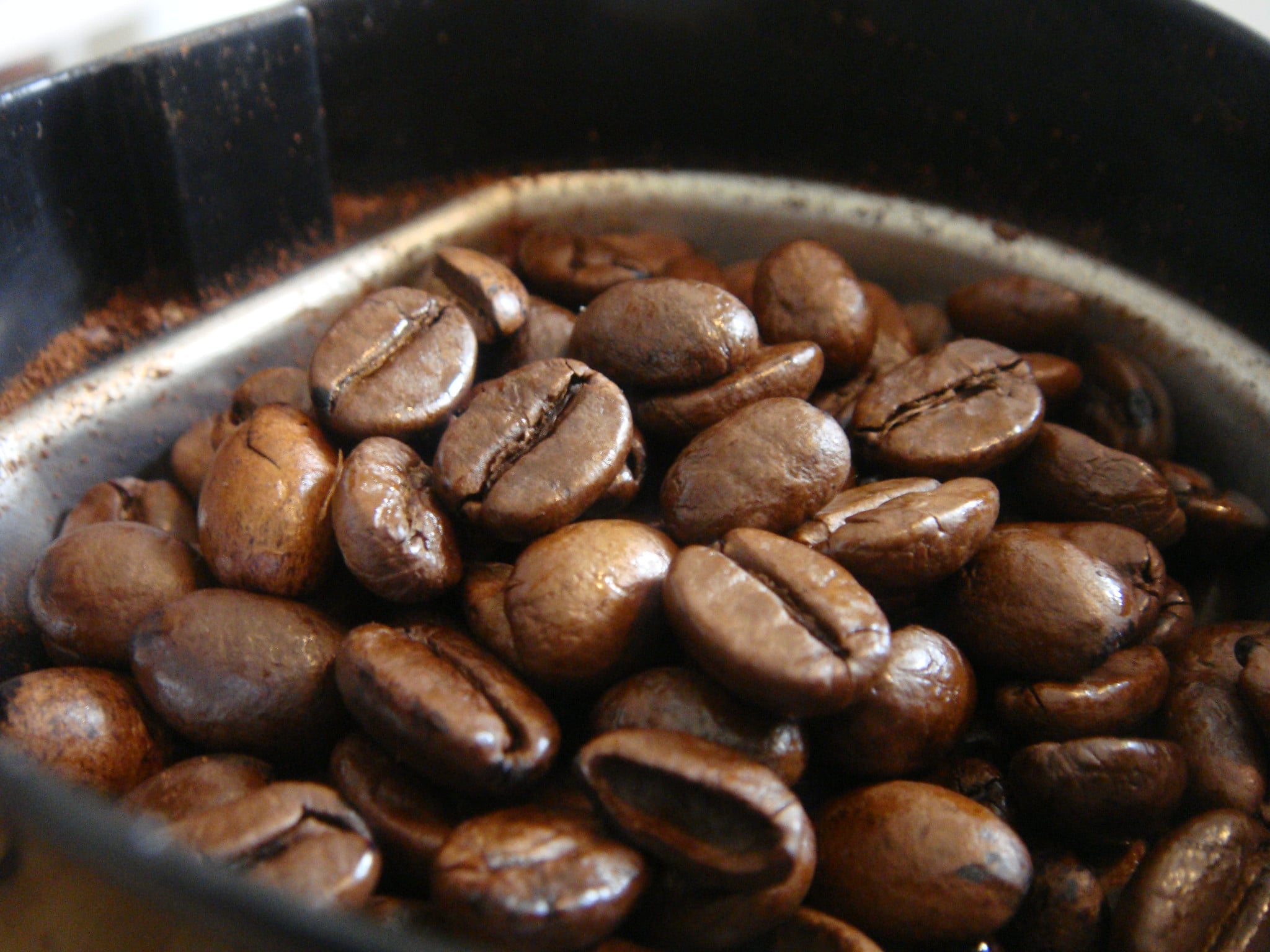
Freezing introduces moisture to coffee beans through condensation whenever the container is opened, degrading flavor over time. Coffee beans contain hundreds of volatile compounds that contribute to aroma and taste, many of which are altered by freezing temperatures.
Instead of freezing, buy smaller quantities of freshly roasted beans and use them within two weeks for optimal flavor.
Boiling Water Makes Better Coffee

Water that’s too hot (above 205°F) extracts bitter compounds from coffee grounds, resulting in an unpleasant taste. The ideal brewing temperature is between 195-205°F, just below boiling.
This temperature range extracts the desirable flavors without pulling out excessive bitterness. Letting boiled water rest for about 30 seconds before brewing typically achieves this ideal temperature.
Coffee Is Bad for Your Heart

Moderate coffee consumption (3-5 cups daily) has actually been associated with a reduced risk of heart disease in numerous studies. Recent research suggests that compounds in coffee may have anti-inflammatory and antioxidant effects that benefit cardiovascular health.
Earlier studies that linked coffee to heart problems often failed to account for accompanying risk factors like smoking.
Afternoon Coffee Causes Insomnia

While individual sensitivity varies, research indicates that caffeine consumed 6+ hours before bedtime doesn’t significantly impact sleep quality for most people. The half-life of caffeine in the body is typically 4-6 hours, meaning half is metabolized within that timeframe.
Your afternoon coffee break at 2 PM is unlikely to affect your 10 PM bedtime for most people.
Darker Beans Contain Less Acid

Bean darkness isn’t directly correlated with acidity levels. While dark roasting does reduce some acids, it increases others, particularly those responsible for bitter notes.
The perception of lower acidity in dark roasts often comes from increased body and decreased brightness, which masks acidic sensations. Cold brewing actually reduces acidity more effectively than dark roasting.
Coffee Comes from Beans

Coffee ‘beans’ aren’t beans at all—they’re seeds from a fruit called a coffee cherry. These cherries grow on coffee trees and turn bright red when ripe.
Each cherry typically contains two seeds which are processed, dried, roasted, and ground to create what we know as coffee. Referring to them as beans is a misnomer that has become standard terminology in the industry.
Coffee Through the Ages

From ancient Ethiopian legends of discovery to today’s specialty coffee movement, coffee has evolved from medicine to ritual to art form. Throughout history, coffee has survived numerous attempts to discredit or ban it, including religious prohibitions and health scares.
The persistence of these myths demonstrates coffee’s cultural significance—we care enough about it to debate its virtues and vices with passion.
The next time someone shares coffee ‘wisdom,’ remember that many commonly held beliefs are simply myths. Coffee, like many of life’s pleasures, is best enjoyed with knowledge, moderation, and appreciation for its true qualities rather than misconceptions.
More from Go2Tutors!

- The Romanov Crown Jewels and Their Tragic Fate
- 13 Historical Mysteries That Science Still Can’t Solve
- Famous Hoaxes That Fooled the World for Years
- 15 Child Stars with Tragic Adult Lives
- 16 Famous Jewelry Pieces in History
Like Go2Tutors’s content? Follow us on MSN.