18 Bizarre Facts You Never Knew About Your Senses
Although your five senses may appear to be fairly simple, they are actually performing some amazing feats in the background. These sensory organs are far more intricate and fascinating than most people realize, from the surprising memory abilities of your nose to the secret superpowers of your tongue.
Scientists are still working to fully understand the many peculiarities, mysteries, and downright strange abilities of the human sensory system. These eighteen strange facts about your senses will alter your perspective on how you see, hear, taste, smell, and touch the world.
Your Nose Can Remember 50,000 Different Scents

While your brain might struggle to remember where you put your keys, your nose is basically a scent encyclopedia. Scientists estimate that humans can distinguish between roughly 50,000 different odors, and some research suggests this number could be even higher.
Your olfactory system creates a unique neural pattern for each smell, filing them away like a massive library of scent memories that can instantly transport you back to childhood or trigger vivid recollections.
You Actually Have Way More Than Five Senses
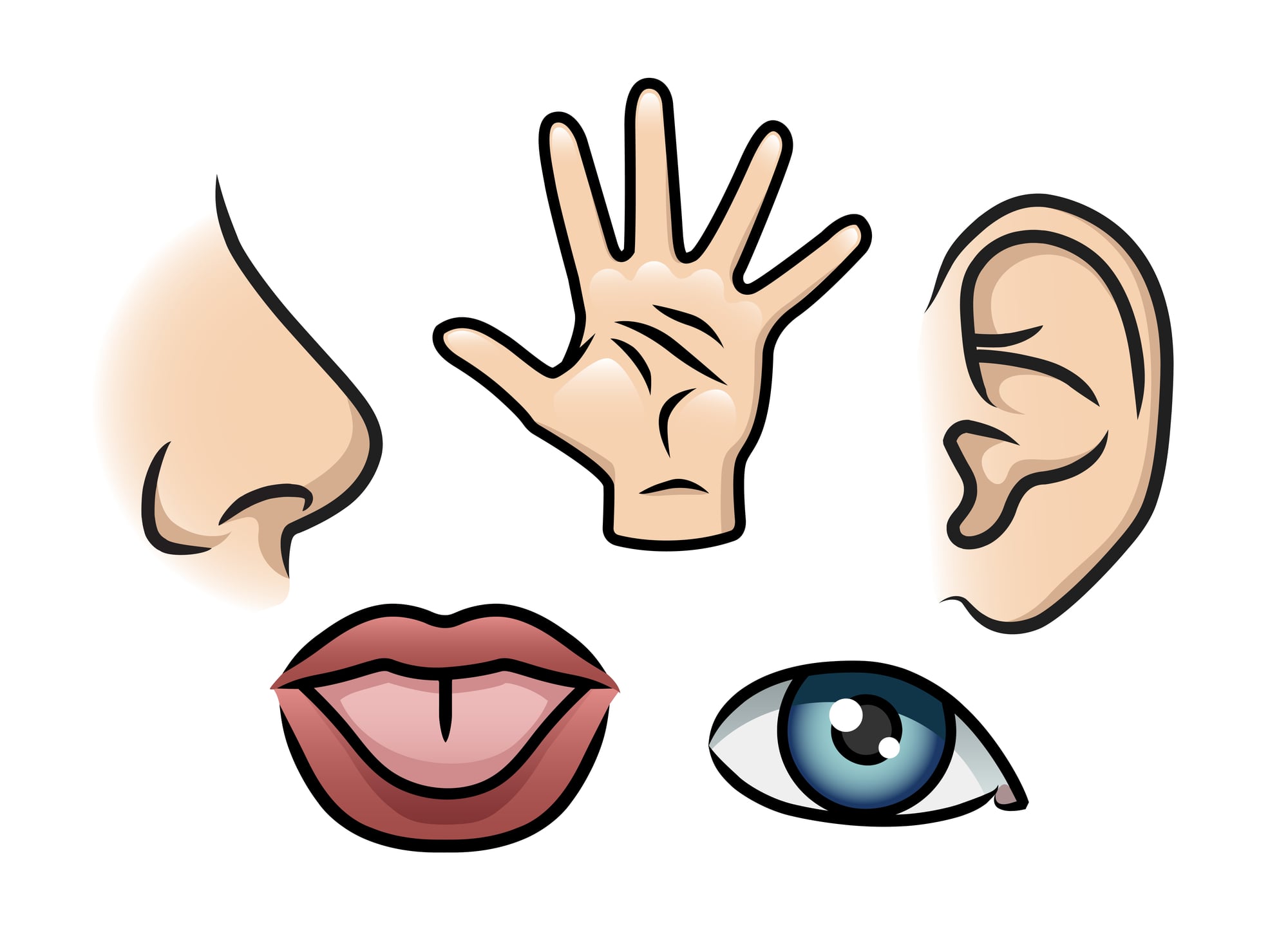
The whole ‘five senses’ thing is a major oversimplification that’s been bugging scientists for years. Depending on how you count, humans actually have anywhere from nine to twenty-one different senses.
These include your sense of balance, your awareness of body position in space, your ability to sense temperature changes, pain detection, and even your internal sense of time passing.
Your Eyes Make Tiny Movements 100,000 Times Per Day

Your eyes are actually twitching in tiny movements known as microsaccades, even when you believe you are looking at something motionless. Vision depends entirely on these small, involuntary eye movements, which occur roughly three times per second.
Without them, you wouldn’t be able to see stationary objects for a short time because the image would quickly fade from your retina.
Taste Buds Aren’t Just on Your Tongue

You may find this a bit repulsive, but your mouth is filled with taste buds that act as tiny taste detectors. They’re on your tongue, of course, but they’re also on your cheeks, throat, eyelids, and roof of your mouth.
The eyelid ones are believed to be evolutionary remnants from our distant ancestors, while the ones in your throat help explain why some medications taste terrible when taken.
Your Brain Fills in a Massive Blind Spot
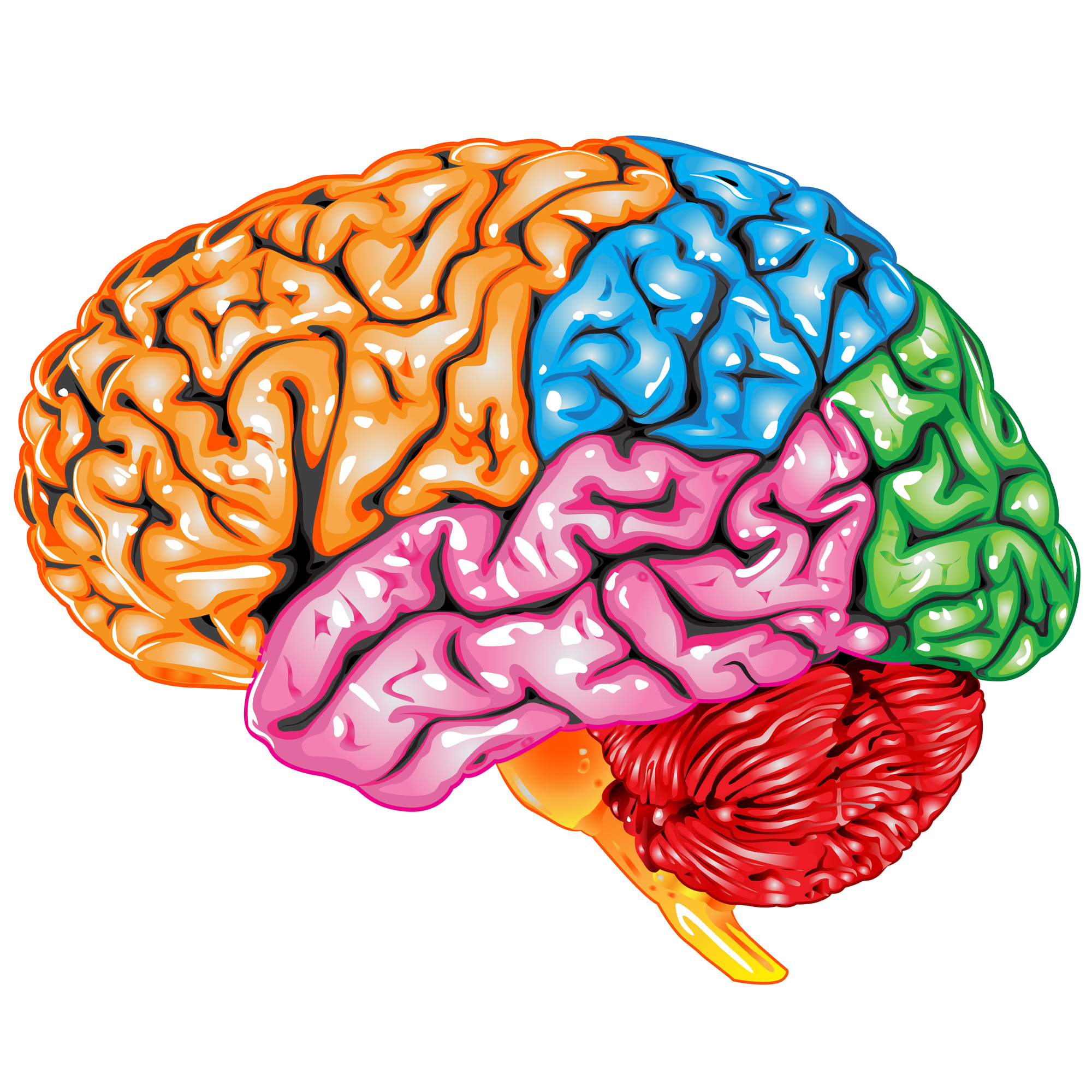
Everyone has a blind spot in each eye where the optic nerve connects to the retina, creating an area with zero light-detecting cells. This blind spot is actually pretty large—about the size of nine full moons lined up side by side.
Your brain constantly fills in this gap using surrounding visual information, which is why you never notice it during normal daily activities.
Smell and Taste Are Basically the Same Thing

About 80% of what we think of as ‘taste’ is actually smell in disguise. When you chew food, aromatic compounds drift up through the back of your throat to your nose, where they trigger your olfactory receptors.
This is why food tastes so bland when you have a stuffy nose—your taste buds can only detect sweet, sour, salty, bitter, and umami, while your nose handles all the complex flavors.
Your Ears Keep Working While You Sleep
Unlike your eyes, which essentially shut down during sleep, your ears stay on duty 24/7. Your auditory system continues processing sounds throughout the night, which is why certain noises can wake you up while others don’t.
Your brain learns to filter out consistent background sounds like air conditioners while staying alert for potentially important noises like your name being called or unusual sounds.
Touch Receptors Vary Wildly Across Your Body

The density of touch receptors in different parts of your body creates a weird sensory map that doesn’t match your actual physical proportions. Your lips and fingertips are absolutely packed with touch receptors, making them incredibly sensitive, while your back has relatively few.
If you drew a person based on touch sensitivity rather than actual size, they’d have enormous lips and fingertips with a tiny torso.
Your Eyes See Everything Upside Down

The lens in your eye actually flips the image of everything you look at, projecting an upside-down version onto your retina. Your brain automatically flips it right-side up again, but this process is so seamless that you never realize it’s happening.
Scientists have done experiments with special glasses that flip vision, and after a few days of adjustment, people’s brains learn to flip the already-flipped image, making everything look normal again.
Some People Can Hear Colors

Synesthesia is a fascinating condition where senses get cross-wired, creating experiences like hearing colors or tasting sounds. People with chromesthesia, one type of synesthesia, consistently associate specific sounds with particular colors—like always seeing purple when they hear a violin or bright yellow for high-pitched beeps.
This isn’t imagination or metaphor; brain scans show that their auditory processing actually triggers visual areas of the brain.
Your Tongue Has a Texture Map

Different areas of your tongue are more sensitive to certain textures than others, creating what scientists call a ‘texture map.’ The tip of your tongue is particularly good at detecting smooth versus rough textures, while the sides are better at sensing whether something is hard or soft.
This texture sensitivity helps you identify food safety and ripeness before you swallow anything potentially harmful.
Humans Can Detect Single Photons of Light

Under perfect conditions, your eyes are sensitive enough to detect just one photon—the smallest possible unit of light. This makes human vision incredibly efficient, rivaling some of the most sensitive scientific instruments.
However, your brain usually requires several photons hitting nearby receptors before it registers the signal as actual light, which prevents you from being overwhelmed by random photon noise.
Your Nose Can Detect Fear in Others

Humans produce different chemical signatures when experiencing various emotions, and your nose can actually pick up on some of these. Studies have shown that people can detect stress-related chemicals in sweat, and exposure to these fear-related scents can trigger anxiety responses in others.
This chemical communication system operates below conscious awareness but might influence social interactions more than we realize.
Temperature Affects How Things Taste

The temperature of food dramatically changes how your taste buds perceive flavors, and it’s not just about preference. Cold temperatures dull sweet and bitter tastes while enhancing sour flavors, which is why ice cream needs more sugar than you’d expect and why cold coffee tastes more bitter.
Hot temperatures do the opposite, intensifying sweetness and bitterness while reducing sour perception.
Your Eyes Can Detect Magnetic Fields
Recent research suggests that humans might have a rudimentary magnetic sense similar to migrating birds, though we’re probably not consciously aware of it. Some studies indicate that certain proteins in the human eye can detect magnetic fields, potentially giving us a subtle directional sense.
This ability appears to be much weaker than in animals that actively use it for navigation, but it might still influence spatial awareness in ways we don’t fully understand.
Sound Can Make Food Taste Different

The sounds you hear while eating actually change how food tastes, an effect that restaurants and food companies are starting to exploit. High-pitched sounds enhance sweetness perception, while low-pitched sounds bring out bitter flavors.
Even the crunchiness of food affects taste—the louder and crispier something sounds when you bite it, the fresher and more flavorful your brain perceives it to be.
Your Skin Can ‘Taste’ Certain Chemicals
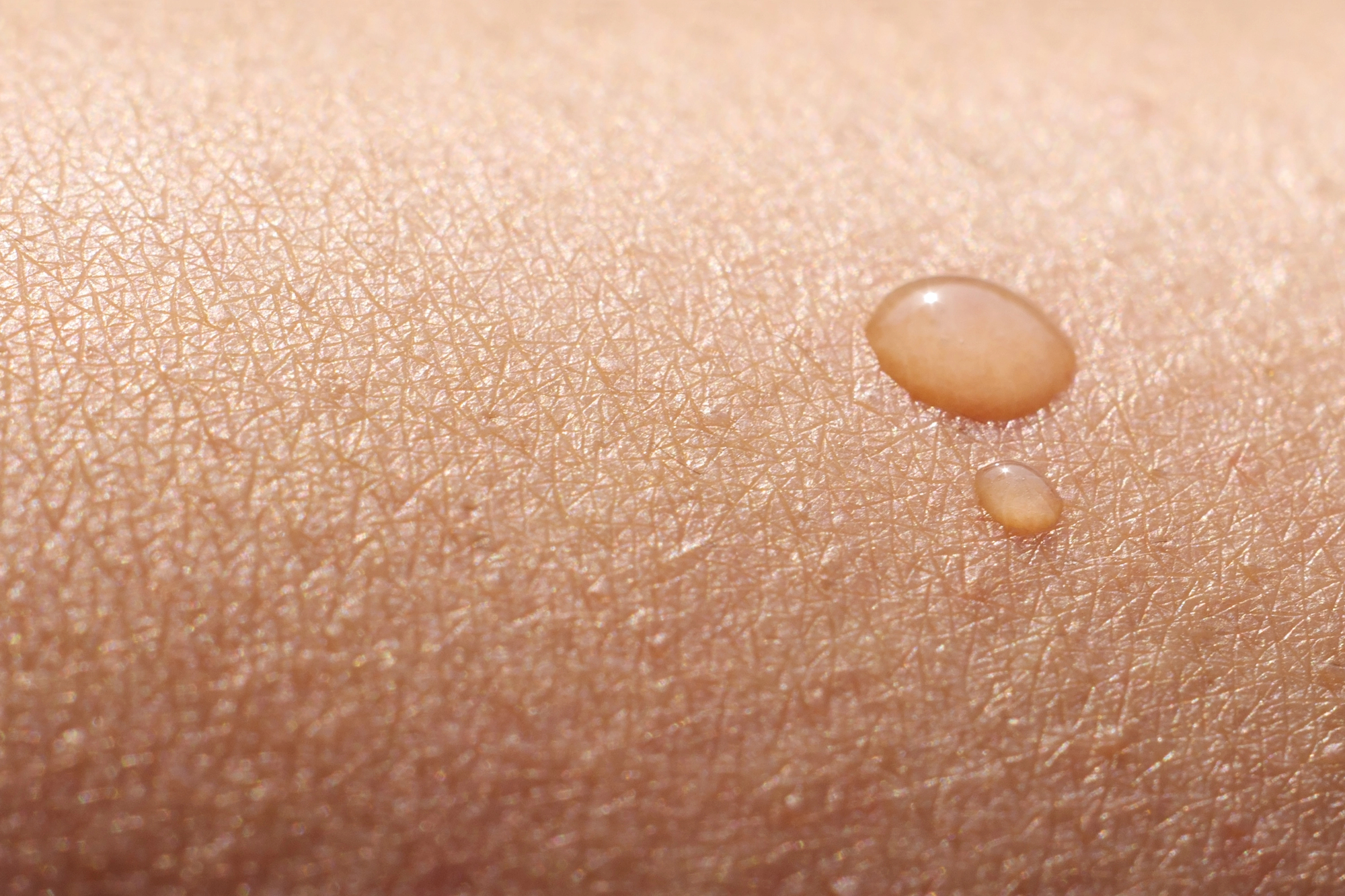
Your skin contains some of the same chemical receptors found in your taste buds, allowing it to ‘taste’ certain substances that come into contact with it. This is why you might feel a minty sensation when rubbing peppermint oil on your skin, or why some people can taste garlic through their skin when they rub it on their feet.
These receptors probably evolved as an early warning system for potentially harmful substances.
Time Perception Changes With Your Senses

Your brain uses sensory input to construct your perception of time, and manipulating your senses can actually make time feel faster or slower. Warm temperatures make time feel like it’s passing more quickly, while cold slows down time perception.
Similarly, bright lights speed up your internal clock, and loud sounds can make minutes feel like hours. This is why waiting rooms often use cool lighting and soft background music to make time pass more comfortably.
Making Sense of Our Sensory World

These strange sensory facts reveal just how much sophisticated processing happens behind the scenes every single moment of your life. Your brain is constantly interpreting, filling in gaps, cross-referencing information, and creating the seamless sensory experience you take for granted.
Understanding these quirks and capabilities makes you appreciate the remarkable biological machinery that connects you to the world around you, even when that machinery sometimes plays tricks on your perception.
More from Go2Tutors!

- The Romanov Crown Jewels and Their Tragic Fate
- 13 Historical Mysteries That Science Still Can’t Solve
- Famous Hoaxes That Fooled the World for Years
- 15 Child Stars with Tragic Adult Lives
- 16 Famous Jewelry Pieces in History
Like Go2Tutors’s content? Follow us on MSN.