Worst Inventions of All Time
Human ingenuity has given us antibiotics, electricity, and the internet. But for every brilliant breakthrough, there’s a head-scratching failure that makes you wonder what people were thinking.
Some inventions were dangerous from the start. Others just missed the mark so badly that they became punchlines.
These creations remind us that not every idea deserves to leave the drawing board.
The Segway
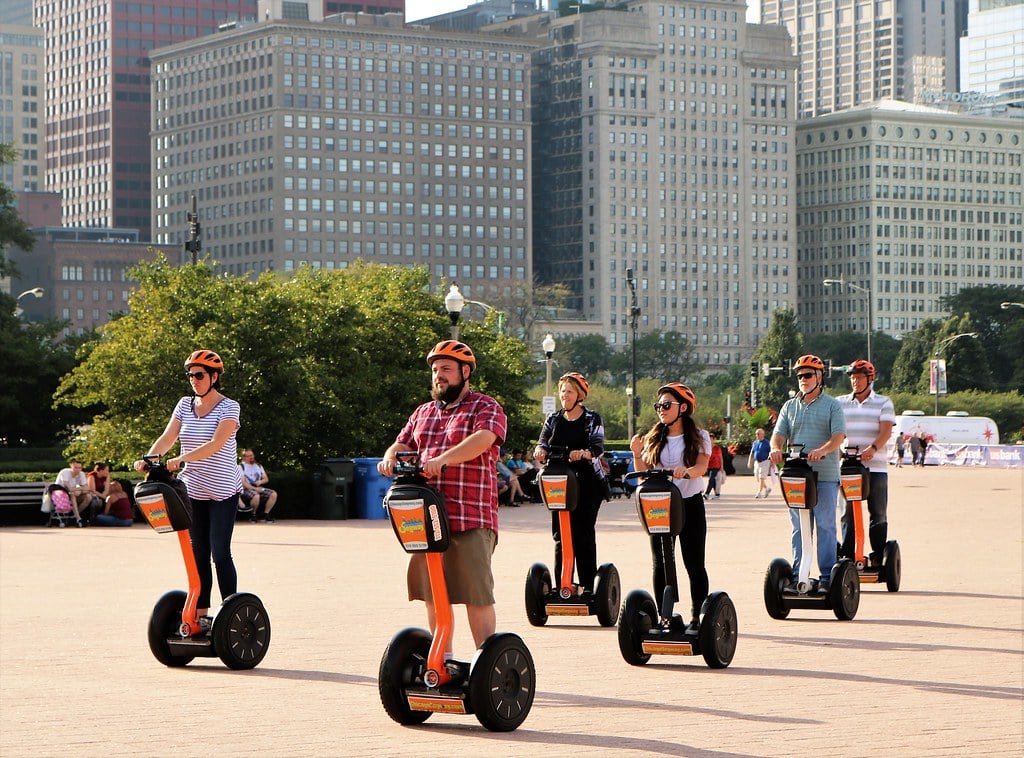
Dean Kamen promised his invention would change cities forever. Tech investors threw millions at it.
Steve Jobs called it as important as the personal computer. Then people actually saw it.
The Segway turned out to be a two-wheeled scooter that made riders look ridiculous while traveling at walking speed. It cost as much as a used car, took up as much space, and offered no real advantage over just using your legs.
Cities banned them from sidewalks. The company that made them went bankrupt.
You still see them occasionally on tourist-heavy streets, usually carrying someone who looks deeply embarrassed.
Hydrogenated Oils

Food scientists in the early 1900s figured out how to make liquid vegetable oils solid at room temperature. This seemed practical at first.
The resulting trans fats had a longer shelf life and were cheaper than butter. Then decades of research showed that trans fats clog arteries and increase heart disease risk more than almost any other food component.
Millions of people died from heart attacks linked to eating products made with these oils. The FDA finally banned them in 2018, but the damage lasted generations.
The Shake Weight
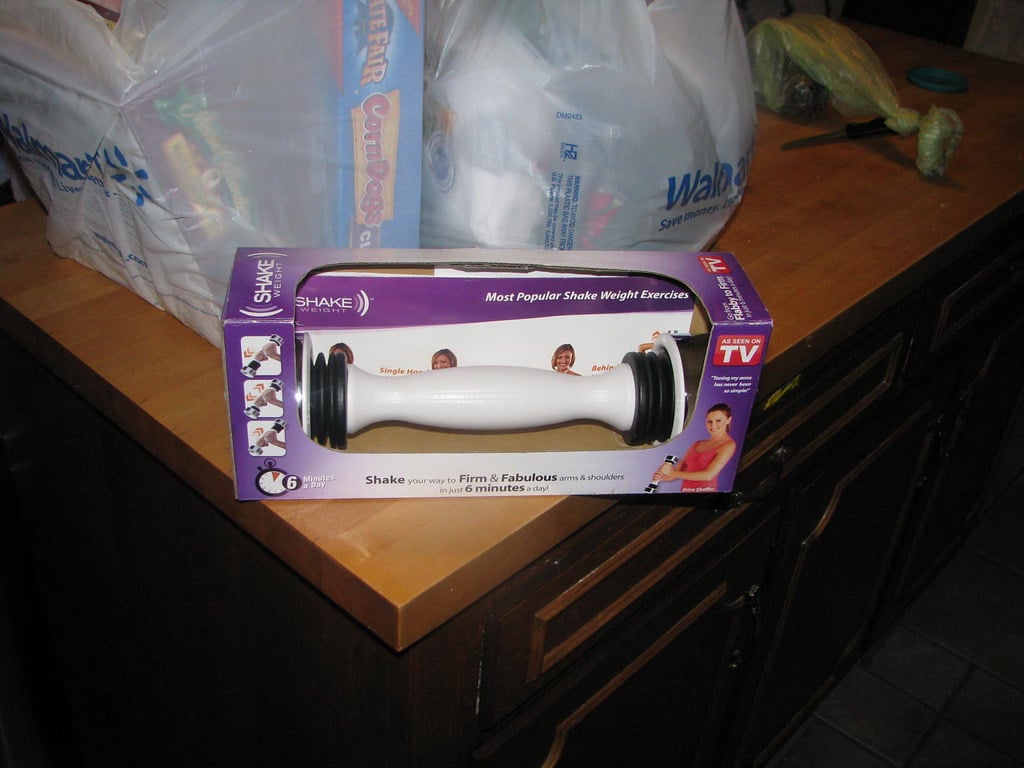
Someone convinced millions of people that shaking a dumbbell back and forth for six minutes would transform their bodies. The infomercials showed attractive people making vigorous shaking motions that looked exactly as ridiculous as you’re imagining.
The product had no scientific basis. Actual fitness experts pointed out that the movement pattern didn’t build muscle effectively and could actually cause injury.
But the marketing worked, and people bought them by the truckload. Most ended up in garage sales or landfills within months.
Radium Products
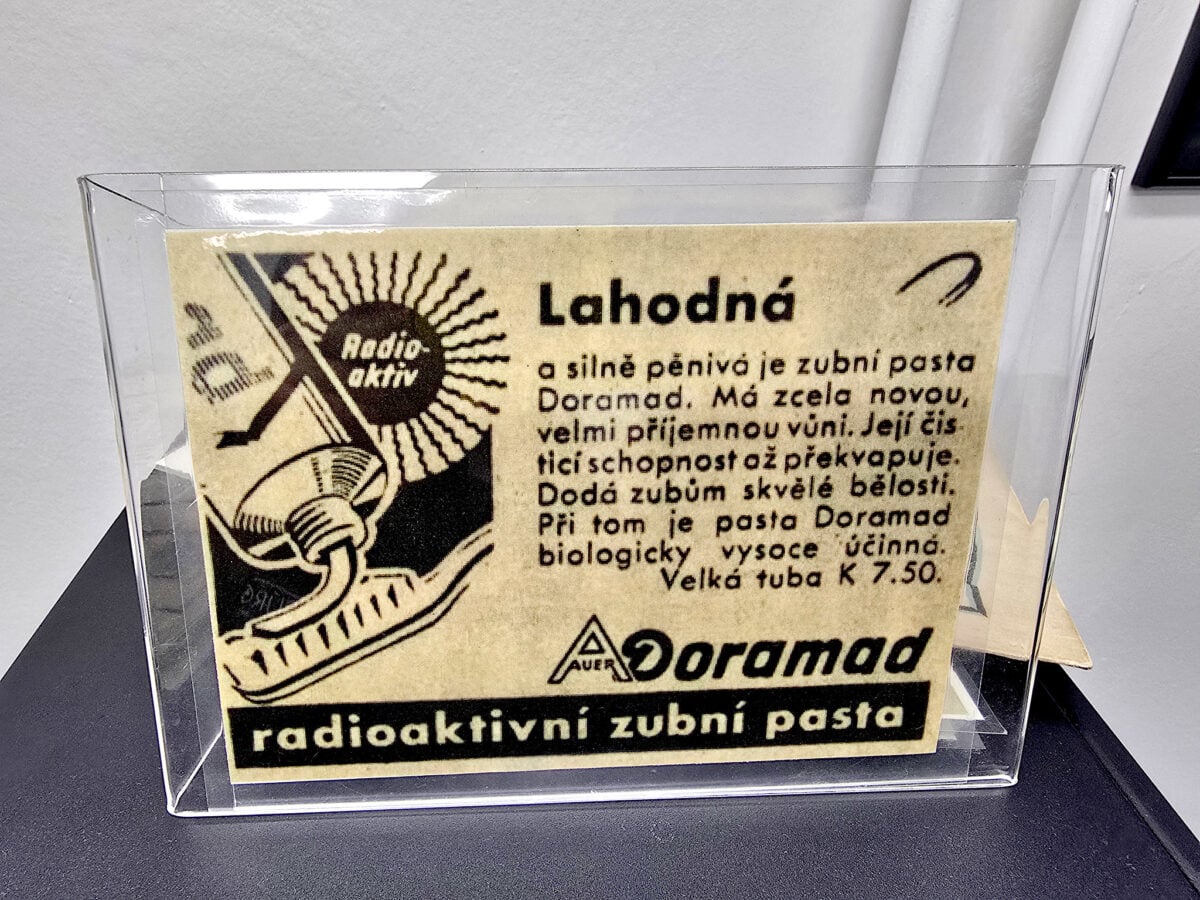
In the 1920s, companies added radioactive radium to everything from toothpaste to chocolate. They marketed it as a health tonic that would cure fatigue and make you live longer.
Rich people paid premium prices for radium water. Athletes drank it for energy.
The creator of one popular radium drink died when his jaw literally fell off from radiation poisoning. Factory workers who painted radium on watch dials got bone cancer at shocking rates.
The products stayed on shelves for years before anyone stopped them.
Clippy
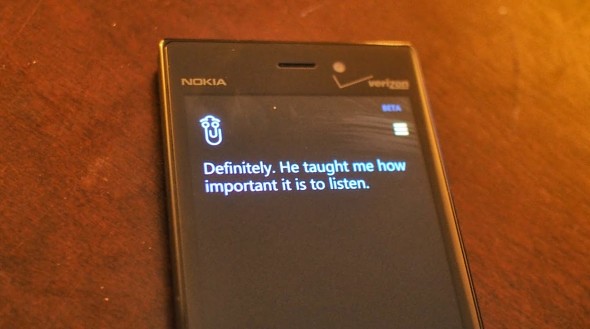
Microsoft thought people needed an animated paperclip to help them use Word. The character would pop up uninvited, usually at the worst possible moment, and ask patronizing questions like “It looks like you’re writing a letter.
Would you like help?” Clippy interrupted your work, offered useless suggestions, and couldn’t be dismissed easily.
The feature frustrated so many users that it became one of the most hated pieces of software ever created. Microsoft finally killed it off, but the damage to their reputation stuck around longer than the paperclip did.
New Coke
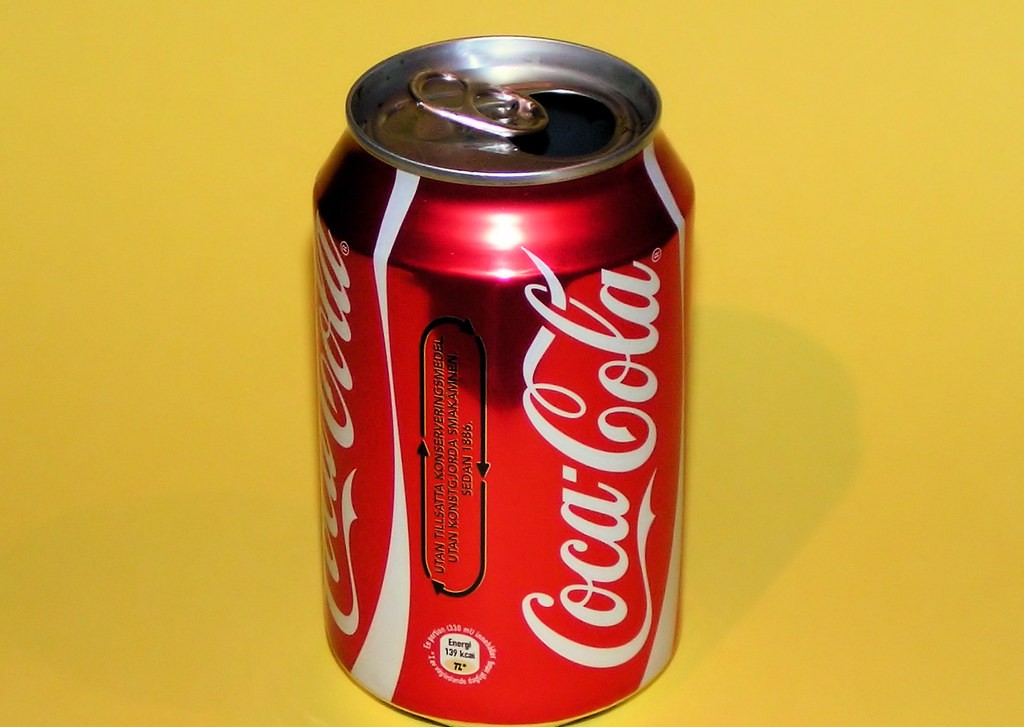
The Coca-Cola Company decided in 1985 that their 99-year-old formula needed changing. They spent years on taste tests that showed people preferred a sweeter version.
So they discontinued the original and launched New Coke with massive fanfare. Americans revolted immediately.
People hoarded old Coke. They protested outside company headquarters.
Some compared it to trampling on the American flag. The company brought back the original formula within three months, calling it Coca-Cola Classic.
The entire disaster cost the company millions and became a business school case study in how to misread your customers.
Lawn Darts

Someone thought it would be fun to throw heavy, pointed metal spikes through the air in your backyard. The game involved tossing these weighted darts, which had sharp metal tips, toward plastic rings on the ground.
Often while children played nearby. The darts caused thousands of injuries.
They punctured skulls, pierced eyes, and killed several children. Parents kept buying them anyway until the government finally banned them in 1988.
The fact that they were legal for decades tells you something disturbing about product safety standards.
Honeycombs Hideout

Kellogg’s decided that what kids really wanted was a kit to build a fort out of cereal boxes. The Honeycombs Hideout came with large cardboard panels that you assembled into a playhouse.
You needed to buy multiple boxes of cereal to complete it. The structure fell apart if you looked at it wrong.
It attracted bugs because, obviously, cardboard covered in cereal dust attracts bugs. The whole thing usually collapsed within days.
Parents ended up with a pile of sticky cardboard and angry children.
Baby Cages
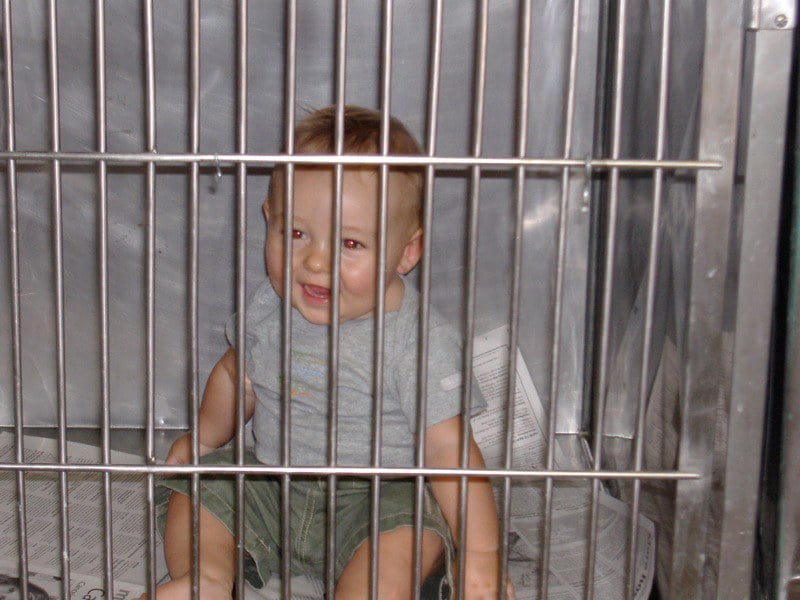
In the 1930s, city dwellers hung wire cages outside their apartment windows and put babies in them. The idea was that babies needed fresh air and sunlight, and this seemed like a logical solution if you lived in a high-rise.
These contraptions dangled babies several stories above the street. The cages could rust, the attachments could fail, and strong winds could shake them violently.
Somehow this lasted for years before people decided that maybe it wasn’t the safest option.
The Pontiac Aztek

General Motors created a vehicle so ugly that it killed an entire brand. The Aztek looked like someone welded together parts from different cars without checking if they matched.
The plastic cladding made it appear even cheaper than it was. The design team probably had meetings about this.
Multiple people approved it. They spent millions manufacturing it.
Then dealers couldn’t sell them even with massive discounts. The vehicle became such a joke that “Breaking Bad” used one to show that the main character had completely given up on life.
Smell-O-Vision
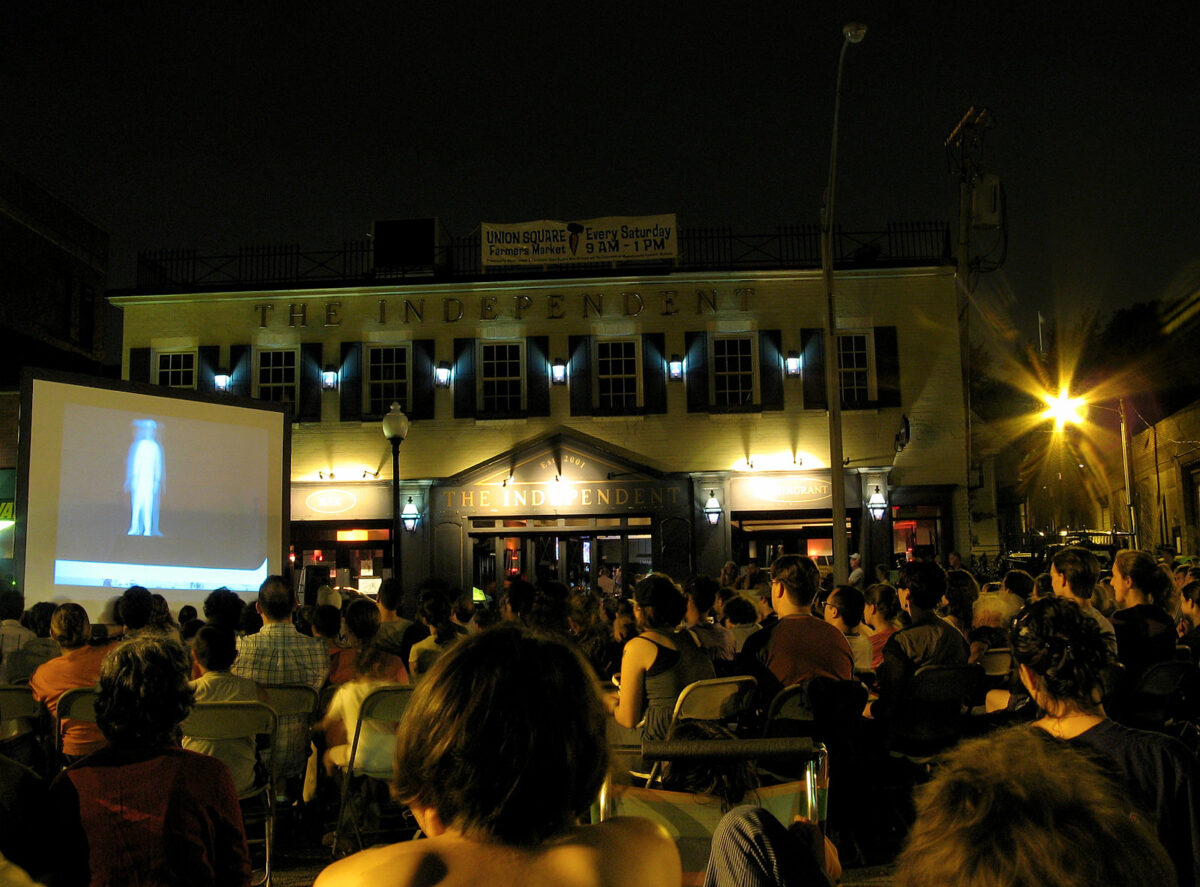
Movie theaters in 1960 experimented with releasing scents during films to make the experience more immersive. The system pumped smells through tubes in the seats, timed to match what happened on screen.
The scents arrived at different times for different seats. They lingered too long or not long enough.
Previous smells mixed with new ones, creating combinations that nobody intended. The whole theater ended up smelling like a confused perfume store.
The technology appeared in exactly one film before everyone involved realized it was a terrible idea.
Google Glass
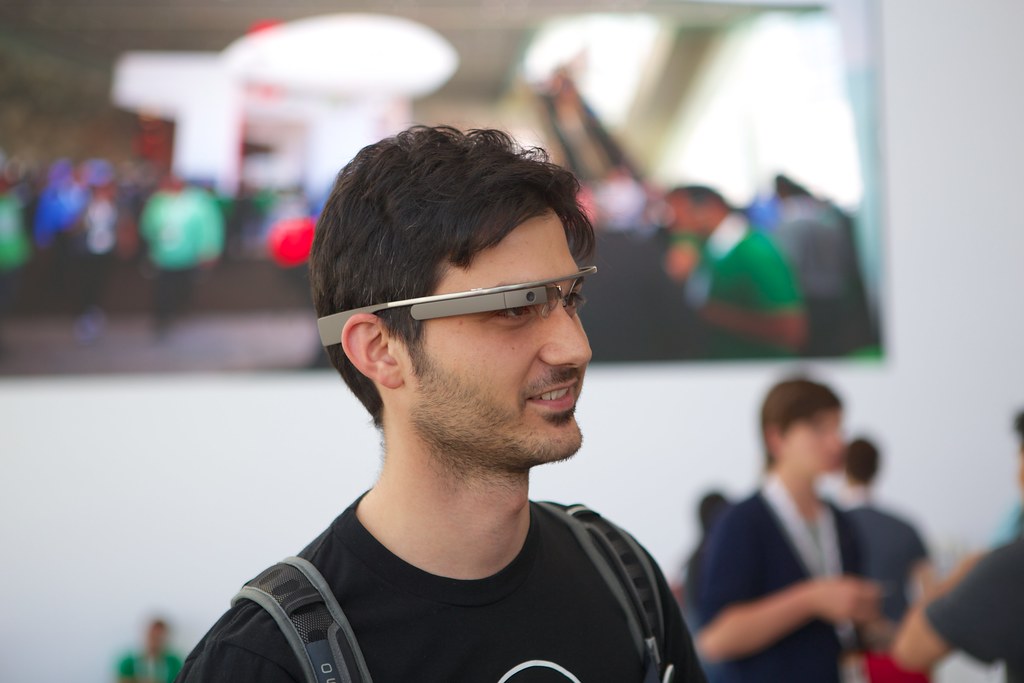
Google convinced people to wear computers on their faces. The devices looked like bizarre eyewear from a low-budget sci-fi movie and cost $1,500.
They also filmed everything you looked at, which made everyone around you deeply uncomfortable. Bars banned them. Movie theaters kicked people out for wearing them.
The devices had terrible battery life, limited functionality, and made you look like an insufferable tech bro. Google eventually discontinued them for consumers and pretended the whole thing never happened.
The USB Pregnancy Test
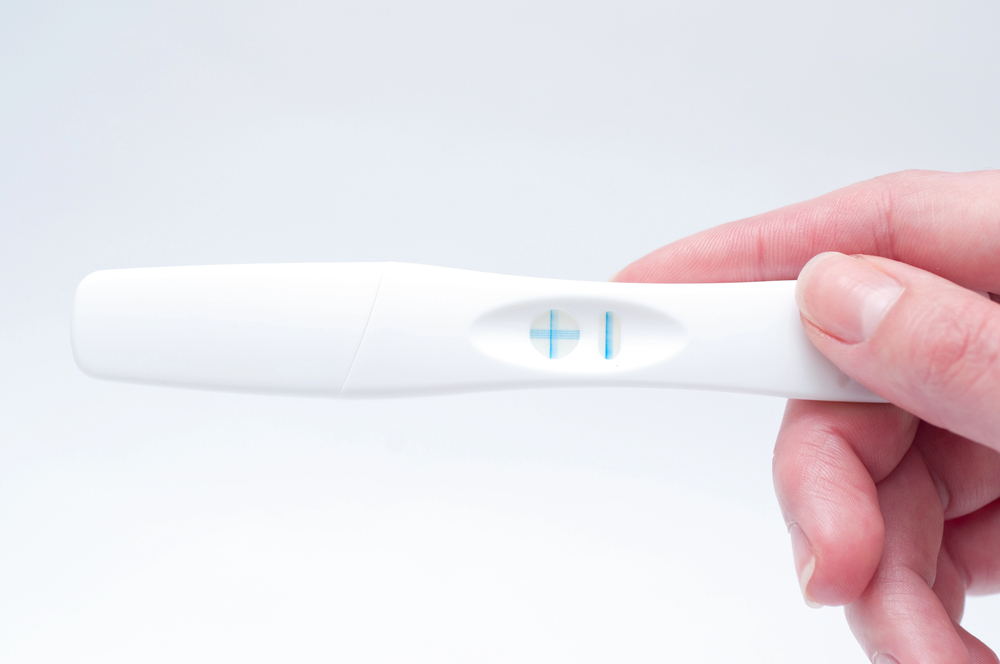
Someone decided that what pregnancy tests really needed was a digital display and a USB port. The product cost more than regular tests and did exactly the same thing, just with unnecessary electronics that you had to throw away after one use.
The test still worked by detecting hormones in urine. The digital component added nothing except environmental waste.
You could buy a pack of regular pregnancy tests for the price of one digital version. The internet mocked it relentlessly, and for good reason.
Juicero

A Silicon Valley company raised $120 million to create a $400 machine that squeezed juice packets. The machine connected to WiFi and required proprietary juice packs that cost $5 to $8 each.
The company claimed the machine applied four tons of force for optimal juice extraction. Then reporters discovered you could squeeze the packets just as well with your hands.
The machine literally did nothing that you couldn’t do yourself for free. The company shut down within months, and the machines became symbols of tech industry excess.
HD DVD
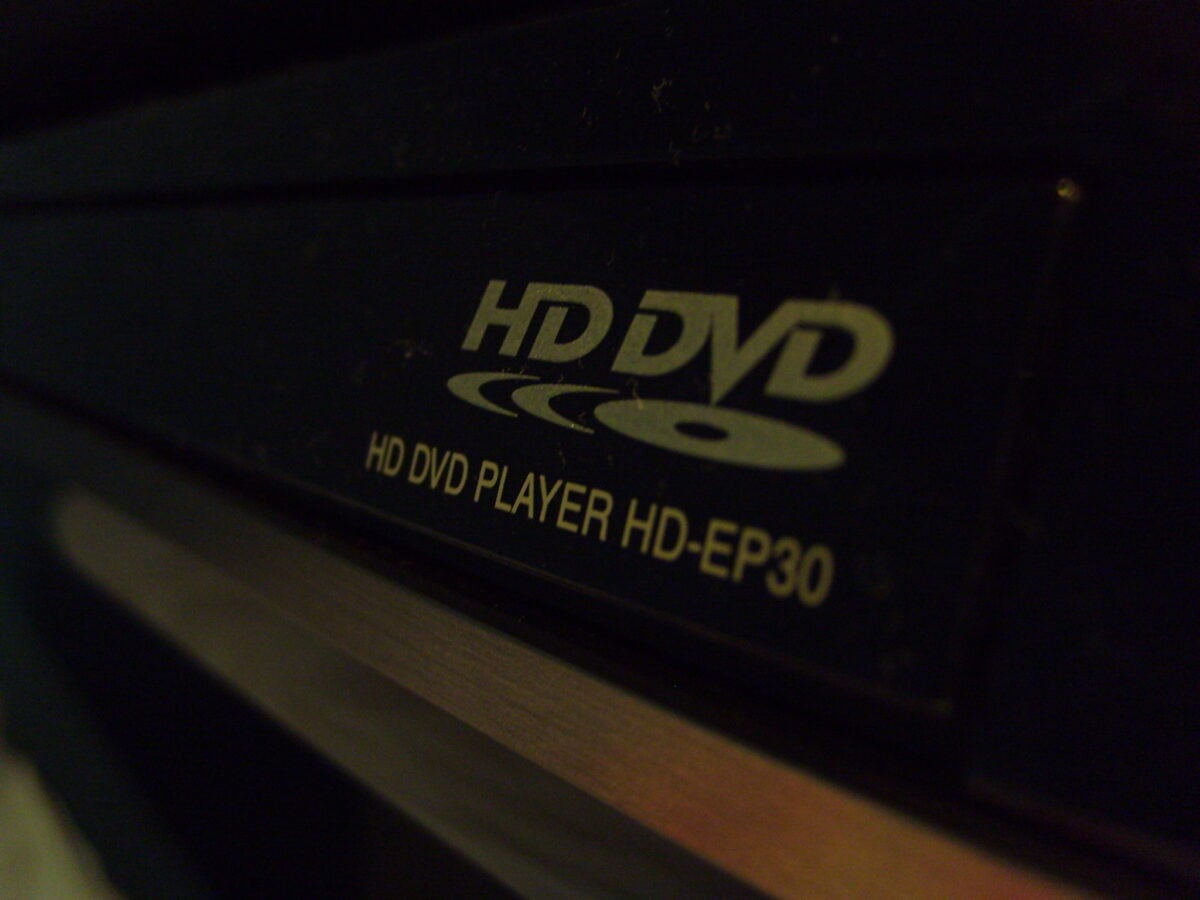
Years passed while Toshiba pushed HD DVD forward, step by step. Movie studios began signing on, drawn by promises of better quality.
Stores filled their shelves with the new devices and films. People opened their wallets, believing they were part of what came next.
Blu-ray came out on top when Sony beat HD DVD. Those shiny discs collecting dust? Once played in machines nobody uses anymore.
Worth nothing now, just like the films pressed onto them. Billions vanished for Toshiba – gone.
That mess taught folks a lesson: patience pays after standards fight it out.
When Progress Stumbles

What sticks with you most often comes from getting it wrong. Each of these creations crashed for its own reason, yet one thing runs through them all.
A person believed in a vision, brought it forward, then learned how wildly things can go off track when theory meets reality. Less interesting is why they launched – more curious is which today’s bright ideas will land here years later.
More from Go2Tutors!

- The Romanov Crown Jewels and Their Tragic Fate
- 13 Historical Mysteries That Science Still Can’t Solve
- Famous Hoaxes That Fooled the World for Years
- 15 Child Stars with Tragic Adult Lives
- 16 Famous Jewelry Pieces in History
Like Go2Tutors’s content? Follow us on MSN.



