20 Foods You Thought Were American but Aren’t
American cuisine has a reputation for big portions, bold flavors, and cultural innovation. Many beloved dishes have become so thoroughly embedded in American food culture that most people naturally assume they originated within U.S. borders.
Yet the culinary landscape of America is actually a complex tapestry woven from global influences, with many iconic ‘American’ foods having surprising international origins and histories that span continents and centuries. Here is a list of 20 foods commonly believed to be American creations that actually have fascinating foreign origins, showing just how international our everyday meals really are.
Apple Pie

Despite the phrase ‘as American as apple pie,’ this beloved dessert originated in Europe centuries before Columbus sailed to America. The first apple pie recipes appeared in England around 1381, with early versions featuring no sugar and encased in inedible containers called ‘coffins.’
Neither apples nor pie techniques were native to North America, and European settlers brought both their apple seeds and recipes to the New World where the dish eventually became a cultural icon.
Hot Dogs

These ballpark staples actually originated in Germany, specifically from Frankfurt where they were called ‘frankfurters’ or ‘dachshund sausages’ due to their shape. German immigrants brought their sausage-making traditions to America in the 1800s, with the hot dog bun supposedly appearing at the 1904 St. Louis World’s Fair.
The name ‘hot dog’ itself emerged as street vendors would shout ‘get your dachshund sausages while they’re hot,’ which a sports cartoonist later shortened to the catchier term we use today.
Like Go2Tutors’s content? Follow us on MSN.
Hamburgers
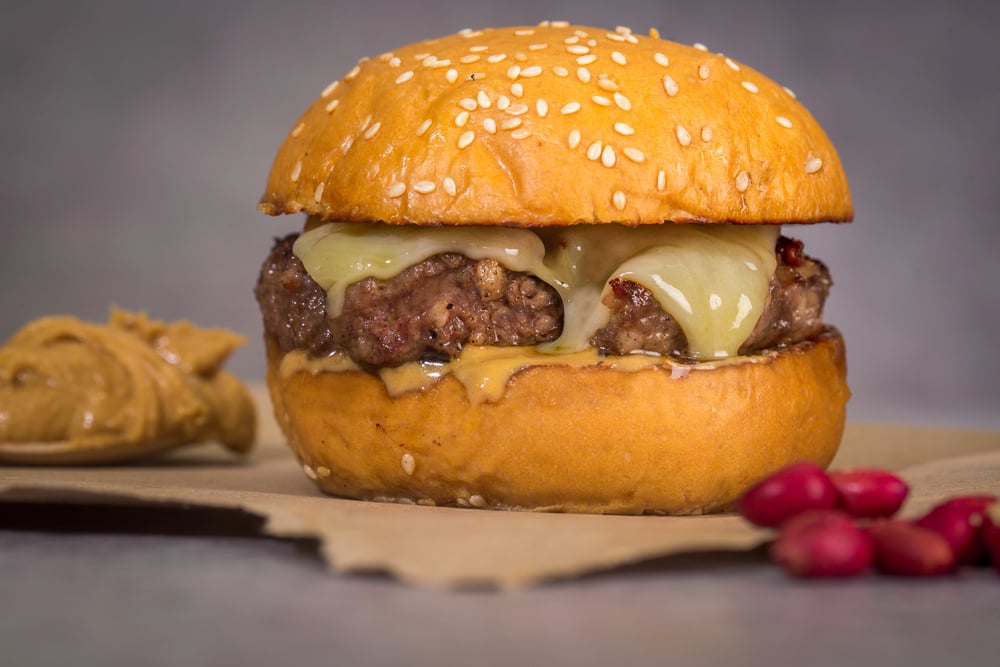
Despite their name association with Hamburg, Germany, the modern hamburger sandwich represents culinary evolution rather than direct importation. Hamburg steaks—ground beef patties without buns—came to America with German immigrants, but the sandwich form emerged in America around the early 1900s.
Several locations claim to be the birthplace of the modern hamburger, including Louis’ Lunch in Connecticut, where legend says a customer in a hurry requested something quick to eat in 1900, prompting the owner to place a ground beef patty between two slices of bread.
Pizza

While American-style pizza with its thick crust and abundant toppings has become its own culinary category, pizza originated in Naples, Italy. Italian immigrants brought their flatbread tradition to America in the late 19th century, with Lombardi’s in New York City becoming the first licensed pizzeria in America in 1905.
The dish remained primarily within Italian-American communities until after World War II, when returning soldiers who had been stationed in Italy helped popularize pizza throughout mainstream American culture.
Spaghetti and Meatballs

This combination seems quintessentially Italian, but the dish as Americans know it actually developed in the United States. While pasta and meat dishes existed separately in Italy, the specific combination of spaghetti with large meatballs in tomato sauce emerged among Italian immigrants adapting to American abundance.
In early 20th-century America, meat was more affordable than in Italy, allowing immigrants to create larger meatballs and combine them with pasta in a way rarely seen in their homeland.
Like Go2Tutors’s content? Follow us on MSN.
Fortune Cookies

These prophetic treats almost universally accompany American Chinese restaurant meals, yet they’re completely unknown in China. Fortune cookies actually originated in Japan, where similar crackers called ‘tsujiura senbei’ have been made since the 19th century.
The modern fortune cookie likely emerged in California in the early 1900s, with some evidence pointing to their popularization at the Japanese Tea Garden in San Francisco. During World War II, when Japanese Americans faced internment, Chinese Americans took over production, cementing the cookie’s association with Chinese cuisine.
General Tso’s Chicken

This sweet, spicy, deep-fried chicken dish is a staple of American Chinese restaurants yet unrecognizable to most people in China. The dish was likely created by Taiwanese chef Peng Chang-kuei, who fled to Taiwan after the Chinese Civil War and later brought a version of the dish to New York in the 1970s.
The American version became sweeter and crispier than the original, evolving to suit American palates and becoming one of the most popular Chinese-American dishes despite having little connection to authentic Chinese cuisine.
French Dressing
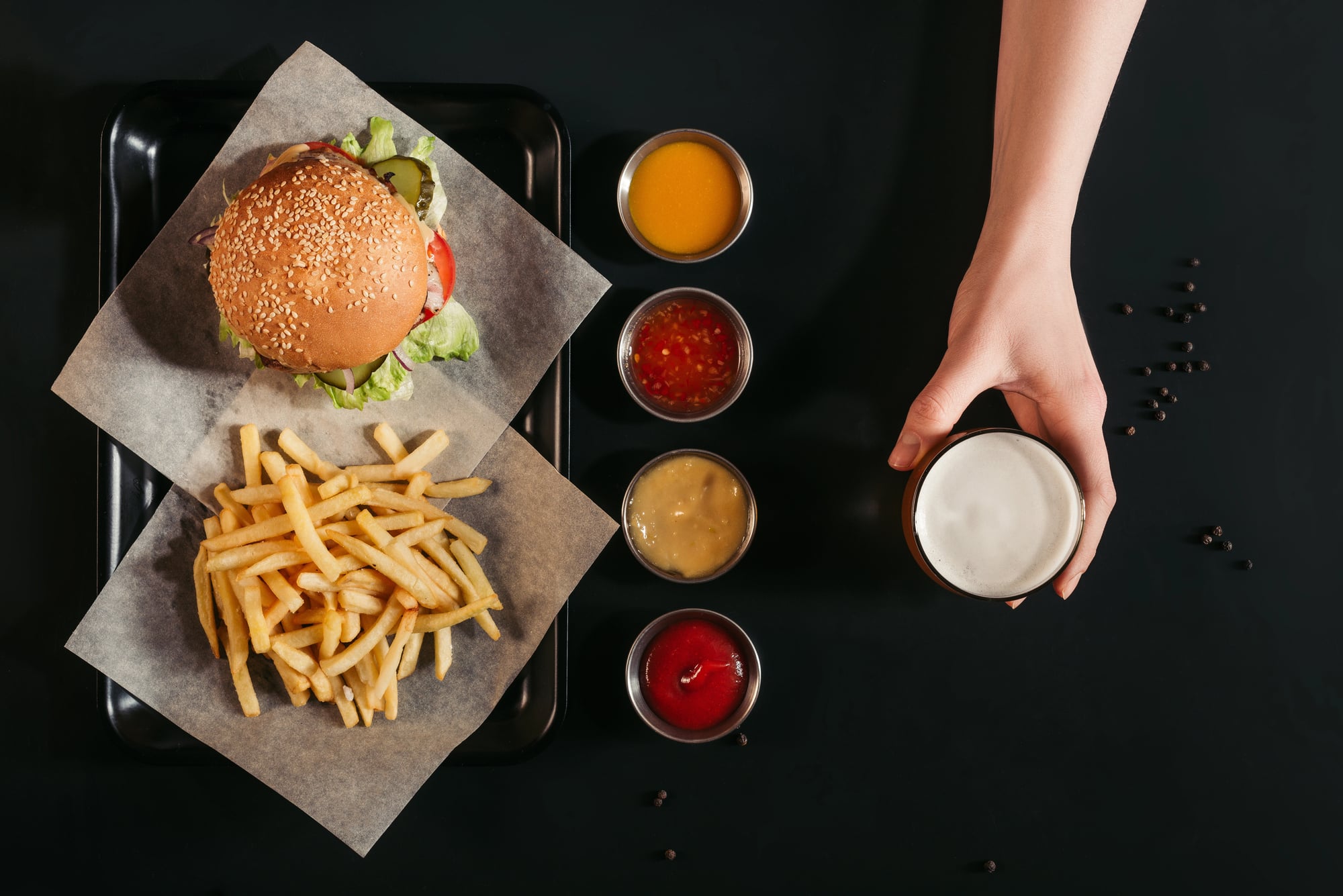
This tangy, orange condiment bears almost no resemblance to any dressing found in France. Traditional French vinaigrettes are typically simple mixtures of oil, vinegar, mustard, and herbs without the sweet, ketchup-infused profile of American French dressing.
The American version likely evolved from simple oil and vinegar dressings, with food companies adding tomato products, sugar, and paprika for color and flavor appeal in the mid-20th century, creating a product that would be completely foreign to actual French diners.
Like Go2Tutors’s content? Follow us on MSN.
Swiss Steak

Despite its name, this dish of tenderized round steak slowly braised with tomatoes and vegetables has no connection to Switzerland. The name comes from the technique of ‘swissing’—pounding or rolling meat to tenderize it—rather than any Swiss origin.
The dish became popular in American cookbooks during the early 20th century as a method of making tougher cuts of meat more palatable through mechanical tenderizing and slow cooking, a technique particularly valuable during economic hardships when premium cuts weren’t affordable.
Danish Pastries

These sweet breakfast treats actually originated in Vienna, Austria, not Denmark. Austrian bakers brought the technique to Denmark in the 1850s when Danish bakers went on strike, and local bakers had to hire replacements from abroad.
The pastries went through adaptations in Denmark before Danish immigrants brought their version to America. In Denmark these pastries are called ‘wienerbrød’ (Vienna bread), acknowledging their true origins, while Americans ironically named them after their second, not original, home.
English Muffins
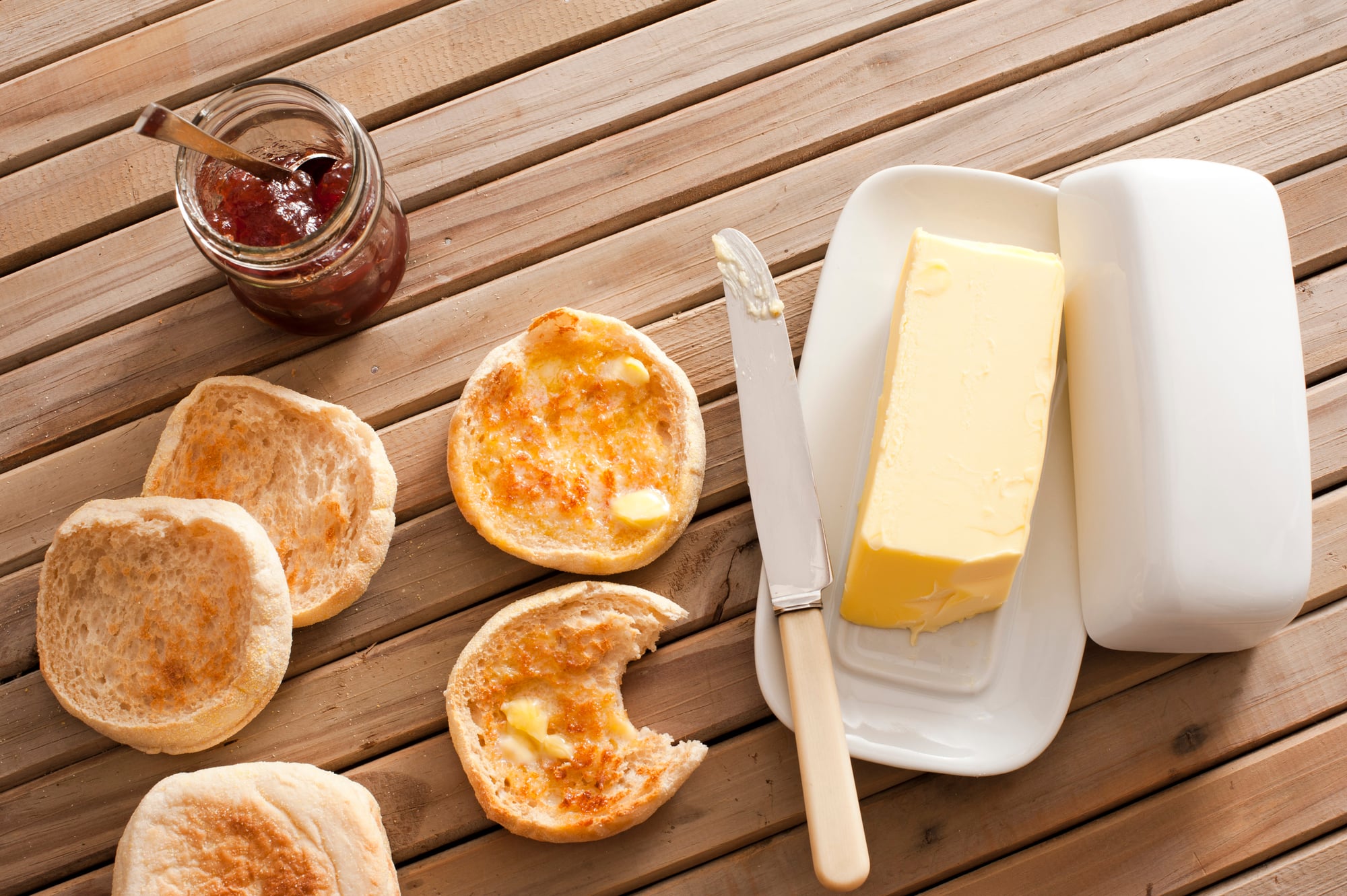
Despite their name, these breakfast staples are virtually unknown in England in the form Americans recognize. While inspired by British crumpets and muffins, the English muffin as Americans know it was created by Samuel Bath Thomas, an English immigrant who set up a bakery in New York City in the late 1800s.
Thomas created a version using a different technique that produced the familiar nooks and crannies perfect for catching butter and jam, making something entirely new that just happened to bear the name of his homeland.
Like Go2Tutors’s content? Follow us on MSN.
German Chocolate Cake
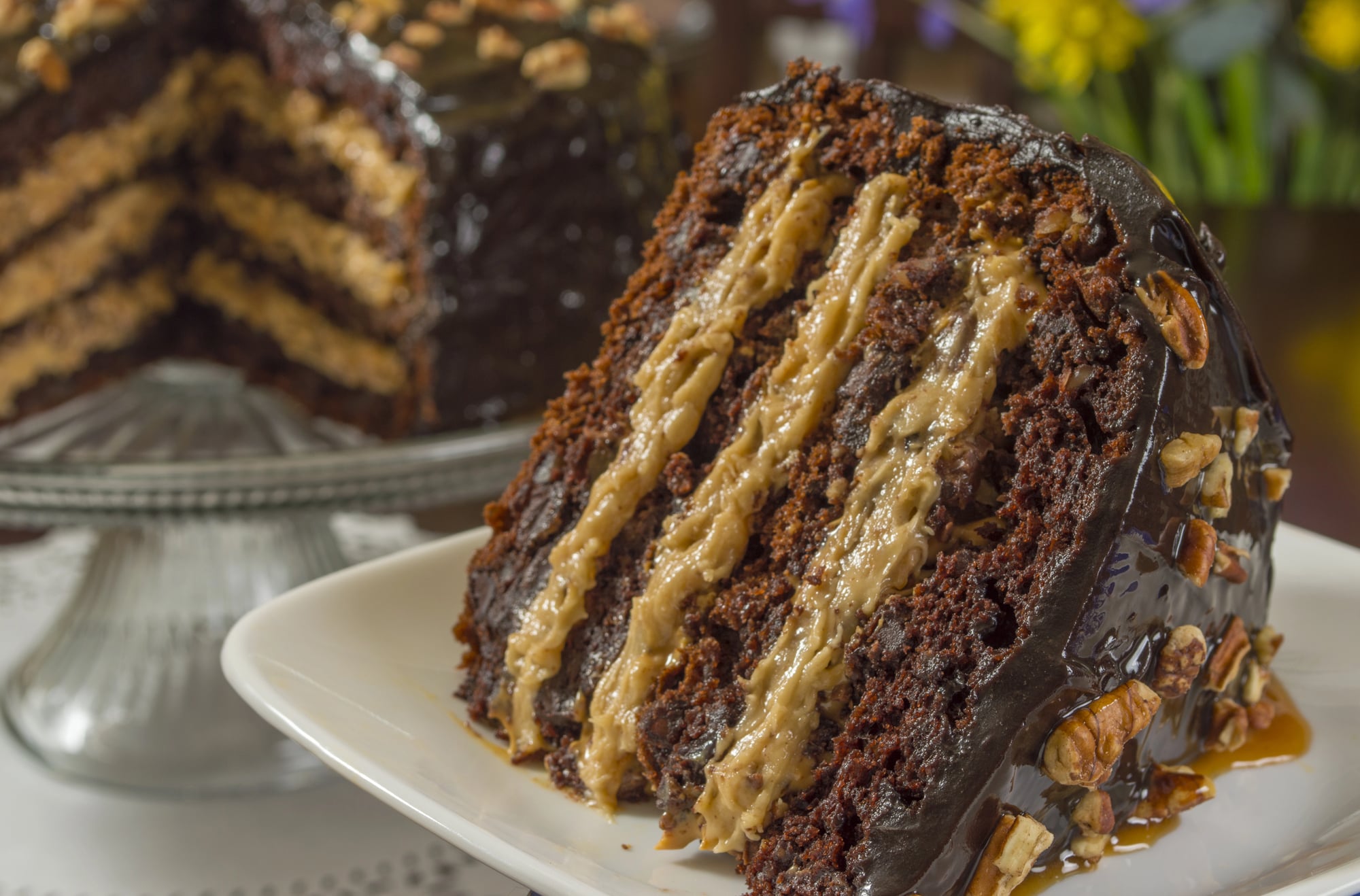
This decadent chocolate cake with coconut-pecan frosting has no connection to Germany whatsoever. The cake is named after Samuel German, an American baker who developed a type of dark baking chocolate for Baker’s Chocolate Company in 1852.
In 1957, a Texas homemaker sent a recipe using the chocolate to a Dallas newspaper, creating a national sensation. The cake became known as ‘German’s chocolate cake,’ but the apostrophe and ‘s’ were eventually dropped, leading to the geographical misunderstanding that persists today.
Caesar Salad
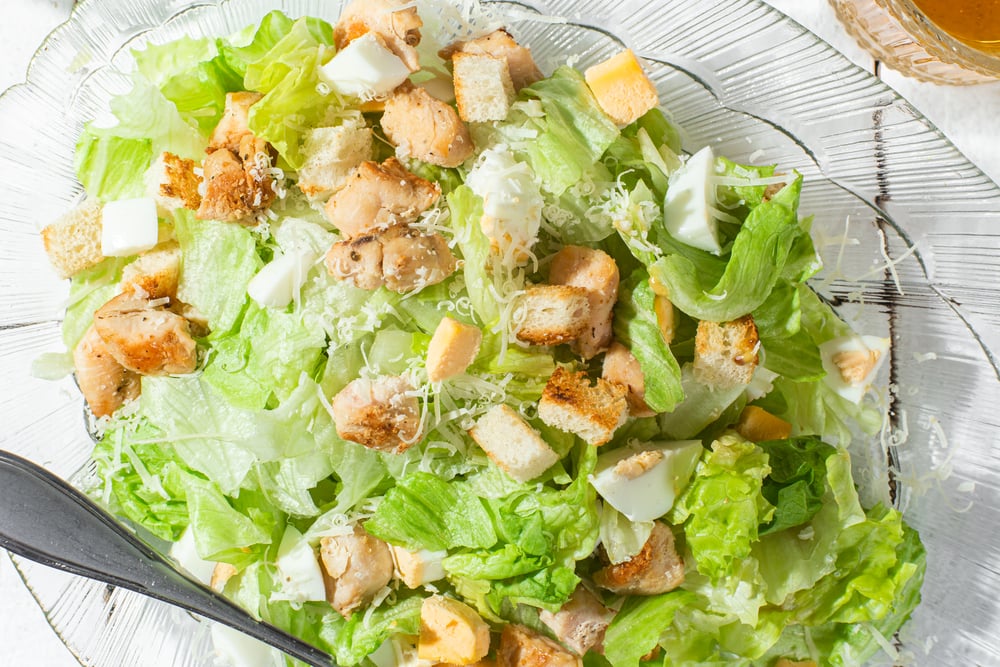
This popular salad wasn’t named after the famous Roman emperor but was created by Italian-American restaurateur Caesar Cardini in Tijuana, Mexico. As the story goes, Cardini’s restaurant experienced a rush on July 4, 1924, depleting most ingredients, so he improvised with what remained: romaine lettuce, croutons, parmesan cheese, boiled eggs, olive oil, and Worcestershire sauce.
The tableside preparation became theatrical entertainment, and the salad’s popularity spread throughout California and eventually nationwide, despite having no connection to ancient Rome.
Russian Dressing

This tangy, spicy sandwich spread contains no authentic Russian elements and was actually created in New Hampshire around 1910. James E. Colburn, a grocer in Nashua, claimed to have invented the mayonnaise-based dressing enhanced with ketchup, horseradish, and spices, which became popular for Reuben sandwiches and seafood dishes.
The name likely came from the original inclusion of caviar in early versions, creating a tenuous Russian link that disappeared as the recipe evolved into its familiar American form.
Like Go2Tutors’s content? Follow us on MSN.
French Toast

This breakfast favorite predates France itself, with early versions appearing in ancient Roman texts from the 4th or 5th century. The dish emerged as a practical way to use stale bread by soaking it in milk and eggs before cooking.
In France, the dish is actually called ‘pain perdu’ (lost bread), referencing its ability to rescue otherwise wasted bread. American colonists brought various European versions with them, with the ‘French’ designation possibly emerging to make the simple dish sound more sophisticated on restaurant menus.
Chop Suey
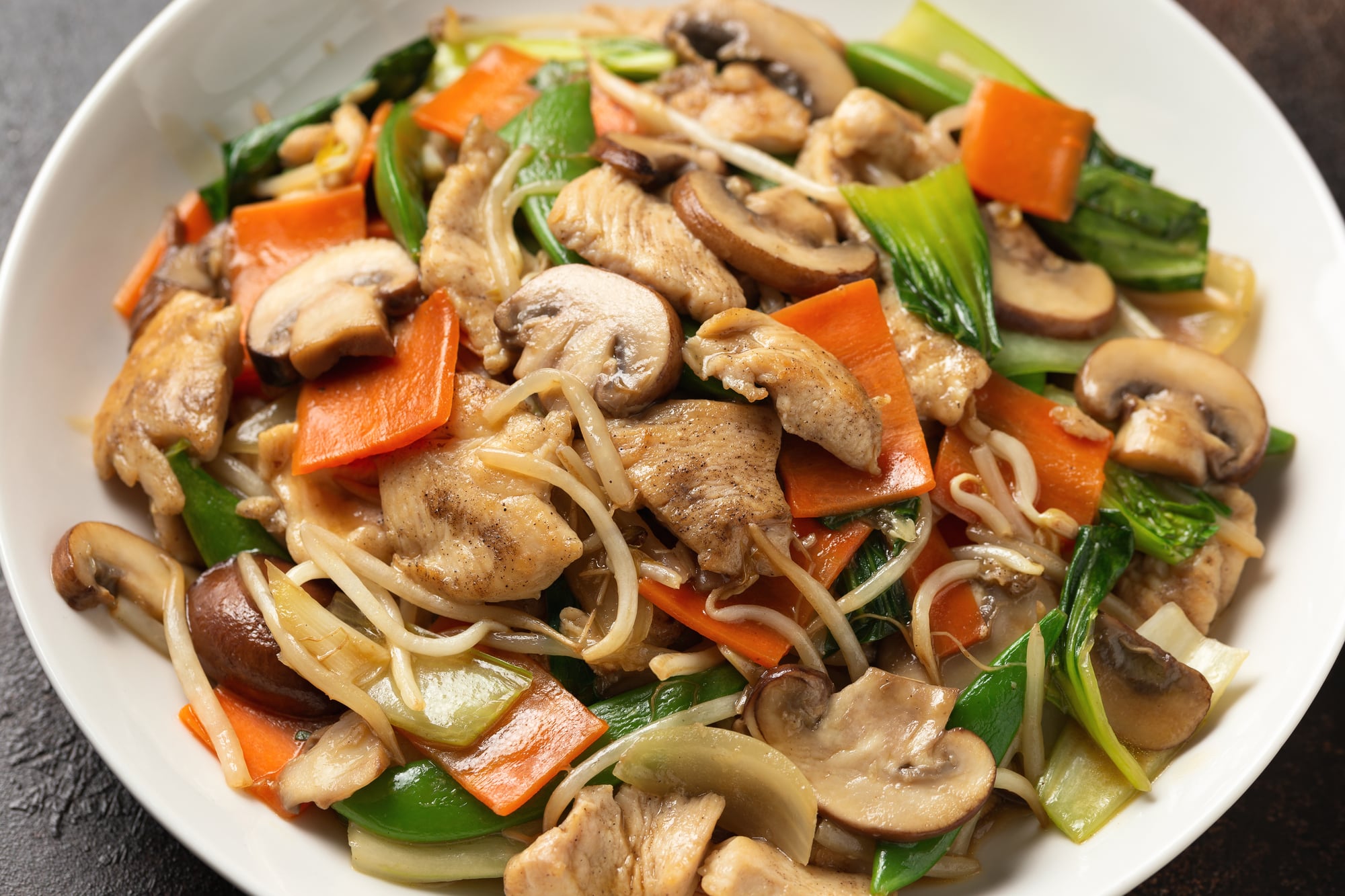
This stir-fried mixture of meat, eggs, and vegetables served over rice became emblematic of Chinese cuisine in America yet remains virtually unknown in China. The dish likely emerged among Chinese immigrants working on the transcontinental railroad or in California during the Gold Rush.
One popular origin story claims it was hastily created by a Chinese chef in San Francisco for drunken miners, combining leftover ingredients and calling it ‘chop suey’ (Cantonese for ‘odds and ends’), though food historians debate the accuracy of this colorful tale.
Peanut Butter

While Americans consume this staple by the jarful, its origins trace back to ancient South American civilizations who ground peanuts into paste centuries ago. Modern peanut butter emerged through multiple inventors, including Marcellus Gilmore Edson of Canada who patented a peanut paste in 1884, and Dr. John Harvey Kellogg who served it to patients in his sanitarium.
The smooth, commercial version Americans recognize today resulted from Joseph Rosefield’s invention of a process to prevent oil separation in 1922, transforming what had been primarily a health food into a national staple.
Like Go2Tutors’s content? Follow us on MSN.
Belgian Waffles
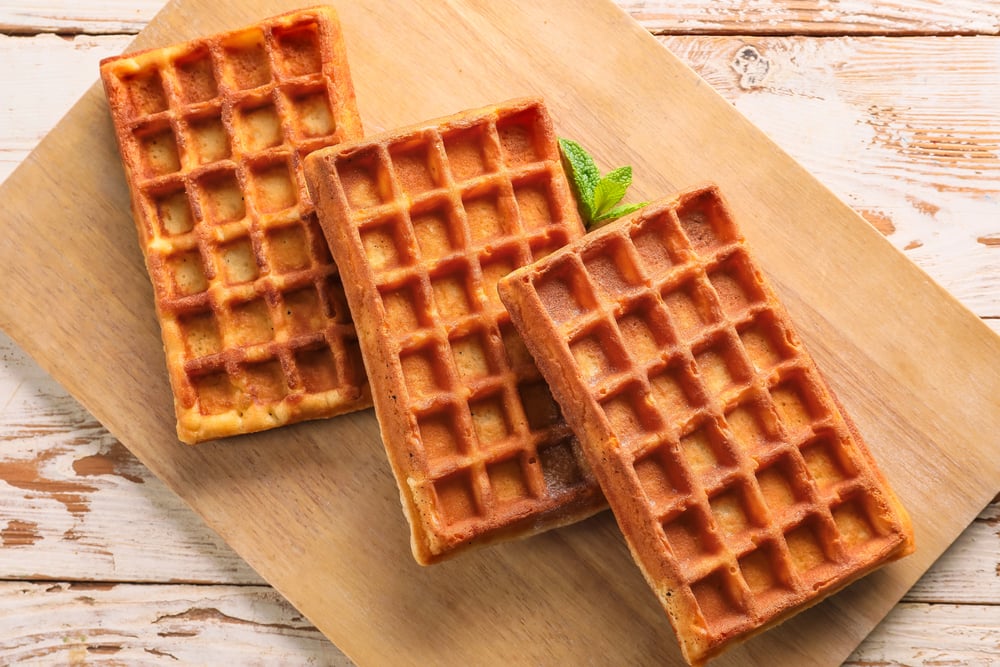
The thick, fluffy waffles with deep pockets Americans call ‘Belgian’ differ significantly from traditional Belgian versions. Authentic Brussels waffles are lighter, crispier, and typically eaten plain without maple syrup.
The American version debuted at the 1964 New York World’s Fair, where Belgian chef Walter Cleyman modified the traditional recipe to appeal to American tastes. The larger size, deeper pockets, lighter batter, and sweet toppings transformed the European street snack into an American breakfast favorite with only a passing resemblance to its namesake.
Cuban Sandwiches
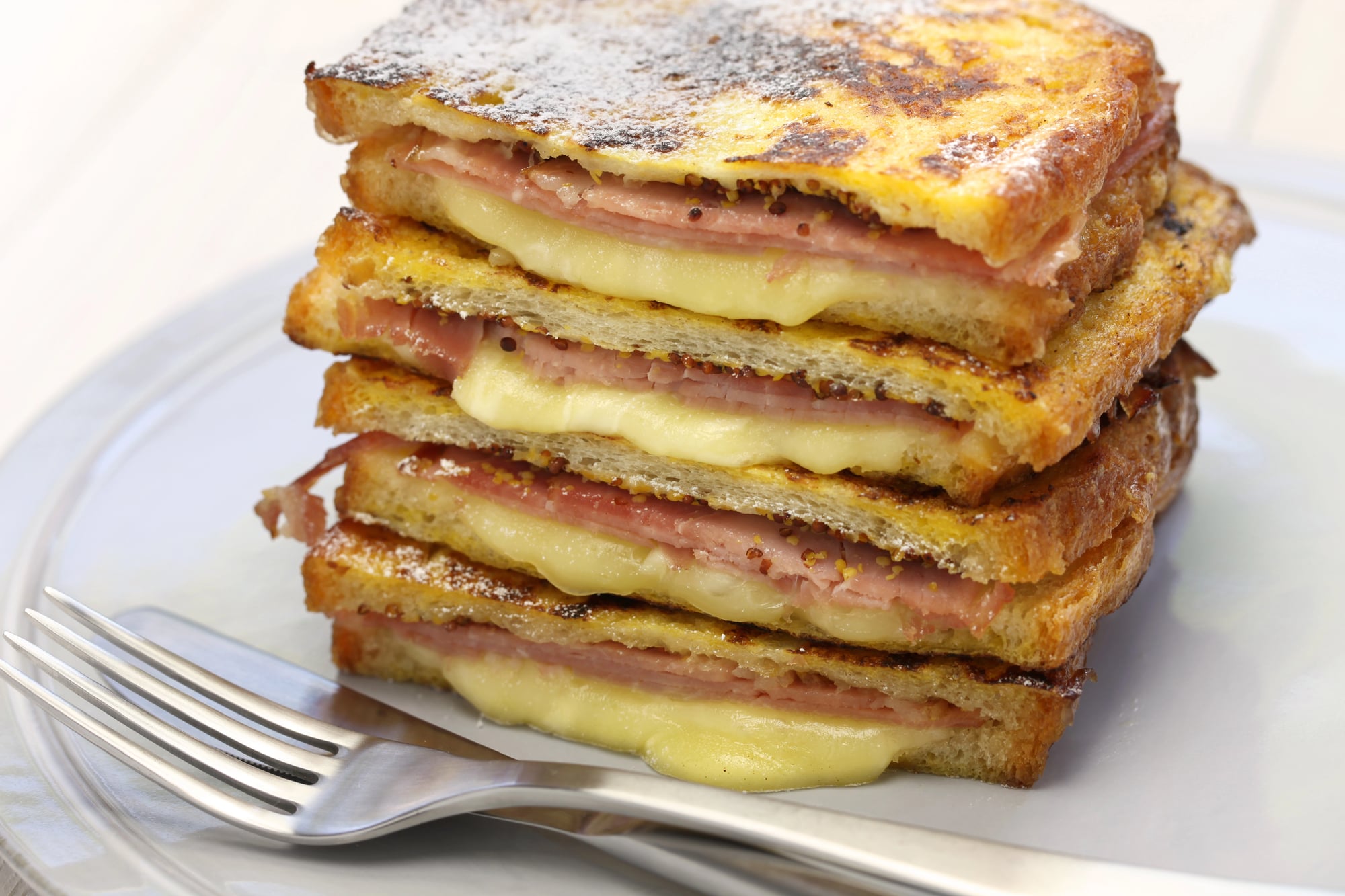
These pressed sandwiches of roast pork, ham, Swiss cheese, pickles, and mustard on Cuban bread were actually created in Florida, not Cuba. The sandwich evolved in the late 1800s and early 1900s in immigrant communities of Tampa and Key West, where Cuban workers in cigar factories needed portable lunches.
The modern version represents a fusion of Cuban, Italian, and other influences, with the addition of salami in Tampa’s version reflecting the city’s Italian immigrant population, making it a truly American multicultural creation.
Garlic Bread
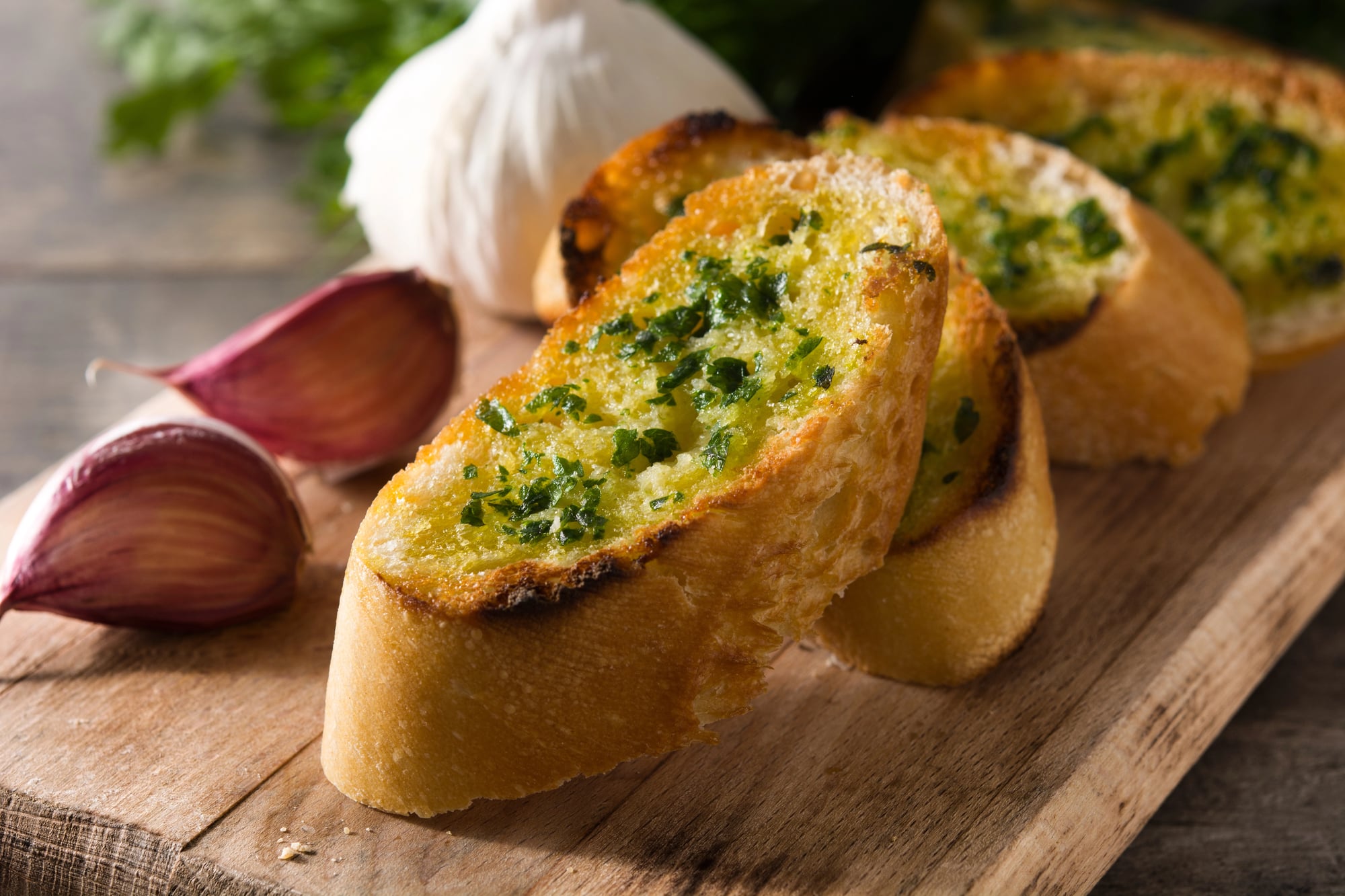
This buttery, garlicky favorite accompaniment to pasta dishes doesn’t exist in traditional Italian cuisine. While Italians do enjoy ‘bruschetta’ drizzled with olive oil and rubbed with garlic, the American version with its soft bread soaked in garlic butter emerged in Italian-American restaurants during the mid-20th century.
The creation represents adaptation to American preferences for more heavily flavored foods and broader access to ingredients like butter, which was less commonly used in southern Italian cooking from which most Italian-American cuisine derives.
Like Go2Tutors’s content? Follow us on MSN.
A Melting Pot on the Plate
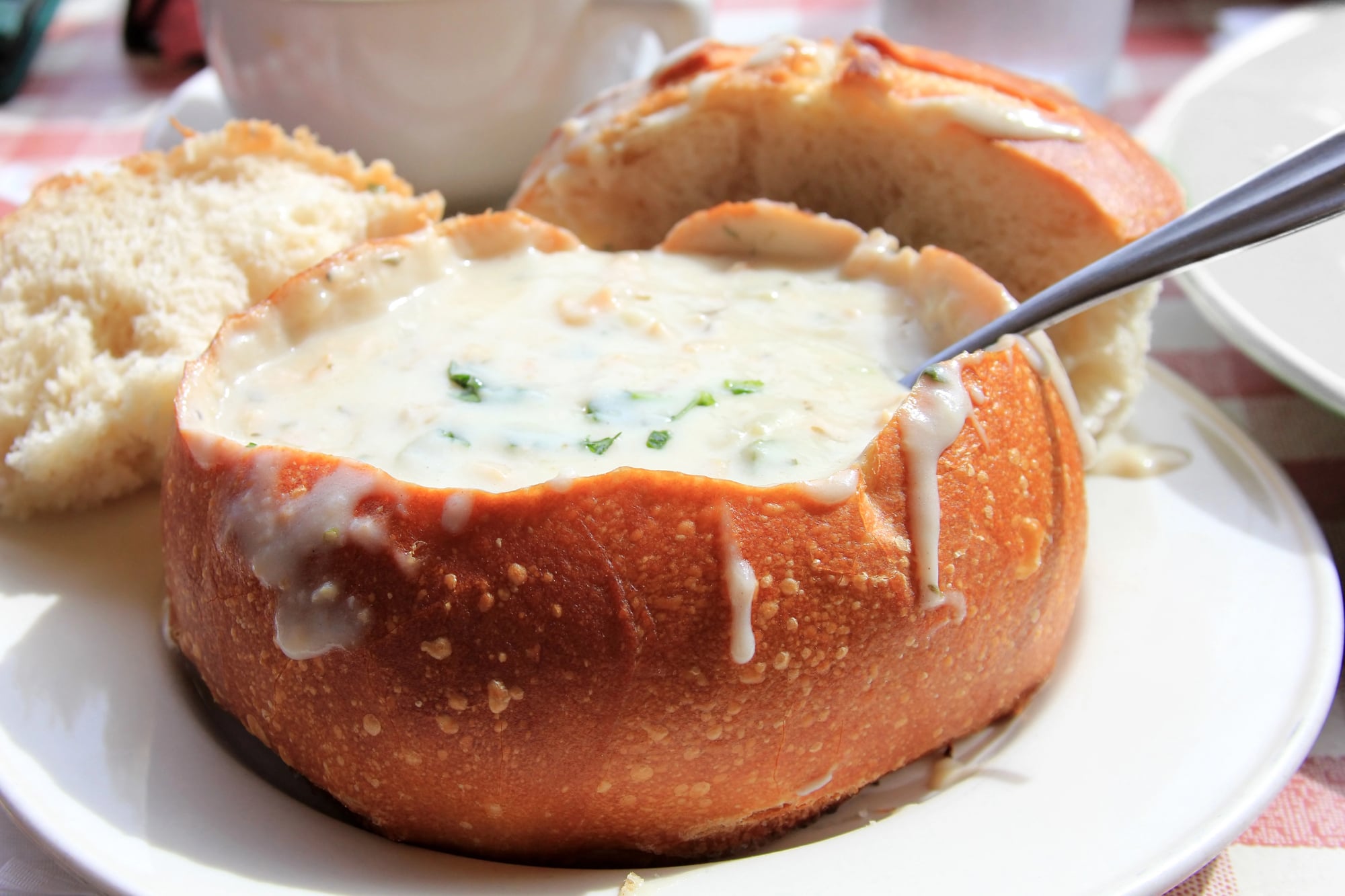
These misattributed foods reveal how American cuisine functions as a true cultural melting pot, absorbing and transforming global influences. Immigrants brought their culinary traditions to American shores, adapting recipes to local ingredients and tastes while creating entirely new dishes that often departed dramatically from their inspirations.
What emerges isn’t so much cultural appropriation as cultural evolution—a dynamic process that continues today as new flavors enter the American palate and transform into something unique yet connected to traditions spanning oceans and generations.
More from Go2Tutors!

- 16 Restaurant Chains That Went Too Fast
- 12 Things Sold in the 80s That Are Now Illegal
- 15 Strange Things People Have Tried to Ban (And Failed)
- 16 Collectibles People Tossed Out Too Soon
- 17 Myths from Your Childhood That Were Actually Based on Real Things
Like Go2Tutors’s content? Follow us on MSN.



