Perfume Bottles Designed by Famous Artists
Perfume bottles have always been more than just containers for fancy scents. They’re tiny works of art that sit on dressing tables and bathroom shelves, catching light and drawing the eye.
Some of the world’s most famous artists have turned their talents to designing these beautiful objects, creating pieces that people collect even when the perfume inside has long since evaporated. Let’s explore some of the most stunning perfume bottles that famous artists have created over the years.
Salvador Dalí’s surrealist creations
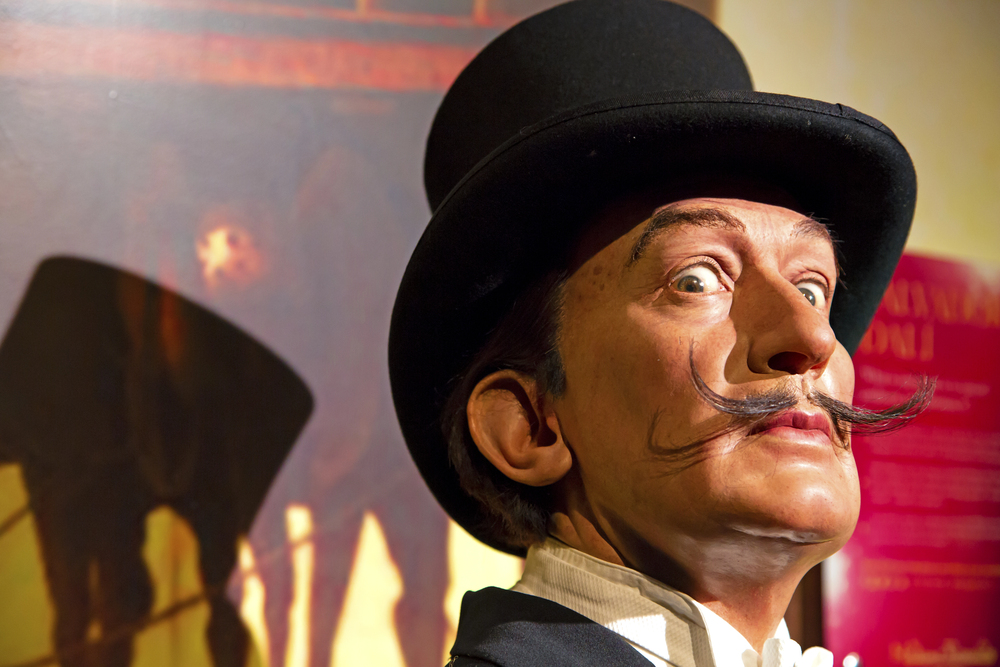
Salvador Dalí designed several perfume bottles that look exactly like you’d expect from the man who painted melting clocks. His bottle for the fragrance ‘Le Roy Soleil’ features a dove with spread wings and a golden sun, while another design shows lips suspended in space.
Dalí also created a bottle shaped like a woman’s torso for the fragrance ‘Shiaparelli,’ complete with delicate details that make it look more like a sculpture than something meant to hold liquid. These bottles sell for thousands of dollars at auctions today, even when empty. Collectors hunt for them the way some people search for rare stamps or vintage cars.
Lalique’s art nouveau masterpieces
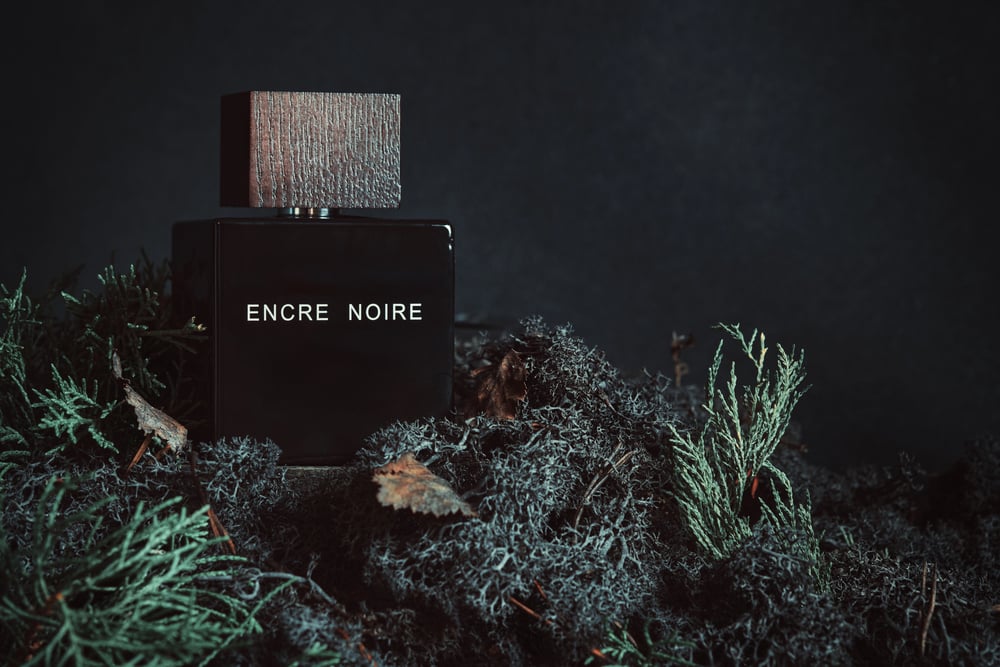
René Lalique started designing perfume bottles in the early 1900s and basically invented the idea that the bottle could be as important as the scent inside. His bottles featured frosted glass with intricate patterns of flowers, insects, and mythological figures.
Lalique worked with famous perfumer François Coty to create bottles that made perfume accessible to more people, not just the super wealthy. Before Lalique came along, most perfume bottles were simple and boring. His designs changed the entire industry and made the bottle part of the luxury experience.
Marc Chagall’s colorful designs
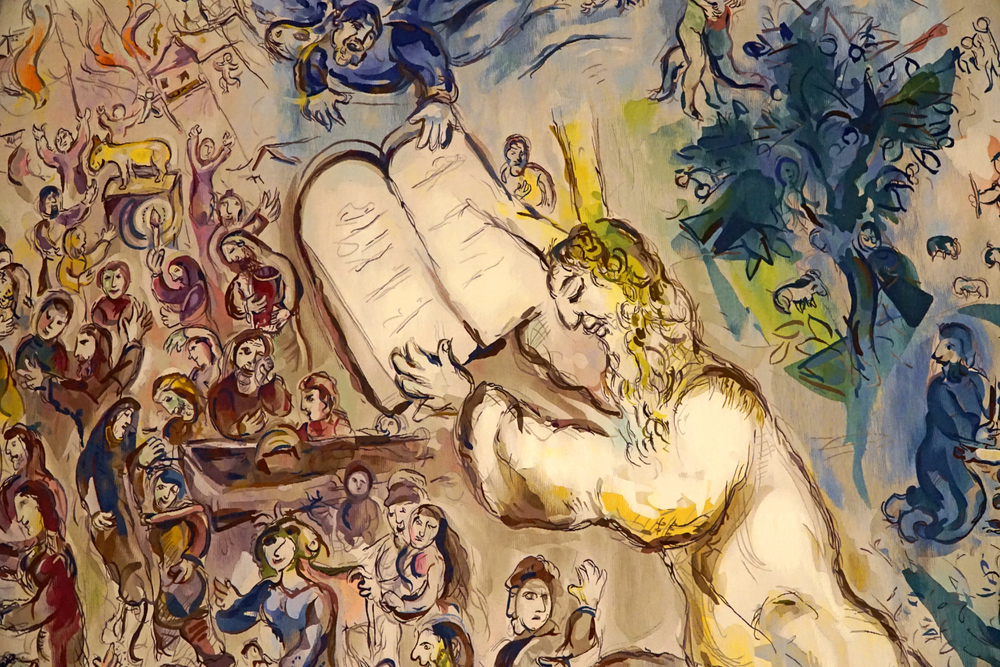
Marc Chagall, known for his dreamy paintings with floating figures and vibrant colors, designed perfume bottles that captured his whimsical style. He created a limited edition bottle for the fragrance ‘L’Air du Temps’ that featured two doves in flight, done in his signature playful manner.
The bottles incorporated his love of rich blues and flowing forms. Chagall didn’t design as many bottles as some other artists, which makes the ones he did create even more valuable to collectors. His approach brought a sense of joy and lightness to perfume packaging that matched the romantic nature of fragrance itself.
Pierre Dinand’s minimalist approach
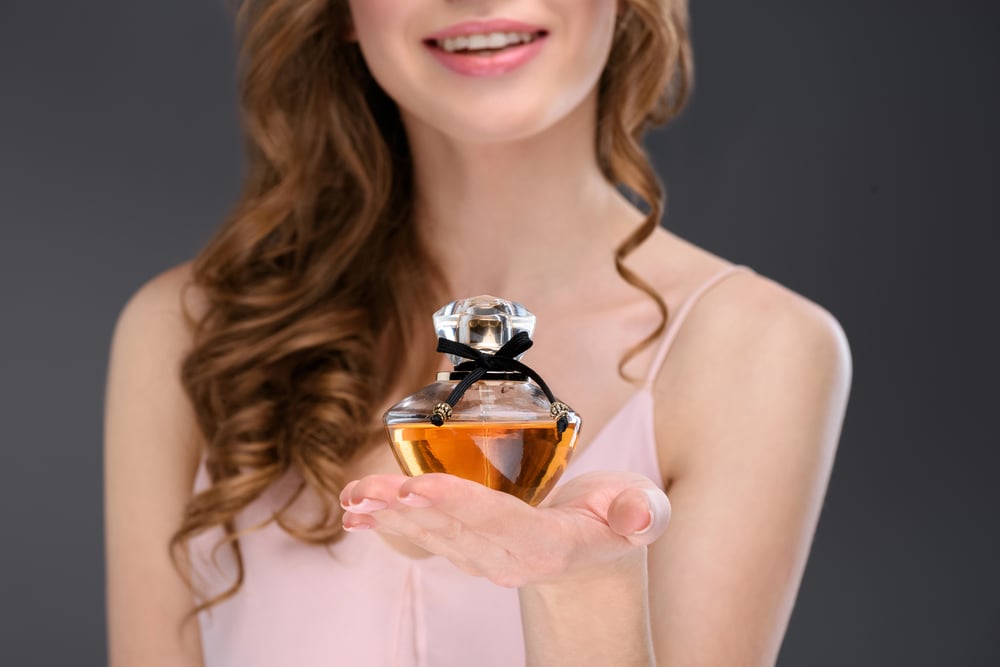
Pierre Dinand designed bottles for major brands like Dior, YSL, and Givenchy with a focus on clean lines and simple elegance. His bottle for Dior’s ‘Eau Sauvage’ became one of the most recognizable fragrance containers in the world with its straightforward rectangular shape and minimal decoration.
Dinand believed that a bottle should enhance the fragrance, not compete with it. He stripped away unnecessary details and focused on proportion and balance. His philosophy influenced countless other designers and helped define what luxury perfume bottles look like in the modern era.
Jean Cocteau’s artistic vision

French artist Jean Cocteau designed a perfume bottle for Guerlain that featured his distinctive line drawings. The bottle for ‘Parure’ perfume showcased his simple but expressive artistic style.
Cocteau was primarily known for his films, plays, and drawings, so his venture into perfume design was relatively brief. The bottles he created have become incredibly rare and valuable. His approach brought a literary and theatrical quality to perfume packaging, treating the bottle like a stage for his artistic expression.
Baccarat’s crystal collaborations
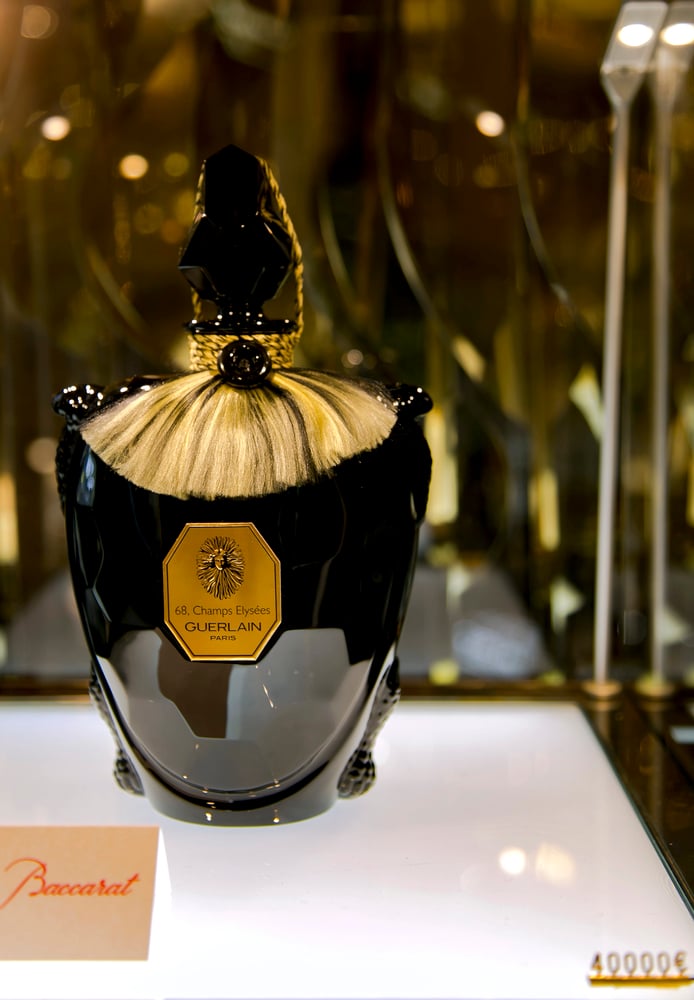
The luxury crystal company Baccarat has worked with various artists to create limited edition perfume bottles that cost more than most cars. These aren’t bottles you’d actually use for daily perfume.
They’re display pieces that sit in locked cases. Some Baccarat bottles contain gold flecks in the crystal or feature hand-painted details that take craftspeople weeks to complete. A single bottle can cost anywhere from $10,000 to over $1 million depending on the materials and artist involved. Collectors treat these pieces like fine art, which they essentially are.
Andy Warhol’s pop art containers
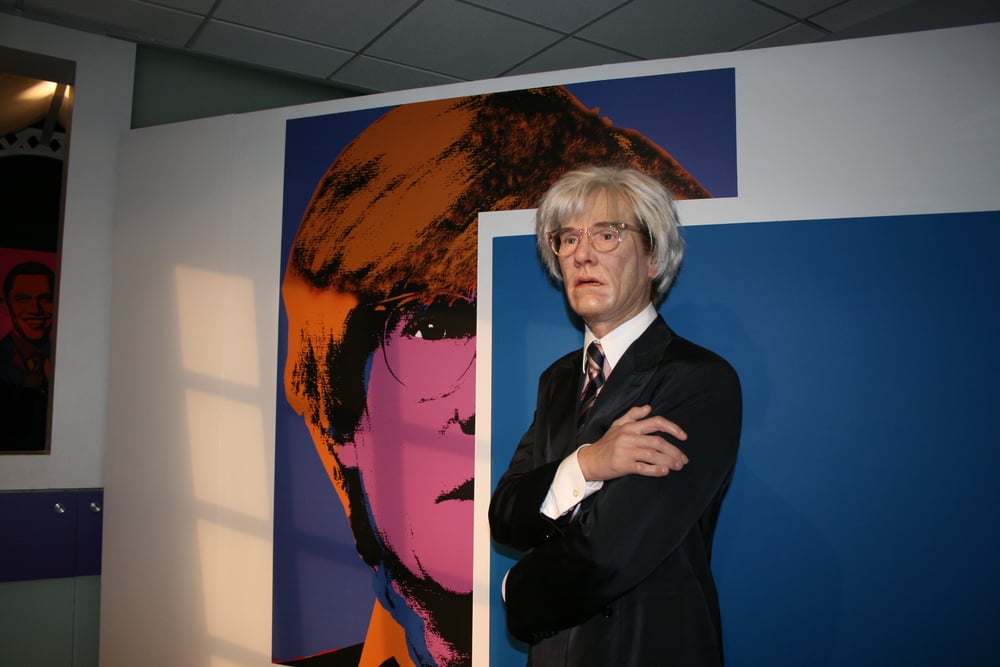
Andy Warhol created perfume bottle designs that reflected his pop art sensibility and love of commercial culture. He designed a bottle featuring his signature soup can imagery and another with his famous flower prints.
Warhol understood branding better than almost any artist of his time, and his perfume bottles treated fragrance as another form of consumer product to celebrate. Some of his designs were produced in limited quantities, while others remained as concepts and sketches. Either way, they command high prices when they appear at auction houses today.
Elsa Schiaparelli’s shocking designs

Fashion designer Elsa Schiaparelli worked with artists to create some of the most daring perfume bottles ever made. Her fragrance ‘Shocking’ came in a bottle shaped like a dressmaker’s dummy, reportedly modeled after actress Mae West’s figure.
Another Schiaparelli bottle featured a candle design for a fragrance called ‘Roy Soleil.’ These bottles pushed boundaries and made people look twice. Schiaparelli treated perfume packaging as an extension of her avant-garde fashion work. The bottles were conversation pieces that made bold statements about femininity, luxury, and artistic expression.
Giorgio de Chirico’s metaphysical bottles
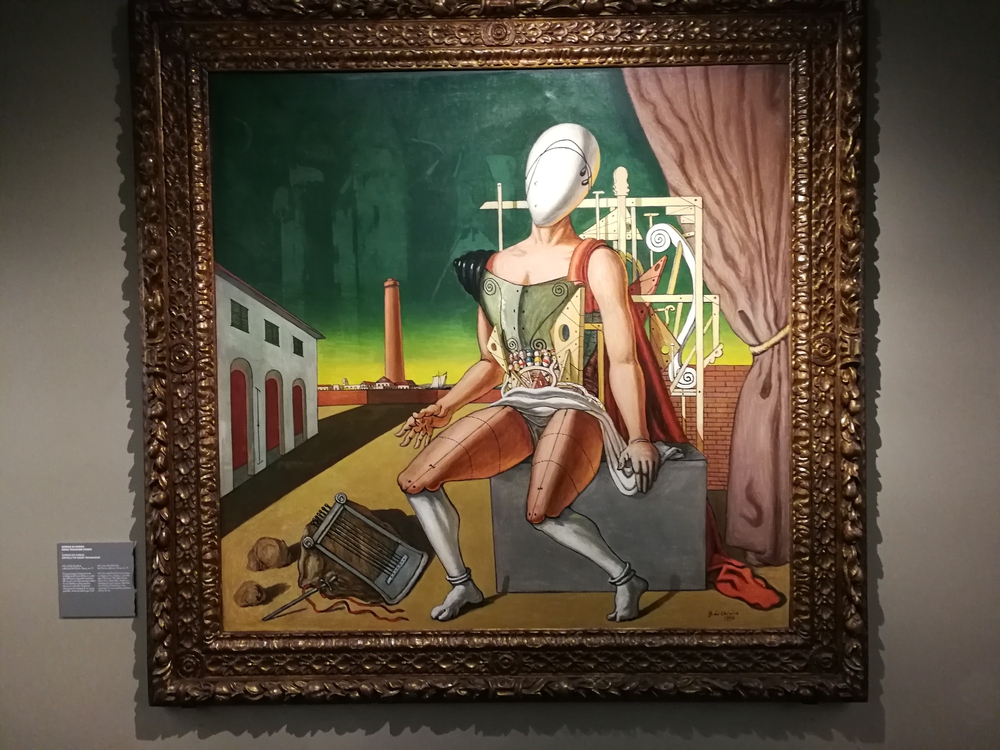
Italian artist Giorgio de Chirico, famous for his mysterious paintings of empty plazas and strange architecture, designed perfume bottles that captured his metaphysical style. His designs often featured architectural elements and geometric shapes that seemed to exist in dreamlike spaces.
The bottles reflected his paintings’ sense of mystery and timelessness. De Chirico’s work in perfume design is less well-known than his paintings, but collectors who appreciate his art seek out these bottles. They represent a unique intersection of his artistic vision with functional design.
Thierry Mugler’s theatrical flacons
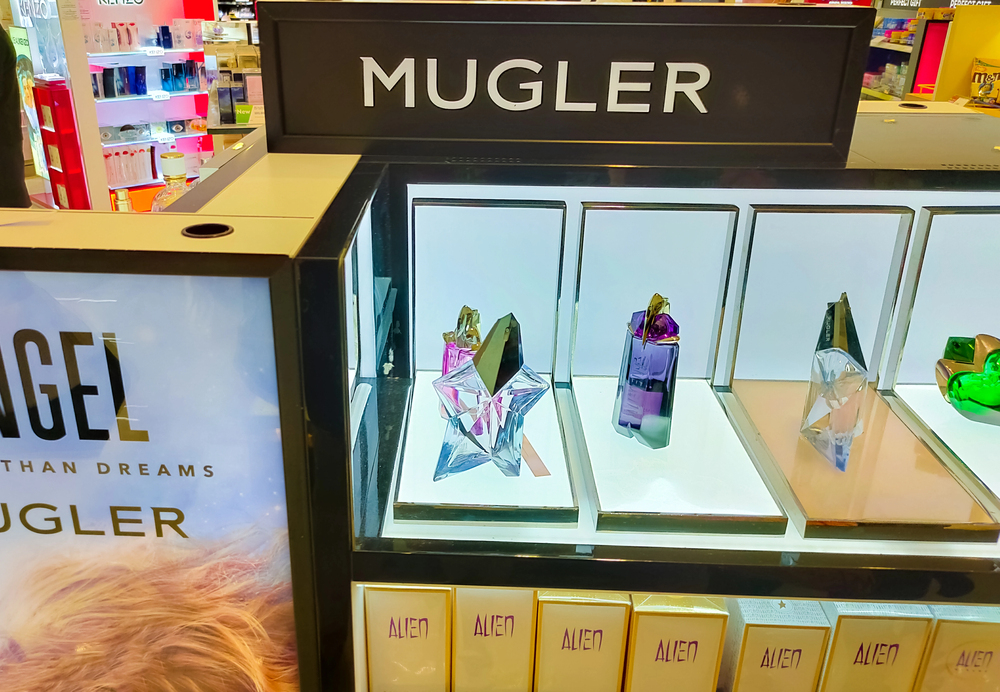
Fashion designer Thierry Mugler created perfume bottles that look more like props from a futuristic movie than containers for scent. His ‘Angel’ bottle with its star shape and deep blue color became instantly recognizable.
The bottle for ‘Alien’ perfume looks like a purple gemstone from another planet. Mugler’s bottles are bold, dramatic, and impossible to ignore on a store shelf. He treated each bottle as a character in the story of the fragrance, giving them personality and presence. Some of his limited edition bottles feature crystals, unusual materials, and designs that seem almost too elaborate to be practical.
Annette Tapert’s vintage recreations
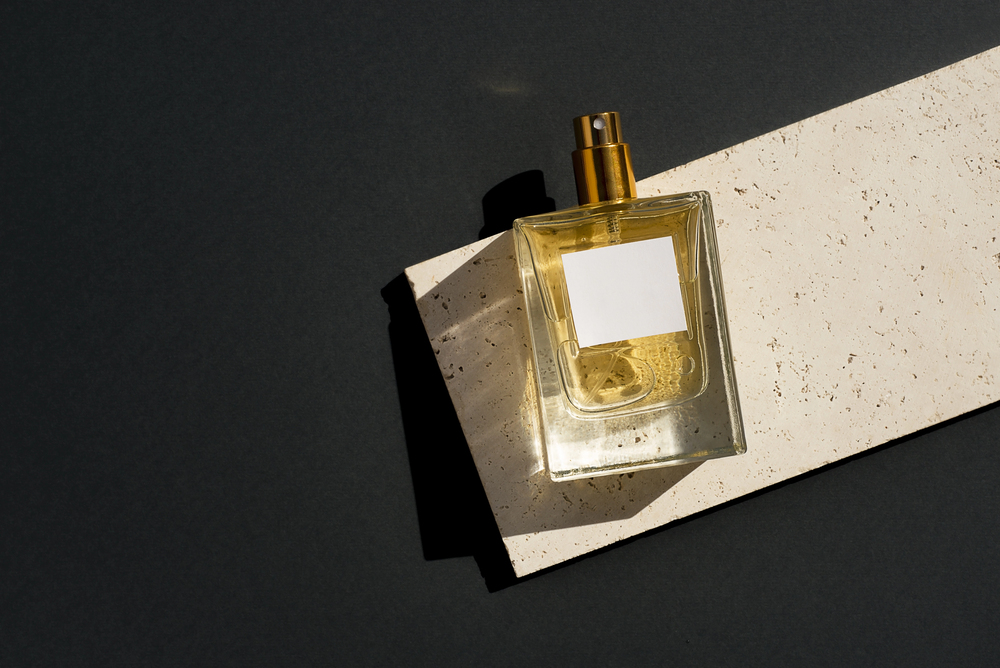
Collector and author Annette Tapert worked with perfume companies to recreate historic bottle designs from famous artists and designers. Her book ‘The Power of Glamour’ documented rare and important perfume bottles from throughout history.
Tapert helped preserve and popularize the art of perfume bottle collecting. She brought attention to lesser-known designers whose work deserved recognition. Her efforts ensured that beautiful vintage designs didn’t disappear into private collections where nobody could appreciate them. Through her work, more people learned to see perfume bottles as legitimate art objects worth studying and preserving.
Joël Desgrippes’s contemporary innovations
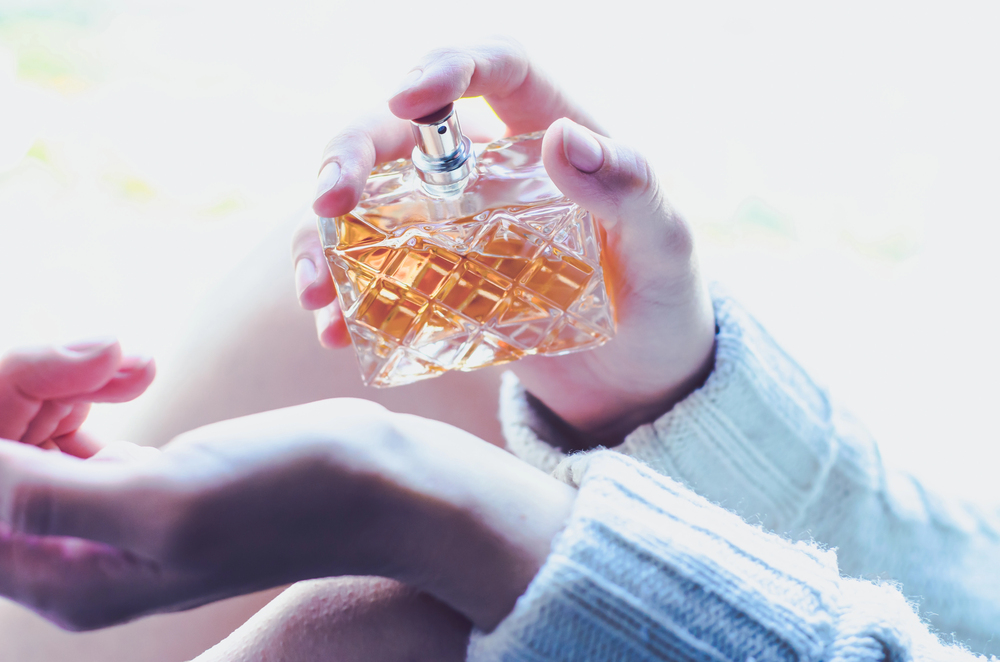
French designer Joël Desgrippes created bottles that balance artistry with practicality, understanding that people actually need to use these objects. His work for brands like Calvin Klein and Kenzo shows a modern sensibility that respects both form and function.
The bottle he designed for Calvin Klein’s ‘Eternity’ became one of the best-selling fragrance packages of all time with its simple, timeless elegance. Desgrippes proved that artistic bottle design doesn’t require elaborate sculptures or precious materials. Sometimes the most beautiful designs are the ones that feel natural and effortless, like they couldn’t possibly look any other way.
Fabien Baron’s advertising aesthetic
Fabien Baron approached perfume bottle design with his background in advertising and art direction, creating containers that photograph beautifully and make instant visual impact. His bottle for Calvin Klein’s ‘CK One’ with its simple flask-like shape and industrial aesthetic defined 1990s fragrance packaging.
Baron understood that a perfume bottle needs to work in print ads and on shelves, not just sitting alone in perfect lighting. His minimalist approach influenced a whole generation of designers who followed. The bottles he created look just as current today as they did when they first launched.
Kazuo Ohno shaped by Japan
Flowing lines shape the bottles crafted by Japanese artist Kazuo Ohno. Though rooted in Eastern thought, his touch found its way into Western fragrance containers.
Instead of clutter, open areas define much of his visual language. Nature appears softly – curves echo leaves, shells, mist. Tradition informs each piece yet nothing feels copied or repeated. Rather than gold filigree, stillness speaks loudest in these vessels. Where Europe favored drama, he offered hush and balance. Each form suggests motion without moving. Collectors seek them now more than before. Quiet presence gives weight where flash once ruled. Rare does not mean forgotten – it means noticed differently. Culture blends here without noise or show.
Hilton McConnico’s playful designs
Bottles by designer Hilton McConnico carry a dreamlike charm, as if pulled straight from whispered fables. Not bound by tradition, they twist form and material into something oddly delightful.
Luxury labels tapped him for special runs – pieces that collectors snatched up fast. Delicate ribbons curl around glass, tiny gems catch light, miniature towers rise without warning. Though fragile in appearance, these creations hold bold imagination inside. Every shape hints at unseen stories, places where magic slips quietly into daily life. Objects like these do not just sit on shelves – they suggest entire worlds behind their curves.
Art meets commerce on every shelf
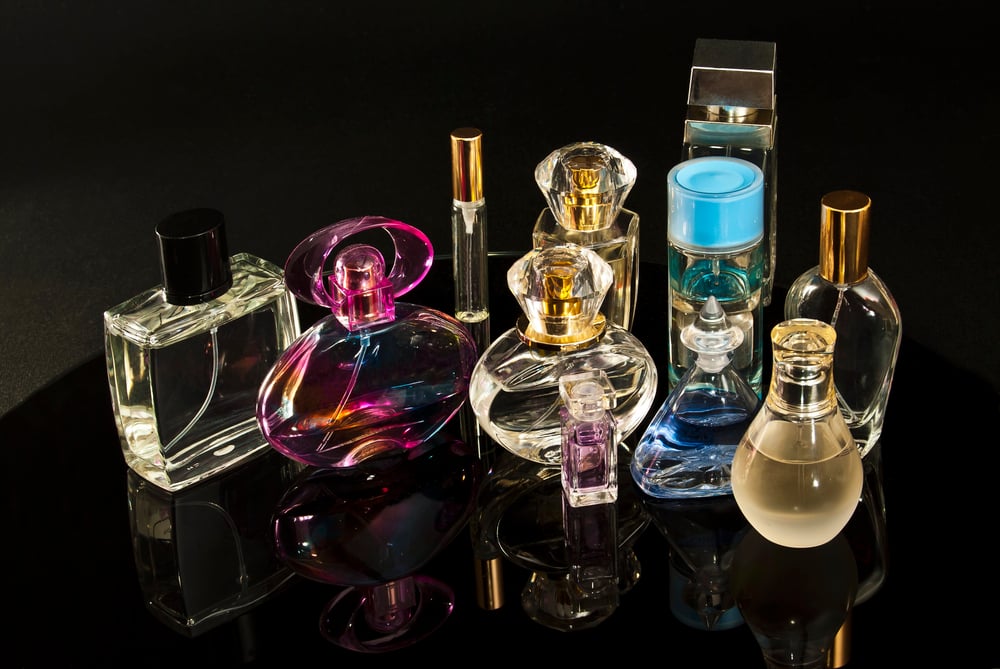
Still going strong, the habit of painters and sculptors shaping perfume containers lives on through fresh faces plus big-name creators alike. From early trailblazers such as Lalique came a lasting bond linking galleries and scent makers.
These days, old flacons sit in museums right beside canvases and carved forms, treated like real artwork. Maybe after reading this, when a person lifts a familiar spray, their eyes will linger longer on its curves, seeing not just glass but intent behind every line.
More from Go2Tutors!

- The Romanov Crown Jewels and Their Tragic Fate
- 13 Historical Mysteries That Science Still Can’t Solve
- Famous Hoaxes That Fooled the World for Years
- 15 Child Stars with Tragic Adult Lives
- 16 Famous Jewelry Pieces in History
Like Go2Tutors’s content? Follow us on MSN.