Foods We Ate Decades Ago, Now Banned
Remember when grocery shopping felt simpler—when food packaging didn’t list ingredients that sounded straight out of a science lab? The American diet has shifted drastically over the years, and not just because kale suddenly became a superstar. Many of the foods our parents and grandparents ate regularly have quietly disappeared, thanks to changing safety standards and new discoveries about what’s really in our food.
Some of these foods vanished after scientists uncovered hidden health risks. Others were banned for environmental reasons or because of questionable production methods that wouldn’t fly today.
Either way, these stories show how far food safety has come—and how much it still evolves. Here are 16 foods people once enjoyed that are now banned.
Cyclamate
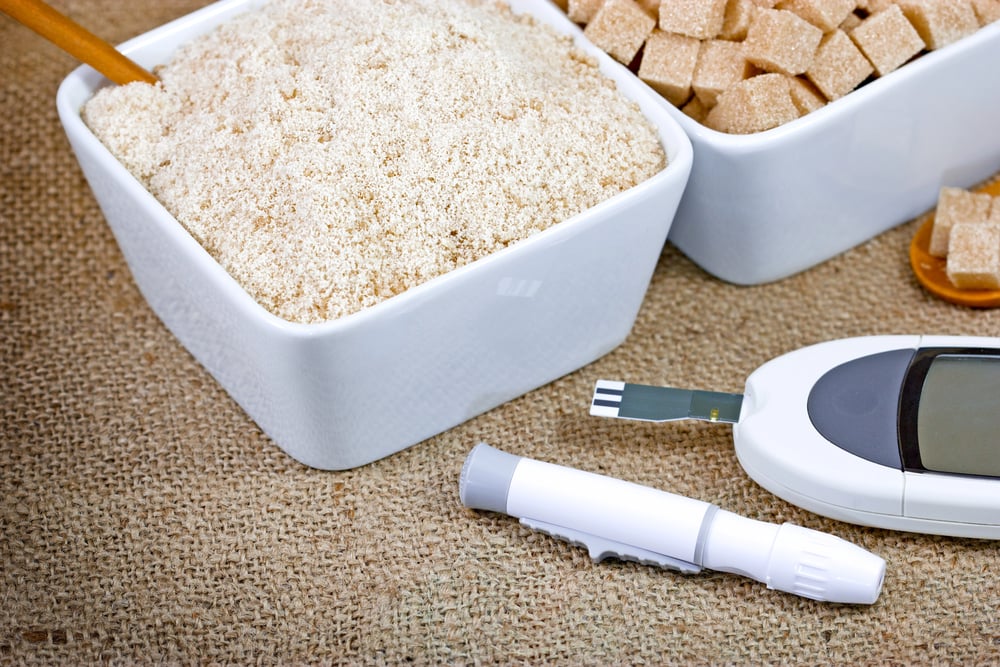
In the 1960s, cyclamate was the darling of diet foods. This artificial sweetener popped up in everything from salad dressings to sodas, offering sweetness without calories.
But in 1969, lab tests on rats linked it to bladder cancer, leading to its removal from the U.S. market a year later.
The studies involved absurdly high doses—far beyond what any person would ever consume—but the ban stuck. Ironically, it’s still approved in over 130 countries, including Canada and most of Europe.
Haggis

Scotland’s iconic dish ran afoul of U.S. regulators in 1971 when the USDA banned food products made with sheep lungs. Traditional haggis blends minced heart, liver, and lungs with oats and spices, all packed inside a sheep’s stomach.
Officials worried that lungs might carry harmful bacteria or pollutants inhaled while the animal was alive. American versions without lungs exist, but purists argue they’re missing the soul of the dish
. Even Anthony Bourdain called haggis one of the most unfairly maligned foods in the world—and he wasn’t wrong.
Like Go2Tutors’s content? Follow us on MSN.
Brominated Vegetable Oil

For decades, brominated vegetable oil (BVO) helped keep citrus flavoring evenly mixed in soft drinks. It first appeared in the 1920s, and few questioned it—until researchers discovered it could build up in body fat and disrupt the thyroid and nervous system.
The FDA officially took it off the “safe” list in 1970 but allowed limited use for years. By 2024, it was finally banned altogether.
Chances are, you’ve already stopped drinking it; most soda brands quietly reformulated long before the final ruling.
Tonka Beans
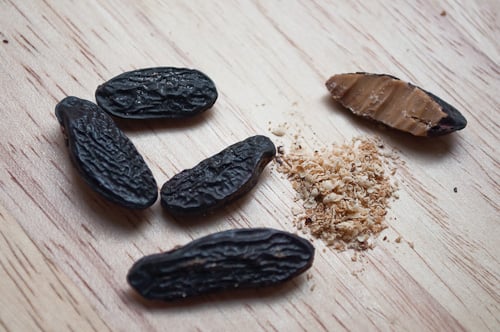
Fragrant and complex, tonka beans smell like a mix of vanilla, almond, and cherry. Chefs adored them for desserts—until 1954, when the FDA banned them because they contain coumarin, a compound that can cause liver damage in large amounts.
The catch? You’d need to eat a lot of tonka beans for it to be harmful. Still, the law stands. Interestingly, they’re still perfectly legal in perfumes and candles—apparently it’s fine to smell them, just not taste them.
Black Pudding
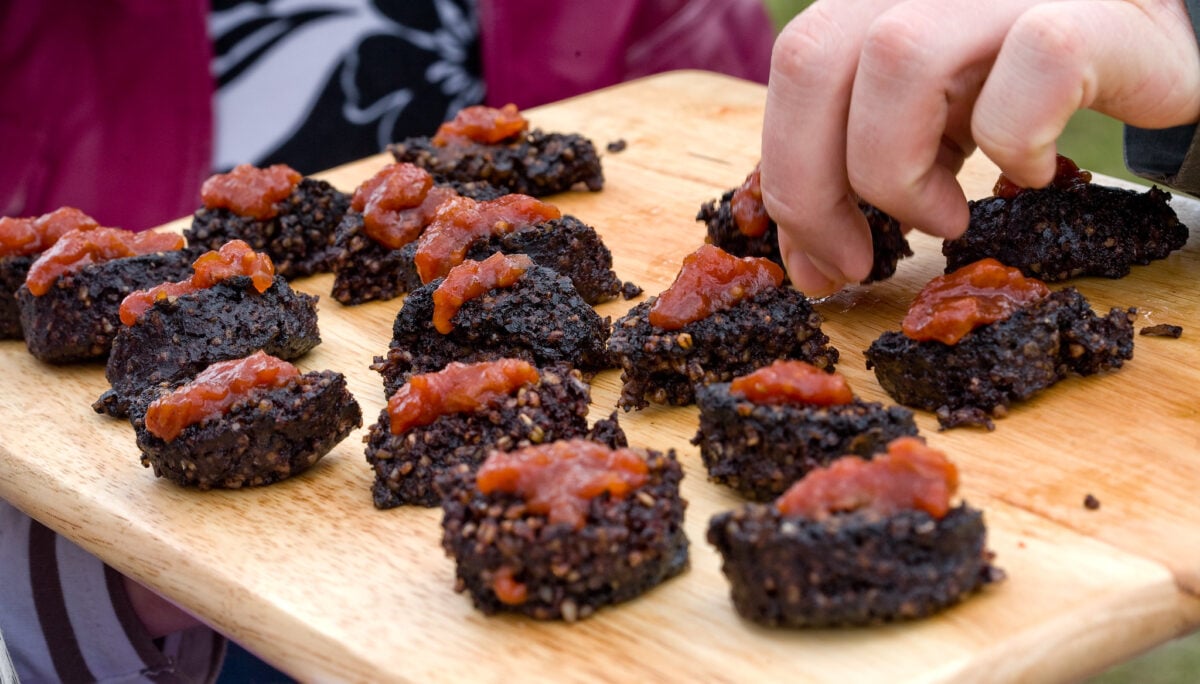
This traditional British breakfast sausage—made from congealed blood, oats, and spices—is a culinary classic overseas but restricted in the U.S. The reason? Authentic recipes often include sheep lung, which the FDA forbids.
American versions can be made domestically under tight rules, but importing the real deal is almost impossible. Even if you try to bring it back from a trip abroad, customs will seize it unless it’s canned or jarred—and definitely lung-free.
Like Go2Tutors’s content? Follow us on MSN.
Raw Milk

For centuries, drinking milk straight from the cow was completely normal. But after decades of outbreaks linked to bacteria like E.
coli and Salmonella, the FDA cracked down in 1987, banning interstate sales of raw milk. Some states still allow limited in-state sales, but around 20 prohibit it entirely.
Between 1998 and 2018, raw milk caused over 200 documented outbreaks, leading to thousands of illnesses and hundreds of hospitalizations—a reminder that “natural” isn’t always safer.
Beluga Caviar
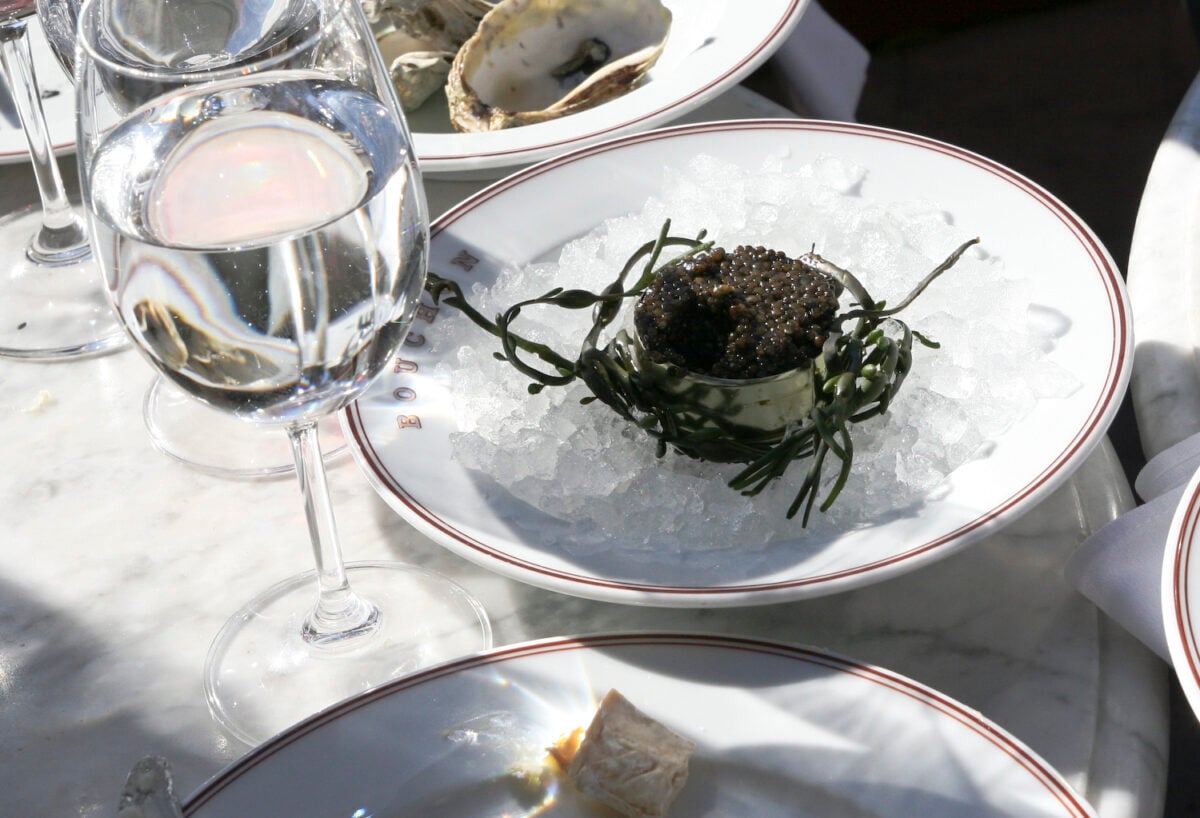
Beluga caviar used to be the ultimate symbol of wealth—until overfishing nearly wiped out the beluga sturgeon. In 2005, the U.S. banned all imports to protect the species.
Because these fish take decades to mature, recovery has been painfully slow. Other types of caviar remain available, but true beluga has been off American menus for 20 years—and might stay that way for decades more.
Violet No. 1

Before it was banned in 1973, Violet No. 1 was literally stamped on meat—used by the USDA to mark inspected beef. Studies later linked the dye to cancer in lab animals, ending its use. For years, food makers had to blend red and blue dyes to recreate purple shades in candy or drinks.
A safe replacement for Violet No. 1 didn’t come along until much later.
Like Go2Tutors’s content? Follow us on MSN.
Kinder Surprise Eggs

Beloved around the world, these chocolate eggs with hidden toys have been illegal in the U.S. since 1938 because of laws banning non-edible items embedded in food. The fear, of course, is choking hazards.
Customs agents even confiscate them at airports. Americans finally got a workaround in 2017 when Kinder Joy debuted, splitting the chocolate and toy into separate halves—but it’s not quite the same magic.
Unpasteurized Soft Cheeses

Traditional French cheeses like Époisses and young Brie de Meaux are made from raw milk aged less than 60 days, making them illegal under U.S. rules. Cheesemakers can create pasteurized versions, but aficionados argue the flavor and texture just don’t compare.
To taste the real thing, you’ll have to hop on a plane to France.
Wild Abalone

Once a luxury seafood delicacy, wild abalone vanished from California menus after overfishing decimated populations. Commercial harvesting was banned in 1997, and sport harvesting followed in 2017.
There’s talk of reopening it in 2026, but only if numbers improve. Farm-raised abalone exists, though it lacks the prestige—and flavor—of the wild kind.
Like Go2Tutors’s content? Follow us on MSN.
Foie Gras in California

Made by force-feeding ducks or geese to enlarge their livers, foie gras became the target of animal welfare activists. California banned its sale in 2012, though a few chefs tried clever loopholes like “donations” instead of menu listings.
Other regions have followed suit, and in 2014, India became the first country to ban foie gras imports outright.
Olestra

In the mid-1990s, snack lovers thought they’d found a miracle: chips with no fat and no calories. Marketed as Olean, olestra soon made headlines for less flattering reasons—digestive distress being one of them.
After years of complaints about cramping and “leakage,” it quietly disappeared from store shelves. Officially, it wasn’t banned—people just stopped buying it.
Saccharin with Warning Labels

Saccharin’s been around since 1879, but it became controversial in the 1970s after rat studies linked it to cancer. The FDA nearly banned it, but public pressure kept it alive—on one condition: warning labels.
For decades, every pink Sweet’N Low packet reminded you it “may cause cancer.” Those warnings finally disappeared in 2000 when scientists determined the earlier studies didn’t apply to humans.
Like Go2Tutors’s content? Follow us on MSN.
Whale Meat

Until the early 1970s, whale meat wasn’t unusual on some American tables. That changed in 1971 when commercial whaling was banned due to plummeting populations.
Only a few Native Alaskan communities can still hunt whales for traditional purposes, and even then, selling the meat is strictly prohibited. Japan, Norway, and Iceland continue limited whaling, but in the U.S., it’s a relic of the past.
Interstate Raw Dairy Products

The 1987 federal regulations didn’t just target raw milk—they covered cream, butter, and soft cheeses too. Unpasteurized dairy products can’t be sold across state lines unless aged for at least 60 days, which kills off harmful bacteria.
Some states allow small-scale or on-farm sales, but the rules are a confusing patchwork. It’s one of those gray areas where “farm fresh” doesn’t necessarily mean “federally legal.”
From Then to Now

The story of banned foods is a snapshot of progress—how science, culture, and common sense have reshaped what we eat. Many of these bans make perfect sense now; others feel overly cautious.
Still, it’s fascinating to realize how quickly norms shift. A food that was once harmless or trendy might be outlawed tomorrow.
Who knows—some of today’s favorite snacks could make the next list in 50 years.
More from Go2Tutors!

- 16 Historical Figures Who Were Nothing Like You Think
- 12 Things Sold in the 80s That Are Now Illegal
- 15 VHS Tapes That Could Be Worth Thousands
- 17 Historical “What Ifs” That Would Have Changed Everything
- 18 TV Shows That Vanished Without a Finale
Like Go2Tutors’s content? Follow us on MSN.