15 Radio Countdown Shows We Tuned in to
Radio countdown shows turned our car rides and lazy Sunday afternoons into appointment listening. These programs didn’t just play music—they created weekly rituals where we’d gather around radios, arguing about which songs deserved the top spot and discovering new artists climbing the charts.
The magic of countdown shows lies in their ability to build suspense, making us wait through commercial breaks and lesser-known tracks to hear if our favorite song has finally reached number one. Here are 15 radio countdown shows that defined how we experienced popular music for decades.
American Top 40

Casey Kasem’s smooth voice became the soundtrack to weekend mornings across America starting in 1970. His signature long-distance dedications’ turned simple song requests into heartfelt stories that connected listeners from coast to coast.
Kasem had this unique ability to make chart statistics feel personal, whether he was explaining why a particular song resonated with teenagers or sharing the backstory behind an artist’s breakthrough hit.
American Country Countdown
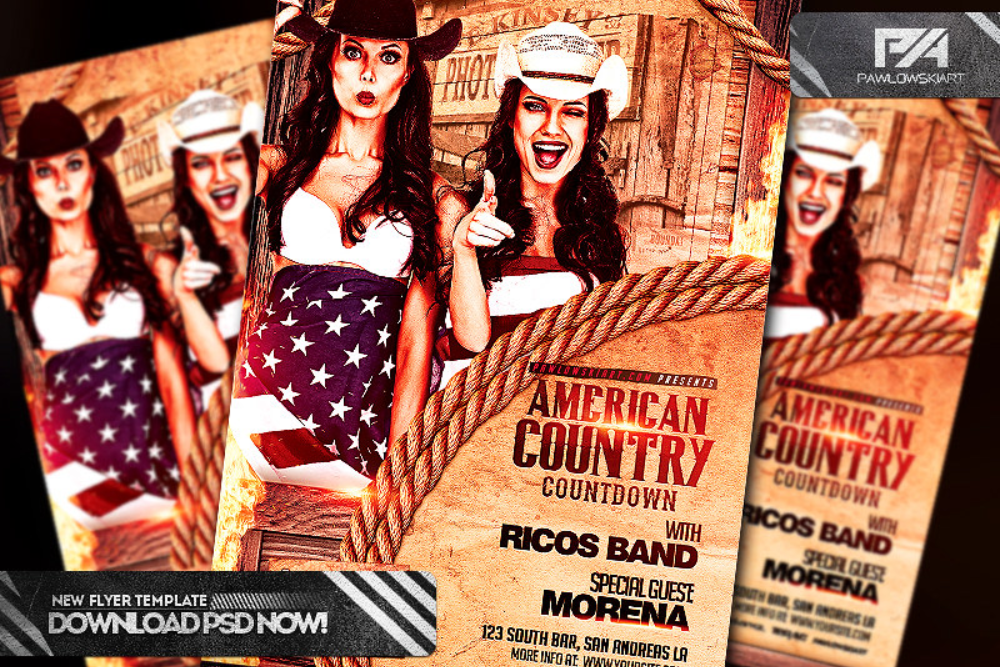
Country music found its definitive voice through Bob Kingsley’s American Country Countdown, which launched in 1973. Kingsley brought the same storytelling tradition that made country music special to his radio show, weaving tales about songwriters, musicians, and the Nashville scene between chart-toppers.
The show became essential listening for country fans who wanted to understand not just what was popular, but why certain songs struck such a deep chord with audiences.
The Rick Dees Weekly Top 40

Rick Dees brought comedy sketches and sound effects to the countdown format when his show debuted in 1983. His approach felt more like a variety show than a traditional countdown, complete with celebrity impressions and recurring comedy bits that had listeners laughing between chart updates.
Dees proved that countdown shows could be entertaining beyond just the music, creating a template that influenced radio programming for years.
Solid Gold Screamers
This British import focused exclusively on the most energetic rock and pop hits, creating countdowns that felt like non-stop dance parties. The show’s DJs didn’t just announce chart positions—they celebrated each song with infectious enthusiasm that made even familiar hits sound fresh and exciting.
Solid Gold Screamers understood that sometimes listeners wanted pure energy rather than detailed chart analysis.
Weekly Top 30

Australia’s contribution to the countdown format brought a fresh perspective to international hits and local favorites. The show’s hosts had this knack for explaining how global music trends were playing out differently in various markets, making listeners feel connected to a worldwide musical conversation.
Weekly Top 30 proved that great countdown shows could thrive anywhere people cared about discovering what everyone else was listening to.
AT40 Extra

This extended version of American Top 40 gave Casey Kasem more time to dive deep into chart histories and music industry stories. The extra format allowed for longer song clips and more detailed discussions about why certain tracks were climbing or falling on the charts.
AT40 Extra became appointment listening for serious music fans who wanted comprehensive coverage of the pop music landscape.
Saturday Night’s Alright

This evening countdown show captured the excitement of getting ready for weekend nights out. The DJs understood their audience was preparing for parties and dates, so they programmed upbeat hits and dance tracks that matched the Saturday night energy.
The show became a pre-party ritual for listeners who wanted to know which songs would be dominating jukeboxes and dance floors.
The World Chart Show

International music found its platform through this global countdown that tracked hits across multiple countries. The show’s format was fascinating—it would compare how the same song performed in different markets, revealing how musical tastes varied from continent to continent.
World Chart Show opened listeners’ ears to artists and genres they might never have discovered through domestic radio alone.
Hitline USA

This countdown focused on the stories behind the hits, featuring interviews with artists right as their songs were climbing the charts. The timing was perfect because musicians were eager to talk about their latest releases, and listeners got insider perspectives on songs they were hearing everywhere.
Hitline USA made chart success feel immediate and personal rather than just statistical information.
Radio & Records Countdown

Industry insiders and serious music fans gravitated toward this show because it used radio airplay data rather than just sales figures. The format provided a more accurate picture of what people were actually hearing on their local stations, making predictions about future hits more reliable.
Radio & Records Countdown became essential for anyone who wanted to understand the mechanics behind chart success.
The Countdown Magazine

This television-meets-radio hybrid brought visual elements to the countdown format through promotional videos and artist interviews. The show recognized that music was becoming increasingly visual in the MTV era, adapting the traditional radio countdown for audiences who wanted to see their favorite artists.
Countdown Magazine influenced how other shows would eventually incorporate multimedia elements.
Hot Trax USA

Dance music and club hits got their own dedicated countdown through Hot Trax USA, which tracked what DJs were playing in nightclubs across the country. The show filled a gap that mainstream countdowns couldn’t address—underground hits that were packing dance floors but hadn’t yet crossed over to pop radio.
Hot Trax USA became a predictor of future mainstream success, identifying crossover potential before major labels caught on.
Top of the Pops Radio

The radio version of Britain’s legendary TV show brought that same energy to the audio-only format. The hosts maintained the excitement and British perspective that made the television program so influential, but adapted it for listeners who wanted comprehensive coverage of UK chart action.
Top of the Pops Radio proved that strong television brands could successfully transition to radio while maintaining their core identity.
Z100’s Countdown

New York’s influential Z100 created their own countdown that reflected the station’s cutting-edge approach to pop music programming. The show often featured songs that were just breaking, giving listeners a preview of what would dominate national charts in coming weeks.
Z100’s Countdown became a trendsetting program that other stations watched for programming inspiration.
Power 30

This countdown specialized in current hits with staying power, focusing on songs that were maintaining chart positions rather than just peaking quickly. The concept was smart—listeners got concentrated doses of the music they’d be hearing for months, not just flash-in-the-pan novelties.
Power 30 understood that sometimes audiences wanted familiarity and reliability over constant musical surprises.
The Beat Goes On

Despite streaming services and on-demand music changing how we discover and consume songs, the countdown format continues evolving rather than disappearing. Modern countdown shows appear as podcasts, internet radio programs, and streaming playlists that capture that same anticipation and community feeling that made the original radio versions so compelling.
The basic human desire to know what everyone else is listening to ensures that some version of the countdown show will always find an audience, even as the delivery methods continue changing.
More from Go2Tutors!

- The Romanov Crown Jewels and Their Tragic Fate
- 13 Historical Mysteries That Science Still Can’t Solve
- Famous Hoaxes That Fooled the World for Years
- 15 Child Stars with Tragic Adult Lives
- 16 Famous Jewelry Pieces in History
Like Go2Tutors’s content? Follow us on MSN.