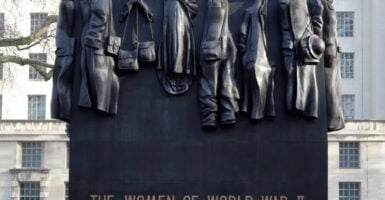
18 Events That Happened on the Same Day but Seem Unrelated
History unfolds in surprising ways, with seemingly unconnected events often sharing the same date by coincidence. These temporal intersections create fascinating juxtapositions that help us appreciate the complex tapestry of human experience.
Here is a list of 18 remarkable historical coincidences where unrelated events occurred on the same day.
Titanic and Fenway Park
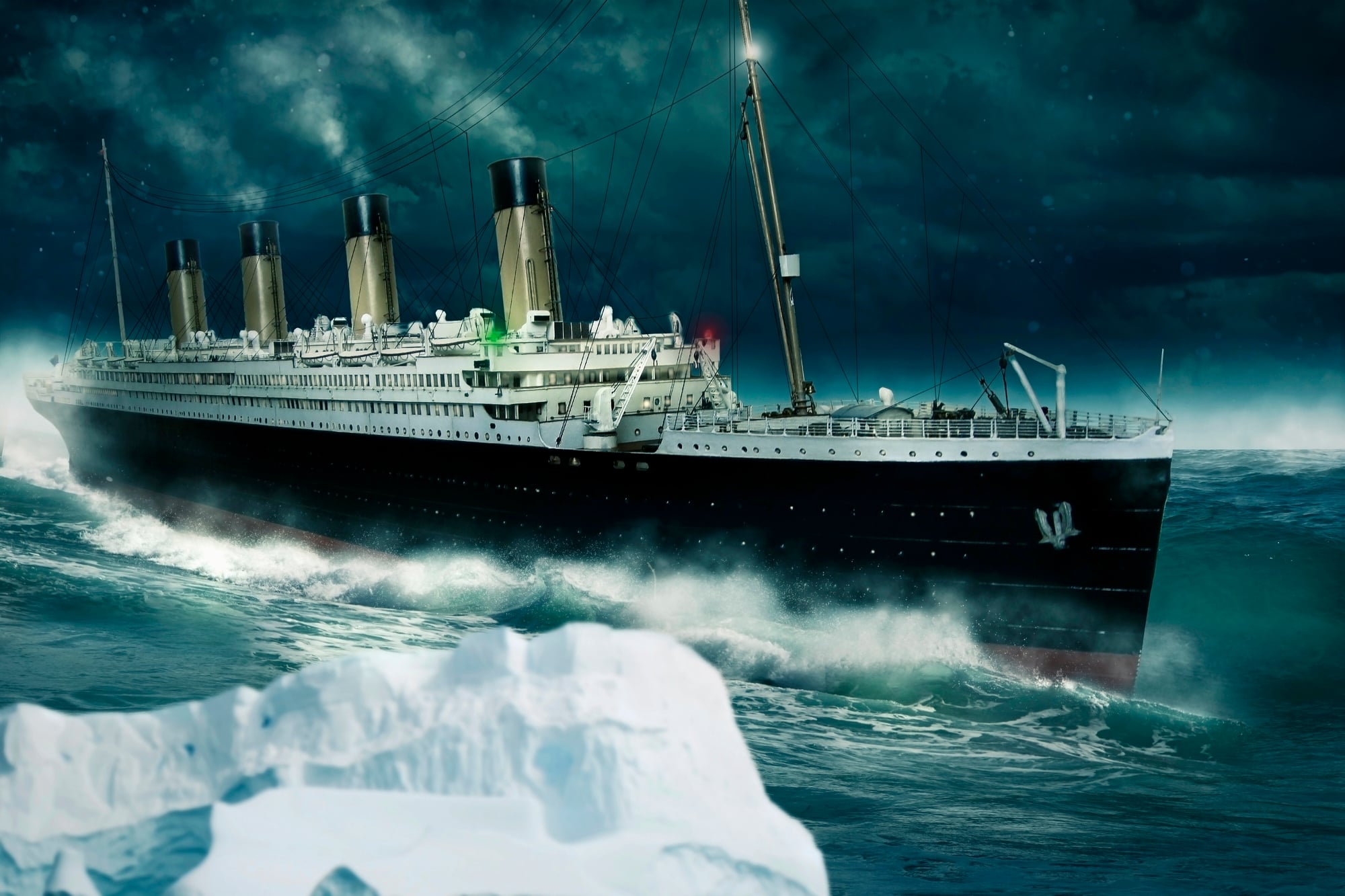
April 20, 1912 marked both the day the Titanic sank in the North Atlantic and the opening day of Fenway Park in Boston. As survivors of the maritime disaster were still being counted, baseball fans celebrated their new stadium, unaware it would become an American landmark.
Einstein’s Theory and Disney’s Birth
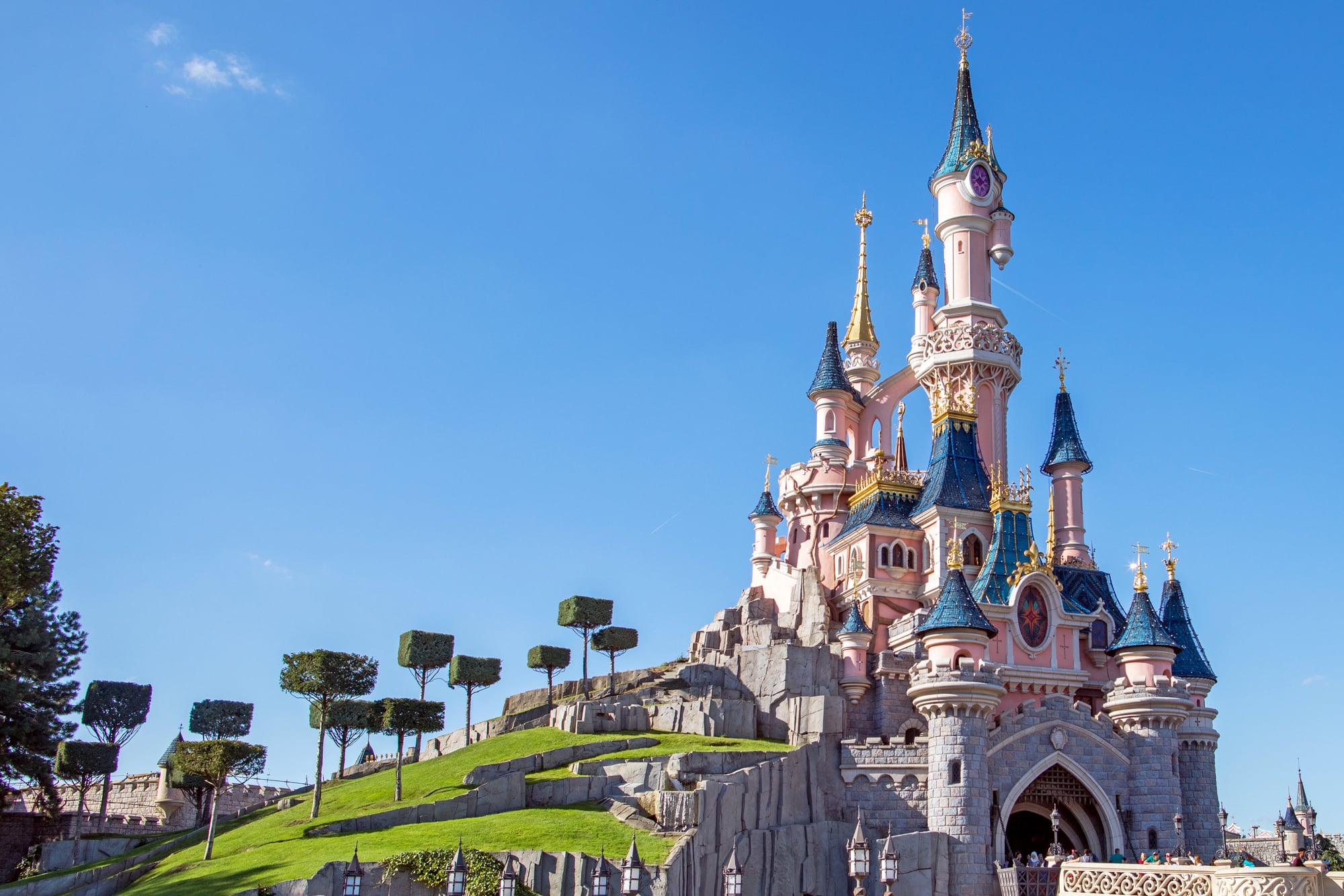
November 25, 1915, saw Albert Einstein present his General Theory of Relativity to the Prussian Academy of Sciences. On the same day, in Chicago, Walt Disney was born—one would reshape our understanding of the universe, the other our approach to entertainment.
Moon Landing and Chappaquiddick

On July 20, 1969, Neil Armstrong took his historic first steps on the lunar surface. Meanwhile, on that same evening, Senator Ted Kennedy drove his car off a bridge at Chappaquiddick Island, resulting in the death of Mary Jo Kopechne and altering American political history.
Lennon and Fleming
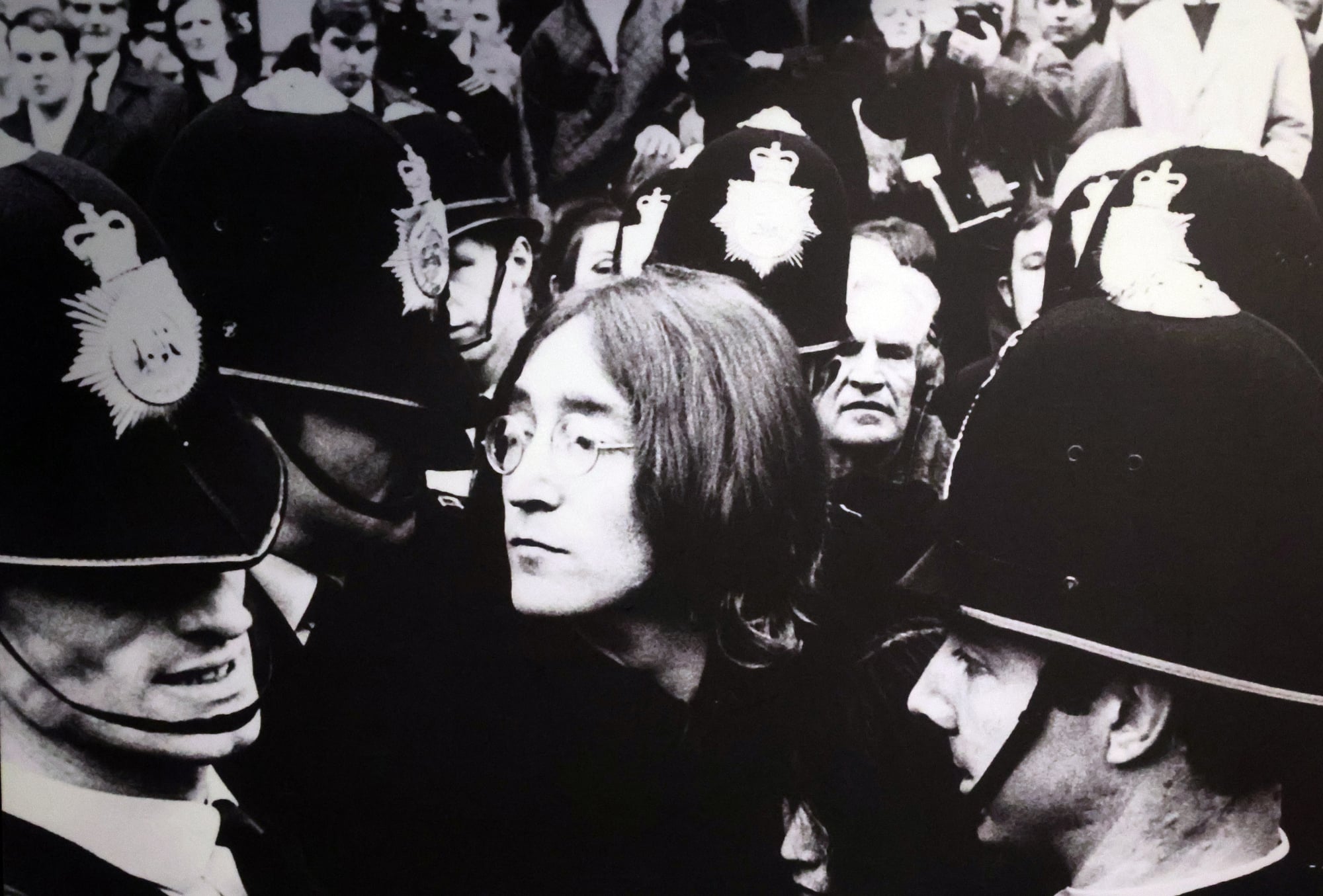
On October 9, 1940, John Lennon was born in Liverpool during a German air raid. That same day, Alexander Fleming published his groundbreaking paper on penicillin in The Lancet. Music and medicine both gained transformative figures who would influence millions.
Great Fire and Great Hurricane
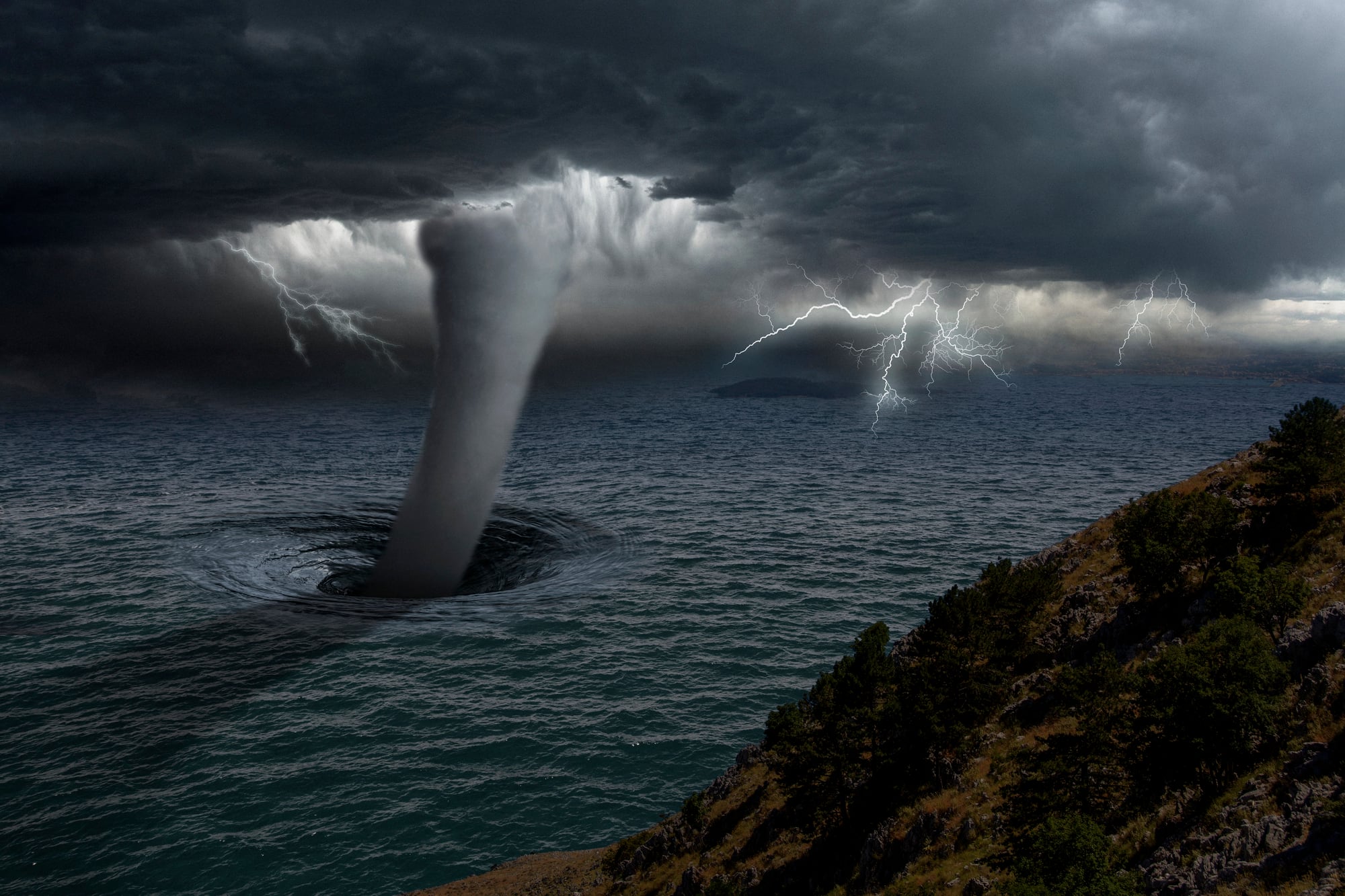
September 8, 1900 witnessed both the devastating Galveston Hurricane—the deadliest natural disaster in U.S. history—and the Great Fire of Hoboken that destroyed the North German Lloyd shipping piers. These dual disasters claimed thousands of lives on opposite sides of the country.
Stonewall and Judy Garland
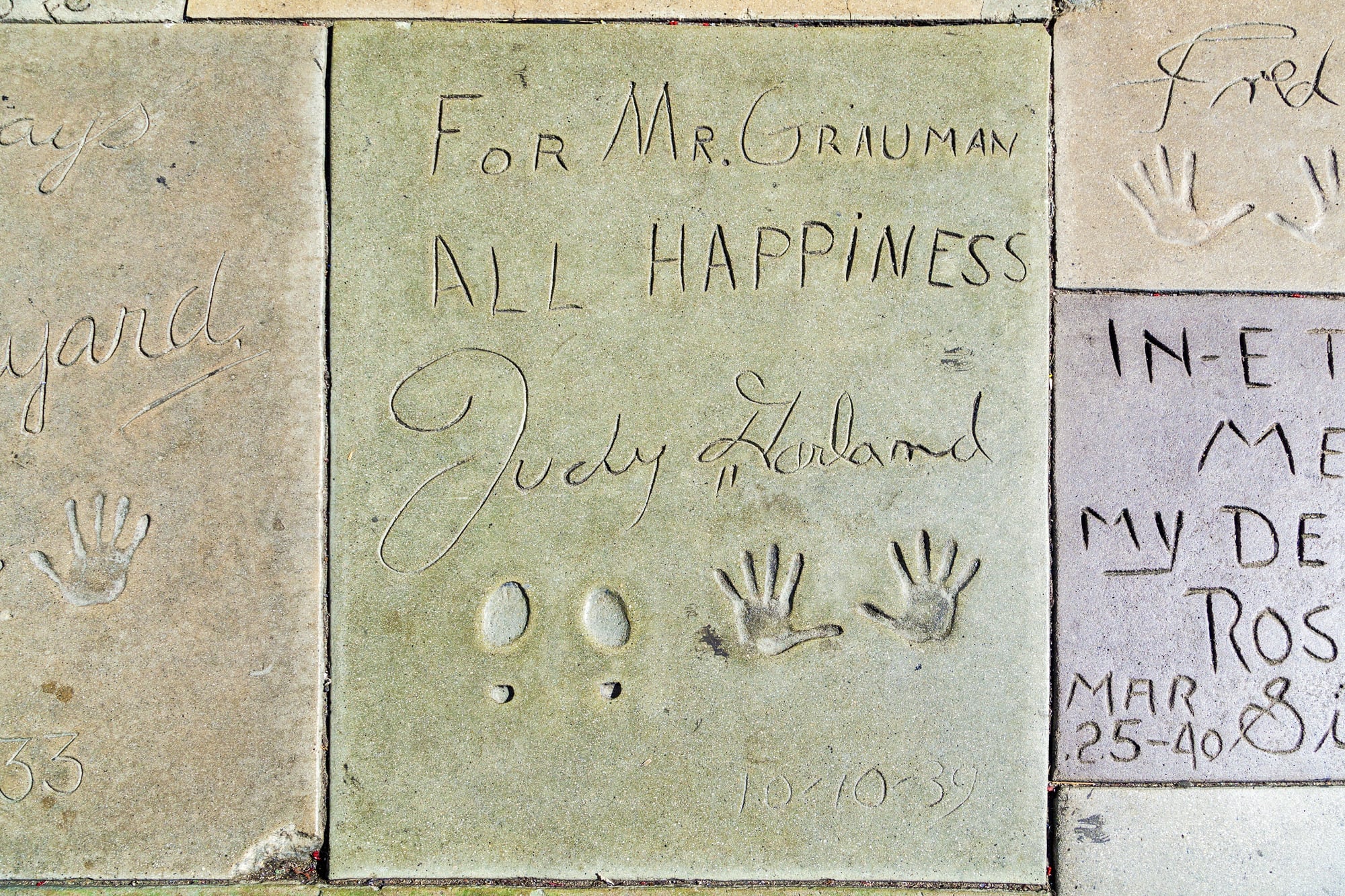
The Stonewall riots, marking the beginning of the modern LGBTQ rights movement, began on June 28, 1969. Earlier that day, thousands attended Judy Garland’s funeral in New York City—many historians note the symbolic connection between these events despite their apparent separation.
Orwell and Huxley
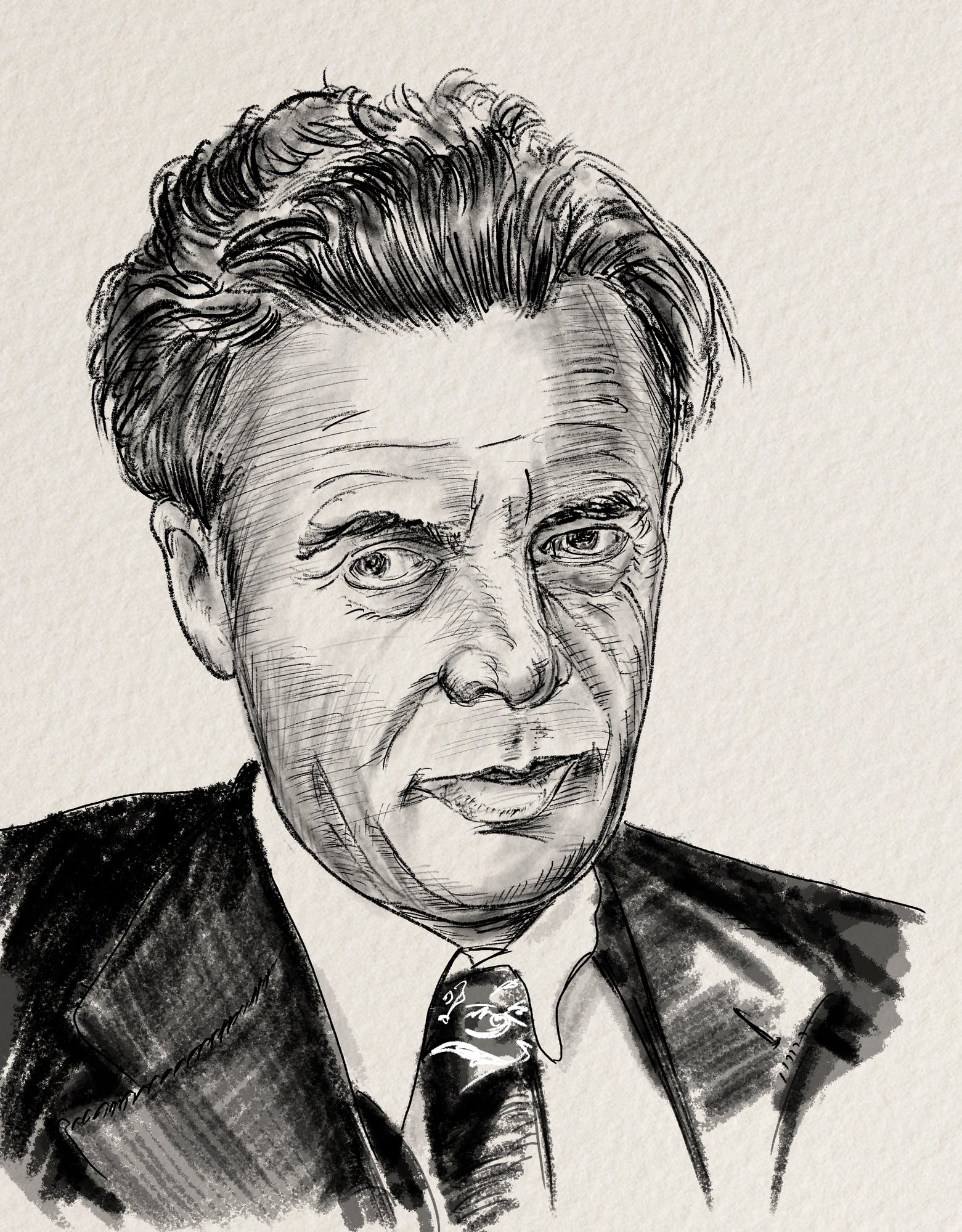
Aldous Huxley and George Orwell, authors of the dystopian classics ‘Brave New World’ and ‘1984,’ died on November 22, 1963. Their deaths were overshadowed by the assassination of President John F. Kennedy on the same day, creating a remarkable trinity of loss.
Mozart and Challenger
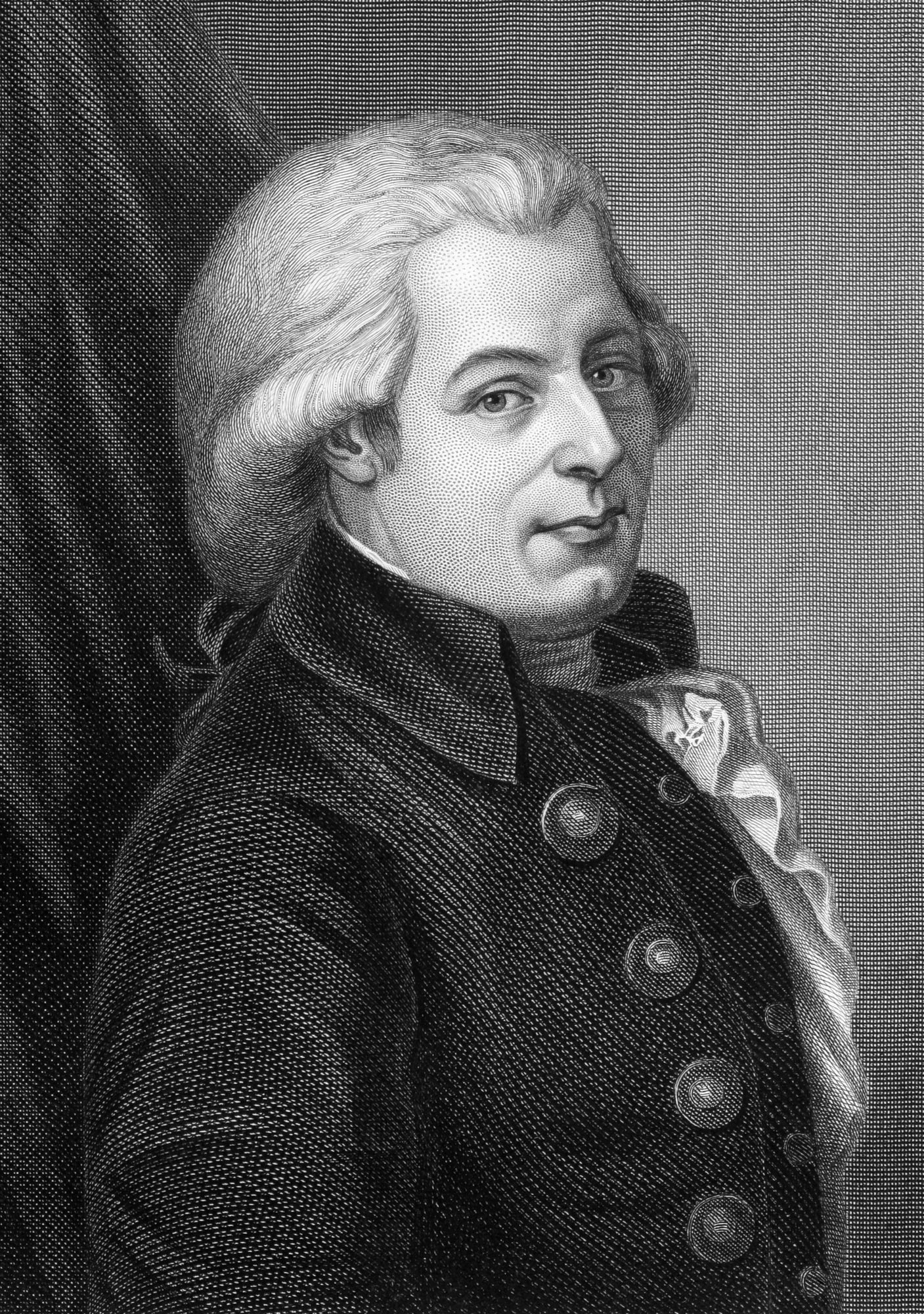
January 28, 1986 saw the tragic explosion of the Space Shuttle Challenger, killing all seven crew members. On the same date in 1756, Wolfgang Amadeus Mozart was born in Salzburg, Austria—a striking juxtaposition of disaster and the birth of artistic genius.
Great Depression and Mt. Rushmore
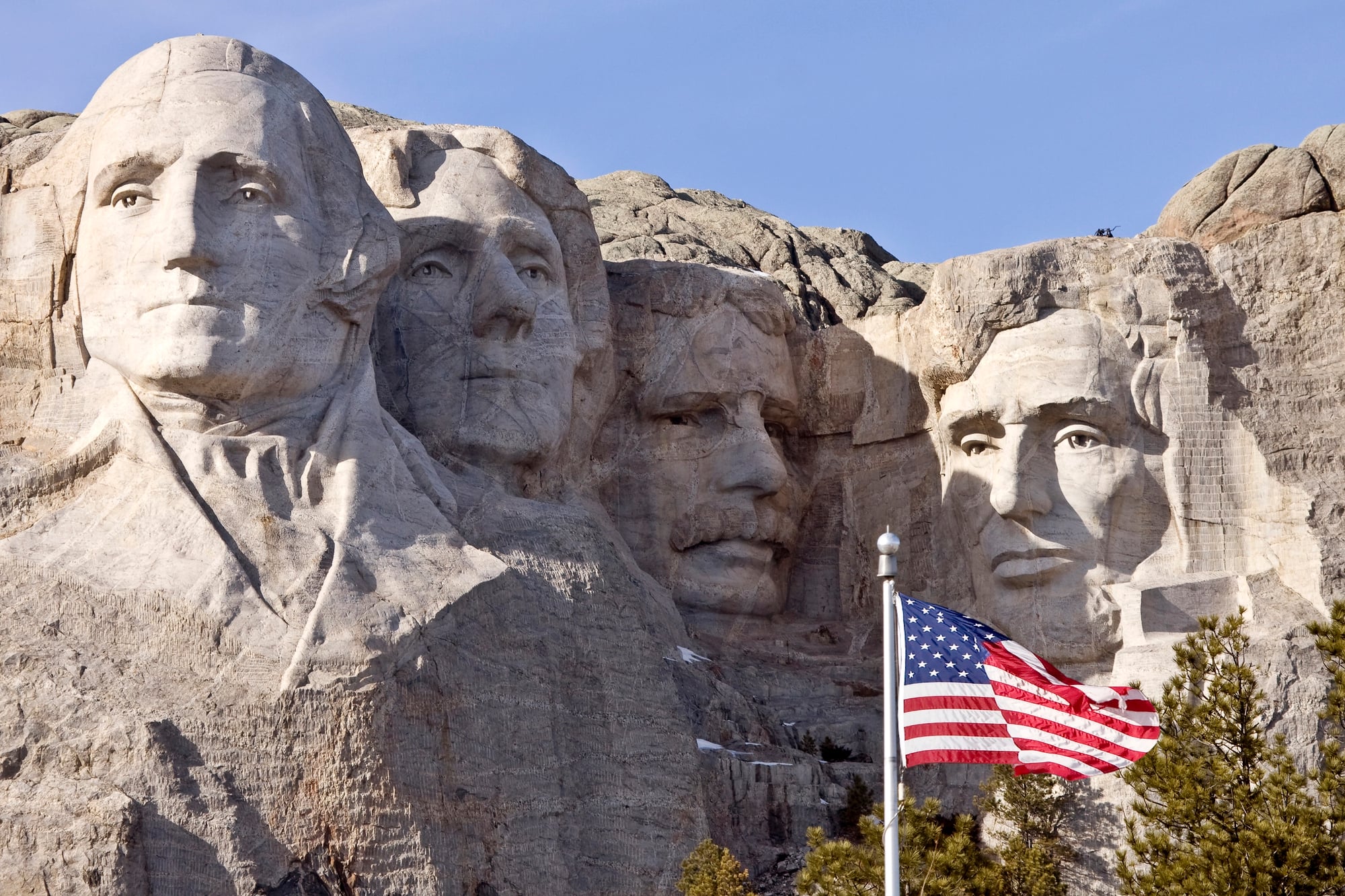
October 24, 1929, witnessed ‘Black Thursday,’ the stock market crash that precipitated the Great Depression. On that same day, work began on sculpting Mount Rushmore, creating an ironic contrast between economic collapse and the creation of a monumental tribute to American presidents.
Copernicus and Michelangelo
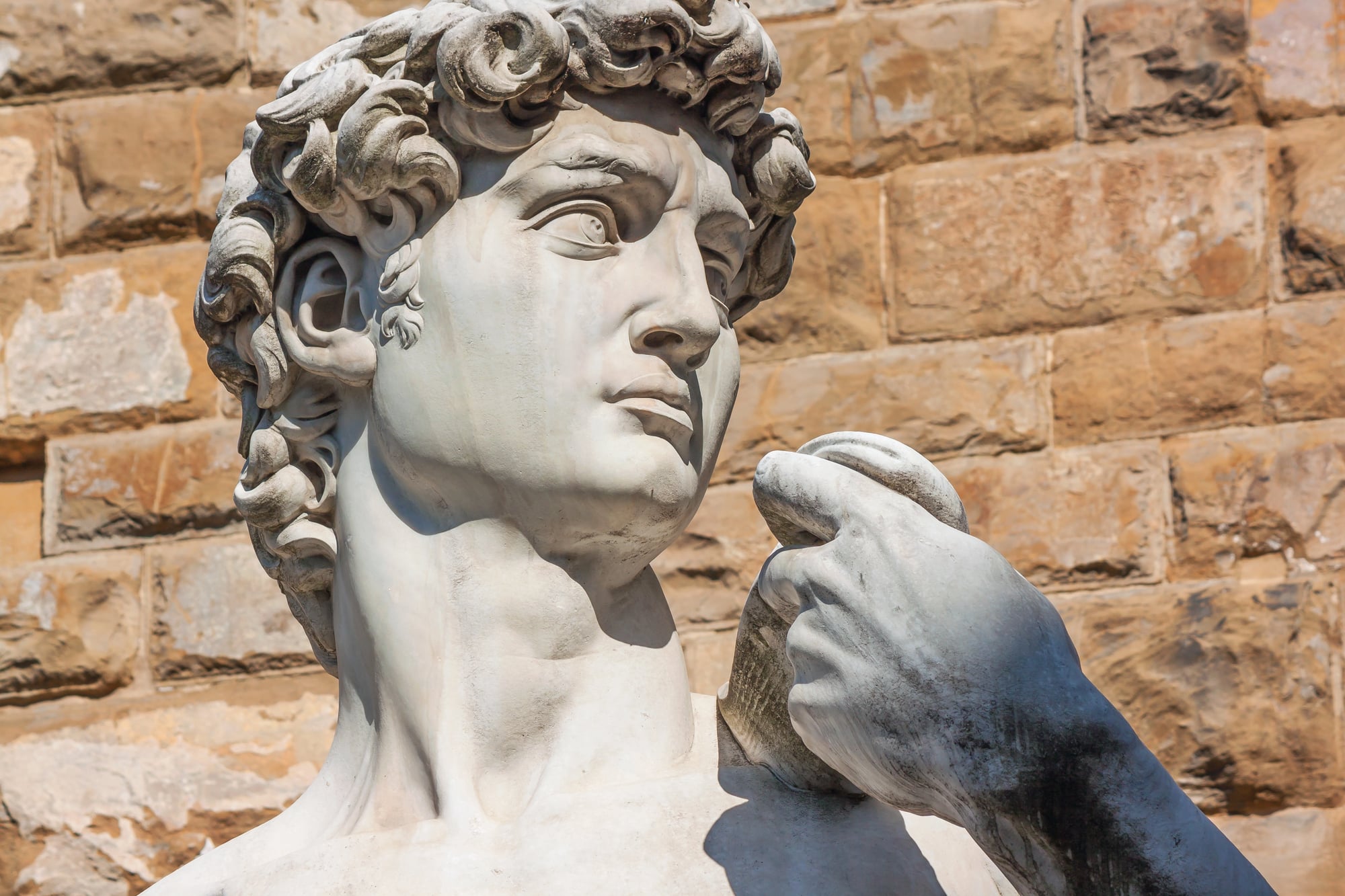
February 18, 1564 marked the death of Renaissance artist Michelangelo. On the same day, Galileo Galilei was born, creating a symbolic passing of the torch from Renaissance art to the Scientific Revolution that would transform European thought.
Harriet Tubman and British Museum
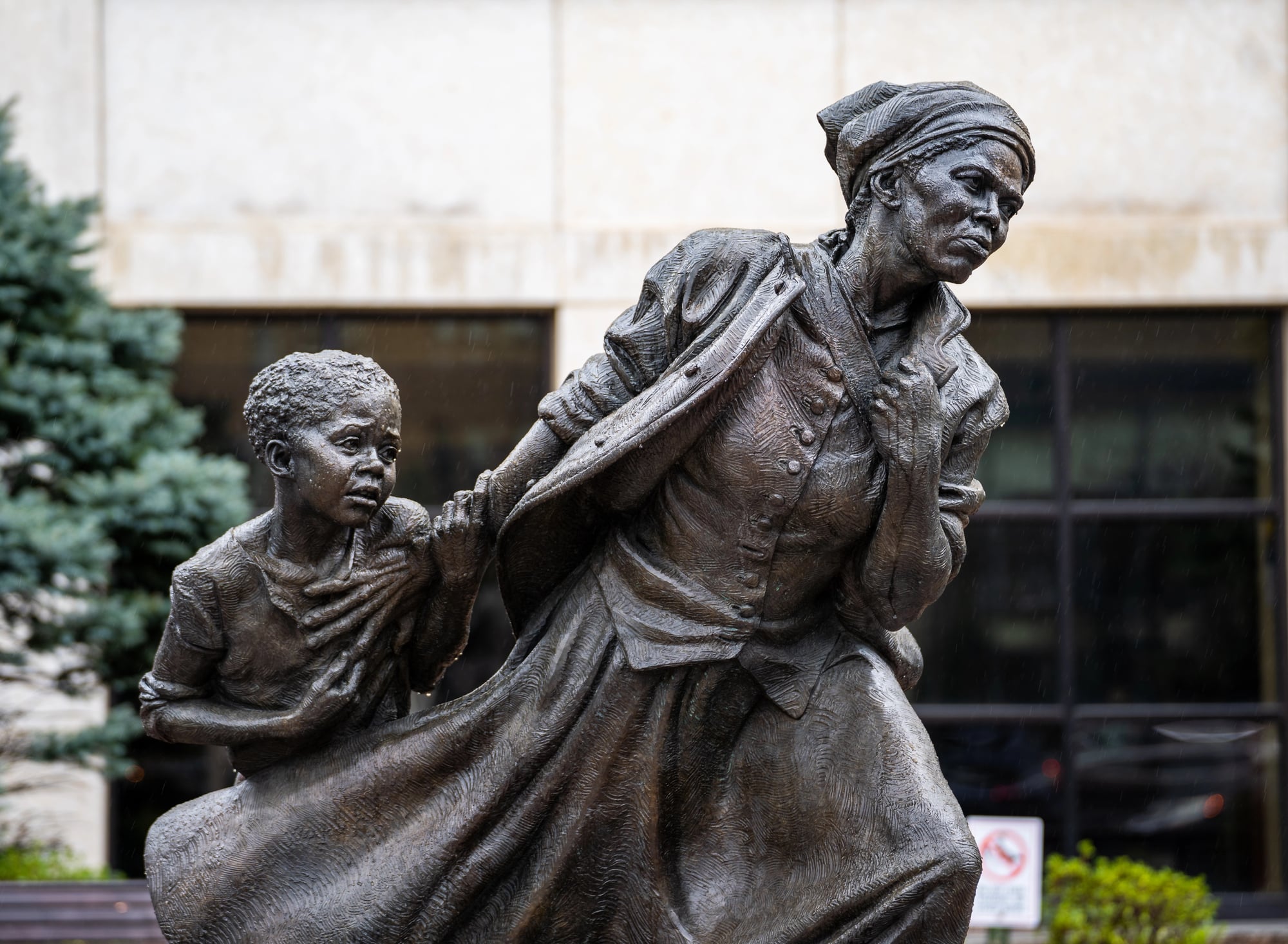
March 10, 1913 saw the death of Harriet Tubman, the legendary conductor of the Underground Railroad. The same day, the British government purchased the Elgin Marbles for the British Museum, creating a stark contrast between the end of a freedom fighter’s life and the controversial acquisition of ancient artifacts.
Hong Kong and Elvis
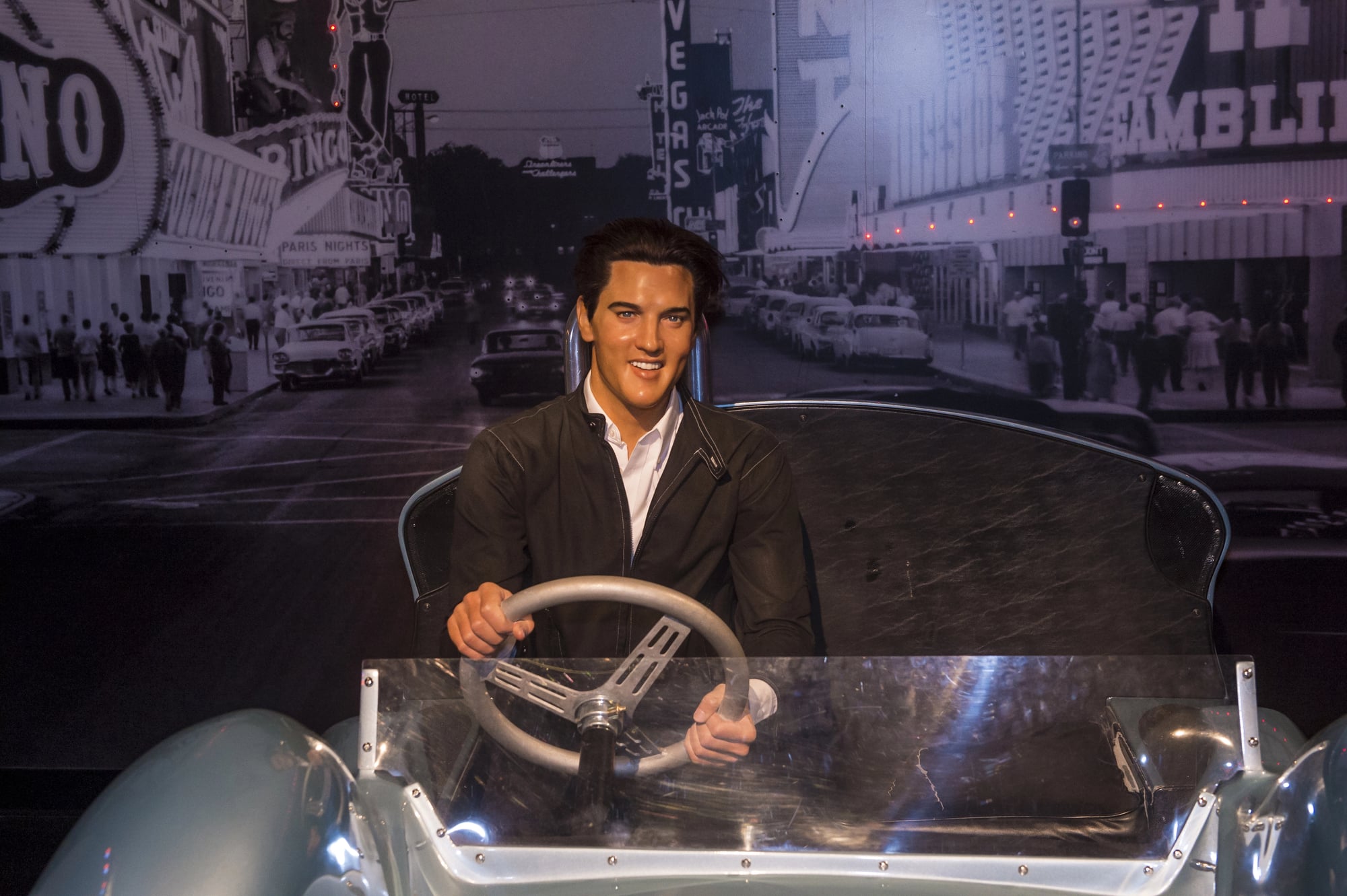
July 1, 1997 marked the handover of Hong Kong from British to Chinese rule after 156 years of colonial governance. On the same day, Elvis Presley made his first television appearance on ‘The Steve Allen Show’ in 1956, creating an unusual link between geopolitical transition and pop culture history.
D-Day and World Environment Day

June 6 now commemorates both the 1944 Allied invasion of Normandy (D-Day) and World Environment Day, established in 1972. This date now marks both a pivotal military operation and global environmental awareness—a striking evolution in how we define global security.
Anne Frank and Warsaw Ghetto
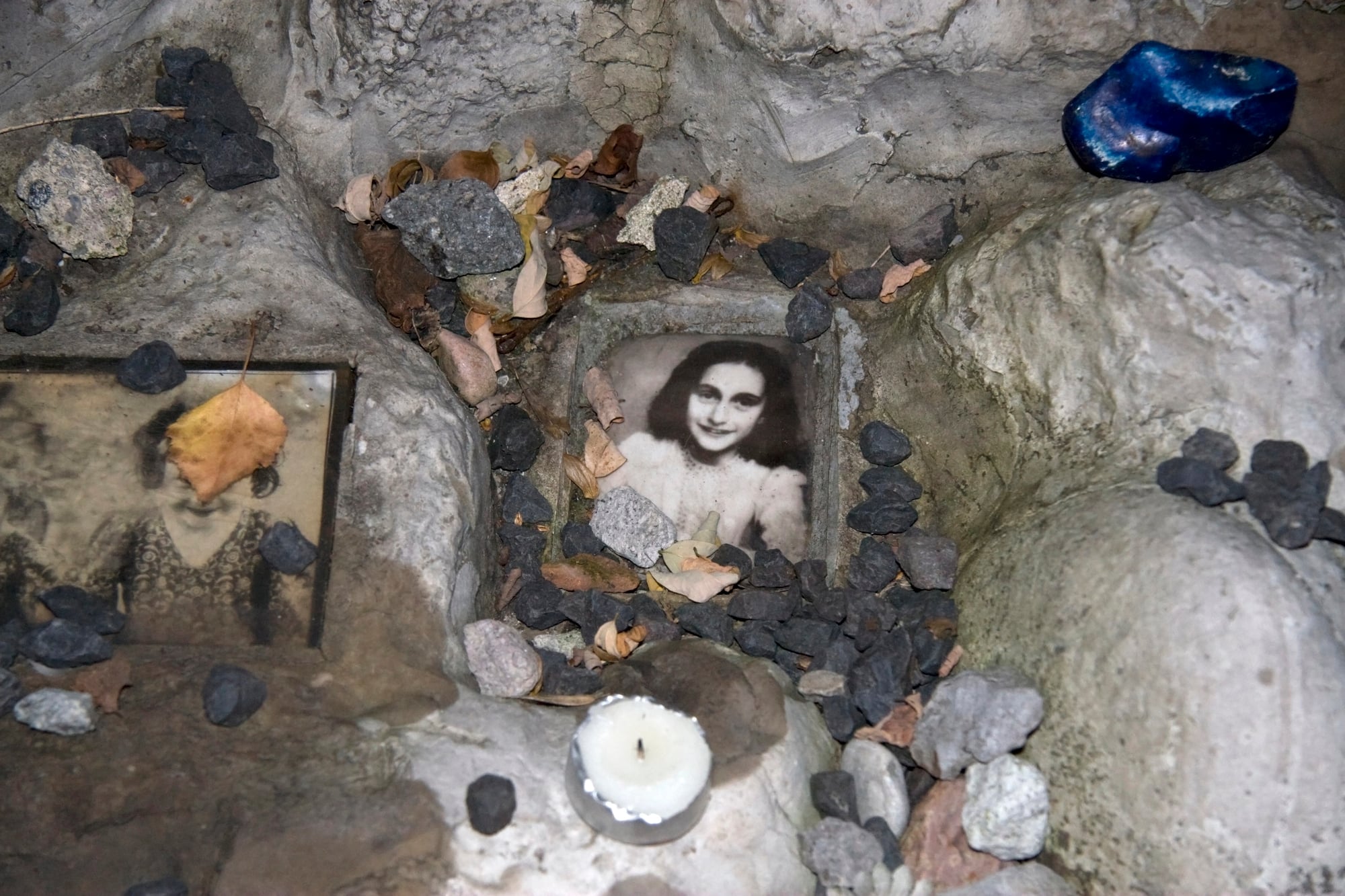
On June 12, 1942, Anne Frank received her famous diary as a birthday present. That same day, the Nazis began deporting Jews from the Warsaw Ghetto to concentration camps, creating a poignant connection between personal and collective Jewish experiences during the Holocaust.
McDonald’s and DNA Structure
On April 15, 1955, Ray Kroc opened his first McDonald’s restaurant in Des Plaines, Illinois. Just two years earlier, on April 15, 1953, James Watson and Francis Crick published their groundbreaking paper on the structure of DNA—both events would transform their respective fields.
Barbie and Tibet Uprising
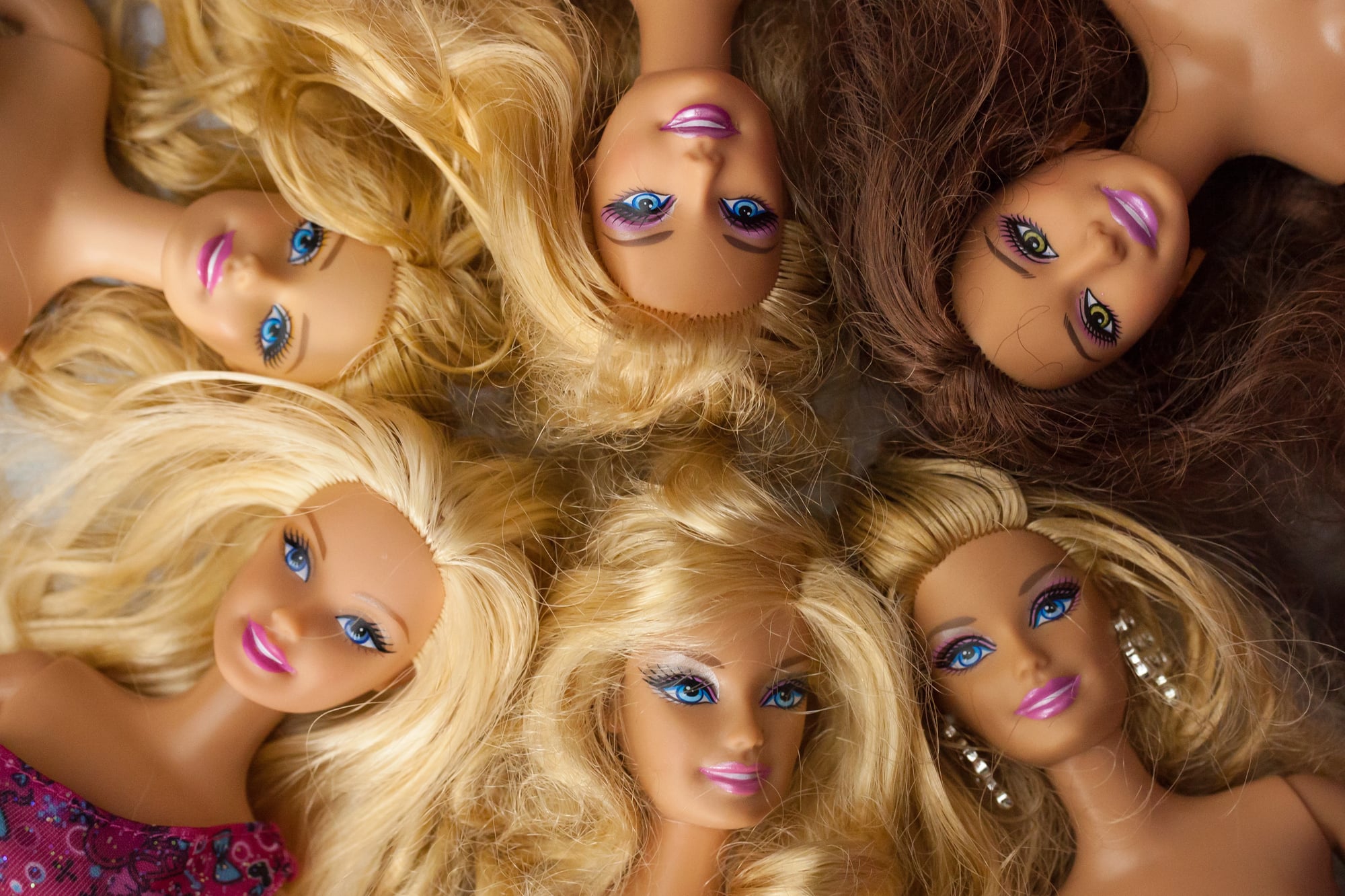
March 9, 1959 witnessed both the introduction of the Barbie doll at the American International Toy Fair and the beginning of the Tibetan uprising against Chinese rule. These dramatically different events—one commercial, one political—reflect the multifaceted nature of the Cold War era.
Coronation and Everest

On June 2, 1953, Queen Elizabeth II’s coronation took place in Westminster Abbey. That same morning, news reached Britain that Edmund Hillary and Tenzing Norgay had conquered Mount Everest days earlier, creating what the press called a ‘double summit’ for the British Empire.
Woodstock and Manson Murders

The peaceful gathering at Woodstock Music Festival began on August 15, 1969, celebrating peace and love. Just days earlier, on August 9, the Manson Family committed the brutal Tate murders in Los Angeles, creating a stark dichotomy that defined the late 1960s American experience.
The Tapestry of Time

These chronological coincidences remind us that history doesn’t follow a single narrative thread but instead weaves countless stories together. Moments of tragedy often coincide with triumphs, scientific breakthroughs with artistic milestones, and personal journeys with global transformations.
These temporal intersections help us appreciate the rich complexity of human experience and the sometimes mysterious ways in which seemingly unrelated events become forever linked in the calendar of history.
More from Go2Tutors!

- The Romanov Crown Jewels and Their Tragic Fate
- 13 Historical Mysteries That Science Still Can’t Solve
- Famous Hoaxes That Fooled the World for Years
- 15 Child Stars with Tragic Adult Lives
- 16 Famous Jewelry Pieces in History
Like Go2Tutors’s content? Follow us on MSN.