15 Secrets About the Most Forbidden Zones on Earth
The words “forbidden zone” spark something primal in most people. Maybe it’s curiosity about what lies beyond the barriers, or the unsettling realization that entire sections of our planet remain off-limits to ordinary humans.
These aren’t tourist destinations with velvet ropes — they’re places where governments, corporations, and nature itself have drawn hard lines that most people will never cross.
Some of these zones guard military secrets that could shift global power. Others protect ecosystems so fragile that a single footprint could cause irreversible damage.
A few exist because what happened there was so catastrophic that the land itself remains dangerous decades later. And then there are places that feel almost mythical — islands where contact with outsiders could destroy entire cultures, or facilities so classified that their true purpose remains speculation.
Area 51
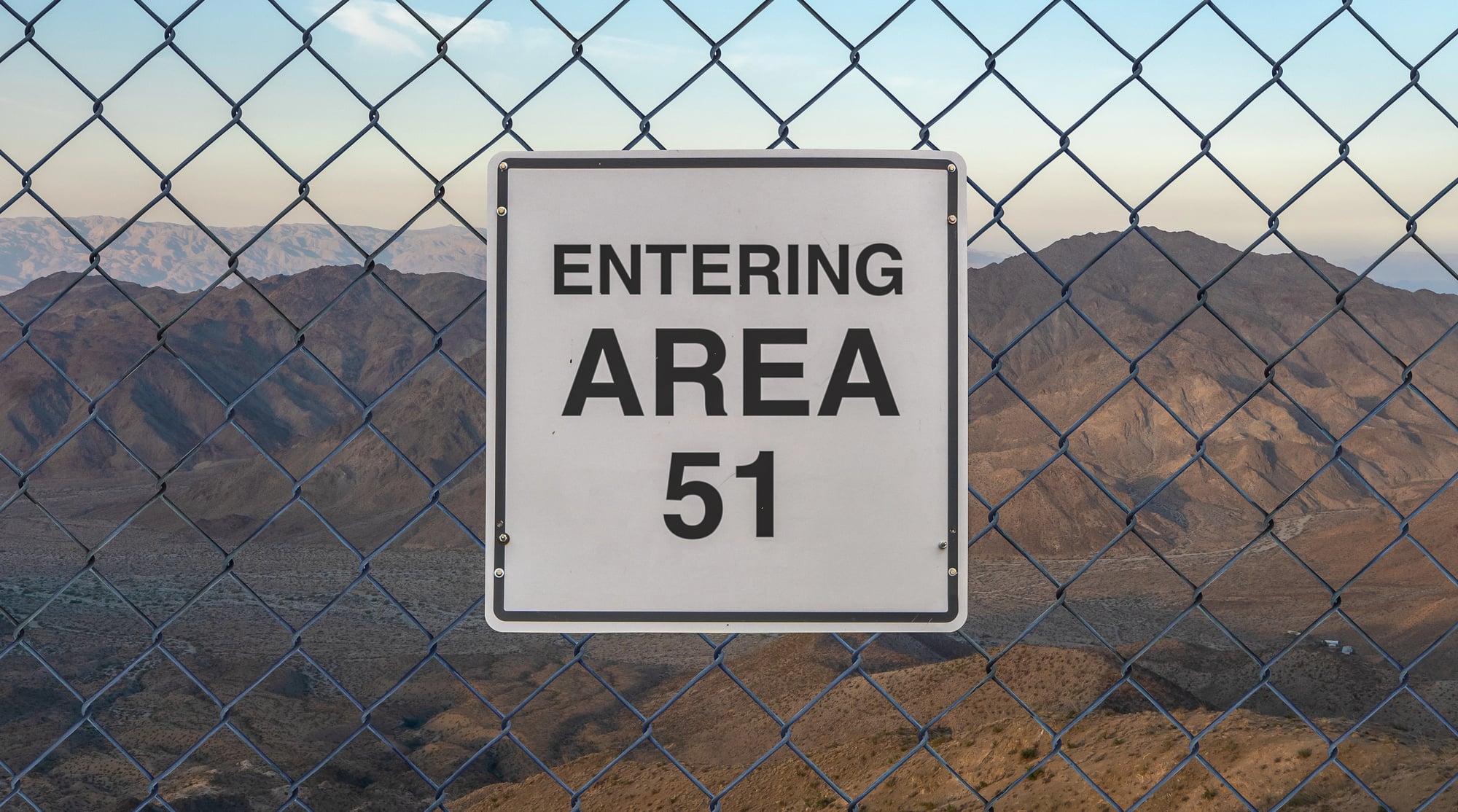
The most famous restricted zone in America doesn’t technically exist on any official map. Area 51 sits in the Nevada desert, surrounded by warning signs that promise lethal force against trespassers.
The perimeter extends far enough that you can’t see the actual facility from any legal vantage point.
What happens there isn’t alien autopsies or crashed UFO storage. It’s experimental aircraft testing — the kind that looks so far beyond current technology that calling it extraterrestrial makes more sense than accepting that human engineering has advanced this far.
The U-2 spy plane, the SR-71 Blackbird, and the F-117 stealth fighter all emerged from this patch of desert years before the public knew such aircraft were possible.
Surtsey Island
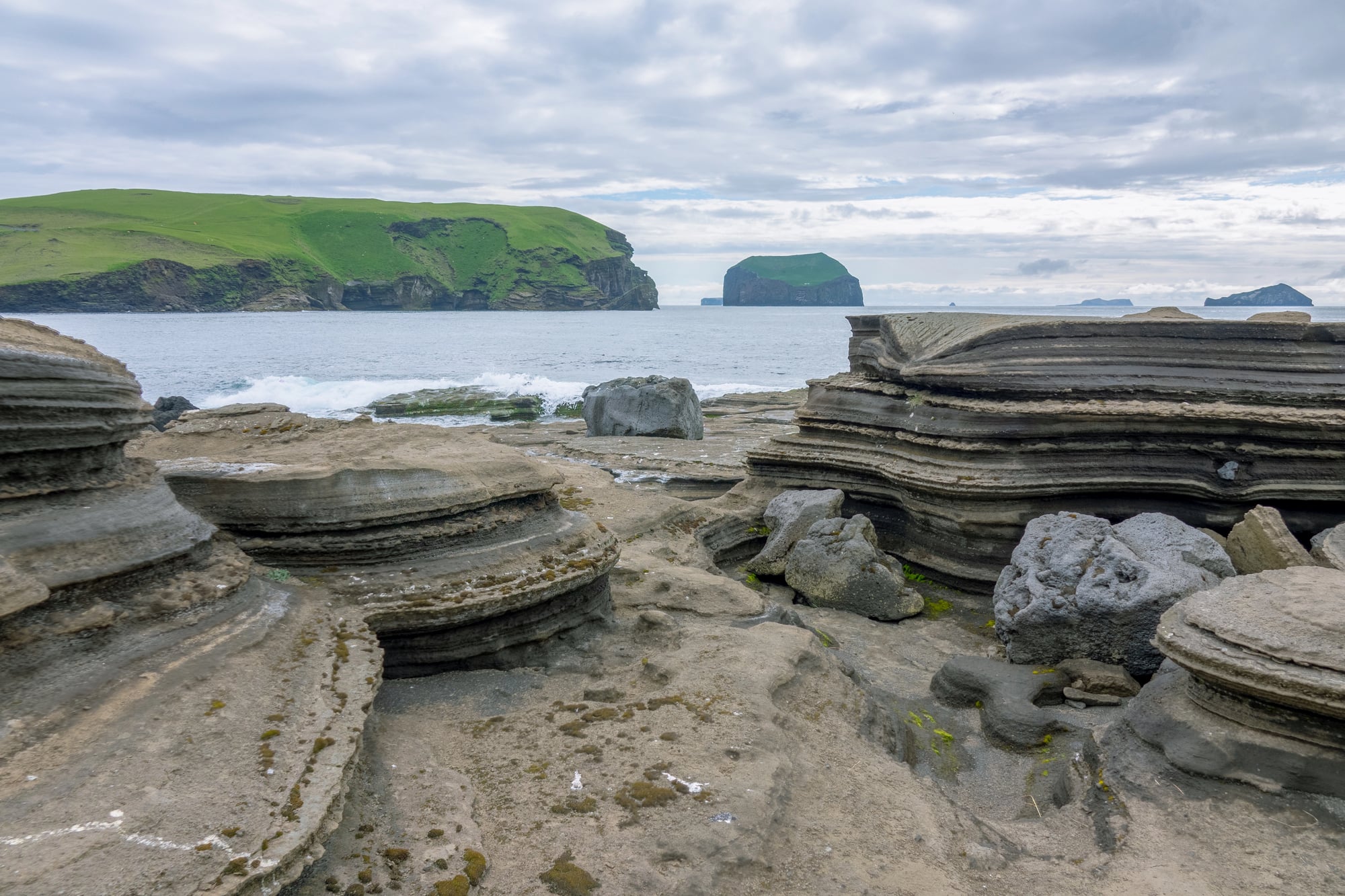
When a volcanic island erupts from the ocean floor off Iceland’s coast, scientists see an opportunity that won’t come again for centuries. Surtsey emerged from the North Atlantic in 1963, and within months, researchers had declared it completely off-limits to everyone except a handful of approved scientists.
The reason isn’t national security (though Iceland guards it fiercely), but something more delicate: watching life colonize virgin land in real time. Every seed that arrives, every insect that makes the journey, every bird that chooses to nest represents a data point in understanding how ecosystems establish themselves from nothing.
A single unauthorized visitor could introduce species that would fundamentally alter this natural experiment. The island remains so restricted that even approved researchers must sterilize their equipment and clothing before setting foot on the volcanic rock.
North Sentinel Island
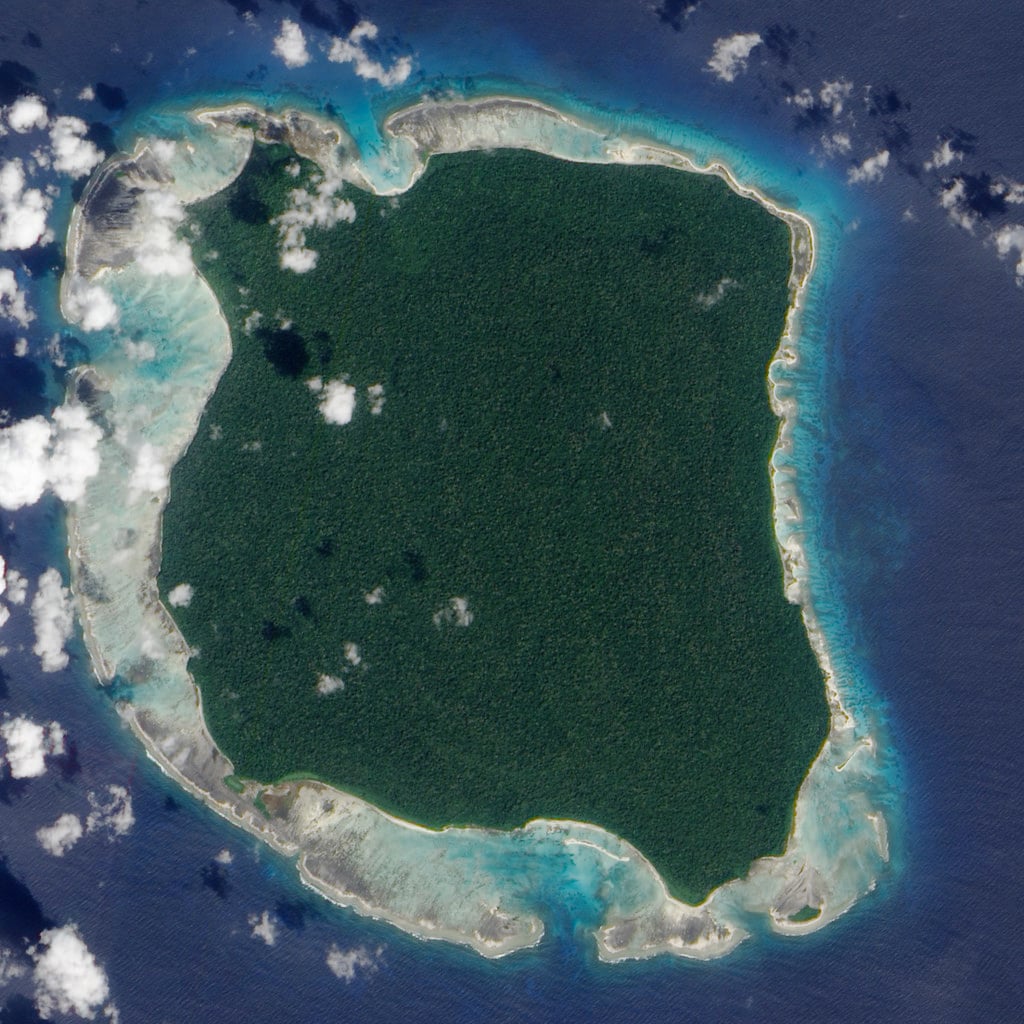
There’s a place in the Indian Ocean where time stopped moving forward thousands of years ago — not by choice, but by fierce determination. The Sentinelese people have lived on North Sentinel Island for an estimated 60,000 years, and they’ve made their position on outside contact unmistakably clear: they attack anyone who approaches their shores.
Arrows fly at helicopters. Boats get driven off by warriors wielding spears and shouting warnings that need no translation.
The Indian government has declared a five nautical mile exclusion zone around the island, but this isn’t really about government protection. It’s about respecting a choice that’s been made consistently for generations.
The Sentinelese have witnessed the modern world — ships pass by regularly, aircraft fly overhead — and they’ve decided they want nothing to do with it. And given what contact with the outside world has done to other isolated populations (disease, cultural destruction, exploitation), their wariness might be the wisest policy on earth.
So the island remains forbidden not because of what’s there, but because of what the people there have decided about the rest of us.
Pine Gap
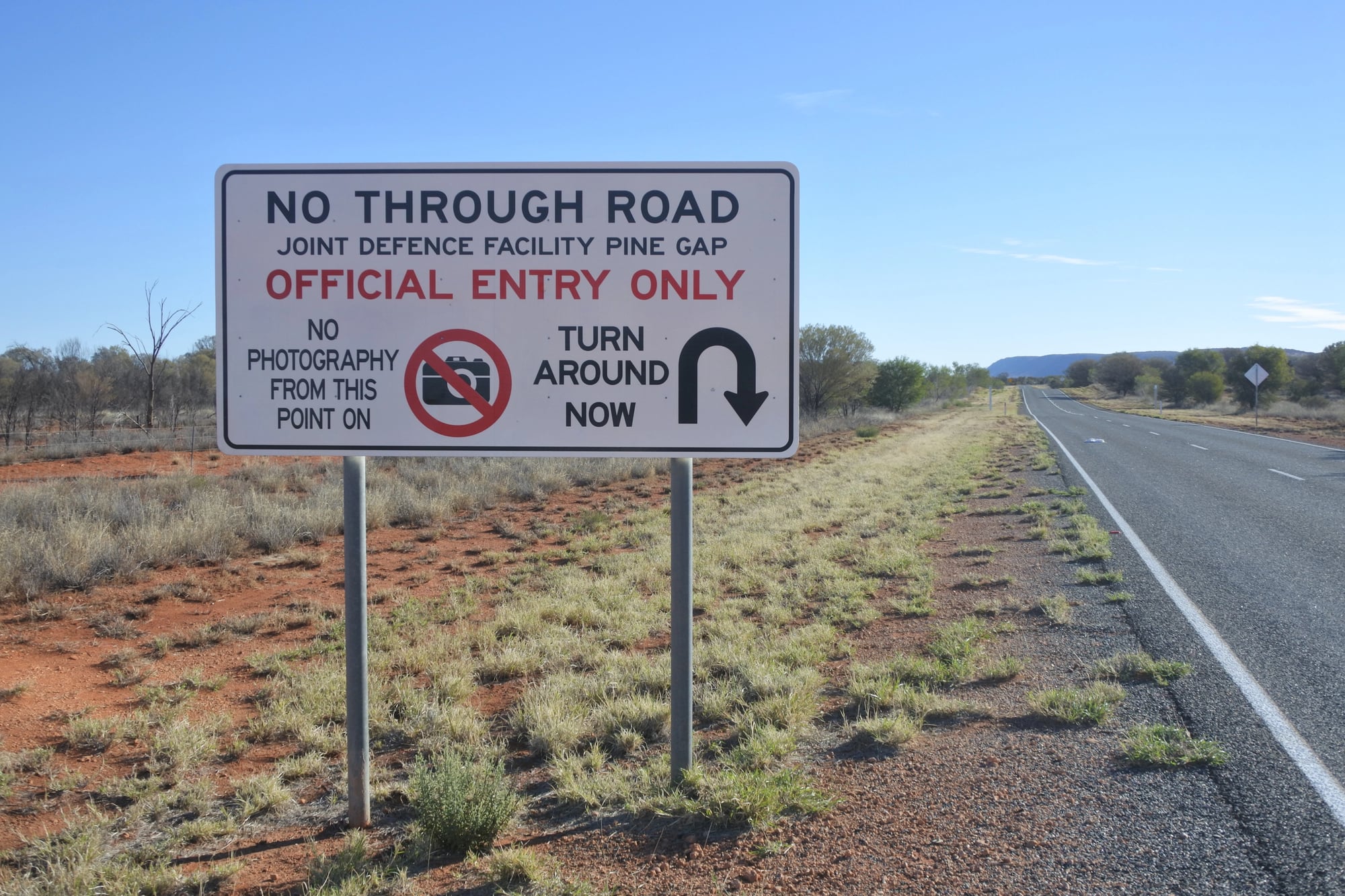
Australia keeps one of the world’s most sensitive intelligence facilities hidden in plain sight in the middle of the continent. Pine Gap sits in the red dirt outside Alice Springs, looking like a collection of oversized golf orbs scattered across the desert.
Those white domes hide satellite dishes and equipment that intercept communications from across the Asia-Pacific region.
The facility operates as a joint venture between Australian and American intelligence agencies, but the work done there remains so classified that most employees can’t discuss their jobs with their own families.
What’s known is that Pine Gap plays a crucial role in everything from missile defense to tracking potential threats across the region. The restricted airspace above the facility extends higher than most commercial aircraft fly, and the security perimeter around the base ensures that getting close enough to see anything meaningful is impossible for unauthorized visitors.
Chernobyl Exclusion Zone
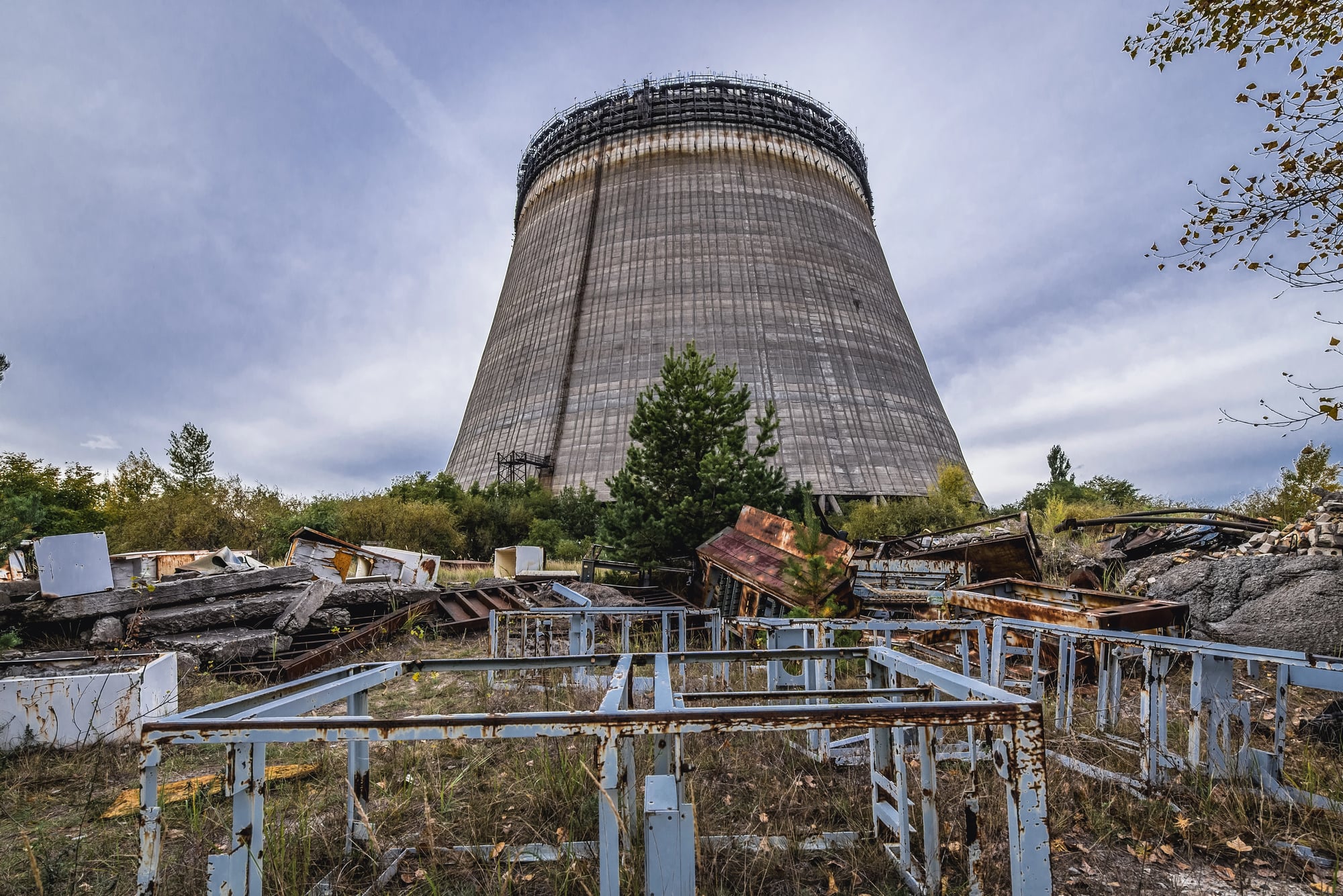
Thirty-seven years after Reactor 4 exploded, the land around Chernobyl remains a monument to human error frozen in time. The Exclusion Zone stretches across 1,000 square miles of northern Ukraine, encompassing the ghost city of Pripyat and dozens of abandoned villages where radiation levels still spike dangerously in certain areas.
Tour groups now visit parts of the zone, but vast sections remain genuinely off-limits because the contamination hasn’t decreased enough to be safe for human exposure.
What makes this forbidden zone different from the others is how nature has responded: wolves, bears, and wild horses now roam through abandoned apartment buildings and overgrown streets, creating an accidental wildlife preserve in one of the most contaminated places on earth.
The exclusion exists to protect people from radiation, but it’s accidentally become a sanctuary for animals that have adapted to life in humanity’s absence.
Svalbard Global Seed Vault
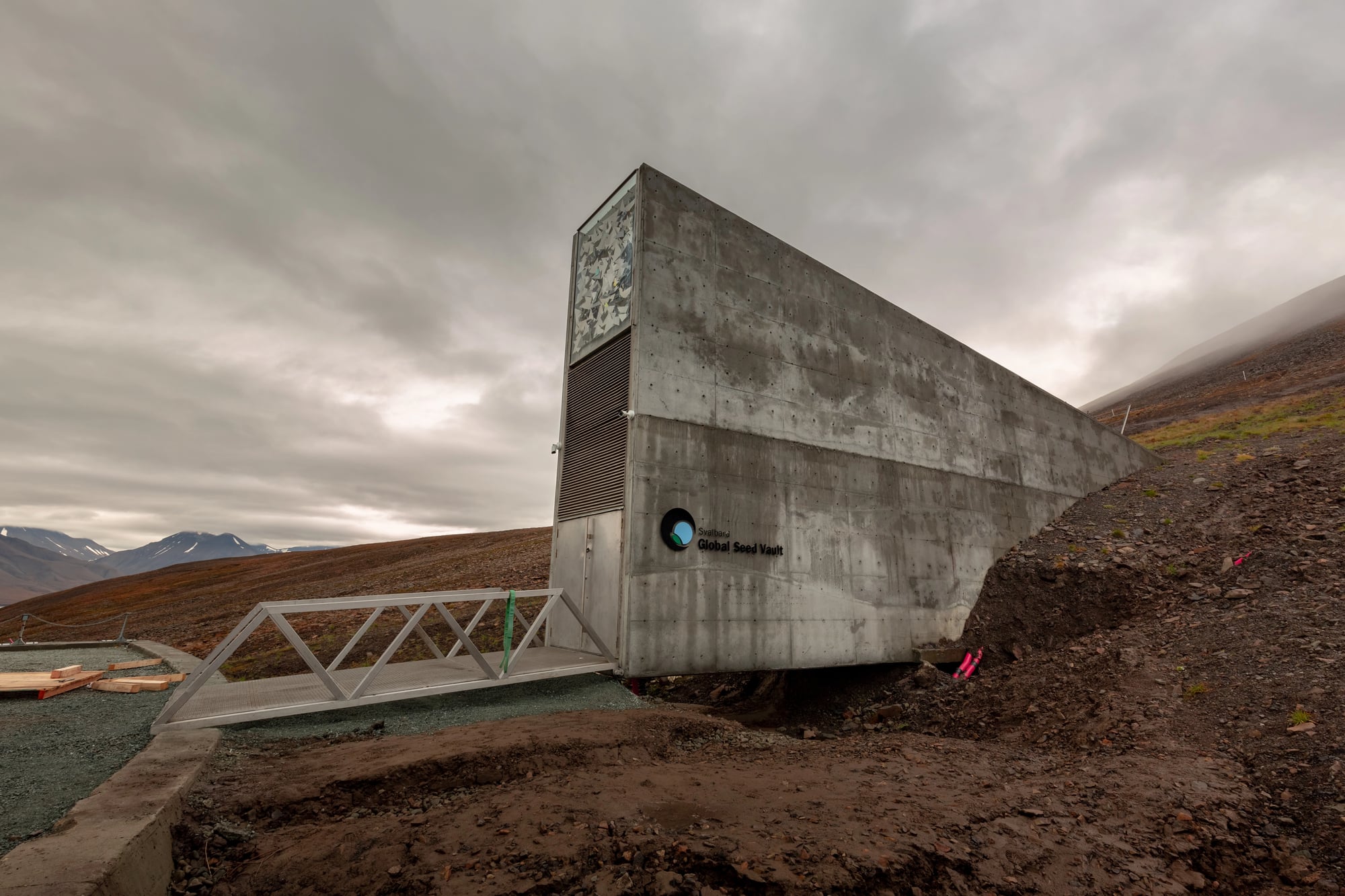
Picture a safety deposit box designed to survive the end of civilization, and you’re close to understanding what sits buried in the permafrost of a Norwegian island 800 miles from the North Pole. The Svalbard Global Seed Vault stores duplicate samples of seeds from crops around the world — insurance against the possibility that war, disease, or climate change could wipe out entire food species.
The vault tunnels deep into the mountainside, protected by airlocks, blast-proof doors, and the natural refrigeration of Arctic permafrost (though recent warming has forced the installation of mechanical cooling systems to maintain the necessary temperature).
Access is restricted to a handful of international organizations, and the security protocols around seed deposits and withdrawals remain classified.
The facility operates under international treaty, but Norway maintains strict control over who enters and what gets stored in what’s been called humanity’s agricultural backup plan.
Mount Weather Emergency Operations Center
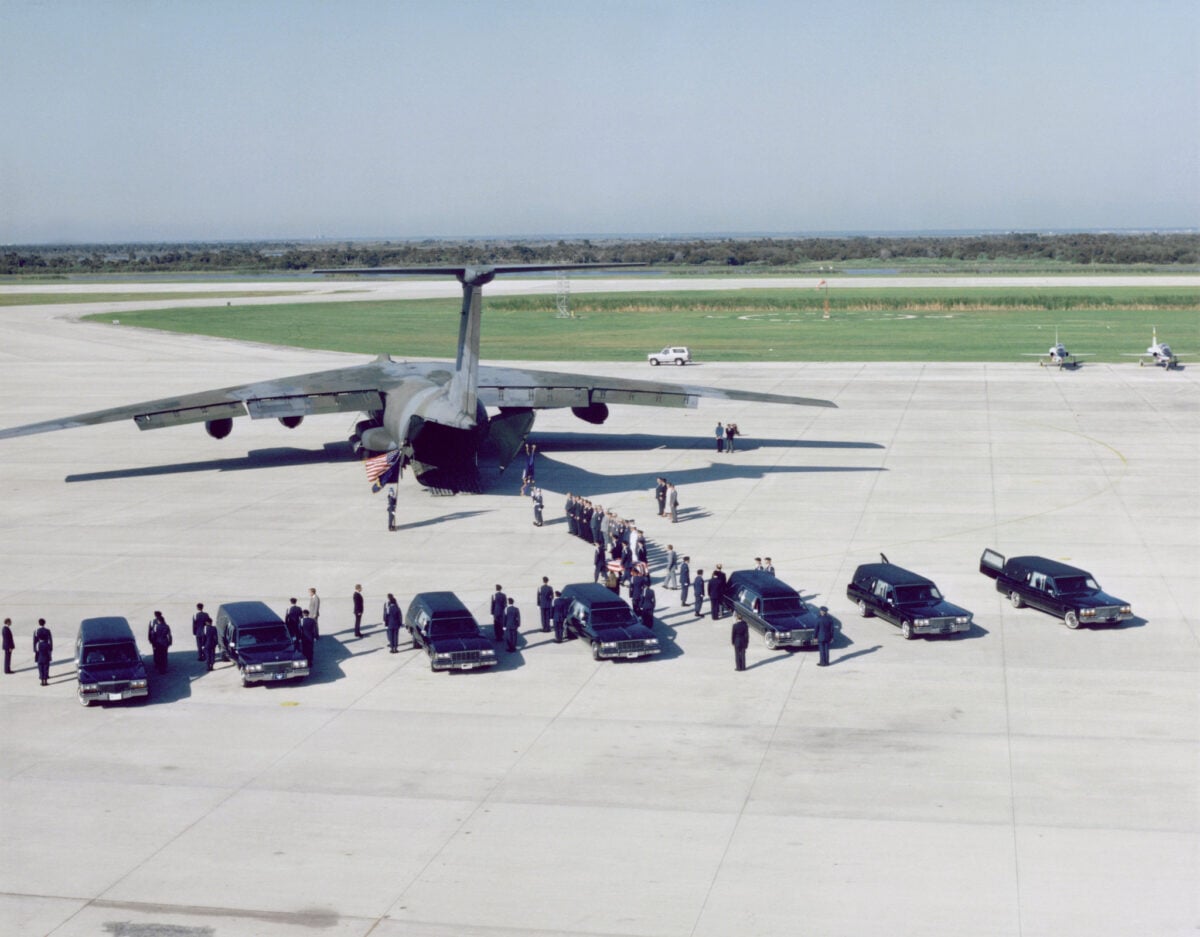
Somewhere beneath a mountain in Virginia, the United States government has built a shadow capital designed to function when Washington D.C. cannot. Mount Weather serves as one of several continuity-of-government facilities where federal operations could continue during national emergencies, and its existence remained classified for decades after construction.
The facility reportedly contains everything needed to house and support government officials for extended periods: living quarters, communication systems, medical facilities, and command centers.
During the September 11 attacks, key government personnel were evacuated to Mount Weather and similar facilities as part of continuity protocols.
The surface appears unremarkable — just another federal facility with appropriate security measures — but the underground complex extends far enough into the mountain to remain operational even during significant surface events.
Johnston Atoll
In the middle of the Pacific Ocean, 717 miles southwest of Honolulu, sits an atoll that the United States turned into one of the most contaminated pieces of land on the planet, then spent decades trying to clean up. Johnston Atoll served as a testing ground for biological and chemical weapons, a storage site for chemical munitions, and a disposal location for materials too dangerous to handle anywhere near populated areas.
The cleanup took more than 30 years and cost over a billion dollars, but even after the official decontamination, the atoll remains off-limits to all but essential personnel (the island currently has a population of zero and has been designated a national wildlife refuge, though visiting requires federal permits that are rarely granted).
What makes Johnston Atoll particularly unsettling is that it represents what happens when a place becomes so thoroughly poisoned by human activity that it takes generations to approach anything resembling safe again — and even then, questions remain about what long-term effects might still be lingering in the soil and water.
Vatican Secret Archives
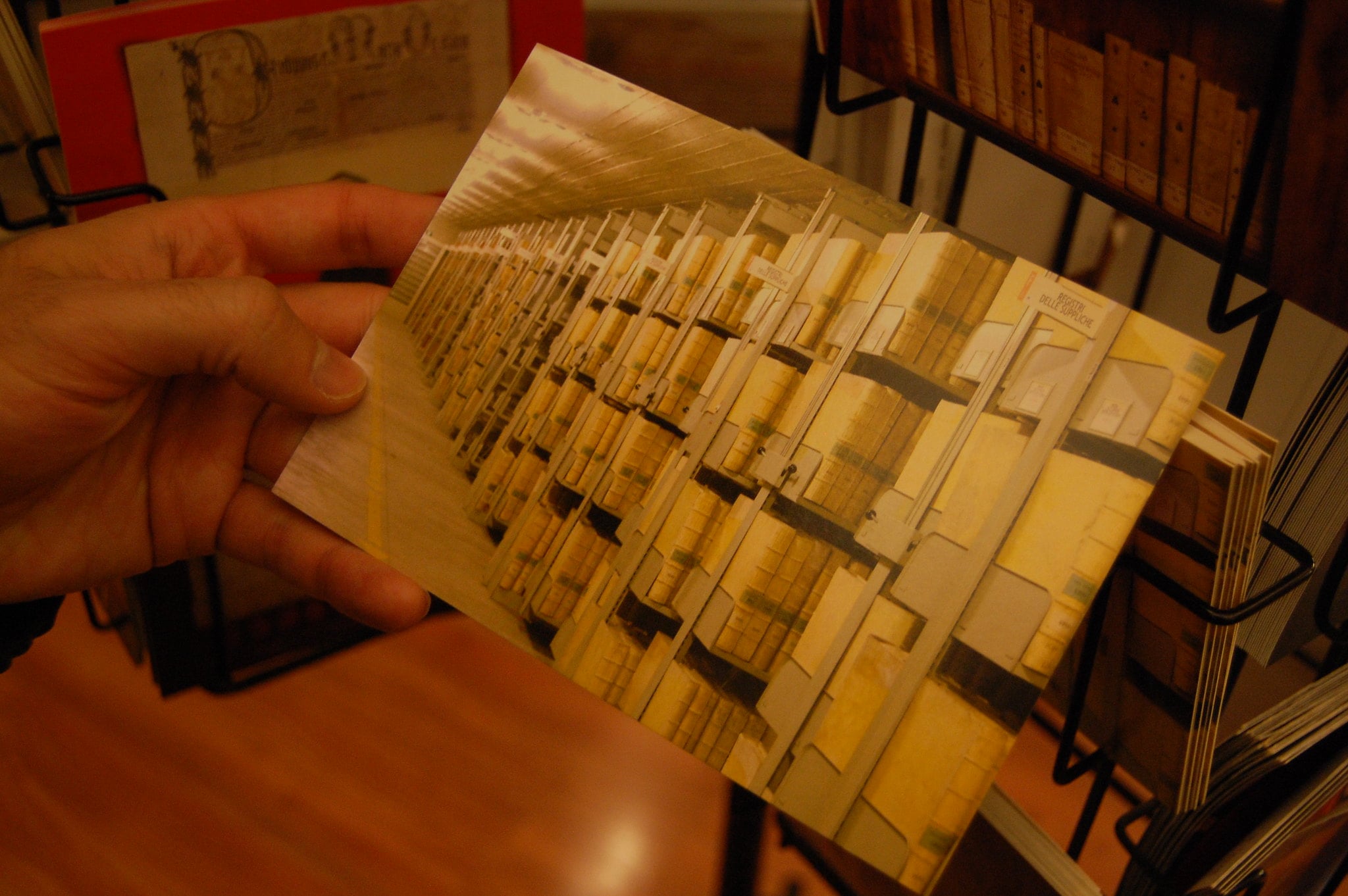
The Catholic Church has been accumulating documents for nearly two thousand years, and much of that collection remains locked away from public view in climate-controlled vaults beneath Vatican City. The Vatican Secret Archives (recently renamed the Vatican Apostolic Archives, though the content remains equally restricted) contain an estimated 53 miles of shelving filled with papal correspondence, diplomatic cables, trial records, and historical documents that could rewrite understanding of major world events.
Access requires special permission from the Pope himself, and even approved researchers can only view materials that are at least 75 years old — recent diplomatic correspondence and sensitive church matters remain off-limits indefinitely.
What makes these archives particularly intriguing is the breadth of what’s stored there: the Vatican has been involved in global politics for centuries, and their records likely contain details about everything from medieval trade agreements to modern diplomatic negotiations that never made it into public historical records.
Mezhgorye
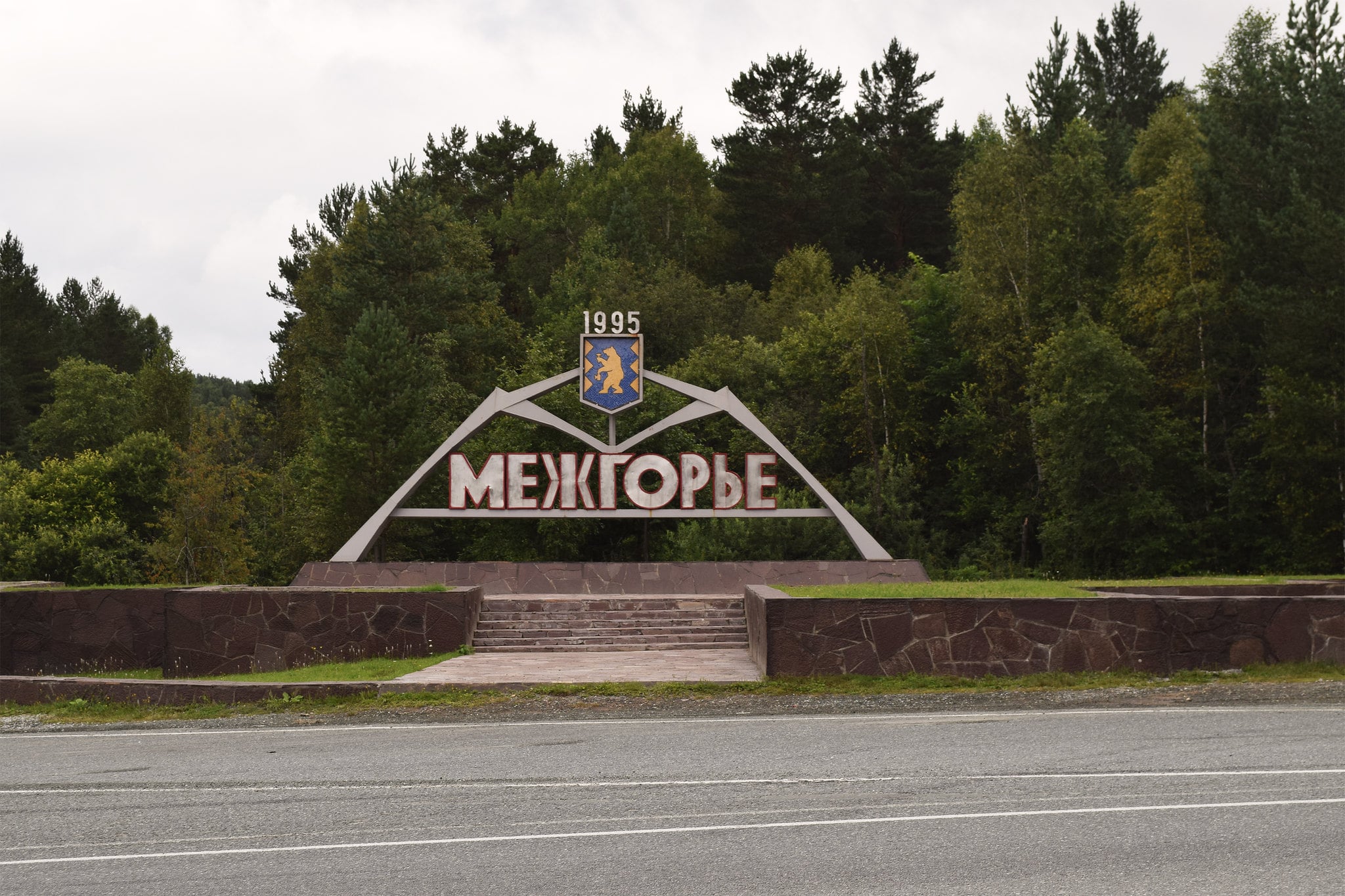
Russia maintains a closed city in the Ural Mountains that doesn’t appear on most maps and whose purpose remains officially classified decades after its establishment. Mezhgorye houses several thousand residents who work on projects so sensitive that the entire city operates under restricted access protocols — outsiders can’t enter, and residents can’t discuss their work with unauthorized people.
Western intelligence agencies believe Mezhgorye houses facilities related to nuclear weapons maintenance and possibly doomsday scenario preparations, but the Russian government provides no official information about what actually happens there.
The city exists in a strange state of openness and secrecy: satellite imagery shows a normal-looking town with residential areas, schools, and civic buildings, but the restricted airspace above it and the military checkpoints around it make clear that normal rules don’t apply to this particular patch of Siberian territory.
RAF Menwith Hill
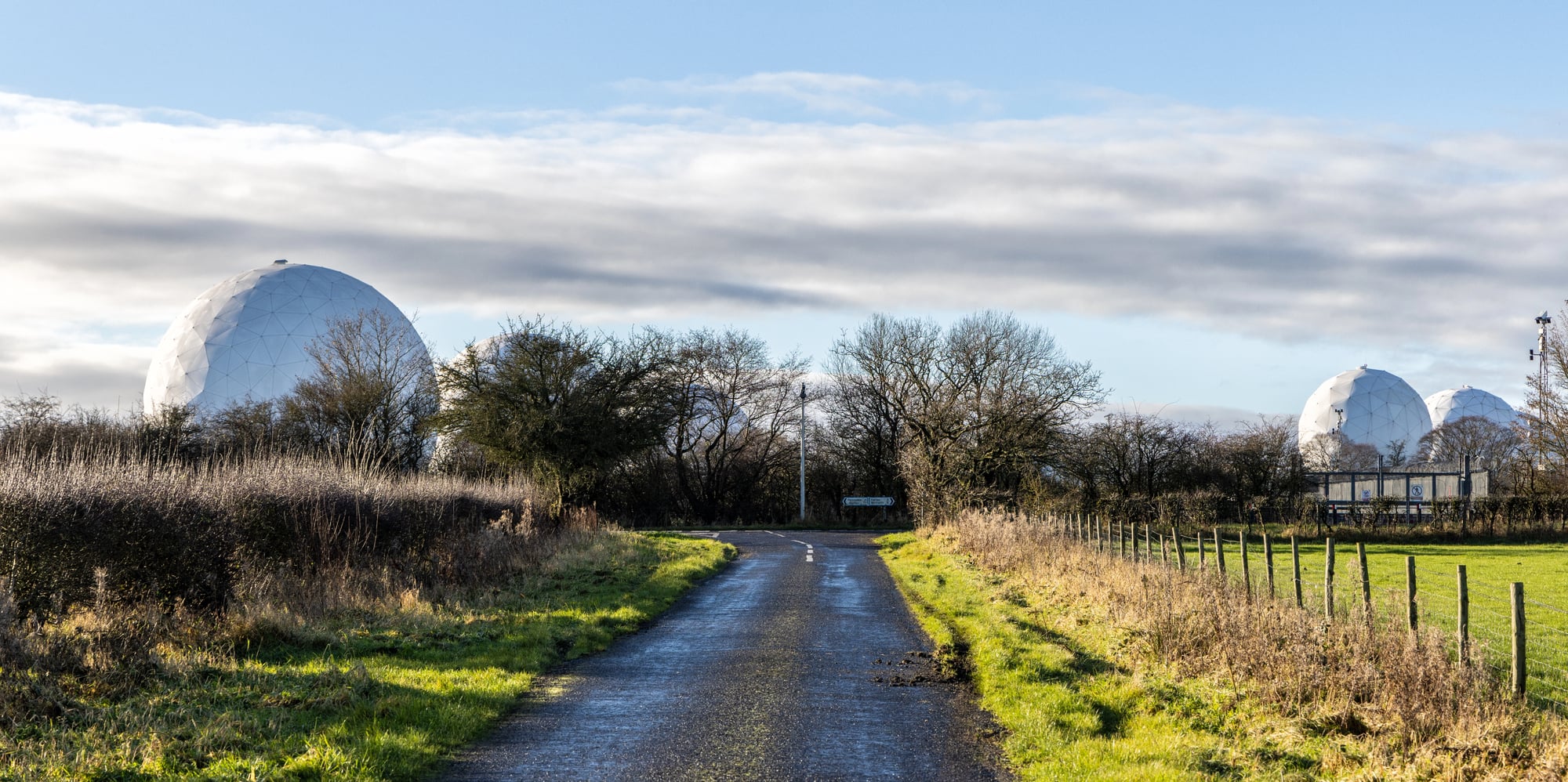
Yorkshire countryside hides one of the world’s largest intelligence gathering operations behind rolling hills and sheep pastures. RAF Menwith Hill operates as a joint UK-US intelligence facility, though the “RAF” designation is somewhat misleading — the base is primarily run by the US National Security Agency and focuses on intercepting communications from across Europe, the Middle East, and beyond.
The signature white radomes scattered across the facility house satellite dishes and electronic surveillance equipment that monitors everything from diplomatic communications to internet traffic.
What makes Menwith Hill particularly significant is its role in global intelligence sharing — information gathered there gets distributed to intelligence agencies across the “Five Eyes” alliance (US, UK, Canada, Australia, and New Zealand), making it a crucial node in international surveillance networks.
The facility operates under UK law but US oversight, creating a jurisdictional situation that privacy advocates have challenged for years.
Woomera Prohibited Area
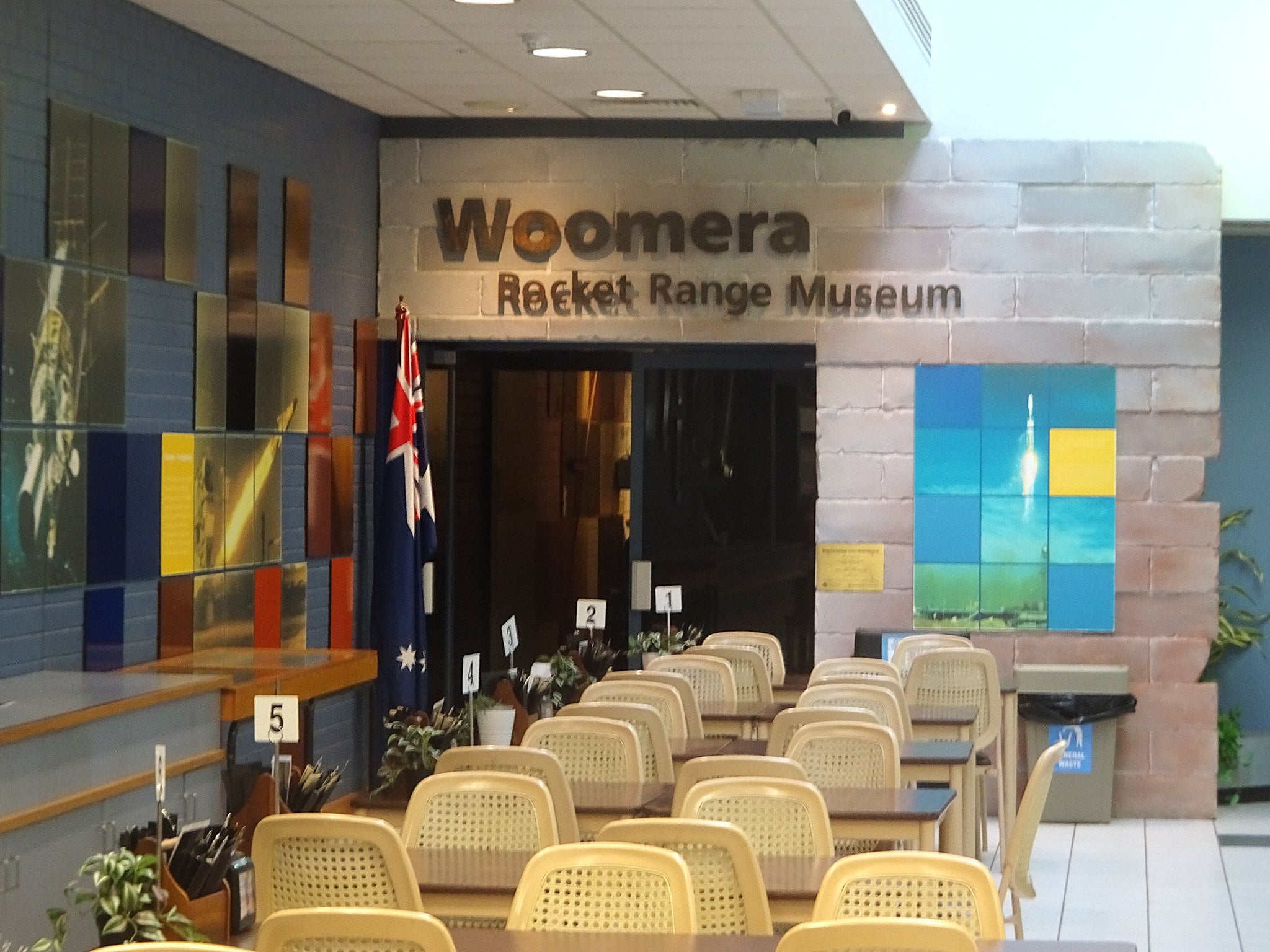
Australia’s Outback contains the largest land-based weapons testing range in the Western world, and most Australians couldn’t find it on a map. The Woomera Prohibited Area covers nearly 50,000 square miles of South Australian desert — roughly the size of England — and serves as a testing ground for missiles, aircraft, and military technologies that require vast empty spaces and complete secrecy.
The area has been used for weapons testing since the 1940s, when Britain conducted nuclear bomb tests that left parts of the range contaminated with radioactive debris.
Today, the range hosts joint military exercises between Australia, the United States, and other allied nations, testing everything from missile defense systems to experimental aircraft that won’t enter public service for years.
The sheer size of the prohibited area means that unauthorized entry is both illegal and potentially fatal — not just because of security measures, but because people have gotten lost in the vast emptiness and died from exposure before rescue teams could locate them.
Bohemian Grove
Every summer, some of the most powerful people in American politics and business gather at a private campground in Northern California for two weeks of networking, speechmaking, and rituals that would seem bizarre anywhere else. Bohemian Grove operates as an exclusive men’s club where Supreme Court justices, former presidents, Fortune 500 CEOs, and media moguls sleep in cabins, attend lakeside talks, and participate in theatrical ceremonies that blend fraternity traditions with pagan symbolism.
The Grove maintains strict policies against outside recording or reporting, and membership is by invitation only — the waiting list reportedly stretches for decades.
What happens during these gatherings ranges from the mundane (networking conversations that shape policy and business deals) to the theatrical (a ceremony called the “Cremation of Care” that involves burning an effigy in front of a 40-foot owl statue).
The secrecy around Bohemian Grove isn’t legally enforced like military facilities, but social and economic pressure keeps most details from becoming public knowledge.
Dulce Base
Deep beneath the New Mexico desert, according to conspiracy theorists and UFO researchers, lies a joint human-alien underground facility where extraterrestrial technology gets reverse-engineered and genetic experiments are conducted on abducted humans. Dulce Base exists primarily in the realm of speculation and whistleblower accounts that can’t be verified, but the persistent stories about its existence have made it one of the most infamous alleged secret facilities in America.
The truth is more mundane and more interesting: the area around Dulce, New Mexico does host sensitive government research facilities, but they’re focused on conventional military and scientific projects rather than alien collaboration.
What makes the Dulce Base legend significant isn’t whether underground aliens exist, but how readily people accept that the government maintains secret facilities so classified that their true purpose can only be guessed at.
The persistence of these stories reflects genuine uncertainty about what actually happens in America’s most restricted research installations.
Kapustin Yar
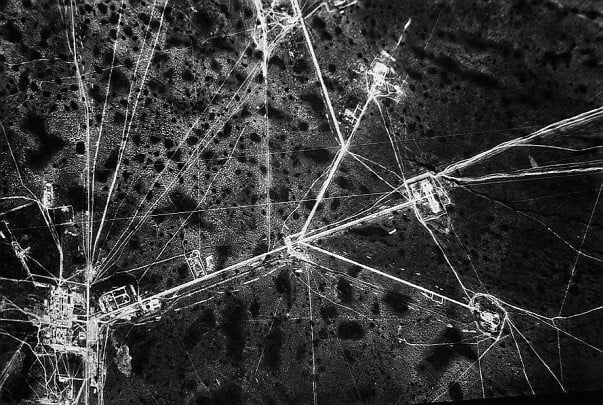
Russia’s first rocket testing facility sits on the Volga River in a region that has been closed to unauthorized access since the 1940s. Kapustin Yar served as the Soviet Union’s primary missile development site during the early Cold War, and it remains active today as a testing ground for advanced weapons systems that Russia prefers to keep away from satellite observation and foreign intelligence gathering.
The facility has been used to test everything from early ballistic missiles to modern anti-aircraft systems, and the restricted zone around it extends far enough to prevent outside observation of most testing activities.
What makes Kapustin Yar particularly significant is its role in Russian military development — many of the weapons systems that define Russia’s current military capabilities were first tested and refined at this facility, making it a crucial site for understanding the evolution of modern warfare technology.
Beyond the Barriers
These forbidden zones exist at the intersection of human curiosity and human necessity. They remind us that complete transparency and total security can’t coexist, and that some knowledge, some places, and some activities require barriers that most of us will never cross.
Whether they protect military secrets, preserve scientific experiments, or simply respect the wishes of people who want to be left alone, these restricted areas represent the boundaries of our accessible world.
Perhaps what’s most remarkable about forbidden zones isn’t what they hide, but what their existence reveals about the complexity of modern civilization. In a world where satellite imagery can show your backyard in real-time and information travels instantly across continents, the fact that genuinely secret places still exist feels almost anachronistic.
Yet they persist, protected by everything from armed guards to international treaties to the simple vastness of empty landscapes where unauthorized visitors would face nature itself as the ultimate security system.
More from Go2Tutors!

- The Romanov Crown Jewels and Their Tragic Fate
- 13 Historical Mysteries That Science Still Can’t Solve
- Famous Hoaxes That Fooled the World for Years
- 15 Child Stars with Tragic Adult Lives
- 16 Famous Jewelry Pieces in History
Like Go2Tutors’s content? Follow us on MSN.



