14 Stock Market Crashes Caused by Single Events
The stock market can seem like a steady, predictable beast most of the time, but history shows us just how quickly everything can change. Sometimes, it takes just one unexpected event to send investors into a panic and trigger a massive sell-off that ripples across the globe.
Here’s a list of 14 stock market crashes that were each sparked by a single, dramatic event that changed everything in a matter of hours or days.
Black Tuesday

October 29, 1929, remains one of the most infamous days in financial history. The crash didn’t happen overnight—speculation had been building for months—yet this single day marked the catastrophic end of the Roaring Twenties’ bull market. Stock prices plummeted as panic selling overwhelmed the system.
Some stocks lost 50% of their value in a single session, wiping out millions of investors and triggering the Great Depression that would last for over a decade.
Pearl Harbor Attack

The surprise attack on Pearl Harbor on December 7, 1941, sent shockwaves through American markets that had been relatively stable despite the ongoing war in Europe. When trading resumed, the Dow Jones dropped nearly 3% as investors suddenly realized the United States would be entering World War II.
The crash reflected immediate uncertainty about how a full-scale war would affect the American economy—and corporate profits took a hit as well.
Like Go2Tutors’s content? Follow us on MSN.
Kennedy’s Steel Price Confrontation
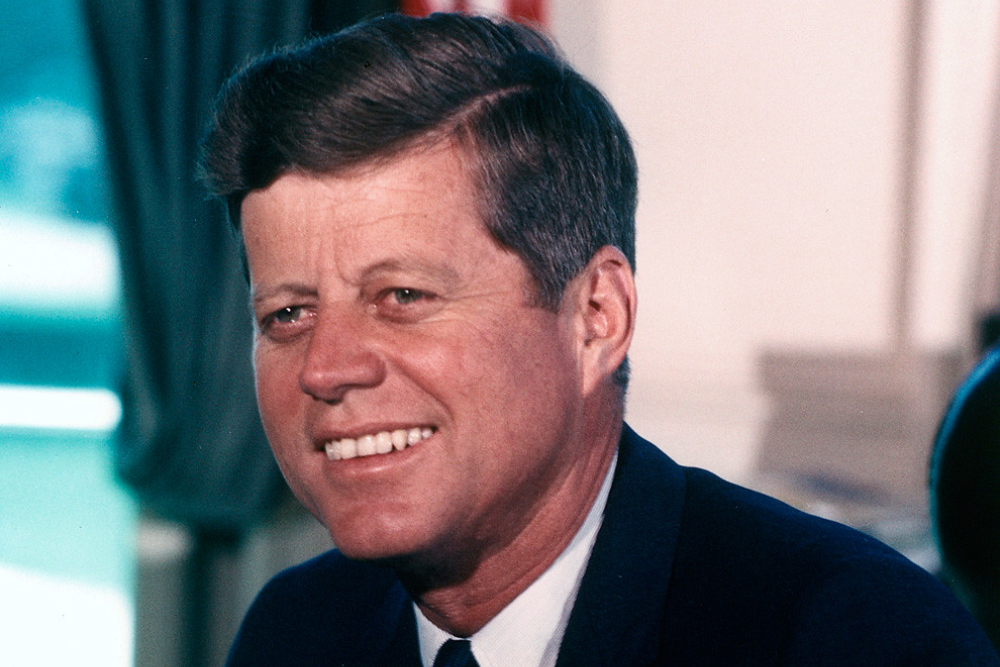
In April 1962, President John F. Kennedy’s public confrontation with steel companies over price increases triggered what became known as the ‘Kennedy Slide.’ U.S. Steel had announced a $6-per-ton price increase, which prompted Kennedy to respond with fierce criticism and threats of government action.
Markets interpreted this as an attack on big business. Stocks tumbled 6.5% in just two days while investors worried about increased government interference in corporate affairs.
Oil Embargo Shock

The 1973 Arab oil embargo hit markets like a sledgehammer when OPEC announced it would stop shipping oil to countries supporting Israel during the Yom Kippur War. Oil prices quadrupled almost overnight—sending the Dow Jones into a steep decline that lasted nearly two years.
This crash highlighted how dependent the global economy had become on cheap energy while marking the beginning of the stagflation era.
Hunt Brothers’ Silver Squeeze

The Hunt brothers’ attempt to corner the silver market in 1980 created a bubble that burst spectacularly on ‘Silver Thursday,’ March 27, 1980. Silver prices collapsed from $50 per ounce to under $11 in a single day—triggering margin calls and panic selling across commodity and stock markets.
The crash demonstrated how individual actors could still manipulate markets, though it also showed they could create systemic risk even in the modern era.
Like Go2Tutors’s content? Follow us on MSN.
Black Monday
October 19, 1987, saw the largest single-day percentage decline in stock market history when the Dow Jones fell 22.6% in one trading session. Unlike previous crashes with clear fundamental causes, Black Monday seemed to come out of nowhere.
This made it even more terrifying for investors—while computerized trading programs amplified the crash by automatically selling stocks as prices fell, creating a vicious cycle that nobody could stop.
Savings and Loan Crisis

The collapse of hundreds of savings and loan institutions in 1989 triggered a market crash that reflected deep problems in the American banking system. These institutions had been deregulated in the early 1980s yet continued to enjoy government-backed deposit insurance—creating a recipe for disaster.
When the extent of the losses became clear, markets tumbled as investors realized taxpayers would be on the hook for hundreds of billions in bailout costs.
Gulf War Uncertainty

The Iraqi invasion of Kuwait in August 1990 sent oil prices soaring while stock markets plummeted as investors feared a prolonged conflict in the world’s most important oil-producing region. Uncertainty about whether the U.S. would intervene militarily—combined with fears of oil supply disruptions—created the perfect storm for a market crash.
Stocks didn’t recover until it became clear that the war would be swift and decisive.
Like Go2Tutors’s content? Follow us on MSN.
Russian Ruble Collapse

Russia’s decision to default on its government bonds and devalue the ruble in August 1998 triggered a global financial crisis that caught most investors completely off guard. The crisis spread rapidly to other emerging markets, though it eventually hit developed economies as hedge funds and banks faced massive losses.
Markets crashed worldwide while investors realized how interconnected the global financial system had become.
Dot-Com Bubble Burst
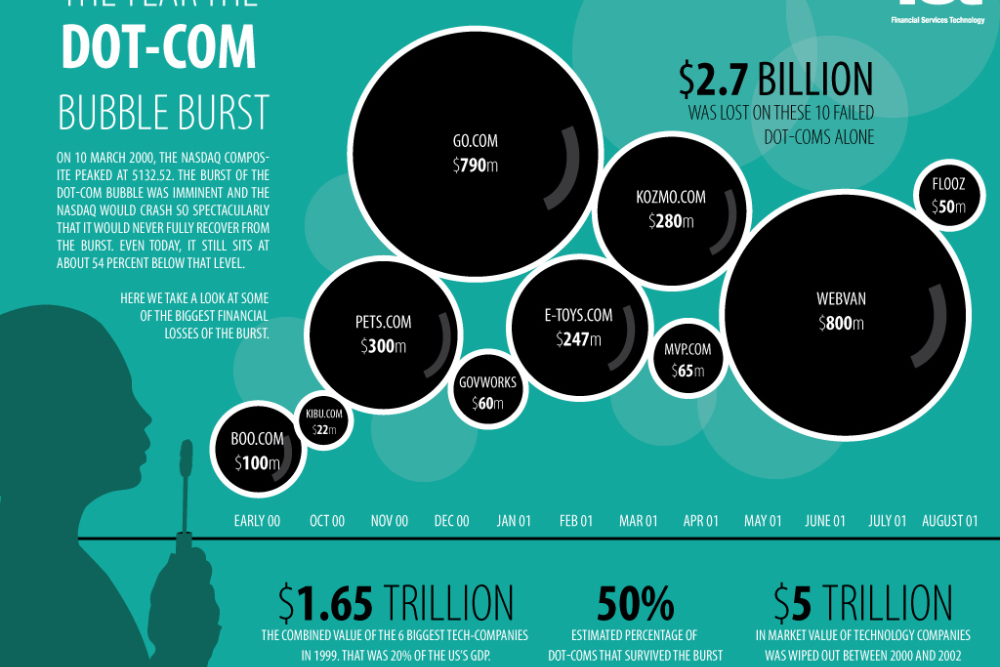
The NASDAQ crash beginning in March 2000 was triggered by growing skepticism about internet companies with sky-high valuations—yet no profits. When a few high-profile tech stocks started declining, it quickly became clear that the entire sector was overvalued.
The crash wiped out trillions in market value while ending the irrational exuberance that had defined the late 1990s technology boom.
September 11 Attacks
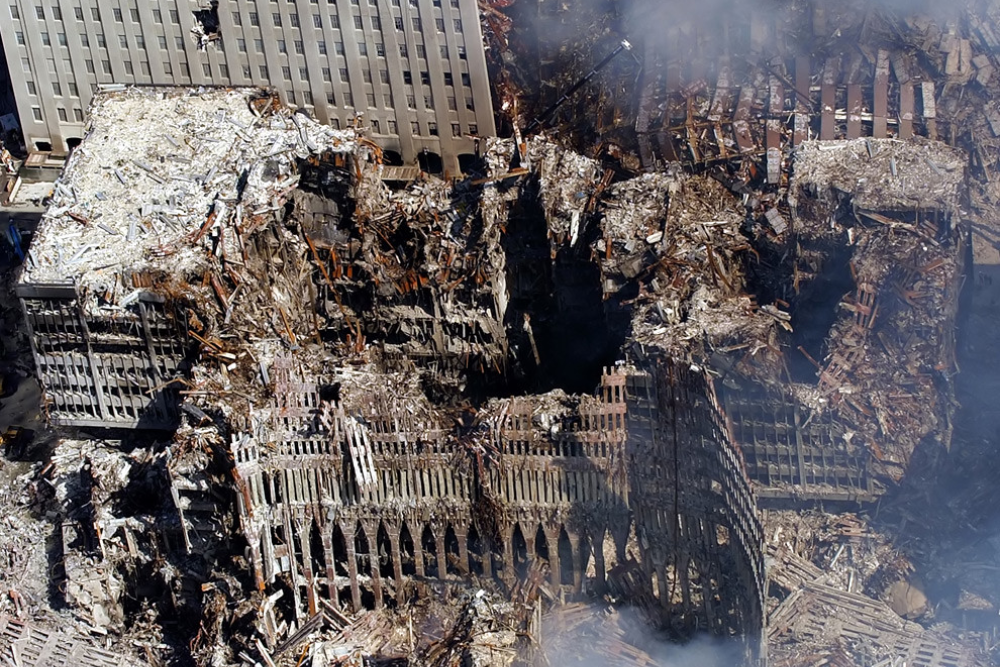
The terrorist attacks on September 11, 2001, forced U.S. markets to close for four trading days, which represented the longest shutdown since the Great Depression. When markets reopened on September 17, the Dow Jones fell 7.1% in the largest single-day point decline in history at that time.
The crash reflected not just immediate economic concerns but also the psychological impact of realizing that America was vulnerable to attack on its own soil.
Like Go2Tutors’s content? Follow us on MSN.
Lehman Brothers Collapse

The bankruptcy of Lehman Brothers on September 15, 2008, marked the point when the subprime mortgage crisis became a full-blown global financial meltdown. This single event crystallized fears that the entire banking system might collapse, yet it also triggered panic selling across all asset classes.
The crash led to the worst recession since the Great Depression while fundamentally changing how people think about financial risk.
Flash Crash

On May 6, 2010, the Dow Jones lost nearly 1,000 points in minutes before recovering most of the losses within hours. This created one of the most bizarre crashes in market history. The event was triggered by a single large sell order that interacted with high-frequency trading algorithms in unexpected ways.
The flash crash showed how modern electronic markets could malfunction in ways that nobody had anticipated, though it also demonstrated their resilience.
COVID-19 Declaration

The World Health Organization’s declaration of COVID-19 as a global pandemic on March 11, 2020, triggered the fastest bear market in history as investors suddenly grasped the potential economic impact of worldwide lockdowns. Markets had been declining for weeks, yet this single announcement crystallized fears while accelerating the selling.
The crash was so severe that trading was halted multiple times as circuit breakers kicked in to prevent even steeper declines.
Like Go2Tutors’s content? Follow us on MSN.
When Single Events Shape Market History

These crashes remind us that markets, despite all their complexity and sophistication, can still be derailed by a single unexpected event. Each crisis taught investors new lessons about risk while revealing vulnerabilities that nobody had previously considered.
Markets have generally become more resilient over time, though the COVID-19 crash proved that the right kind of shock can still bring the entire system to its knees. The key lesson isn’t that crashes are predictable but rather that they’re inevitable, and the smart money stays prepared for the unexpected.
More from Go2Tutors!

- 16 Restaurant Chains That Went Too Fast
- 12 Things Sold in the 80s That Are Now Illegal
- 15 Strange Things People Have Tried to Ban (And Failed)
- 16 Collectibles People Tossed Out Too Soon
- 17 Myths from Your Childhood That Were Actually Based on Real Things
Like Go2Tutors’s content? Follow us on MSN.