18 Facts About the Indiana Jones Franchise
For over four decades, Indiana Jones has captivated audiences with thrilling adventures, memorable characters, and iconic action sequences that redefined the adventure movie genre. From Steven Spielberg’s masterful direction to Harrison Ford’s charismatic performance, the franchise has become a cornerstone of modern cinema. Behind the whip-cracking action and treasure-hunting escapades lies a treasure trove of fascinating production stories, surprising casting decisions, and incredible achievements.
Here is a list of 18 remarkable facts about the legendary Indiana Jones franchise.
Harrison Ford Made Over $105 Million from Five Films
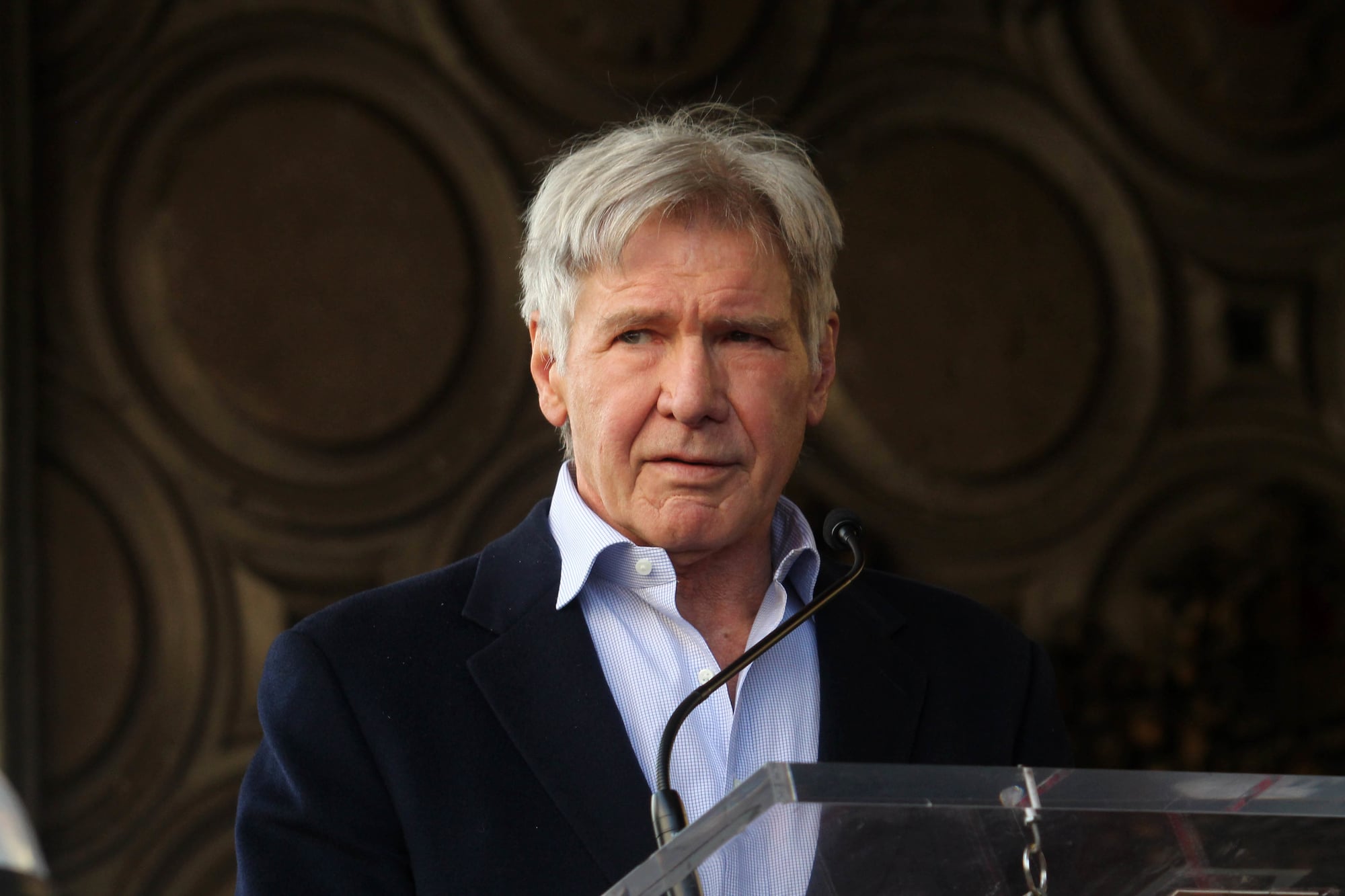
Ford’s earnings from the Indiana Jones franchise reflect both his growing star power and the series’ massive success at the box office. His salary jumped dramatically over the decades, starting with $5.9 million for Raiders of the Lost Ark in 1981, then dropping slightly to $4.5 million and $4.9 million for the next two films.
The real windfall came with Kingdom of the Crystal Skull in 2008, where Ford earned an estimated $65 million through a revenue-sharing deal rather than a traditional salary. For his final appearance in Dial of Destiny, Ford received $25 million, marking the end of his legendary run as the character.
Indiana Was Named After George Lucas’ Dog

The character’s first name came from Lucas’ beloved Alaskan Malamute named Indiana, who was also the inspiration for Chewbacca in Star Wars. Originally, Lucas wanted to call the character ‘Indiana Smith,’ but Steven Spielberg objected that it was too similar to the 1966 Steve McQueen western Nevada Smith.
The trio of Lucas, Spielberg, and screenwriter Lawrence Kasdan agreed that the last name should be as universal and nondescript as ‘Smith,’ so Lucas suggested ‘Jones’ as an alternative. This simple naming decision created one of cinema’s most recognizable character names.
Tom Selleck Was the First Choice for Indiana Jones

Before Harrison Ford donned the fedora, Tom Selleck was George Lucas’ preferred choice for the title role, fresh off his success in the TV show Magnum P.I. Selleck even completed a screen test for the part and was genuinely interested in taking on the adventure role.
However, scheduling conflicts with his television commitments forced him to decline the opportunity, opening the door for Ford to step into what would become one of his most iconic roles. Other actors considered for the part included Steve Martin, Jack Nicholson, and even comedian Bill Murray.
The Famous Sword Fight Scene Was Improvised Due to Food Poisoning

One of the most memorable moments in Raiders of the Lost Ark – where Indy simply shoots the swordsman instead of engaging in combat – wasn’t in the original script. Harrison Ford was supposed to use his whip to disarm the sword-wielding attacker in an elaborate fight sequence.
However, Ford and much of the crew had contracted severe food poisoning during filming in Tunisia, leaving him too ill to perform the complex choreography. After several unsuccessful attempts at the planned sequence, Ford suggested simply ‘shooting the sucker,’ which Spielberg loved and kept in the final film.
The Franchise Grossed Over $2.36 Billion Worldwide

The five Indiana Jones films have generated massive box office returns, cementing the franchise as one of Hollywood’s most successful adventure series. Raiders of the Lost Ark earned $389 million globally, Temple of Doom made $333 million, and Last Crusade reached $474 million worldwide.
Kingdom of the Crystal Skull became the highest-grossing entry with $790 million, while Dial of Destiny earned $384 million despite being considered a box office disappointment. The franchise’s financial success helped establish the modern blockbuster model and proved that adventure films could be both critically acclaimed and commercially viable.
Steven Spielberg Created the PG-13 Rating
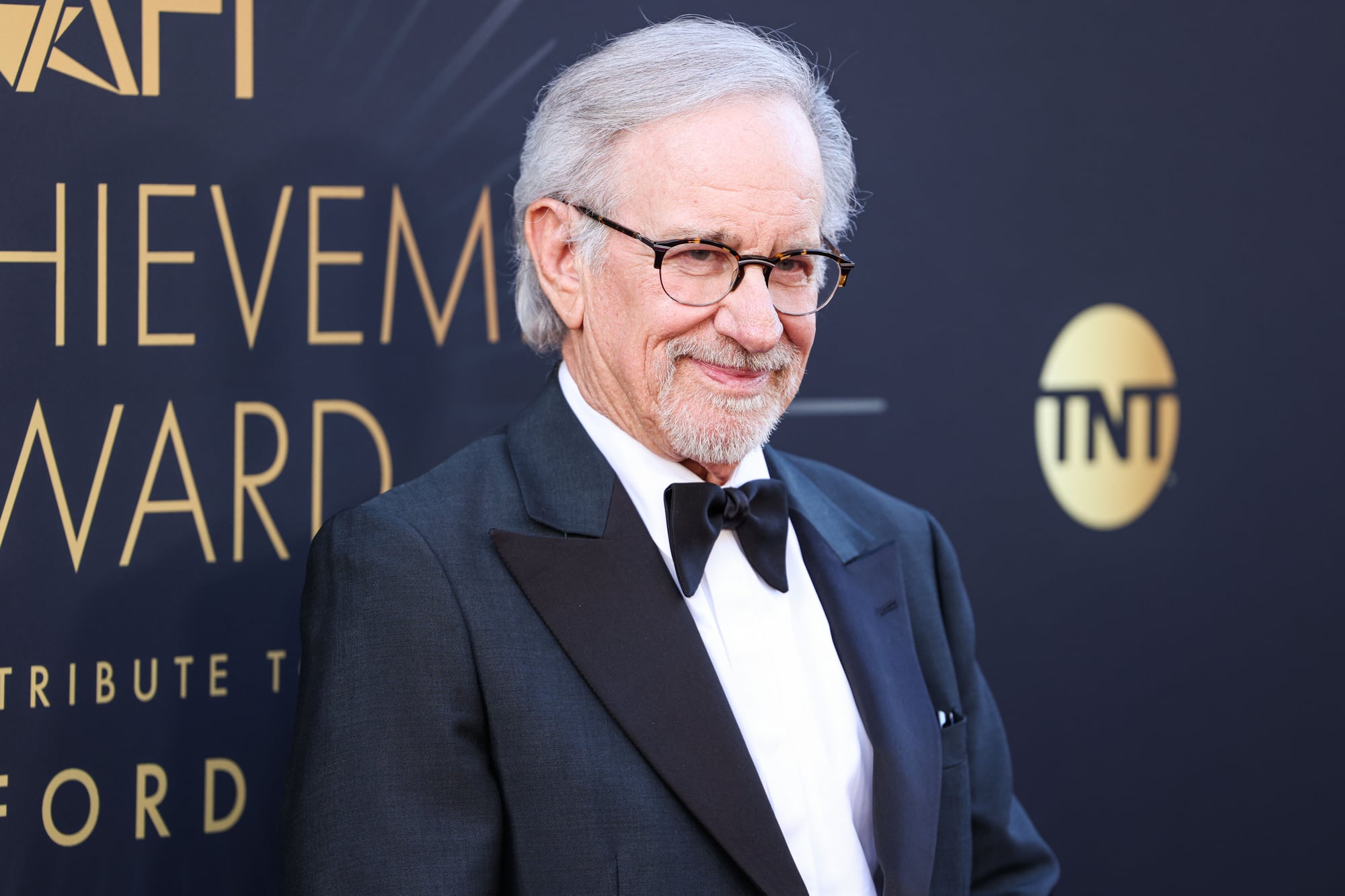
The violence in Temple of Doom, particularly the heart-removal scene and other intense moments, sparked controversy among parents and audience members who felt the PG rating was inadequate. Despite featuring a man having his heart ripped out while alive before being lowered into lava, the film received a family-friendly PG rating from the Motion Picture Association of America.
The backlash over Temple of Doom’s violence, combined with similar concerns about Gremlins (which Spielberg executive produced), prompted Spielberg to write to MPAA President Jack Valenti suggesting a new rating category. He proposed several options including ‘PG-13,’ which was ultimately adopted and first used for Red Dawn in 1984.
Harrison Ford Did Most of His Own Stunts
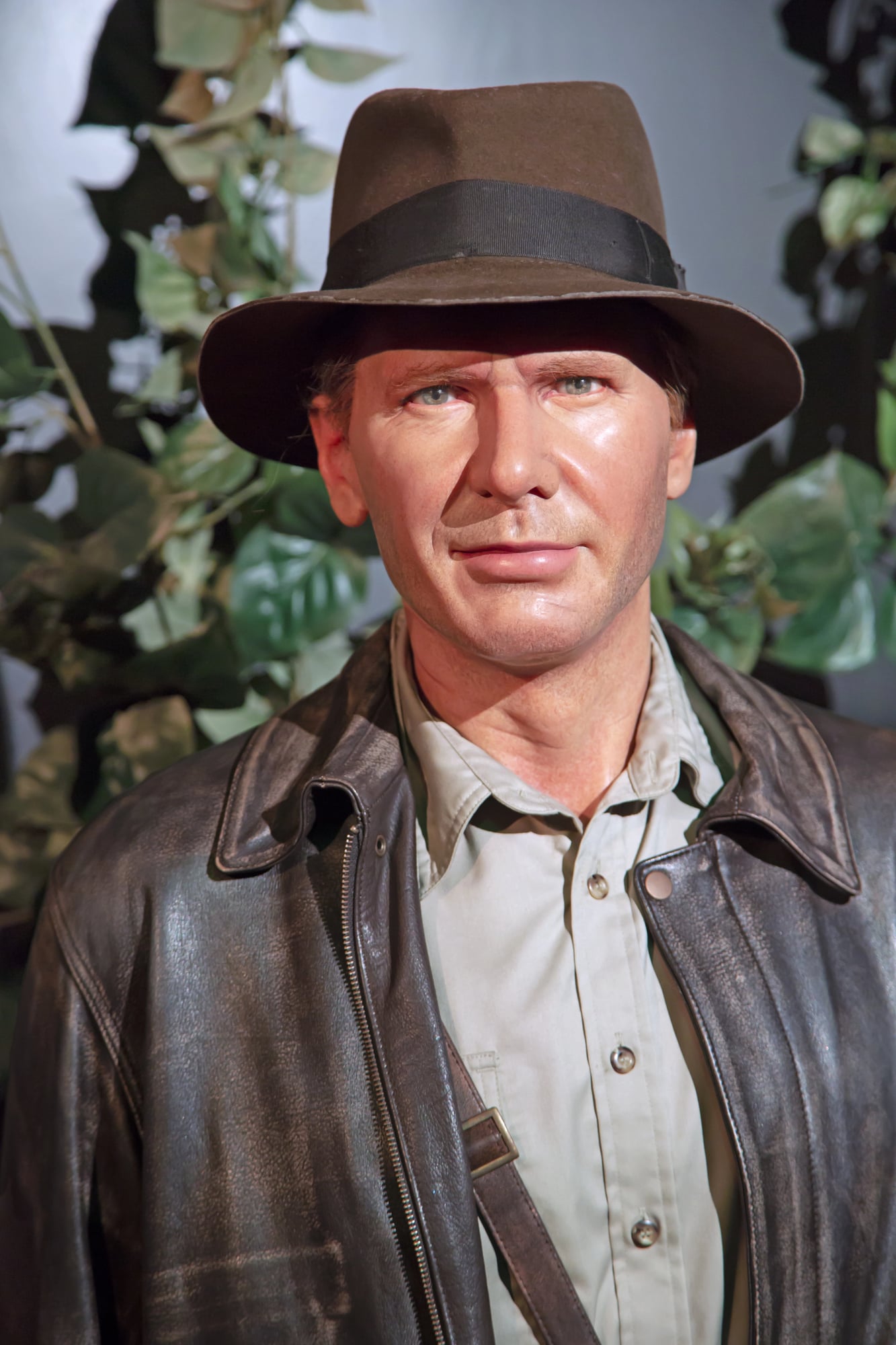
Ford’s commitment to authenticity meant he performed the majority of his own action sequences throughout the franchise, often to the concern of his stunt coordinators. During filming of The Last Crusade, Ford’s stunt double Vic Armstrong had to ask if he could actually do some work because Ford was handling so much of the action himself.
Armstrong later praised Ford, saying that if he wasn’t such a great actor, he would have made an excellent stuntman. Ford’s dedication included hanging onto a tank during the climactic fight scene while crew members shoveled dirt onto him from above.
The Fedora Was Purchased from a Real London Hat Shop

Indiana’s iconic brown fedora was bought from Herbert Johnson in London, a hat-making firm that still exists today and continues to sell replicas of the famous hat. Costume designer Deborah Nadoolman deliberately aged the hat by twisting it and sitting on it with Ford to give the fedora a more weathered, lived-in appearance.
The hat became such an integral part of the character that its miraculous survival through all of Indy’s adventures was eventually acknowledged and lampshaded in The Last Crusade. The original hat now resides in the Smithsonian Institution alongside other iconic movie memorabilia.
Harrison Ford Earned Only $10,000 for the First Star Wars
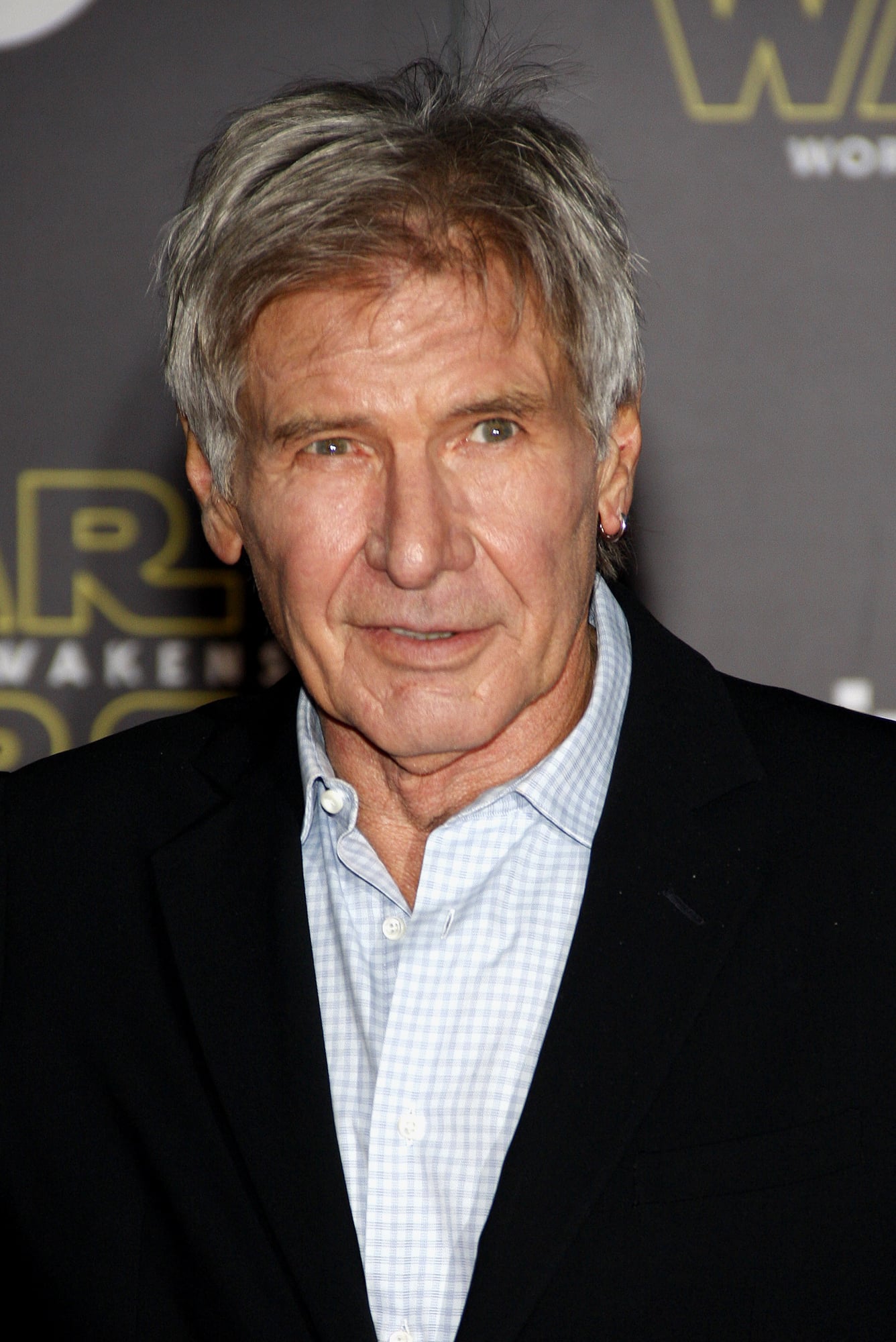
Before becoming Indiana Jones, Ford’s breakthrough role as Han Solo in the original Star Wars earned him just $10,000 – roughly $42,000 in today’s money. This modest payment for what would become one of cinema’s most beloved characters shows how dramatically Ford’s career trajectory changed after George Lucas cast him in both franchises.
Lucas initially hired Ford only to read lines with other actors during the casting process for Star Wars, but eventually decided to cast him as Han Solo, setting the stage for their collaboration on Indiana Jones.
The Boulder Scene Used a Real 300-Pound Rock

The famous opening sequence of Raiders featuring Indy outrunning a massive boulder was filmed with actual weight behind it. The 300-pound fiberglass boulder that chases Ford through the temple was real enough that even Spielberg later admitted it was a dangerous stunt to film.
Ford had to time his run perfectly to avoid being crushed by the rolling prop, which was designed to look much heavier than its actual weight. The sequence required multiple takes and careful choreography to ensure Ford’s safety while creating one of cinema’s most thrilling opening moments.
River Phoenix Was Personally Chosen by Harrison Ford
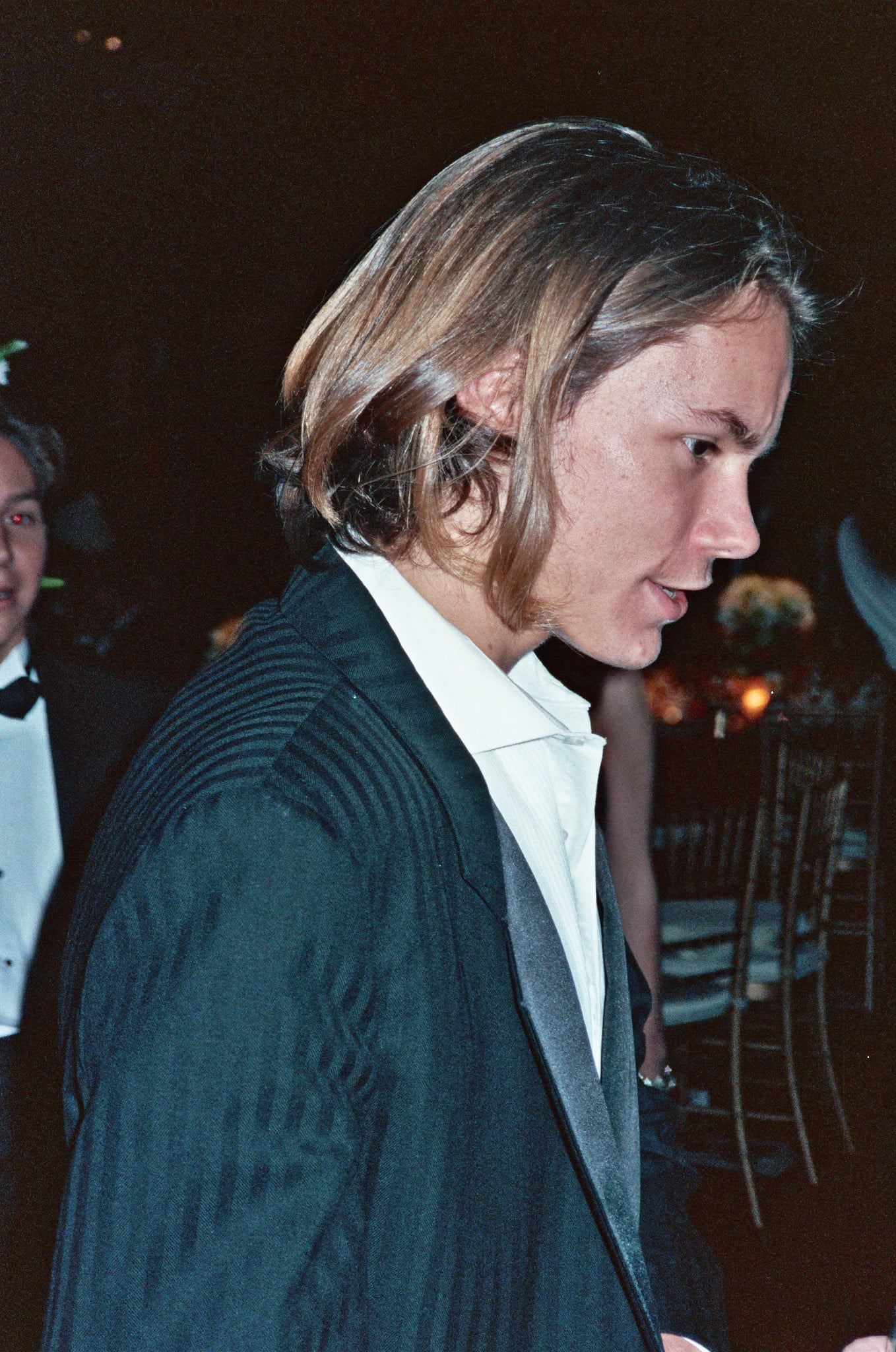
For the opening sequence of The Last Crusade showing young Indiana Jones, Harrison Ford specifically recommended River Phoenix for the role, having worked with him previously on The Mosquito Coast. Ford was impressed by Phoenix’s acting ability and felt he could convincingly portray a younger version of the character.
Rather than trying to imitate Ford’s performance as the adult Indiana Jones, Phoenix based his portrayal directly on Ford as a person, studying his mannerisms and speech patterns. This approach created a believable connection between the young and older versions of the character.
Pat Roach Played Multiple Characters Who Always Died
British wrestler and actor Pat Roach appeared in every Indiana Jones film (except Dial of Destiny) as different characters, all of whom met unfortunate ends. Standing 6 feet 5 inches tall, Roach played the German mechanic killed by an airplane propeller in Raiders, the Chief Guard in Temple of Doom, and a Gestapo agent in Last Crusade.
His imposing physical presence made him perfect for playing intimidating villains, and his professional wrestling background helped him perform convincing fight scenes. Roach passed away in 2004, preventing him from appearing in any subsequent films.
Sean Connery and Harrison Ford Filmed Without Pants
During the zeppelin scene in The Last Crusade, both Sean Connery and Harrison Ford removed their trousers due to excessive heat on the set. Connery initiated this wardrobe adjustment, saying he didn’t want to sweat too much during filming, and Ford followed suit.
This explains why most of their scenes aboard the aircraft feature close-up shots rather than full-body shots of the actors. The practical solution to an uncomfortable shooting situation demonstrates the unglamorous realities behind even the most polished Hollywood productions.
The Franchise Launched Multiple Spin-offs and Media

Beyond the five theatrical films, Indiana Jones expanded into television with The Young Indiana Jones Chronicles, which ran from 1992-1996 and featured different actors playing the character at various ages. The franchise also spawned numerous video games, comic book series from both Marvel and Dark Horse Comics, theme park attractions at Disney parks, and extensive merchandise lines.
Novels, action figures, and even crossover products like a Mr. Potato Head ‘Taters of the Lost Ark’ set have kept the character alive in popular culture between film releases.
Two Thousand Rats Were Specially Bred for The Last Crusade

The famous sewer scene beneath Venice required an enormous number of rats, but the production couldn’t use wild rats due to disease concerns. Instead, the filmmakers had 2,000 rats specifically bred for the movie to ensure the safety of the cast and crew.
This scene initially cost the film its first choice for female lead, Amanda Redman, who was too afraid to work alongside the rodents. The elaborate preparation shows the lengths to which the production team went to create authentic-looking scenes while maintaining safety standards.
The Whip Sold for $216,000 at Auction

Indiana’s kangaroo-hide bullwhip became such an iconic prop that it commanded an enormous price when sold at Christie’s auction house in London in 2012. The $216,000 final bid demonstrates the enduring appeal of the character and the value collectors place on authentic movie memorabilia.
Ford became genuinely skilled with the whip through extensive training, and his proficiency added authenticity to the character’s actions on screen. The whip work required precise timing and practice to avoid injury during the intense action sequences.
Temple of Doom Features Authentic World War II Nazi Uniforms

The elaborate Nazi book-burning scene in The Last Crusade used real uniforms from World War II rather than movie replicas. A cache of authentic Nazi uniforms was discovered in Germany and obtained by costume designer Anthony Powell specifically for the film.
This attention to historical detail added authenticity to the production, though it also created an eerie atmosphere on set when actors donned genuine artifacts from one of history’s darkest periods. The use of real uniforms demonstrates the franchise’s commitment to historical accuracy in its period details.
The Character Originally Started as a James Bond Alternative

Steven Spielberg had repeatedly tried to direct a James Bond film but was turned down multiple times by producer Albert ‘Cubby’ Broccoli, who felt Spielberg wasn’t suitable for the material despite his proven success with Jaws and Close Encounters. When George Lucas offered Spielberg something ‘better than Bond’ with Indiana Jones, it launched a franchise that many fans consider superior to the spy series.
The Indiana Jones films borrowed the globe-trotting adventure elements of Bond while adding archaeological mystery and 1930s period charm. Ironically, the franchise later cast former Bond actor Sean Connery as Indy’s father in The Last Crusade.
A Living Legacy That Redefined Adventure Cinema
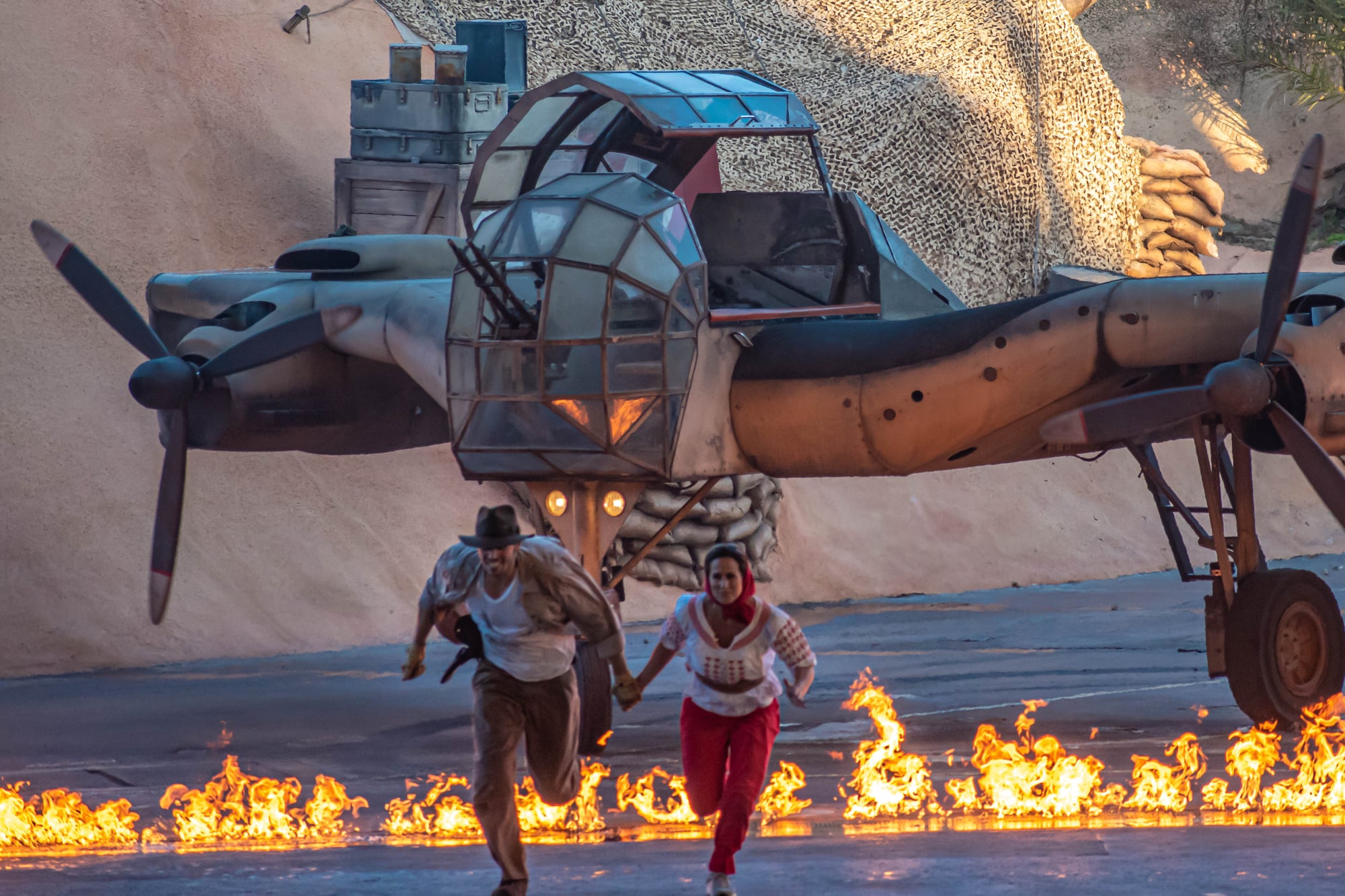
The Indiana Jones franchise revolutionized the adventure genre and inspired countless filmmakers to create their own globe-trotting heroes and treasure-hunting narratives. The combination of practical stunts, exotic locations, historical mysteries, and Ford’s charismatic performance created a template that influenced everything from video games to theme park attractions.
Even today, the character remains a cultural touchstone representing the spirit of adventure and discovery, proving that some heroes truly are timeless. With merchandise still selling, games still being developed, and fans still dreaming of new adventures, Indiana Jones continues to capture imaginations more than four decades after first cracking that whip.
More from Go2Tutors!

- The Romanov Crown Jewels and Their Tragic Fate
- 13 Historical Mysteries That Science Still Can’t Solve
- Famous Hoaxes That Fooled the World for Years
- 15 Child Stars with Tragic Adult Lives
- 16 Famous Jewelry Pieces in History
Like Go2Tutors’s content? Follow us on MSN.