14 Bizarre Traditions for New Year’s Eve
Most people celebrate New Year’s Eve with champagne, fireworks, and a countdown to midnight. But around the world, some cultures have developed traditions that seem downright strange to outsiders.
These customs range from fruit-smashing to furniture-tossing, all in the name of good luck and prosperity. Here are 14 of the most unusual ways people ring in the new year.
Eating Exactly 12 Grapes in 12 Seconds

In Spain, people prepare for midnight by grabbing a handful of grapes. When the clock starts chiming, you eat one grape per bell strike.
Miss the timing and you risk bad luck for the entire year ahead. The tradition started in 1909 when grape growers in Alicante had a surplus harvest and needed a creative way to sell their crop.
Now millions of Spaniards rush to finish their grapes before the final chime, with some choking down sour ones that supposedly predict rough months ahead.
Smashing Plates on Your Neighbors’ Doorsteps

Danish people save up their unused plates all year long for one explosive night. On December 31st, they gather stacks of dishes and throw them against the front doors of friends and family.
The bigger the pile of broken china on your doorstep the next morning, the more popular you are and the better your luck will be. Nobody cleans up the mess right away either.
Those shattered plates sit there as proof of how many people care about you.
Tossing Furniture Off Balconies

In Naples, Italy, the phrase “out with the old” takes on a literal meaning. People throw everything from toasters to chairs off their balconies to symbolize a fresh start.
The tradition used to involve actual refrigerators and heavy appliances until too many pedestrians got hurt. Now most locals stick to smaller, softer items, though you still need to watch your head if you’re walking the streets at midnight.
Johannesburg, South Africa follows the same custom.
Burning Effigies of Famous People
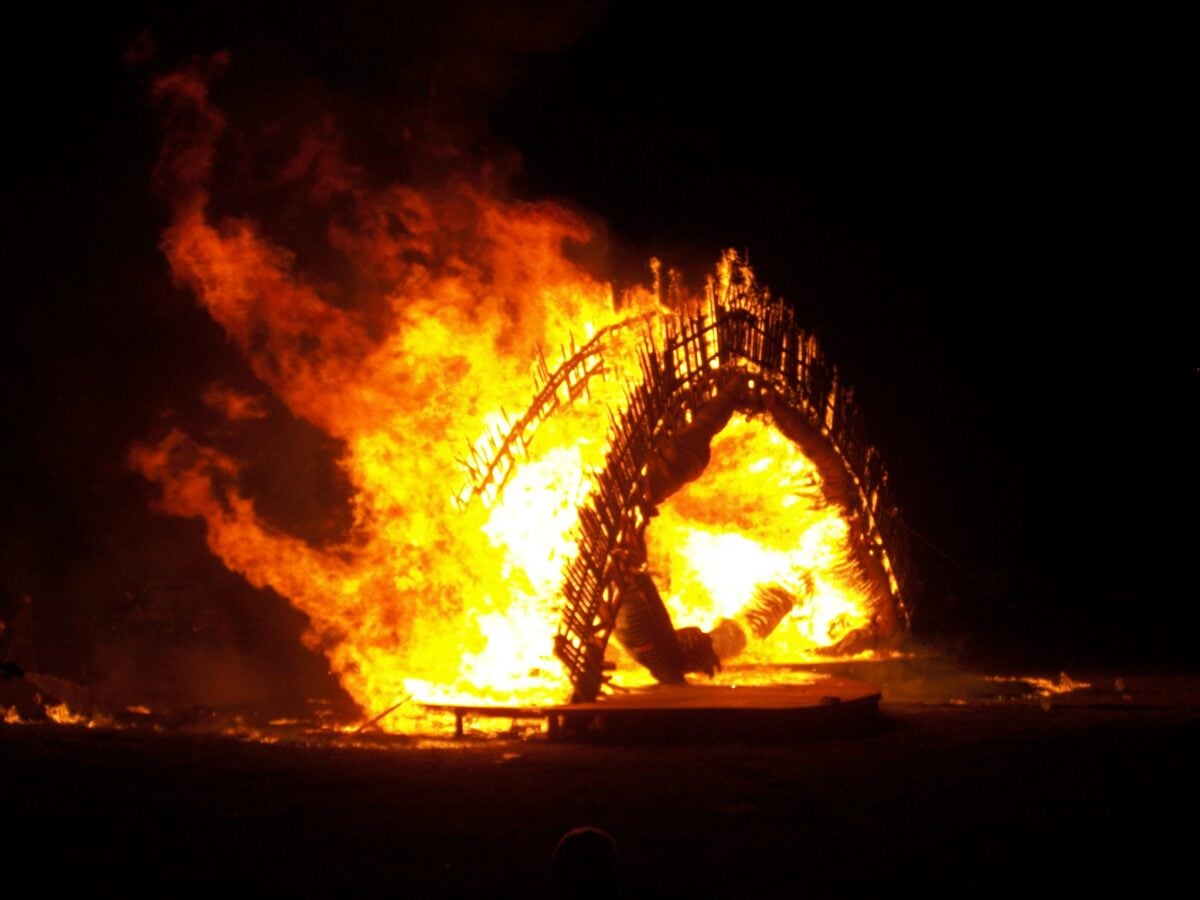
Ecuadorians spend the days before New Year’s Eve building scarecrow-like figures stuffed with newspaper and sawdust. These effigies, called año viejo, often look like politicians, pop stars, or anyone who caused trouble during the past year.
At midnight, entire neighborhoods set them on fire in the streets. The flames represent banishing bad luck and starting fresh.
Some men even dress up as widows of the burned figures and walk around asking for money.
Ringing Temple Bells 108 Times
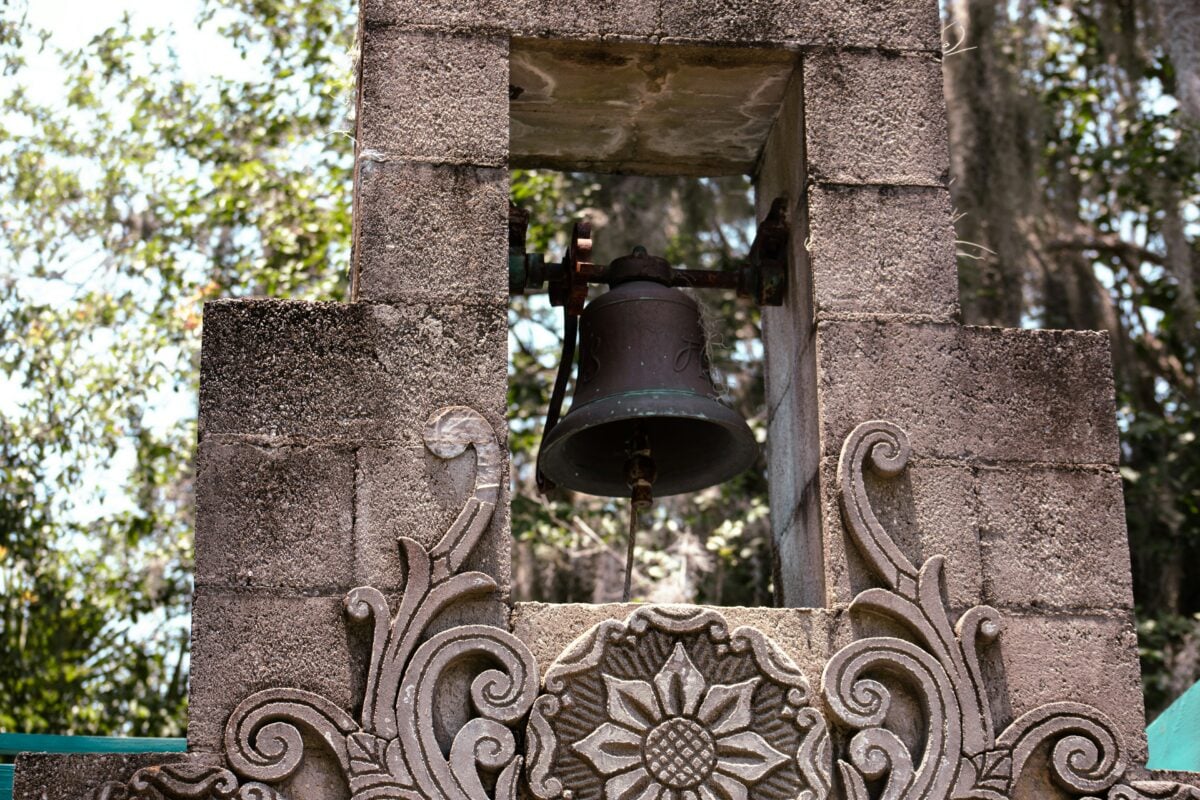
Buddhist temples across Japan participate in a midnight ritual that lasts well past the first moments of the new year. Monks ring enormous bells 108 times total, with 107 strikes happening before midnight and the final one right as the calendar turns.
Each ring represents one of the 108 human sins or earthly desires in Buddhist belief. The sound is supposed to cleanse you of wrongdoing from the past year.
Wearing Specific Colors of Underwear

Throughout Brazil, Italy, and parts of Latin America, your choice of undergarments on December 31st determines your fate. Red brings love and passion. Yellow attracts wealth and success. White promises peace and harmony.
Green ensures good health and well-being. Street vendors set up stalls in the days before New Year’s Eve, selling every color imaginable.
In Turkey, people hand out red underwear as gifts to wish friends a fruitful year.
The tradition has become so widespread that stores stock up on colored undergarments right after Christmas. Some people even throw away their New Year’s underwear the next day as part of letting go of the old year.
Walking Around With Empty Suitcases

If you want to travel more in the coming year, grab an empty suitcase and start walking. In Colombia and Mexico, people either carry luggage around the block or wheel it in and out of their front door exactly 12 times at midnight.
The ritual symbolizes a year filled with adventures and new experiences. Some take it seriously enough to pack a few items inside, while others just grab any old bag from the closet.
Smashing Pomegranates Against Your Door

Greek families gather outside their homes at midnight holding ripe pomegranates. When the clock strikes twelve, someone throws the fruit against the front door as hard as possible.
The more seeds that scatter across the floor, the more luck and prosperity the household will receive. In ancient Greek mythology, pomegranates represented eternal life and abundance.
Turkey has a similar tradition, though some people sprinkle salt on their doorstep if they can’t find a pomegranate.
Surrounding Yourself With Round Objects

Filipinos believe that round shapes represent coins and therefore wealth. On New Year’s Eve, tables get piled high with 12 different types of round fruit, one for each month of the year.
People wear polka dot clothing and keep coins in their pockets, jangling them constantly. Some families even choose round plates and bowls for their midnight meal.
The goal is to surround yourself with as many circular objects as possible to keep money flowing throughout the year.
First-Footing With Gifts
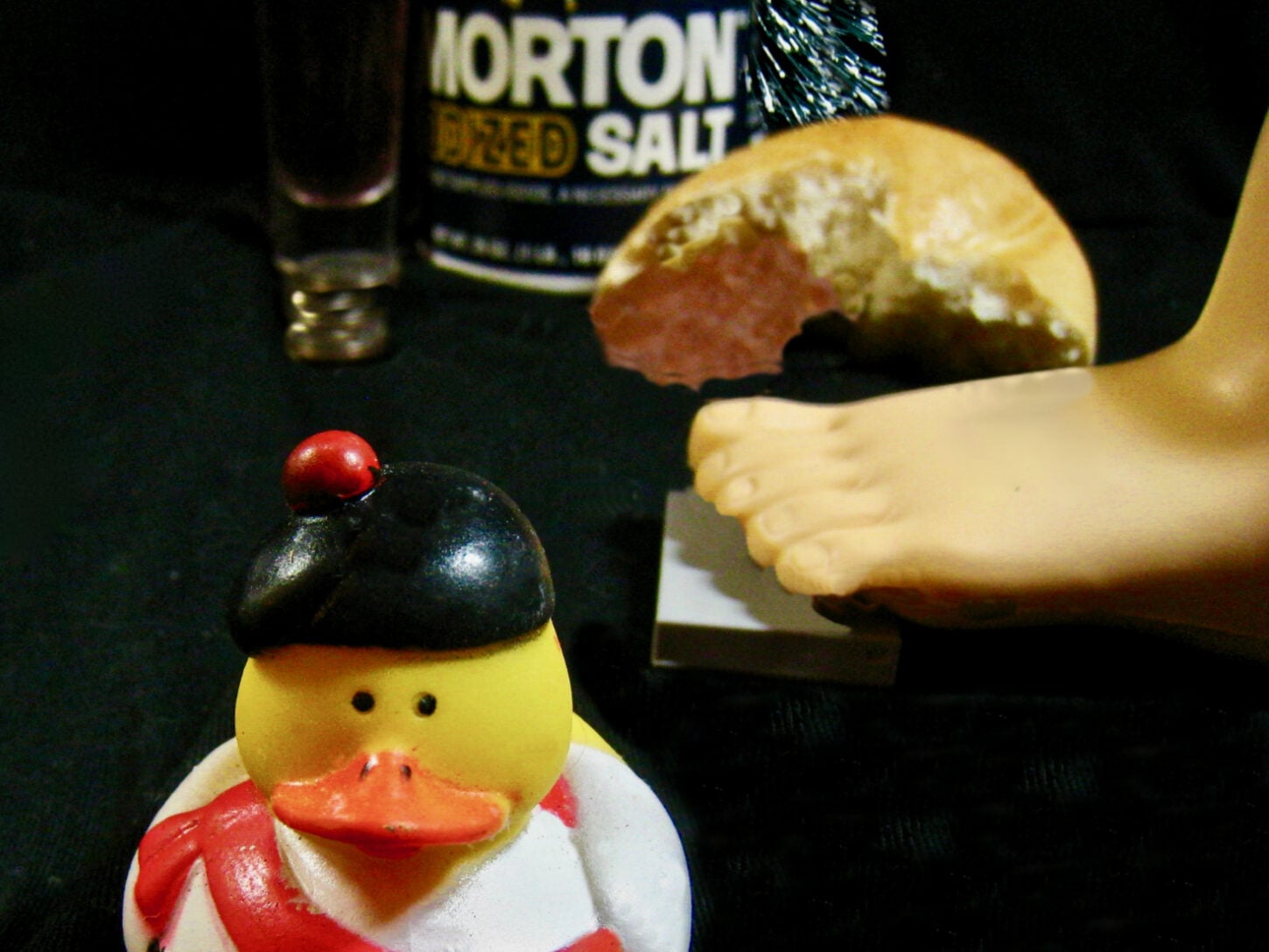
In Scotland, Hogmanay celebrations include a tradition called first-footing. The first person to cross your threshold after midnight should ideally be a tall, dark-haired man carrying symbolic gifts like coal, bread, salt, and whiskey.
This custom probably dates back to Viking times when blond strangers at your door usually meant trouble. The first-footer brings luck to the household for the entire year.
Some families take it so seriously that they arrange who will arrive first.
Eating Seven, Nine, or Twelve Meals in One Day
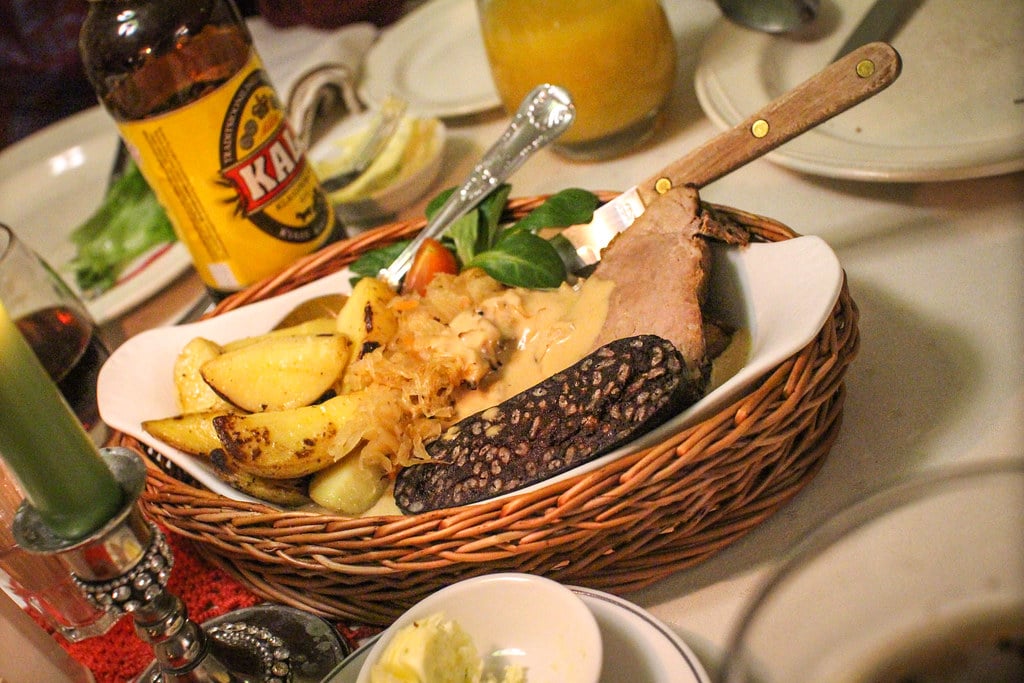
Estonians don’t mess around when it comes to ensuring abundant food for the coming year. The tradition requires eating a specific number of meals on December 31st, with seven, nine, and twelve being the luckiest numbers.
Each meal supposedly gives you the strength of that many people in the year ahead. Some families leave food on their plates too, believing it will be served to deceased relatives.
This tradition definitely isn’t for anyone watching their calorie intake.
Melting Lead to Predict Your Future

Germans and Finns practice a fortune-telling ritual called Bleigießen. You melt small pieces of lead or tin in a spoon over a candle, then quickly pour the liquid metal into cold water.
Whatever bizarre shape forms supposedly reveals what the next year holds. A heart means love is coming.
A star brings happiness. A crown predicts wealth.
A cross, unfortunately, symbolizes death. Modern versions use tin instead of lead because of health concerns.
Dancing in Bear Costumes
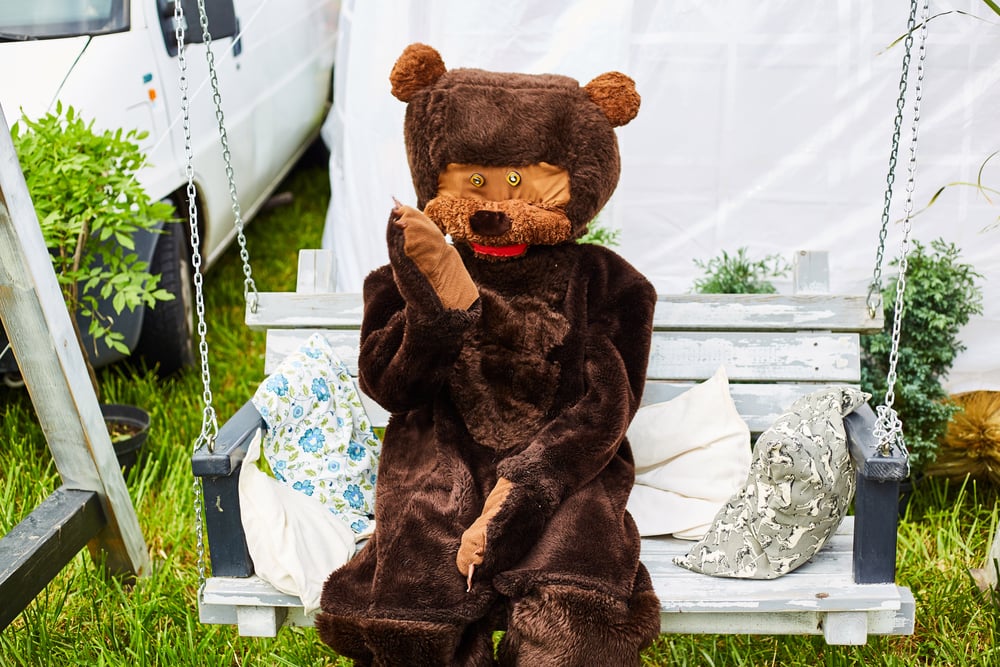
Between Christmas and New Year’s Eve, Romanian villages come alive with people dressed in genuine bear skins that can weigh up to 50 kilograms. These performers dance through the streets to the sound of pan flutes and drums, acting out scenes of death and rebirth.
The bears represent the cycle of dying and coming back to life. The entire spectacle aims to ward off evil spirits entering the new year.
Some dancers need serious training just to handle the weight of their costumes.
Trying to Understand What Animals Say

In rural parts of Romania, farmers attempt to communicate with their livestock on New Year’s Eve. If you successfully understand what your animals are saying, you’ll have good luck all year long.
The tradition reflects the deep connection between Romanians and nature, though most people today treat it as folklore rather than actual practice. Still, some farmers head to their barns at midnight just in case their cows feel chatty.
When Midnight Becomes a Global Laboratory
Every culture brings its own strange logic to welcoming the new year. What seems absurd to one person feels perfectly reasonable to another.
These traditions survive because they connect people to their history, their community, and their hopes for what comes next. Whether you’re eating grapes in sync with a clock or talking to your farm animals, the ritual matters less than the intention behind it.
The real magic happens when millions of people pause at the same moment, all trying to tip the scales toward a better future.
More from Go2Tutors!

- The Romanov Crown Jewels and Their Tragic Fate
- 13 Historical Mysteries That Science Still Can’t Solve
- Famous Hoaxes That Fooled the World for Years
- 15 Child Stars with Tragic Adult Lives
- 16 Famous Jewelry Pieces in History
Like Go2Tutors’s content? Follow us on MSN.



