Famous Rivalries That Fueled Innovation
Speed grows when runners push against each other. One step ahead means the other must move faster, mistakes fade under pressure, comfort zones crumble without warning.
Breakthroughs spark not in silence, yet amid long battles where stopping isn’t an option. Quiet rooms rarely birth change – tension does.
Polite? Not these feuds. Clashing beliefs, sharp words in public, wagers with everything on the line – whole sectors shifted because of them.
Yet what stuck wasn’t the noise or spectacle. It was what came after: new inventions, better methods.
When pushed by someone else aiming higher, thinking got clearer. Work got tighter.
Results changed. A fresh peek at well-known feuds shows how they sped up progress, sometimes more than teamwork managed.
Competition lit the fire, pushing limits hard.
Edison And Tesla
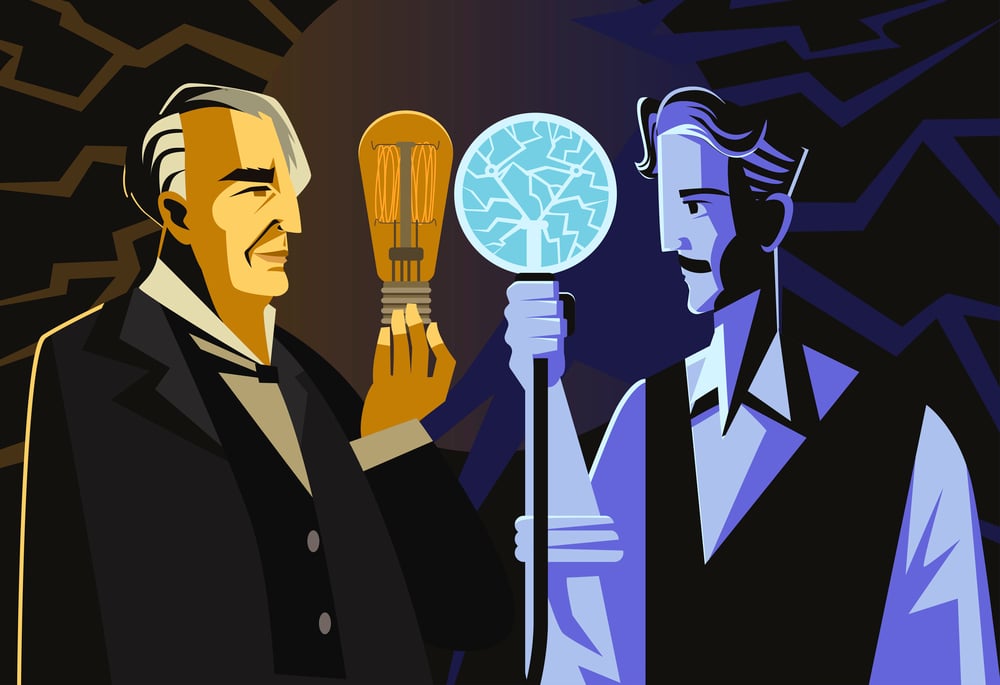
The rivalry between Thomas Edison and Nikola Tesla helped define modern electricity. Edison championed direct current systems, investing heavily in infrastructure that supported his approach.
Tesla, on the other hand, believed alternating current was more efficient and scalable, especially over long distances. The conflict was deeply philosophical as much as technical.
Edison focused on commercial practicality, while Tesla pursued elegant engineering solutions. That tension forced rapid experimentation, public demonstrations, and real-world testing.
In the end, alternating current became the global standard, but the race itself accelerated electrification far sooner than either man could have achieved alone.
Apple And Microsoft

For decades, Apple and Microsoft represented two opposing visions of personal computing. Apple prioritised design, controlled ecosystems, and intuitive user experience.
Microsoft focused on software flexibility and widespread adoption across hardware manufacturers. That contrast drove both companies to evolve.
Apple refined graphical interfaces and consumer-friendly hardware, while Microsoft improved usability and expanded software capabilities. Their rivalry shaped how people interact with computers today, from operating systems to productivity tools.
Even as the companies occasionally collaborated, competition remained the engine that kept both pushing forward.
Coca-Cola And Pepsi

The long-standing competition between Coca-Cola and Pepsi transformed marketing into a science. Both brands fought for cultural relevance through advertising, sponsorships, and constant reinvention of brand identity.
Each campaign forced the other to respond or risk losing ground. Innovation here extended beyond flavour.
Packaging, distribution strategies, and global branding evolved rapidly as each company tried to outmaneuver the other. The rivalry demonstrated that innovation is not limited to products alone.
How something is presented, positioned, and remembered can be just as important as what is being sold.
Boeing And Airbus

The aviation industry was reshaped by the rivalry between Boeing and Airbus. For years, Boeing dominated commercial aviation, until Airbus emerged with a different approach to aircraft design and manufacturing.
Airbus leaned into fly-by-wire systems and fuel efficiency, challenging traditional assumptions. This competition forced rapid advancements in safety, materials, and passenger comfort.
Airlines benefited from better options, while travellers experienced quieter cabins and more efficient flights. The rivalry also pushed environmental considerations higher on the innovation agenda, long before sustainability became a common corporate talking point.
Nike And Adidas

The battle between Nike and Adidas shows how rivalry can drive innovation in performance and branding simultaneously. Adidas initially focused on technical craftsmanship, while Nike leaned into bold marketing and athlete partnerships.
Over time, each company absorbed elements of the other’s strengths. Shoe technology advanced rapidly, with new materials, cushioning systems, and data-driven design.
The rivalry turned athletic footwear into a platform for constant experimentation, benefiting professional athletes and casual wearers alike.
Nintendo And Sega
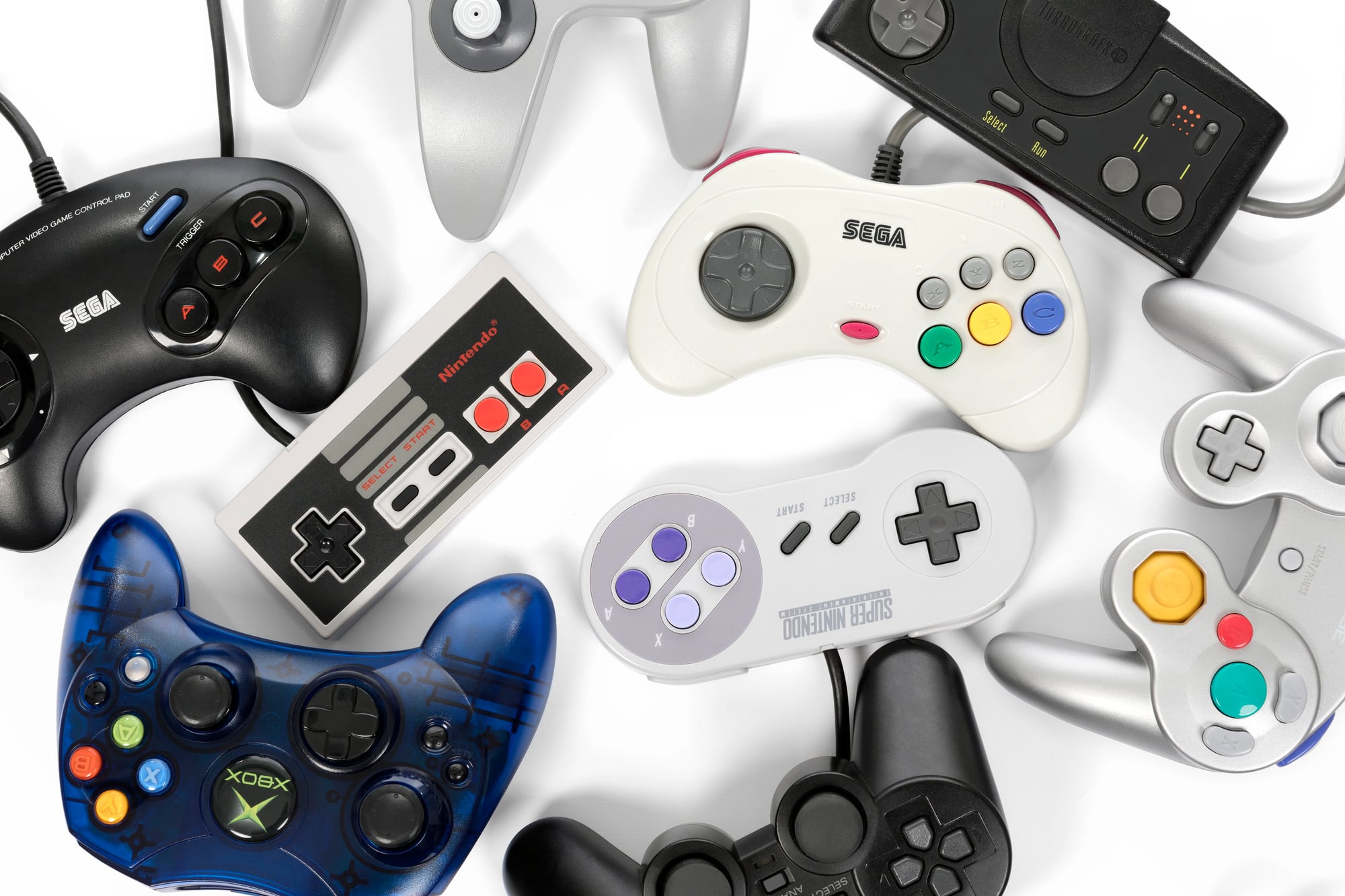
During the late twentieth century, the video game industry was shaped by the rivalry between Nintendo and Sega. Nintendo focused on family-friendly games and tightly controlled hardware ecosystems.
Sega positioned itself as the edgier alternative, appealing to older players. That contrast forced rapid innovation in game design, console capabilities, and storytelling.
Faster processors, richer graphics, and more complex gameplay emerged as each company tried to stay ahead. Even after Sega exited the console market, the innovations born from that rivalry continued to influence gaming for decades.
SpaceX And Blue Origin
SpaceX versus Blue Origin lit a new fire under space dreams. Each wants cheaper access to orbit, yet their paths twist in opposite directions.
Fast failures guide one company forward. The other moves like clockwork, step by steady step.
Progress means speed for some, patience for others. Now things actually started happening because of the race to build rockets that fly again.
Prices for getting to orbit went down while new designs came faster, meanwhile flying privately to space stopped being just talk. All this back-and-forth brought people back to watching launches, also made companies rethink what could make money beyond Earth.
Ford And General Motors
From the start, progress in car-making came fast because Ford pushed speed while GM chased choice. One changed how vehicles were built – simple, steady steps on a line cut costs sharply.
The other answered back with colors, models, front-end shapes, names that stuck. Not just function, but flair began to matter more.
Turns shifted how cars get made and sold. Because one brand pushed ahead, others followed – packing in better fuel use, stronger protection, new options.
When competition heated up, changes didn’t stop at design – they rewired the whole approach behind the scenes.
Marvel And DC
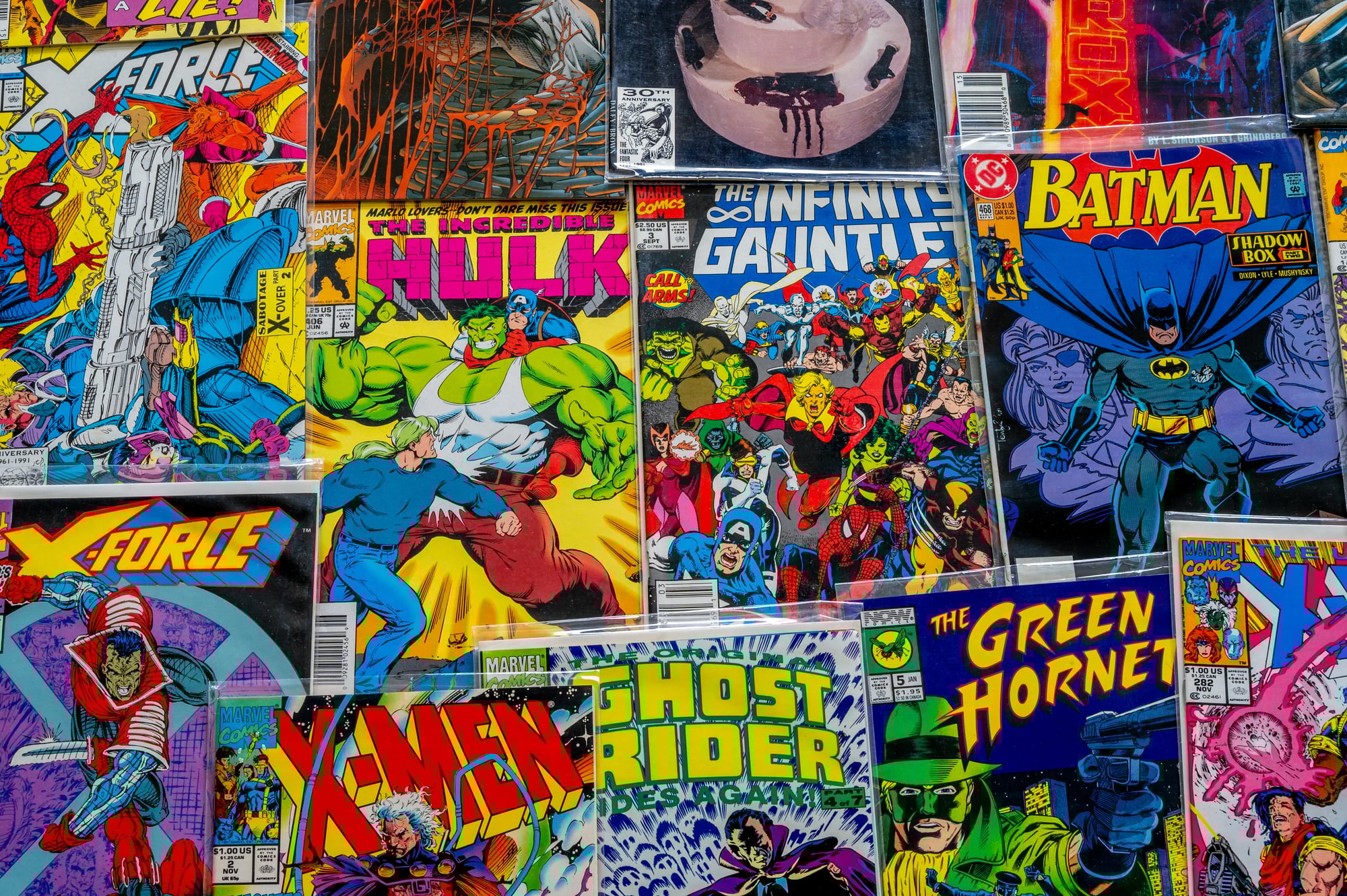
Out of reach? Not quite – creative fields feel heat too. When one giant moves, another shifts stance.
Marvel shaped heroes one way; DC answered in kind. Tones diverged, paths twisted, worlds expanded – not by accident, but reaction.
Success here breeds imitation, then differentiation. One leap forward forces the next.
Out of that race came fuller characters, stories stretching wide across different screens. Better budgets lifted movies, shows, books – each raising their game just to keep up.
With no room to coast, creators built deeper experiences simply by moving forward. People found themselves inside livelier places, shaped by constant push and pull behind the scenes.
Why Rivalries Produce Results

Rivalries compress time. They force decisions, demand clarity, and remove the comfort of gradual progress.
When a competitor is gaining ground, hesitation becomes expensive. That urgency often unlocks creativity that might otherwise remain dormant.
At the same time, rivalries reveal weaknesses quickly. Public comparison makes flaws visible and rewards those willing to adapt.
The pressure creates a feedback loop where innovation becomes a survival tool rather than an optional upgrade.
The Competitive Spark That Still Drives Progress

A spark often ignites when one mind races ahead of another. When competition enters, vague thoughts gain shape through pressure and urgency.
Stagnation fades once teams realize growth hides outside solo efforts. Still today, battles emerge in AI, green power, transport – not side by side but one after another.
The same old rhythm shows up again. Pressure born from desire meets challenge – suddenly ideas appear.
The past says it clearly: when competitors drive themselves harder, everyone else rides the wave without needing to steer.
More from Go2Tutors!

- The Romanov Crown Jewels and Their Tragic Fate
- 13 Historical Mysteries That Science Still Can’t Solve
- Famous Hoaxes That Fooled the World for Years
- 15 Child Stars with Tragic Adult Lives
- 16 Famous Jewelry Pieces in History
Like Go2Tutors’s content? Follow us on MSN.