18 Gadgets That Worked Perfectly But Nobody Bought
Technology history is filled with brilliant inventions that should have changed the world, but somehow didn’t. These weren’t flawed prototypes or half-baked concepts—they were genuinely innovative gadgets that worked exactly as advertised, yet consumers passed them by for reasons that often seem puzzling in hindsight.
Sometimes the best technology doesn’t win. Here’s a list of 18 gadgets that were ahead of their time, priced wrong, or simply unlucky enough to arrive when the market wasn’t ready.
Segway Personal Transporter
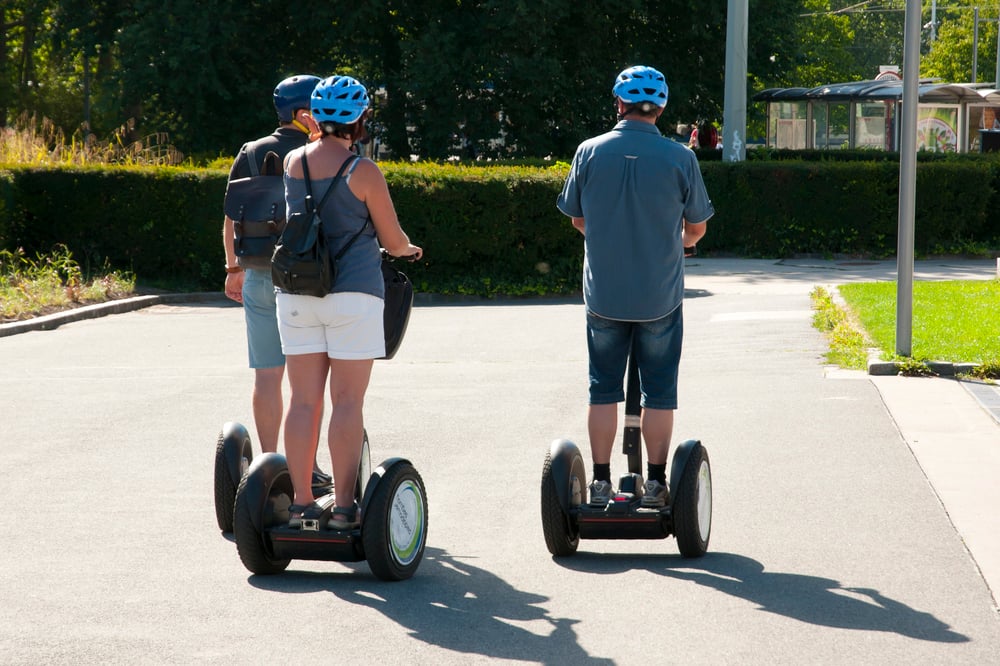
The Segway promised to revolutionize personal transportation when it debuted in 2001, and from a technical standpoint, it delivered. The self-balancing technology was genuinely impressive, using gyroscopes and sensors to keep riders upright with minimal effort.
Despite working flawlessly and generating massive media buzz, the $5,000 price tag and lack of practical infrastructure made it more of a novelty than a necessity for most people.
Google Glass
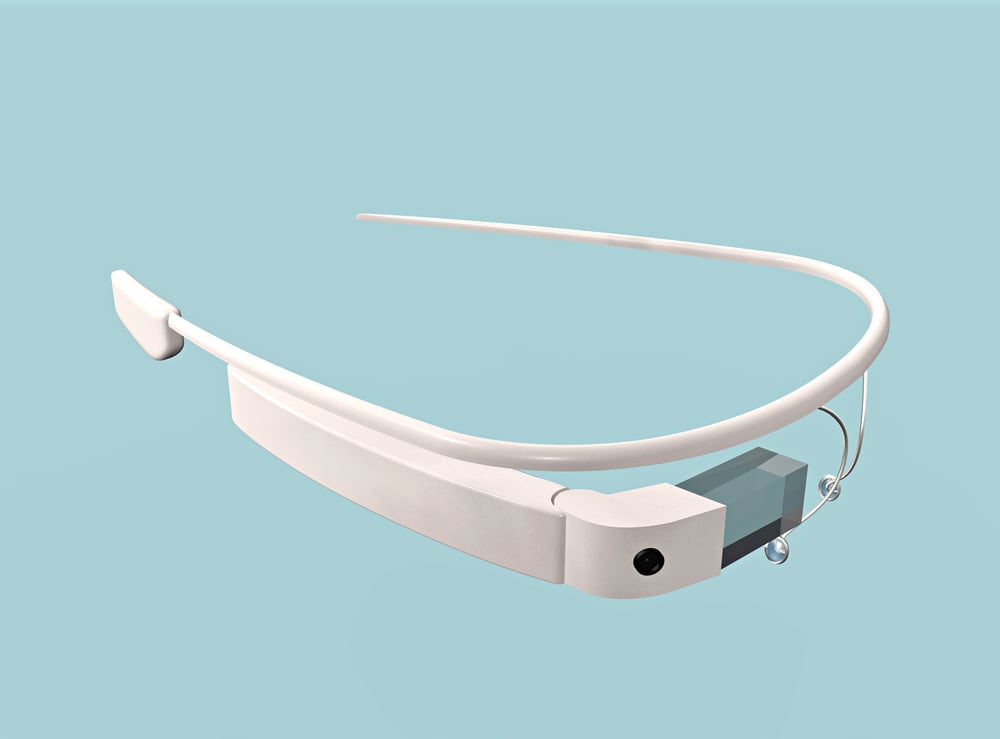
Google’s augmented reality headset was a technological marvel that actually worked as promised when it launched in 2013. Users could access information, take photos, and navigate hands-free through voice commands and gesture controls.
The $1,500 price point and privacy concerns about always-on recording capabilities made people uncomfortable, turning what should have been the future of wearable tech into a social stigma.
Like Go2Tutors’s content? Follow us on MSN.
Microsoft Zune

Microsoft’s answer to the iPod was technically superior in many ways, offering wireless syncing, a larger screen, and better audio quality. The Zune’s interface was intuitive, and the device felt solid in your hand, plus it had features like music sharing between devices that Apple didn’t offer.
Unfortunately, launching years after the iPod had already captured hearts and minds meant fighting an uphill battle against established user habits and iTunes ecosystem lock-in.
Betamax
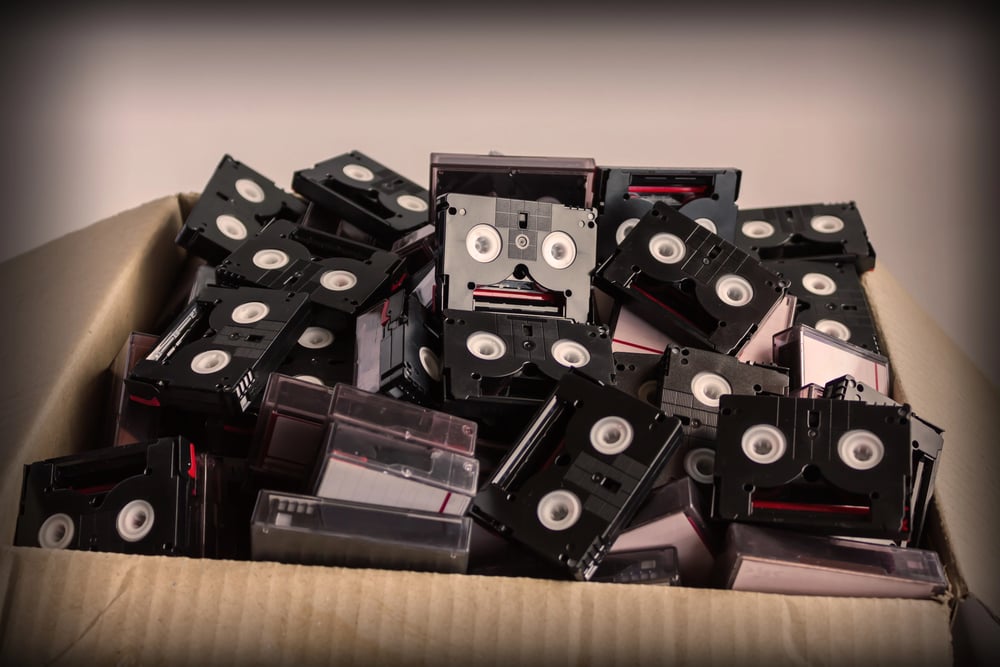
Sony’s Betamax format actually produced better video quality than VHS, with superior color reproduction and sharper images. The technology was more advanced and the tapes were more compact, making them easier to store.
However, Sony’s decision to keep the format proprietary while VHS manufacturers licensed their technology more freely meant fewer movie titles and higher prices, ultimately dooming the superior format.
LaserDisc

LaserDisc offered DVD-quality video and audio decades before DVDs existed, with no rewinding required and instant access to any part of the movie. The picture quality was noticeably better than VHS, and movie buffs loved the special features and director commentaries that became standard.
The discs were enormous compared to VHS tapes and players cost significantly more, making them appealing only to serious home theater enthusiasts rather than mainstream consumers.
Like Go2Tutors’s content? Follow us on MSN.
Newton MessagePad
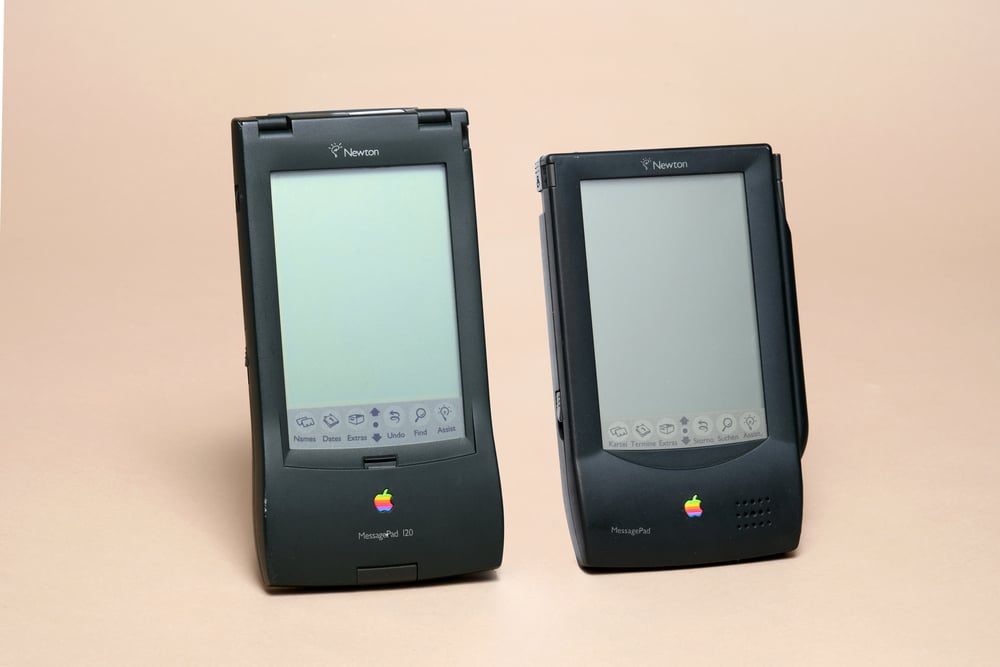
Apple’s Newton was doing handwriting recognition and portable computing in 1993, years before Palm Pilots made the concept mainstream. Despite early criticism, later models like the MessagePad 2000 had remarkably accurate handwriting recognition and powerful organizational features.
The device was simply too expensive and too early—most people didn’t yet see the need for a portable digital assistant.
HD-DVD

Toshiba’s HD-DVD format was technically comparable to Blu-ray and actually had some advantages, including lower manufacturing costs and faster loading times. The players were generally cheaper than Blu-ray alternatives, and the format supported many of the same advanced features.
Sony’s decision to include Blu-ray in every PlayStation 3 console gave their format a massive install base that HD-DVD couldn’t match, ending the format war before technical merits could decide the winner.
Virtual Boy

Nintendo’s Virtual Boy delivered on its promise of portable 3D gaming without glasses, using a clever dual-screen setup that created genuine depth perception. The games that were released showcased impressive 3D effects that felt genuinely immersive for 1995.
The red monochrome display caused eye strain during extended play sessions, and the tabletop design made it less portable than Nintendo’s other handhelds, limiting its appeal.
Like Go2Tutors’s content? Follow us on MSN.
Dreamcast

Sega’s final console was ahead of its time with built-in internet connectivity, superior graphics compared to PlayStation, and innovative games that pushed creative boundaries. The system had excellent third-party support initially and featured arcade-perfect ports that other consoles couldn’t match.
Sega’s reputation had been damaged by previous console failures, and Sony’s PlayStation 2 hype train was already building momentum, making it nearly impossible for the Dreamcast to gain traction.
Apple Lisa
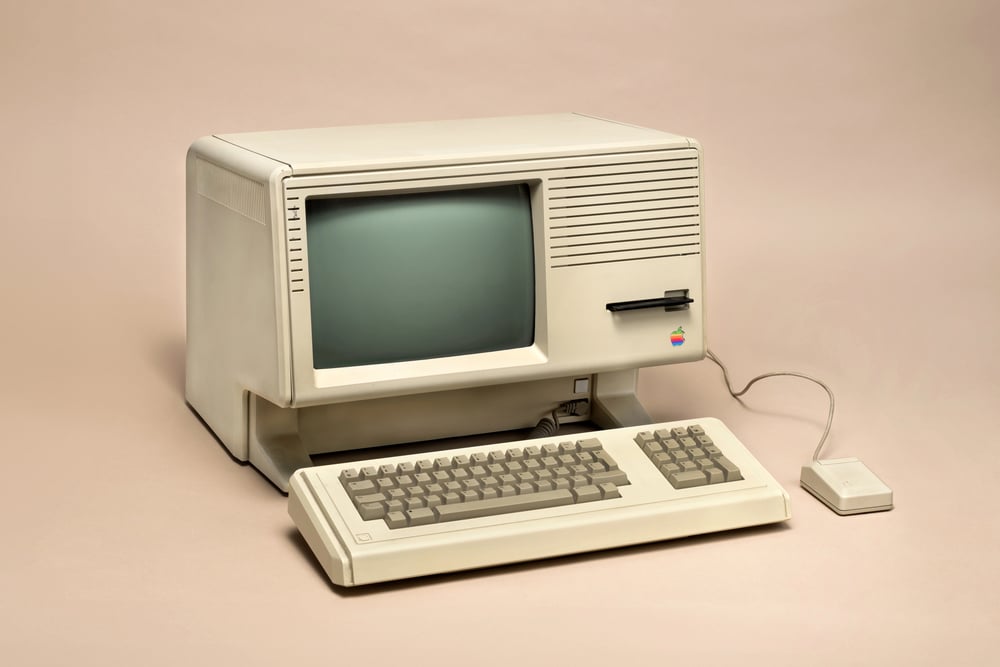
The Lisa computer introduced many concepts that would later make the Macintosh famous, including a graphical user interface with windows, icons, and a mouse. The machine was incredibly advanced for 1983, offering multitasking capabilities and a sophisticated operating system that wouldn’t be matched by competitors for years.
At $10,000, the Lisa was priced for businesses rather than consumers, and even most companies found it too expensive compared to text-based alternatives.
MiniDisc
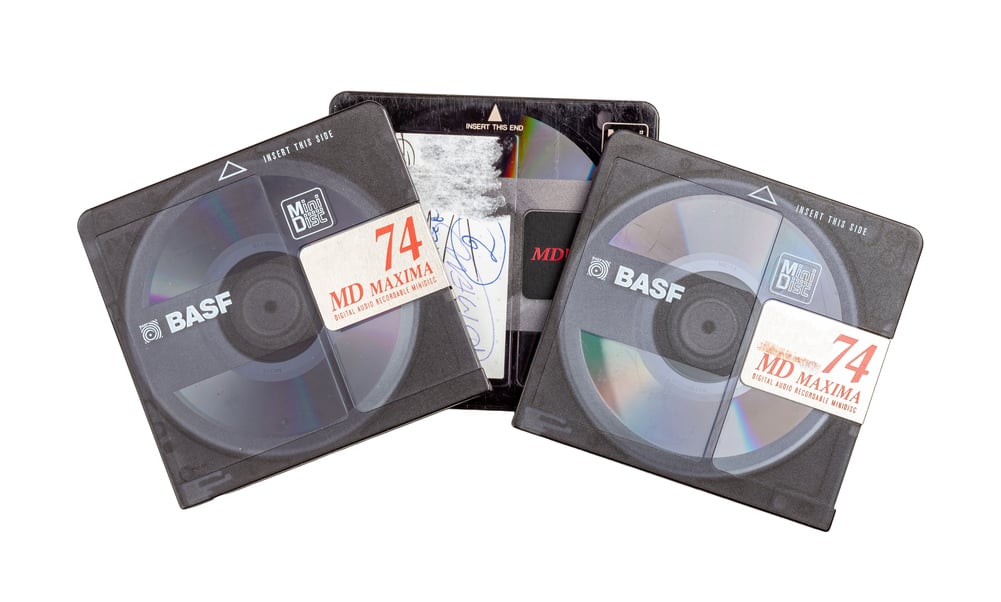
The finest features of CDs and cassettes were combined in Sony’s MiniDisc format, which offered digital fidelity in a small, recordable format that was impossible to skip while playing. The players included capabilities that musicians valued, like smooth looping and track editing, and the discs were extremely durable.
Because the format came out at a time when CDs were getting cheaper and portable CD players were getting better, the benefits were not as appealing to the typical consumer.
Like Go2Tutors’s content? Follow us on MSN.
Pebble Smartwatch
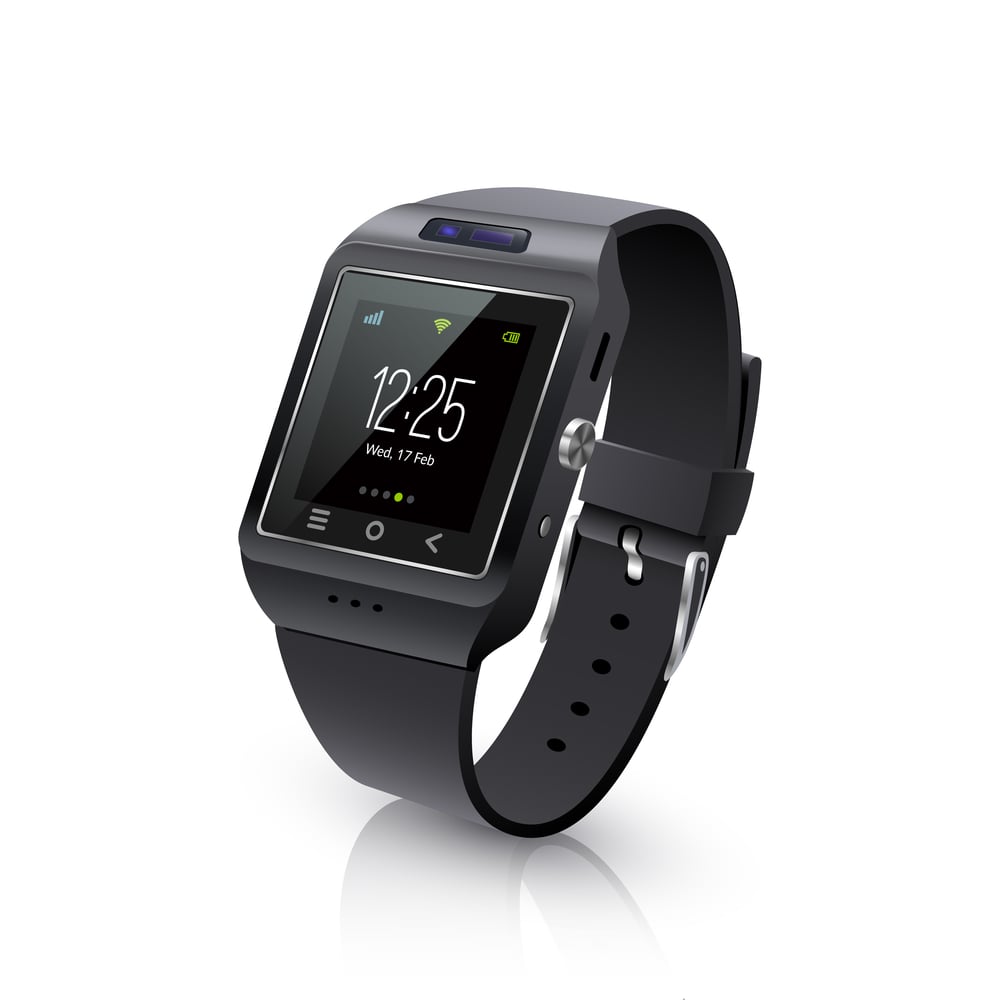
With features like a week-long battery life, always-on screens, and a thriving app store, Pebble established the smartwatch sector before Apple did. The watch could efficiently manage notifications, fitness monitoring, and third-party apps, and the e-paper display was legible in direct sunlight.
Despite having a longer battery life and frequently better features, smaller businesses like Pebble were unable to compete when Apple debuted the Apple Watch because of its enormous marketing budget and retail presence.
WebTV

Microsoft’s WebTV brought internet access to television sets years before smart TVs existed, using a simple set-top box and wireless keyboard. The service worked reliably and offered a user-friendly way for non-computer users to browse the web, send email, and access online content.
Most people who wanted internet access already had computers, and those who didn’t weren’t convinced they needed it, leaving WebTV stuck between two markets.
3DO Interactive Multiplayer

The 3DO delivered graphics that were genuinely impressive for 1993, with CD-quality audio and processing power that exceeded other consoles of the era. Games looked noticeably better than what was available on Super Nintendo or Sega Genesis, and the system had strong third-party developer support initially.
The $700 launch price was simply too high for most consumers, especially when established consoles offered plenty of great games at much lower prices.
Like Go2Tutors’s content? Follow us on MSN.
DAT (Digital Audio Tape)

Digital Audio Tape offered CD-quality recording in a compact cassette format, allowing musicians and audio enthusiasts to make perfect digital copies. The technology worked flawlessly and professional studios embraced DAT for its superior sound quality and editing capabilities.
Record industry fears about perfect copying led to artificial limitations and higher prices, while the general public was satisfied with the convenience of CDs for playback and didn’t need recording capabilities.
Segway PT i2

The second-generation Segway improved on the original with better maneuverability, longer range, and more intuitive controls that made it genuinely practical for short-distance transportation. Law enforcement and security personnel found them genuinely useful for patrolling large areas efficiently.
Local regulations often prohibited their use on sidewalks or streets, creating a legal limbo that made ownership impractical for most potential users.
Microsoft Kinect

The Kinect’s motion sensing technology was remarkably accurate, allowing controller-free gaming that actually worked as advertised. The device could track multiple players simultaneously and recognize gestures, voice commands, and even facial expressions with impressive precision.
Despite selling well initially, most games felt gimmicky rather than genuinely improved by motion controls, and traditional gamers preferred the precision of conventional controllers.
Like Go2Tutors’s content? Follow us on MSN.
Google Nexus Q
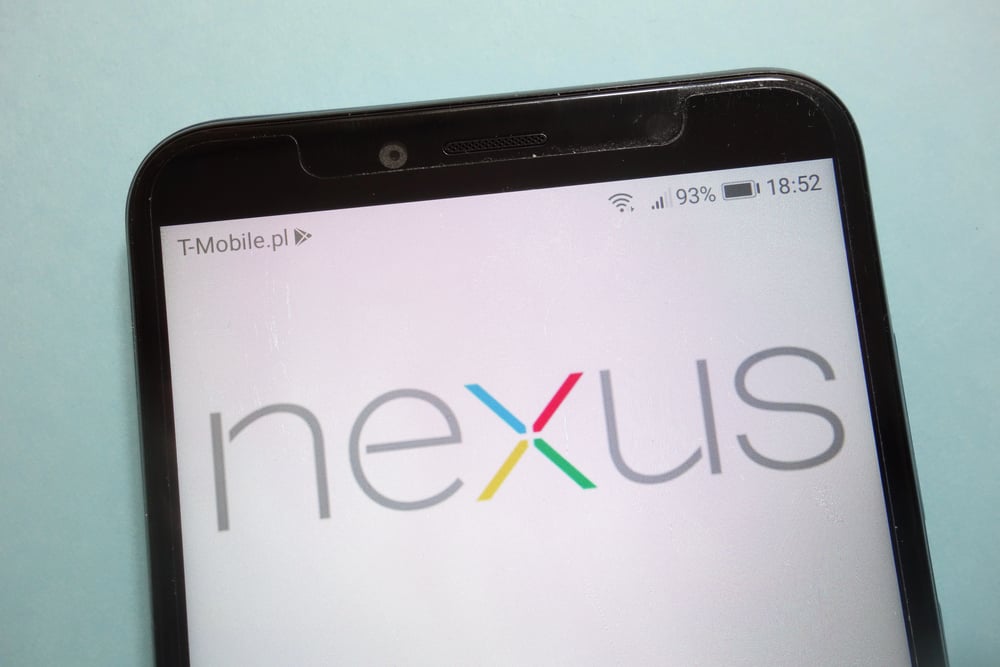
Google’s Nexus Q was a beautifully designed media streaming device that offered high-quality audio output and seamless integration with Google’s services. The spherical design looked distinctive and the device delivered excellent sound quality for music streaming.
At $300, it cost significantly more than Apple TV or Roku devices that offered more features and content options, making it a tough sell even for Google enthusiasts.
When Innovation Meets Reality

These gadgets remind us that success in technology isn’t just about having the best features or most advanced capabilities. Market timing, pricing, marketing, and sometimes just plain luck play enormous roles in determining which innovations catch on and which become fascinating footnotes.
Many of these devices were simply too early, too expensive, or caught in the wrong competitive landscape to find their audience. The ideas behind most of them eventually succeeded in different forms, proving that good concepts rarely disappear forever—they just wait for the right moment to return.
More from Go2Tutors!

- 16 Restaurant Chains That Went Too Fast
- 12 Things Sold in the 80s That Are Now Illegal
- 15 Strange Things People Have Tried to Ban (And Failed)
- 16 Collectibles People Tossed Out Too Soon
- 17 Myths from Your Childhood That Were Actually Based on Real Things
Like Go2Tutors’s content? Follow us on MSN.