18 Greatest Animated Movies Ever Made
Animation has evolved from simple cartoon shorts to sophisticated masterpieces that rival any live-action film in emotional depth and artistic achievement. These movies transcend age barriers, creating worlds that spark imagination and tell stories that resonate across generations. From Disney’s pioneering hand-drawn classics to Pixar’s groundbreaking computer animation, the medium has consistently pushed creative boundaries while delivering unforgettable characters and timeless themes.
The following films represent the absolute pinnacle of animated cinema, each earning its place through a combination of technical innovation, storytelling excellence, and lasting cultural impact. Here is a list of 18 animated masterpieces that have defined and redefined what animation can achieve.
Snow White and the Seven Dwarfs
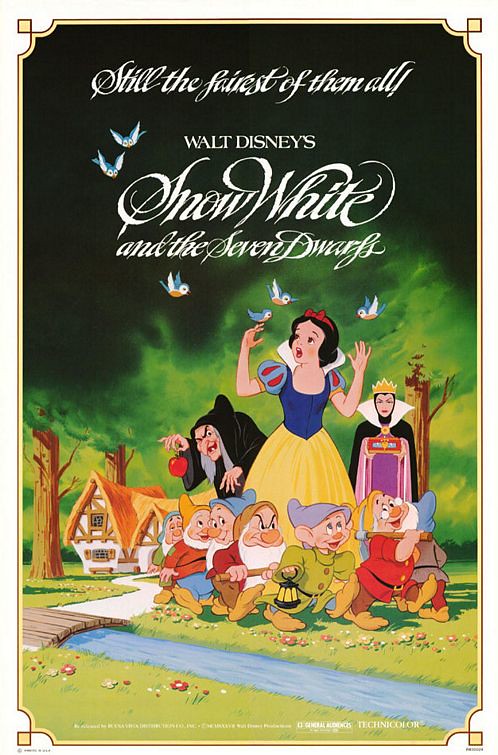
Disney’s 1937 groundbreaker deserves recognition as the foundation of modern animated cinema. It may not have been the first feature-length animated film, but it was the first to receive a global release and wake up audiences to the seemingly limitless potential of a brand-new medium. The film established every template that animated features still follow today: a compelling heroine, memorable sidekicks, catchy songs, and stunning visual artistry. Walt Disney and his team created something extraordinary without a roadmap, proving that animation could tell sophisticated stories while entertaining audiences of all ages.
Spirited Away
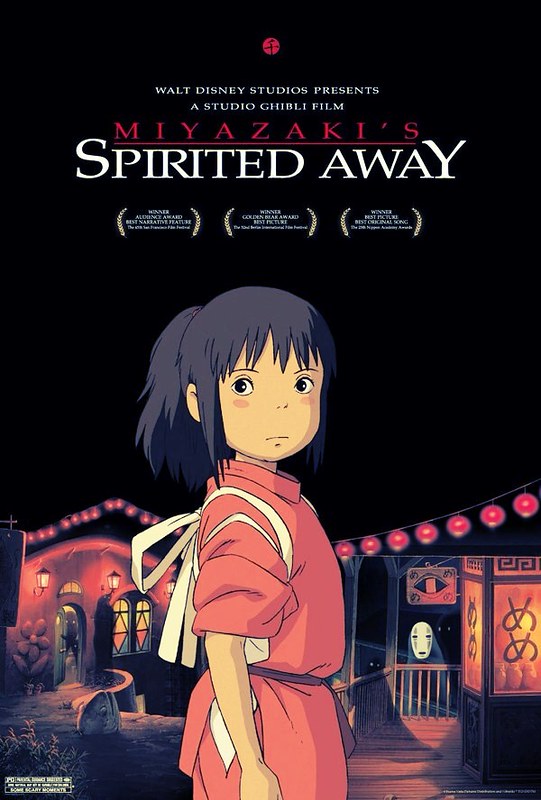
Hayao Miyazaki’s 2001 masterpiece stands as perhaps the most universally acclaimed animated film ever made. Spirited Away became Japan’s highest-grossing film and won the Academy Award for Best Animated Feature, and is frequently ranked among the greatest films of the 21st century. The story of ten-year-old Chihiro navigating a supernatural world filled with spirits, witches, and gods creates a rich tapestry of Japanese folklore while addressing themes of environmentalism, consumerism, and personal growth. Every frame bursts with imagination, making it a gateway film that introduced Western audiences to the artistic possibilities of anime.
Toy Story

Pixar’s 1995 debut revolutionized cinema by proving that computer animation could tell emotionally resonant stories. Entertaining as it is innovative, Toy Story reinvigorated animation while heralding the arrival of Pixar as a family-friendly force to be reckoned with. The concept of toys coming to life when humans aren’t around feels both fresh and timeless, while the rivalry-turned-friendship between Woody and Buzz Lightyear explores themes of jealousy, loyalty, and change. Beyond its technical achievements, the film established the template for modern animated storytelling that balances humor with genuine emotional stakes.
WALL-E

This 2008 Pixar masterpiece dared to be different by featuring long stretches without dialogue, relying purely on visual storytelling and character animation. WALL-E is a post-apocalyptic romantic comedy epic about robots that is completely wordless for long stretches, yet the big-eyed, kind-hearted, sensitive and romantic WALL-E is one of Pixar’s greatest wonders. The film works simultaneously as entertainment and social commentary, depicting a future where environmental destruction has made Earth uninhabitable. Its message about consumption, technology, and human connection feels increasingly relevant, while the love story between two robots proves that animation can find emotion in the most unexpected places.
The Lion King

Disney’s 1994 epic represents the pinnacle of the studio’s Renaissance period. With no shortage of catchy tunes, memorable anthropomorphized characters, humor and drama, this Africa-set loose adaptation of Hamlet was one of the most financially successful films of the ’90s. The film combines stunning hand-drawn animation with an emotionally complex coming-of-age story that doesn’t shy away from heavy themes like death, responsibility, and forgiveness. Simba’s journey from carefree cub to reluctant king resonates with audiences because it mirrors the universal experience of growing up and accepting adult responsibilities.
Beauty and the Beast

One of the most critically acclaimed and revolutionary Disney films that cemented their status as masters of the medium during their legendary Renaissance era, Beauty and the Beast became an immediate classic. The 1991 film broke new ground by becoming the first animated movie nominated for Best Picture at the Academy Awards, proving that animation deserved recognition alongside live-action films. Its innovative blend of 2D and 3D animation, particularly in the famous ballroom sequence, set new technical standards while the story’s themes of looking beyond surface appearances and finding inner beauty continue to resonate.
My Neighbor Totoro

Miyazaki’s 1988 gem captures childhood wonder better than perhaps any other film. My Neighbor Totoro is an animated film that’s beyond legendary at this point, filled with child-like wonder and incredibly memorable characters, with its simplicity being its ultimate strength. The story of two young sisters discovering forest spirits while dealing with their mother’s illness balances whimsy with real emotional weight. Totoro himself has become an international icon, representing the magic that exists in everyday life when viewed through a child’s eyes. The film’s gentle pacing and focus on small moments over grand adventures feels refreshing and timeless.
Inside Out

Pixar’s 2015 exploration of human emotion through personified feelings represents a creative high point for the studio. Inventive, gorgeously animated, and powerfully moving, Inside Out is another outstanding addition to the Pixar library of modern animated classics. The film takes the abstract concept of emotions controlling our actions and makes it tangible through clever character design and world-building. By following 11-year-old Riley’s emotional journey through a major life change, the movie helps both children and adults better understand how feelings work together to shape our experiences and memories.
Pinocchio
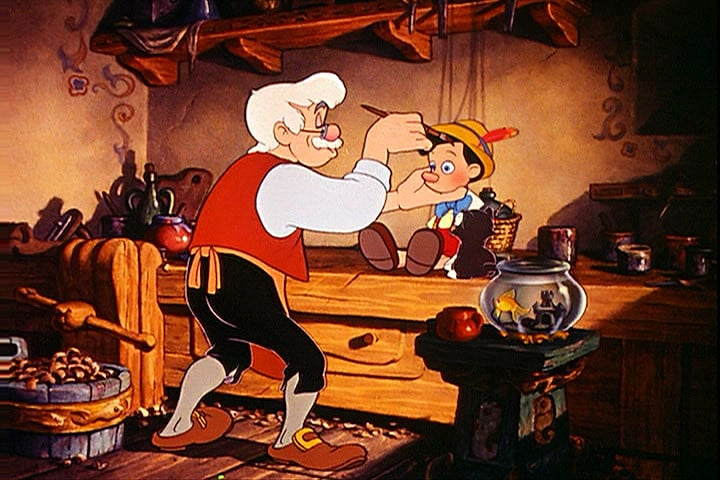
With a current score of 99 on Metacritic, Disney’s Pinocchio endures as the most critically acclaimed animated film of all time. The 1940 classic about a wooden puppet’s quest to become a real boy established Disney’s reputation for combining technical excellence with meaningful storytelling. The film’s sequence featuring the Blue Fairy, Jiminy Cricket, and Pinocchio’s adventures in the belly of Monstro showcase animation techniques that still impress today. Beyond its visual achievements, the story’s themes about honesty, bravery, and moral growth have made it a lasting touchstone for children’s entertainment.
Princess Mononoke
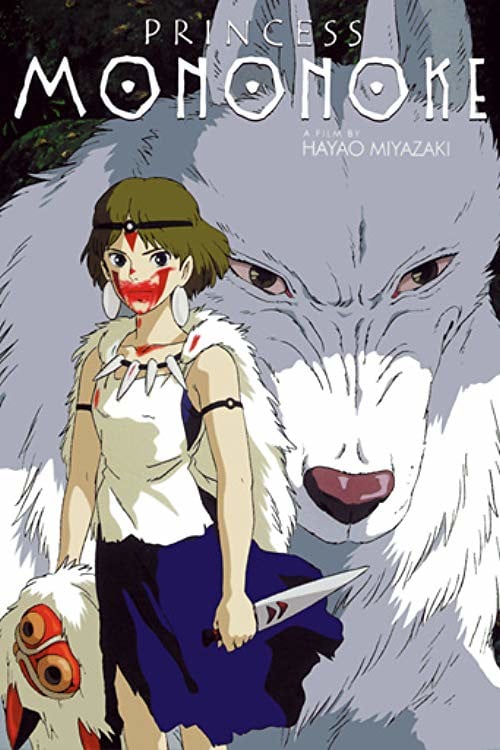
Miyazaki’s Princess Mononoke was the first animated film to win the Japan Academy Film Prize for Picture of the Year and briefly became the highest-grossing film in Japan. This 1997 epic presents a complex environmental fable that refuses to paint any side as completely good or evil. The conflict between industrial progress and natural preservation plays out through stunning action sequences and deeply human characters. Unlike many animated films, Princess Mononoke doesn’t offer easy answers, instead challenging viewers to consider the real costs of progress and the possibility of finding balance between human needs and environmental protection.
Ratatouille
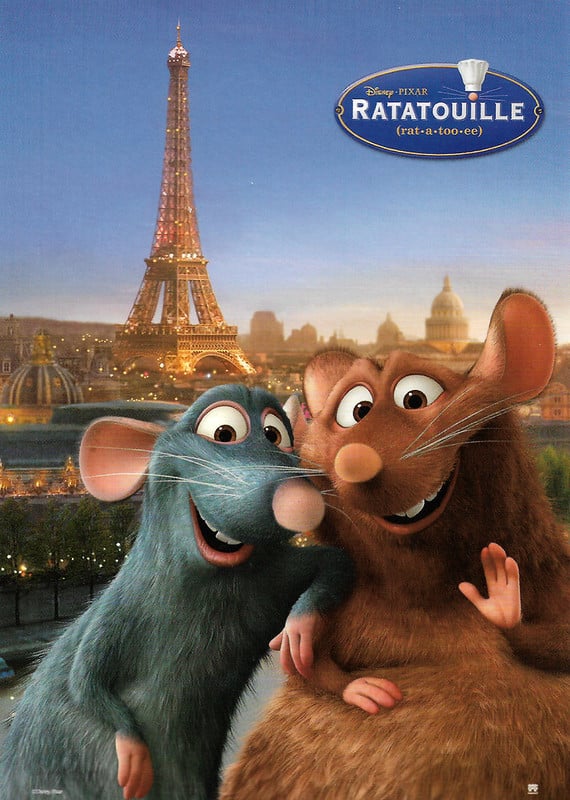
Pixar’s 2007 tale of a rat with culinary dreams showcases the studio’s ability to find universal themes in unlikely scenarios. There’s a wordless moment near the end of Ratatouille, in which ice-cold, seemingly impenetrable food critic Anton Ego takes a bite of Remy’s cooking, and is transported, joyously, to a childhood memory. The film celebrates creativity, passion, and the idea that talent can emerge from unexpected places. Set in the world of high-end Parisian cuisine, it combines gorgeous food animation with a story about following your dreams despite seemingly impossible obstacles.
The Incredibles

This 2004 Pixar superhero adventure proved that animated films could successfully tackle the action genre while maintaining emotional depth. The film’s mixture of top-notch action and grounded family drama has made it a fan favorite for two decades now as one of Pixar’s greatest films. Beyond the spectacular set pieces and memorable characters, The Incredibles explores themes about family dynamics, self-acceptance, and finding your place in the world. The film successfully balances comedy, action, and drama while delivering both superhero thrills and relatable family situations.
Zootopia
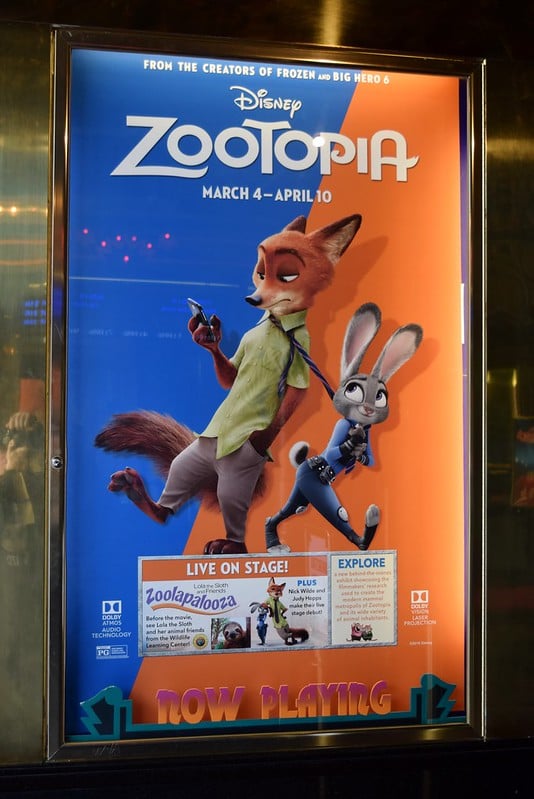
Disney’s 2016 animated comedy uses its anthropomorphic animal world to address real-world issues of prejudice and social justice. The brilliantly well-rounded Zootopia offers a thoughtful, inclusive message that’s as rich and timely as its sumptuously state-of-the-art animation. The partnership between rabbit cop Judy Hopps and fox con artist Nick Wilde drives both the mystery plot and the film’s exploration of stereotypes and bias. The movie manages to tackle heavy themes while remaining entertaining and accessible, proving that animated films can be both fun and socially conscious.
Howl’s Moving Castle

Miyazaki’s 2004 fantasy romance combines spectacular imagery with themes about war, love, and self-acceptance. Exquisitely illustrated by master animator Miyazaki, Howl’s Moving Castle will delight children with its fantastical story and touch the hearts and minds of older viewers as well. The story of Sophie’s transformation from a timid hat shop worker to a confident young woman mirrors her physical transformation from old woman back to her true age. The film’s steampunk aesthetic and imaginative creature design create a visually stunning backdrop for its exploration of how love can help people overcome their insecurities.
Fantasia

Disney’s 1940 experimental masterpiece dared to combine classical music with abstract animation, creating something entirely new in cinema. A series of eight famous pieces of classical music, conducted by Leopold Stokowski and interpreted in animation by Walt Disney’s team of artists. From Mickey Mouse as the Sorcerer’s Apprentice to the terrifying ‘Night on Bald Mountain’ sequence, Fantasia proved that animation could be high art as well as popular entertainment. The film’s influence can be seen in countless music videos and experimental animations that followed, establishing animation as a legitimate artistic medium.
Castle in the Sky

Studio Ghibli’s first official production set the template for the studio’s house style of adventure, wonder, and environmental consciousness. With a storytelling palette as rich and brilliant as its animation, Castle in the Sky thrillingly encapsulates Studio Ghibli’s unique strengths. The quest to find the legendary floating city of Laputa combines steampunk aesthetics with themes about technology, power, and humanity’s relationship with nature. The film’s aerial sequences and mechanical designs showcase Miyazaki’s love of flight and engineering, while the story emphasizes that technological advancement means nothing without wisdom and compassion.
Toy Story 3

The third entry in Pixar’s flagship franchise delivers an emotionally devastating conclusion to Andy’s childhood. Deftly blending comedy, adventure, and honest emotion, Toy Story 3 is a rare second sequel that really works. The film explores themes of aging, change, and letting go through the toys’ journey from Andy’s room to Sunnyside Daycare and beyond. Its climactic incinerator sequence ranks among cinema’s most intense moments, while the ending provides a satisfying conclusion to the trilogy’s exploration of what it means to be loved and needed.
The Nightmare Before Christmas
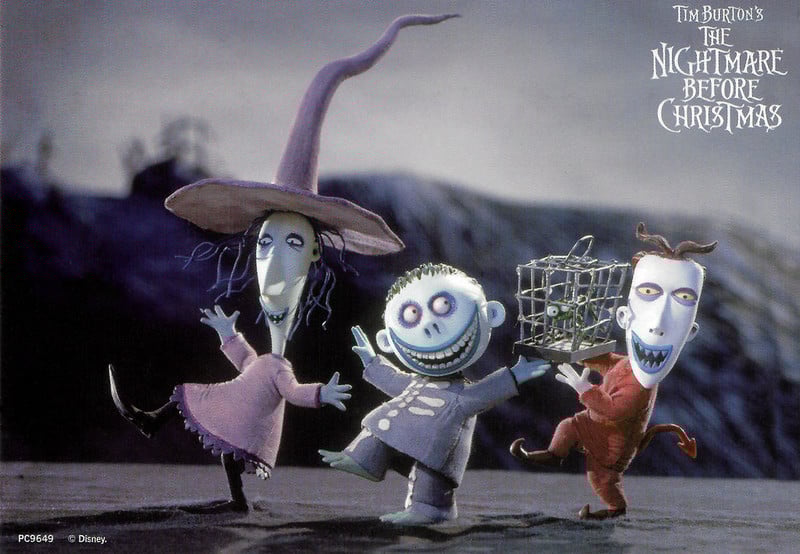
Tim Burton’s 1993 stop-motion masterpiece created an entirely new aesthetic that has influenced countless films and spawned an entire subculture. The Tim Burton-produced stop-motion musical has grown so iconic and popular that it’s become a brand, but it’s important to remember just how special the film is on its own merits. Jack Skellington’s journey from the Pumpkin King of Halloween Town to would-be Santa Claus combines Burton’s gothic sensibility with surprisingly heartfelt themes about identity and belonging. The film’s Danny Elfman songs and German Expressionist-inspired visuals create a unique world that works for both Halloween and Christmas celebrations.
A Testament to Imagination

These eighteen films represent more than just entertainment—they’re proof that animation can achieve everything live-action cinema can and more. From Disney’s early experiments in feature-length storytelling to Pixar’s computer-generated innovations and Studio Ghibli’s hand-crafted artistry, each movie pushed the boundaries of what was possible in its time. They’ve created characters that have become cultural icons, told stories that resonate across generations, and demonstrated that animated films deserve recognition as serious artistic achievements. Whether through technical innovation, emotional storytelling, or pure imagination, these movies have earned their place among cinema’s greatest accomplishments.
More from Go2Tutors!

- 16 Historical Figures Who Were Nothing Like You Think
- 12 Things Sold in the 80s That Are Now Illegal
- 15 VHS Tapes That Could Be Worth Thousands
- 17 Historical “What Ifs” That Would Have Changed Everything
- 18 TV Shows That Vanished Without a Finale
Like Go2Tutors’s content? Follow us on MSN.