17 Things You Didn’t Know About Snails (Including Their 3-Year Naps)
Snails might seem like simple garden creatures that leave slimy trails and munch on your plants, but these remarkable mollusks harbor some truly astonishing secrets. These slow-moving gastropods have evolved fascinating adaptations and behaviors that most people never get to witness.
Here is a list of 17 surprising facts about snails that might forever change how you see these common garden visitors.
They Can Sleep for Up to Three Years

Snails take the concept of ‘deep sleep’ to an entirely new level. When environmental conditions become unfavorable, particularly during drought, snails can enter a dormant state called estivation.
During this period, they seal themselves inside their shells with a layer of mucus that hardens into a protective covering. Some species can remain in this suspended animation for up to three years, waiting patiently for rainfall to return.
Their Teeth Are on Their Tongue

Snails have thousands of small teeth on a ribbon-shaped organ called a radula. Their ‘tongue’ is adapted and acts as a flexible file, allowing snails to scrape food into their mouths.
A garden snail has around 14,000 teeth in rows on its radula, and as such, is an efficient eating machine for a slow-moving animal.
Like Go2Tutors’s content? Follow us on MSN.
Some Species Are Cannibals

Not all snails stick to a vegetarian diet. Several species, including the rosy wolfsnail, actively hunt and consume other snails.
These predatory snails follow the slime trails of their prey and can even enter the shells of other snails to feast on the inhabitants. Their hunting strategy involves using specialized sensors to track chemical signatures left behind by potential meals.
They’re Hermaphrodites
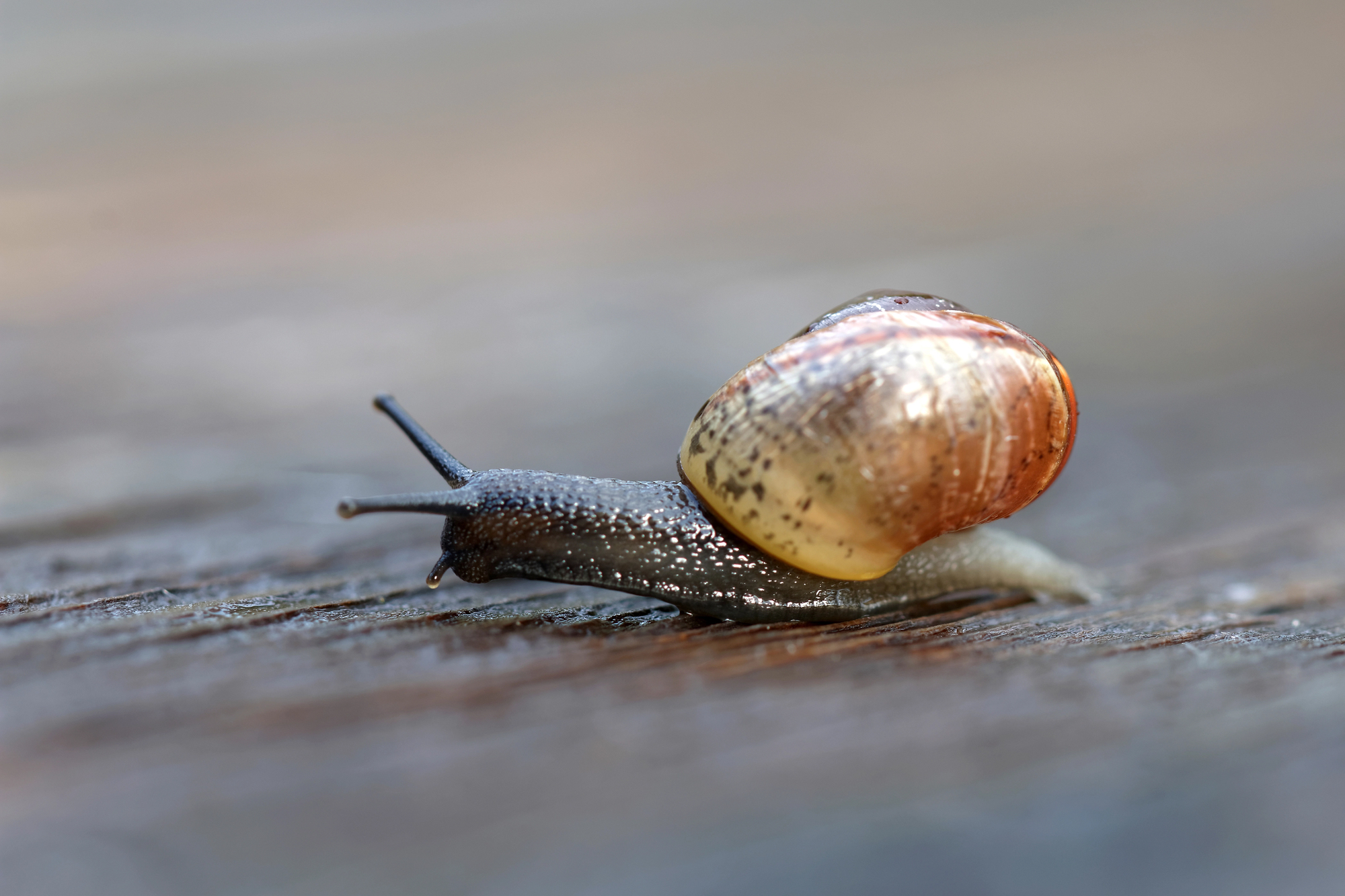
All land snails possess both male and female reproductive organs and hence are simultaneous hermaphrodites.
Both partners exchange sperm during copulation and hence double their reproductive potential. This uniqueness implies that any encounter with an adult snail of the same species can potentially be reproductive for a partner.
They Produce Love Darts
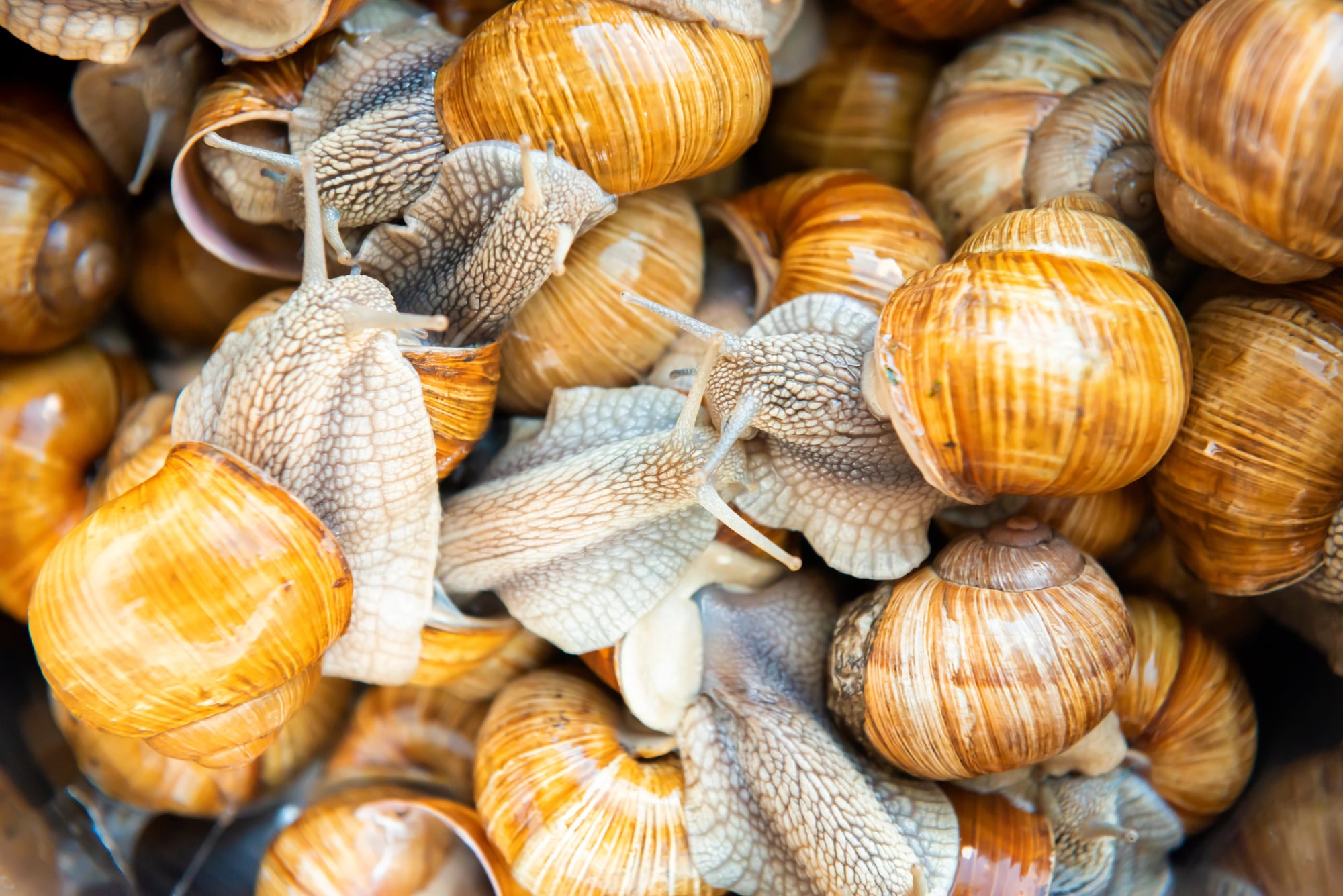
Some snail species possess one of nature’s most bizarre courtship behaviors, where they fire calcareous ‘love darts’ into their partners.
The sharp, arrow-like structures contain hormones that increase reproductive success. Dart-shooting has independently evolved in several snail families, which suggests it must be extremely beneficial in an evolutionary context.
Like Go2Tutors’s content? Follow us on MSN.
Their Slime Has Medicinal Properties

Snail mucus isn’t just gross—it’s becoming a prized ingredient in cosmetics and medicine.
The slime contains compounds with regenerative, antioxidant, and antibacterial properties. In some countries, snail slime is used in treatments for skin conditions, burns, and wrinkles.
The healing properties come from a unique combination of glycolic acid, elastin, and collagen found in the mucus.
They Can Lift 10 Times Their Weight
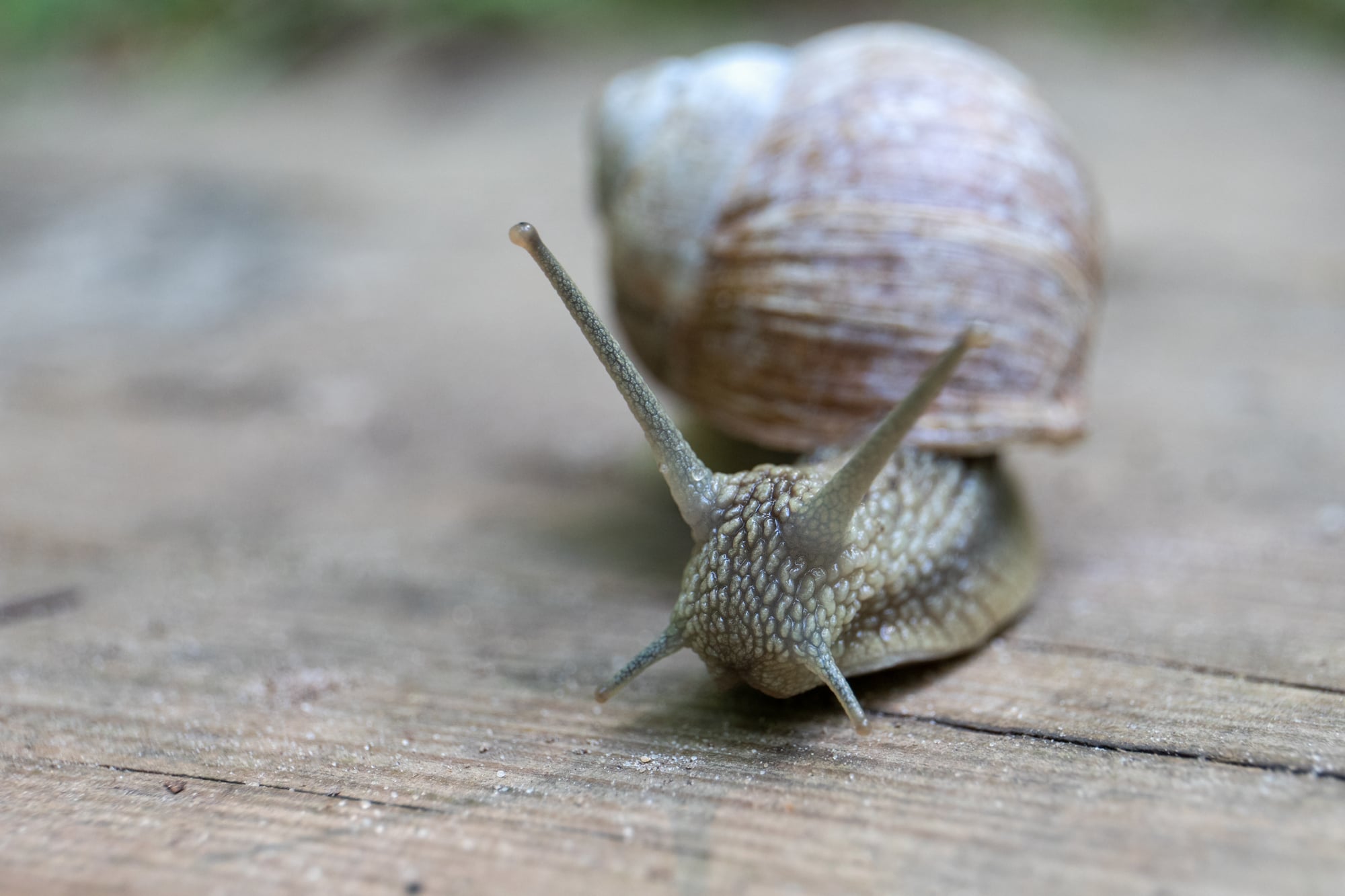
Despite their reputation for weakness, snails possess impressive strength relative to their size.
Garden snails can pull or lift objects weighing up to 10 times their own body weight. This strength comes from their powerful foot muscle, which generates surprising force through rhythmic contractions as they move along surfaces.
Their Eyes Regrow if Damaged

If a snail loses an eye to a predator, it’s not a permanent disability. Snails can regenerate their eye stalks and the eyes themselves if they get damaged or removed.
This remarkable healing ability extends to other parts of their bodies as well, allowing them to recover from injuries that would be catastrophic for many other creatures.
Like Go2Tutors’s content? Follow us on MSN.
Some Live Over 25 Years
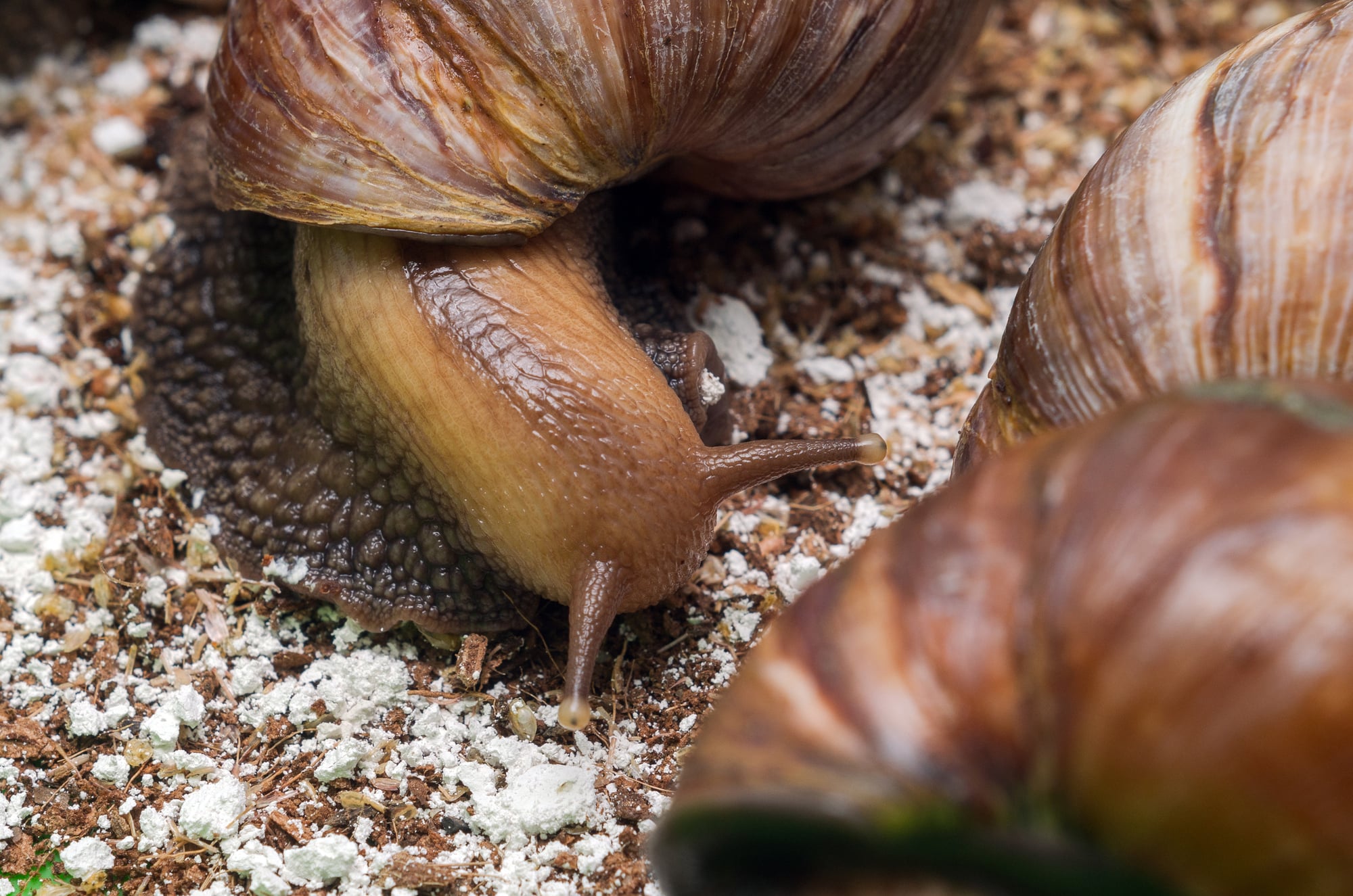
While garden snails typically live 2–5 years in the wild, certain species boast much longer lifespans.
The Roman snail (Helix pomatia) can live up to 35 years in protected environments. This remarkable longevity makes some snail species among the longest-lived invertebrates on the planet, outlasting many vertebrate animals.
They Have Thousands of Relatives
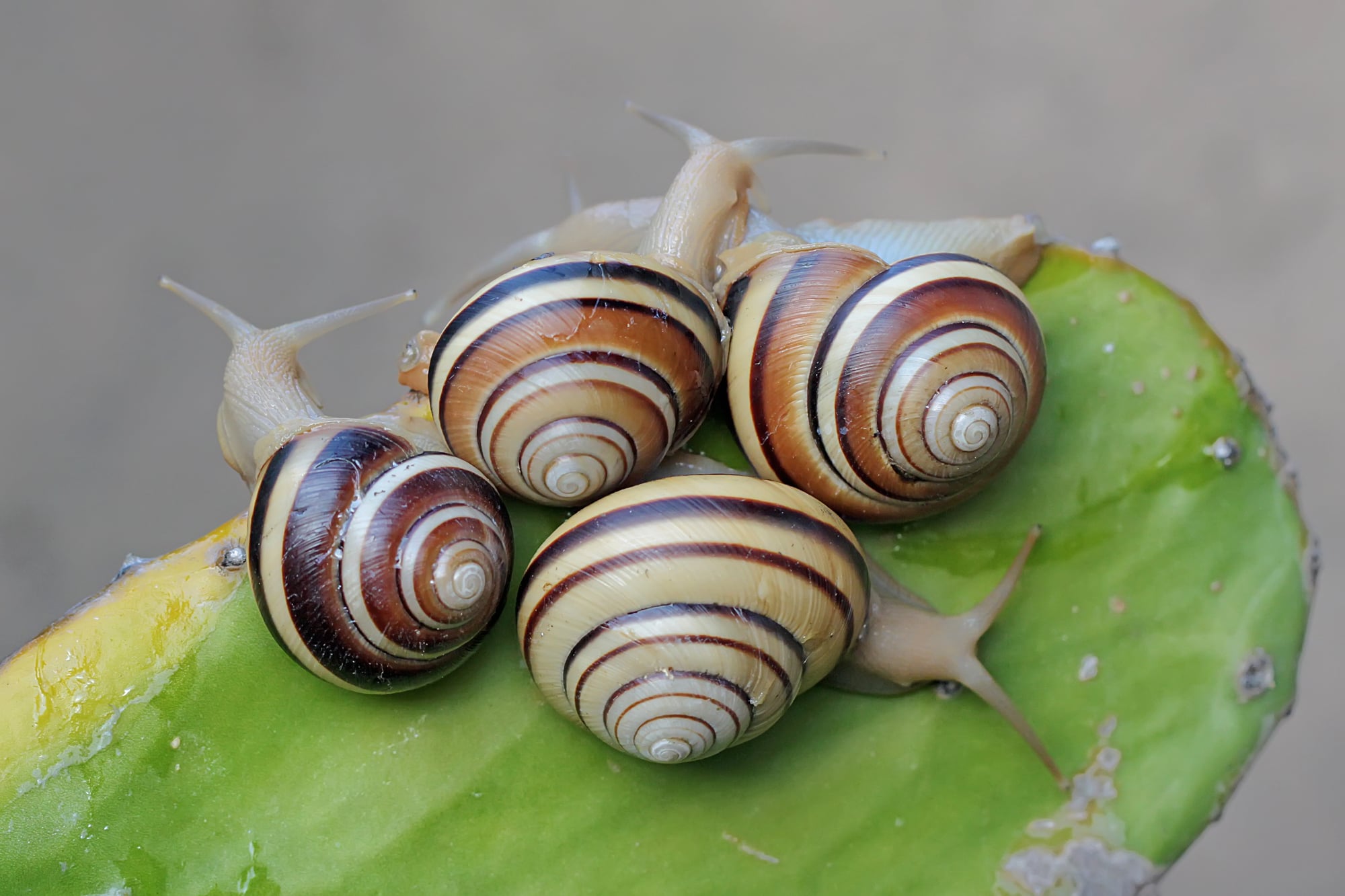
The snail family is enormously diverse, with over 43,000 known species.
This makes them one of the largest animal groups on Earth. They’ve adapted to virtually every habitat, from deep ocean trenches to mountain peaks, tropical rainforests to backyard gardens, showing remarkable evolutionary success across widely varying environments.
They Can Travel Upside Down

Snails can crawl across any surface—including glass and ceilings—thanks to their specialized foot that secretes mucus.
This slime creates a temporary cushion that allows them to adhere to surfaces in any orientation. The foot muscle then generates waves of contraction that propel the snail forward, even when moving completely upside down against gravity.
Like Go2Tutors’s content? Follow us on MSN.
Some Are Incredibly Endangered
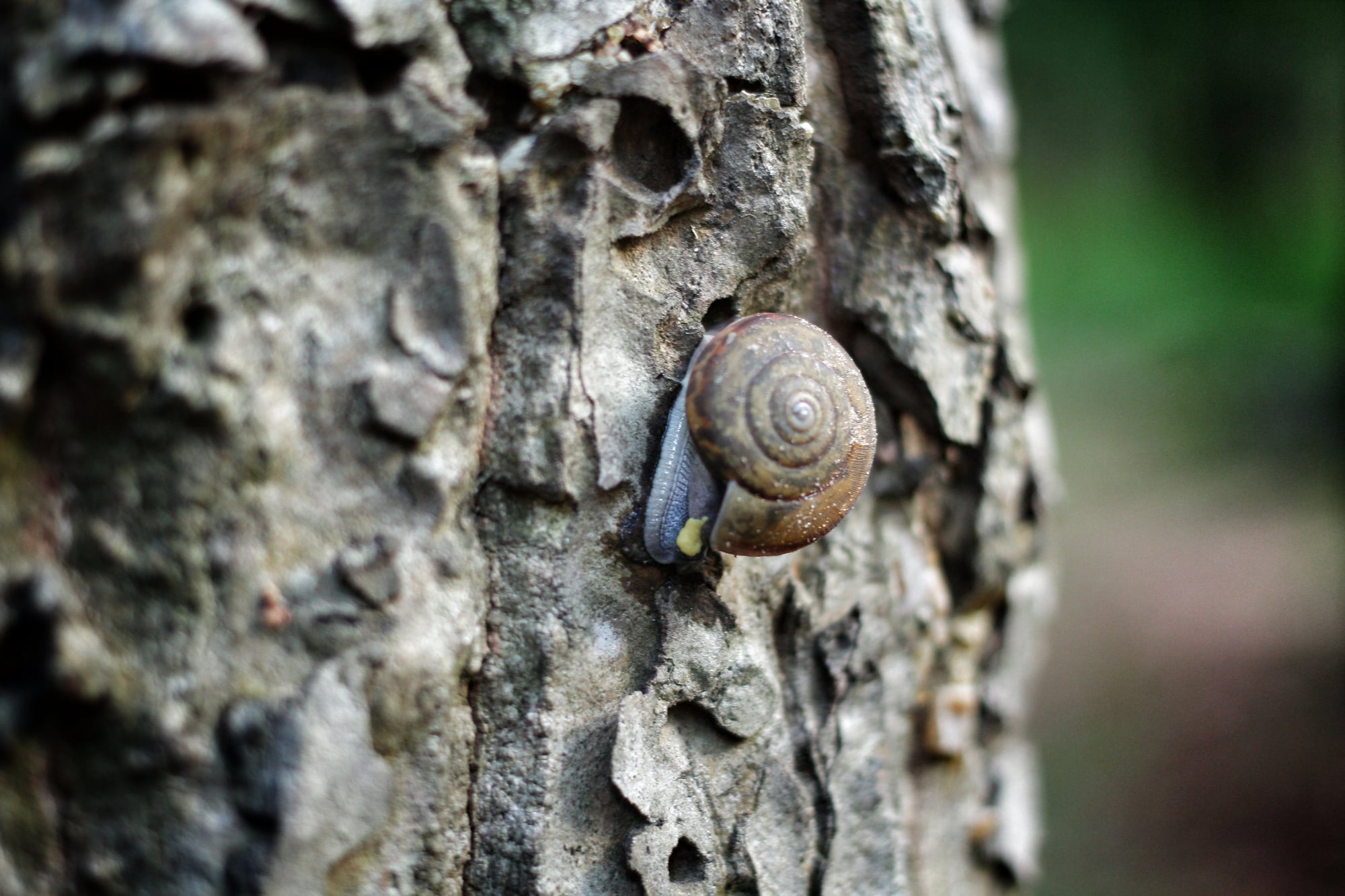
Several snail species rank among the world’s most endangered creatures.
The Oahu tree snail and the Partula snail from French Polynesia have teetered on the edge of extinction due to habitat loss and introduced predators.
Conservation efforts for endangered snails often involve captive breeding programs and habitat protection to preserve these unique evolutionary lineages.
They Have Blue Blood

Unlike humans, who have red, iron-based blood, snails have blue blood due to the presence of hemocyanin.
This copper-containing protein transports oxygen throughout their bodies just as hemoglobin does in mammals. The copper gives their blood its distinctive blue color when oxygenated, demonstrating a fascinating alternative evolutionary solution to oxygen transport.
They’re Mathematical Marvels

The spiral pattern of a snail’s shell follows a mathematical principle known as the Fibonacci sequence, creating a logarithmic spiral.
This perfect geometric formation allows the shell to grow without changing shape, maintaining its proportional structure as the snail increases in size.
These natural spirals have inspired architects, artists, and mathematicians throughout history.
Like Go2Tutors’s content? Follow us on MSN.
They Can Travel Across Razor Blades Unhurt
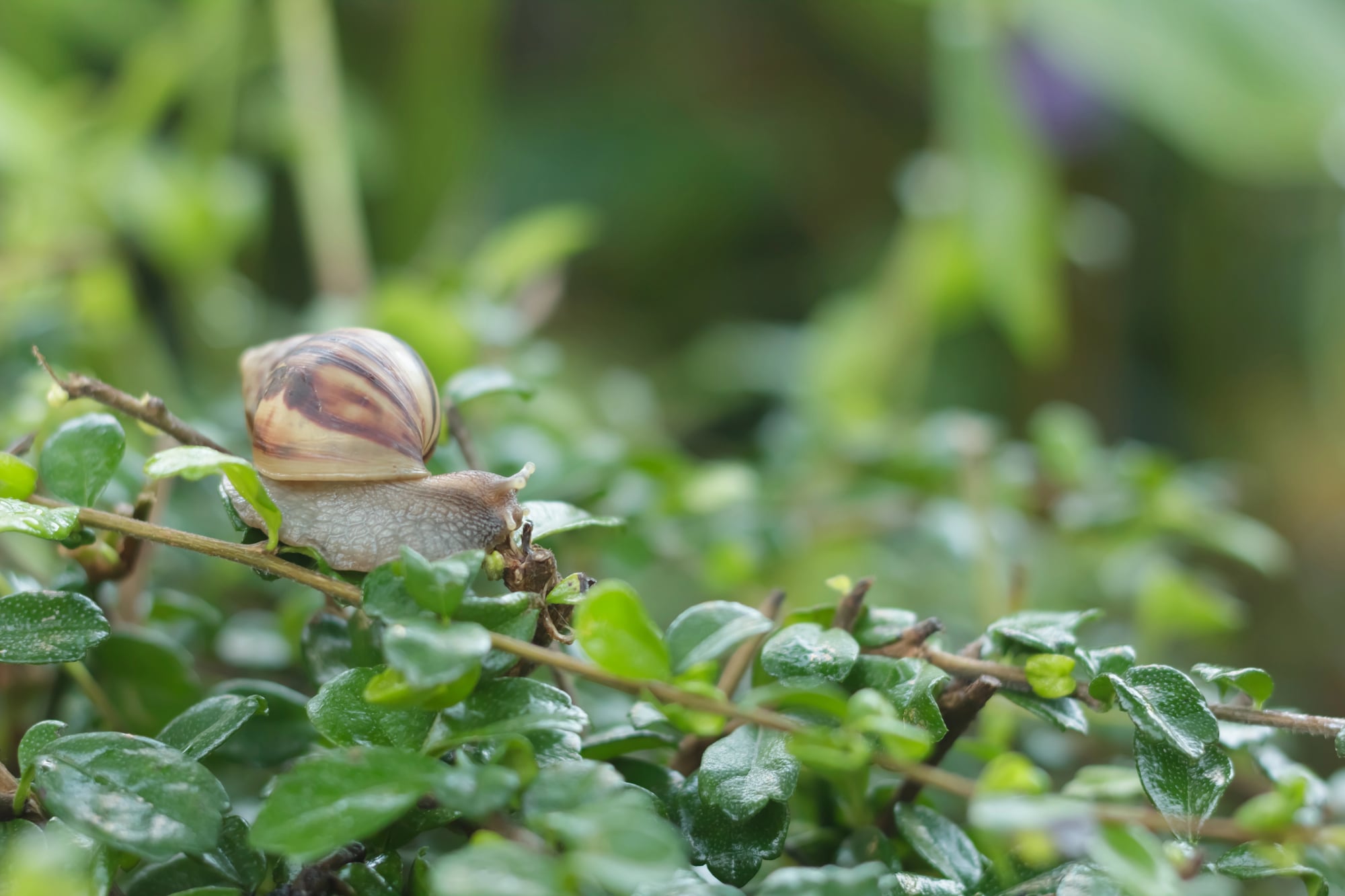
A snail’s foot secretes such effective protective mucus that it can crawl across the sharp edge of a razor blade without injury.
The special properties of their slime create a cushioning barrier between their delicate tissue and dangerous surfaces.
This remarkable adaptation protects them from natural hazards in their environment like sharp plant thorns and rough stone edges.
Some Are Cooked Alive

In French cuisine, some snail recipes traditionally involve cooking the animals while they’re still alive.
The practice has raised ethical concerns about animal welfare in food preparation. Today, most commercially prepared escargot involves a more humane process where the snails are purged, cleaned, and processed before cooking to create the famous delicacy.
They Have Terrible Eyesight
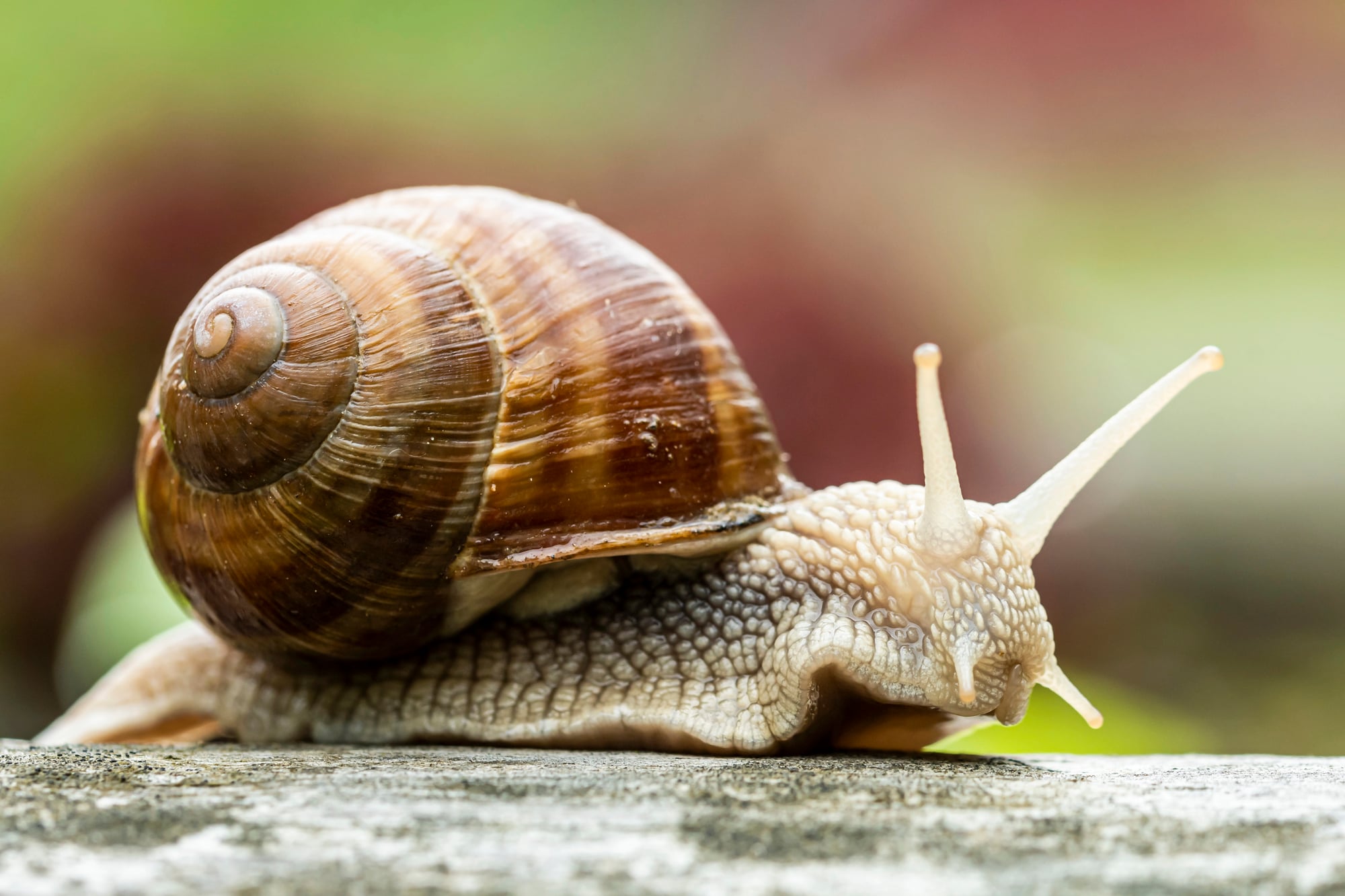
Snails possess simple eyes at the tips of their longer pair of tentacles, but these provide only basic light detection rather than sharp images.
They primarily navigate using their sense of smell and touch, detecting chemical signals and physical features in their environment.
Their eyesight is limited to distinguishing between light and dark and sensing movement—enough to retreat into their shells when a shadow passes overhead.
Like Go2Tutors’s content? Follow us on MSN.
Nature’s Patient Gardeners

Snails have been quietly shaping our world for over 500 million years, surviving multiple mass extinctions and adapting to countless environmental changes.
Their slow but persistent presence in ecosystems helps break down organic matter, disperse plant seeds, and provide food for countless other creatures.
Despite their unassuming appearance, these remarkable mollusks have perfected the art of slow but steady survival in a fast-changing world.
More from Go2Tutors!

- 18 Unexpectedly Valuable Collectibles You Might Have Lying Around
- 20 Little-Known Historical Battles That Had Huge Consequences
- 20 Historical Artifacts That Scientists Can’t Explain
- 15 Inventions That Were Immediately Banned After Being Created
- 20 Actors Who Were Almost Cast in Iconic Roles
Like Go2Tutors’s content? Follow us on MSN.



