18 Hidden Easter Eggs in Video Games
Video games have always been about curiosity. Long before online patch notes and social media breakdowns, players have found secrets the old-fashioned way: by poking around, replaying levels, and just doing something slightly ridiculous to see what happens.
For their part, game developers have hidden all sorts of fun little jokes, references, and even entire bonus scenes as rewards for the curious player. Some Easter eggs are simple and quick.
Others are complex and involved secrets that players have been working to uncover for years. All of them are part of a hidden dialogue between developers and players.
Here are 18 hidden Easter eggs found within video games: The Cow Level in Diablo II
For years, players joked about a secret ‘cow level’ in the original Diablo. Blizzard leaned into the rumor with playful denials.
Then in Diablo II, they made it real. By combining specific items after finishing the game, players could open a portal to a field filled with hostile, weapon-wielding cows.
What began as an inside joke became one of gaming’s most beloved hidden areas. It proved that developers were listening — and sometimes laughing along.
The Konami Code in Gradius and Beyond

The Konami Code — up, up, down, down, left, right, left, right, B, A — originated in Gradius on the NES. It granted players extra lives during testing and was left in the final version.
The code later appeared in dozens of Konami titles and even outside the company’s catalog. It became less of a cheat and more of a cultural handshake between players who recognized it instantly.
The Scarab Gun in Halo 2
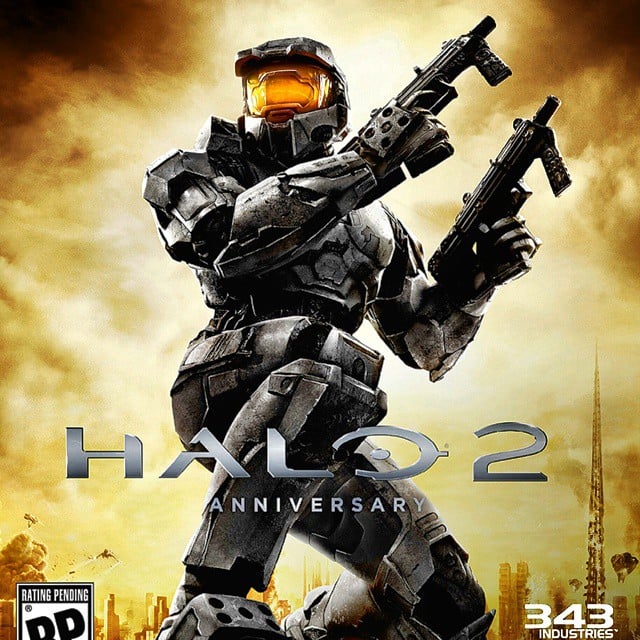
Halo 2 hides one of its most powerful weapons in plain sight. On a specific mission, skilled players can reach an otherwise inaccessible area and retrieve the Scarab Gun — a weapon that fires devastating beams.
The process requires precise timing and clever maneuvering. For years, it circulated as rumor before being confirmed.
It remains a testament to how layered level design can hide entire arsenals.
Bigfoot in Grand Theft Auto: San Andreas

After Grand Theft Auto: San Andreas launched, rumors spread that Bigfoot roamed its forests. Grainy screenshots and player stories fueled speculation.
Though the creature was not officially present in the original release, Rockstar later embraced the legend in future updates and titles. The myth itself became part of the experience, showing how player imagination can amplify even unverified secrets.
The Cake in Portal
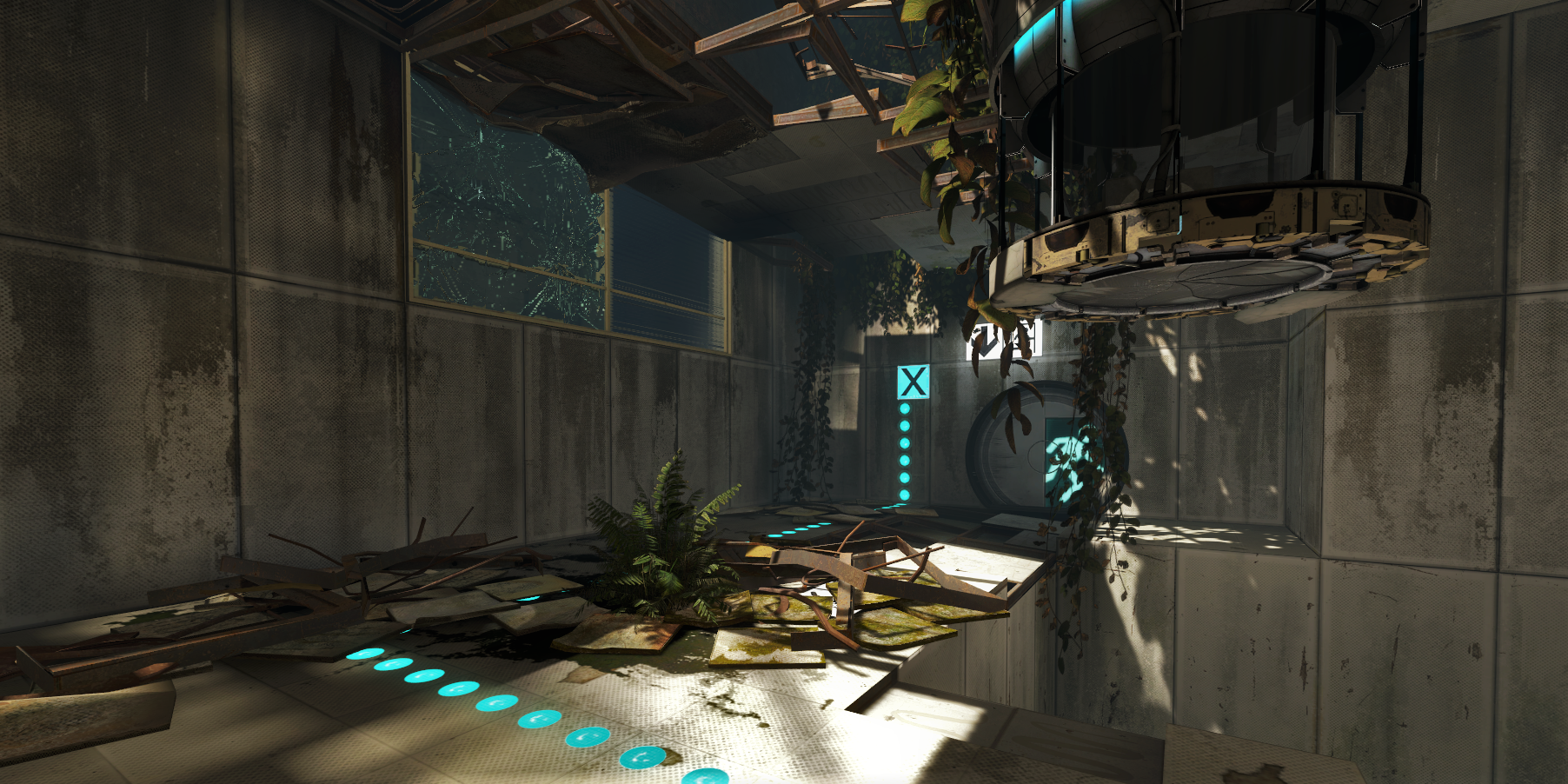
In Portal, scattered messages scrawled on hidden walls warn players that ‘the cake is a lie.’ The phrase became iconic almost immediately.
What makes it effective is placement. The warnings appear in out-of-the-way observation rooms, discovered only by persistent players.
The Easter egg reinforces the game’s themes of manipulation and distrust while delivering a memorable punchline.
The Nuclear Ending in Call of Duty 4

In Call of Duty 4: Modern Warfare, players can trigger a hidden ending after the credits by surviving long enough in a final scene.
The surprise extends the narrative beyond what most players expect. It feels less like bonus content and more like a secret chapter reserved for those who linger.
Luigi in Super Mario 64

For years, rumors circulated that Luigi was hidden somewhere inside Super Mario 64. A blurry plaque texture sparked theories.
Decades later, unused files confirmed that Luigi data existed in early builds. Although he was never playable in the final version, the mystery became one of gaming’s longest-running urban legends.
The Hidden Messages in Batman: Arkham Asylum
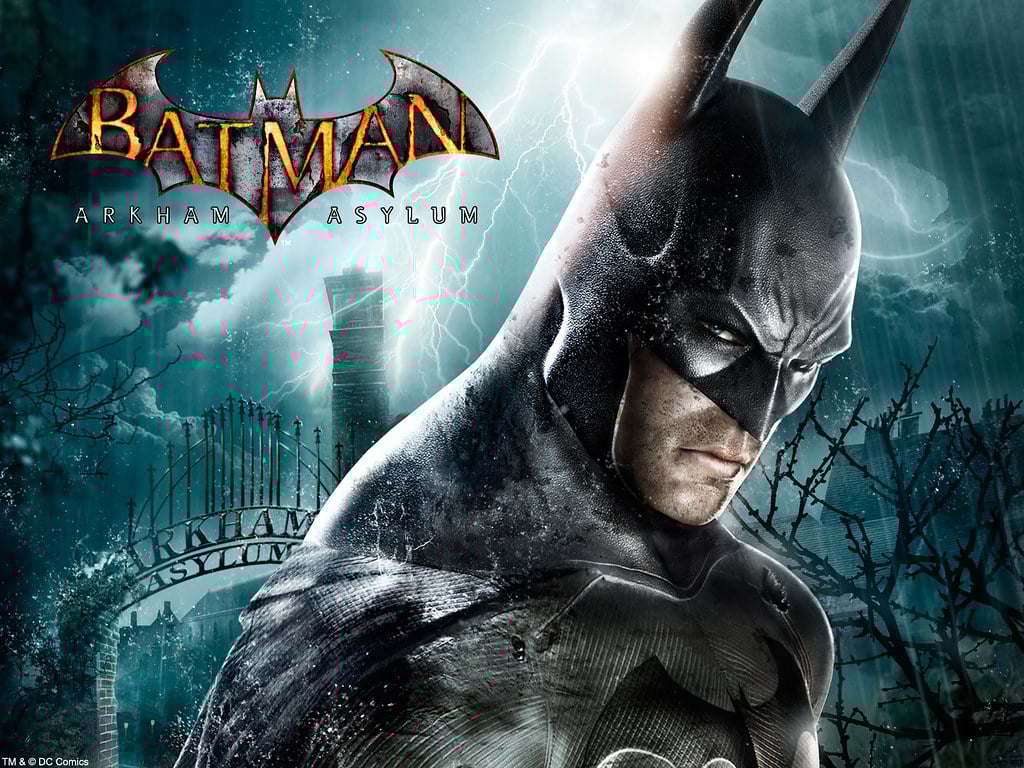
Rocksteady Studios concealed a secret room in Batman: Arkham Asylum that hinted at the sequel long before it was announced. Players discovered it by using explosive gel on an unmarked wall.
Inside, blueprints teased future storylines. The Easter egg demonstrated how developers can plant seeds years in advance.
The Ghost of Spartan 117 in Destiny
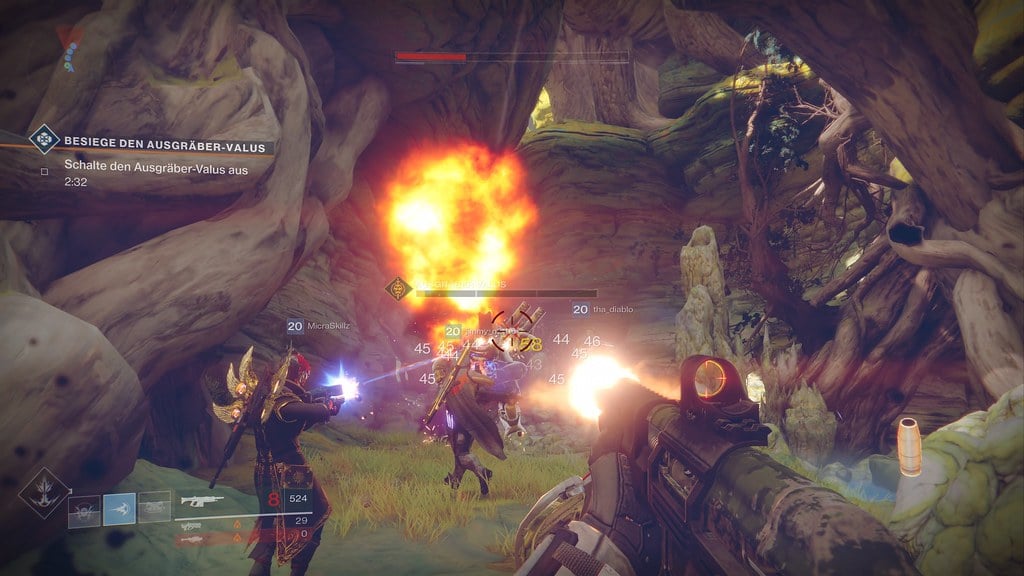
In Destiny, players who reach a distant cliff can spot a fallen Spartan armor set — a nod to Bungie’s earlier Halofranchise.
The reference is subtle but meaningful. It bridges two universes without overtly stating the connection, rewarding longtime fans of the studio.
The Monkey Family in The Last of Us
In The Last of Us, careful exploration reveals escaped lab monkeys carrying the infection central to the story.
The animals are not required for the main plot, yet they deepen the world’s lore. The detail underscores how environmental storytelling can hide narrative threads in optional corners.
The UFO in Red Dead Redemption 2
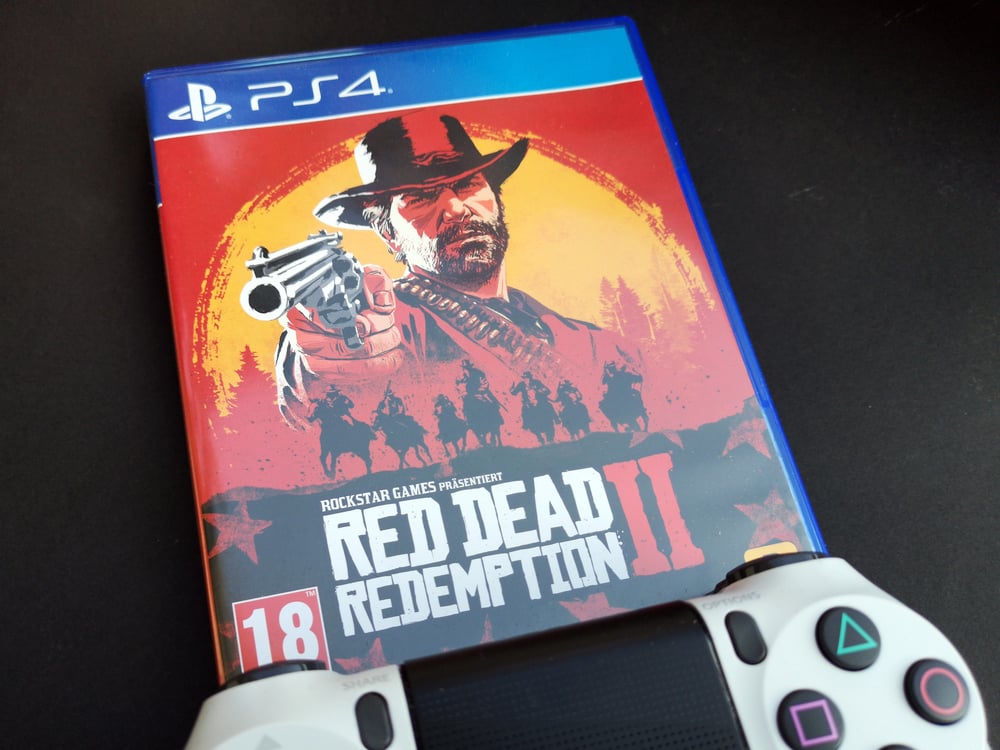
Red Dead Redemption 2 hides multiple UFO sightings across its vast open world. One requires players to visit a cabin at a precise time after deciphering cryptic notes.
The sighting is brief and unexplained. It adds a layer of mystery to an otherwise grounded Western setting, proving that even realistic games can flirt with the surreal.
The Skeleton in Assassin’s Creed II
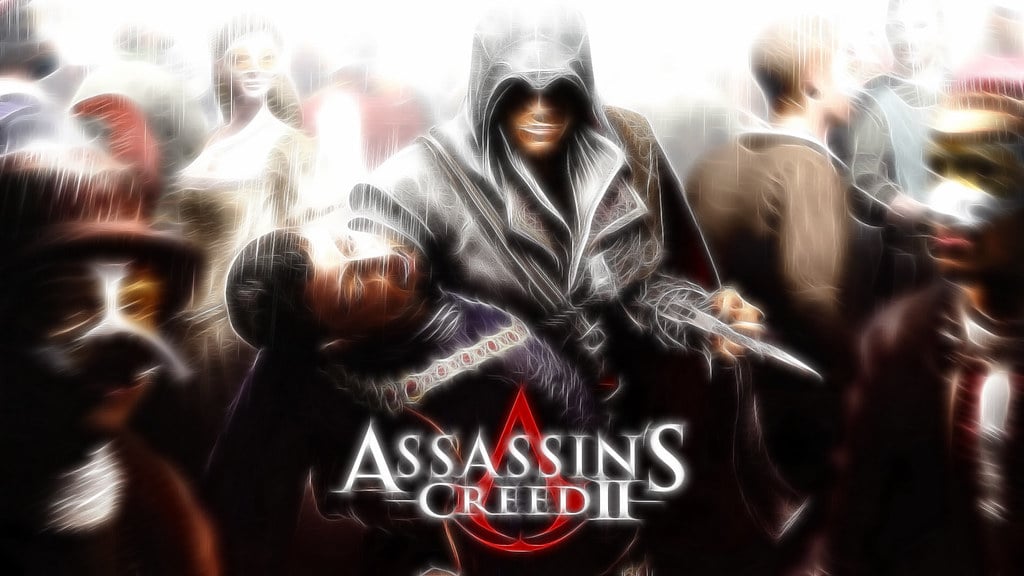
Exploring the villa’s hidden catacombs in Assassin’s Creed II reveals a skeleton clutching a strange orb.
The discovery hints at the series’ broader sci-fi mythology. It rewards players who venture beyond main objectives and pay attention to environmental clues.
The Developer Room in Borderlands 2
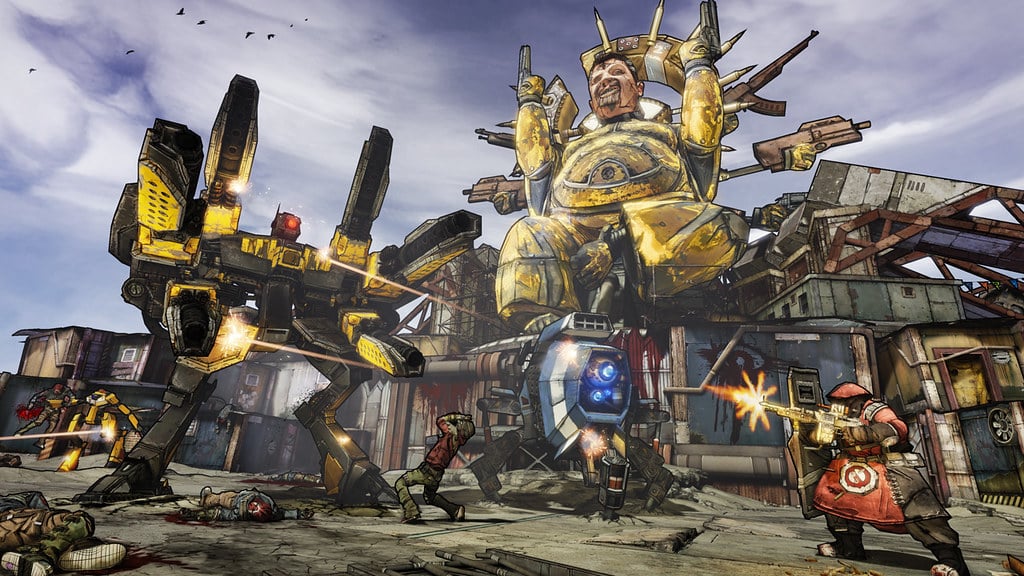
Borderlands 2 contains a hidden developer room accessible through precise movement and glitches. Inside, players can find high-level loot and references to the development team.
It feels like stumbling backstage at a live performance. The inclusion humanizes the game’s creation, reminding players that real people built the chaos.
The QR Code in Fez
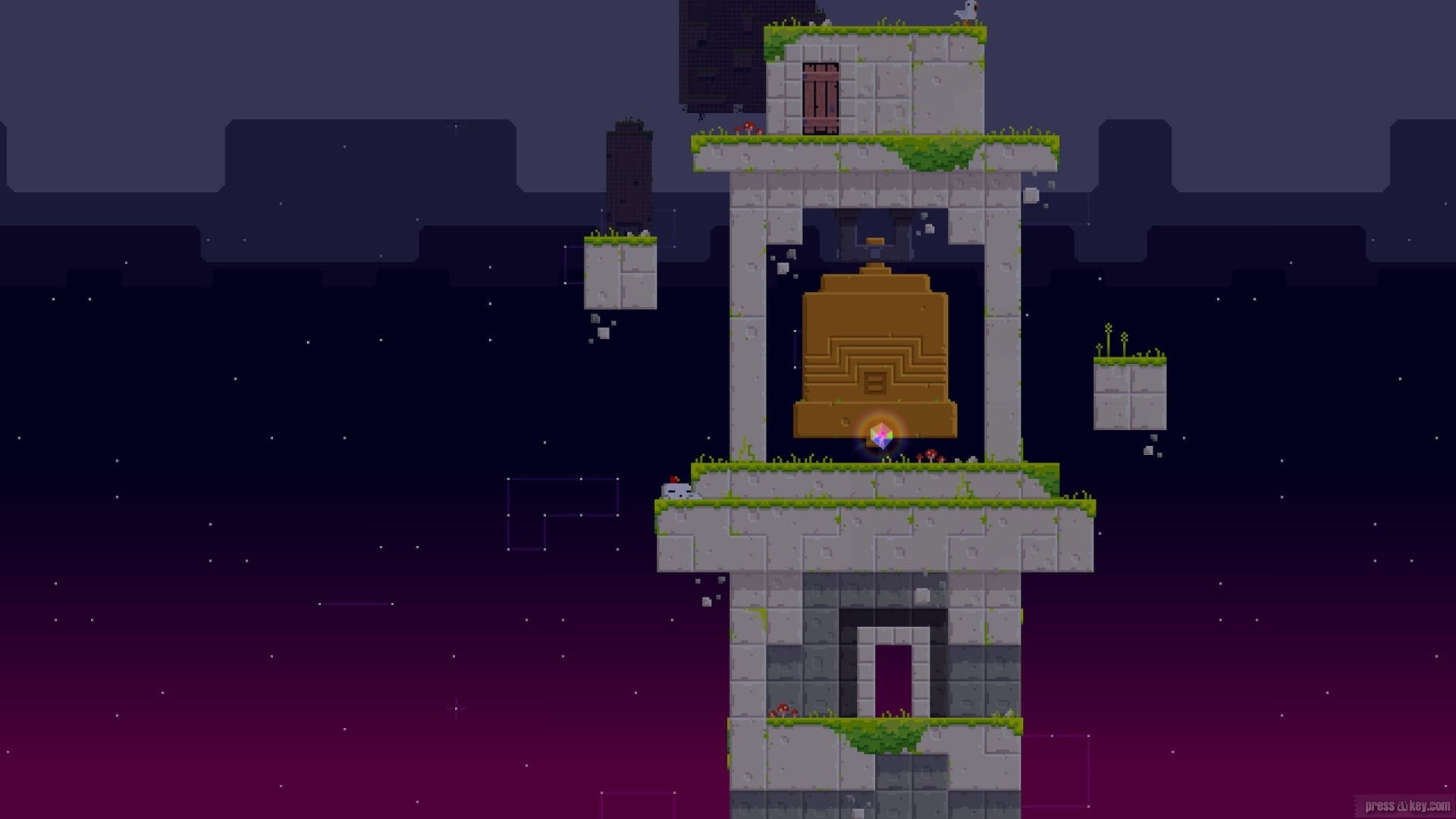
In Fez, a complex puzzle leads players to a QR code hidden within the game’s visuals.
Decoding it reveals additional secrets and expands the game’s layered design. The Easter egg became a collaborative effort, with players working together online to unravel it.
The Secret Ending in Far Cry 4

In Far Cry 4, if players simply wait at the beginning instead of escaping, the story ends peacefully within minutes.
The alternate conclusion reframes the entire experience. It subtly suggests that impatience drives conflict, turning a gameplay mechanic into commentary.
The Space Jam Website in Fortnite
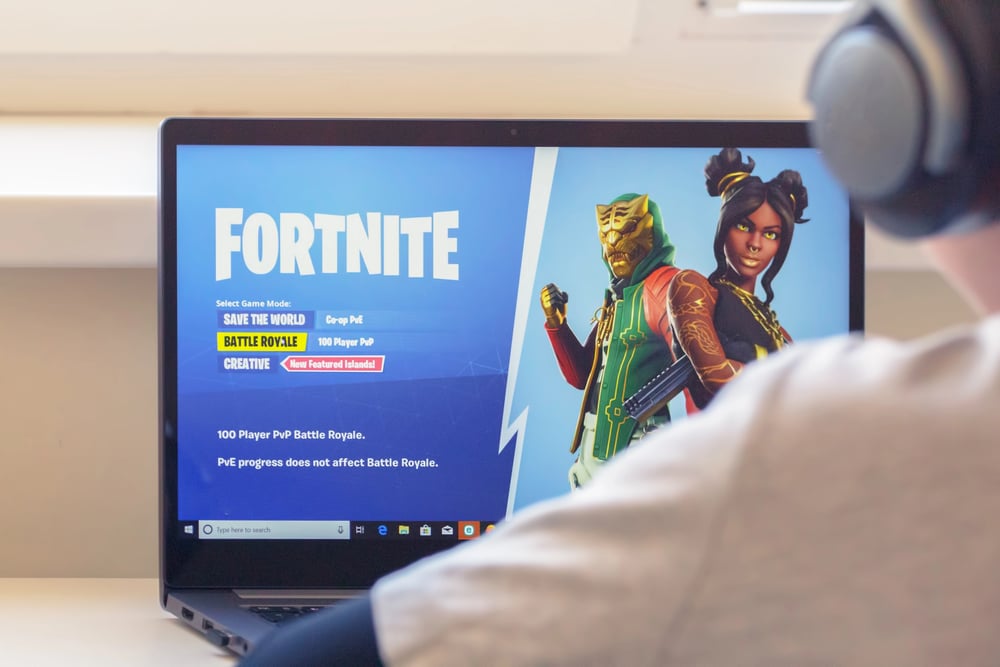
At one point, Fortnite included a working version of the original 1996 Space Jam website within its world.
The recreation was detailed and fully functional. It blended nostalgia with modern gaming, demonstrating how Easter eggs can extend beyond fictional references into internet history.
The Yeti in SkiFree

In the classic Windows game SkiFree, a yeti eventually chases and devours the skier if players travel far enough.
The sudden appearance startled countless players in the 1990s. The moment became a rite of passage, proving that even simple games can hide lasting surprises.
The 10-Year Mystery in The Last Guardian
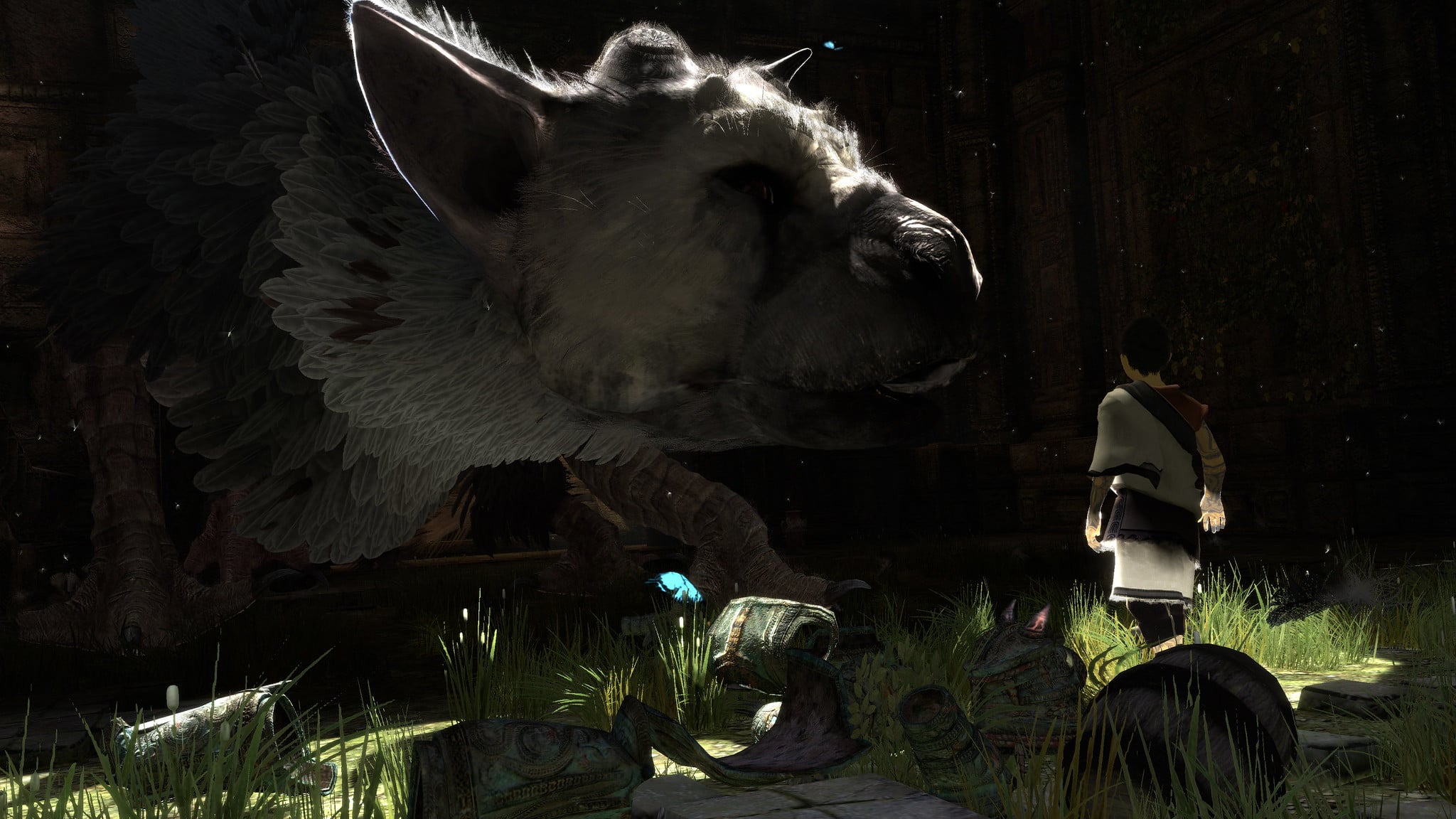
In the case of “The Last Guardian,” it was discovered that the game had a hidden message within the code, which took years to decipher. This was reflective of the time it took to develop the game, as well as the time it took to understand the intricacies of the game.
Secrets That Keep Worlds Alive

This is why Easter eggs endure. They offer the promise of discovery beyond the immediately obvious.
They take games that might otherwise be linear experiences and turn them into rich worlds with a secret humor. Some are hints at sequels.
Some are tributes to shared humor. And as games get bigger and more cinematic, the tradition continues.
There are still Easter eggs to discover, still secret references, puzzles, and scenes waiting for those willing to explore. The best Easter eggs are those that reinforce the notion that in the virtual worlds we visit, there is always more than meets the eye.
More from Go2Tutors!

- The Romanov Crown Jewels and Their Tragic Fate
- 13 Historical Mysteries That Science Still Can’t Solve
- Famous Hoaxes That Fooled the World for Years
- 15 Child Stars with Tragic Adult Lives
- 16 Famous Jewelry Pieces in History
Like Go2Tutors’s content? Follow us on MSN.