15 Most Successful Athletes in Olympic History
Some athletes show up at the Olympics and leave a mark. Others show up again and again, year after year, and leave something closer to a permanent scar on the record books.
The athletes on this list didn’t just win — they redefined what winning looked like. A few of them made events feel like formalities. Others had to claw for every medal against the fiercest competition in the world.
1. Michael Phelps — The Man The Pool Was Made For
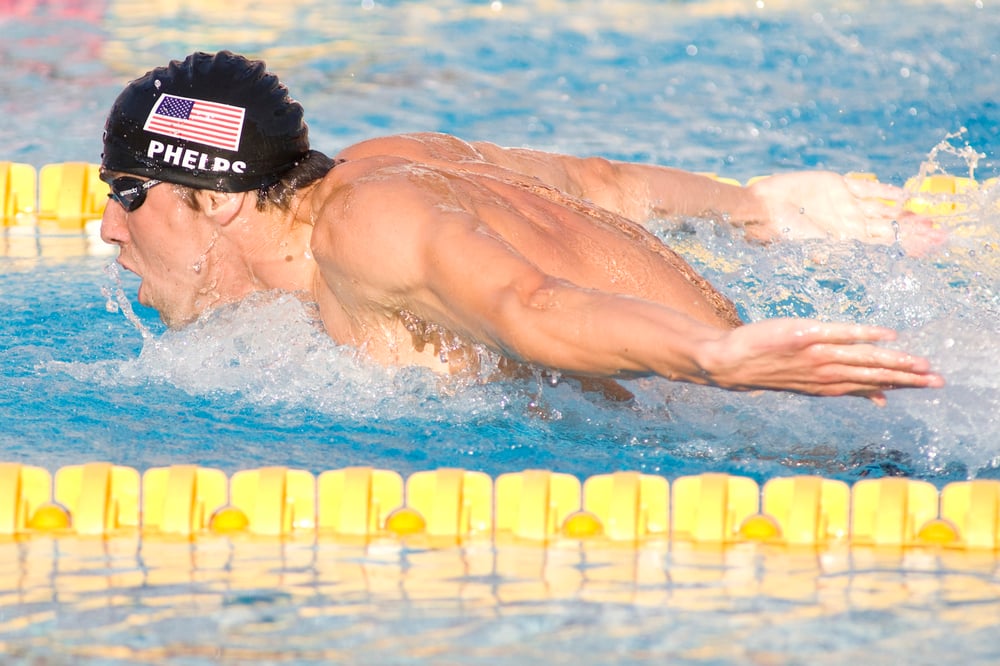
Starting off slow, then came a wave no Olympian had ever made before. Michael Phelps stands alone on the medal list when you look back through time.
Twenty-eight total, spread over four Olympics, with twenty-three shining brightest. Most swimmers wrap up their run by the time one heat of his schedule rolled around.
While others paused between races, he kept diving in.
The sheer range gives his career that unbelievable edge. Not merely sticking to one race type mattered much.
Across butterfly, freestyle, medley, and team relays, victories piled up instead. Years passed while some marks stayed unbroken.
That 2008 moment in Beijing – eight top prizes in one Olympics – still sits unmatched among personal triumphs seen in athletics.
2. Larisa Latynina Still Holds Most Olympic Medals
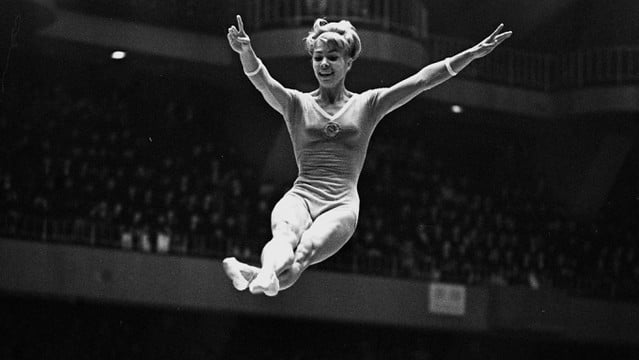
Almost fifty years passed before anyone matched Larisa Latynina’s Olympic haul. That Soviet gymnast walked away with 18 medals, nine shining gold ones, from 1956 through 1964.
Three Olympics saw her rise above the rest – her presence defined an era where grace met exactness under pressure.
Forty-eight years passed before Phelps finally moved past Latynina. Her name sat quietly in history books, known only when someone thought to wonder.
One by one, medals piled up while few were watching. Clear math shows she led the world in Olympic honors longer than many live their whole lives.
3. Paavo Nurmi The Finnish Runner Who Moved With Precision

Before fitness trackers ever existed, Paavo Nurmi paced himself using only a handheld timer. This athlete from Finland claimed nine top prizes and three second-place finishes over three Olympics during the 1920s.
His fastest times stood unmatched – from one-and-a-half thousand meters right up to twenty thousand.
Faster than rhythm, Nurmi moved like clockwork. Not fast for show – each stride measured before it landed.
When others sprinted ahead, he stayed locked, quiet in his steps. Numbers guided him; guesses did not.
Often, the numbers won. By then, the rest were just catching wind.
4. Mark Spitz Wins Seven Gold Medals In One Week
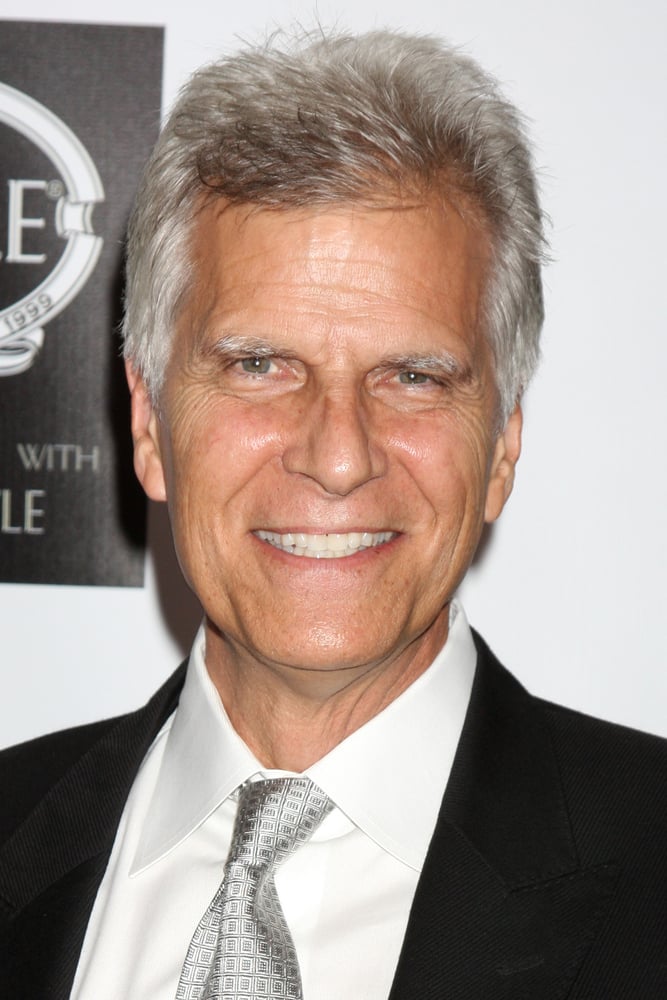
Falling short in 1968 stung – though only because Mark Spitz demanded perfection from himself. Back in ’72, under Munich’s flat light, he swam like someone out to settle silent bets.
Seven golds emerged stroke by stroke, each race breaking its own world record. Not one survived untouched.
All seven fell, rewritten during those tightly packed days.
Still shines decades later. Though Phelps surged in 2008, Spitz back in ’72 stands apart – few have ever controlled an Olympics so completely.
5. Carl Lewis — Four Games, Nine Golds
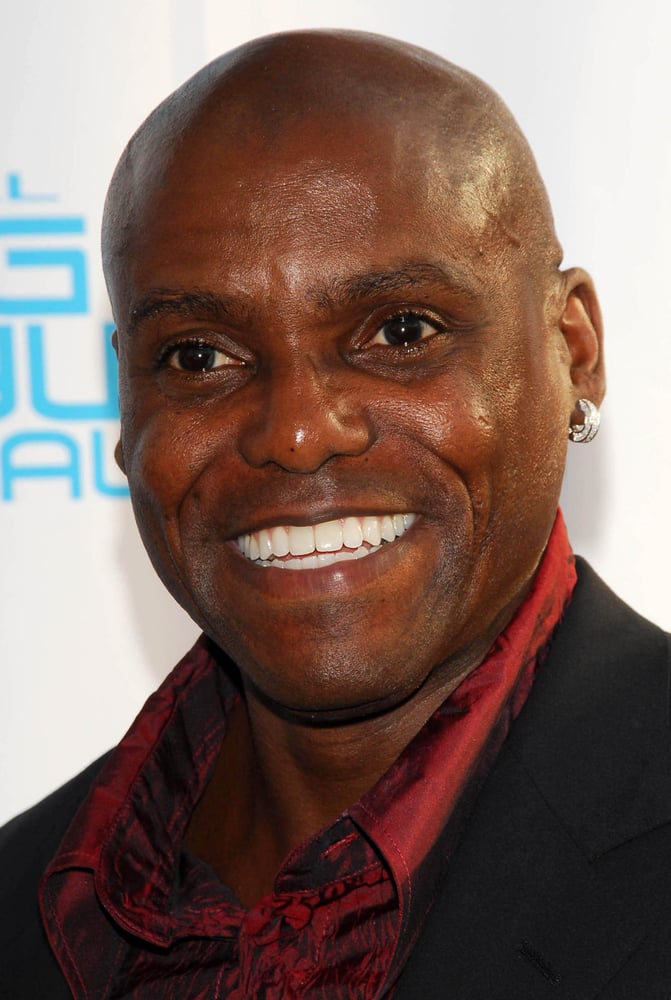
Carl Lewis first appeared at the 1984 Los Angeles Olympics and left with four gold medals. Then he came back.
And came back again. By the time his Olympic career ended in 1996, he had nine gold medals and one silver, spread across the 100m, 200m, long jump, and 4x100m relay.
His longevity is as impressive as his peak. Winning the long jump at age 35 at the Atlanta Games is the kind of thing that sounds like fiction.
It wasn’t.
6. Usain Bolt — The Man Who Made The 100m Feel Short
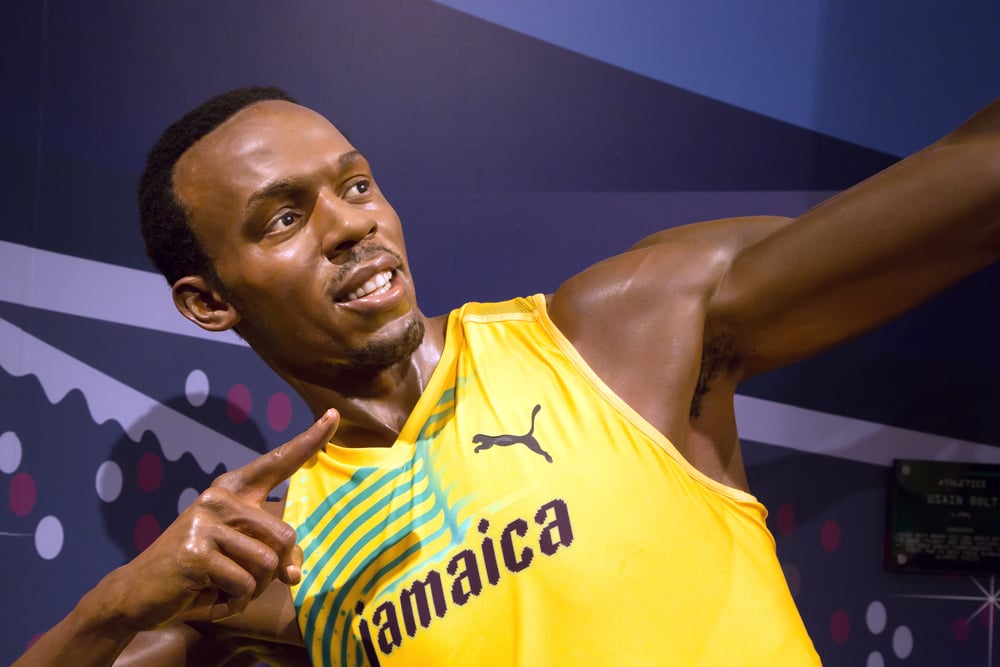
Usain Bolt won three consecutive Olympic titles in both the 100m and 200m. He did it with a style that looked effortless — long, loping strides and a habit of celebrating before he crossed the finish line.
The celebrating part only worked because he was that far ahead.
His 9.63-second Olympic record in the 100m at London 2012 still stands. Beyond the numbers, Bolt brought something rare to track and field: genuine entertainment.
He made people who didn’t follow athletics care about athletics.
7. Nadia Comaneci — The First Perfect Score

Before Nadia Comaneci, no gymnast had ever scored a perfect 10 at the Olympics. At the 1976 Montreal Games, she scored seven of them.
She was 14 years old. The scoreboard wasn’t even built to display 10.0, so it showed 1.00 instead.
Comaneci won three gold medals in Montreal and added two more in Moscow in 1980. But the perfect 10 is what endures — a moment so singular that the sport’s governing body eventually changed the scoring system to ensure it could never happen again.
8. Jesse Owens — Four Golds In Berlin
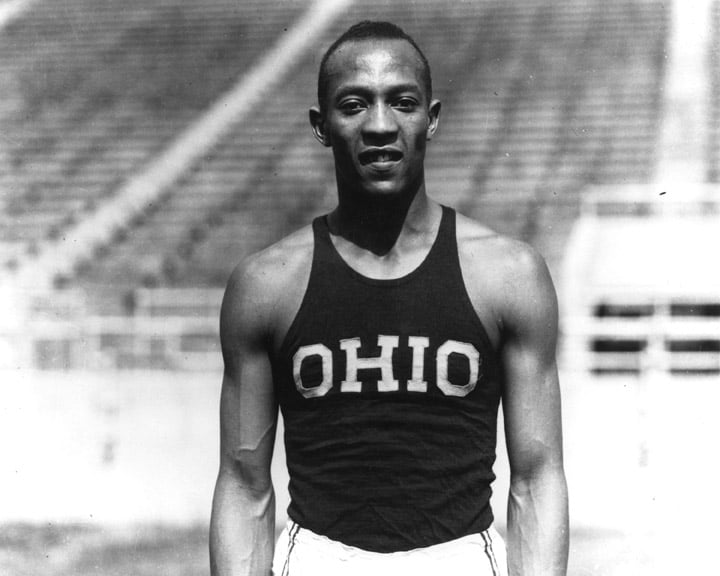
Jesse Owens went to the 1936 Berlin Olympics and won four gold medals — in the 100m, 200m, long jump, and 4x100m relay. He did it in front of Adolf Hitler, who had designed the Games as a showcase for Aryan supremacy.
The athletic performance was extraordinary. The political context made it historic.
Owens became a symbol of something far bigger than sport, and his name has been synonymous with Olympic greatness ever since.
9. Simone Biles — Rewriting What’s Possible

Simone Biles has skills named after her in the gymnastics code of points. That alone sets her apart.
Multiple elements she performs were considered so difficult — and so dangerous — that the scoring committees had to create new entries just to account for them.
She won four gold medals at Rio 2016 and added another gold and two silvers at Tokyo 2020, the Games she almost didn’t compete in. Her return to competition at Paris 2024 added three more golds.
The conversation around where she ranks among all-time Olympic greats is no longer a conversation — it’s settled.
10. Birgit Fischer — Kayaking Across Six Decades

Birgit Fischer competed in kayaking for East Germany and then unified Germany across six Olympic Games, from 1980 to 2004. She won eight gold medals and four silvers.
She claimed her first gold at 18 and her last at 42.
That span — 24 years of Olympic competition at the highest level — is almost without precedent in any sport. Fischer didn’t just stay competitive into her forties.
She stayed dominant.
11. Marit Bjoergen — Cross-Country’s Quiet Titan
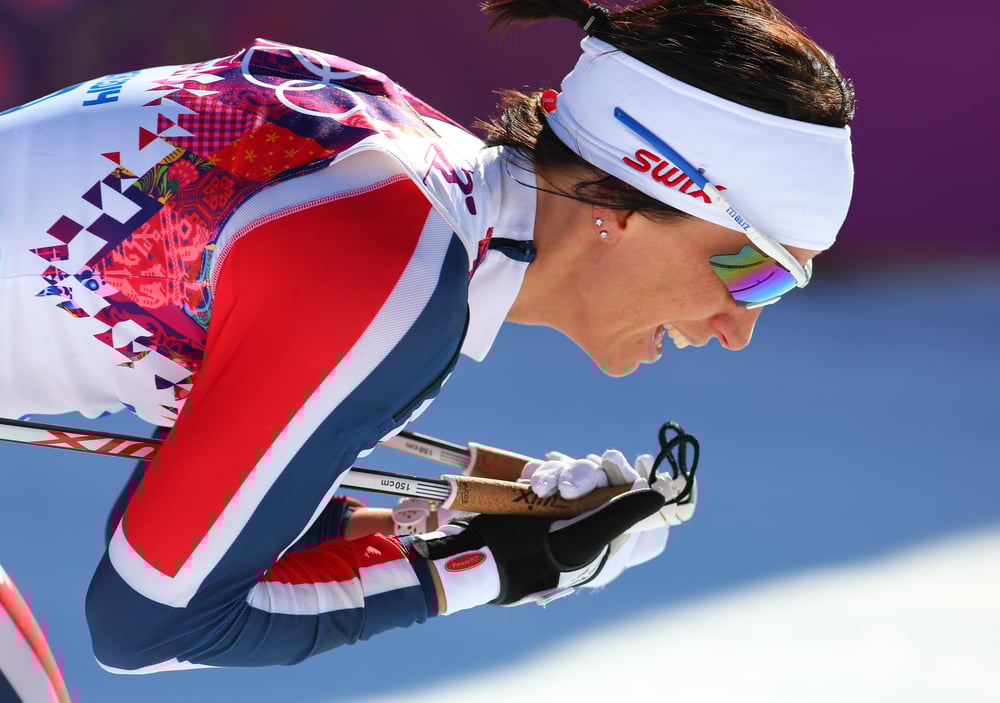
Marit Bjoergen is the most decorated Winter Olympian in history. The Norwegian cross-country skier won 15 medals across five Games, eight of them gold.
She was a force in the sport for nearly two decades.
Cross-country skiing demands a combination of endurance, technique, and mental toughness that few athletes ever master completely. Bjoergen made it look routine.
She kept winning well into her thirties and retired as the benchmark against which every skier in her sport is measured.
12. Ole Einar Bjoerndalen — The Biathlon King
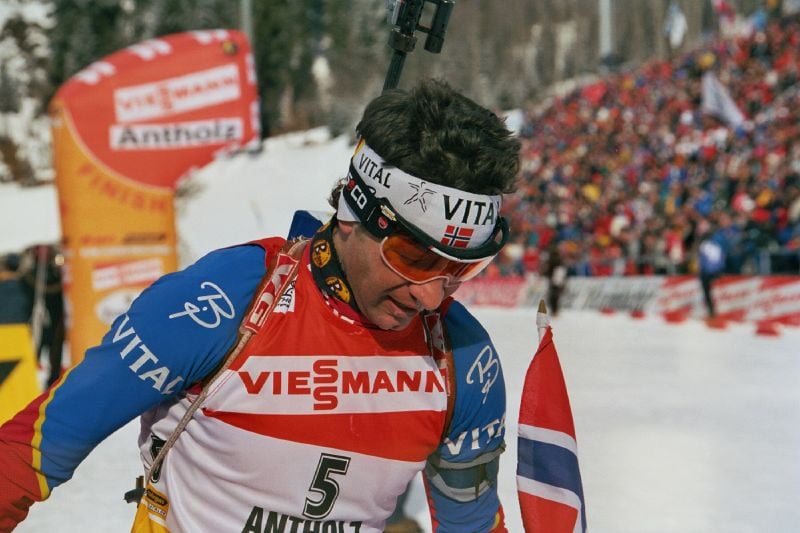
Bjørndalen didn’t slow down until his forties. Through eight winter editions, the Norwegian chased victory in both skiing sprints and steady aim events.
Thirteen podium finishes piled up over time – eight draped in gold. Sochi 2014 marked his final stand on that stage, hitting the mark one more time despite age others called a barrier.
Few survive the biathlon’s cruel balance – pushing fast across snow while keeping calm enough to shoot straight. Racing leaves the pulse wild, aiming hopeless when breath comes sharp.
Yet Bjoerndalen mastered what others could not: steady nerves under full effort. His control stood apart, unmatched through decades of competition.
13. Allyson Felix Has Most Track Gold Medals

Felix stands alone as the top U.S. track and field Olympian by medal count. Her collection includes 11 podium finishes: seven golds, alongside three silvers and a single bronze, earned over appearances spanning 2004 to 2020.
Outspoken, Felix stood out among her peers by calling attention to how women in pro sports often get overlooked. She talked openly about the hurdles that come when you’re pregnant and still under contract.
Longevity marked her journey – yet it was her voice, sharp and unyielding, that shaped much of its weight. What she did with fame wasn’t quiet.
It was clear-eyed, purposeful, never softened for comfort.
14. Nikolai Andrianov Soviet Gymnast

Born under Soviet rule, Nikolai Andrianov stepped onto Olympic stages in 1972, then again in ’76, finally in 1980. Across those years, fifteen medals hung around his neck, seven gleaming in gold.
When Montreal arrived, his body moved like timed clockwork – four top prizes claimed, one runner-up finish tucked beside.
Not a household name beyond gymnastics fans, yet the numbers speak clearly. Among the top medal-winning men in Olympic history stands him, ruling his event when rivals pushed limits hardest.
15. Jenny Thompson Wins Eight Swimming Medals
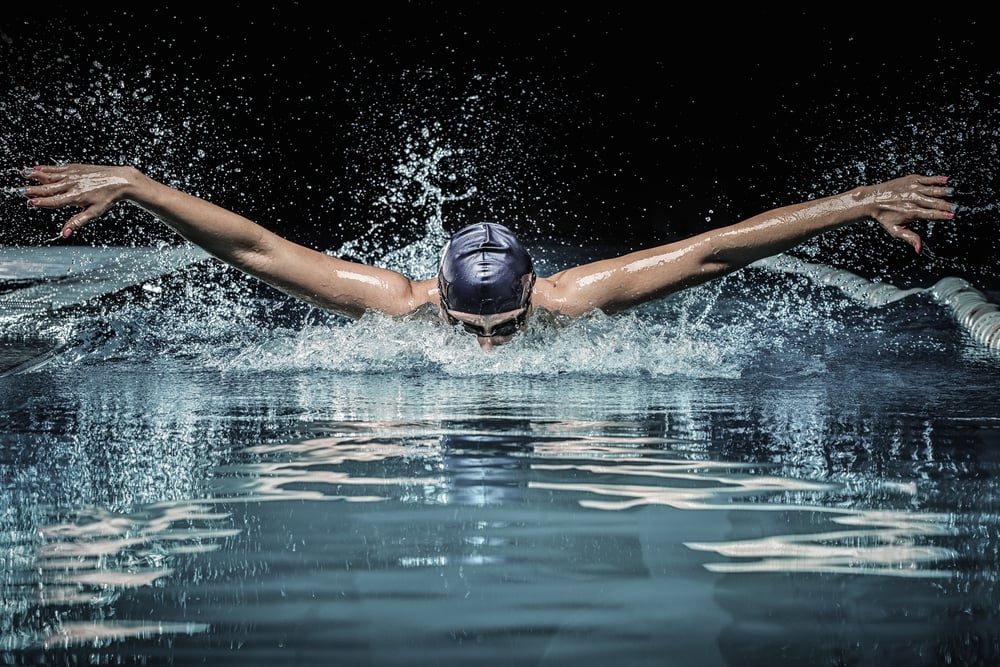
Eight times she stood on the podium, each medal won alongside others. Through four Olympics, Jenny Thompson raced for the U.S., never alone but always essential.
Not once did she climb the steps after an individual race – her triumphs lived in shared lanes and timed handoffs. Team by team, meet after meet, her role stayed sharp: swim fast when it mattered most.
What stands out isn’t loud or flashy. Thompson’s path shows how true Olympic impact can stay quiet.
Not every legacy needs a burst of fame. Often it grows where steady hands keep the advantage, year on year, contest after contest.
What The Records Show

What stands out isn’t merely the stats. In water, Phelps moved like a force beyond effort.
On mat, Biles twisted gravity into art. At the start line, Bolt waited – then rewrote speed.
Medals piled up, true. Yet their real mark? Turning disbelief into something ordinary.
Not every star climbed the same way. A few shined brightest in just one moment.
Still others shaped greatness over years. Each pushed past fine whenever better called.
This gap – between famous legends and quiet stats – is where true weight lies. Such hunger turns routine into something rarer than gold.
More from Go2Tutors!

- The Romanov Crown Jewels and Their Tragic Fate
- 13 Historical Mysteries That Science Still Can’t Solve
- Famous Hoaxes That Fooled the World for Years
- 15 Child Stars with Tragic Adult Lives
- 16 Famous Jewelry Pieces in History
Like Go2Tutors’s content? Follow us on MSN.