18 Historic Photos That Were Later Proven Fake
History is captured through the lens of a camera, freezing moments in time for future generations. But not every historic photograph tells a true story.
Sometimes, what appears to be documentary evidence is actually clever manipulation, staged scenes, or outright fabrication. Here is a list of 18 iconic photos that captivated the public imagination before being exposed as fakes.
Abraham Lincoln’s Presidential Portrait
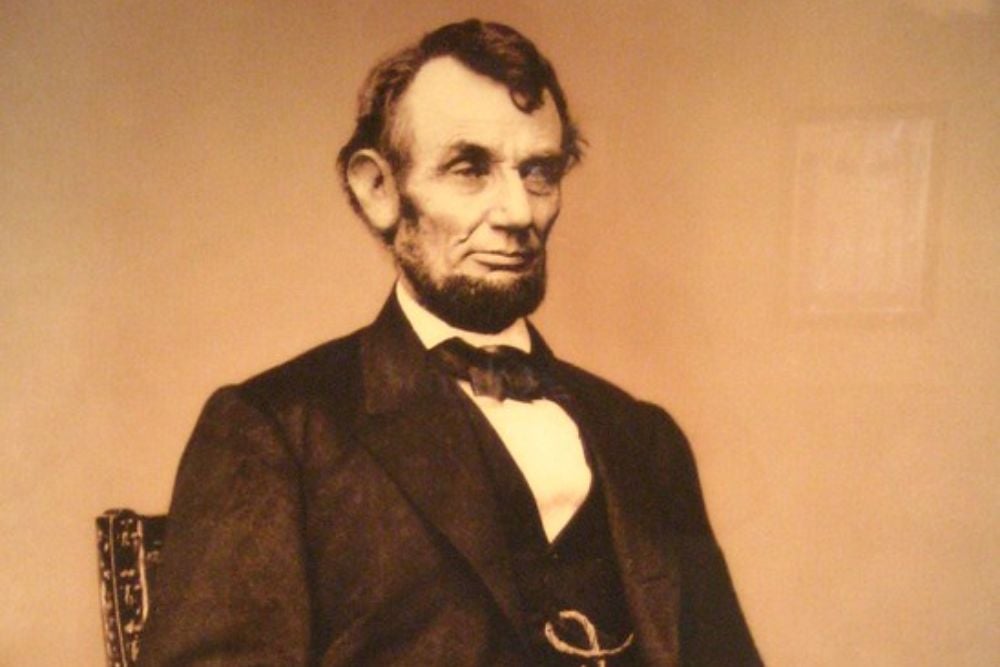
One of the most famous portraits of Abraham Lincoln isn’t actually Lincoln at all—at least not entirely. The iconic image was created by placing Lincoln’s head onto the body of Southern politician John Calhoun in an 1860 photograph.
This early example of photo manipulation was likely created after Lincoln’s assassination to present him in a more stately, dignified manner. The composite was so convincing that it became the basis for Lincoln’s portrait on the original five-dollar bill.
Stalin’s Vanishing Commissar
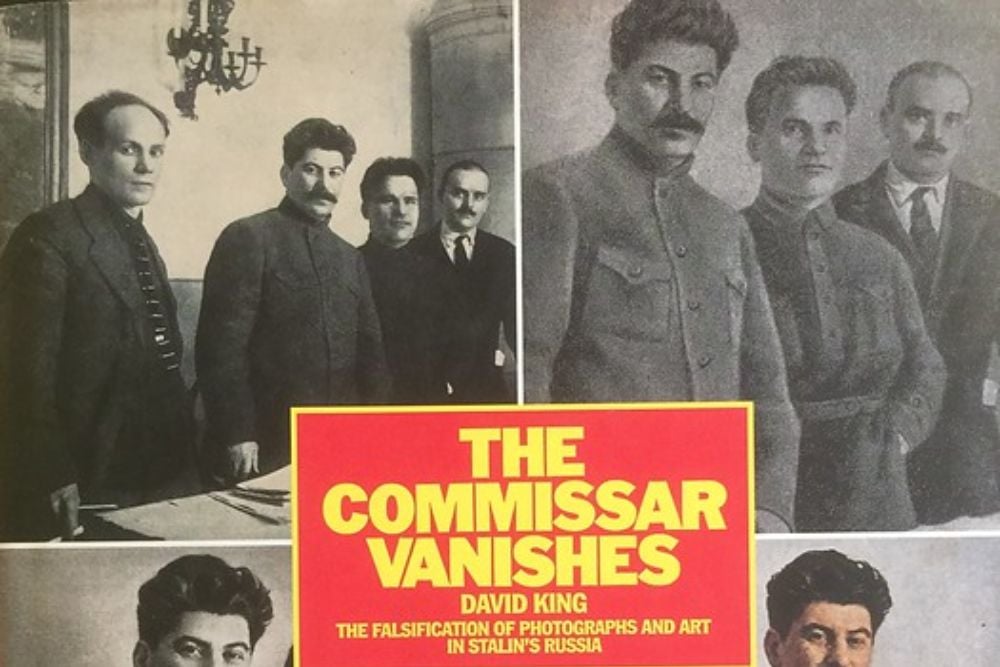
Joseph Stalin wasn’t just known for eliminating his political enemies in real life—he also had them removed from photographs. In a notorious example from 1930, Stalin had his image manipulators airbrush former ally Nikolai Yezhov out of a photograph where they had been walking together along a waterfront.
Not satisfied with merely executing his opponents, Stalin tried to erase them from history itself, making them disappear from the photographic record as completely as they had from Soviet life.
Lunch Atop a Skyscraper
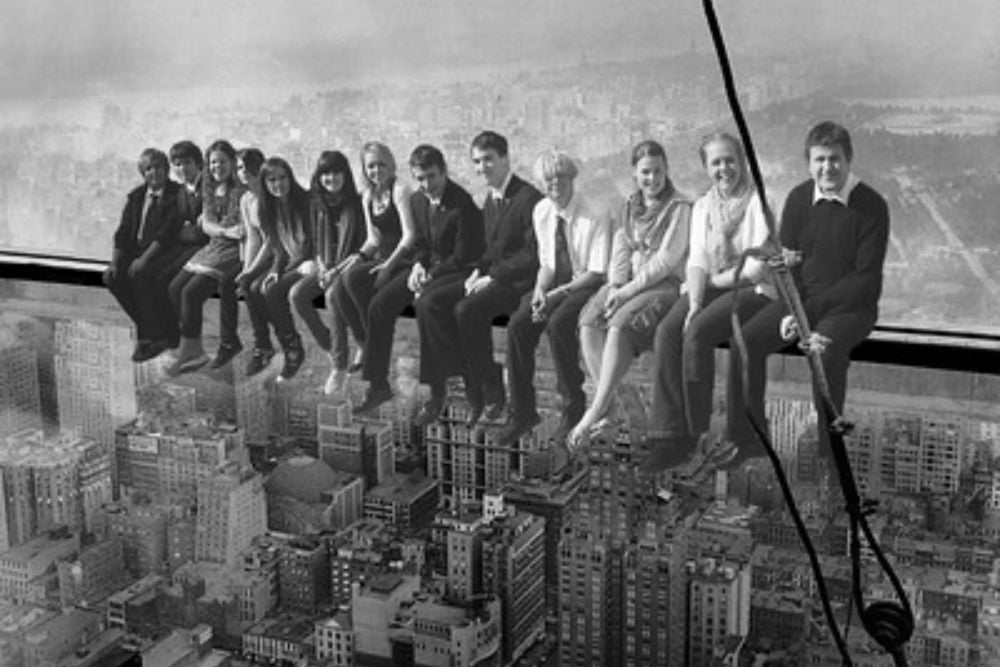
The iconic 1932 photograph showing construction workers casually eating lunch on a steel beam high above New York City seems like a candid glimpse of Depression-era life. In reality, the photo was one of a series of staged publicity shots ordered to promote the Rockefeller Center building project.
Other similarly staged photos from the same session showed workers tossing footballs or napping on beams. While the workers were genuine and the height was real, the seemingly spontaneous lunch break was carefully orchestrated.
Tourist Guy at the World Trade Center
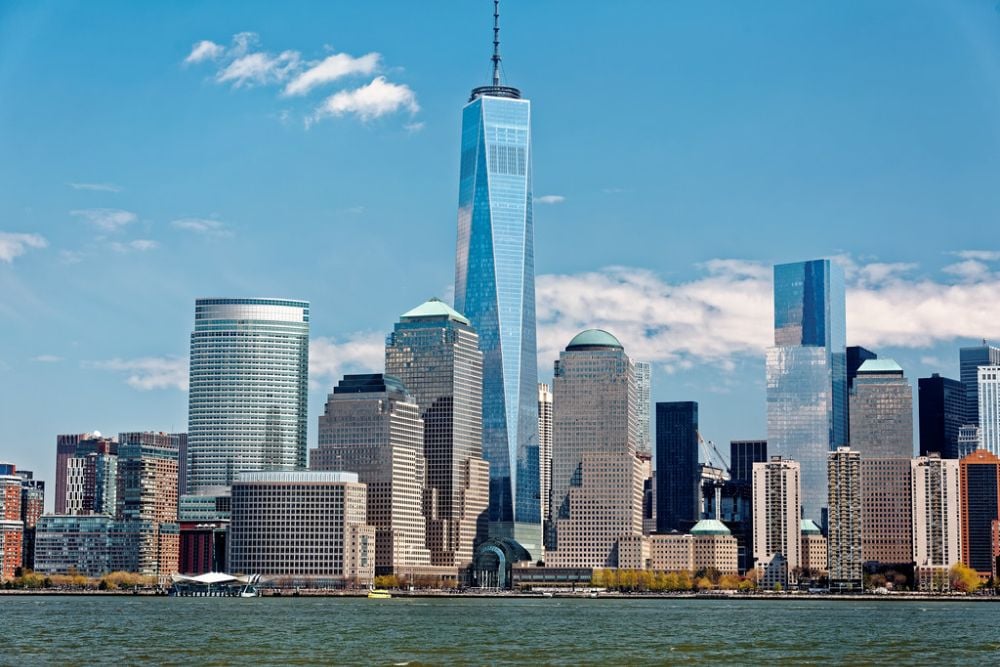
Shortly after the September 11 attacks, a shocking image circulated online showing a tourist standing on the World Trade Center observation deck with an airliner approaching in the background. The accompanying message claimed the photo was recovered from a camera found in the rubble.
The image was quickly debunked when numerous inconsistencies were identified. The man was later identified as Peter Guzli, a Hungarian who had taken the original photo in 1997 and added the airplane as dark humor to share with friends after 9/11.
Raising the Flag on Iwo Jima
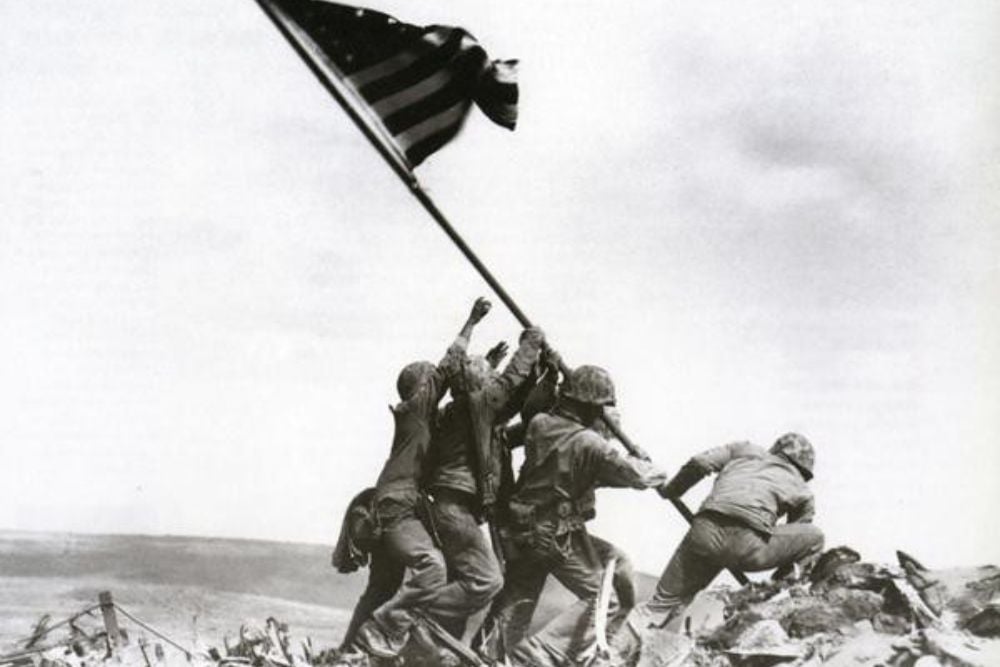
While not entirely fake, the famous photograph of Marines raising the American flag on Mount Suribachi wasn’t the original flag-raising. The iconic image captured by Joe Rosenthal was actually a re-enactment using a larger, more impressive flag after the initial, less dramatic flag-raising had already occurred.
Though Rosenthal denied specifically staging the pose, he did recognize the opportunity to capture a more visually striking version of an event that had already happened moments before.
Ulysses S. Grant at City Point
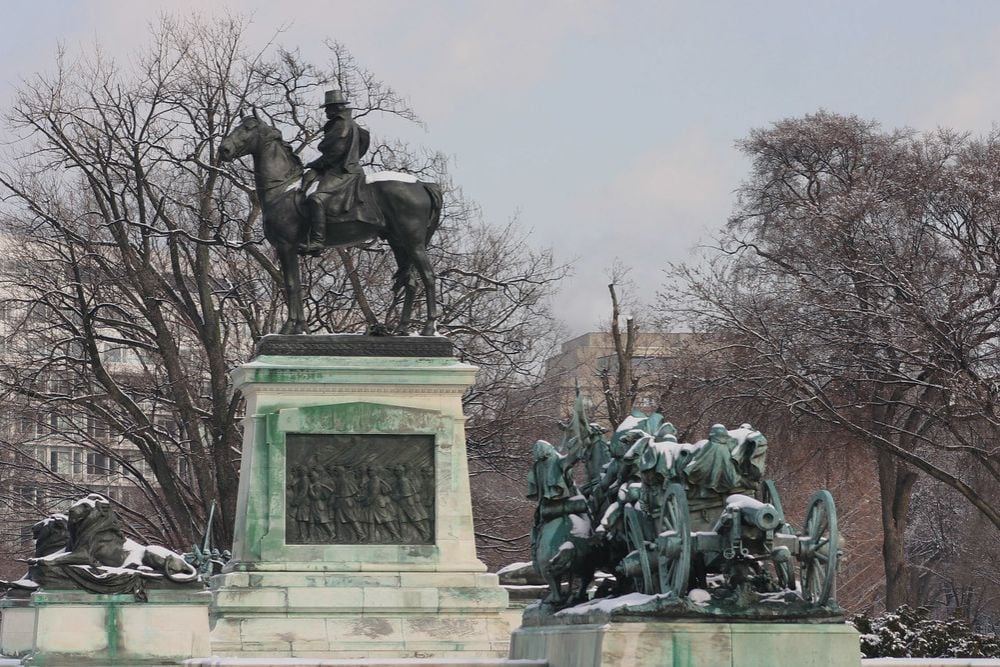
A celebrated Civil War photograph appears to show General Ulysses S. Grant on horseback in front of his troops at City Point, Virginia. Close analysis by the Library of Congress revealed the photo was manipulated, with Grant’s head placed onto another rider’s body in a composite of three separate photographs.
This alteration created a more heroic image of the Union general than any single authentic photograph could provide.
Mussolini’s Heroic Horseback Portrait
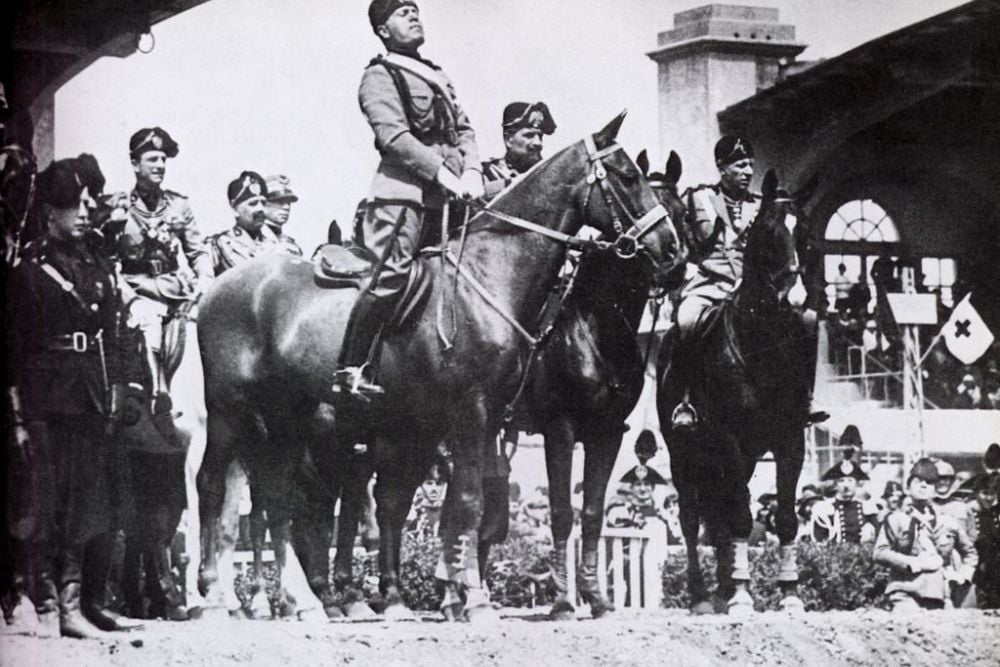
Italian dictator Benito Mussolini understood the power of imagery in building his cult of personality. In one manipulated portrait showing Mussolini mounted on a horse, the dictator had the horse handler removed from the original photograph to make himself appear more heroic and independent.
This alteration transformed an ordinary riding photo into propaganda supporting his image as a strong, commanding leader.
The Kent State Shooting Photograph
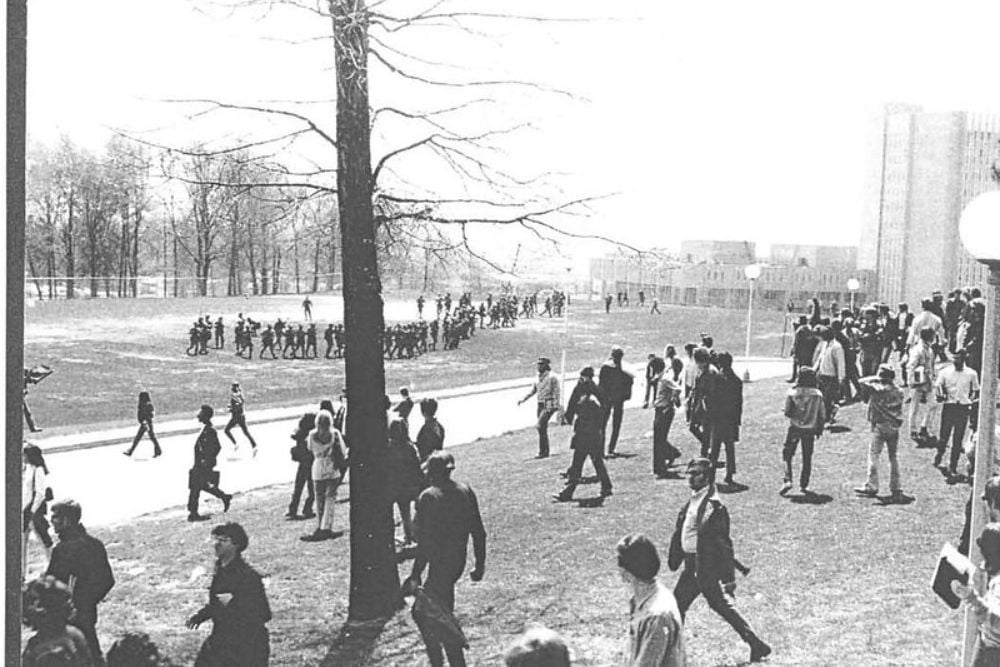
The Pulitzer Prize-winning photo of Mary Ann Vecchio kneeling over the body of Jeffrey Miller after the Kent State shootings is one of the most powerful images from the Vietnam War era. While the tragic scene itself was genuine, the widely circulated version had been altered by removing a distracting fence post behind Vecchio’s head before it was published in Life magazine.
This subtle change enhanced the emotional impact without fundamentally changing the documented event.
General Sherman and His Generals
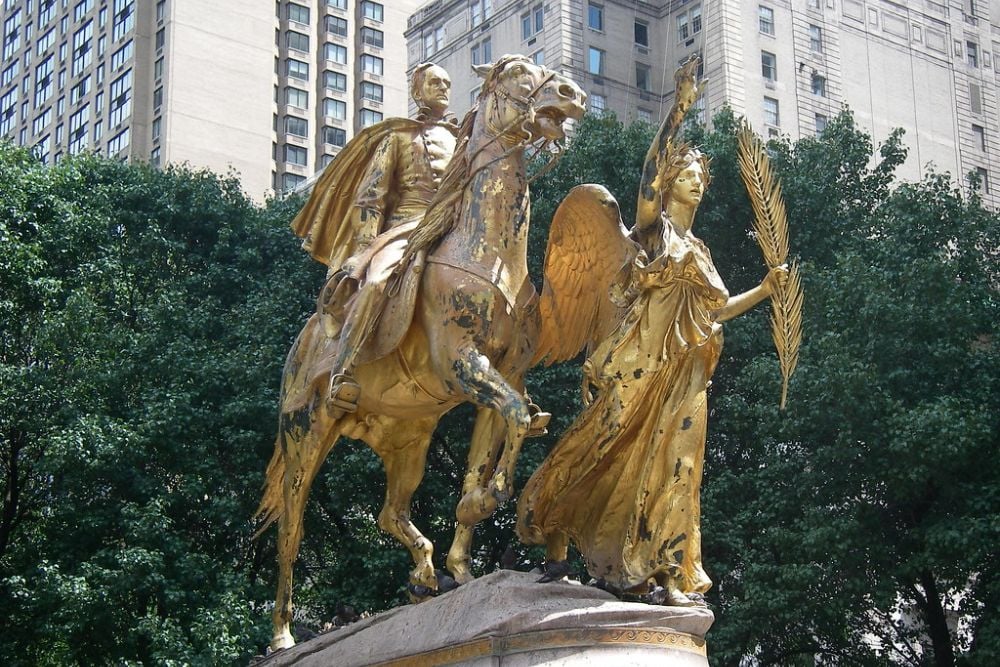
In a famous Civil War photograph by Mathew Brady showing General William Tecumseh Sherman with his generals, something isn’t quite right. General Francis P. Blair, standing far right in the group portrait, wasn’t actually present for that particular shot.
His image was taken from another photograph from the same session and added later. This early composite created the illusion of all the generals being together in one definitive group portrait.
Hitler’s Doctored Photos
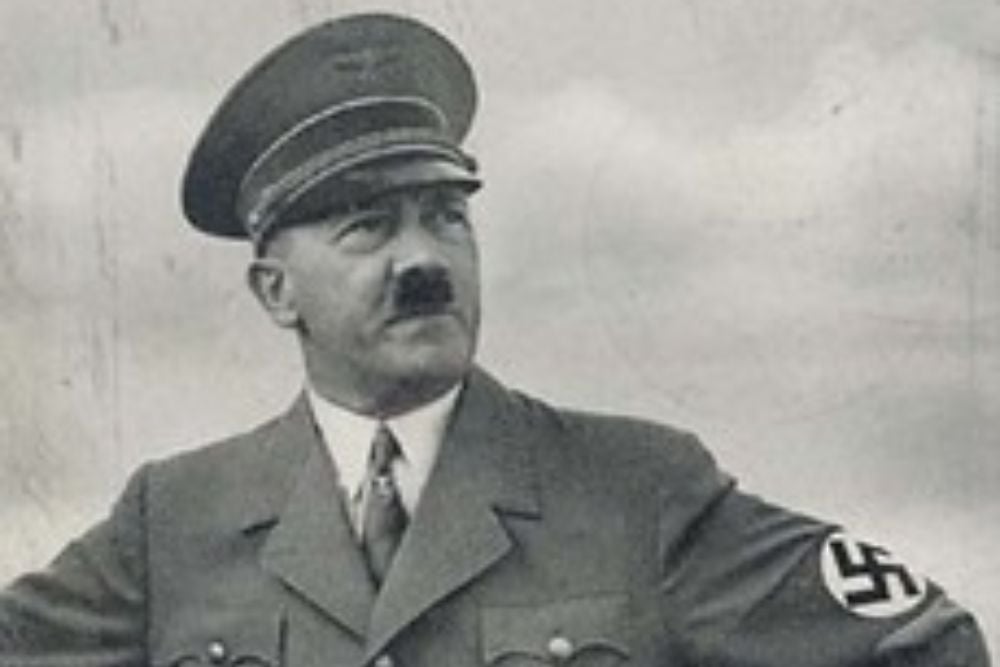
Adolf Hitler, like other dictators, was not above manipulating images for propaganda purposes. In one notorious example, Hitler had propaganda minister Joseph Goebbels removed from a group photograph, though historians are still unclear exactly why Goebbels temporarily fell out of favor.
The Nazi regime regularly altered photographs to better align with their preferred narrative and to remove individuals who had lost Hitler’s approval.
National Geographic’s Pyramids
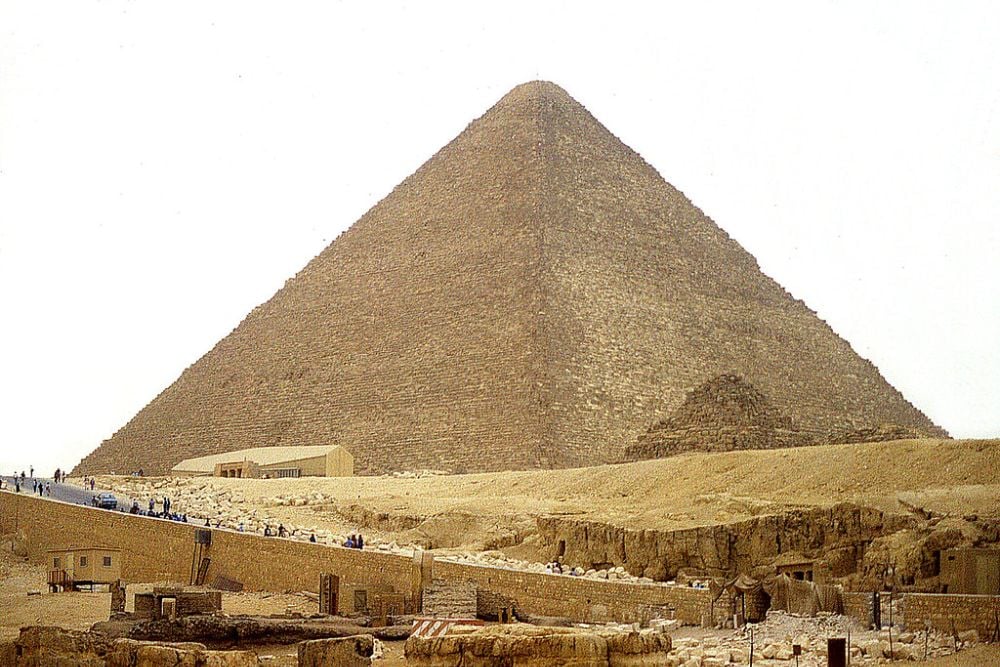
Even respected institutions can fall prey to the temptation of photo manipulation. In 1982, National Geographic’s February issue featured a cover showing the Great Pyramids of Giza that had been digitally altered to fit the magazine’s vertical format, bringing the pyramids closer together than they appear in reality.
When discovered, this manipulation by such a trusted source of documentary photography caused significant controversy about journalistic ethics.
Mao Tse-tung’s Political Removals

Chinese leader Mao Tse-tung followed Stalin’s example in erasing political enemies from photographs. In one early photograph from 1936, Mao had his former ally Po-Ku completely airbrushed out after the man was no longer useful to his Communist regime.
This practice of visual revisionism became common in totalitarian regimes as a way to control not just the present but also perceptions of the past.
The Soviet Flag Over the Reichstag
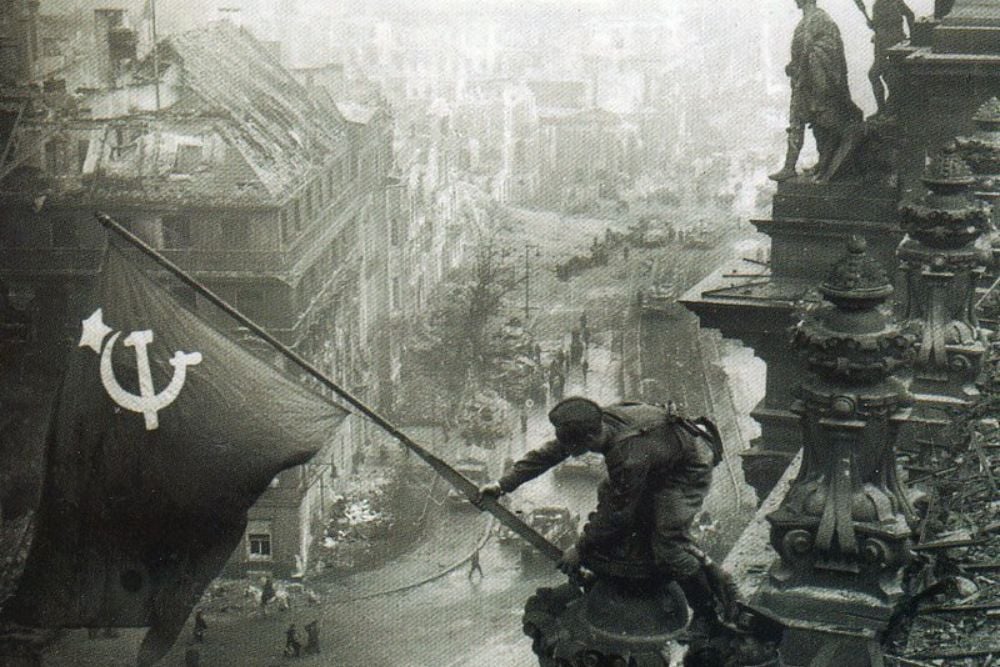
The iconic image of a Soviet soldier raising the flag over the Reichstag in Berlin symbolized the defeat of Nazi Germany. However, this photograph was staged by photographer Yevgeny Khaldei, who was inspired by the American Iwo Jima picture taken weeks earlier.
Beyond being staged, the Kremlin later ordered further manipulations: enhancing the flag to appear less improvised, adding more smoke on the horizon, and removing a second wristwatch from the soldier’s arm (presumably looted) to preserve the scene’s ideological purity.
The 2004 Kerry-Fonda Anti-War Rally
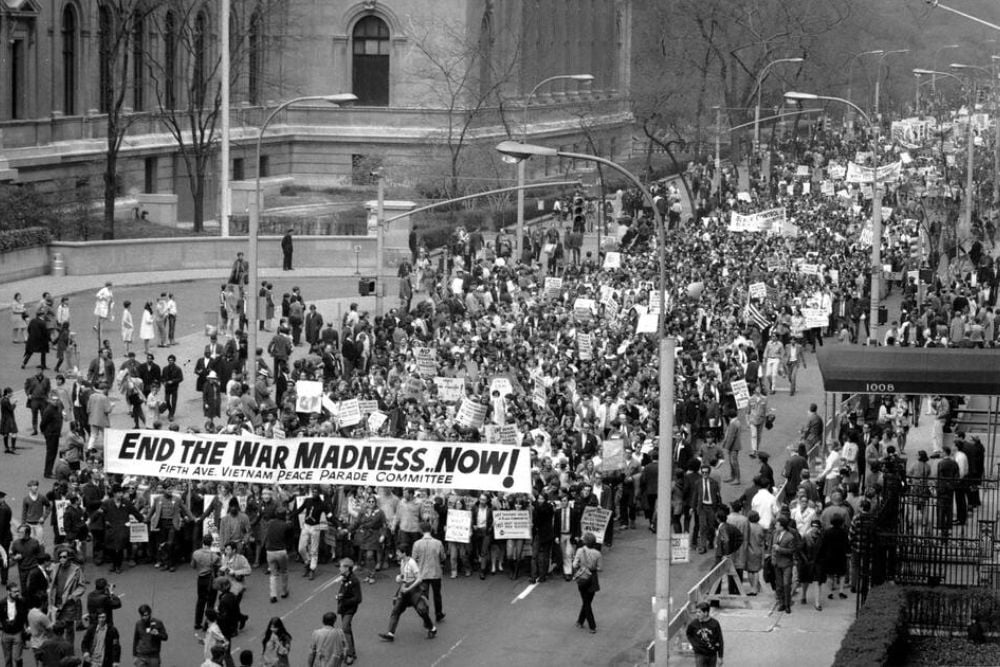
During the 2004 U.S. presidential campaign, a controversial photograph surfaced showing candidate John Kerry and Jane Fonda speaking together at an anti-Vietnam War rally. The image caused serious controversy until Kerry’s campaign team proved it was a composite created by combining separate photos of Kerry and Fonda from different events.
This politically motivated manipulation attempted to damage Kerry’s campaign by fabricating a closer association with the controversial activist than actually existed.
The Valley of the Shadow of Death

One of the earliest war photographs, Roger Fenton’s 1855 image from the Crimean War titled “The Valley of the Shadow of Death,” shows a road strewn with cannonballs. Documentary filmmaker Errol Morris discovered in 2007 that Fenton had taken another picture of the same scene showing the cannonballs only in the ditches, not on the road itself.
This suggests Fenton arranged the cannonballs on the road to create a more dramatic image of warfare’s aftermath.
Kim Jong-il’s Health Photos
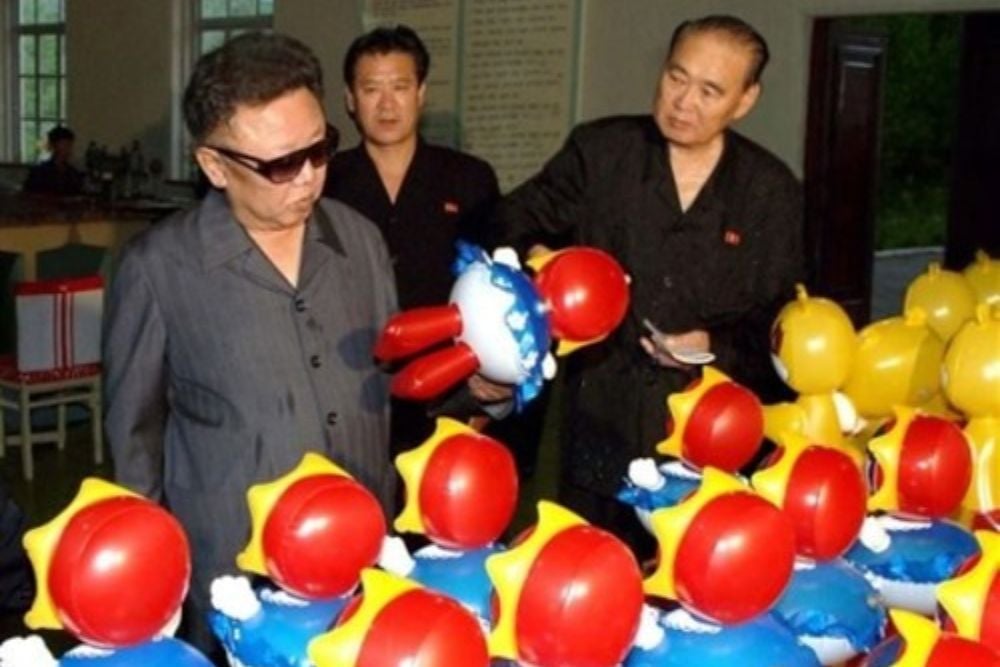
After North Korean leader Kim Jong-il suffered a stroke in 2008, the government sought to project an image of his continued vitality. In November that year, North Korean state media published photos purportedly showing Kim standing with dozens of Korean soldiers.
Analysis by international media suggested that at least one of these photos had been digitally manipulated to give a false impression of Kim’s recovery, helping maintain the illusion of strong leadership during his declining health.
Malaysian Flight MH17 Photographs

After Malaysia Airlines Flight 17 was shot down over Ukraine in 2014, killing all 298 people aboard, Russian state television aired satellite images allegedly showing a Ukrainian fighter jet firing on the passenger plane. These images were quickly identified by experts as “crude fakes” designed to shift blame away from Russian-backed separatists.
This manipulation represented a particularly cynical use of fake imagery to create an alternative narrative around a tragic event.
Narendra Modi’s Chennai Flood View
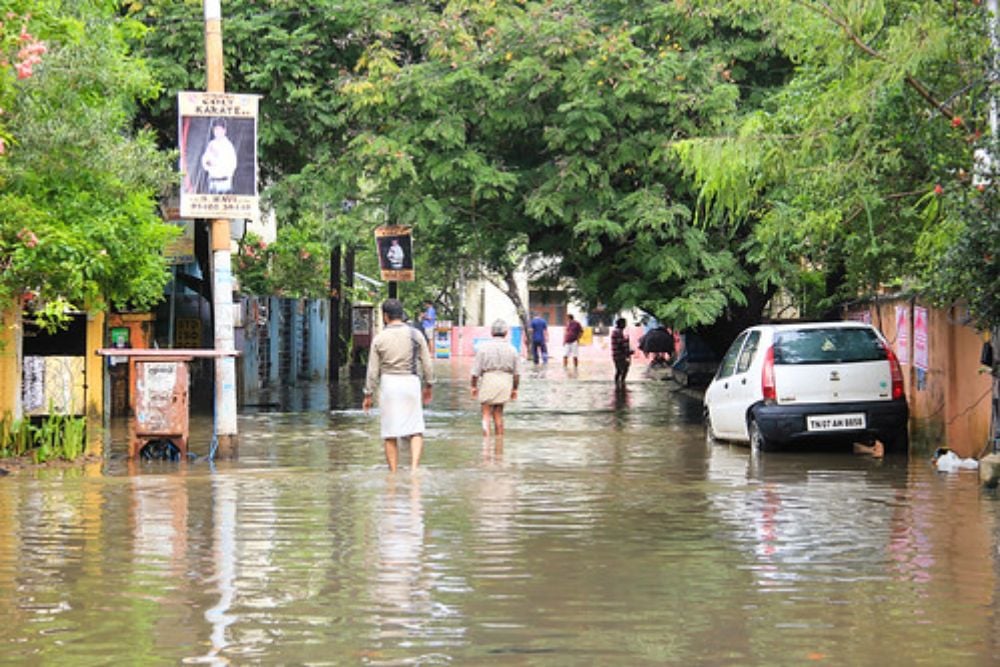
In 2015, India’s Press Information Bureau was widely criticized after tweeting a photo of Prime Minister Narendra Modi looking out an airplane window with a crudely inserted image of Chennai flooding visible through the window. The obvious manipulation was meant to show the leader personally surveying flood damage, but instead became an embarrassment when social media users quickly spotted the poor editing and created mocking parodies.
The bureau eventually deleted the tweet and described it as an “error of judgment.”
Photography’s Complicated Truth
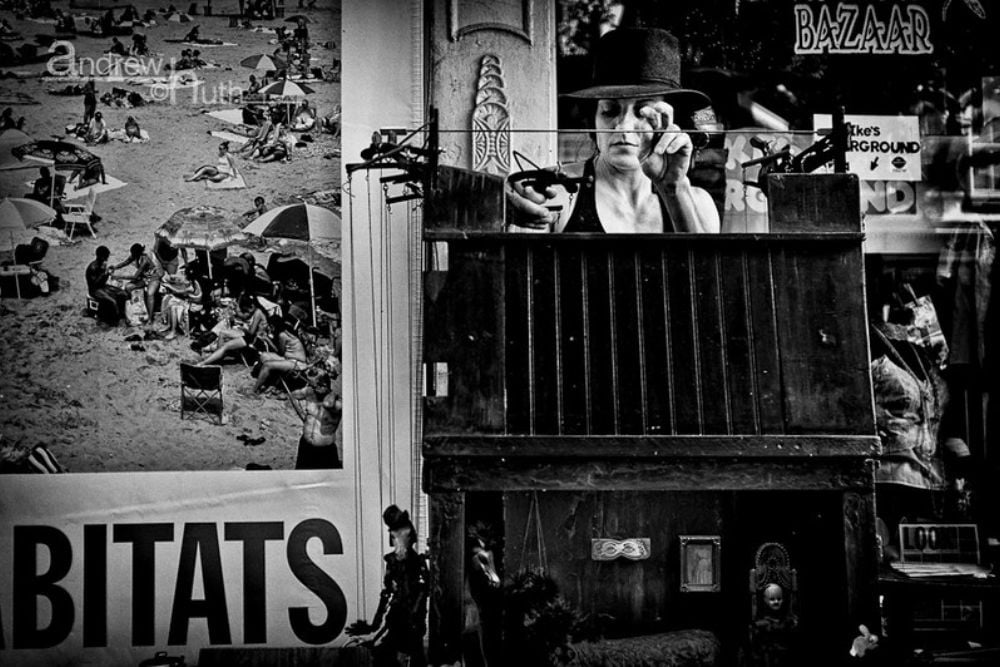
The history of manipulated photographs reminds us that the camera can lie, despite the old saying. From early darkroom techniques to modern digital tools, images have been altered to serve political agendas, create more compelling narratives, or simply make history appear more dramatic than reality.
While today’s technology makes detecting fakes easier, it also enables more sophisticated manipulation. The photos in this list stand as reminders to approach historic imagery with a critical eye, recognizing that what we see isn’t always what actually happened.
More from Go2Tutors!

- The Romanov Crown Jewels and Their Tragic Fate
- 13 Historical Mysteries That Science Still Can’t Solve
- Famous Hoaxes That Fooled the World for Years
- 15 Child Stars with Tragic Adult Lives
- 16 Famous Jewelry Pieces in History
Like Go2Tutors’s content? Follow us on MSN.