14 Things To Know About The Suez Canal
The Suez Canal is one of those things that doesn’t normally come up in everyday conversations but is important in the way it affects global trade in a significant manner. Situated in Egypt, the canal connects the Mediterranean Sea to the Red Sea and essentially provides a direct link between Europe and Asia.
Without the canal, shipping would have to go around the tip of Africa, and this is what gives the canal its importance beyond simply providing a shortcut for shipping. Over time, the canal has become much more than that—it is a statement piece for engineering, politics, and economics.
Here’s a breakdown of the key facts about the canal that gives us an idea of its importance today.
It Connects Two Major Seas
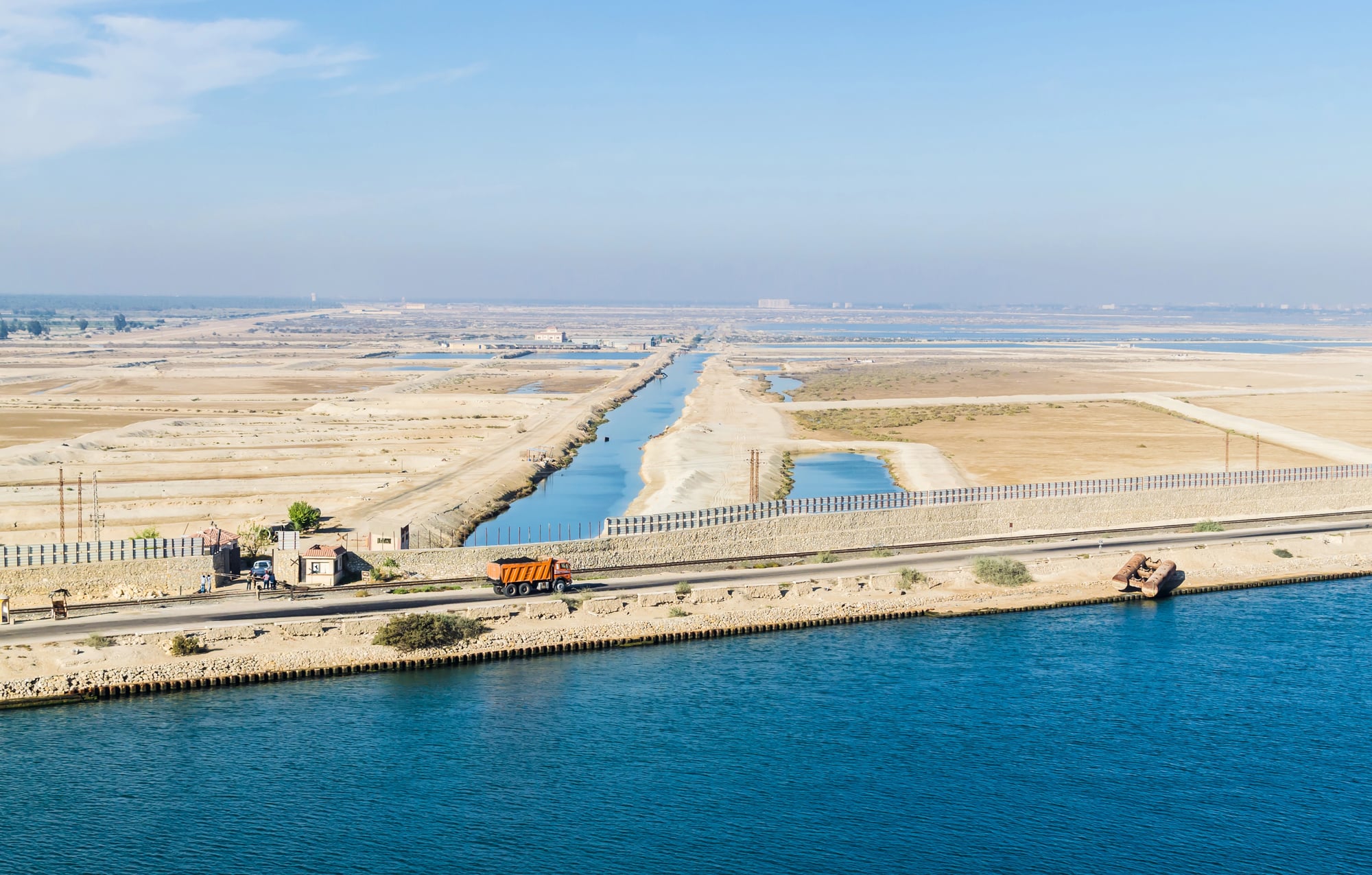
The Suez Canal links the Mediterranean Sea to the Red Sea, creating a direct maritime passage between Europe and Asia. This connection eliminates the need for ships to navigate the long route around Africa.
The canal effectively bridges two major bodies of water, making it one of the most strategically important waterways in the world. It allows goods to move faster and more efficiently between continents.
Still, its value lies not just in geography but in the time it saves for global trade.
It Dramatically Reduces Travel Distance
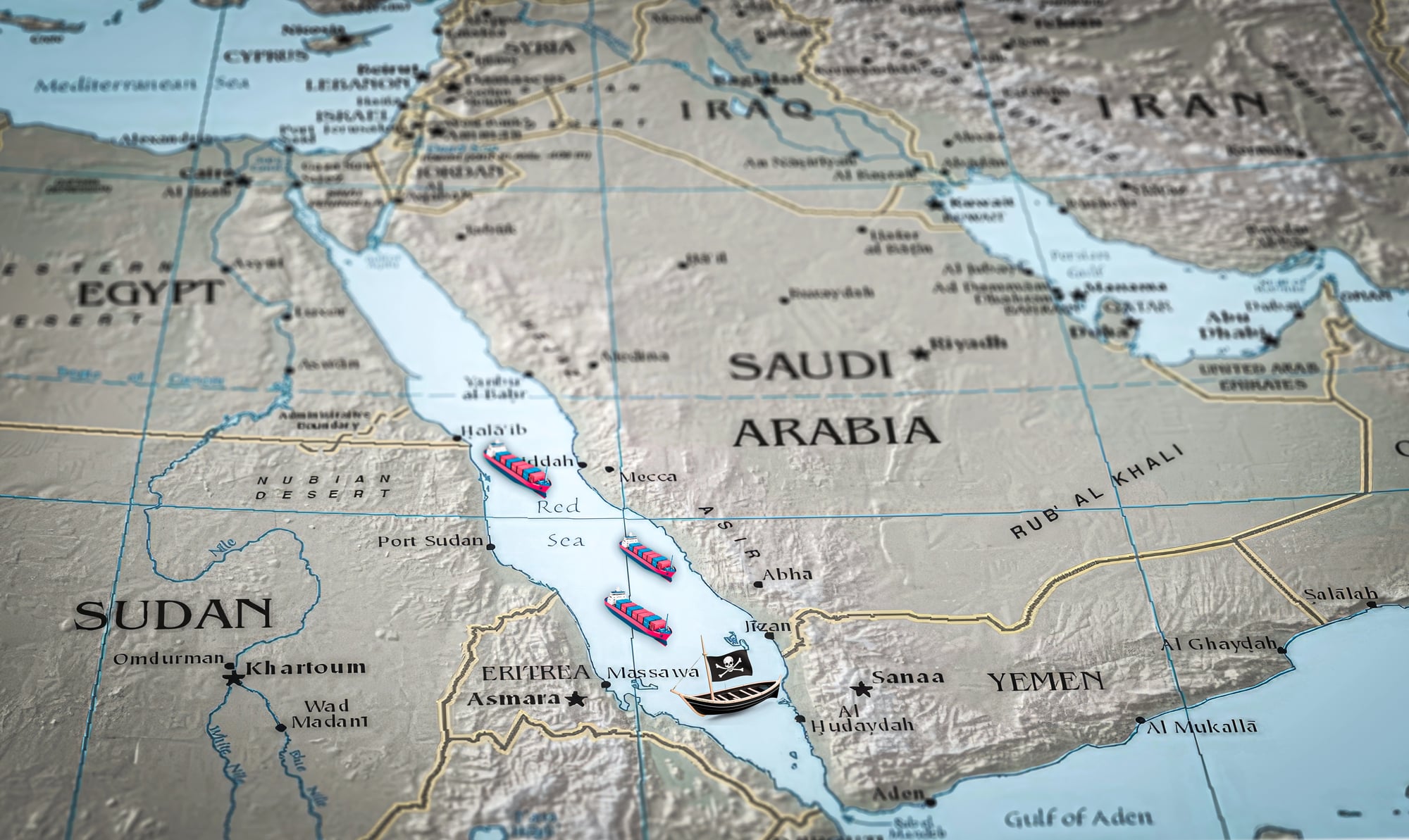
Before the canal opened, ships traveling between Europe and Asia had to sail around the Cape of Good Hope. This journey added thousands of miles and significantly increased travel time.
By using the canal, ships can cut that distance by roughly 4,000 to 6,000 miles depending on the route. This translates into major savings in fuel and operational costs.
That said, the canal’s efficiency is one of the main reasons it remains heavily used today.
It Opened In 1869

The Suez Canal officially opened in 1869 after years of construction. It was one of the most ambitious engineering projects of its time.
The canal quickly became a vital trade route, transforming global shipping patterns almost immediately. Its opening marked a shift toward faster and more direct maritime travel.
Even so, its early years were shaped by political and financial challenges that influenced its future.
It Is A Sea-Level Canal
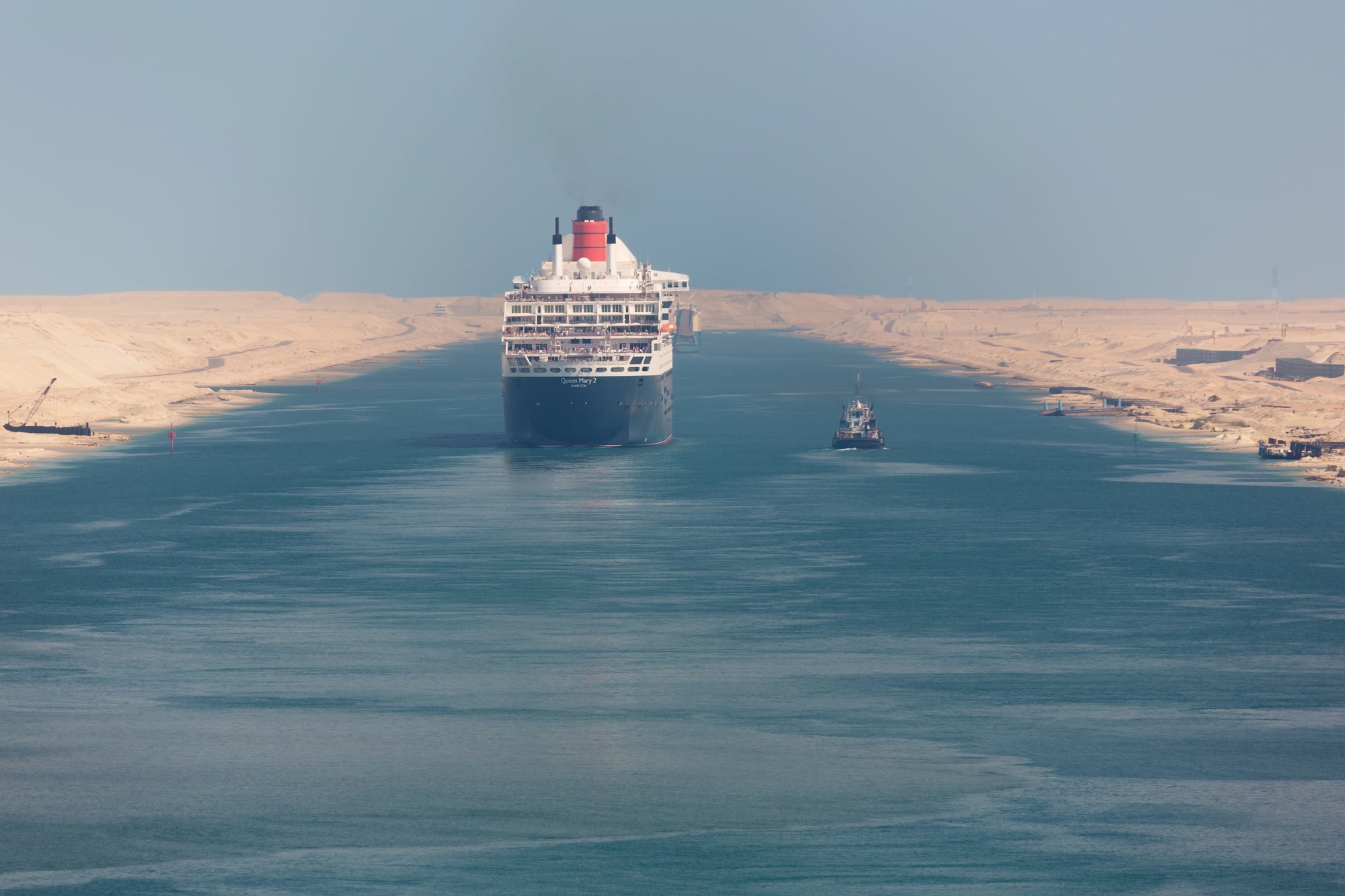
Unlike some canals that use locks to raise and lower ships, the Suez Canal operates at sea level. This means ships can pass through without the need for complex elevation systems.
The absence of locks allows for a more continuous flow of traffic, reducing delays and simplifying navigation. It also makes the canal unique compared to others like the Panama Canal.
Still, managing traffic in a narrow, lock-free canal presents its own challenges.
It Handles A Significant Portion Of Global Trade

A substantial share of global trade passes through the Suez Canal each year. It is especially important for transporting oil, natural gas, and manufactured goods.
The canal’s role in global logistics means that even minor disruptions can have widespread effects. Shipping schedules, supply chains, and prices can all be impacted.
That said, its importance continues to grow as global trade expands.
The Canal Has Been Expanded
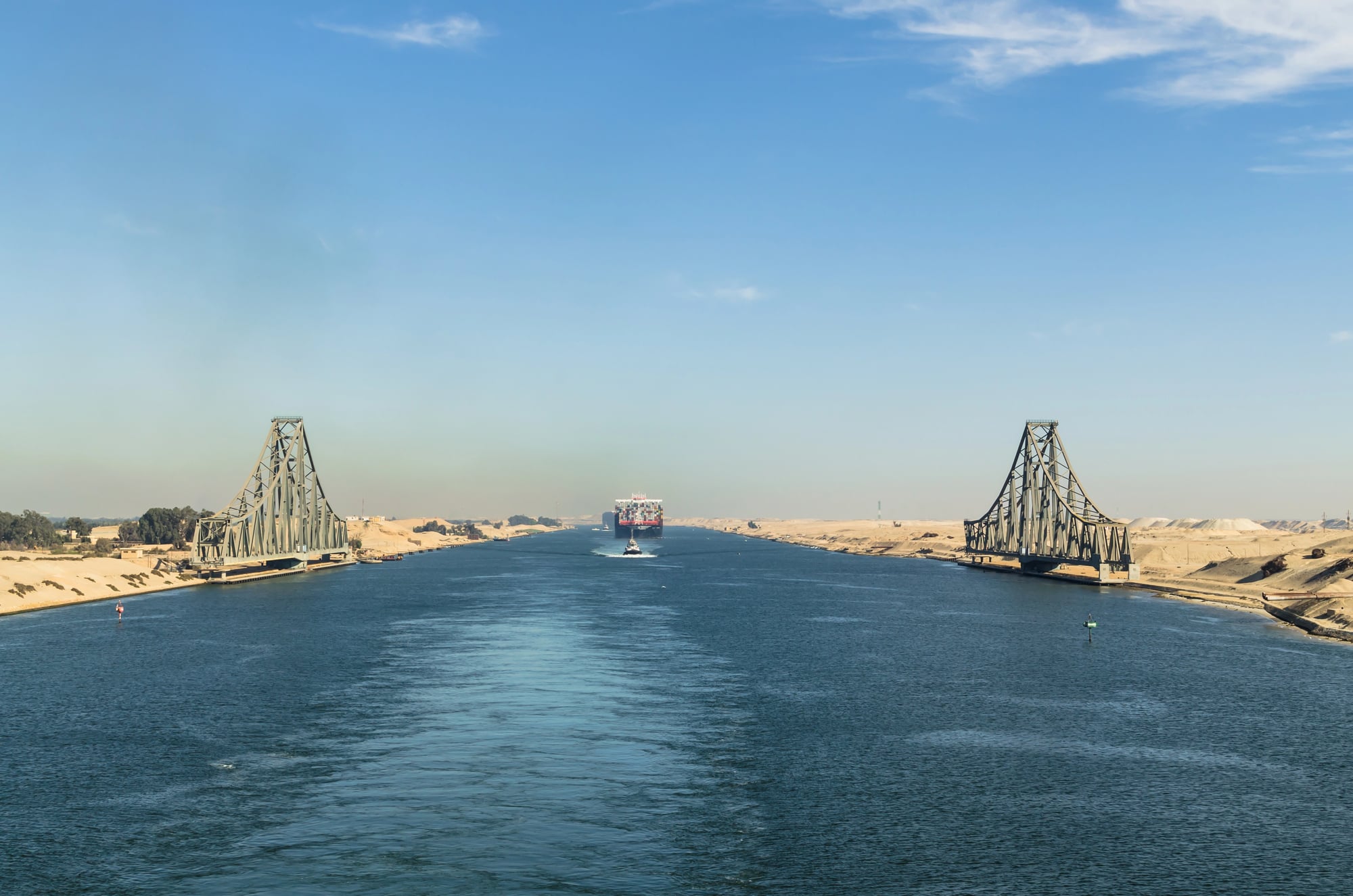
Over time, the Suez Canal has undergone several expansions to accommodate larger ships and increased traffic. One of the most notable projects was completed in 2015, adding a new parallel channel in parts of the route.
This expansion allowed for two-way traffic in certain sections, improving efficiency and reducing waiting times. It also increased the canal’s overall capacity.
Even so, ongoing improvements are needed to keep pace with modern shipping demands.
It Has No Locks But Strict Traffic Control

While the canal does not use locks, it relies on a carefully managed traffic system. Ships often travel in convoys, entering the canal at scheduled times.
This system helps prevent congestion and ensures safe passage through narrow sections. Pilots with local expertise assist vessels during transit.
Still, coordination is essential to maintain smooth operations in such a busy waterway.
It Has Been The Site Of Major Historical Events

The Suez Canal has played a central role in several historical events, including conflicts and political disputes. Its strategic importance has made it a focal point for international attention.
Control over the canal has often been linked to broader geopolitical interests. Decisions made around it have had global implications.
That said, its history reflects the intersection of trade, politics, and power.
It Generates Significant Revenue For Egypt

The canal is a major source of income for Egypt, generating billions of dollars annually through transit fees. Ships pay to pass through, contributing to the country’s economy.
This revenue supports national development and infrastructure projects. The canal’s financial importance is closely tied to global trade activity.
Even so, maintaining and upgrading the canal requires continuous investment.
It Can Accommodate Massive Ships
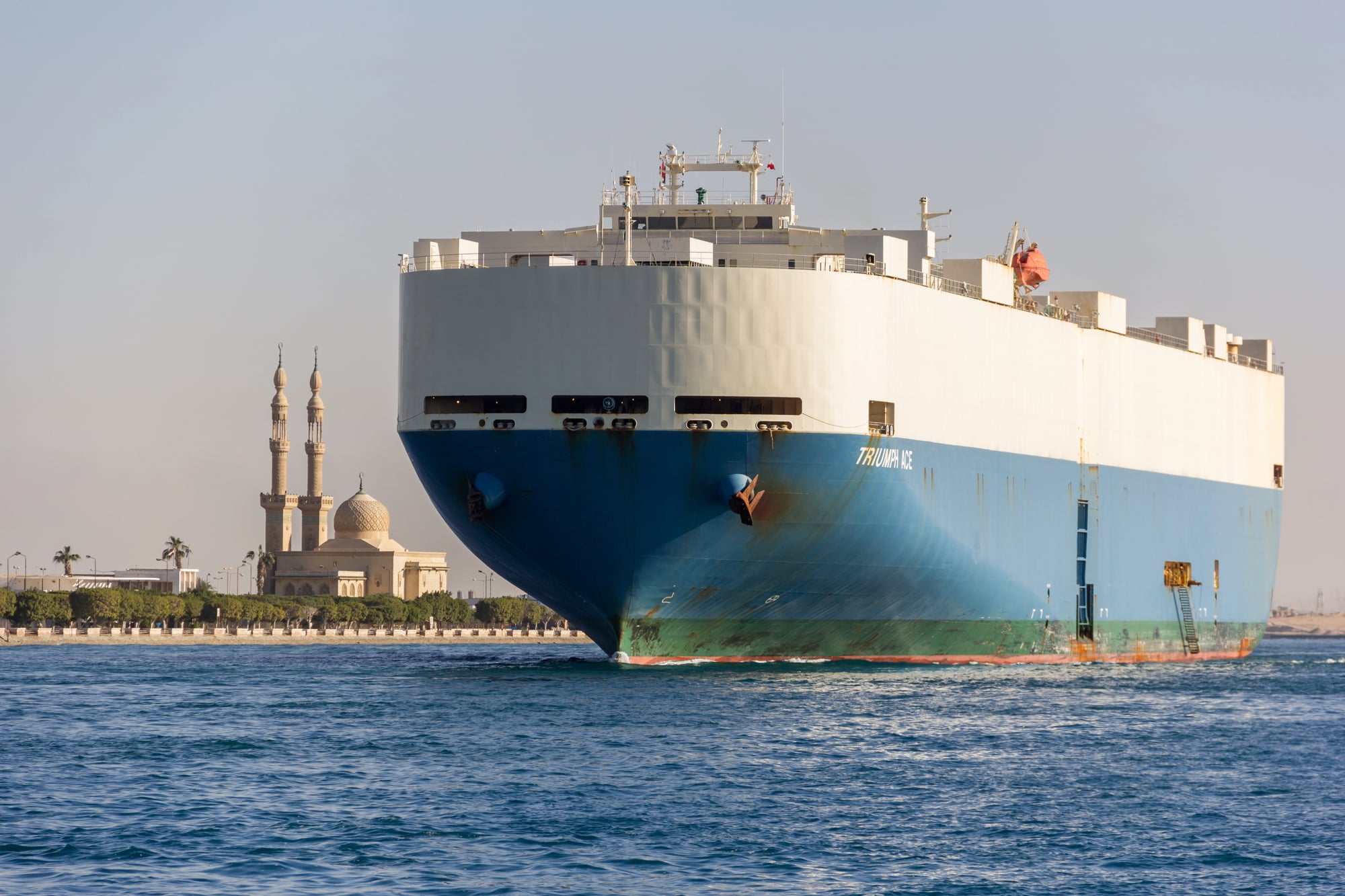
Modern versions of the canal are designed to handle some of the largest ships in the world. Container vessels, oil tankers, and bulk carriers regularly pass through.
The ability to accommodate these ships is essential for keeping global trade efficient. Larger vessels mean more goods can be transported in a single trip.
Still, size limitations remain a consideration for certain routes and vessels.
The Ever Given Blockage Highlighted Its Importance
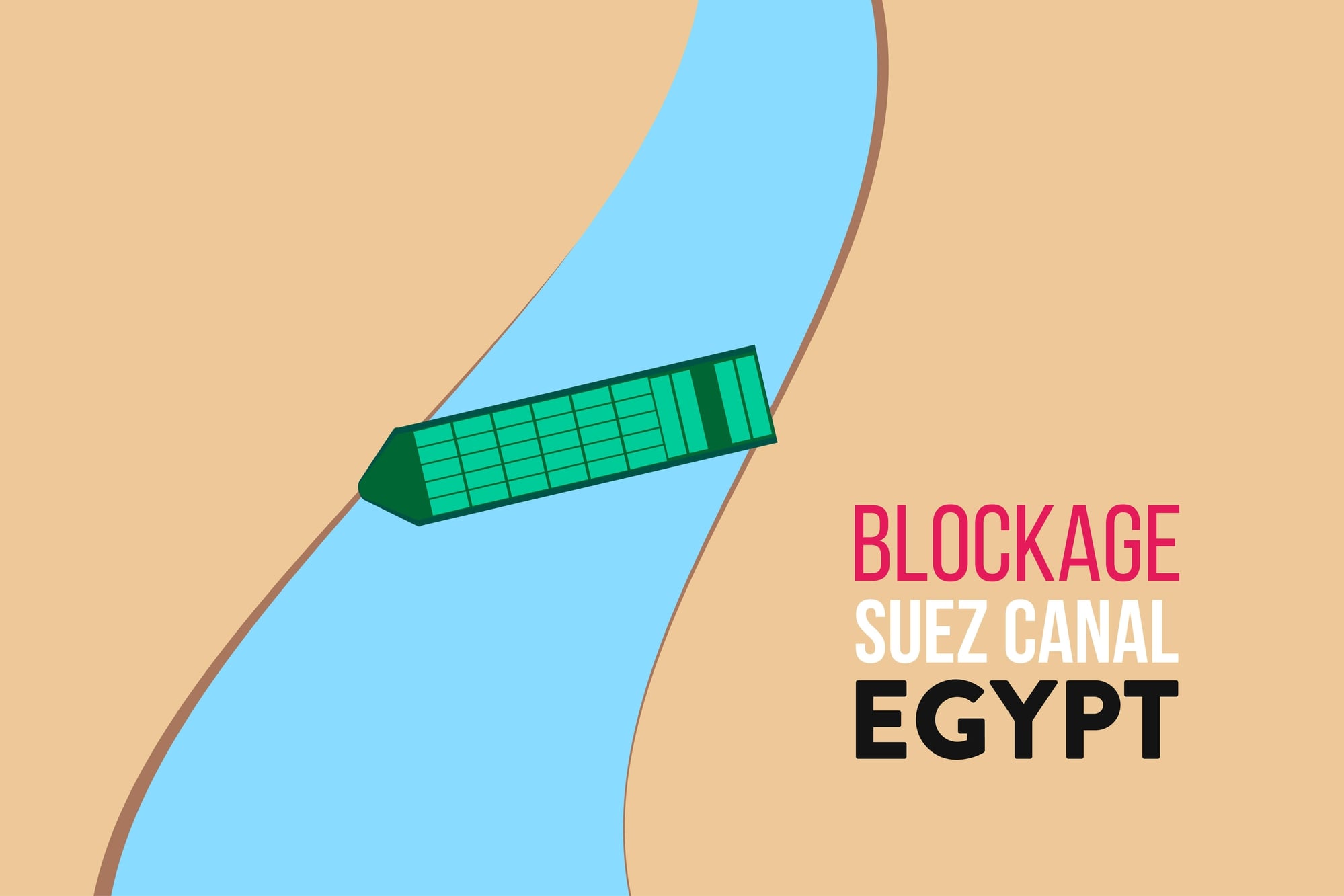
In 2021, the container ship Ever Given became stuck in the canal, blocking traffic for several days. The incident drew global attention and disrupted trade on a massive scale.
Hundreds of ships were delayed, and supply chains felt the impact almost immediately. The blockage demonstrated how dependent the world is on this single route.
That said, the event also led to renewed discussions about infrastructure and risk management.
It Operates Day And Night

The Suez Canal functions around the clock, allowing ships to pass through at all hours. This continuous operation maximizes its capacity and efficiency.
Advanced navigation systems and lighting support safe travel during nighttime conditions. The canal’s ability to operate nonstop is crucial for global logistics.
Still, managing constant traffic requires careful coordination and oversight.
It Has Environmental Challenges

Heavy shipping traffic brings environmental concerns, including pollution and the risk of accidents. The canal also allows marine species to move between seas, affecting ecosystems.
Efforts are ongoing to address these challenges and minimize environmental impact. Regulations and monitoring aim to protect surrounding areas.
Even so, balancing economic benefits with environmental responsibility remains an ongoing task.
It Influences Global Shipping Costs

Transit fees, fuel savings, and travel time all contribute to the canal’s impact on shipping costs. Companies factor these elements into their logistics planning.
Changes in canal conditions or pricing can influence global trade patterns. Shipping routes may shift depending on economic considerations.
That said, the canal remains one of the most cost-effective options for many routes.
It Remains A Critical Global Artery
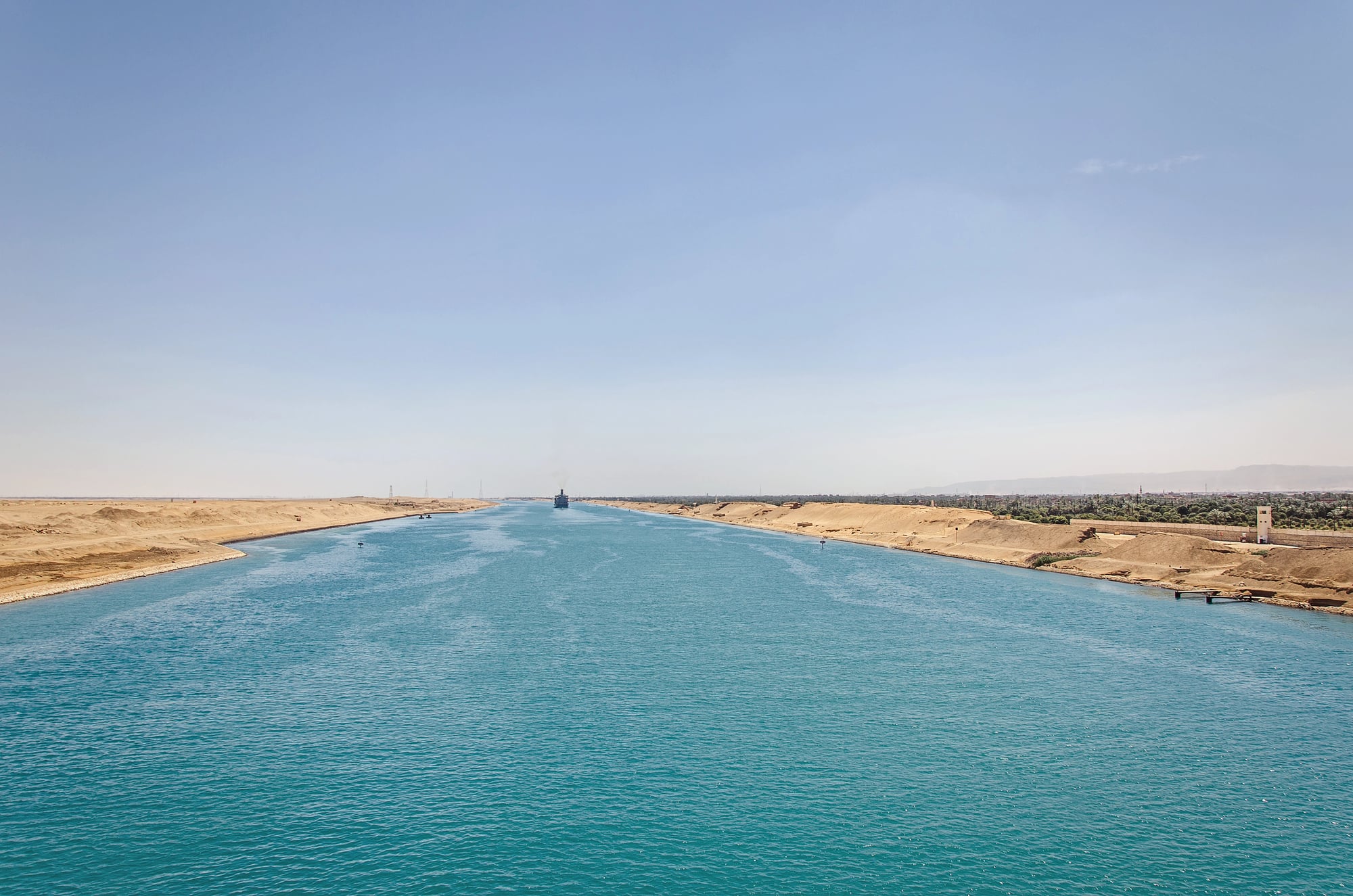
Even as tech shifts and markets adapt, ships still rely on the Suez Canal. Because of where it sits, its importance sticks around – even when everything else changes.
Across vast distances it links communities while boosting trade through large-scale freight flow. Lasting influence like this is rare among engineering works.
Eventually, the path carved by water through sand shows how land and human design together steer trade long after they’re built.
More from Go2Tutors!

- The Romanov Crown Jewels and Their Tragic Fate
- 13 Historical Mysteries That Science Still Can’t Solve
- Famous Hoaxes That Fooled the World for Years
- 15 Child Stars with Tragic Adult Lives
- 16 Famous Jewelry Pieces in History
Like Go2Tutors’s content? Follow us on MSN.