18 Historic Shipwrecks Found Decades After They Vanished
Ships disappear beneath the ocean and seem to vanish from existence entirely. Decades or even centuries later, explorers using advanced sonar and submersibles discover the wrecks preserved in cold ocean depths or buried under sand and sediment.
The discovery of a shipwreck is like finding a time capsule—the ship is exactly as it was the moment it sank, with artifacts revealing how people lived, worked, and traveled in eras long past. The following 18 shipwrecks were thought to be lost forever before explorers found them decades or more after they went missing, recovering precious evidence of naval history.
The Titanic, Found 1985
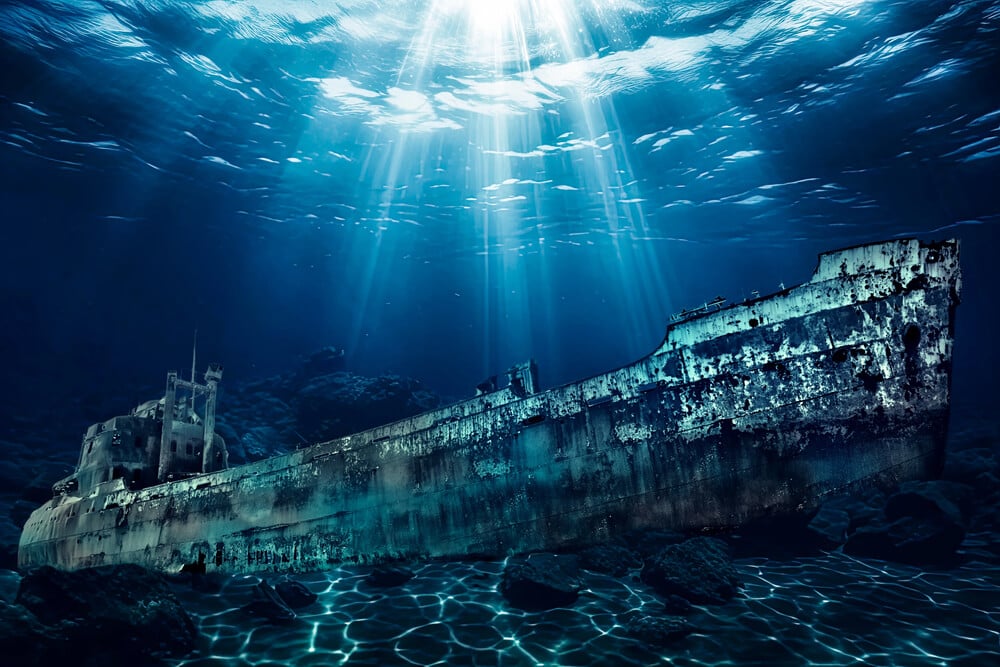
The Titanic sank in 1912 after striking an iceberg in the North Atlantic, yet the wreck remained undiscovered for 73 years despite thousands of search expeditions. When explorer Robert Ballard finally located the ship on September 1, 1985, at a depth of 12,500 feet, the discovery revolutionized underwater exploration technology and methodology.
The ship’s condition revealed the violence of the sinking, preserved in the cold ocean depths, with the bow and stern sections separated and scattered across the seafloor.
The Mary Rose, Found 1971
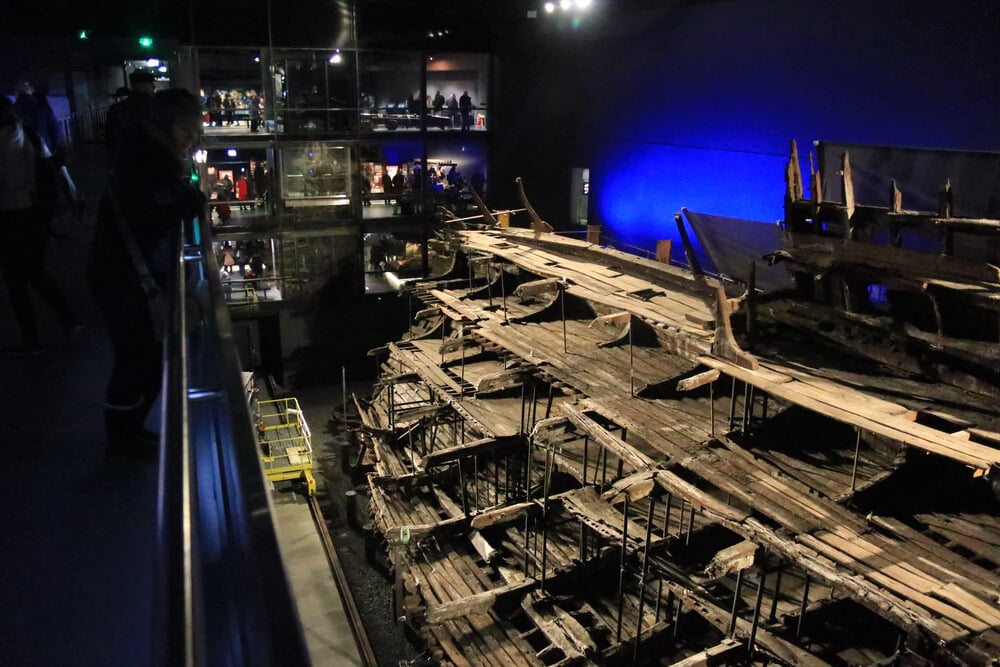
King Henry VIII’s flagship Mary Rose sank in 1545 during a battle off the English coast and lay at the bottom of the Solent for 426 years before being raised in 1971. The preserved wood and artifacts, including weapons, clothing, and personal belongings of Tudor sailors, provided extraordinary insight into 16th-century naval life and warfare.
The ship had been entirely forgotten by the time of its discovery, making the recovery seem almost impossible to those who had given up hope of ever finding it.
The Vasa, Found 1961
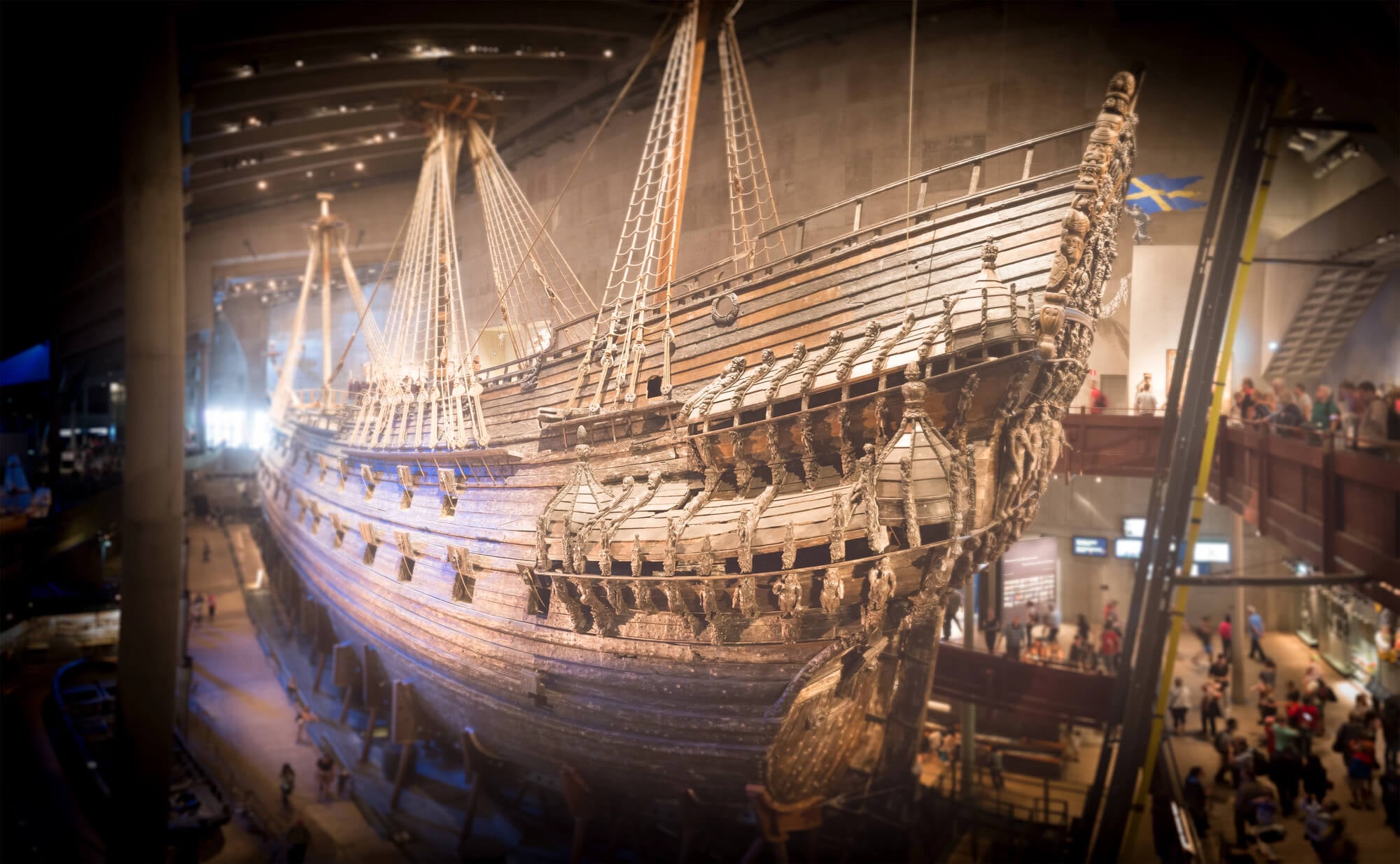
The Swedish warship Vasa sank on her maiden voyage in 1628 after sailing less than a mile from Stockholm, and the wreck lay undisturbed for 333 years before being raised in 1961. The ship was preserved so well in the cold, brackish Baltic waters that archaeologists could study its construction techniques, wood samples, and even the artwork carved into its hull.
Its discovery revolutionized understanding of 17th-century shipbuilding practices and naval design, making it one of the most completely preserved warships ever found.
The Edmund Fitzgerald, Found 1975
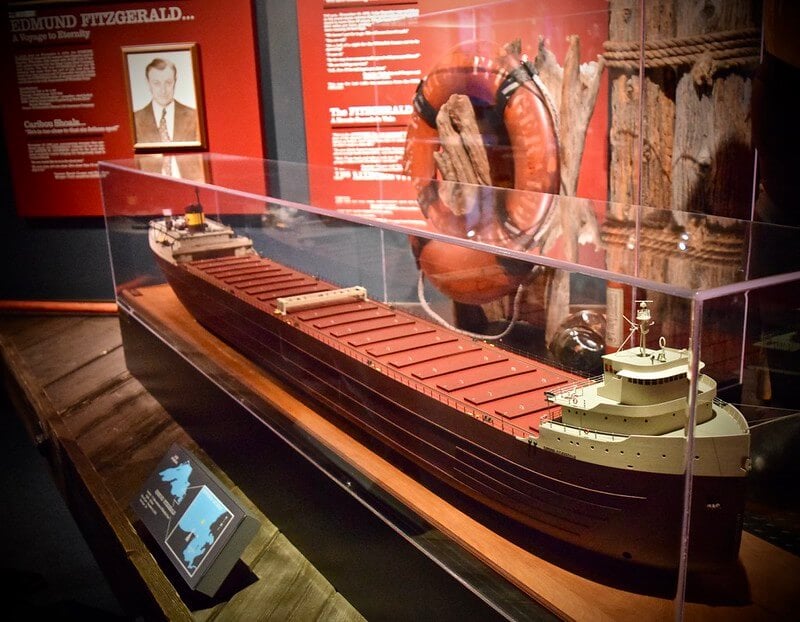
The Edmund Fitzgerald, a freighter carrying taconite ore, sank in Lake Superior on November 10, 1975, during a severe storm, and was located within weeks at a depth of 530 feet. Photographs from the wreck revealed the ship’s destruction was so severe that determining the precise cause of the sinking—whether due to structural failure, water on deck, or a combination of factors—remained uncertain despite the visual evidence.
The wreck’s discovery brought some closure to the families of the 29 crew members who perished in the disaster.
USS Arizona, Pearl Harbor, 1941
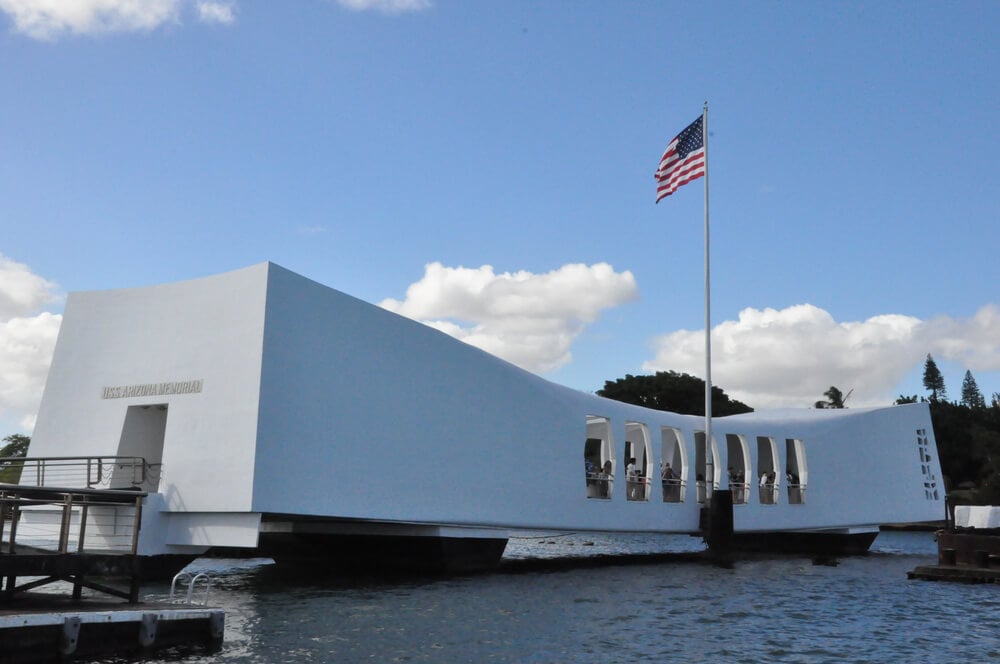
The USS Arizona sank during the Japanese attack on Pearl Harbor on December 7, 1941, with 1,177 of its 1,177 crew members dying in the attack and remaining entombed in the ship. The wreck was located quickly in the shallow harbor waters, but the remains of over 1,000 sailors trapped in the vessel have remained there ever since, making the ship a war grave and memorial.
The USS Arizona Memorial, established above the wreck, honors those who died and serves as a reminder of the attack that brought the United States into World War II.
The Nuestra Señora de Atocha, Found 1985
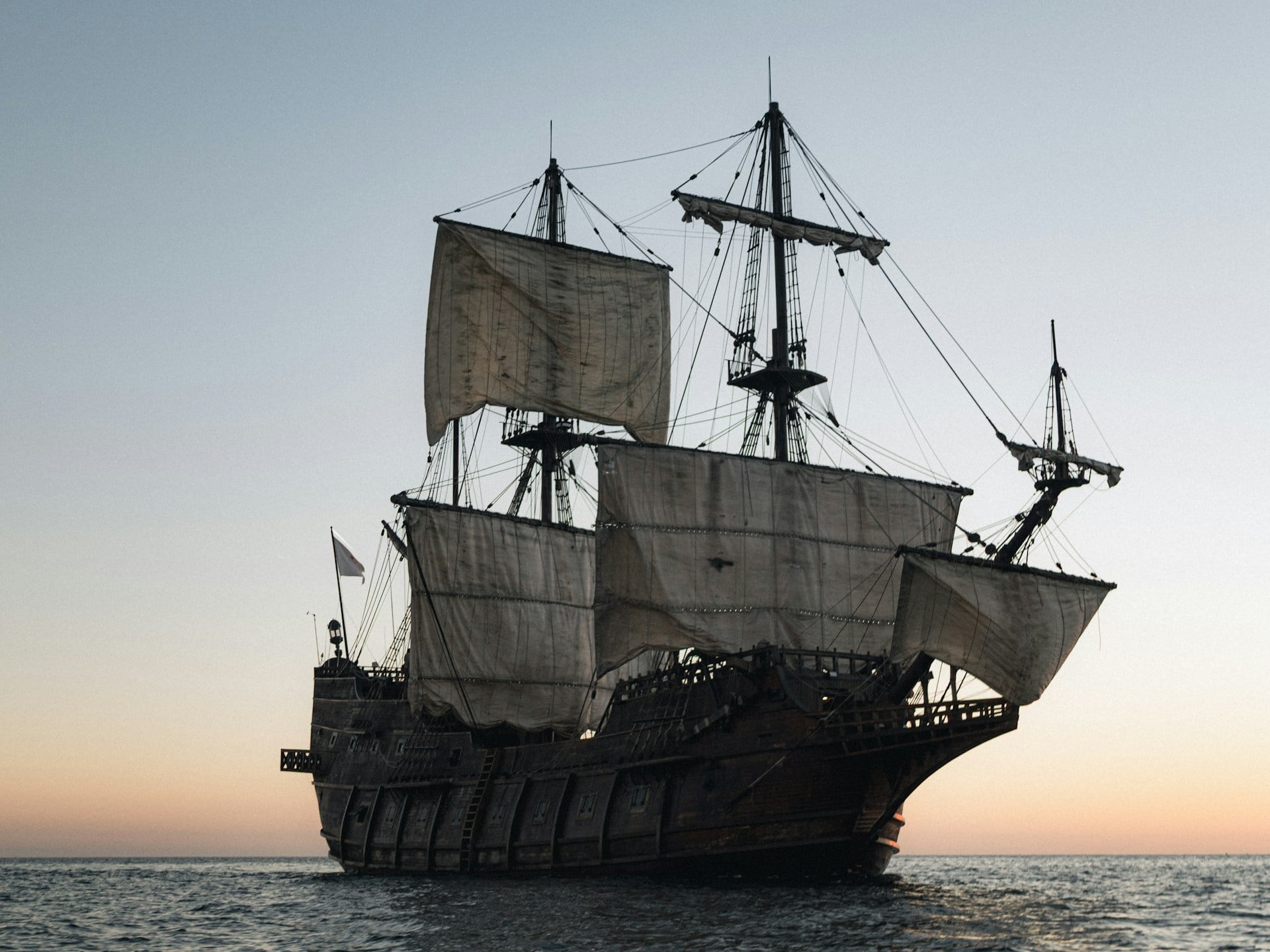
The Spanish galleon Atocha sank in 1622 after being caught in a hurricane off the Florida Keys while carrying a cargo of silver, gold, and emeralds, and was not found until 363 years later. Treasure hunter Mel Fisher spent decades searching for the wreck, facing bankruptcy and personal tragedy before his persistence finally paid off with the discovery on July 20, 1985.
The recovered artifacts included an estimated $450 million in treasure and provided invaluable historical knowledge about Spanish colonial trade routes and maritime commerce in the 17th century.
The Batavia, Found 1963
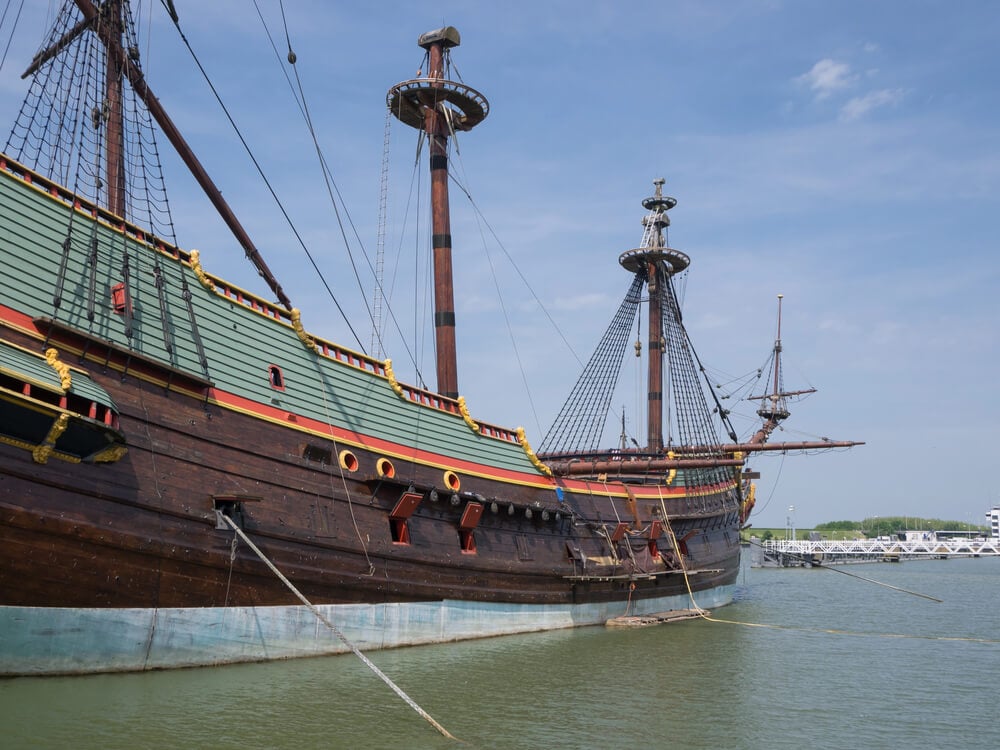
The Dutch merchant ship Batavia sank on a reef off the coast of Western Australia in 1629, and its wreck was not discovered until 1963—334 years later. The preserved artifacts from the wreck, including porcelain, tools, weapons, and the ship’s bell, revolutionized understanding of 17th-century maritime commerce and the extent of Dutch trading networks in the Indian Ocean.
The discovery provided tangible evidence of a ship that had vanished without a trace in the vast ocean, its fate unknown for more than three centuries.
The RMS Lusitania, Located 1935
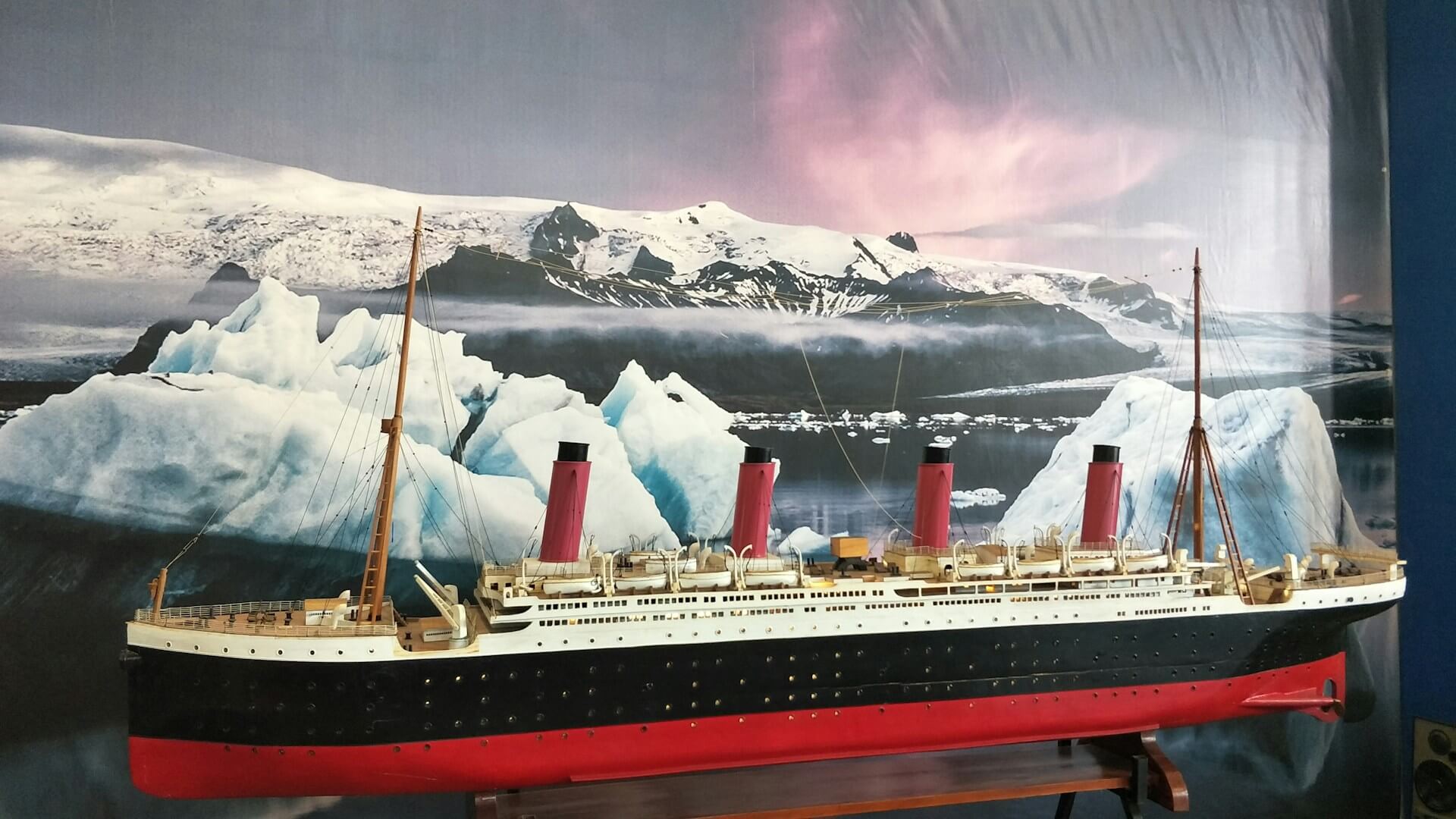
The Lusitania sank in 1915 after being torpedoed by the German submarine U-20 off the coast of Ireland, killing 1,198 of the 1,959 passengers and crew aboard, including 128 Americans. The ship was located in 1935, just 20 years after sinking, making it one of the more quickly discovered wrecks of the era.
Examination of the wreck raised questions about the second explosion that hastened the ship’s sinking that remain controversial today—whether it was caused by damage to the ship’s steam engines, ammunition cargo, or a combination of factors.
The Thistlegorm, Found 1956
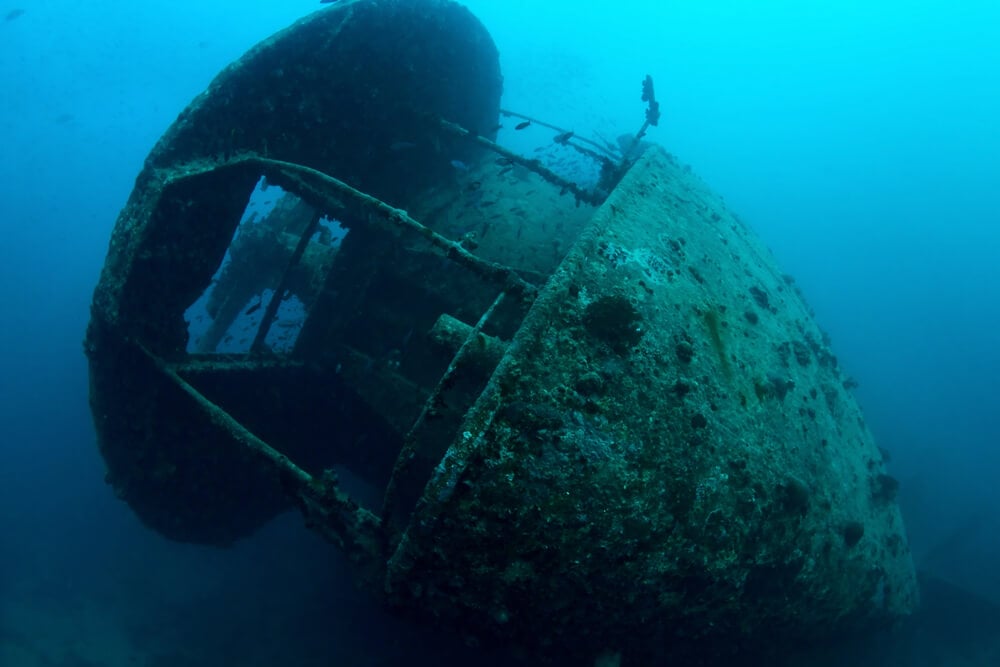
The British merchant ship Thistlegorm was sunk by German aircraft in the Red Sea on March 6, 1941, while carrying supplies and vehicles to support the British military effort in North Africa. The wreck was located by divers in 1956—15 years later—and the cargo of trucks, motorcycles, ammunition, and supplies remained frozen in time on the seafloor.
The intact cargo provides an extraordinary window into World War II logistics and military supplies, making the wreck one of the most fascinating dive sites and historical records of wartime maritime operations.
The Carpathia, Found 1999
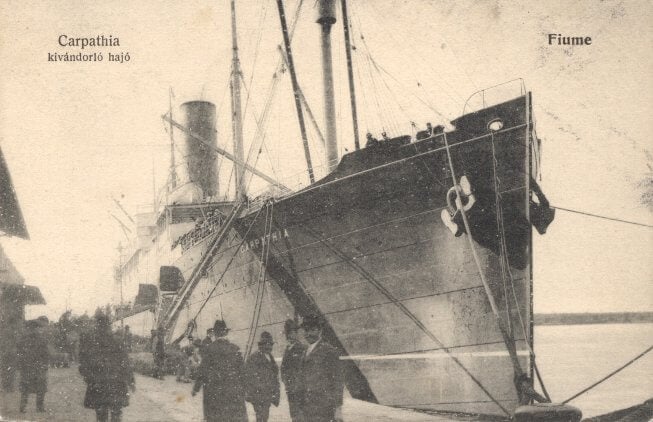
The Carpathia was the ship that heroically rescued 705 survivors from the Titanic in 1912, only to be itself sunk by a German submarine on July 17, 1918, during World War I. The wreck was not located until 81 years later, on June 1, 1999, when it was found off the coast of Ireland at a depth of 1,600 feet.
Discovery of the Carpathia meant finding the ship that had saved others but could not escape the perils of wartime, making it a poignant symbol of maritime tragedy and heroism.
HMHS Britannic, Found 1975
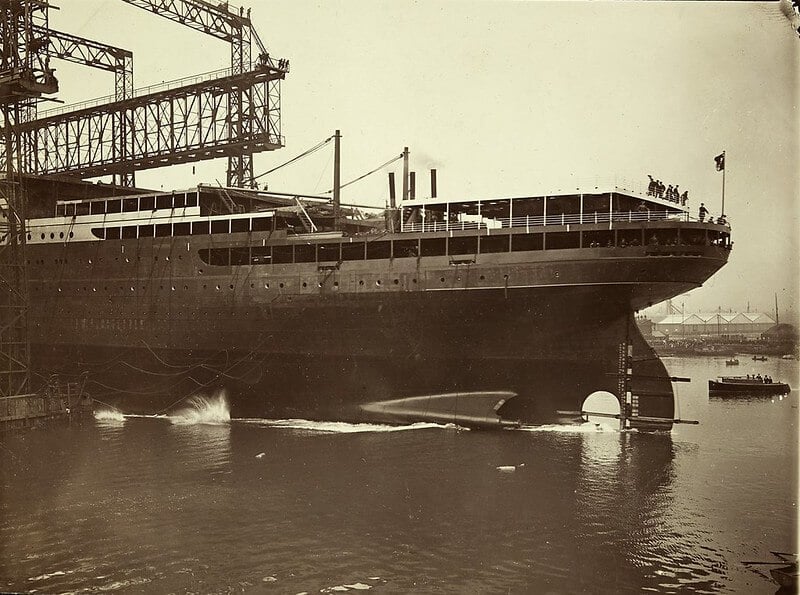
The Britannic was the sister ship of the Titanic and the Olympic, built by the White Star Line and launched in 1914. The ship was requisitioned as a hospital ship during World War I and sank on November 21, 1916, after striking a German mine off the island of Kea in the Aegean Sea, killing only 30 of the 1,066 people aboard.
The wreck was discovered by Jacques Cousteau in December 1975 at a depth of nearly 400 feet, and in 2024, divers recovered artifacts from the wreck for the first time, including the ship’s bell and navigation lamps.
The La Salle’s Expedition Vessels, Found 1995
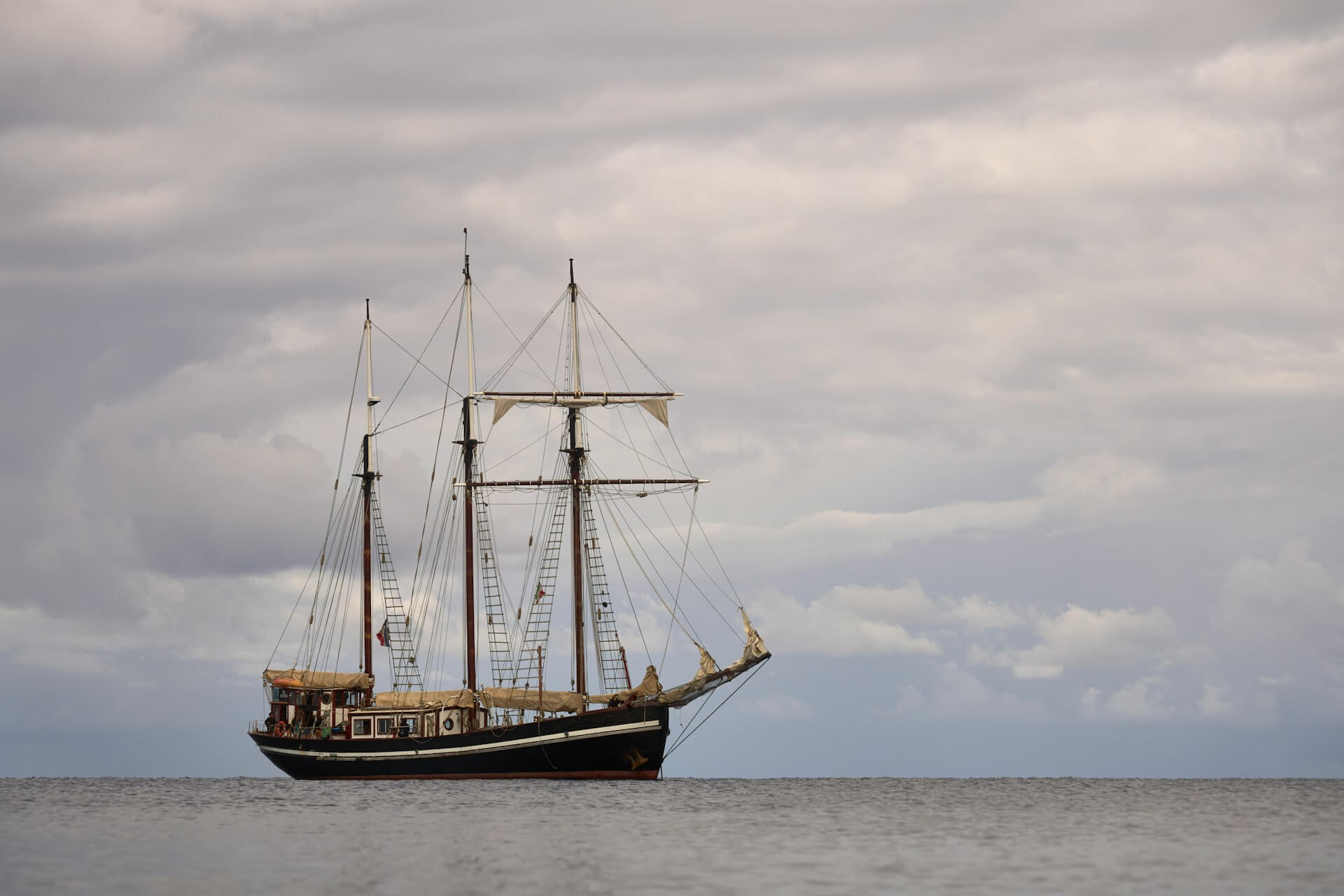
La Salle’s French colonial expedition ship sank in the Gulf of Mexico in 1686, and the remains were not identified and excavated until 309 years later in 1995. Discovery of the wreck revealed the material culture of French colonial enterprise in North America, including artifacts that documented La Salle’s attempt to establish French settlements in the American South.
The archaeological investigation provided crucial insight into early European exploration efforts and colonial ambitions in the New World.
USS Yorktown, Found 1998
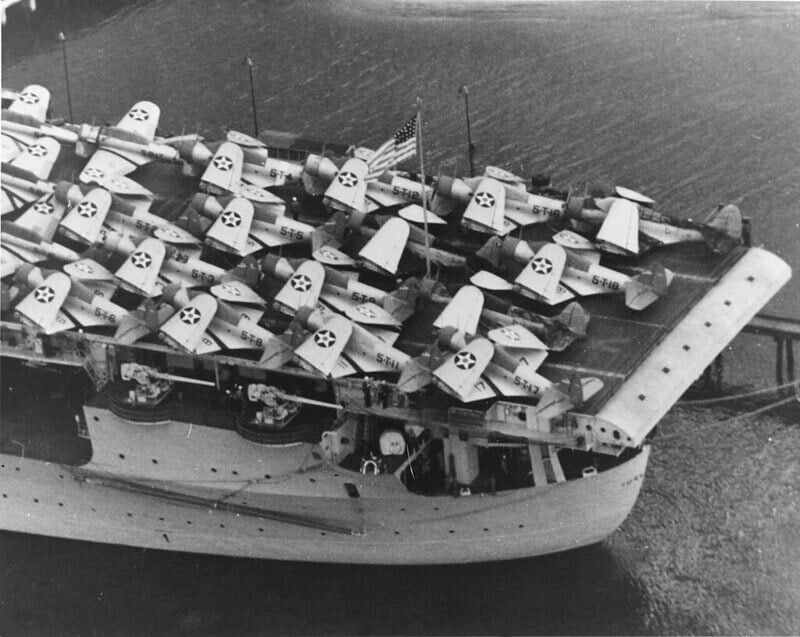
The USS Yorktown, an American aircraft carrier, sank during the Battle of Coral Sea on May 8, 1942, after being hit by Japanese dive bombers and attacked by submarines. The wreck was not found until May 1998—56 years later—when it was discovered on the seafloor at a depth of 2,200 meters in the Coral Sea.
Its discovery provided visual evidence about how the ship sank and contributed to historical understanding of the battle that marked a turning point in the Pacific War.
Japanese Aircraft Carrier Akagi, Found 2019
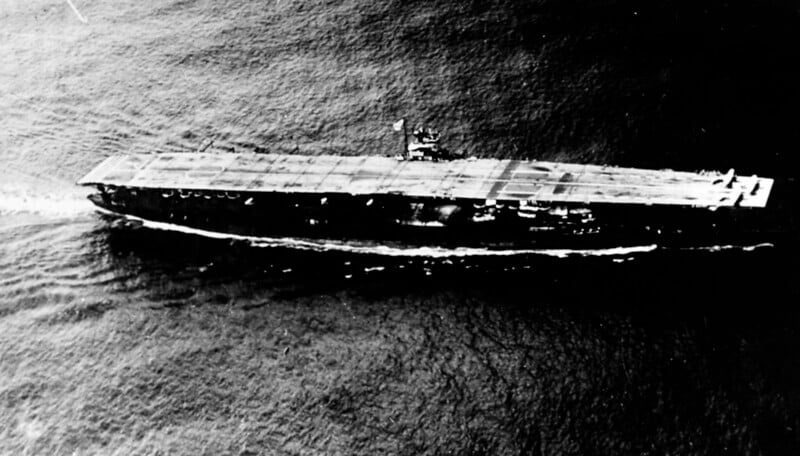
The Akagi was Japan’s flagship carrier and played a leading role in the attack on Pearl Harbor and numerous battles throughout the Pacific War, including the pivotal Battle of Midway in June 1942. The ship sank during the Battle of Midway on June 5, 1942, but was not located until October 20, 2019—77 years later—when it was discovered by the research vessel Petrel at a depth of 18,000 feet.
The intact wreck resting on the seafloor provides unprecedented insight into Japanese naval engineering and the final moments of one of Japan’s most important warships.
Japanese Aircraft Carrier Kaga, Found 2019
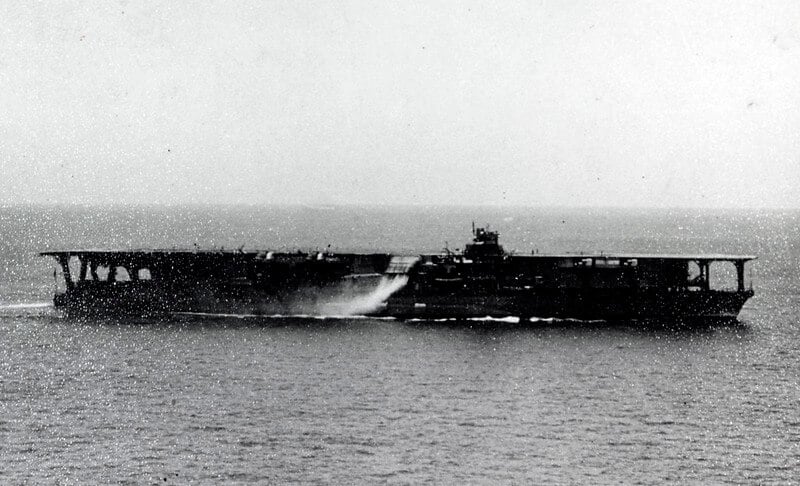
The Kaga, another Japanese aircraft carrier that participated in the attack on Pearl Harbor and numerous Pacific campaigns, was sunk during the Battle of Midway on June 4, 1942. The Kaga was discovered on October 16, 2019, just days before the Akagi was found, making it the first Japanese aircraft carrier wreck ever to be discovered.
Both carriers were located through the combined efforts of the research vessel Petrel and advanced autonomous underwater vehicles equipped with sonar technology.
The Whydah Gally, Found Recent Decades
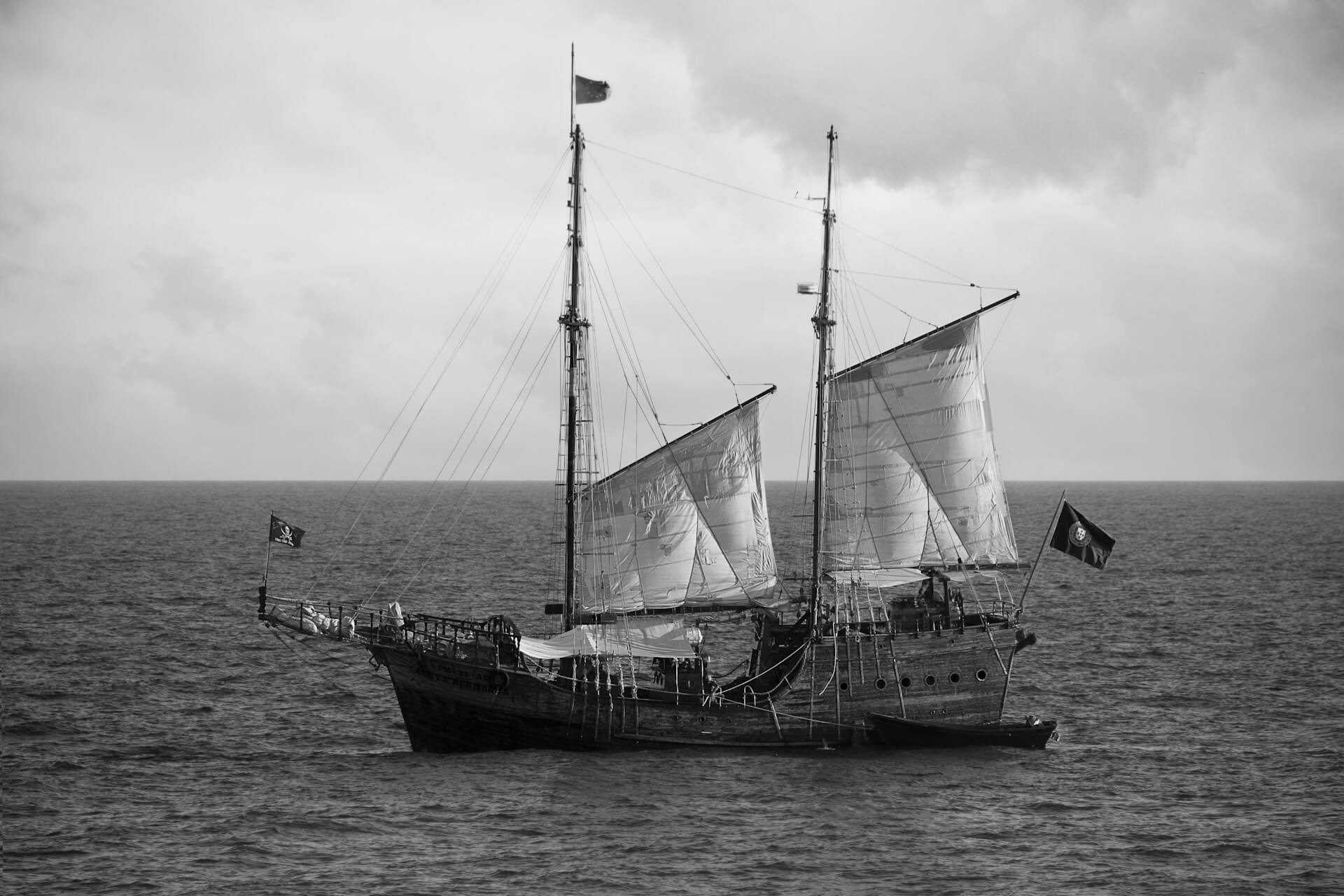
The pirate ship Whydah, commanded by Captain “Black Sam” Bellamy, sank off the coast of Massachusetts in 1717 while laden with pirate treasure accumulated during raids on merchant vessels. The wreck was located in recent decades by treasure hunter Barry Clifford, who recovered artifacts including coins, jewelry, weapons, and personal belongings of the crew.
Discovery of the Whydah provided remarkable insight into the material culture of piracy and the lives of early 18th-century seafarers operating outside the law.
Shipwrecks as Time Capsules
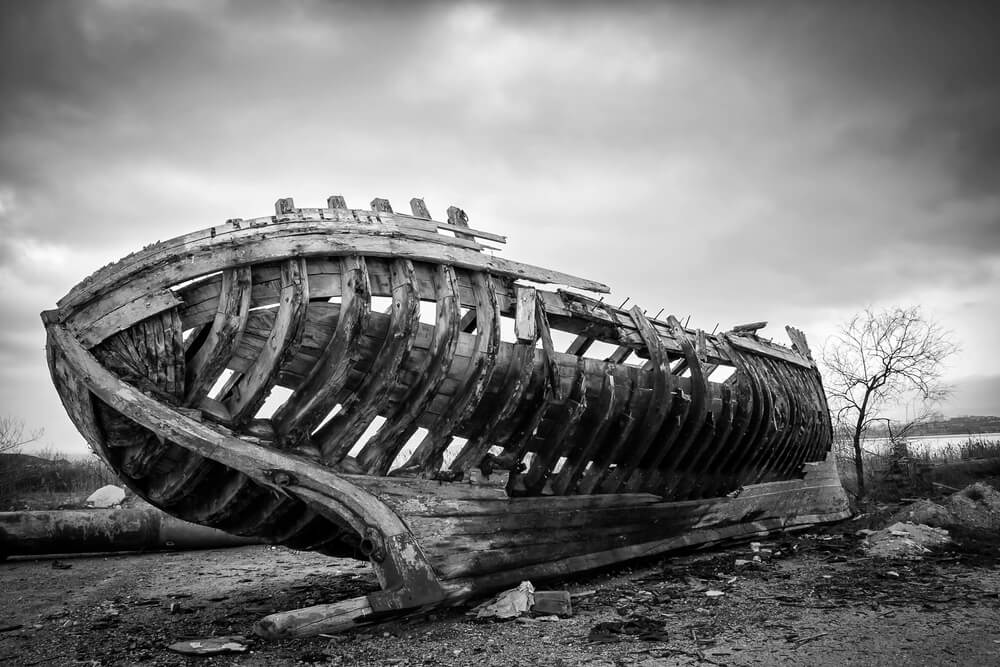
These shipwrecks represent far more than maritime disasters or archaeological curiosities. Each wreck serves as a floating museum of a specific historical moment, preserving the conditions, technology, and human presence of the moment the ship sank.
The discovery of these vessels decades or centuries after they vanished has fundamentally changed our understanding of naval history, technological development, warfare, and everyday life at sea. As deep-sea exploration technology continues to advance, undoubtedly more wrecks will be found, each adding another chapter to the underwater archaeology of human maritime history.
More from Go2Tutors!

- The Romanov Crown Jewels and Their Tragic Fate
- 13 Historical Mysteries That Science Still Can’t Solve
- Famous Hoaxes That Fooled the World for Years
- 15 Child Stars with Tragic Adult Lives
- 16 Famous Jewelry Pieces in History
Like Go2Tutors’s content? Follow us on MSN.



