18 Hotels Repurposed From Historic Prisons
Sleeping in places where criminals have spent their time has a strangely alluring quality. Perhaps it’s the eerie architecture, the towering stone walls, or simply the excitement of seeing history from a whole new angle.
Whatever entices us to these unusual lodging options, old jail hotels provide visitors with a memorable experience that is equal parts eerie and sophisticated. These architectural makeovers demonstrate that even the most improbable structures can be given new life.
These 18 hotels have converted their cells into suites, making them among of the most unique places to stay in the world.
Liberty Hotel, Boston

Boston’s former Charles Street Jail now welcomes guests instead of confining them. The 1851 granite structure maintains its original rotunda and towering windows while offering luxury accommodations in the heart of Beacon Hill.
The developers cleverly preserved the jail’s imposing architecture, complete with catwalks and original brick walls, transforming what was once a symbol of punishment into a symbol of hospitality.
Het Arresthuis, Netherlands

This former prison in Roermond traded its bars for bistros when it reopened as a boutique hotel. The original cells became cozy guest rooms, though thankfully much more comfortable than their previous incarnation.
Guests can dine in the former prison yard or enjoy drinks in what used to be the guards’ quarters, making for conversation starters that most hotels simply can’t match.
Like Go2Tutors’s content? Follow us on MSN.
Malmaison Oxford

Oxford’s Victorian prison closed its doors to inmates in 1996 but reopened them to travelers looking for something different. The hotel preserved many original features, including cell doors and prison bars, though the amenities have certainly improved since the building’s correctional days.
Each room tells a story, and the brasserie serves considerably better food than typical prison fare.
Four Points by Sheraton Ljubljana

Slovenia’s capital transformed its former military prison into a modern hotel that honors its past while embracing the future. The communist-era prison held political prisoners for decades before becoming one of Ljubljana’s most talked-about accommodations.
The renovation balanced historical preservation with contemporary comfort, creating spaces where guests can appreciate the building’s complex history.
Jailhouse Inn, Preston

This small Minnesota town turned its 1869 limestone jailhouse into a charming bed and breakfast. The original cells became individual guest rooms, each uniquely decorated but retaining their authentic jail cell doors.
It’s intimate enough that guests often feel like they’re staying in a historic home rather than a former correctional facility, though the bars on the windows serve as a gentle reminder of the building’s past.
Like Go2Tutors’s content? Follow us on MSN.
Boutique Hotel Villa Bergzicht

The Netherlands’ Domburg region houses this former prison that once held German soldiers during World War II. The transformation into a luxury hotel required extensive renovation, but designers maintained the building’s stark, powerful architecture.
Guests today enjoy ocean views and spa services where prisoners once contemplated very different horizons.
Hotel Kämp, Helsinki
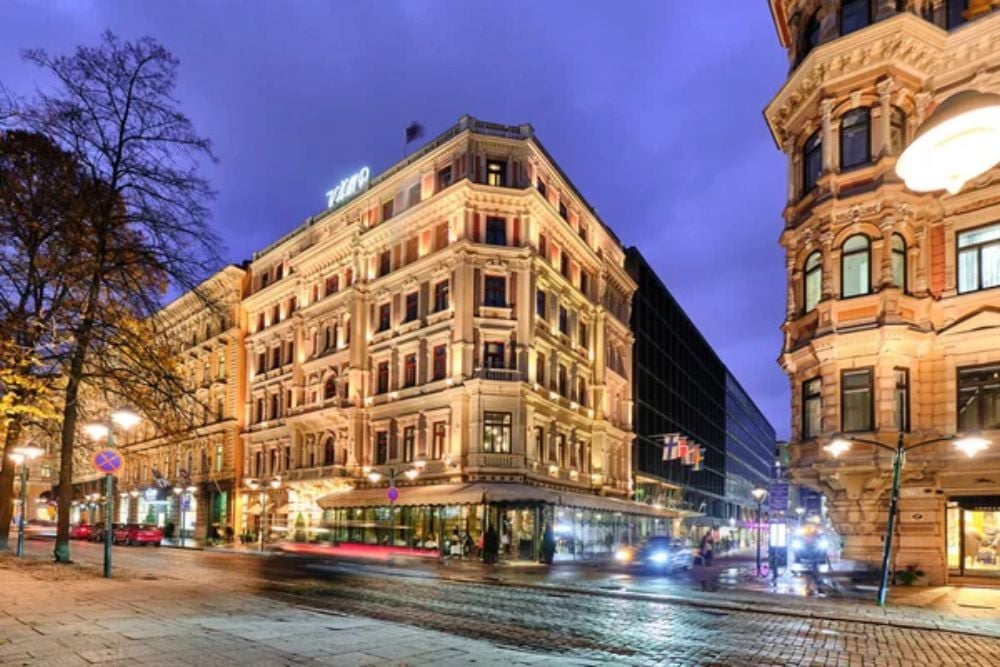
While not originally built as a prison, this Finnish landmark served as a temporary detention center during the country’s civil war in 1918. The hotel’s grand ballroom once held political prisoners before returning to its intended purpose of hosting elegant gatherings.
Today, it stands as one of Helsinki’s most prestigious addresses, though few guests realize they’re walking through rooms that briefly witnessed some of Finland’s darkest historical moments.
Hotel des Galeries, Brussels
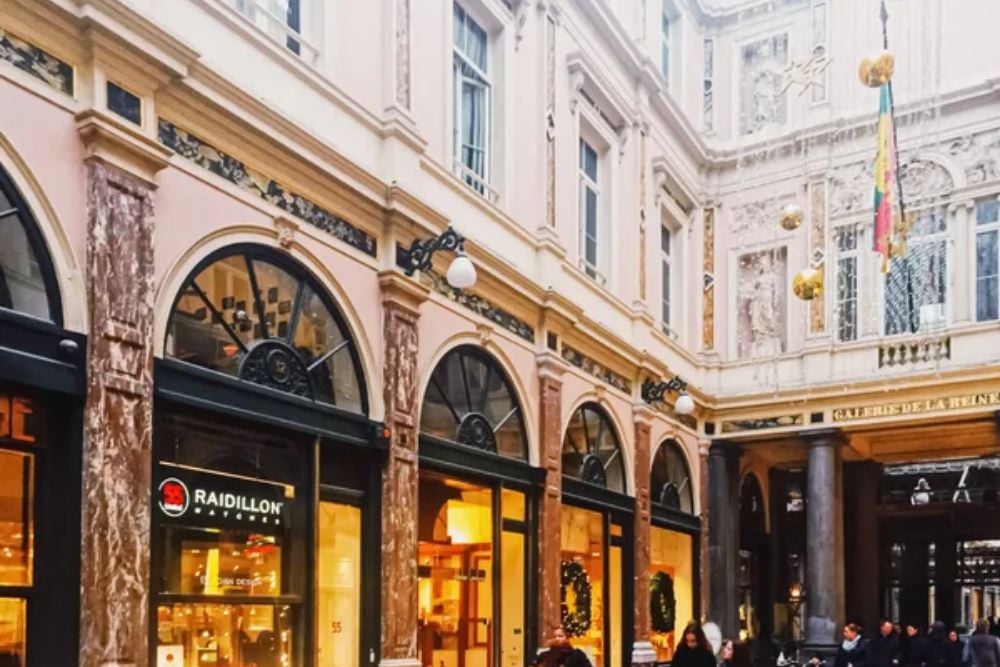
Brussels converted its 19th-century Saint-Gilles prison into a stylish boutique hotel that celebrates both architecture and art. The original cell block layout influenced the hotel’s unique room configurations, creating irregularly shaped spaces that add character to each stay.
The building’s transition from housing criminals to hosting culture lovers reflects Brussels’ own evolution as a European capital.
Like Go2Tutors’s content? Follow us on MSN.
Hostal Residencia Fernández de Córdoba
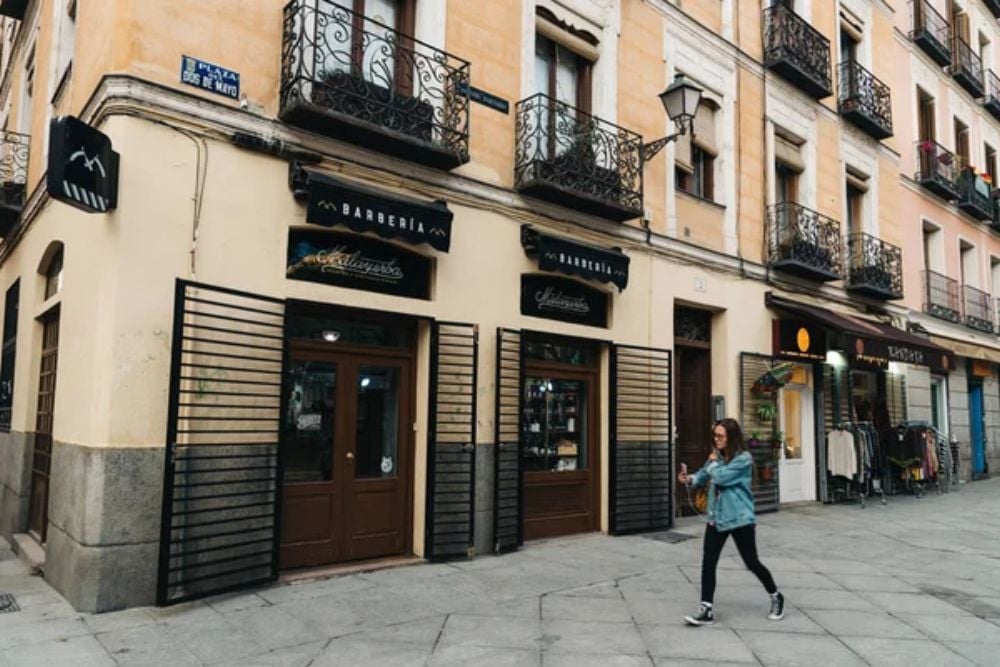
Madrid’s former prison in the Malasaña district became budget-friendly accommodations for travelers seeking authentic experiences. The building retains its institutional feel, but in a way that adds character rather than discomfort.
Guests appreciate the central location and the novelty of staying somewhere with such a distinctive past, even if the amenities remain fairly basic.
Hotel Katajanokka, Helsinki

Finland’s former county jail on Katajanokka island transformed into a hotel that embraces rather than hides its correctional heritage. Many original features remain intact, including cell doors, corridors, and the exercise yard, now converted into event spaces.
The red-brick building offers guests a chance to experience Finnish criminal justice history while enjoying modern Scandinavian hospitality.
Langholmen Hotel, Stockholm

Stockholm’s Långholmen island once housed Sweden’s central prison, but now offers visitors a completely different kind of confinement—the kind you actually want to experience. The former prison cells became hotel rooms, while the exercise yards transformed into gardens and dining areas.
Guests can explore the island’s natural beauty during the day and sleep soundly knowing the only thing they’re confined by is comfort.
Like Go2Tutors’s content? Follow us on MSN.
Hotel Lloyd, Amsterdam
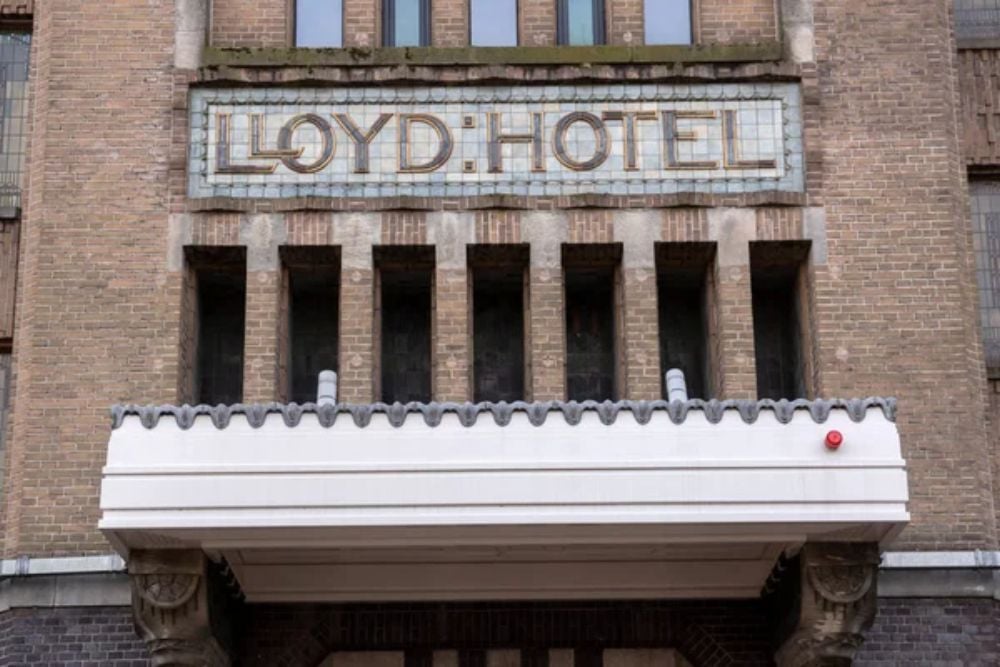
Amsterdam’s former prison in the Eastern Docklands district reopened as a cultural hotel that hosts artists, writers, and travelers seeking inspiration. The building’s cells became studios and guest rooms, creating a unique environment where creativity flourishes, where punishment once ruled.
The transformation reflects Amsterdam’s progressive approach to urban renewal and cultural preservation.
Bodmin Jail Hotel, Cornwall
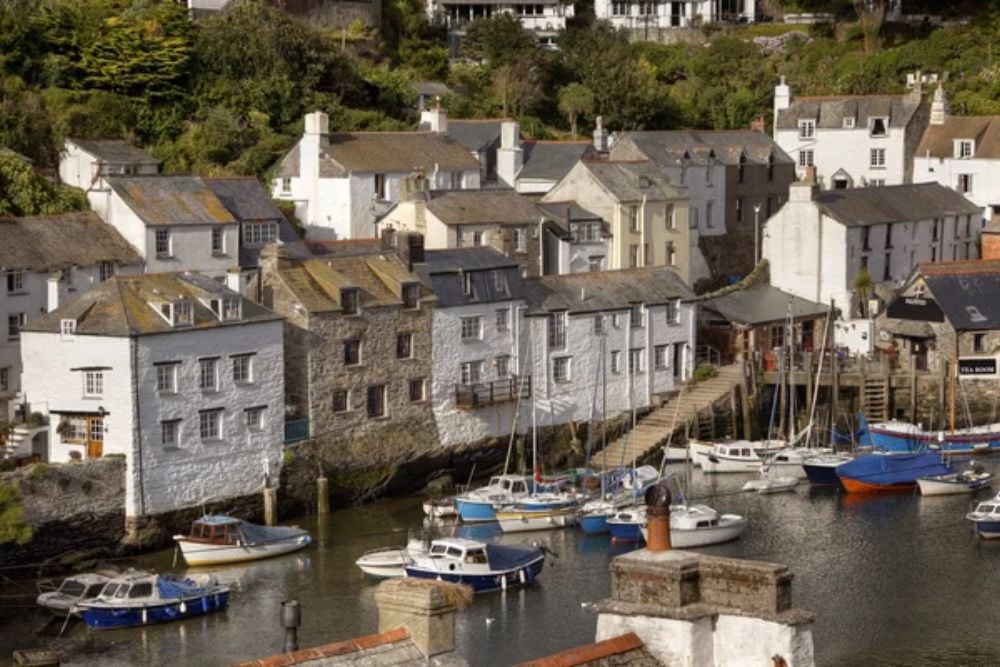
Cornwall’s notorious Bodmin Jail closed in 1927 but reopened decades later as a hotel that doesn’t shy away from its grim past. The Victorian prison once held public executions, and the hotel acknowledges this dark history while providing comfortable accommodations for modern guests.
Visitors can tour the former execution site during the day and sleep in converted cells at night, creating an experience that’s both educational and slightly unsettling.
Hotel V Nesplein, Amsterdam

This Amsterdam hotel occupies a former women’s prison that dates back to the early 1900s. The art deco building maintained many original features during its conversion, including barred windows and heavy doors that now serve as unique architectural elements rather than security measures.
The hotel’s location in the museum district makes it popular with culture seekers who appreciate both the building’s history and its proximity to world-class art collections.
Like Go2Tutors’s content? Follow us on MSN.
Courthouse Hotel London

London’s former Great Marlborough Street Magistrates’ Court became a luxury hotel that pays homage to its judicial past. The building processed countless cases over the decades, including several involving famous musicians and celebrities, before closing its courtrooms and opening its doors to guests.
The hotel preserved many original features, including the dock where defendants once stood, now serving as a unique architectural focal point in the lobby.
Hotel Nacional de Cuba, Havana

While primarily known as a luxury hotel, parts of this Havana landmark served as a prison during various periods of Cuban political upheaval. The building’s complex history reflects Cuba’s own turbulent past, with different sections serving different purposes throughout the decades.
Today, guests enjoy ocean views and classic cocktails in spaces that once witnessed considerably more dramatic scenes.
Hostel Celica, Slovenia
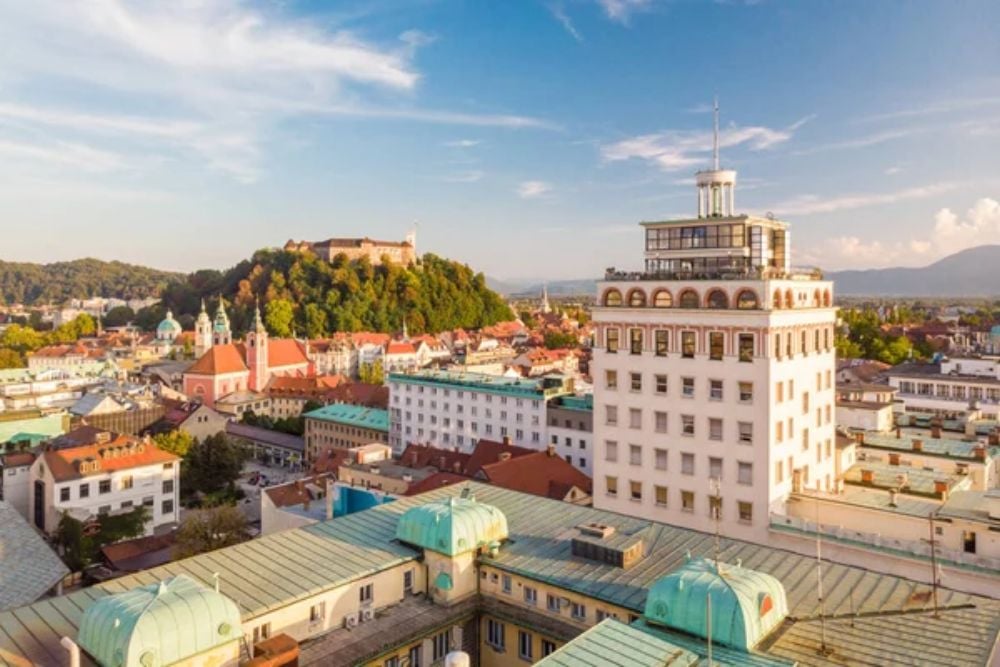
Ljubljana’s former military prison was transformed into one of Europe’s most unique hostels, with individual cells converted into themed rooms designed by local artists. Each former cell tells a different story through art, turning what was once a place of punishment into a canvas for creative expression.
The hostel proves that even the most institutional spaces can be reimagined as places of inspiration and connection.
Like Go2Tutors’s content? Follow us on MSN.
Liberty Hotel Boston North End

Boston’s second prison-turned-hotel occupies a former federal detention center that held everyone from tax evaders to organized crime figures. The brutalist architecture required extensive renovation to create welcoming spaces, but designers managed to preserve the building’s imposing presence while adding contemporary comfort.
Guests today enjoy harbor views from rooms that once offered very different perspectives on freedom and confinement.
The Transformation Continues

These remarkable conversions prove that architecture can transcend its original purpose when imagination meets preservation. Former prisons offer unique opportunities for adaptive reuse, creating accommodations that guests remember long after checkout.
The thick walls that once confined now provide exceptional soundproofing, while the institutional layouts create distinctive room configurations that conventional hotels simply cannot replicate. Whether seeking luxury or budget accommodations, these transformed spaces offer travelers the chance to sleep soundly where others once counted days until freedom.
More from Go2Tutors!

- 16 Restaurant Chains That Went Too Fast
- 12 Things Sold in the 80s That Are Now Illegal
- 15 Strange Things People Have Tried to Ban (And Failed)
- 16 Collectibles People Tossed Out Too Soon
- 17 Myths from Your Childhood That Were Actually Based on Real Things
Like Go2Tutors’s content? Follow us on MSN.



