Bizarre Ice Cream Flavors To Try In Asia
Food traditions don’t just bend the rules in Asia — they shatter them completely and create something entirely new from the pieces. Ice cream becomes a canvas for flavors that would make Western palates pause mid-spoon, then inevitably go back for more.
These aren’t novelty treats designed to shock tourists (though they certainly do that). They’re genuine expressions of regional tastes, cultural ingredients, and a willingness to see dessert as something far more adventurous than vanilla and chocolate.
Wasabi

Wasabi ice cream hits like a cold slap that turns into a warm hug. The initial burn fades into something surprisingly creamy and complex.
Japanese ice cream makers figured out how to tame that sinus-clearing heat without losing its distinctive bite.
Durian

There’s something almost theatrical about watching someone try durian ice cream for the first time — the way their face cycles through confusion, mild horror, then grudging acceptance (or complete rejection, which is equally valid). This Southeast Asian fruit carries a reputation that precedes it, described alternately as rotting onions or custard-soaked heaven, and somehow the frozen version manages to amplify both qualities.
The creamy texture softens the fruit’s notorious pungency without eliminating it entirely, creating something that tastes like eating a beautiful sunset that also happens to smell like a gym sock. And yet people line up for it, because there’s an undeniable richness underneath all that initial shock — a custardy sweetness that makes you understand why durian is called the king of fruits, even if your nose suggests it might be a dethroned monarch.
Some flavors exist to challenge assumptions about what dessert should taste like, and durian ice cream is the PhD thesis of that philosophy.
Black Sesame
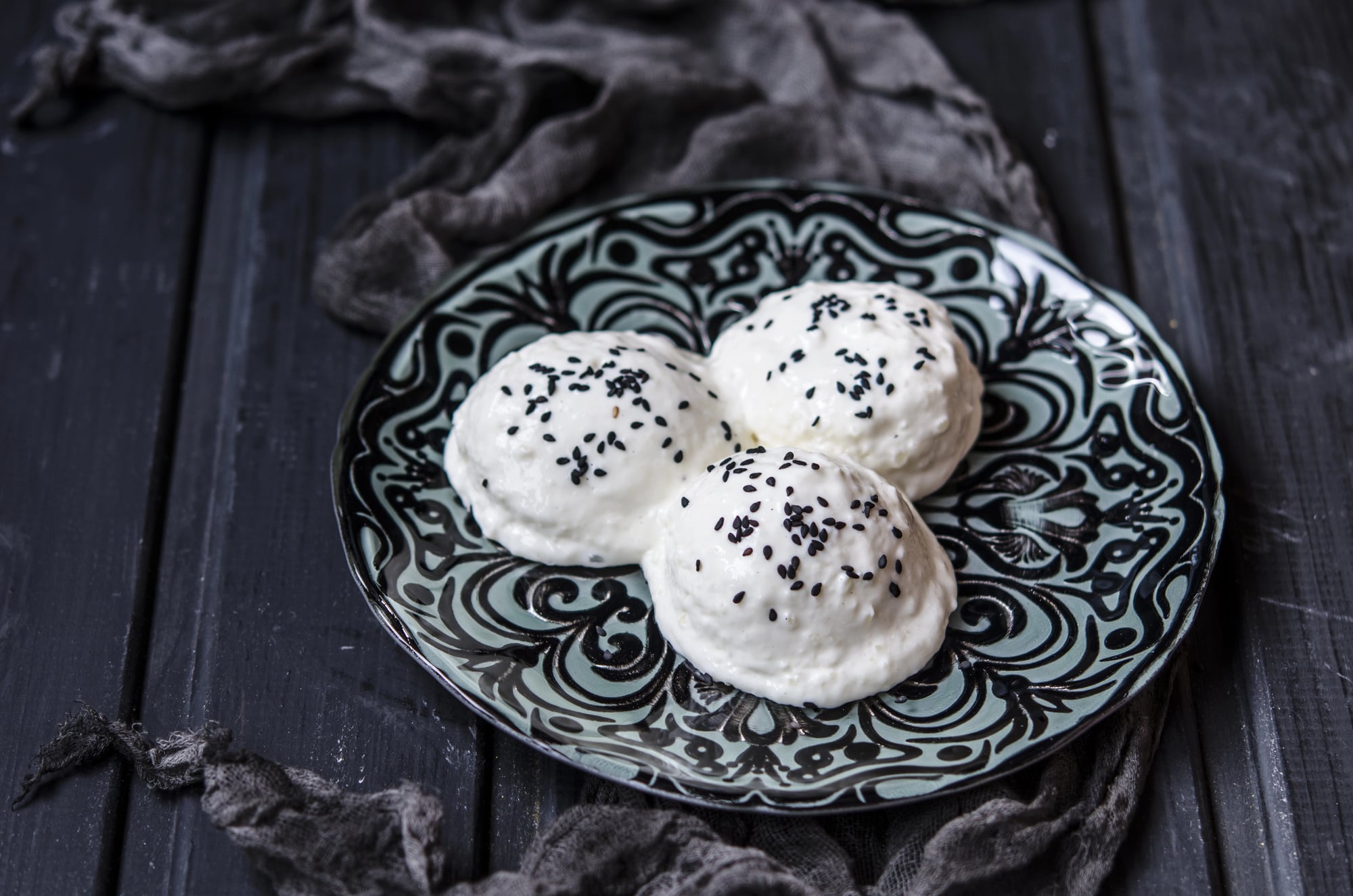
Black sesame ice cream doesn’t announce itself. It sits quietly in the freezer case looking like cookies and cream’s mysterious cousin.
Then you taste it and realize this is what vanilla wishes it could be when it grows up.
The nuttiness runs deeper than peanut butter. More complex than chocolate.
There’s an earthiness that grounds the sweetness without overwhelming it.
Taro

Purple food occupies a strange space in the Western imagination, sitting somewhere between “unnatural” and “Instagram-worthy,” but taro ice cream couldn’t care less about those hang-ups. This root vegetable (yes, root vegetable) transforms into something that tastes like vanilla decided to get interesting — a mild, almost floral sweetness that’s comforting in the way that good bread is comforting, which makes no sense until you’re halfway through the bowl and realize you’ve been unconsciously sighing with satisfaction.
The color alone stops conversations: a pale lavender that looks like it was mixed in a fairy tale, but the flavor is solidly grounded in something real and earthy and satisfying. So it works on two levels: the visual novelty that makes you pick up the spoon, and the genuine deliciousness that makes you finish the entire serving (which, let’s face it, was always going to happen anyway, but now you have a better reason than simple curiosity).
Taro doesn’t try to be exotic. It just is.
Red Bean
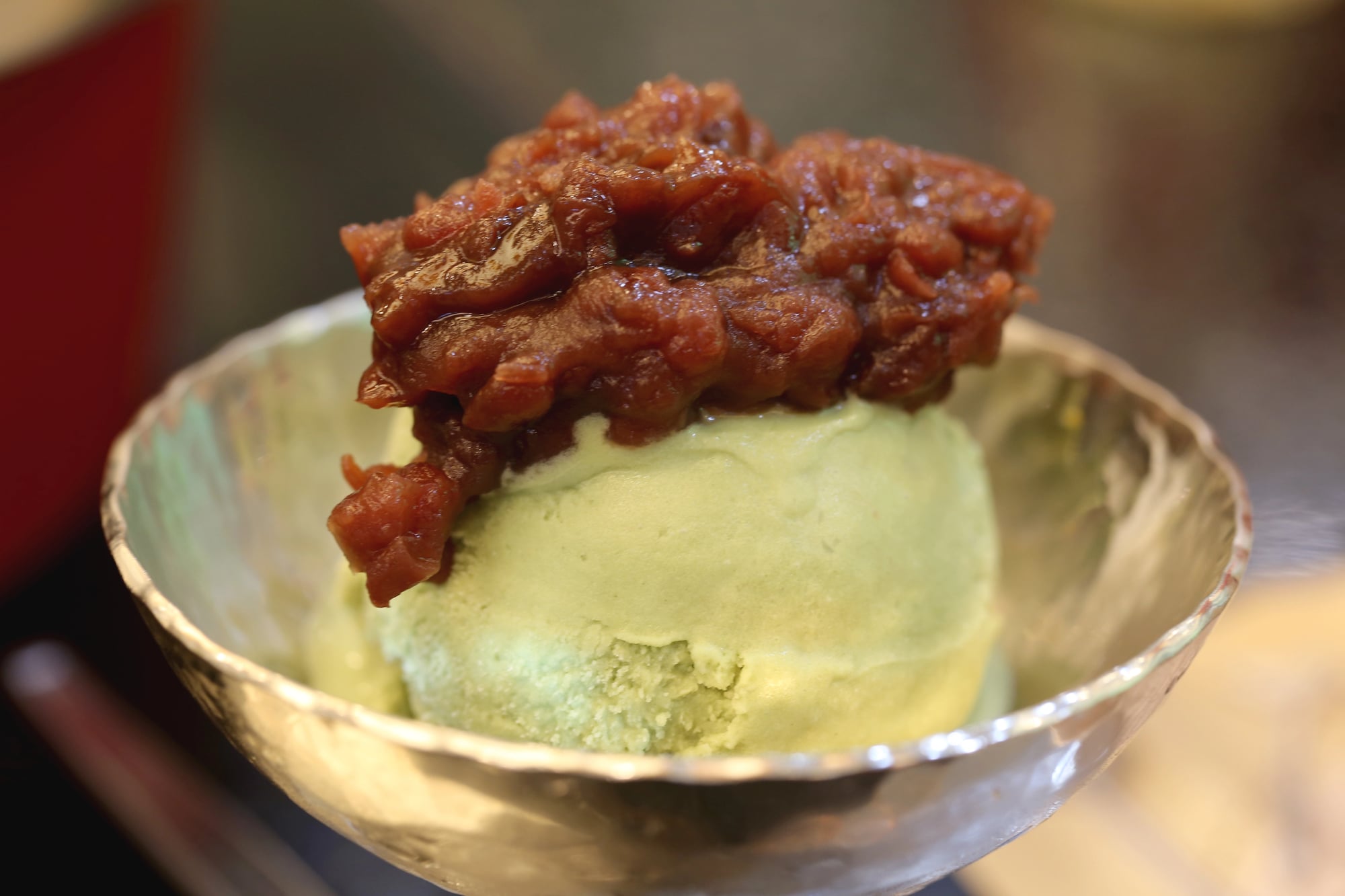
Red bean ice cream makes perfect sense once you stop thinking of beans as exclusively savory. These aren’t the kidney beans from your chili — azuki beans carry a natural sweetness that translates beautifully to frozen dessert.
The texture adds tiny pockets of substance to each bite.
It’s comfort food disguised as dessert. Or maybe dessert disguised as comfort food.
Either way, it works.
Corn

Sweet corn ice cream sounds like something a child would invent during a particularly creative tantrum, and maybe that’s exactly why it works so beautifully (children, as it turns out, often understand pleasure better than adults who’ve spent years learning what they’re supposed to enjoy instead of what they actually do enjoy). The kernels suspend themselves throughout the base like tiny bursts of summer, each one carrying that particular sweetness that only comes from corn that’s been cooked just right — not the canned stuff, but the kind you get at roadside stands where someone’s grandfather has been perfecting the timing for forty years.
And there’s something almost nostalgic about it, even if you’ve never had it before, because it tastes like county fairs and childhood summers and the kind of simple pleasure that doesn’t need to justify itself to anyone. So when you see it on the menu, don’t overthink it; just order it and let your taste buds remember what it felt like to be eight years old and think that mixing two good things together would obviously create something even better.
The sweetness hits different when it comes with texture.
Matcha

Matcha ice cream represents everything good about taking traditional flavors seriously. This isn’t green tea trying to be dessert — it’s dessert that happens to understand green tea better than most tea ceremonies.
The bitterness balances the cream without fighting it.
Real matcha costs more than the knockoffs for good reason. The depth shows up in every spoonful.
There’s a reason this flavor jumped from traditional tea shops to global ice cream menus faster than almost any other Asian export.
Ube

Purple yam ice cream arrived in the Instagram age at exactly the right moment, but dismissing it as just another photogenic food trend misses the point entirely — ube has been beloved in Filipino cuisine for generations, long before anyone cared about whether their dessert matched their aesthetic (though, to be fair, the color is absolutely stunning, a vibrant violet that looks like someone managed to freeze a sunset). The flavor sits somewhere between vanilla and coconut without being either, carrying a subtle nuttiness that’s more suggestion than statement, and a natural sweetness that doesn’t need much help from added sugar.
But here’s what’s interesting: ube ice cream tastes nostalgic even to people who’ve never had it before, which suggests there’s something fundamentally comforting about its particular combination of flavors and textures. And maybe that’s the real appeal — not the novelty or the color, but the way it manages to feel both exotic and familiar at the same time.
Some flavors photograph well by accident. Others seem designed for it.
Pandan
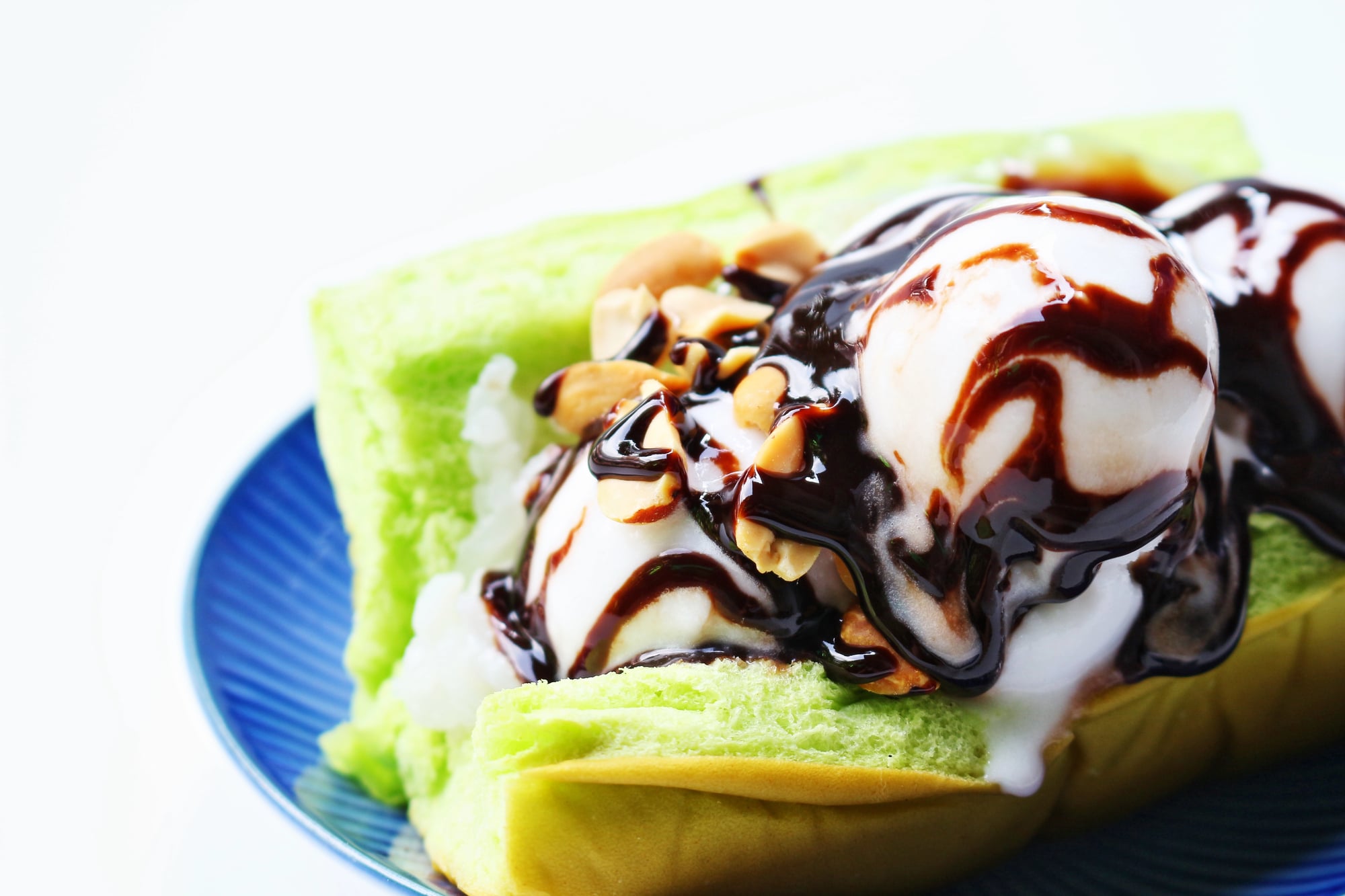
Pandan ice cream tastes like vanilla’s worldly cousin who studied abroad and came back with better stories. The leaf that gives it flavor — often called Asian vanilla — creates something entirely unique.
Floral without being perfumed. Sweet without being cloying.
The pale green color comes naturally from the plant, not food coloring. That matters more than it should, but it does.
There’s an honesty to ingredients that color themselves.
Lychee

There are fruits that translate beautifully to ice cream and fruits that get lost in the process, and lychee falls definitively into the first category, bringing its delicate floral sweetness intact through the freezing process like a small miracle of food science (or maybe just good timing, since the fruit’s natural texture already resembles something that belongs in a frozen dessert). The flavor is hard to pin down if you haven’t tasted the fresh fruit — somewhere between grape and pear, but more perfumed than either, with a subtle tartness that keeps the sweetness from overwhelming your palate.
And there’s something almost ethereal about it, the way the flavor seems to float across your tongue rather than landing heavily the way chocolate or vanilla does, which makes it perfect for those sweltering summer afternoons when regular ice cream feels like too much commitment. So lychee ice cream occupies this perfect middle ground: exotic enough to feel special, light enough to eat without regret, and floral enough to make you feel slightly more sophisticated than you probably are.
The best fruit flavors don’t try to be anything other than themselves.
Thai Tea
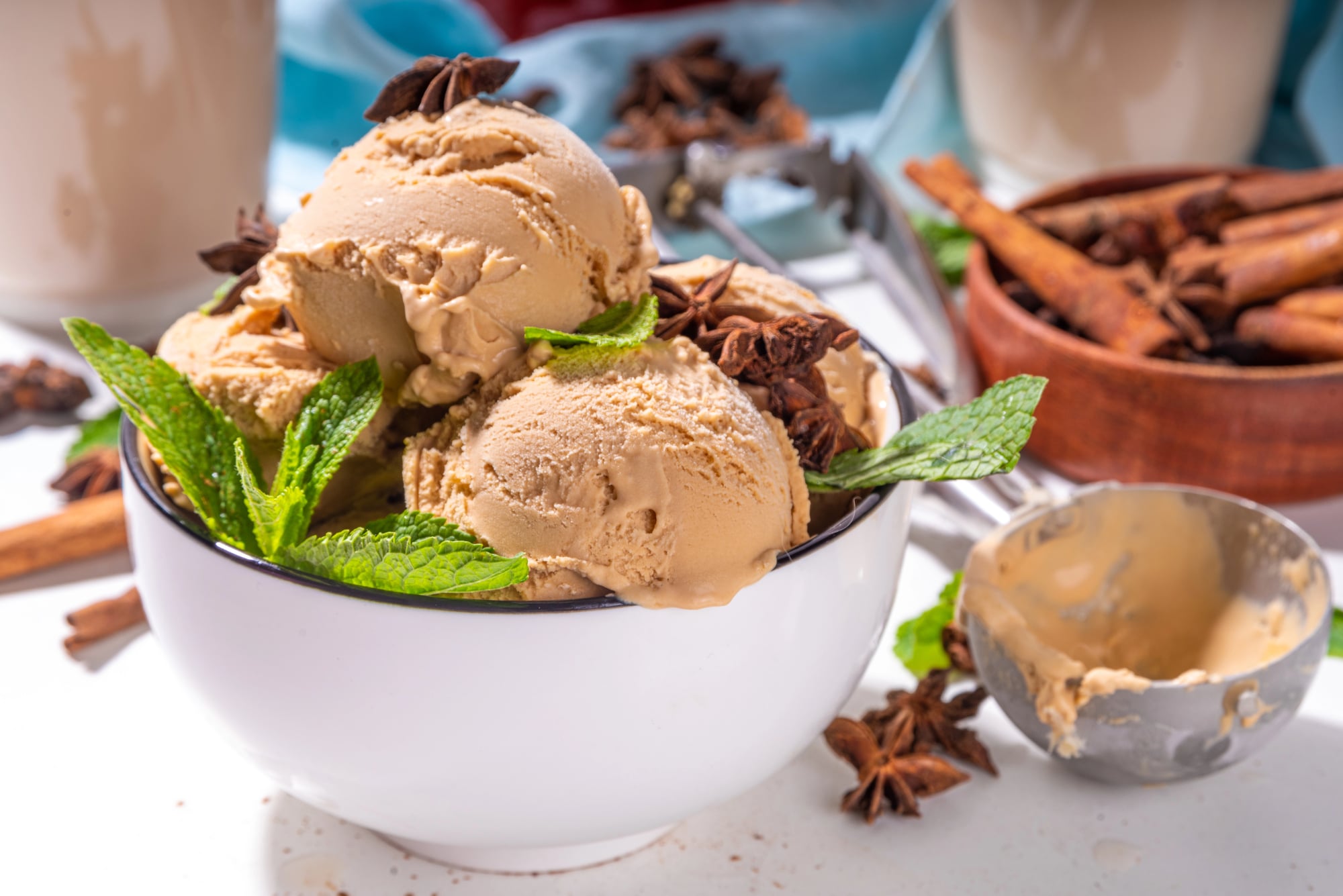
Thai tea ice cream proves that some beverages were always meant to be desserts. The orange color alone stops traffic, but the flavor delivers on every promise that color makes.
Creamy, spiced, and sweet in all the right proportions.
It tastes like the best version of every cream-based drink you’ve ever had. The condensed milk base carries those warm spices perfectly.
This is comfort food that happens to be frozen.
Green Tea Kit Kat

Kit Kat ice cream based on Japan’s green tea Kit Kat bars takes the concept of meta-flavoring to its logical extreme. It’s ice cream flavored like candy flavored like tea.
The absurdity is part of the appeal.
But here’s the thing — it actually works. The wafer pieces add crunch to the creamy base.
The green tea flavor comes through clearly despite all the processing. Sometimes overthinking leads to something genuinely good.
Hokkaido Milk

Like fresh snow that decided to become dessert instead of weather, Hokkaido milk ice cream represents purity of purpose in frozen form. This isn’t vanilla trying to be subtle — it’s milk that has been elevated to its highest possible expression, carrying the clean, almost grassy sweetness that only comes from cows grazing on some of the world’s best pastureland (and yes, terroir matters for dairy the same way it matters for wine, though admitting that might make you sound pretentious at parties).
The texture is impossibly smooth, the kind of creaminess that makes you suddenly understand why people write poetry about simple pleasures, and the flavor is both complex and straightforward — rich enough to satisfy, clean enough that you could eat it every day without getting tired of it. And maybe that’s the real genius of Hokkaido milk ice cream: it takes something as basic as milk and reminds you that basic doesn’t mean boring, it means fundamental.
So when you taste it, you’re not just eating ice cream — you’re experiencing what ice cream could be when every single ingredient is as good as it can possibly be.
The best flavors often turn out to be the simplest ones perfected.
Sweet Potato

Sweet potato ice cream makes perfect sense once you remember that sweet potatoes already taste like dessert in vegetable form. The natural sugars concentrate beautifully when frozen.
The orange color rivals any sunset.
There’s something deeply satisfying about eating a vegetable that doubles as dessert without any guilt attached. Sweet potatoes earned their place in the ice cream case through pure merit.
A Scoop Worth Taking
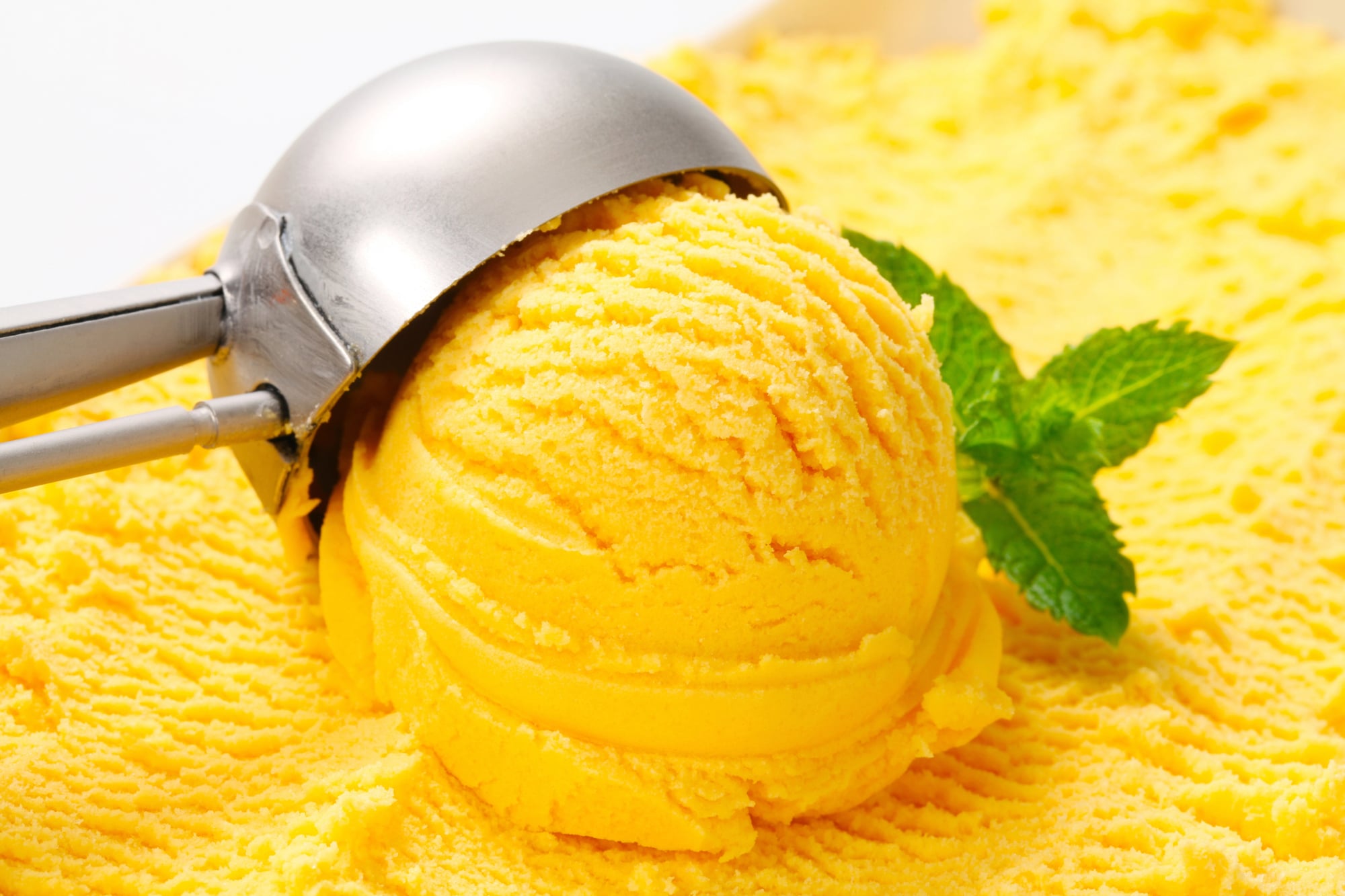
These flavors represent more than culinary curiosity — they’re invitations to expand what dessert can be. Each one challenges the assumption that ice cream should taste familiar, that sweetness has to come from expected sources, that frozen treats should comfort rather than surprise.
Trying them isn’t just about broadening your palate; it’s about discovering that some of the best experiences come from saying yes to things that sound impossible on paper but work perfectly in practice.
More from Go2Tutors!

- The Romanov Crown Jewels and Their Tragic Fate
- 13 Historical Mysteries That Science Still Can’t Solve
- Famous Hoaxes That Fooled the World for Years
- 15 Child Stars with Tragic Adult Lives
- 16 Famous Jewelry Pieces in History
Like Go2Tutors’s content? Follow us on MSN.



