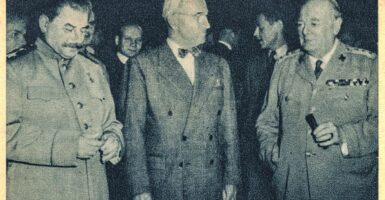
18 Massive Celebrity Scandals History Completely Forgot
Fame is a strange thing. It turns ordinary people into household names, then quietly buries the worst things they ever did.
Some scandals burn hot for a few weeks, dominate the front pages, and then just… disappear. People move on.
New stories take over. And before long, a star who was once at the center of a full-blown national crisis is remembered only for their movies, their music, or their smile.
But the stories don’t stop being true just because people stop talking about them. Here are 18 scandals that rocked the celebrity world — and then got swallowed by history.
Fatty Arbuckle and the Trial That Nearly Ended Hollywood
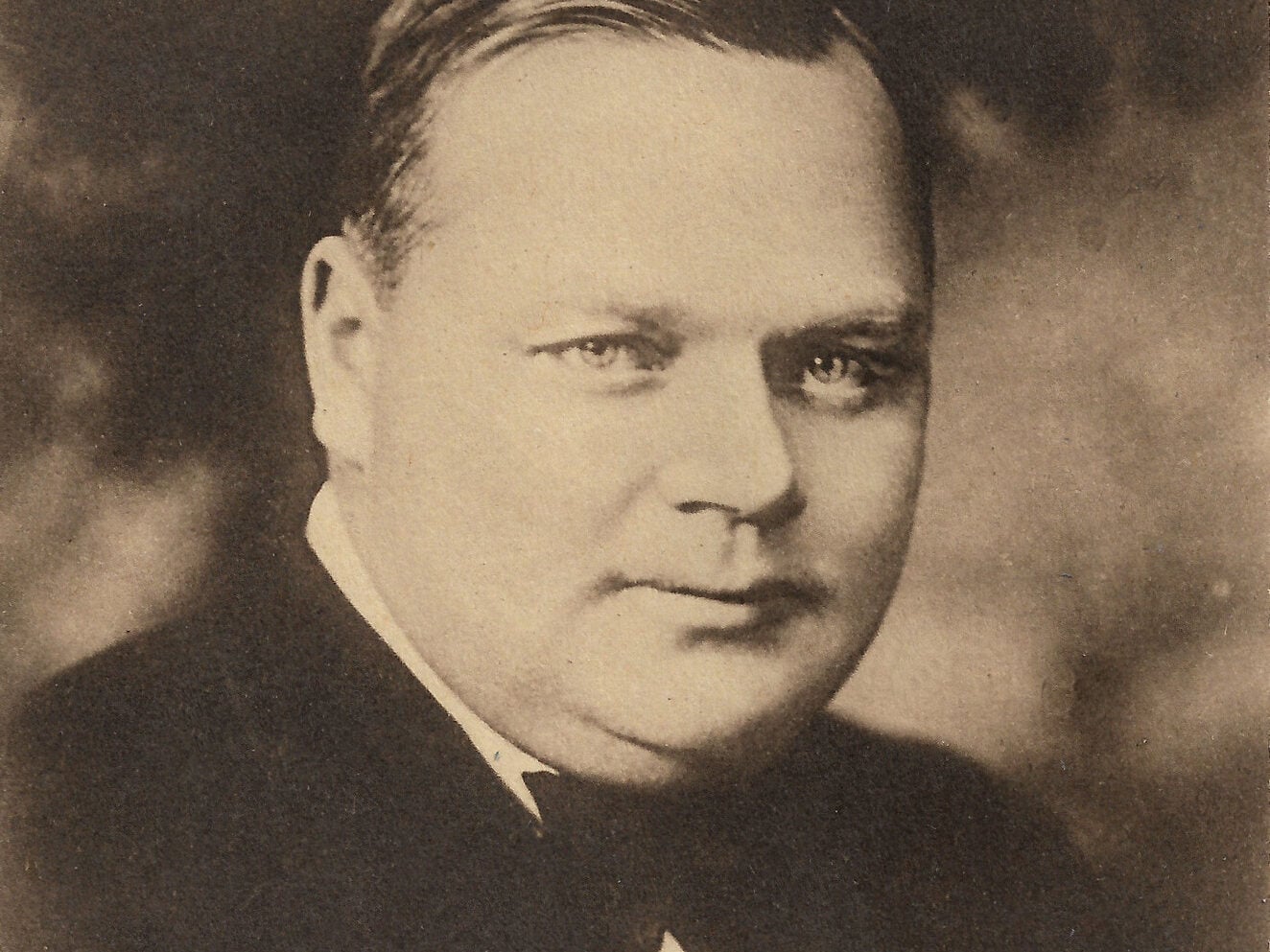
Roscoe “Fatty” Arbuckle was one of the biggest comedic stars of the silent film era. In 1921, he attended a Labor Day party in San Francisco, and a young actress named Virginia Rappe fell ill and died days later.
A woman at the party accused Arbuckle of assault and manslaughter. The trial became a media circus.
William Randolph Hearst’s newspapers turned it into front-page fodder for months. Arbuckle went through three trials — two ended in hung juries — before the third jury not only acquitted him but issued a written apology saying he never should have been charged.
The damage was already done. His career was finished, his reputation in ruins. He died in 1933. Most people today don’t even know his name.
Charlie Chaplin’s Troubling Personal Life

Charlie Chaplin remains one of the most celebrated filmmakers who ever lived. But the man behind the Little Tramp had a private life that would be completely disqualifying by modern standards.
He married his first wife when she was 16 and he was 29. His second wife was also 16.
His third wife, Oona O’Neill, was 18 when they married — he was 54. He also faced a paternity suit in the 1940s involving actress Joan Barry, during which evidence of his erratic, controlling behavior toward her came out in court.
The case was deeply damaging, even though blood tests exonerated him. He was eventually driven out of the United States during the Red Scare.
Today, his legacy is almost entirely defined by his art.
Errol Flynn in Court
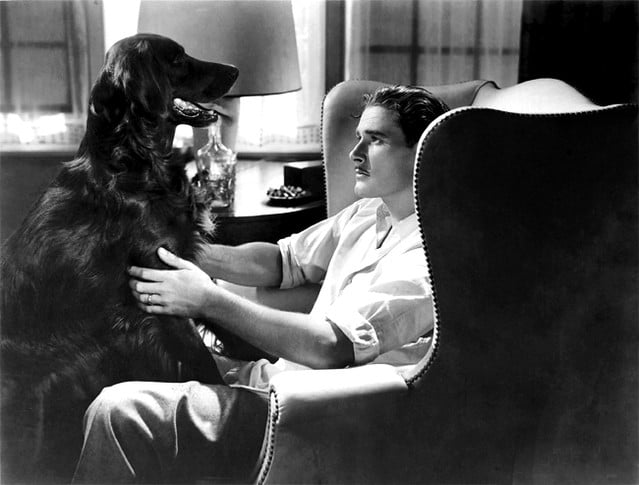
Errol Flynn was the swashbuckling action hero of 1930s and 40s Hollywood. He was also put on trial in 1943 for the statutory assault of two teenage girls.
The trial was national news. His defense attorney mounted an aggressive case and Flynn was acquitted — but the proceedings were lurid and deeply detailed. The phrase “in like Flynn” reportedly emerged from this trial, a crude reference to his alleged behavior.
The fact that a slang term came out of it shows how deeply it penetrated the culture. And yet within a few years, Flynn was back on top.
The scandal barely registers in most retrospectives of his career today.
Ingrid Bergman and the Backlash That Exiled Her

Ingrid Bergman was practically a saint in the eyes of the American public — a symbol of grace and moral purity off the screen as much as on it. Then in 1949, news broke that she was having an affair with Italian director Roberto Rossellini while still married to her husband.
She was also pregnant with Rossellini’s child. A U.S. senator took to the Senate floor and denounced her as “a powerful influence for evil.”
She was publicly shamed across the country and effectively banned from Hollywood. She spent years working in Europe before eventually returning to American screens and winning another Oscar.
The entire saga is a striking reminder of how differently the culture once policed women’s private lives.
Rock Hudson’s Hidden Life
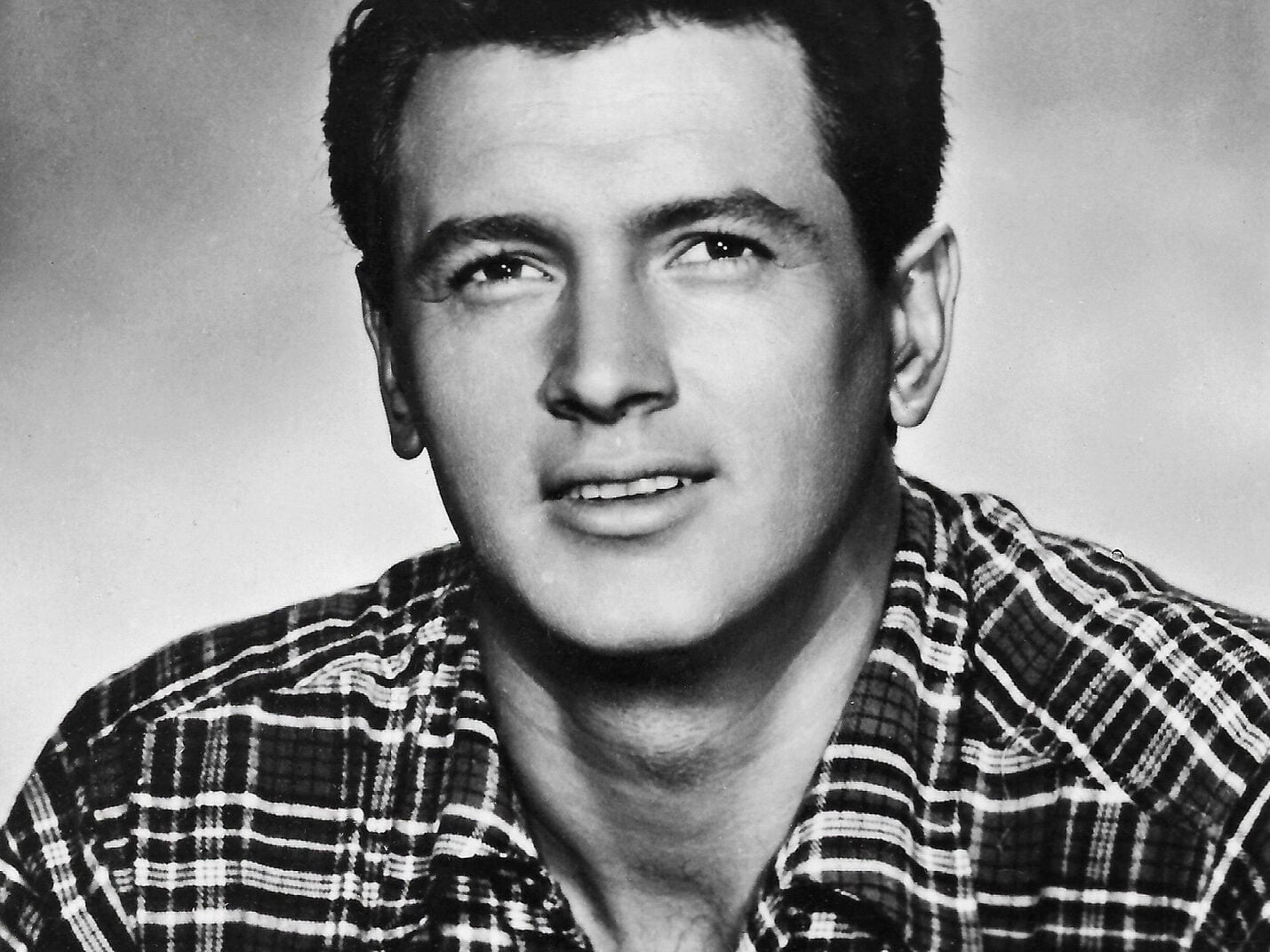
Rock Hudson was one of the biggest movie stars in Hollywood for decades — tall, handsome, a fixture of romantic comedies opposite Doris Day. What the studio system worked very hard to suppress was that Hudson was a private man whose carefully managed public image bore little resemblance to who he actually was.
The studios went to extraordinary lengths to control the narrative around him, including arranging a marriage to his agent’s secretary in 1955 after a gossip column threatened to expose him. The arrangement ended in divorce three years later.
Hudson died in 1985, and the circumstances of his death finally made the front pages. But the decades of manufactured deception — an entire industrial apparatus built around hiding a man’s true self — barely registers in how history remembers him.
Bing Crosby Behind Closed Doors

Bing Crosby presented himself as the quintessential family man — warm, avuncular, the voice of Christmas. After his death in 1977, a different picture emerged.
His son Gary wrote a memoir in 1983 detailing physical abuse, emotional cruelty, and a deeply cold home life. Other children corroborated the accounts.
The book caused a stir when it came out, but it didn’t fundamentally change how the public thinks about Crosby. His image remained largely intact.
His music still plays on holiday radio stations every December. The disconnect between the public persona and what his family described is jarring, but somehow it never quite stuck.
Judy Garland and What the Studio Did to Her

The story of what MGM did to Judy Garland during her years as a child and young adult performer is one of the darker chapters in Hollywood history. Studio executives reportedly controlled what she ate, kept her on stimulants to work longer hours, and gave her sedatives when it was time to sleep — all while she was a teenager.
The long-term consequences were severe and well-documented in the years that followed. Garland spoke about it herself. But because it happened inside a studio system that no longer exists, it tends to feel like a period detail rather than something to reckon with.
It was institutional abuse on a significant scale, and it shaped the rest of her life.
Frank Sinatra and the Mob
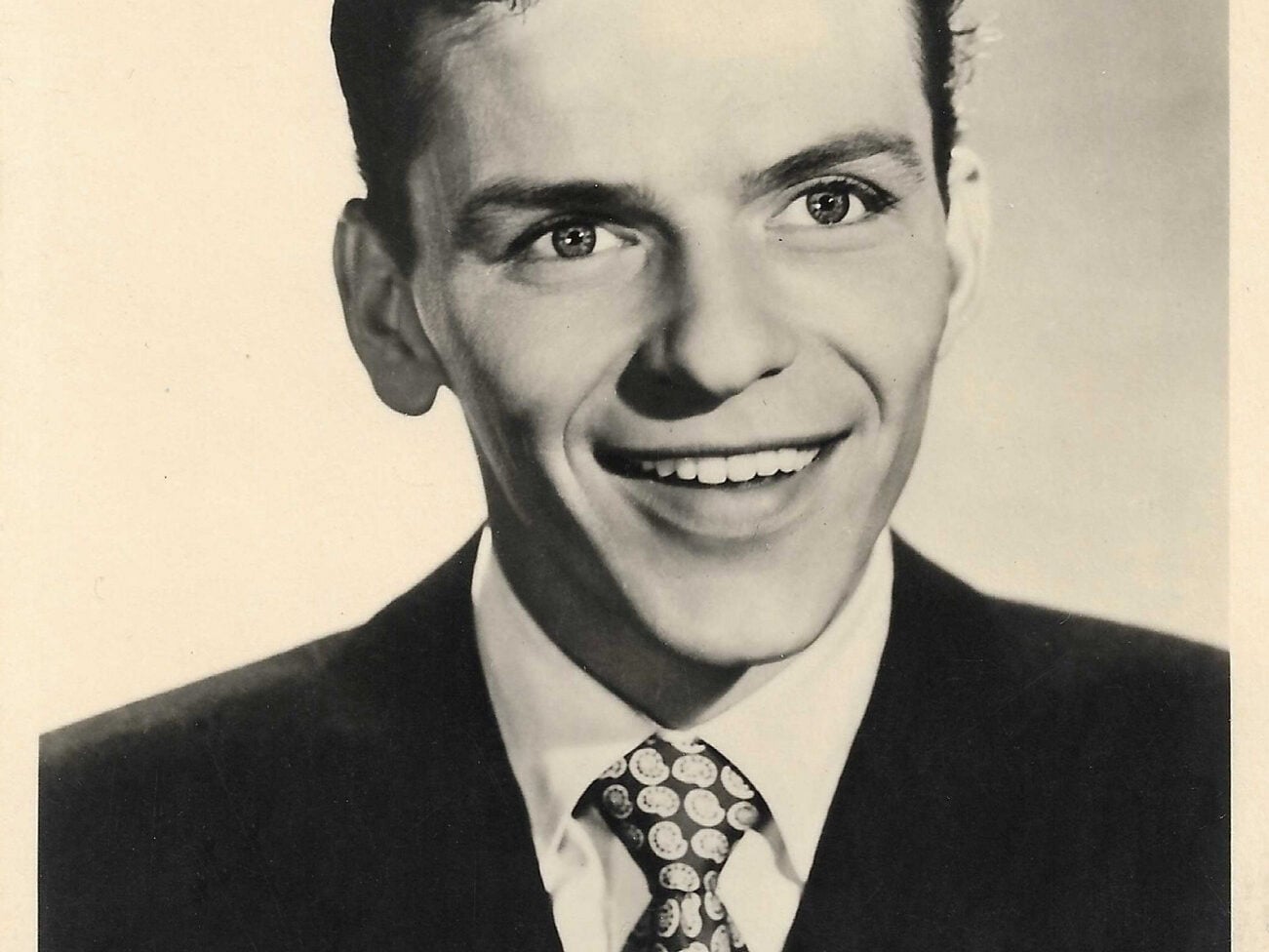
Frank Sinatra’s name has come up in connection with organized crime since at least the 1940s. His relationships with various figures in the American underworld were investigated by the FBI, examined by the Nevada Gaming Control Board, and reported on by journalists for decades.
He lost his gaming license in Nevada in 1963 partly over his association with Sam Giancana. The connections were so well-established that they appear throughout his FBI file, which runs to hundreds of pages.
And yet Sinatra’s legacy is almost entirely musical. The mob associations get a footnote at best. History apparently decided to let that one go.
Walt Disney, Informant
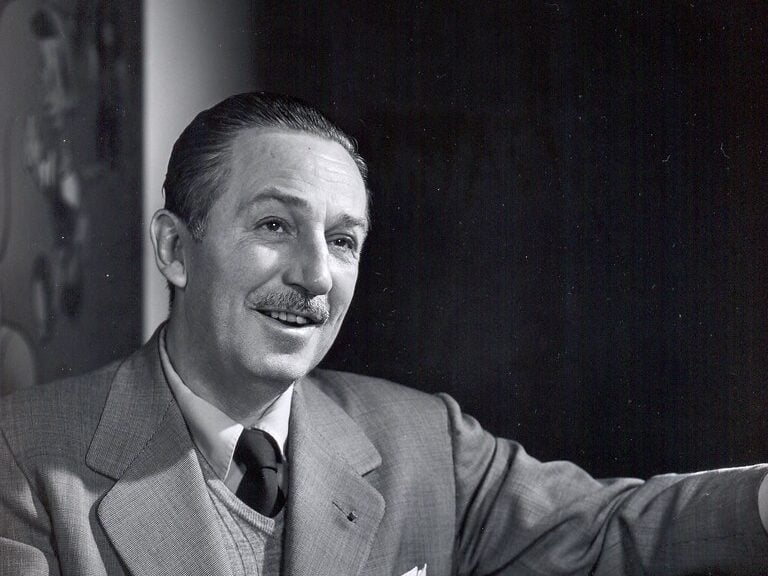
Walt Disney is remembered as the man who built an entertainment empire and brought beloved characters to life for generations. He is less remembered as a Hollywood informant who named names during the Red Scare.
Disney testified before the House Un-American Activities Committee in 1947, naming union organizers at his studio as Communist sympathizers. He helped lead a conservative group of studio executives who worked closely with the committee.
People lost jobs and careers because of accusations during that era. Disney played an active role in that process.
The fact that it’s rarely brought up in the context of his legacy says a lot about how selectively history is written.
Chuck Berry’s Hidden Cameras

Chuck Berry is justifiably celebrated as one of the architects of rock and roll. He is less frequently discussed in the context of a criminal conviction in the early 1990s, when he was found to have installed hidden cameras in the restrooms of his restaurant in Missouri.
Dozens of women filed a class action lawsuit, which was settled for a reported sum that, while substantial, didn’t generate the kind of lasting outrage you’d expect. Berry continued to perform and receive accolades.
He was inducted into the Rock and Roll Hall of Fame years earlier and remained a revered figure until his death in 2017. The camera scandal is rarely mentioned in tributes to his musical legacy.
Milli Vanilli and the Lie That Was Bigger Than Just Music
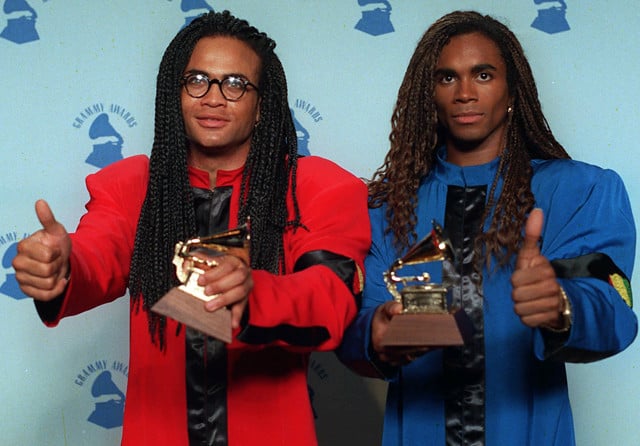
Milli Vanilli — Rob Pilatus and Fab Morvan — won a Grammy in 1990. Then it came out that neither of them had sung a single note on any of their recordings.
Their producer had used completely different vocalists, and the duo had been hired purely for their looks. The Grammy was revoked.
The group collapsed. What’s interesting in retrospect is how thoroughly the scandal consumed them while the producers who engineered the fraud faced far lighter consequences.
The label kept selling records. The actual singers remained anonymous for years.
Pilatus died in 1998. The story is remembered as a punchline, but the deeper mechanics of it — who made the decisions and who paid the price — rarely get examined.
Rob Lowe and the Atlanta Tape
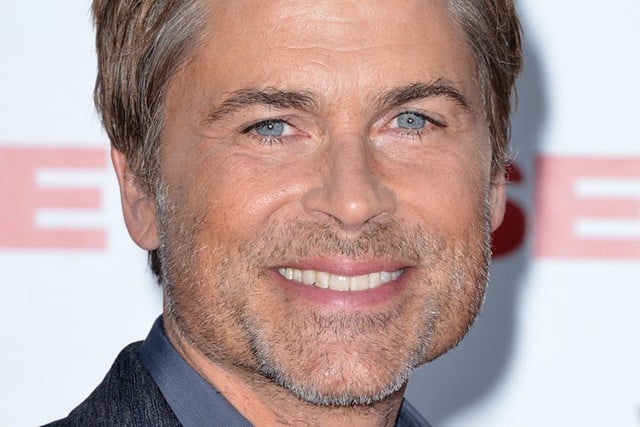
In 1988, a videotape surfaced showing Rob Lowe — at the time one of Hollywood’s biggest young stars — in a compromising situation with two women, one of whom was 16 years old. The tape had been made without her parents’ knowledge during the Democratic National Convention.
The story was enormous for a few months. There were legal proceedings.
And then it faded. Lowe wasn’t charged.
His career stumbled but eventually recovered fully. He went on to have a long, successful run in television.
The incident is almost never mentioned when his career is discussed. For the young woman involved, there was presumably no equivalent recovery from public exposure.
Paul Reubens and the Sudden Fall

Paul Reubens built one of the most distinctive characters in children’s entertainment with Pee-wee Herman. In 1991, he was arrested at a theater in Florida.
The story broke during the weekend and by Monday morning it was everywhere. He vanished from public life almost immediately.
His merchandise was pulled from shelves. The reaction was swift and absolute.
What’s interesting is how completely he rehabilitated — Pee-wee Herman eventually made a full comeback, Reubens returned to television and film, and by the time he died in 2023, the 1991 incident was treated as a minor biographical footnote rather than the career-ending catastrophe it briefly appeared to be.
Hugh Grant on Sunset Boulevard

In 1995, Hugh Grant was pulled over on Sunset Boulevard in Los Angeles with a woman who was not his girlfriend, Elizabeth Hurley. He was arrested.
It was an enormous story — Grant was one of the most recognizable actors in the world at the time, and Hurley was a major celebrity in her own right.
Grant went on The Tonight Show with Jay Leno, said he’d done a “very bad thing,” and the public largely moved on. His career continued without significant interruption.
It’s now remembered mostly as an example of how a celebrity apology can work, rather than as a genuine scandal. That chapter feels almost quaint by the standards of what came after it.
Winona Ryder in Saks Fifth Avenue

In 2001, Winona Ryder was caught shoplifting at Saks Fifth Avenue in Beverly Hills. She was convicted of grand theft and vandalism the following year.
The coverage was relentless and often vicious — she became a tabloid fixture and the butt of countless jokes. Her career went quiet for years afterward. What’s striking is that the reaction seemed wildly disproportionate to the actual offense.
Other celebrities have done far worse and faced far less. The trial was televised.
The coverage was merciless. Ryder eventually returned to significant work, but the years she lost to the fallout are worth noting.
Vanilla Ice and Suge Knight

That story about Vanilla Ice nearly falling off a ledge? It started with Suge Knight stepping into a hotel room. Robert Van Winkle says he felt the railing dig into his back while words were exchanged.
A demand came next – not spoken softly – about who would own “Ice Ice Baby.” What followed wasn’t paperwork signed quietly; it was survival instinct kicking in midair.
The rapper claims he agreed only because the floor seemed far below. Royalties changed hands afterward, under pressure that left marks beyond contracts
Years passed, retellings twisted it one way then another. One thing stands out – Van Winkle gave up the publishing rights to his top song when pressure was hard to ignore.
News of what happened spread fast back then, though attention drifted as Knight’s run-ins with the law grew louder over time.
Marlon Brando Lost His Money

It’s hard to argue against Marlon Brando being among the finest performers cinema has seen. Yet people rarely bring up how money troubles shadowed his later years, fueled by turning down roles, insisting on massive paychecks, followed by spending sprees that drained every dollar.
A pattern built over time, choices adding weight to each stumble. Years passed on a quiet island in French Polynesia, far from studios and scripts, as debts piled behind him.
Back in front of cameras during later decades, not due to passion but necessity. Projects such as The Island of Dr. Moreau, known for its wild disorder, emerged from tight corners.
How someone so acclaimed reached that point feels worth exploring, yet it slips through cracks whenever praise flows.
Elizabeth Taylor and Eddie Fisher Beyond the Forgotten Questions

Fury followed Elizabeth Taylor when she started seeing Eddie Fisher in 1958. He belonged to Debbie Reynolds – beloved, expectant – not free for grabs.
Off he went to Taylor anyway. The crowd didn’t hold back their anger.
She became its target overnight. Grace marked Reynolds through it all, even when eyes watched.
Blame fell heavy on Taylor instead. Two years passed before Burton entered the picture, closing what began with Fisher.
The moment shifted sideways then vanished quietly among louder tales that followed. Overlooked stays the load Reynolds carried – unearned, unasked – a silence settling once something fresher caught attention.
The Stories That Last Beyond the Anger

One minute a scandal fills every headline. Ten years on, it’s barely remembered, like some odd factoid from an old quiz book.
Often that fade works out fine – folks earn room to grow beyond their errors. Still, at times the quieting down serves comfort more than fairness.
The ones who carried heaviest rarely get mentioned when the dust settles. History moves on quicker for some.
The night sky holds on tight. Magazine covers fade fast.
Yet inside that gap sits something messy – how being known can shield those who are seen.
More from Go2Tutors!

- The Romanov Crown Jewels and Their Tragic Fate
- 13 Historical Mysteries That Science Still Can’t Solve
- Famous Hoaxes That Fooled the World for Years
- 15 Child Stars with Tragic Adult Lives
- 16 Famous Jewelry Pieces in History
Like Go2Tutors’s content? Follow us on MSN.