18 Photography Techniques That Instantly Improve Your Shots
Great photos don’t come from fancy cameras alone. Sure, good gear helps—but it’s how a scene is seen and captured that really makes the difference. Whether using a DSLR or just your phone, applying the right technique can change everything.
Small tweaks often lead to big results. Some methods take patience and practice—others, you can start using right away. Here are 18 techniques that sharpen your eye, boost your creativity, and help you shoot like someone who’s been at it for years.
Rule of Thirds

Split your frame into a 3×3 grid—then line up key elements along those lines or where they cross. Doing this creates visual tension and balance at the same time.
It’s much more engaging than sticking everything smack-dab in the center, which often just looks…uninspired.
Leading Lines
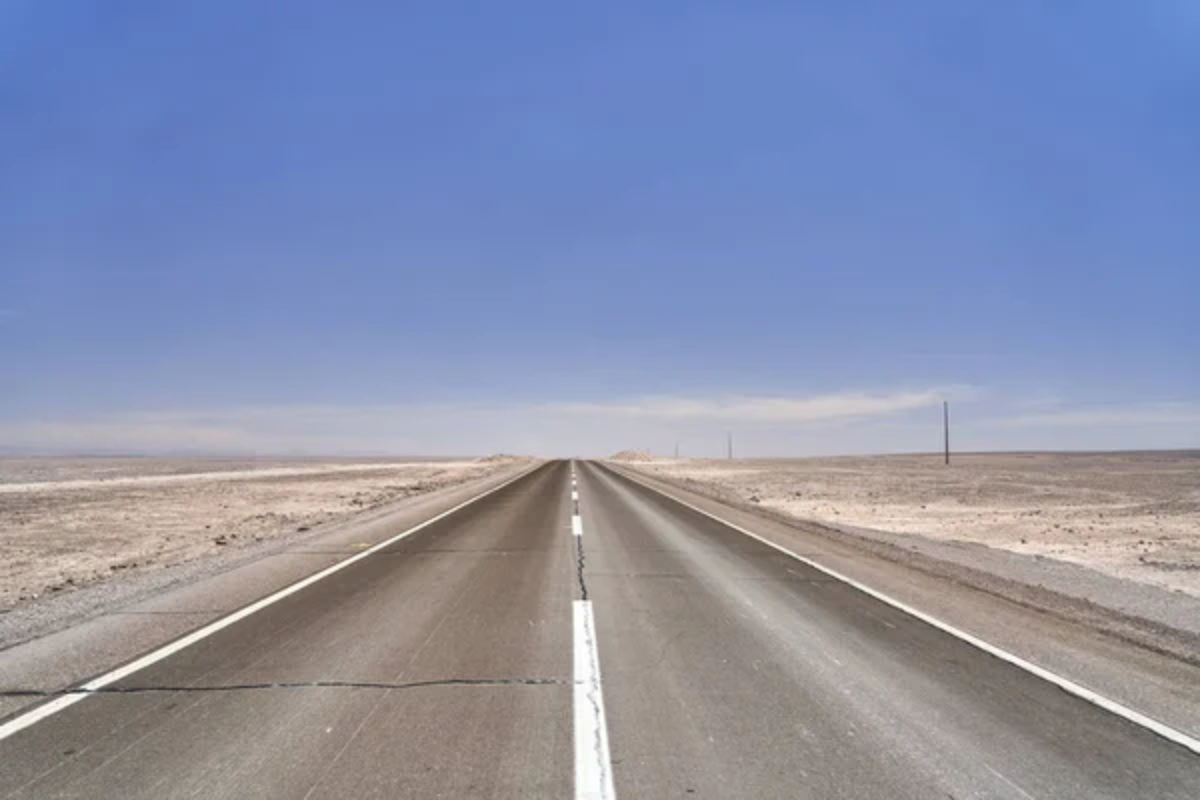
Look for paths that guide the eye: roads, rivers, fences—even shadows. Diagonal or curving lines usually pack more punch than straight ones, drawing viewers in and adding depth.
Just be sure those lines lead somewhere, not right out of the frame.
Golden Hour Light

That soft glow right after sunrise or before sunset? It’s gold—literally and figuratively. It smooths harsh shadows, warms up colors, and makes almost anything look more inviting.
There’s a reason seasoned photographers plan entire shoots around those brief windows of light.
Depth of Field Control

Blurred backgrounds make subjects pop—while sharp focus front-to-back works better for sweeping landscapes. To control this, adjust your aperture.
Wide ones like f/1.8 give that dreamy blur—narrow ones like f/11 keep everything crisp.
Negative Space

Empty space around your subject lets the image breathe. It’s especially powerful in portraits or product shots—where clutter-free surroundings give the main subject room to shine.
Minimalist doesn’t mean boring—it often feels bold.
Use Flash Outdoors
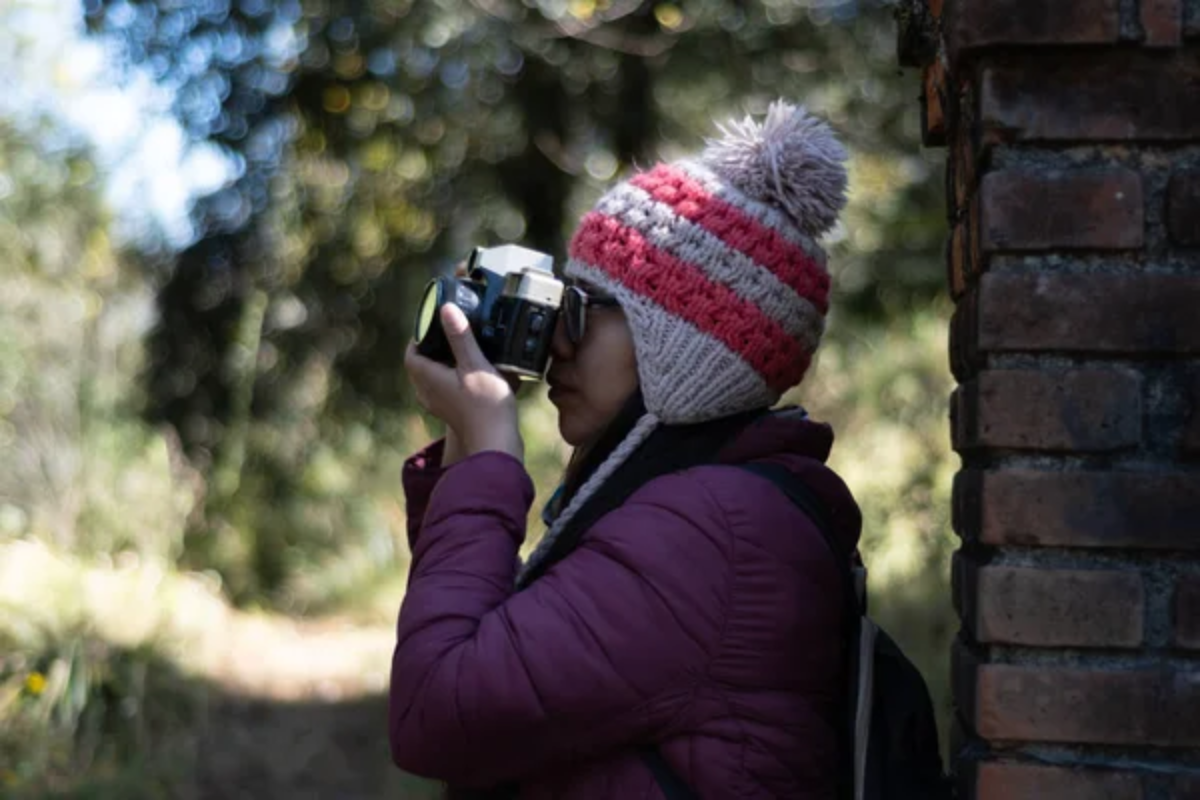
Using flash in daylight? Sounds odd—but it works. It fills in those awkward shadows under eyes or noses, especially when your subject’s backlit.
Even basic cameras handle this pretty well now, but manual tweaks let you control the final look.
Symmetry & Patterns

People love balance. Repeating shapes and mirrored compositions feel satisfying—sometimes even hypnotic. Think buildings, windows, reflections.
And if you break the symmetry with one odd detail? Even better. It draws attention like a spotlight.
Low Angles

Shoot from down low to give subjects power—literally. It’s a great way to make people, animals, or buildings look bold and dramatic.
Plus, you often get the sky as your backdrop, which helps keep distractions out of the frame.
High Angles

Looking down shifts everything. From above, you’ll spot patterns, movement, and relationships that disappear at eye level.
You don’t need a drone—stairs or a hill can do the trick. Great for events, street scenes, or busy environments.
Frame Within a Frame

Use doorways, arches, windows—or even trees—to surround your subject. It’s a natural way to guide focus and cut out the noise around the edges.
Done right, it feels polished without looking staged.
Motion Blur

Slow down your shutter and let movement paint the picture. Panning with a fast-moving subject keeps it (mostly) sharp while blurring everything else.
It takes practice—but once you get the rhythm, the results are worth it.
Macro Focus

Zooming in close reveals hidden textures and patterns. Everyday objects—like a leaf, a button, or a drop of water—become abstract art.
You don’t need pro lenses either. Try extension tubes or clip-on phone lenses to get started.
Silhouettes

Place your subject in front of a bright light source, like a sunset or window, and dial down the exposure. What you’ll get is a bold shape with zero detail—just form and contrast.
Works best with subjects that have a strong outline.
Color Temperature

Not all light is the same. Morning sun, fluorescent bulbs, overcast skies—they all cast different hues. Adjust your white balance to either neutralize or lean into those tones.
Warmer temps feel cozy. Cooler ones can look sleek or moody.
Burst Mode

Things move fast—kids, sports, animals. Instead of gambling on one perfect shot, use burst mode to capture several frames in quick succession.
Later, you can pick the exact moment that tells the story best.
Focus Stacking

This one’s more advanced but seriously useful. Take multiple shots at different focus points—then merge them for perfect sharpness from front to back.
It’s a game-changer for close-up or landscape work where every detail matters.
Environmental Portraits

Skip the plain backdrop. Show people where they are or what they love doing. Their workspace, favorite café, kitchen—even clutter—adds layers to their story.
The setting becomes part of the portrait, not just background noise.
Smart Post-Processing

Editing isn’t cheating—it’s part of the craft. Lifting shadows, toning down highlights, adjusting color or contrast… these tweaks enhance what you saw—not fake it.
That said, no amount of editing can rescue a poorly composed image. Start with a solid photo, then polish.
Photography Is About Vision, Not Just Gear

These tips are tricks every photographer (amateur or pro) should have in their toolkit.
It doesn’t matter if you’re using a budget phone or the most expensive equipment; it’s the photographer’s eye that makes the image compelling.
Master some of these tricks, apply them with intent, and sooner or later, they become like second nature to you. Combine them, experiment, even mess up occasionally, and learn. That’s when the magic shows in your photos.
More from Go2Tutors!

- The Romanov Crown Jewels and Their Tragic Fate
- 13 Historical Mysteries That Science Still Can’t Solve
- Famous Hoaxes That Fooled the World for Years
- 15 Child Stars with Tragic Adult Lives
- 16 Famous Jewelry Pieces in History
Like Go2Tutors’s content? Follow us on MSN.