18 Public Stunts That Spiraled Out of Control
Throughout history, people have pulled off some pretty wild public stunts to grab attention, make a statement, or simply entertain the masses. Most of the time, these carefully planned spectacles go off without a hitch. But sometimes, things go sideways in spectacular fashion, turning what should have been a moment of triumph into a complete disaster.
When publicity stunts backfire, they don’t just fail quietly—they create chaos, controversy, and sometimes even danger. Here is a list of 18 public stunts that went horribly wrong, proving that not all attention is good attention.
The War of the Worlds Radio Broadcast

Orson Welles never intended to cause mass panic when he adapted H.G. Wells’ science fiction novel for radio in 1938. The Mercury Theatre production used realistic news bulletin formats to tell the story of a Martian invasion, complete with fake emergency broadcasts and field reports.
Thousands of listeners tuned in late and missed the opening credits, believing they were hearing actual news coverage of an alien attack on Earth. The aftermath was immediate and chaotic.
Police stations were flooded with calls from terrified citizens asking about evacuation procedures, while others packed their cars and fled their homes. Though reports of widespread panic were later exaggerated by newspapers, the incident demonstrated the powerful influence of mass media and led to stricter broadcasting regulations.
The Balloon Boy Hoax

In 2009, Richard Heene claimed his six-year-old son Falcon had accidentally floated away in a homemade helium balloon shaped like a flying saucer. The incident captured national attention as millions watched the balloon drift across Colorado skies for hours, with news helicopters following its every move.
Emergency responders scrambled to coordinate a rescue operation for the boy they believed was trapped inside. The stunt unraveled when Falcon appeared on live television and told his father, ‘You guys said that we did this for the show.’
Investigators quickly determined the entire incident was fabricated to help the family land a reality TV deal. The Heenes faced criminal charges, paid hefty fines, and became symbols of fame-seeking gone wrong.
Geraldo Rivera’s Al Capone Vault
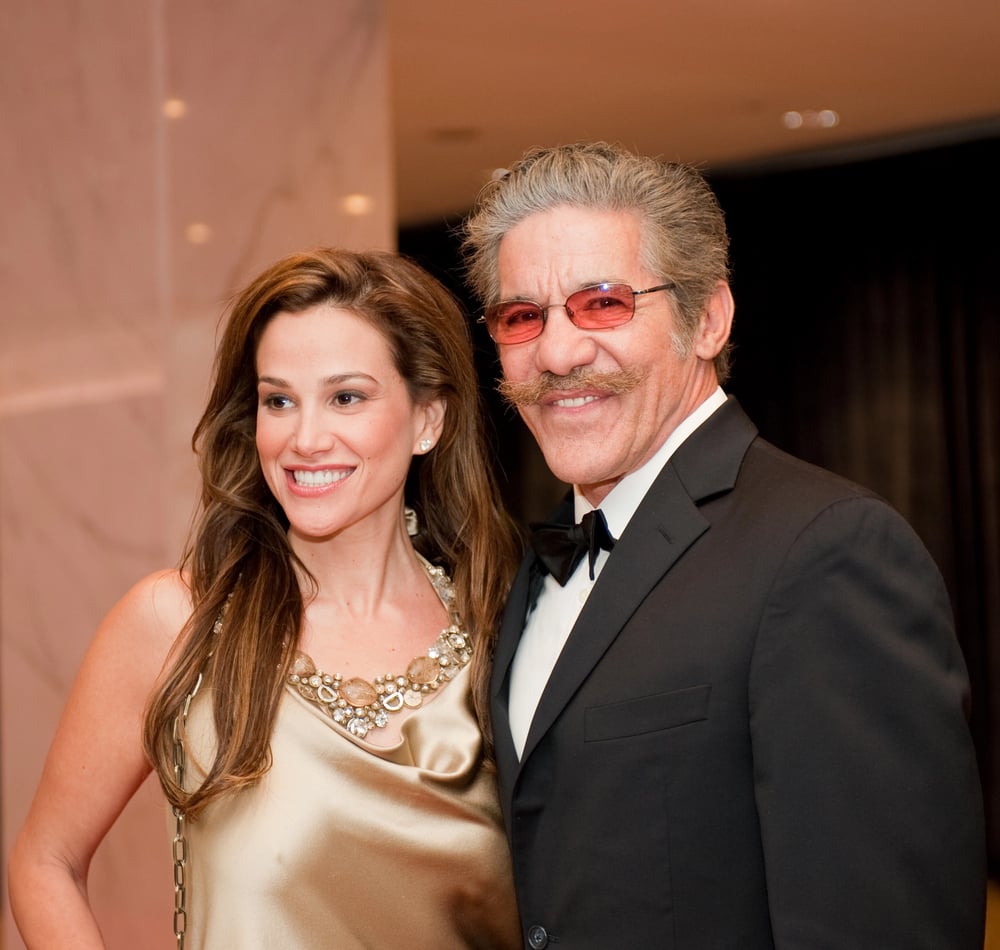
Television host Geraldo Rivera promised viewers the discovery of a lifetime when he announced a live special to open Al Capone’s secret vault in 1986. The two-hour broadcast built massive anticipation as Rivera dramatically broke through the concrete walls of the Chicago hotel basement where the vault was located.
Millions tuned in expecting to see treasure, weapons, or evidence of the famous gangster’s crimes. Instead, Rivera found absolutely nothing except dirt, debris, and a few empty bottles.
The anticlimax became an instant cultural punchline and effectively ended Rivera’s career as a serious journalist. The phrase ‘Al Capone’s vault’ became synonymous with overhyped disappointments, and Rivera himself has acknowledged it as one of the most embarrassing moments in television history.
The Crystal Pepsi Launch

PepsiCo thought they had a revolutionary product when they launched Crystal Pepsi in 1992, positioning it as a pure, caffeine-free alternative to traditional cola. The company spent millions on marketing campaigns featuring Van Halen’s ‘Right Now’ and positioned the clear beverage as the future of soft drinks.
Initial sales were promising, with curious consumers eager to try the transparent cola. The novelty wore off quickly when people realized Crystal Pepsi tasted nothing like regular Pepsi, despite the marketing claims.
Consumers found the disconnect between the familiar Pepsi name and the unfamiliar taste confusing and off-putting. The product disappeared from shelves within a year, costing PepsiCo an estimated $40 million and becoming a textbook example of how not to launch a product extension.
The Segway Unveiling
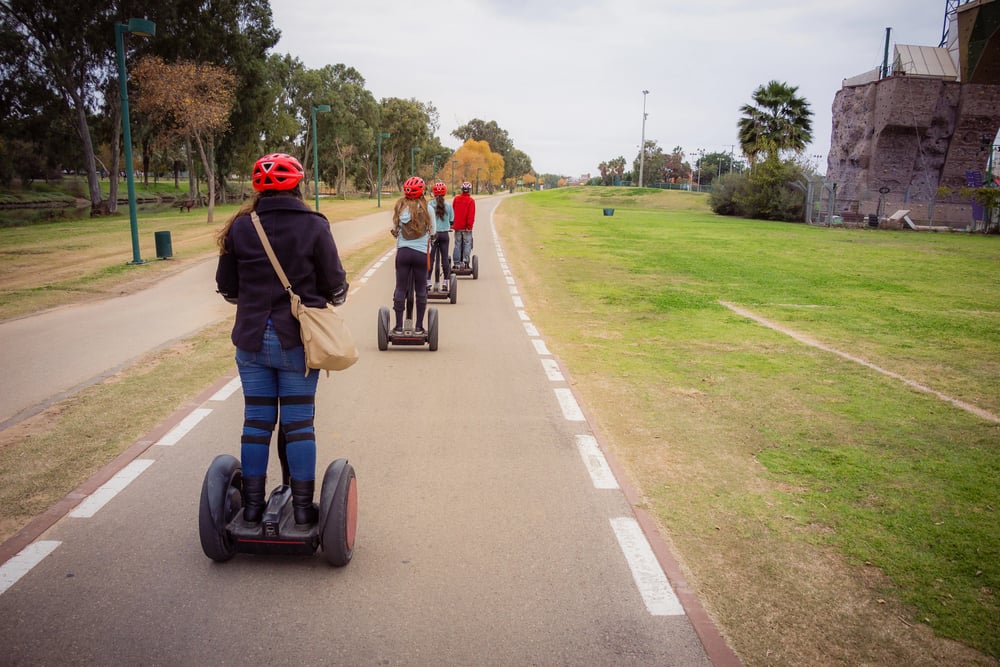
Dean Kamen’s Segway was supposed to revolutionize personal transportation when it was unveiled in 2001 after months of secretive hype. The inventor and his marketing team promised the device would be as significant as the automobile, with early investors and media outlets building enormous expectations.
The official launch event featured elaborate demonstrations and bold predictions about reshaping city planning and human mobility. Reality fell far short of the revolutionary promises.
The Segway proved expensive, impractical for most users, and faced numerous regulatory hurdles that limited where it could be used. Sales never approached projected numbers, and the device became more of a novelty item for mall cops and tourists than the transportation breakthrough it was supposed to be.
New Coke Introduction
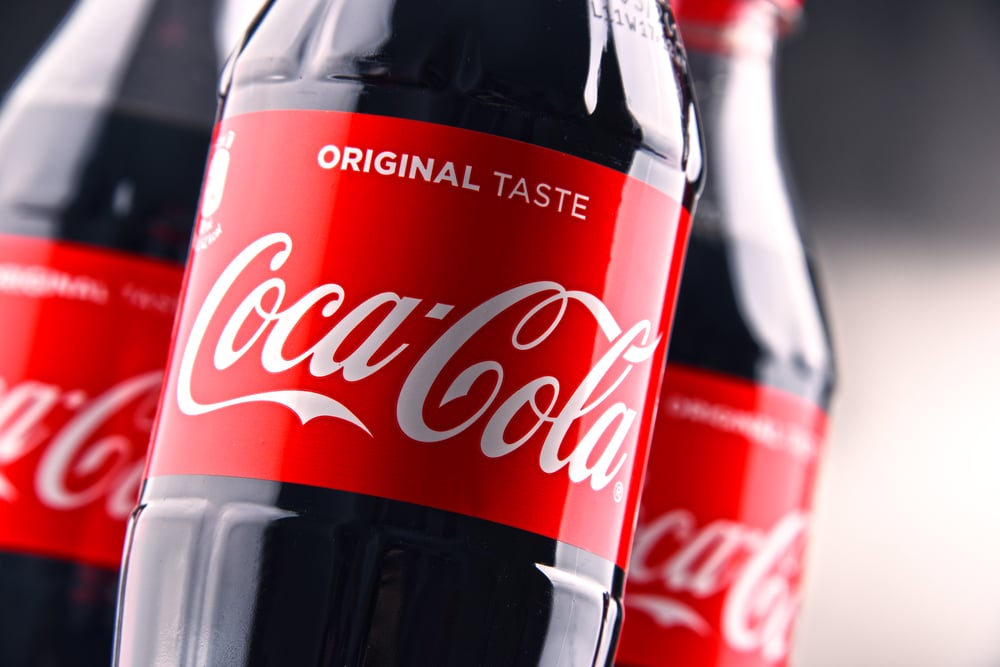
The Coca-Cola Company thought they were making a smart competitive move when they reformulated their flagship product in 1985. Market research suggested consumers preferred the sweeter taste of New Coke over both the original formula and rival Pepsi.
The company launched an extensive marketing campaign to introduce the new formula, expecting positive reception from loyal customers. Instead, the backlash was swift and fierce.
Consumers felt betrayed by the change to their beloved beverage, with some comparing it to changing the American flag. Protest groups formed, sales plummeted, and the company received over 400,000 angry letters and phone calls.
Coca-Cola was forced to bring back the original formula as ‘Coca-Cola Classic’ just 79 days later, though conspiracy theorists still argue the whole thing was a publicity stunt.
The Hindenburg Disaster
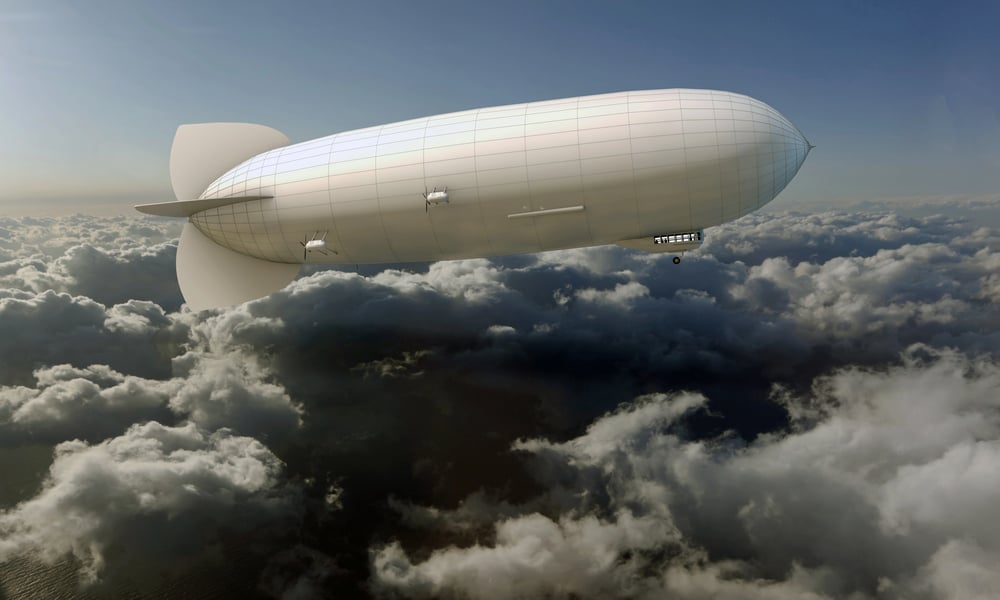
The Hindenburg airship was meant to showcase German engineering prowess and the future of luxurious air travel when it made its transatlantic journey in 1937. The massive aircraft had completed several successful flights, and its arrival in New Jersey was being broadcast live on radio as a routine news event.
The German zeppelin represented the pinnacle of aviation technology and was seen as a safe, elegant way to cross the ocean. Everything changed in 37 seconds when the hydrogen-filled airship suddenly burst into flames while attempting to dock.
Radio reporter Herbert Morrison’s emotional account of the disaster, including his famous cry ‘Oh, the humanity!’ became one of the most memorable broadcasts in history. The tragedy killed 36 people and instantly ended the era of passenger airships, proving that some technological advances carry deadly risks.
The Millennium Bug Preparations

As the year 2000 approached, computer experts warned that the Y2K bug could cause widespread technological failures when systems couldn’t handle the date change. Governments and businesses spent an estimated $300 billion preparing for potential disasters, with some predicting everything from power grid failures to nuclear plant meltdowns.
The media coverage intensified fears, leading many people to stock up on supplies and prepare for societal collapse. When midnight struck on January 1, 2000, virtually nothing happened.
A few minor glitches occurred, but no major systems failed catastrophically. The massive preparation effort, while possibly preventing some problems, seemed vastly disproportionate to the actual impact.
Critics argued that the Y2K scare was overblown, though defenders maintained that the extensive preparations were exactly why disasters were avoided.
The Edsel Launch
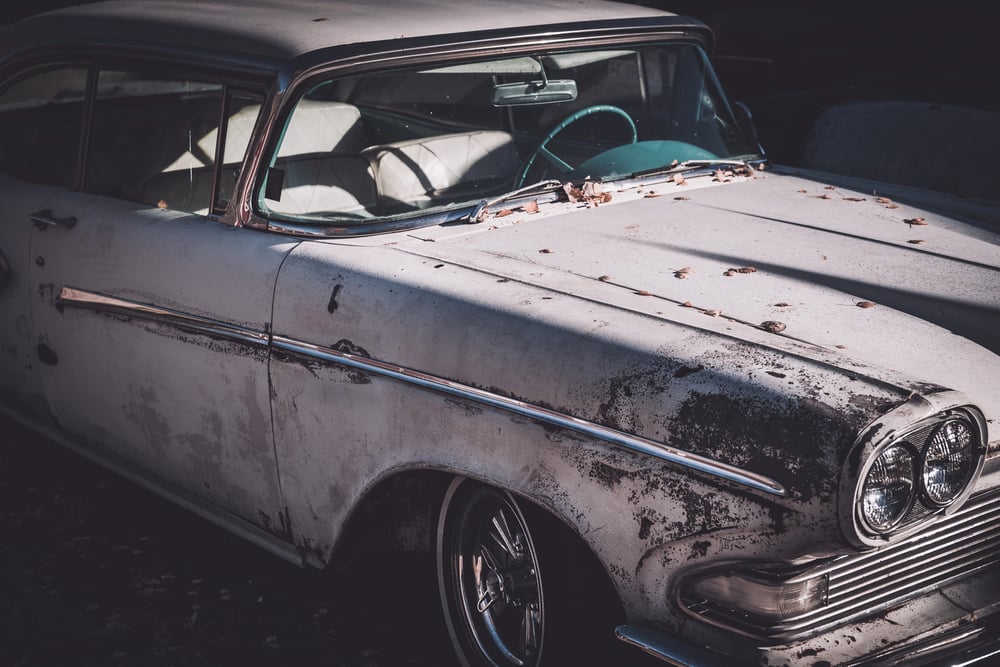
Ford Motor Company invested heavily in market research and development when they launched the Edsel in 1957, positioning it as a revolutionary car that would capture the middle-class market. The company spent $400 million on development and marketing, creating an entirely new division and dealer network.
Early advertising promised a vehicle that would set new standards for style, performance, and innovation. The Edsel became one of the most spectacular product failures in automotive history.
Consumers found the car’s styling awkward, particularly the distinctive vertical grille that many compared to unflattering anatomical features. Quality control problems plagued early models, and the car’s release coincided with an economic recession that hurt sales of mid-priced vehicles.
Ford discontinued the Edsel after just three years, losing an estimated $350 million.
The Facebook IPO

Facebook’s initial public offering in 2012 was supposed to be a triumphant moment for the social media giant, with massive investor interest and predictions of soaring stock prices. The company was valued at over $100 billion, making it one of the largest IPOs in history.
Mark Zuckerberg and his team expected a smooth launch that would validate their business model and reward early employees and investors. Technical glitches plagued the NASDAQ exchange on opening day, delaying trades and creating confusion among investors.
The stock price barely moved above its $38 opening price and quickly began declining in the following weeks. Lawsuits followed, alleging that Facebook and its underwriters had selectively disclosed negative information to preferred clients while keeping retail investors in the dark.
The Google Glass Rollout
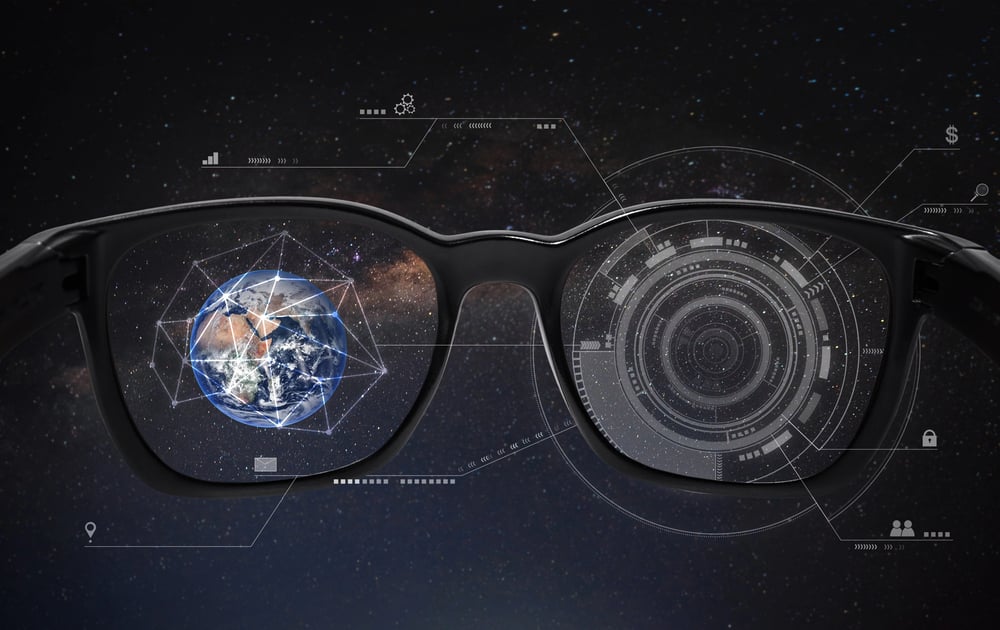
Google positioned Glass as the future of wearable technology when they began limited testing in 2013, with early adopters paying $1,500 to join the exclusive Explorer program. The company envisioned a world where people would seamlessly integrate digital information into their daily lives through the heads-up display.
Initial demonstrations showed impressive capabilities, from navigation assistance to hands-free photography. Public reception was overwhelmingly negative, with concerns about privacy, safety, and social acceptability.
People wearing Glass were dubbed ‘Glassholes,’ and many establishments banned the device over privacy concerns. The technology proved buggy, had poor battery life, and created social awkwardness for users.
Google quietly discontinued the consumer version in 2014, though they continued developing enterprise applications.
The Challenger Launch

NASA’s space shuttle Challenger was supposed to demonstrate the routine nature of space travel when it launched on January 28, 1986, carrying teacher Christa McAuliffe as the first civilian in space. The mission was designed to show that space exploration had become safe enough for ordinary citizens, with extensive media coverage planned to showcase American technological achievement.
Schools across the country tuned in to watch McAuliffe make history. The shuttle exploded just 73 seconds after liftoff, killing all seven crew members in full view of the watching public.
The disaster was caused by O-ring failures in cold weather, a risk that engineers had warned about but was ignored by management. The tragedy set back the space program for years and led to major changes in NASA’s safety culture and decision-making processes.
The McDonald’s Szechuan Sauce Return
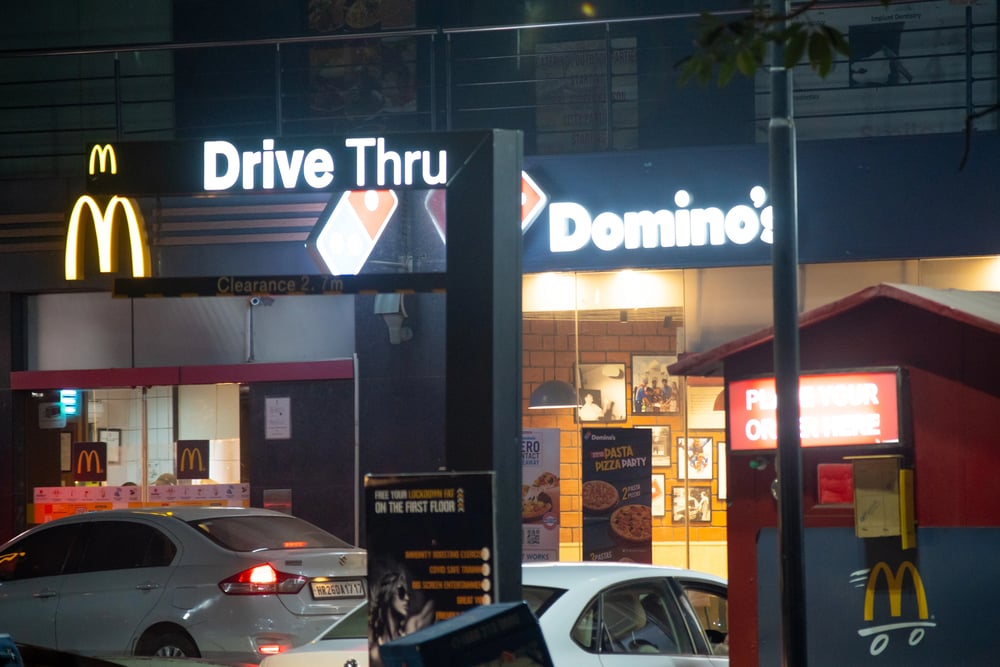
McDonald’s thought they had a clever marketing idea when they brought back their limited-edition Szechuan sauce in 2017, capitalizing on its popularity from the TV show ‘Rick and Morty.’ The sauce had originally been created as a promotion for Disney’s ‘Mulan’ in 1998, but the cartoon’s fans had turned it into a cult obsession.
The company announced a one-day return of the sauce at select locations, expecting moderate interest. Instead, the promotion created chaos at McDonald’s locations across the country.
Massive crowds gathered at participating restaurants, with some locations running out of sauce within hours. Frustrated customers who had traveled long distances became angry and confrontational, with some locations calling police to manage crowds.
The incident became a public relations nightmare and demonstrated how internet culture can amplify promotional campaigns beyond all reasonable expectations.
The Fyre Festival

Billy McFarland and Ja Rule promoted Fyre Festival as a luxury music festival in the Bahamas, using supermodels and social media influencers to create an image of exclusive paradise. The 2017 event was supposed to combine high-end music performances with gourmet dining and luxurious accommodations on a private island.
Tickets sold for thousands of dollars, with VIP packages reaching $12,000 per person. Attendees arrived to find disaster relief tents instead of luxury villas, cheese sandwiches instead of gourmet meals, and no musical performances at all.
The festival grounds were completely unprepared, lacking basic infrastructure like plumbing and security. Guests were stranded on the island with no way to leave, creating a humanitarian crisis that required emergency evacuation.
McFarland was later sentenced to six years in prison for fraud.
The Pepsi Kendall Jenner Ad

Pepsi thought they were creating a message of unity and social awareness when they released an advertisement featuring Kendall Jenner in 2017. The commercial showed Jenner joining a protest march and offering a Pepsi to a police officer, seemingly resolving tensions between demonstrators and law enforcement.
The company intended to tap into the zeitgeist of social activism and position their brand as a bridge between different groups. The backlash was immediate and severe, with critics accusing Pepsi of trivializing serious social justice movements and police brutality concerns.
Many felt the ad suggested that complex societal problems could be solved with a soft drink, diminishing the real struggles of activists and protesters. Pepsi pulled the advertisement within 24 hours and issued a public apology, but the damage to their brand reputation was already done.
The Segway Company Owner’s Death

The ultimate irony struck the Segway company when owner Jimi Heselden died in 2010 while riding one of his own devices. Heselden had purchased the company from inventor Dean Kamen earlier that year, hoping to turn around the struggling business and fulfill the original vision of revolutionizing personal transportation.
The successful British businessman was known for his philanthropic work and seemed like the right person to rescue the innovative but commercially disappointing product. Heselden accidentally rode his Segway off a cliff near his home in England, highlighting the very safety concerns that had always plagued the device.
The tragic irony of the Segway company owner dying while using his own product became worldwide news and further damaged the brand’s reputation. The incident underscored the persistent problems with the Segway’s market positioning and public perception.
The Boston Tea Party Ship Incident
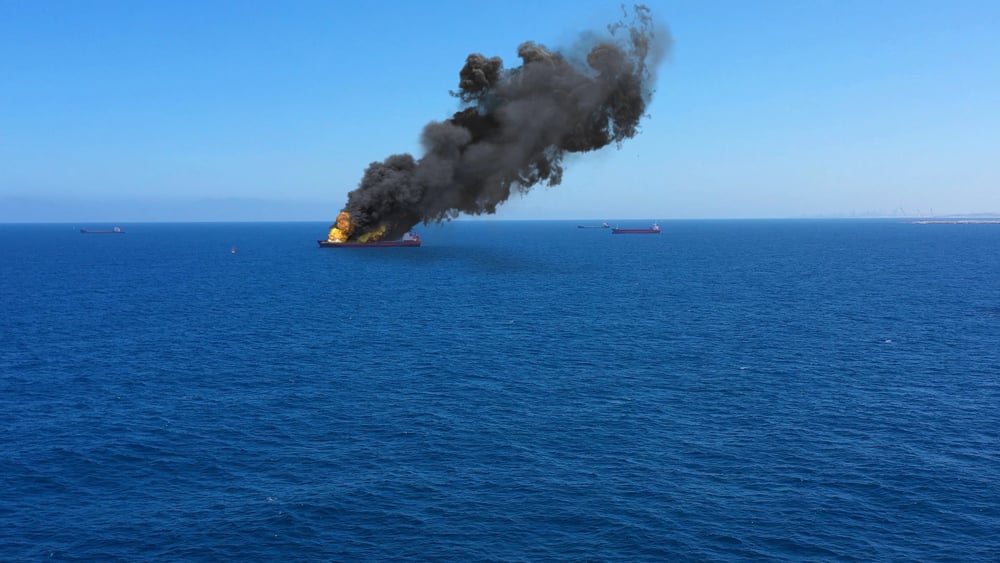
The Boston Tea Party Ships & Museum in Boston faced an embarrassing situation in 2001 when one of their replica ships caught fire during a welding accident. The Eleanor replica was supposed to be a centerpiece of the museum’s educational programs, helping visitors understand the historic tea party that sparked the American Revolution.
The ship was undergoing routine maintenance when sparks from welding equipment ignited the wooden vessel. The fire completely destroyed the replica ship, creating a spectacle that drew crowds and media attention for all the wrong reasons.
The museum had to shut down temporarily while they rebuilt their exhibits, and the incident became a running joke about Boston’s ability to preserve its own history. Insurance covered the reconstruction costs, but the embarrassment of burning down a ship commemorating one of Boston’s most famous historical events was harder to overcome.
The Sony Rootkit Scandal

Sony thought they were protecting their music copyrights when they secretly installed rootkit software on customers’ computers through audio CDs in 2005. The software was designed to prevent copying and sharing of music, automatically installing itself when people played certain Sony BMG albums on their computers.
The company believed this would be an effective way to combat music piracy without customers even knowing the protection was there. The hidden software created serious security vulnerabilities on millions of computers, making them susceptible to viruses and malware.
When security researchers discovered the rootkit, they revealed that it was nearly impossible to remove and actually made computers less secure. Sony faced multiple lawsuits, regulatory investigations, and had to provide free removal tools and replacement CDs to affected customers.
The scandal damaged Sony’s reputation and demonstrated the risks of overly aggressive copy protection measures.
The Lasting Impact of Public Failures

These spectacular failures remind us that public attention can be a double-edged sword, capable of destroying reputations as quickly as it builds them. Each incident teaches valuable lessons about the importance of thorough planning, understanding your audience, and considering potential consequences before launching ambitious public ventures.
The digital age has only amplified these risks, turning local embarrassments into global phenomena within hours. What makes these failures particularly memorable is how they often reveal the gap between ambitious promises and practical reality.
Whether it’s a technology that doesn’t work as advertised or a marketing campaign that completely misreads the cultural moment, these incidents show why careful preparation and realistic expectations are essential for any public endeavor. The most successful public figures and companies learn from these cautionary tales, understanding that genuine authenticity usually trumps flashy stunts.
More from Go2Tutors!

- The Romanov Crown Jewels and Their Tragic Fate
- 13 Historical Mysteries That Science Still Can’t Solve
- Famous Hoaxes That Fooled the World for Years
- 15 Child Stars with Tragic Adult Lives
- 16 Famous Jewelry Pieces in History
Like Go2Tutors’s content? Follow us on MSN.



