Most Elaborate Pranks and Hoaxes Ever
Laughter vanishes fast when small tricks come and go between friends. Big ones, though—they pull schools, newsrooms, even towns into their web without warning.
When cleverness meets blind faith, illusions thrive; these stunts show just how quickly we follow leaders, habits, routines—without asking why. Carelessness killed some attempts, yet success came through fitting right into how things made sense back then.
Peeking behind the curtain shows how wild tricks can get. Some jokes stretch so far they blur into legend. A few stretched beliefs beyond breaking point.
These moments expose something raw about people. Trust bends easily when fooled well. Truth sometimes hides in plain sight. Laughter often follows confusion. Surprises like these stick around because they challenge what feels real.
The BBC Spaghetti Harvest

In the late 1950s, a respected television program aired a segment showing families harvesting strands of spaghetti from trees. The report was delivered in a calm, authoritative tone, complete with footage that appeared documentary in style.
Viewers trusted it because it arrived through a source they considered reliable. Audiences contacted the broadcaster asking how they could grow their own spaghetti trees. The hoax became a lasting example of how presentation can override skepticism, especially when delivered by trusted institutions.
The Great Moon Landing Broadcast Panic

A radio drama depicting an alien invasion was performed with such realism that listeners believed the events were unfolding live. The broadcast used simulated news interruptions, eyewitness-style reports, and escalating urgency that mirrored real emergency coverage.
Radio was the dominant source of information, and audiences were accustomed to trusting it implicitly. The event demonstrated how easily mass communication can blur fiction and reality when conventions are followed closely enough.
The Piltdown Fossil Discovery
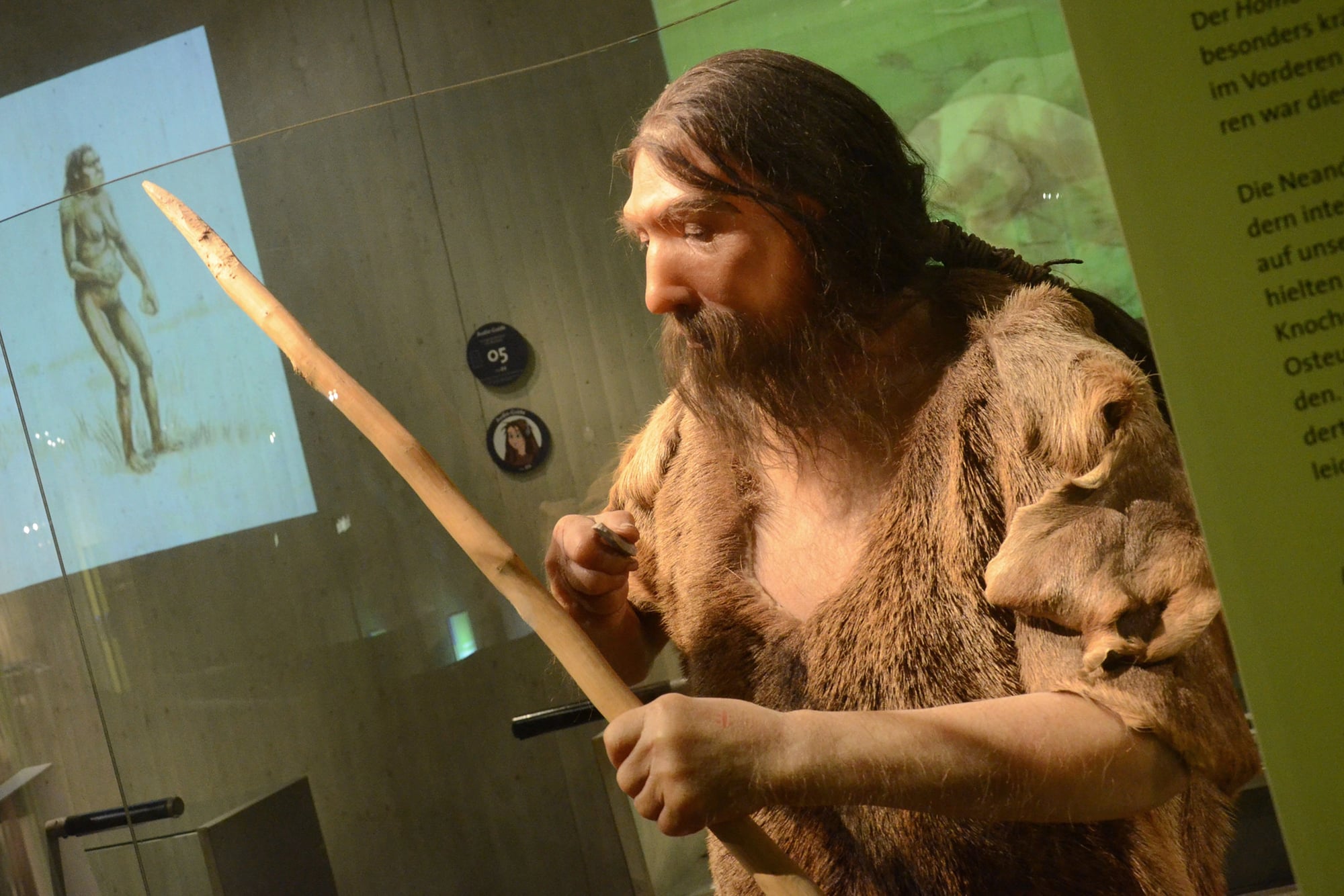
For decades, a supposed ancient fossil was accepted as a missing link in human evolution. The find aligned neatly with prevailing scientific expectations of the time, which made it attractive and convincing.
The hoax endured because it confirmed existing assumptions. Only later did improved testing methods reveal inconsistencies. Its exposure reshaped scientific rigor, serving as a reminder that even experts can be misled when evidence fits too comfortably into expected narratives.
The Fake Country of San Serriffe

A newspaper once dedicated an entire feature to a fictional island nation, complete with maps, history, and cultural details. The writing mirrored serious travel journalism so closely that many readers accepted it at face value.
Readers wrote in asking about travel opportunities and currency exchange. The hoax worked because it respected the format it mimicked. By following journalistic conventions precisely, the creators built a world that felt credible enough to exist, at least for a day.
The Chess-Playing Automaton

In the 18th century, a mechanical figure was unveiled that appeared capable of playing chess against human opponents. Audiences marveled at what seemed like an early example of machine intelligence.
In reality, the device concealed a human operator. The illusion relied on spectacle and limited understanding of mechanics at the time. The hoax endured for years, reflecting how fascination with innovation can lower critical scrutiny when something appears ahead of its era.
The Sokal Academic Hoax

A deliberately nonsensical academic paper was submitted to a cultural studies journal and accepted for publication. The text was filled with complex language and references but lacked coherent meaning.
Its acceptance exposed weaknesses in editorial rigor. The hoax sparked debate about standards, peer review, and intellectual accountability, demonstrating how complexity can sometimes mask emptiness when surface cues go unquestioned.
The London Zoo Penguin Exhibit Prank
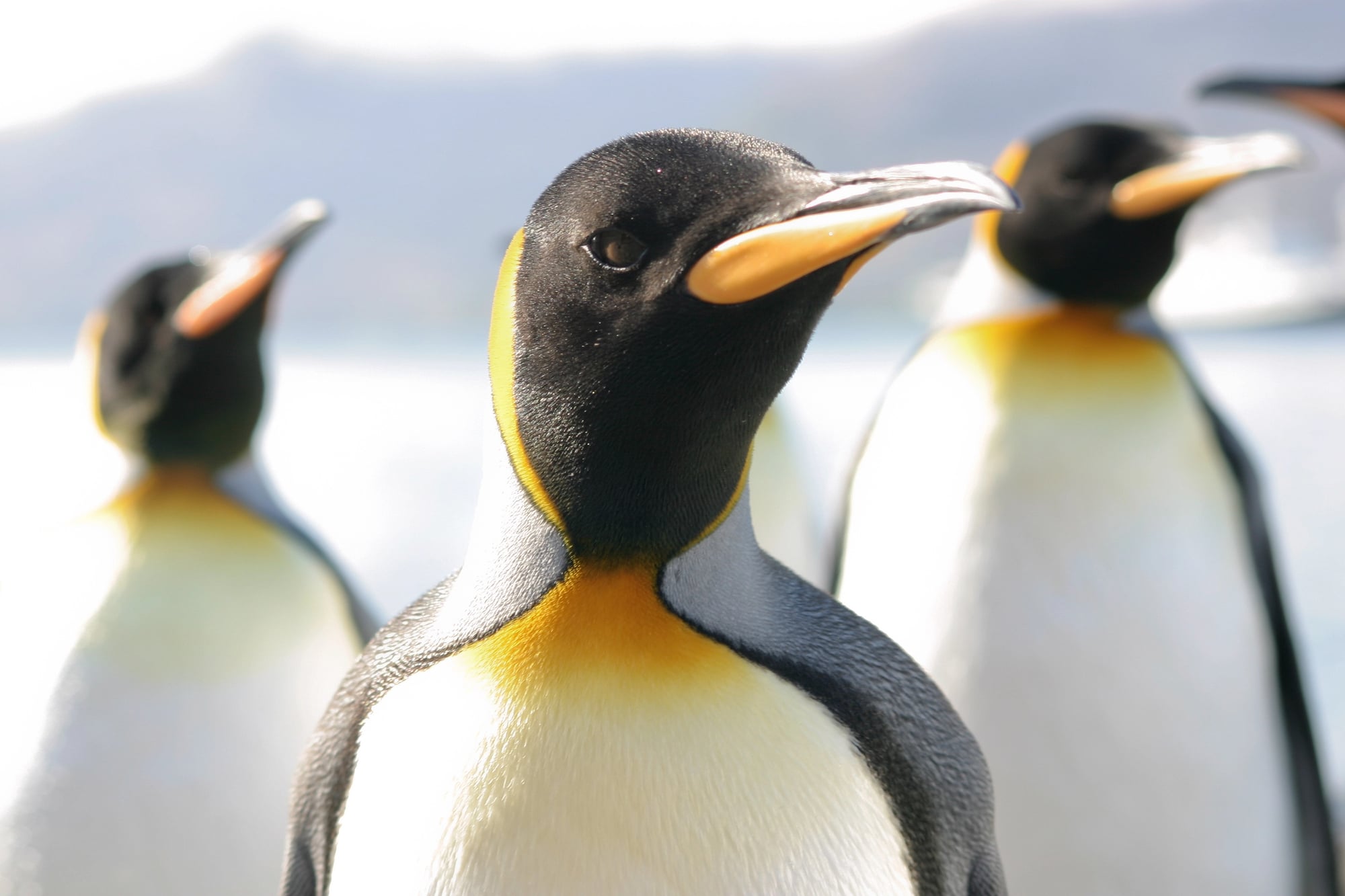
Visitors were invited to view a rare species that did not exist, complete with official-looking signage and staff explanations. People waited patiently, assuming the absence of visible animals was part of the experience.
The prank relied on expectation. Zoos often feature animals that are elusive or hidden, so the idea of not seeing anything felt normal. The event highlighted how institutional settings encourage compliance and acceptance, even when evidence is missing.
The Fake Scientific Discoveries of the Early Press Era

In the 19th century, newspapers occasionally published detailed reports of impossible scientific breakthroughs, including fantastical discoveries on distant celestial bodies. These articles were written with technical detail and authoritative tone.
Readers accepted them because science was advancing rapidly, and boundaries felt limitless. The hoaxes fed curiosity while exposing how excitement about progress can temporarily suspend disbelief. They also influenced how science reporting evolved afterward.
The College Prank That Fooled an Entire City

Students staged elaborate pranks involving fake ceremonies, official uniforms, and convincing paperwork. Entire communities attended events believing they were legitimate.
These pranks succeeded through attention to detail. Nothing appeared out of place, and every question had an answer ready. The scale turned small jokes into large social experiments, revealing how structure and confidence can create temporary reality.
The Art World Hoaxes

Numerous fake artworks have passed through galleries and collectors, attributed to famous creators despite being modern forgeries. These works fooled experts and institutions for years.
What made them convincing was not just technical skill, but understanding of context. Forgers studied materials, styles, and histories closely enough to replicate not just appearance, but story. These hoaxes reshaped how authenticity is evaluated in the art world.
The Corporate Announcement That Wasn’t Real

Carefully staged announcements convinced the public that major companies were launching absurd products or radical changes. Press releases, spokespersons, and staged visuals created convincing narratives.
The hoaxes revealed how corporate communication styles have become predictable. By copying tone and structure precisely, pranksters exploited trust in official messaging. These events encouraged greater scrutiny of press announcements moving forward.
The Fake Academic Conferences

Entire conferences have been staged around fabricated fields of study, complete with speakers, programs, and academic language. Participants attended sessions without realizing the subject itself was invented.
The success lay in familiarity. Conferences often sound opaque to outsiders, so the jargon raised no immediate alarms. These hoaxes questioned how often people assume legitimacy based on environment rather than content.
Why Elaborate Hoaxes Work So Well

Elaborate hoaxes succeed because they respect structure. They follow the rules of the systems they infiltrate, whether those systems involve media, academia, science, or public institutions. People are not fooled because they are careless—they are fooled because trust is a necessary social function.
These events also reveal how authority operates. When something looks official, sounds familiar, and arrives through expected channels, skepticism often fades. Hoaxes expose these patterns not to humiliate, but to highlight how belief is constructed.
In a world saturated with information, the lessons from these elaborate pranks remain relevant. The most enduring hoaxes are remembered not for deception alone, but for what they teach about trust, storytelling, and the thin line between reality and performance.
More from Go2Tutors!

- The Romanov Crown Jewels and Their Tragic Fate
- 13 Historical Mysteries That Science Still Can’t Solve
- Famous Hoaxes That Fooled the World for Years
- 15 Child Stars with Tragic Adult Lives
- 16 Famous Jewelry Pieces in History
Like Go2Tutors’s content? Follow us on MSN.Most Elaborate Pranks and Hoaxes Ever



