18 Quirky Facts About Olympic Mascots

Before every Olympic Games kicks off, something special pops up alongside the athletes and medals—Olympic mascots. These fun, colorful characters don’t just bring smiles; they tell stories, represent culture, and get everyone, young and old, excited about the event. They’re more than just cute figures; they’re carefully crafted symbols designed to bring the spirit of the Games to life.
Let’s dive into some surprising and playful facts about these mascots that most people don’t know. They show just how much thought and creativity go into every Olympic character.
The first-ever Olympic mascot wasn’t from the Olympics

Before the official Olympic mascots appeared, the very first one that caught attention was from the 1968 Winter Olympics in Grenoble, France. But the idea of a mascot itself goes back to a 1958 World Cup in Sweden, where a lion called "Goleo" was used. The Olympics borrowed the mascot concept and made it their own later, turning mascots into an Olympic tradition.
Mascots are always inspired by local culture

Olympic mascots often pull inspiration from the host country’s animals, history, or legends. For example, the 1992 Barcelona mascot, Cobi, looked like a Catalan sheepdog but with a cubist art style that matched local art traditions. This way, mascots become a fun way to share culture with the world.
Some mascots are more popular than the athletes

Believe it or not, mascots sometimes steal the spotlight from the athletes. Take Misha from the 1980 Moscow Olympics—a bear with a big heart who became so loved that it turned into a symbol of friendship despite political tensions. Misha’s story made it clear that a mascot can touch hearts in ways sport alone sometimes can’t.
There’s usually a deep story behind every mascot’s design

Each mascot is not just cute but comes with a backstory that explains its features. Take Izzy from the 1996 Atlanta Games—created as a futuristic figure, Izzy was supposed to represent technology and progress. While it didn’t catch on visually with everyone, the story behind Izzy showed how mascots can symbolize big ideas beyond just animals or characters.
Olympic mascots have their own theme songs

Many mascots get their own catchy tunes. These songs pop up on TV and radio, helping kids and fans remember and connect with the character. The 1980 Moscow mascot Misha had a song that became a hit and still pops up on playlists today, showing how mascots can become part of pop culture.
Sometimes, mascots have odd or unexpected names

Not all mascot names are easy to say or remember. For example, the 2000 Sydney mascot was named “Syd,” “Millie,” and “Olly,” which represented the city, the new millennium, and the Olympic spirit, respectively. Having multiple mascots with short, catchy names was a unique approach that made Sydney stand out.
Mascots don’t always get a warm welcome
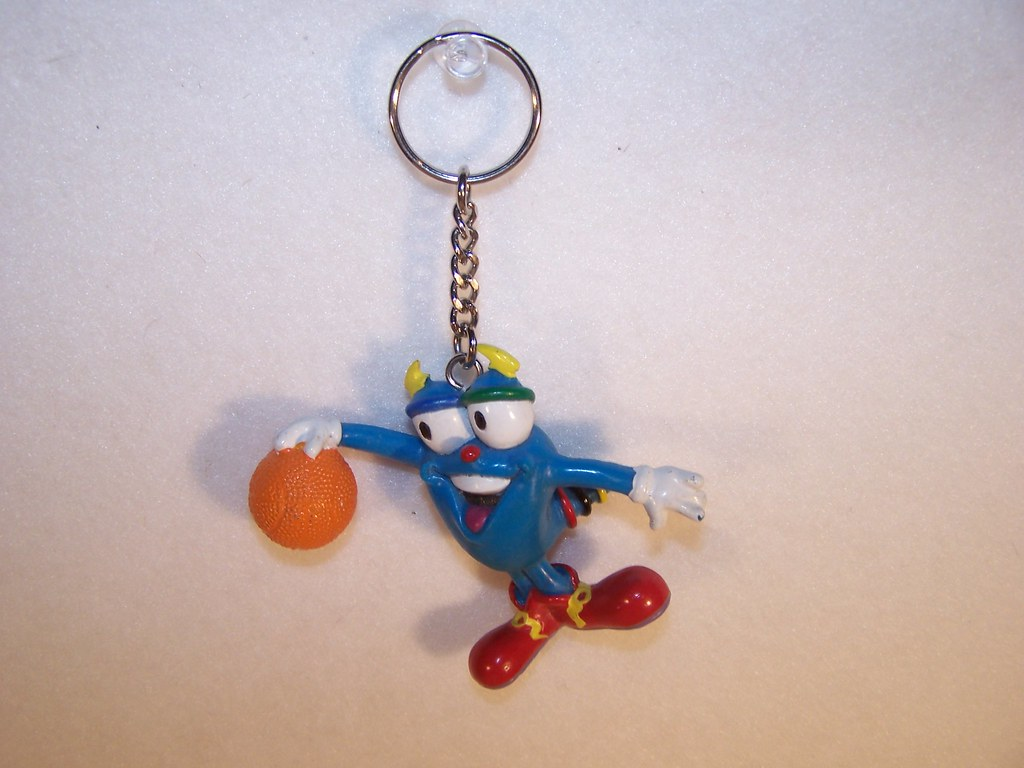
Not every mascot is loved at first sight. Izzy from Atlanta faced a lot of criticism for its strange, computer-generated look back in the ’90s. People were confused and sometimes even made fun of it. But that also shows how mascots reflect their time’s art and tech trends, whether people like them or not.
Olympic mascots can inspire merchandise crazes

Mascots bring in big business. Plush toys, pins, clothes, and other goodies with mascots’ faces often sell like hotcakes during the Games. Some mascots become collectors’ items, showing how a well-designed mascot can create excitement far beyond the stadiums.
Sometimes mascots represent animals nobody expects

While many mascots are cute animals, some are pretty surprising. The 2010 Vancouver Winter Olympics featured Quatchi, a sasquatch or Bigfoot-like creature, tapping into local folklore and mystery. Choosing such a creature showed that mascots don’t always have to be typical—they can be fun and unusual.
There are often multiple mascots in one Games
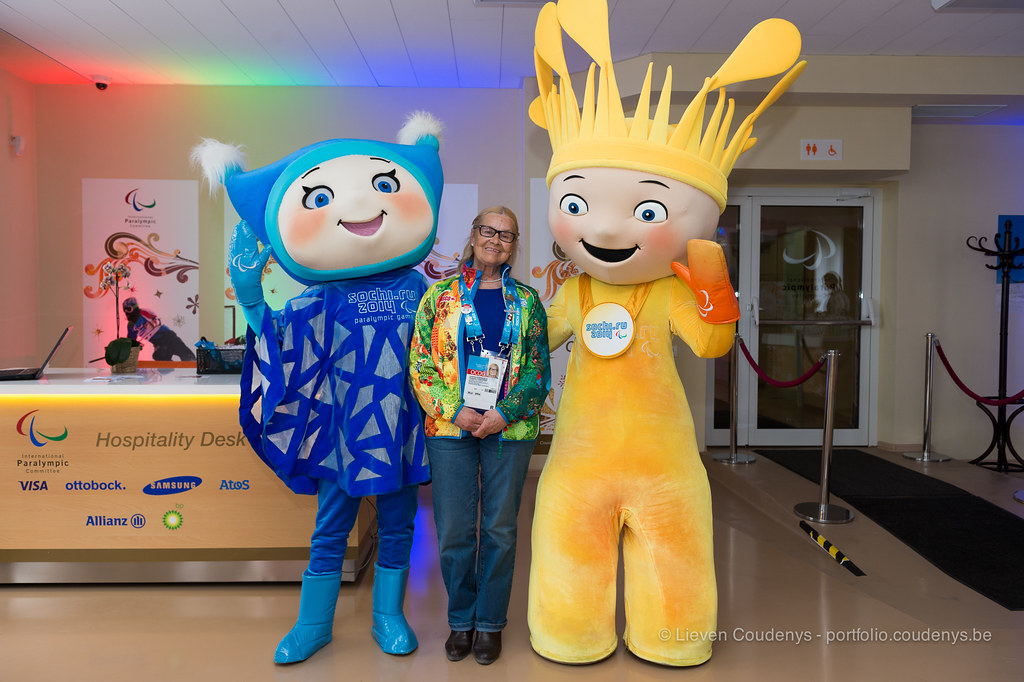
Some Olympics have more than one mascot. The 2014 Sochi Winter Games had two—one called the Hare and the other the Polar Bear. They worked together to show different aspects of the host country and appeal to different fans, making the mascot experience more varied and fun.
Mascots have appeared in official Olympic video games

Many mascots have jumped off the screen into video games made for the Olympics. These games let fans interact with the mascot characters in fun ways, helping to build excitement and get younger audiences involved. It’s a smart way to bring mascots to life beyond just the opening ceremony.
Olympic mascots can influence future designs
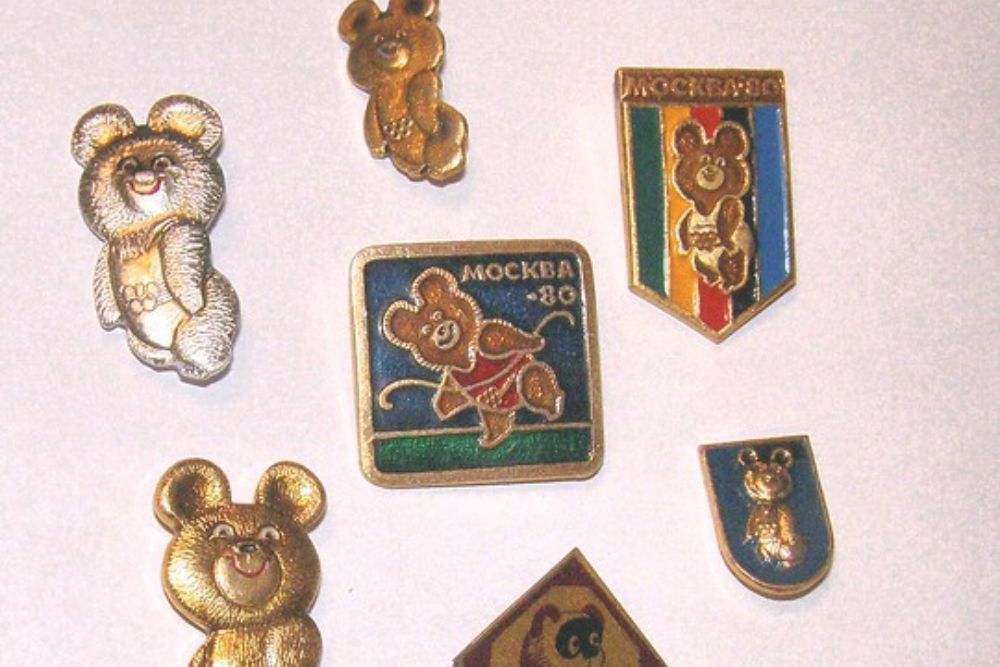
The style and success of one mascot often inspire others. For example, Misha’s popularity influenced many future mascots to focus on cute, friendly animal characters that can connect emotionally with fans worldwide. It’s like a mascot family tree growing with each Games.
Mascots sometimes become official Olympic symbols

Some mascots go beyond the Games and become symbols representing the Olympics or host country even after the event ends. Misha, again, is a prime example—his image is still used in Russia to symbolize friendship and peace, long after the 1980 Games.
They’re carefully designed to be kid-friendly
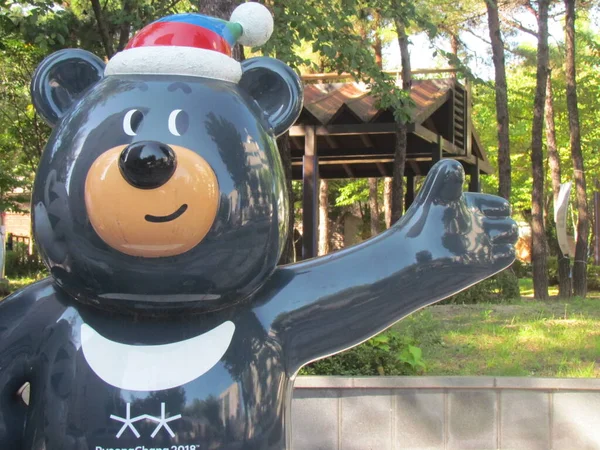
Mascots are mostly made to appeal to children, so designers avoid scary or complicated images. Bright colors, simple shapes, and friendly faces help kids feel welcome and excited about the Olympics. This makes the Games more than just a sports event—it becomes a family celebration.
Olympic mascots have appeared in parades and TV shows

Mascots don’t just stay on posters or merchandise. They often appear in parades, TV shows, and even cartoons. This helps keep the Olympic spirit alive throughout the year and spreads the mascot’s fun personality far and wide.
Sometimes, mascots reflect environmental messages
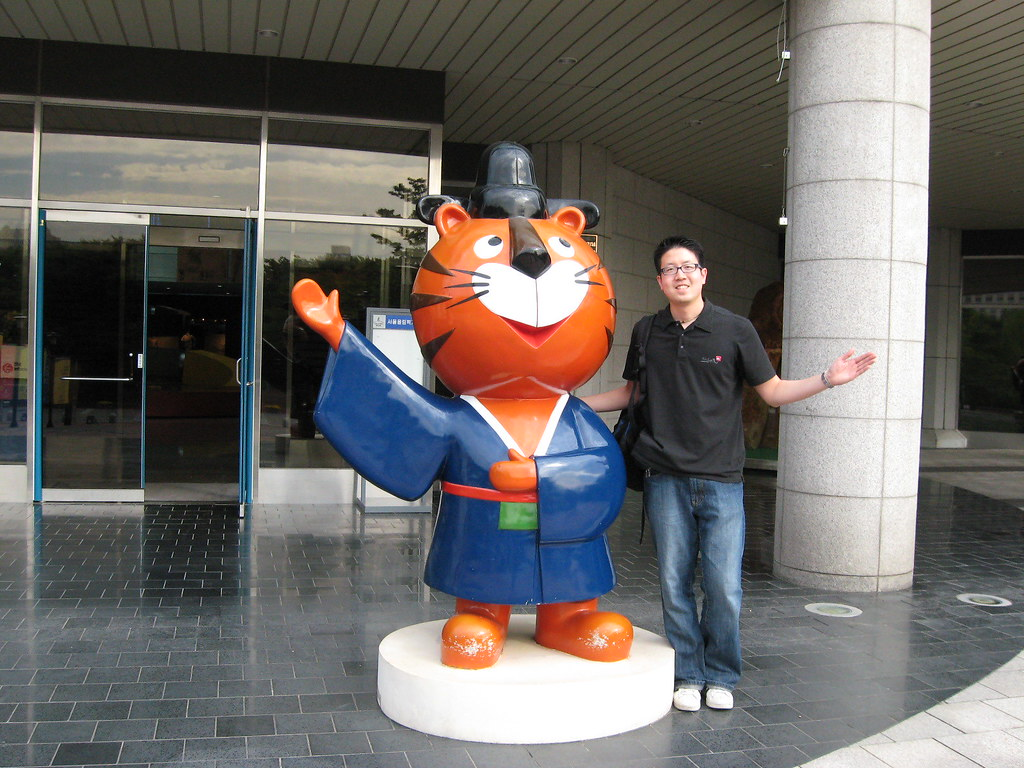
Recently, some mascots have been designed with an eye on nature and the environment. For example, the 2016 Rio Olympics mascot, Vinicius, combined traits from various Brazilian animals, highlighting the country’s rich wildlife and the need to protect it. This shows how mascots can carry important messages beyond just fun.
Mascots remind us that the Olympics are about more than competition
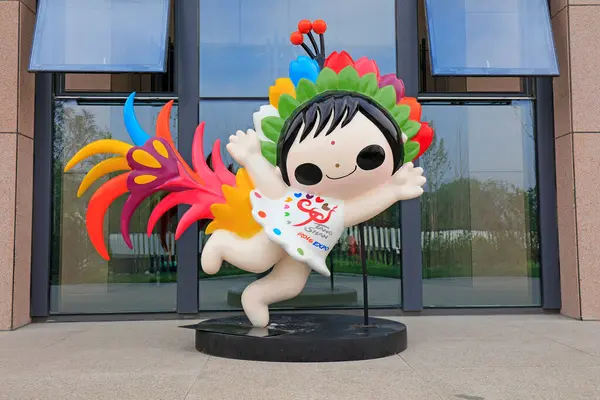
At their heart, mascots represent friendship, fun, and the joy of coming together from all over the world. They remind everyone watching that the Games are about sharing stories, cultures, and smiles, not just medals. This spirit is part of what makes the Olympics so special.
Mascots connect the past with the future of the Games

Mascots have been around for over 50 years now, evolving with each Olympic Games. They carry a piece of the past while looking forward to new ideas and styles. As the Olympics change, mascots adapt, reminding us of the lasting bond between sport, culture, and fun.
Why Olympic Mascots Matter More Than You Think

Olympic mascots have come a long way from simple cartoon animals to meaningful cultural symbols. They reflect history, local stories, and even technology trends, while still being playful and easy to love. More than just decorations, mascots invite the world to celebrate together and help everyone feel part of the Games. Through their changing shapes and stories, they show that the Olympic spirit is alive, well, and ready to welcome the next generation with open arms.
More from Go2Tutors!

- 16 Historical Figures Who Were Nothing Like You Think
- 12 Things Sold in the 80s That Are Now Illegal
- 15 VHS Tapes That Could Be Worth Thousands
Like Go2Tutors’ content? Follow us on MSN.