18 Solar System Facts That Sound Fake
The universe has a way of making reality stranger than fiction. Our solar system, which we call home, contains phenomena so bizarre that they’d be rejected as too outlandish if pitched in a science fiction movie. From planets that rain diamonds to moons with underground oceans, the cosmic neighborhood around us defies common sense at every turn.
These mind-bending facts about our solar system prove that truth really is stranger than any story we could imagine. Here is a list of 18 solar system facts that sound completely made up but are absolutely real.
Venus Rotates Backwards

Venus spins in the opposite direction compared to most other planets in our solar system. While Earth rotates counterclockwise when viewed from above the North Pole, Venus rotates clockwise.
Scientists believe this backward rotation happened because of a massive collision with another celestial body billions of years ago, or due to gravitational forces from the Sun that gradually flipped the planet’s spin over time.
It Rains Diamonds on Neptune and Uranus

The extreme pressure and temperature conditions on these ice giants create the perfect storm for diamond formation. Methane in their atmospheres gets compressed so intensely that carbon atoms arrange themselves into diamond crystals, which then fall like rain toward the planets’ cores.
Think of it like nature’s most expensive weather system, where each raindrop could fund a luxury car.
Like Go2Tutors’s content? Follow us on MSN.
Saturn Would Float in Water

Despite being the second-largest planet in our solar system, Saturn has such low density that it would actually float if you could find a bathtub big enough. The planet is made mostly of hydrogen and helium gas, giving it a density of just 0.687 grams per cubic centimeter.
Water has a density of 1 gram per cubic centimeter, so Saturn would bob on the surface like a cosmic beach ball.
One Day on Mercury Equals Two Years
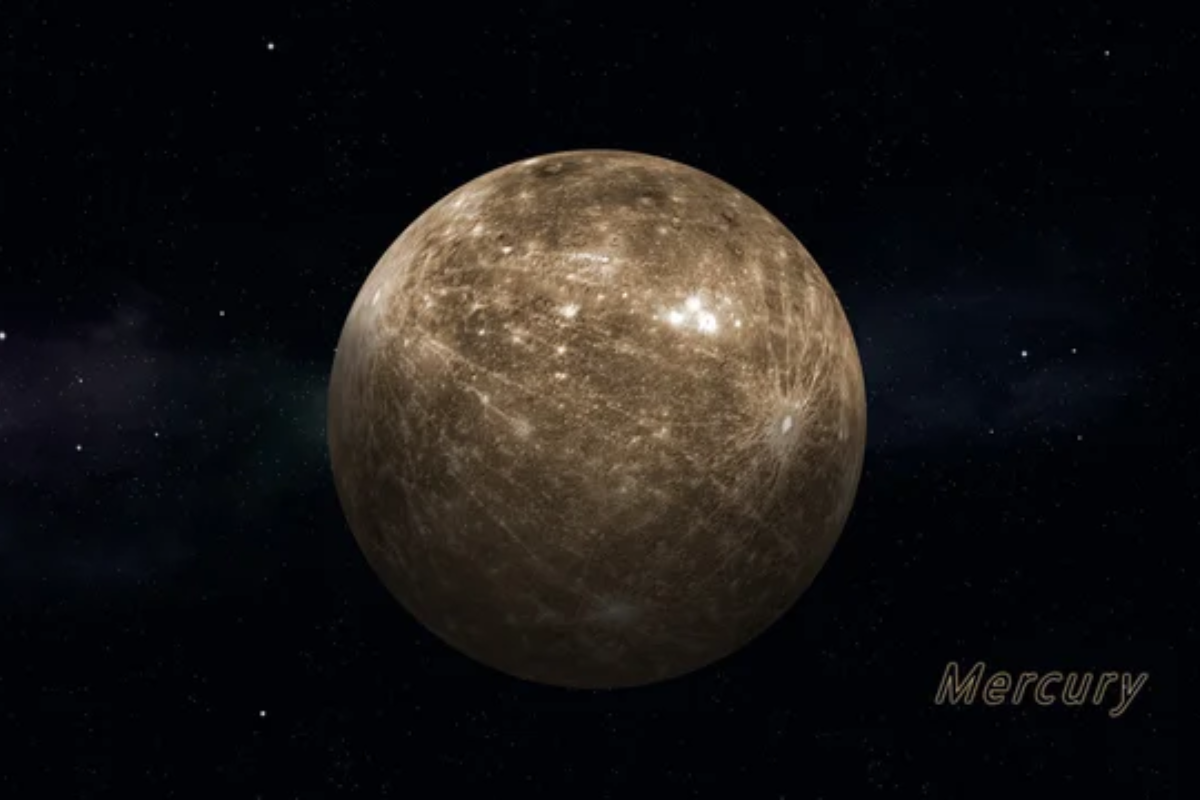
Mercury’s relationship with time is completely twisted compared to Earth’s. The planet takes 88 Earth days to complete one orbit around the Sun, but it rotates so slowly on its axis that one full day lasts 176 Earth days.
This means that if you lived on Mercury, you’d experience two full years before seeing one sunrise and sunset cycle.
Europa Has More Water Than Earth

Jupiter’s moon Europa doesn’t look like much from the outside, but beneath its icy surface lies an ocean containing twice as much water as all of Earth’s oceans combined. This subsurface ocean is kept liquid by the gravitational forces from Jupiter, which create friction and heat within Europa’s core.
Scientists consider Europa one of the most promising places to search for extraterrestrial life.
Like Go2Tutors’s content? Follow us on MSN.
Mars Has the Largest Volcano in the Solar System

Olympus Mons on Mars makes Mount Everest look like a small hill in comparison. This massive shield volcano stands about 13.6 miles high and stretches roughly 370 miles across at its base.
The volcano is so large that if you stood on its outer edge, you couldn’t see the peak because it would be beyond the horizon, hidden by the curvature of Mars itself.
Pluto’s Moon is Half Its Size

Charon, Pluto’s largest moon, is so big relative to Pluto that some astronomers consider it a double planet system rather than a planet and moon. Charon has a diameter that’s about half of Pluto’s, making it proportionally the largest moon relative to its parent planet in our solar system.
The two celestial bodies are tidally locked, meaning they always show the same face to each other as they orbit.
Jupiter Acts Like a Cosmic Vacuum Cleaner

Jupiter’s massive gravitational field serves as a protective shield for the inner planets, including Earth. The gas giant attracts and captures asteroids, comets, and other space debris that might otherwise hurtle toward the inner solar system.
Without Jupiter’s gravitational influence, Earth would likely be bombarded by far more potentially dangerous objects from space.
Like Go2Tutors’s content? Follow us on MSN.
The Sun Contains 99.8% of the Solar System’s Mass

Everything else in our solar system—all the planets, moons, asteroids, and comets combined—accounts for just 0.2% of the total mass. The Sun is so massive that it could fit about 1.3 million Earths inside it.
This incredible mass concentration is what keeps all the planets in their orbits through gravitational attraction.
Enceladus Shoots Water Geysers into Space

Saturn’s small moon Enceladus has geysers near its south pole that spray water vapor and ice particles hundreds of miles into space. These eruptions come from a subsurface ocean beneath the moon’s icy crust, similar to Europa.
The geysers create a thin atmosphere around Enceladus and contribute material to Saturn’s E ring.
A Year on Uranus Lasts 84 Earth Years
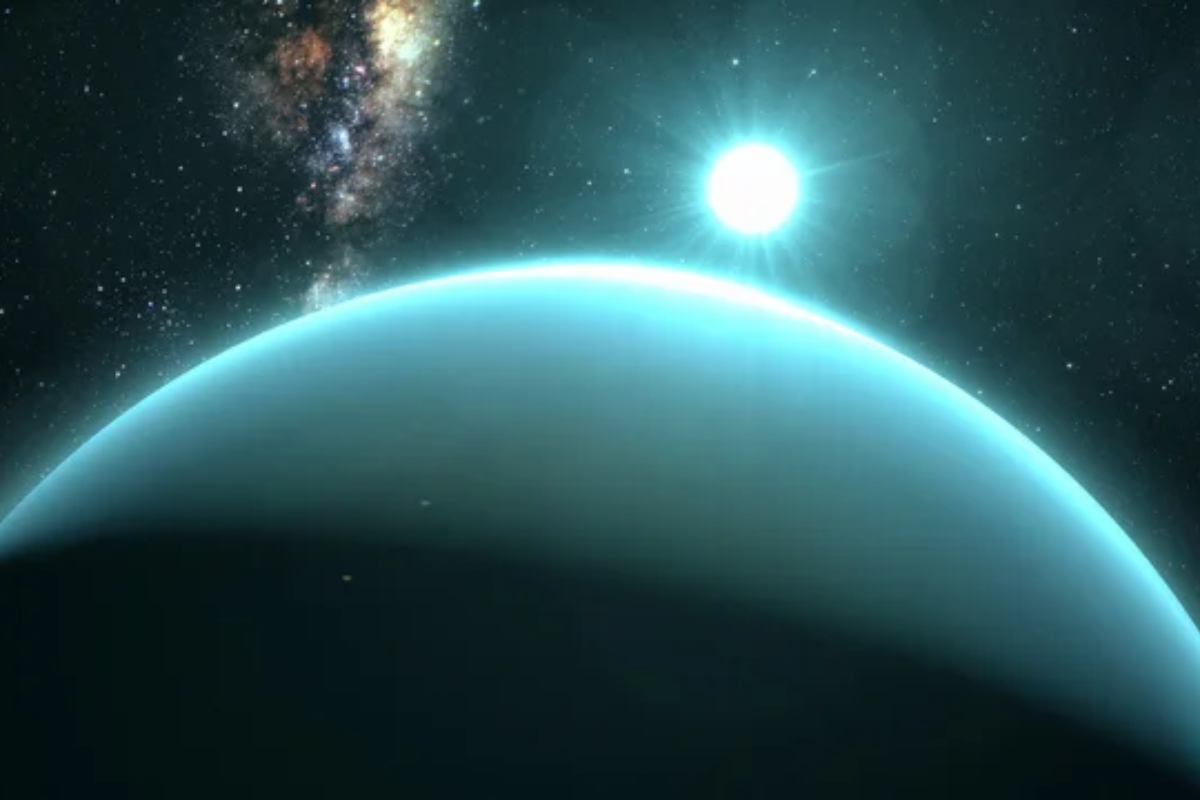
Uranus is so far from the Sun that it takes 84 Earth years to complete one orbit. The planet also rotates on its side, with an axial tilt of about 98 degrees, meaning its poles point almost directly toward and away from the Sun.
This extreme tilt creates seasons that last about 21 Earth years each, with some regions experiencing decades of continuous sunlight followed by decades of darkness.
Like Go2Tutors’s content? Follow us on MSN.
Ganymede is Larger Than Mercury

Jupiter’s moon Ganymede holds the title of the largest moon in our solar system, and it’s actually bigger than the planet Mercury. Ganymede has a diameter of about 3,270 miles, while Mercury measures about 3,032 miles across.
Despite being larger, Ganymede has less mass than Mercury because it contains significant amounts of water ice, which is less dense than Mercury’s iron-rich composition.
Venus is Hotter Than Mercury
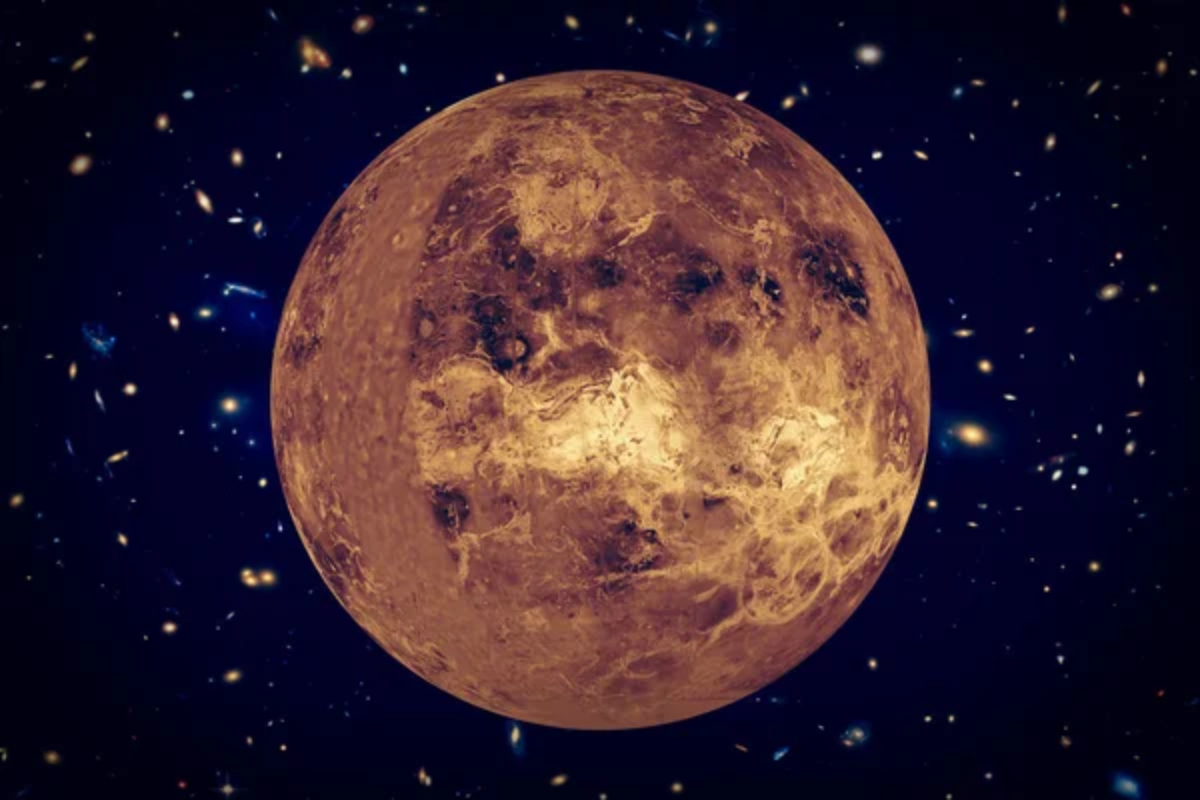
Even though Mercury is much closer to the Sun, Venus holds the record for the hottest surface temperature in our solar system at around 900 degrees Fahrenheit. Venus achieves this extreme heat through a runaway greenhouse effect caused by its thick carbon dioxide atmosphere, which traps heat like a planetary oven.
Mercury lacks a substantial atmosphere to retain heat, so its temperatures fluctuate dramatically between day and night.
Io Has Sulfur Volcanoes

Jupiter’s moon Io is the most volcanically active body in our solar system, with over 400 active volcanoes. These volcanoes spew sulfur compounds instead of the silicate lava we see on Earth, creating a colorful landscape of yellows, oranges, and reds.
The constant volcanic activity is driven by Jupiter’s powerful gravitational forces, which squeeze and stretch Io as it orbits.
Like Go2Tutors’s content? Follow us on MSN.
Saturn’s Hexagonal Storm

Saturn’s north pole features a perfectly hexagonal storm system that has been raging for decades. This six-sided weather pattern is about 20,000 miles across—wide enough to fit four Earths inside it.
The hexagon maintains its geometric shape due to the rotation of Saturn and the jet streams in its atmosphere, creating what looks like a cosmic piece of abstract art.
Ceres Has a Salty Ocean

The dwarf planet Ceres, located in the asteroid belt between Mars and Jupiter, contains a subsurface ocean of salty water beneath its rocky crust. This makes Ceres another potential location for microbial life in our solar system.
The ocean is kept liquid by heat from radioactive decay within Ceres’ core, and bright spots on its surface are likely salt deposits left behind by water that reached the surface and evaporated.
Neptune’s Winds Exceed 1,200 MPH
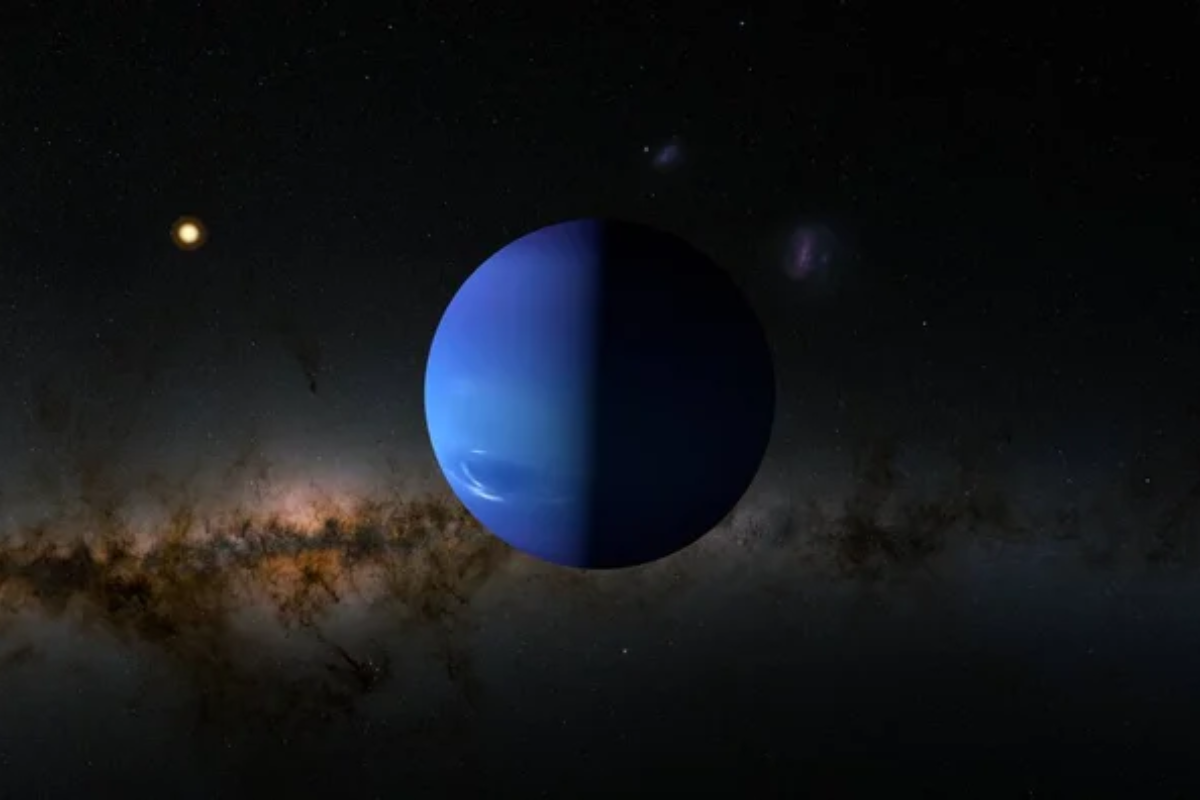
Neptune experiences the fastest winds in the solar system, with speeds reaching up to 1,200 miles per hour—nearly twice the speed of sound. These supersonic winds occur despite Neptune receiving only one-thousandth of the sunlight that Earth gets, making the energy source for such extreme weather a mystery.
The winds blow in the opposite direction of the planet’s rotation, adding another layer of complexity to Neptune’s atmospheric dynamics.
Like Go2Tutors’s content? Follow us on MSN.
Titan Has Lakes of Liquid Methane

Saturn’s largest moon, Titan, is the only other body in our solar system known to have stable liquid on its surface. However, instead of water, Titan’s lakes and rivers are filled with liquid methane and ethane.
The moon has a complete weather cycle involving methane clouds, precipitation, and surface flow, creating an alien version of Earth’s water cycle using hydrocarbons instead.
The Remarkable Reality of Space

These incredible facts remind us that our solar system is far more complex and surprising than early astronomers could have imagined. Each new discovery reveals just how diverse and extreme the conditions can be on worlds that share our cosmic neighborhood.
From floating gas giants to diamond rain, the universe continues to challenge our understanding of what’s possible in the vast expanse of space. The next time you look up at the night sky, remember that the reality of what’s out there is often more amazing than any fiction we could create.
More from Go2Tutors!

- 16 Restaurant Chains That Went Too Fast
- 12 Things Sold in the 80s That Are Now Illegal
- 15 Strange Things People Have Tried to Ban (And Failed)
- 16 Collectibles People Tossed Out Too Soon
- 17 Myths from Your Childhood That Were Actually Based on Real Things
Like Go2Tutors’s content? Follow us on MSN.