18 Strategy Games That Were Inspired by Real Espionage
The world of espionage has always fascinated game developers. There’s something irresistible about the cloak-and-dagger atmosphere, the careful planning, and the high stakes that come with real intelligence operations.
Over the decades, countless strategy games have drawn inspiration from actual spy agencies, historical events, and genuine espionage techniques. These games let players experience the thrill of running covert operations without the real-world consequences.
From Cold War tensions to modern cyber warfare, game designers have mined the rich history of espionage for compelling gameplay mechanics and storylines. Here is a list of 18 strategy games that were inspired by real espionage.
Spycraft: The Great Game
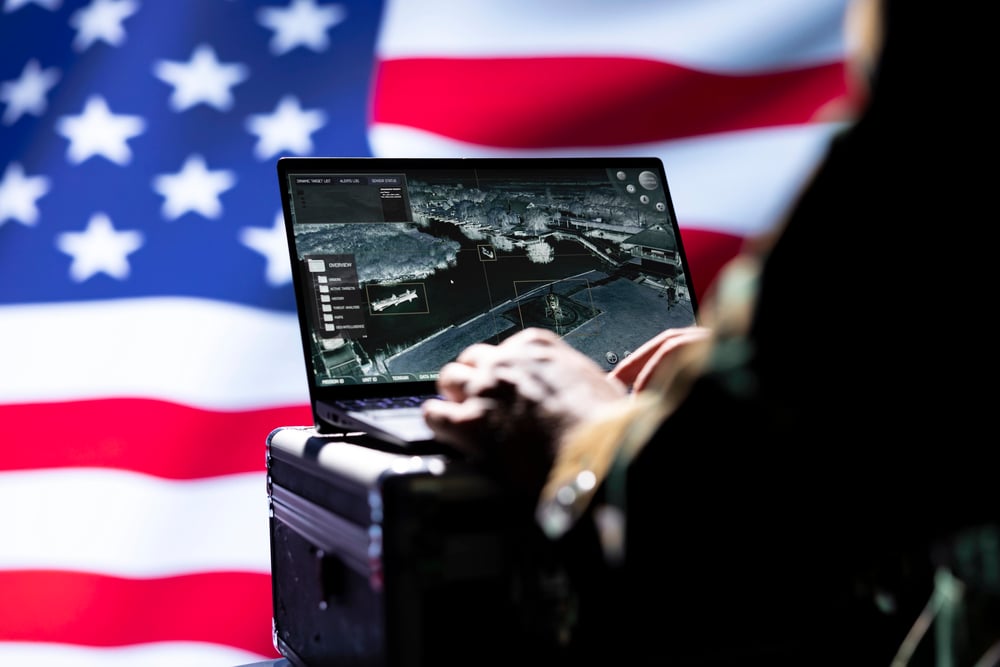
This 1996 strategy game drew heavily from real CIA operations during the Cold War era. Players managed actual intelligence scenarios based on declassified documents — including the Cuban Missile Crisis and various covert operations in Eastern Europe.
The game featured authentic spy gadgets and techniques used by real intelligence agencies. Former CIA and KGB operatives even consulted on the project, lending credibility to its espionage mechanics.
Alpha Protocol

Obsidian Entertainment’s RPG incorporated real-world intelligence agency structures and modern espionage techniques into its narrative framework. The game’s faction system mirrored actual relationships between intelligence services like the CIA, FSB, and various international organizations.
Players navigated complex political situations that echoed contemporary geopolitical tensions — particularly those involving Middle Eastern conflicts and corporate espionage.
Like Go2Tutors’s content? Follow us on MSN.
Phantom Doctrine

This tactical strategy game drew inspiration from Cold War paranoia and actual intelligence operations from the 1980s. The developers researched real conspiracy theories and historical events — creating a narrative that blended fact with fiction.
The game’s investigation mechanics mirrored actual intelligence analysis techniques, including pattern recognition and data correlation methods used by real spy agencies.
SpyParty
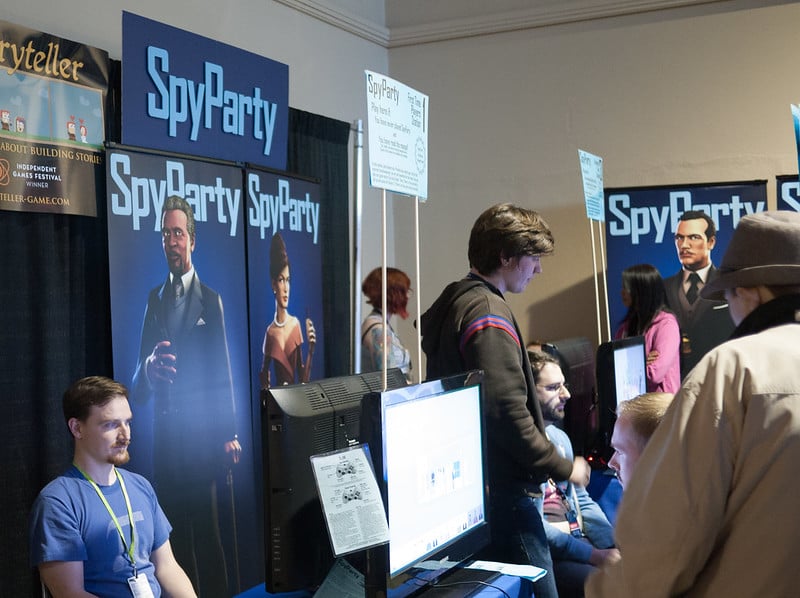
Chris Hecker’s unique multiplayer game simulates the psychological aspects of real espionage work. One player acts as a spy trying to blend in at a cocktail party while completing objectives — much like how real intelligence operatives must maintain cover identities.
The game captures the tension and paranoia of actual espionage situations, where anyone could be watching and every action matters.
Invisible Inc.

Klei Entertainment’s turn-based stealth game incorporates real corporate espionage techniques and cyberpunk aesthetics inspired by modern intelligence operations. The game’s hacking mechanics reflect actual cybersecurity challenges faced by intelligence agencies — including data extraction and network infiltration.
The procedurally generated missions mirror the unpredictable nature of real covert operations.
Like Go2Tutors’s content? Follow us on MSN.
Crusader Kings III
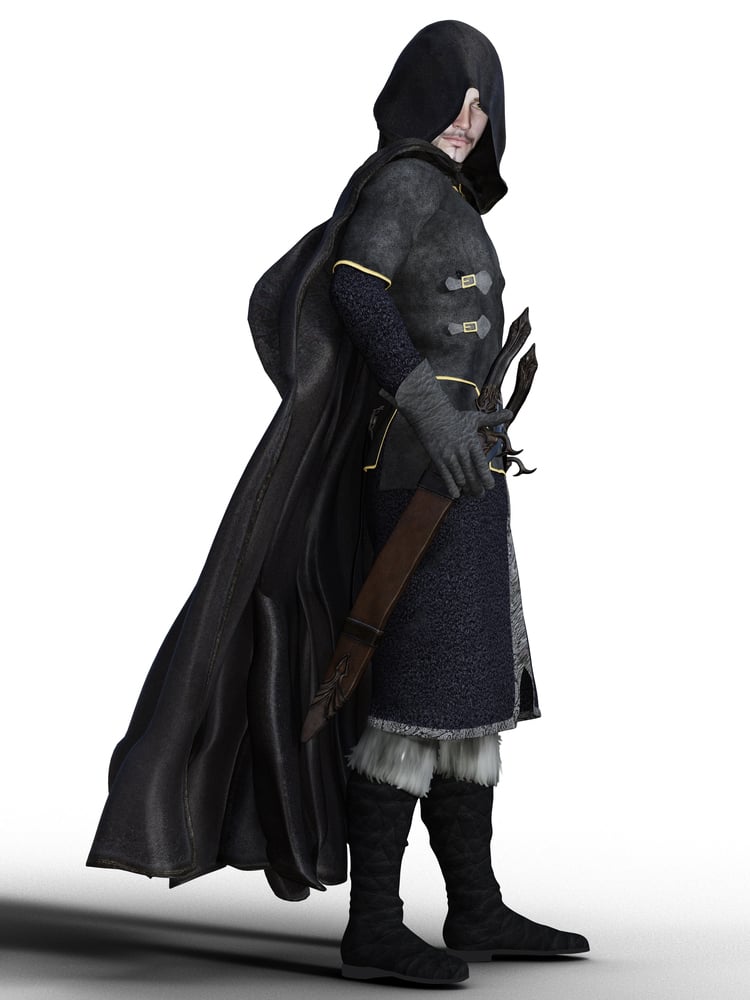
While primarily a medieval grand strategy game, CK3’s espionage mechanics draw from historical intelligence networks that actually existed during the Middle Ages. The game’s spy system reflects real methods used by medieval courts — including assassination plots, blackmail, and information gathering techniques.
These mechanics were based on documented historical practices from various European kingdoms and empires.
Europa Universalis IV
Paradox’s grand strategy masterpiece includes espionage mechanics based on actual intelligence networks from the early modern period. The game’s diplomatic intrigue system reflects real techniques used by Renaissance courts — including code-breaking, diplomatic immunity abuse, and trade secret theft.
Many of the game’s spy actions mirror documented historical espionage activities from the 15th through 18th centuries.
Hearts of Iron IV
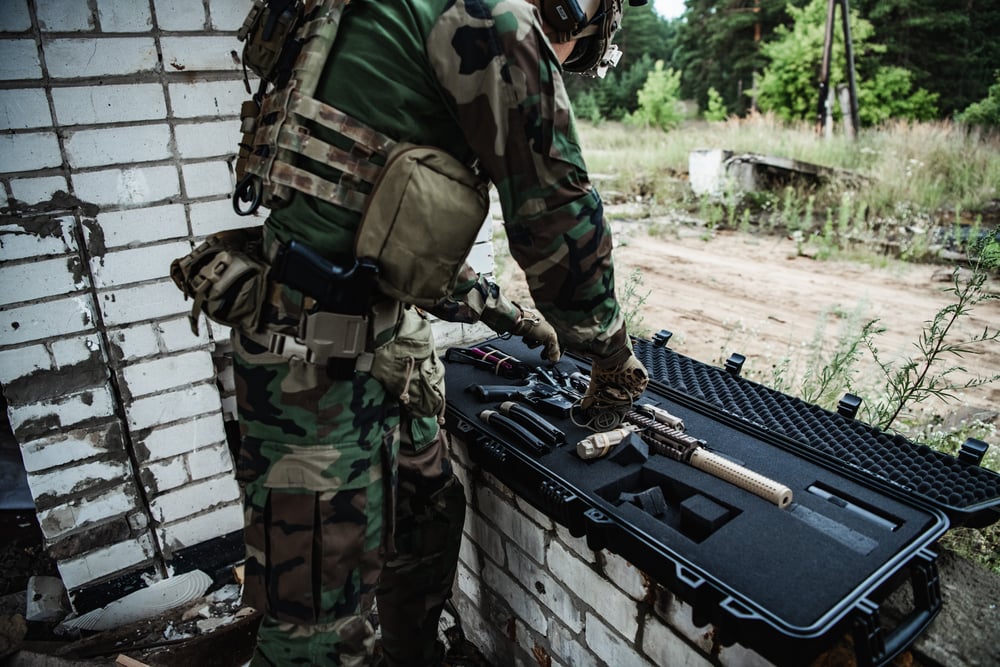
This World War II strategy game incorporates extensive espionage mechanics based on actual intelligence operations from the conflict. Players can recreate real spy networks like the SOE, OSS, and various resistance movements — using historically accurate techniques and objectives.
The game’s intelligence system reflects actual wartime espionage methods, including code-breaking efforts like those at Bletchley Park.
Like Go2Tutors’s content? Follow us on MSN.
Tropico Series

The Tropico games feature secret police and intelligence mechanics inspired by real authoritarian surveillance states. The series draws from actual Cold War intelligence techniques used by various dictatorships — including citizen surveillance, propaganda campaigns, and foreign agent infiltration.
The game’s political intrigue system mirrors documented methods used by real intelligence services in banana republics.
Civilization VI
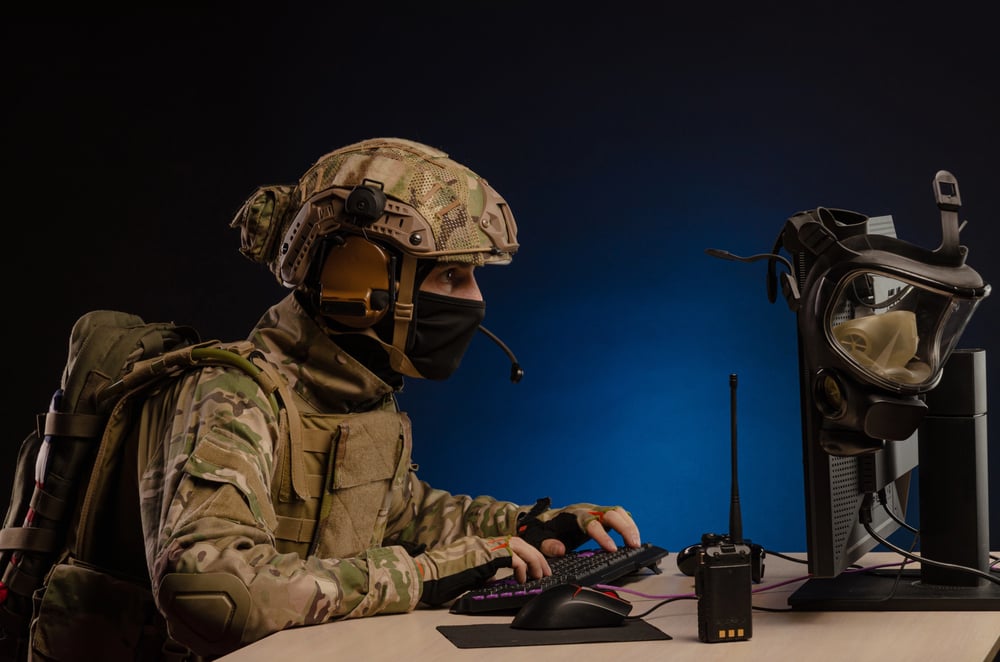
The latest Civilization entry includes espionage mechanics based on historical intelligence operations throughout human history. Players can conduct operations ranging from ancient scouting networks to modern cyber warfare — all based on real techniques used by various civilizations.
The game’s spy system incorporates actual historical espionage methods, from Roman informant networks to modern satellite reconnaissance.
Total War: Rome II
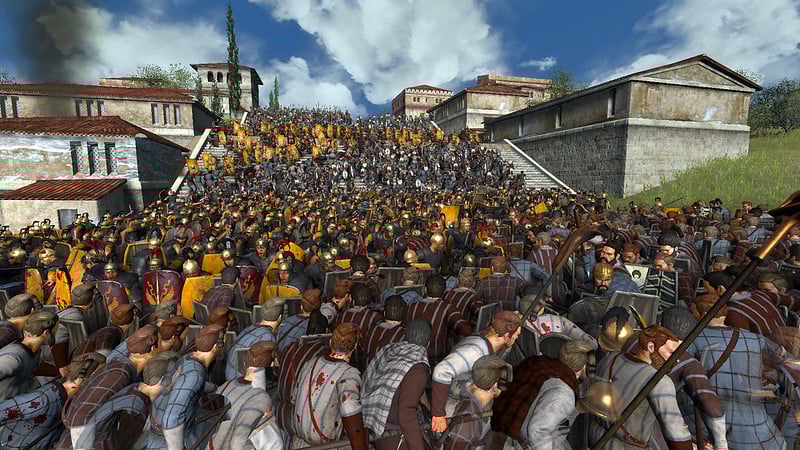
Creative Assembly incorporated ancient espionage techniques actually used by Roman intelligence networks into this historical strategy game. The game’s agent system reflects real methods employed by Roman spies, including political assassination, enemy army infiltration, and diplomatic intelligence gathering.
These mechanics were based on documented historical practices from ancient Mediterranean civilizations.
Like Go2Tutors’s content? Follow us on MSN.
XCOM: Enemy Unknown
While primarily a science fiction game, XCOM’s command structure and operational security measures mirror real military intelligence organizations. The game’s base management and resource allocation systems reflect actual intelligence agency operations — including compartmentalized information and need-to-know protocols.
The strategic layer incorporates genuine military intelligence principles adapted for alien invasion scenarios.
Sid Meier’s Covert Action
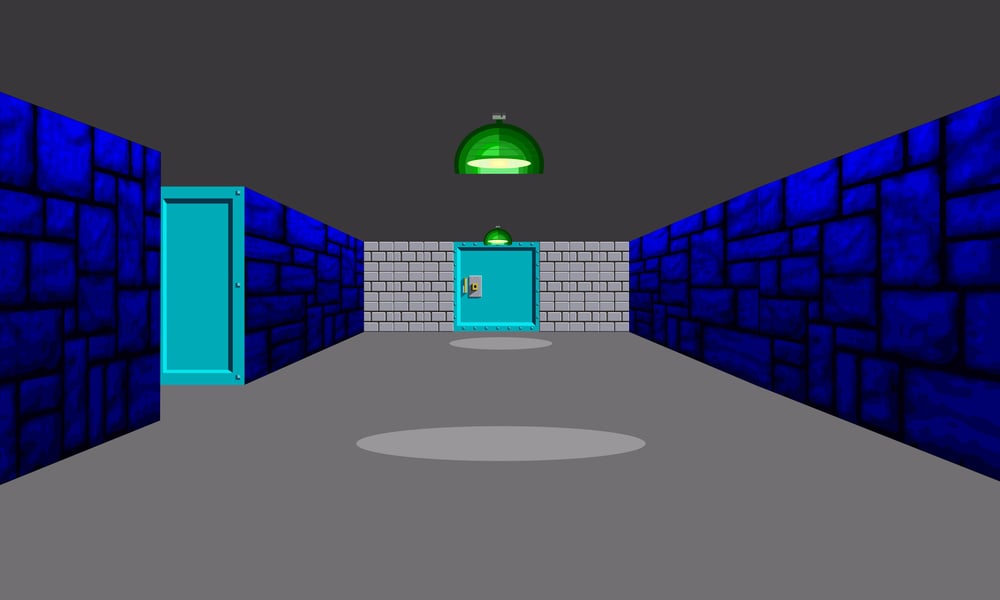
This classic 1990 game directly simulated CIA operations during the Cold War period. Players controlled actual intelligence activities including surveillance, code-breaking, and field operations based on real CIA techniques.
The game featured authentic espionage tools and methods used by actual intelligence operatives, making it one of the most realistic spy simulations of its era.
Prison Architect

While not explicitly about espionage, this management game incorporates surveillance and security techniques used by real intelligence agencies. The game’s monitoring systems reflect actual methods used in high-security facilities and intelligence operations.
Players must balance information gathering with operational security, mirroring challenges faced by real intelligence professionals.
Like Go2Tutors’s content? Follow us on MSN.
Assassin’s Creed Origins

— Photo by spineback
Ubisoft’s historical action game features an intelligence network based on real ancient espionage techniques used in Ptolemaic Egypt. The Hidden Ones organization mirrors actual secret societies and intelligence networks that operated in the ancient world.
The game’s information gathering mechanics reflect documented historical methods used by various ancient civilizations for intelligence collection.
Company of Heroes 2

— Photo by opturadesign
This World War II strategy game incorporates intelligence mechanics based on actual wartime espionage operations on the Eastern Front. The game’s reconnaissance and counter-intelligence features reflect real techniques used by Soviet and German intelligence services. Players can employ historical espionage tactics including deception operations, signal intelligence, and partisan coordination.
Shadowrun Returns

This cyberpunk RPG series draws heavily from modern corporate espionage and cyber warfare techniques used by real intelligence agencies. The game’s matrix hacking system reflects actual cybersecurity challenges faced by modern intelligence organizations.
The corporate intrigue elements mirror documented industrial espionage cases and modern intelligence operations in the private sector.
Like Go2Tutors’s content? Follow us on MSN.
Crusader Kings II
The predecessor to CK3 pioneered many medieval espionage mechanics based on historical intelligence networks from the Middle Ages. The game’s plotting system reflects actual court intrigue and assassination conspiracies documented in medieval sources.
Players can employ historically accurate espionage techniques including bribery, blackmail, and information networks that actually existed during the medieval period.
From History to Hard Drives
These strategy games prove that real espionage provides an incredibly rich source material for compelling gameplay mechanics and narratives. Game developers have successfully translated the complexity, paranoia, and strategic thinking required in actual intelligence work into engaging interactive experiences.
Modern games continue to draw inspiration from contemporary espionage challenges including cyber warfare, corporate intelligence, and international terrorism. The enduring popularity of spy-themed strategy games shows that players remain fascinated by the secretive world of intelligence operations, even when they’re safely behind a computer screen rather than dodging real bullets in foreign countries.
More from Go2Tutors!

- 16 Historical Figures Who Were Nothing Like You Think
- 12 Things Sold in the 80s That Are Now Illegal
- 15 VHS Tapes That Could Be Worth Thousands
- 17 Historical “What Ifs” That Would Have Changed Everything
- 18 TV Shows That Vanished Without a Finale
Like Go2Tutors’s content? Follow us on MSN.



