18 Teaching Techniques Considered Revolutionary
Education has always been a field ripe for innovation, yet some teaching methods have sparked such dramatic changes that they’ve completely transformed how students learn. These approaches didn’t just tweak existing systems—they fundamentally challenged traditional classroom dynamics and opened up entirely new possibilities for knowledge acquisition.
Throughout history, certain teaching techniques have emerged that seemed radical at the time but later became foundational to modern education. Here is a list of 18 teaching techniques that were once considered revolutionary.
The Socratic Method
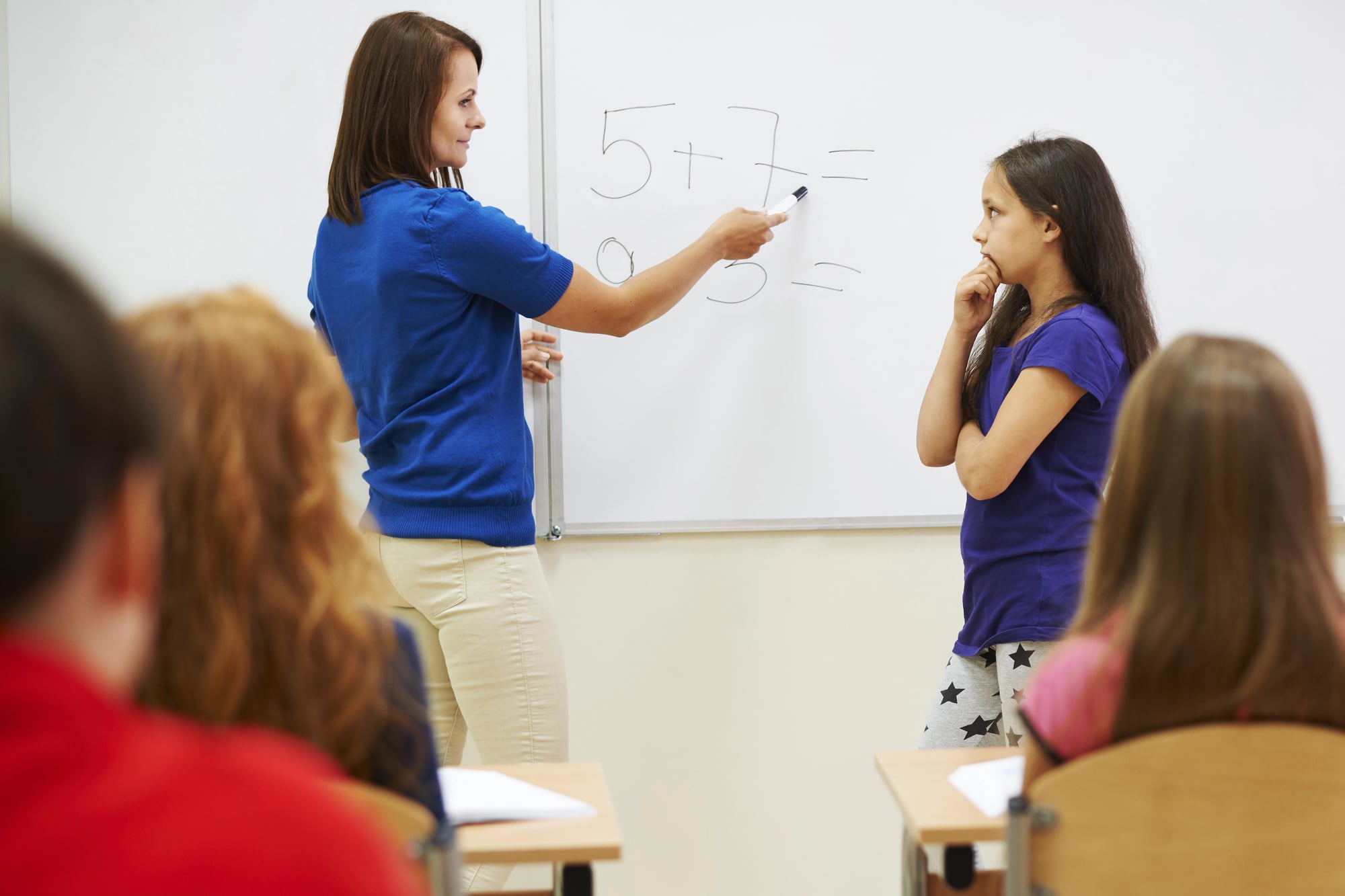
This ancient Greek approach flipped the traditional teacher-student dynamic on its head by having instructors ask probing questions rather than simply deliver information. Instead of lecturing about concepts, teachers guide students to discover answers through carefully crafted inquiries.
The method was revolutionary because it made students active participants in their learning rather than passive recipients of knowledge.
Montessori Education

Maria Montessori’s child-centered approach shocked early 20th-century educators by giving children freedom to choose their own activities and learn at their own pace. The method emphasizes hands-on learning materials and mixed-age classrooms where older students naturally mentor younger ones.
This technique was groundbreaking because it trusted children’s natural curiosity and learning instincts rather than forcing them into rigid curricula.
Project-Based Learning

Rather than teaching subjects in isolation, this approach organizes learning around real-world projects that integrate multiple disciplines. Students might design a sustainable garden that incorporates biology, chemistry, mathematics, and environmental science all in one assignment.
The revolutionary aspect lies in how it mirrors actual problem-solving in professional settings, making education immediately relevant to students’ future lives.
Flipped Classroom

This model turns traditional homework and classwork upside down by having students watch lectures or read materials at home, then use class time for discussions and problem-solving. Teachers become facilitators who help students work through difficulties rather than information deliverers.
The technique was revolutionary because it maximized face-to-face time for personalized instruction and collaborative learning.
Peer-to-Peer Teaching
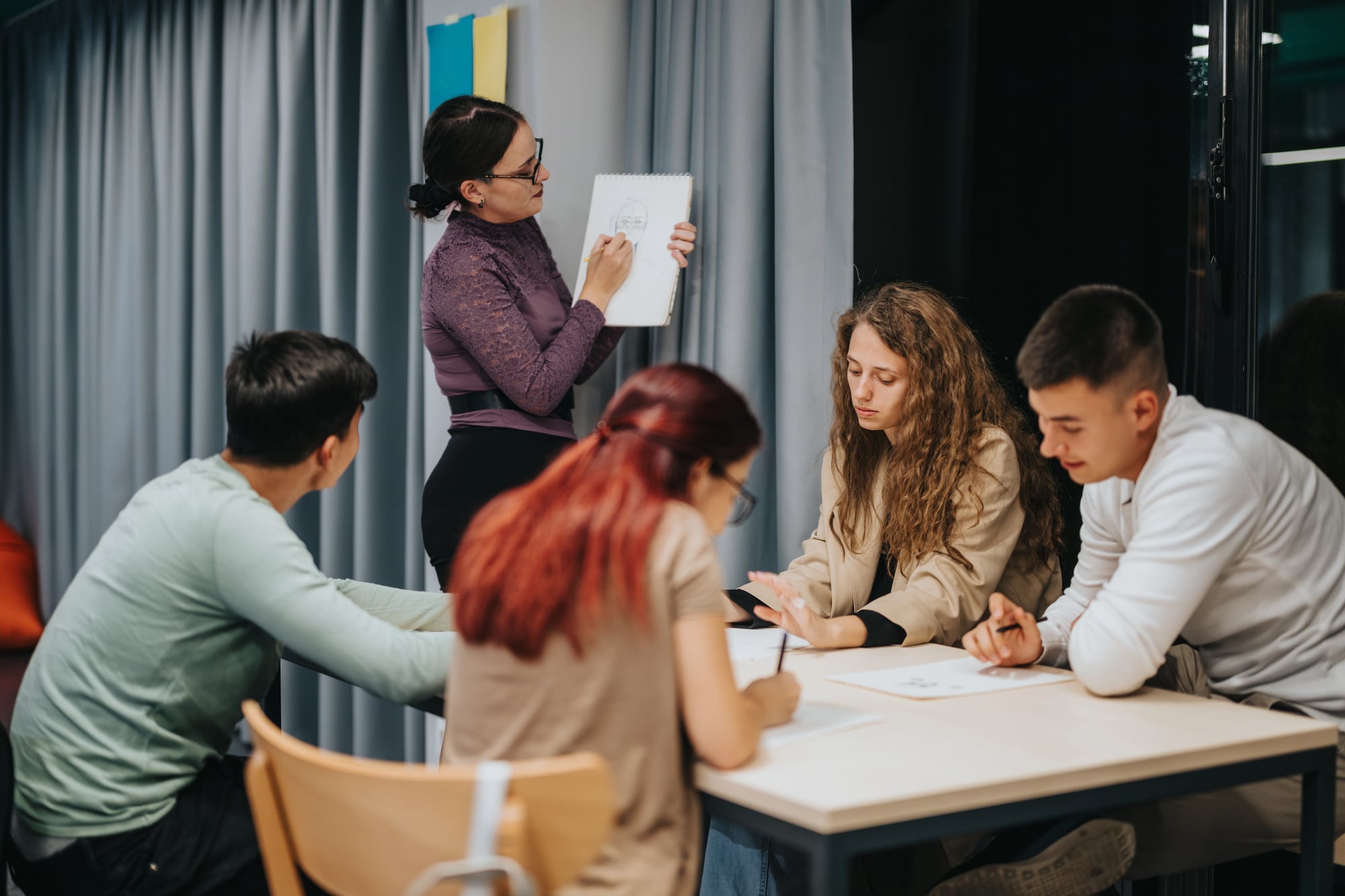
This method recognizes that students often learn better from their classmates than from authority figures, so it structures opportunities for students to teach each other. Research consistently shows that the act of teaching reinforces learning for both the teacher and the student.
The revolutionary element came from acknowledging that knowledge doesn’t always flow top-down from instructor to student.
Multiple Intelligence Theory

Howard Gardner’s framework challenged the traditional view of intelligence as a single, measurable trait by identifying eight different types of intelligence. This approach allows teachers to recognize and nurture students’ diverse strengths, whether they excel in linguistic, musical, spatial, or interpersonal areas.
The method revolutionized education by validating different ways of being smart and learning.
Gamification

Incorporating game elements like points, levels, and rewards into educational content transforms learning into an engaging experience that taps into students’ natural competitive instincts. Modern versions might include digital badges for completed assignments or leaderboards for class participation.
This technique was revolutionary because it made learning inherently motivating rather than something students had to be forced to do.
Waldorf Education
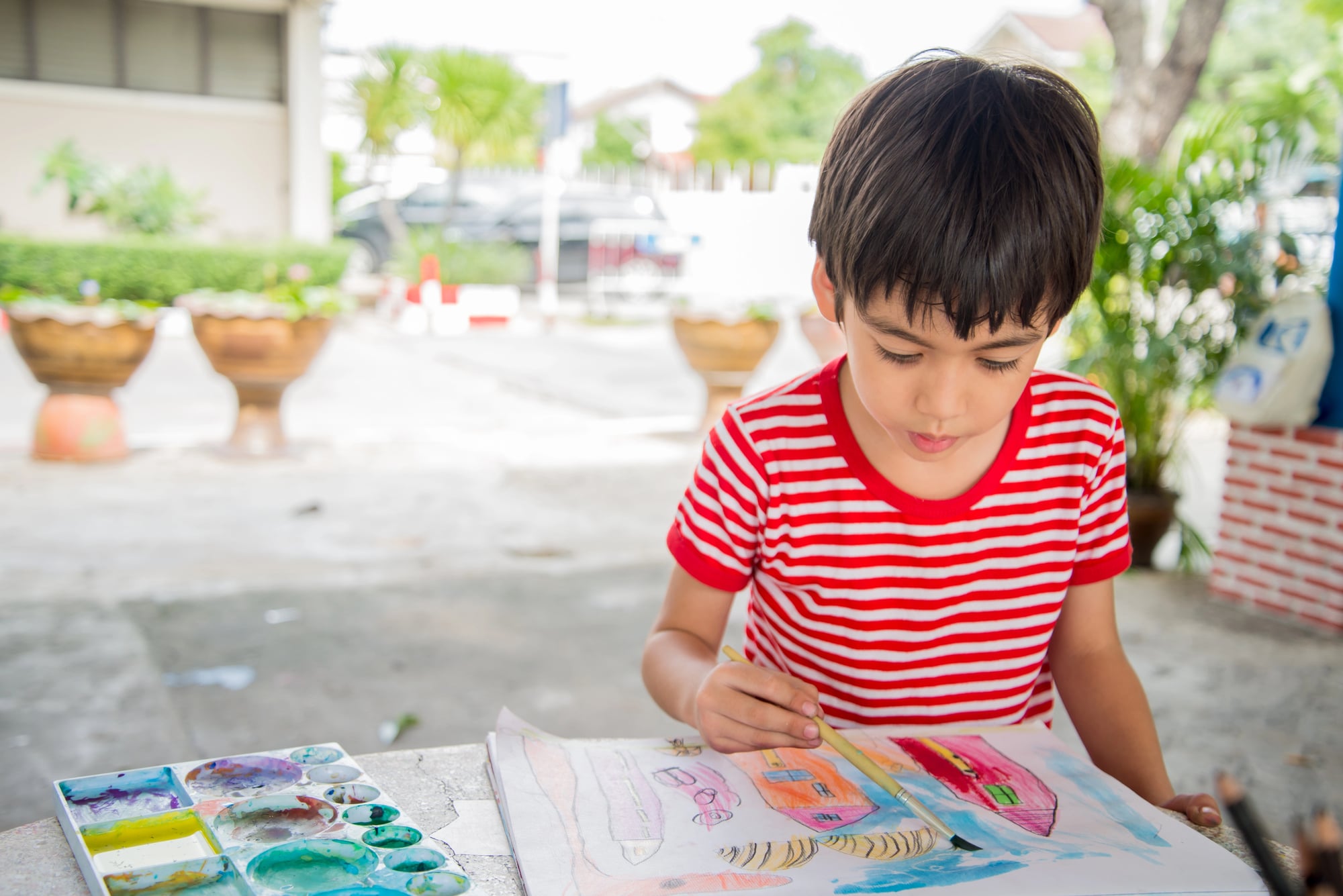
Rudolf Steiner’s approach delays formal academics until age seven and emphasizes artistic and practical activities in early years, believing children develop in predictable stages. Students learn through storytelling, hands-on crafts, and movement before transitioning to traditional subjects.
The method was revolutionary because it challenged the push for earlier and earlier academic instruction that dominated most educational systems.
Problem-Based Learning

Instead of teaching theory first and then applying it, this method presents students with real problems to solve, forcing them to learn necessary concepts along the way. Medical schools pioneered this approach by giving students patient cases to diagnose rather than memorizing symptoms in isolation.
The revolutionary aspect lies in how it makes learning immediately purposeful and contextual.
Cooperative Learning

This structured approach to group work ensures that every student contributes meaningfully to shared goals rather than allowing some members to coast on others’ efforts. Techniques include assigning specific roles, creating individual accountability within group projects, and teaching social skills explicitly.
The method revolutionized group work by making it genuinely collaborative rather than frustrating for high achievers and easy for slackers.
Differentiated Instruction

This approach acknowledges that students in the same classroom have vastly different learning needs, backgrounds, and abilities, so it provides multiple pathways to the same learning objectives. A teacher might offer the same content through visual presentations, hands-on activities, and written materials simultaneously.
The technique was revolutionary because it moved away from one-size-fits-all teaching toward truly individualized education.
Inquiry-Based Learning

Rather than providing answers directly, teachers pose questions that students must investigate through research, experimentation, and critical thinking. Students become scientific investigators who form hypotheses, gather evidence, and draw conclusions about phenomena they observe.
This method revolutionized science education by making students think like actual scientists rather than memorizing scientific facts.
Community-Based Learning

This approach connects classroom learning to real community issues, having students work on projects that benefit local organizations or address neighborhood problems. Students might partner with environmental groups to study water quality or work with historical societies to preserve local heritage.
The revolutionary element lies in making education immediately relevant to students’ actual communities and giving their work authentic purpose.
Technology-Enhanced Learning

The integration of computers, tablets, and internet resources transformed education by providing access to unlimited information and interactive learning experiences. Students can now take virtual field trips to ancient Rome, collaborate with peers across continents, and access expert instruction on any topic imaginable.
This technique revolutionized education by breaking down geographical and resource barriers that previously limited learning opportunities.
Constructivist Learning

This approach recognizes that students build understanding by connecting new information to their existing knowledge and experiences rather than simply absorbing facts passively. Teachers create opportunities for students to discover patterns, test ideas, and construct their own understanding of concepts.
The method was revolutionary because it focused on how learning actually happens in the brain rather than how teachers prefer to deliver information.
Experiential Learning
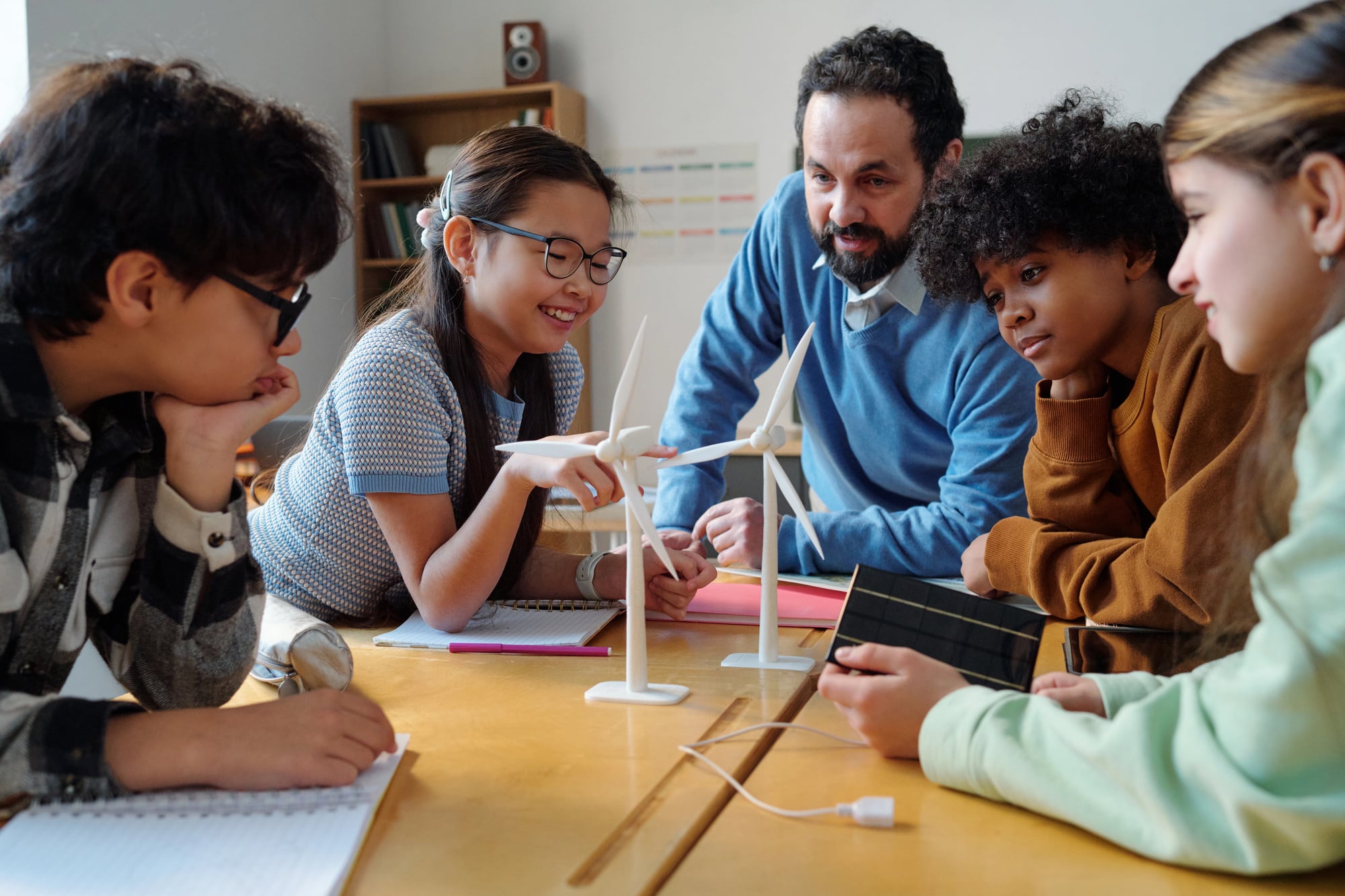
This hands-on approach emphasizes learning through direct experience, reflection, and application rather than theoretical study alone. Students might learn about economics by running a school store or understand physics by building bridges that must support actual weight.
The revolutionary aspect lies in making abstract concepts tangible and immediately applicable to real-world situations.
Mastery Learning
This technique requires students to achieve a certain level of competency before moving on to new material, ensuring that foundational knowledge is solid before building upon it. Unlike traditional systems where students advance based on time spent rather than understanding achieved, mastery learning focuses on actual comprehension.
The method revolutionized pacing by prioritizing deep understanding over curriculum coverage.
Collaborative Online Learning

This modern approach uses internet platforms to connect students across geographical boundaries, allowing them to work together on projects and share diverse perspectives. Students might collaborate with peers in different countries to study global issues or participate in virtual exchanges that expose them to different cultures.
The technique revolutionized education by making the entire world a potential classroom and connecting students with authentic audiences for their work.
The Continuing Evolution of Education

These revolutionary techniques share a common thread of putting students at the center of their own learning rather than treating them as empty vessels to be filled with information. Many approaches that seemed radical when first introduced have now become standard practice, proving that educational innovation often requires challenging deeply held assumptions about how learning works.
As technology continues to advance and our understanding of the brain develops, we can expect new revolutionary techniques to emerge that will once again transform how future generations learn and grow.
More from Go2Tutors!

- The Romanov Crown Jewels and Their Tragic Fate
- 13 Historical Mysteries That Science Still Can’t Solve
- Famous Hoaxes That Fooled the World for Years
- 15 Child Stars with Tragic Adult Lives
- 16 Famous Jewelry Pieces in History
Like Go2Tutors’s content? Follow us on MSN.