Underrated Books That Influenced Culture
Some books never hit the bestseller lists. They slip quietly into circulation, shared between friends, shaping thought and art in ways their authors probably never imagined.
Their influence creeps — into film, fashion, politics, language — until their ideas become part of everyday life. Here’s a list of those unassuming books that quietly reshaped culture from the edges.
The Master and Margarita
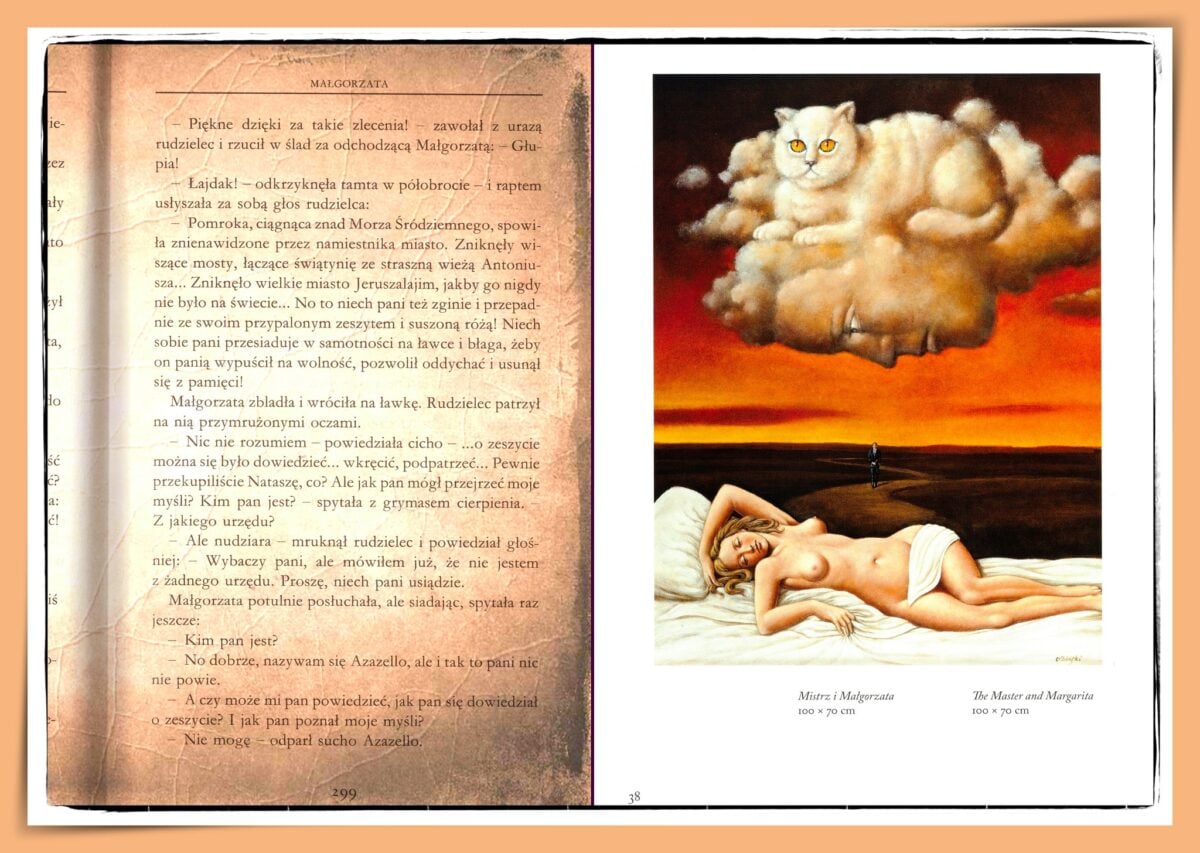
Mikhail Bulgakov’s surreal satire combines the Devil, a talking cat, and Soviet bureaucracy. It’s bizarre, poetic, and oddly funny — a masterpiece written in secret during Stalin’s reign and banned for decades.
Readers copied it by hand, passing it through underground networks. What began as forbidden literature became a cultural seed, blooming in art, theatre, and even rock music.
Its message? Truth sometimes hides best inside absurdity.
Invisible Cities

Italo Calvino’s book isn’t really about cities. It’s about memory, imagination, and how stories build worlds as much as architects do. Each city Marco Polo describes to Kublai Khan feels like a thought experiment — or maybe a dream you forgot halfway through.
Still, designers, writers, and game creators continue to borrow its blueprints. A reminder that invention doesn’t always start with a plan.
Like Go2Tutors’s content? Follow us on MSN.
Giovanni’s Room
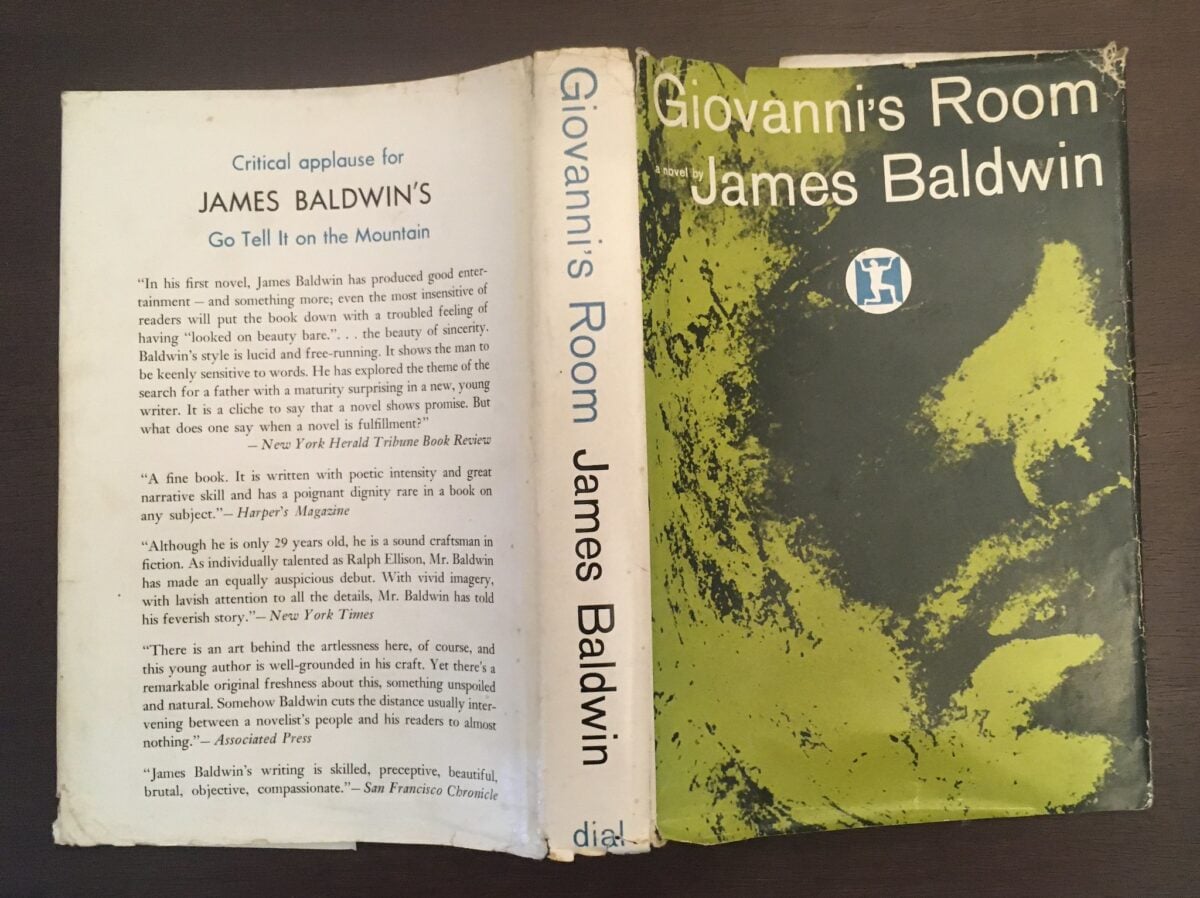
James Baldwin’s novel told a story few dared to tell in 1956: a man confronting his identity in a world unwilling to understand him. The writing is sparse, the pain quiet.
Yet it cuts deep. It wasn’t just about being gay.
It was about shame, love, and the courage to live honestly. Even now, the book feels raw — like truth written under pressure.
The Society of the Spectacle
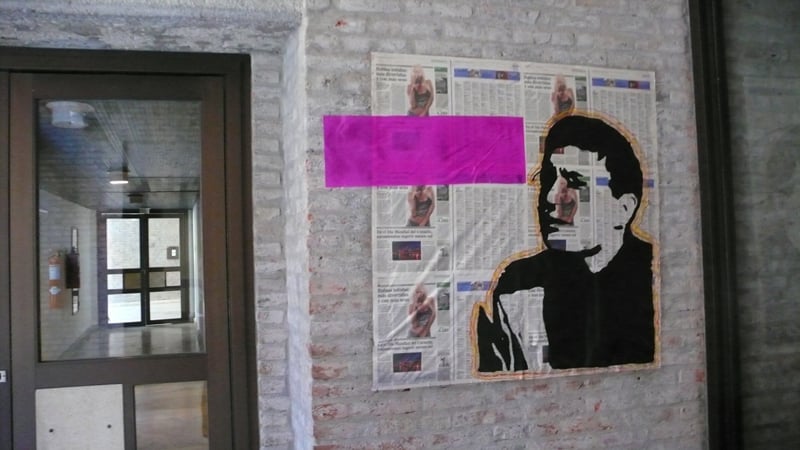
Guy Debord predicted the modern world long before social media existed. He wrote about a society obsessed with images — people consuming versions of life instead of living it. Sound familiar?
His words later echoed through entire movements:
• Punk’s rebellion against conformity
• Street art’s defiance of commercialism
• Activism that rejects consumer spectacle
He didn’t mean to be fashionable. Still, he ended up influencing everything from politics to pop culture.
The Left Hand of Darkness
Ursula K. Le Guin imagined a world where people shift gender depending on time and biology — long before “gender fluidity” was common language. Her world-building was icy, alien, yet tenderly human.
The book’s power lies in its empathy. Even so, the cold landscapes and political intrigue only make its warmth more startling when it appears.
Like Go2Tutors’s content? Follow us on MSN.
Neuromancer
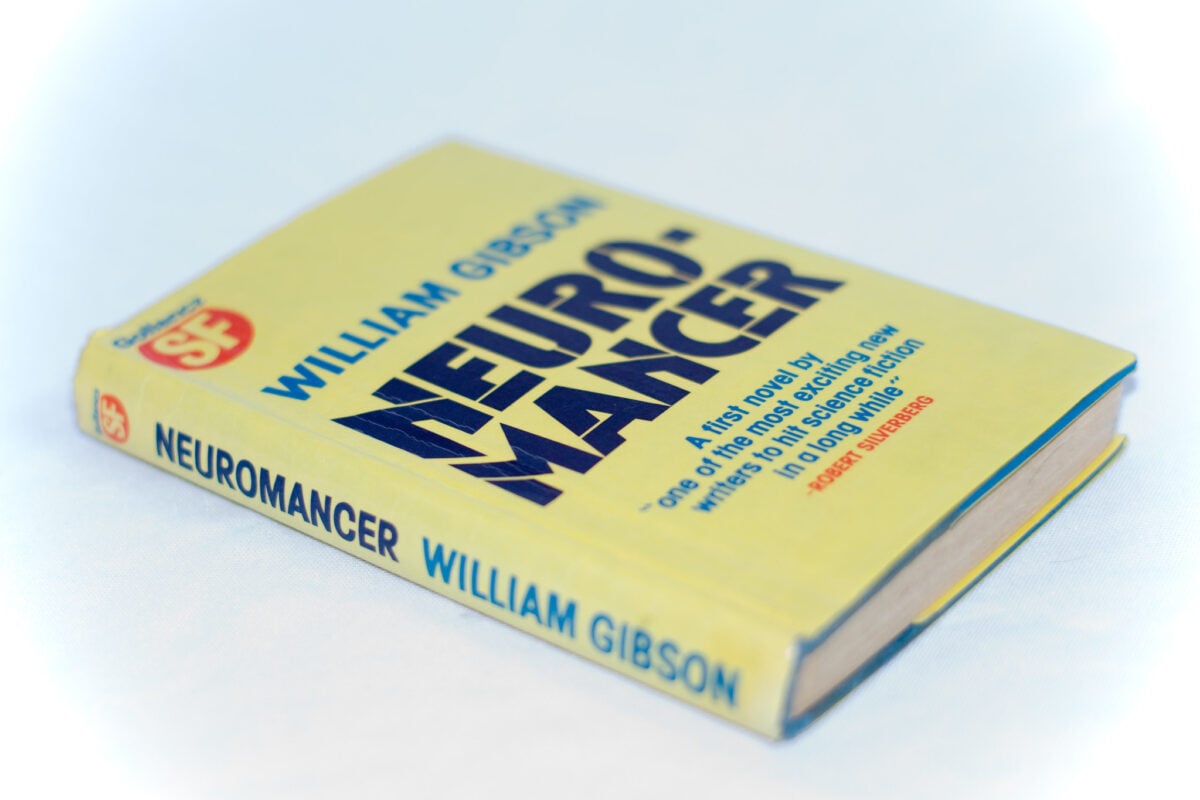
William Gibson didn’t just write science fiction — he wrote the blueprint for our digital age. “Cyberspace” was his word, born here, in a gritty 1984 novel filled with hackers, artificial intelligence, and neon-lit paranoia.
The rhythm of the writing feels like electricity. Fast. Fragmented. Alive. The Matrix, cyberpunk films, video games — all trace back to Gibson’s haunting vision of the wired world.
Kindred
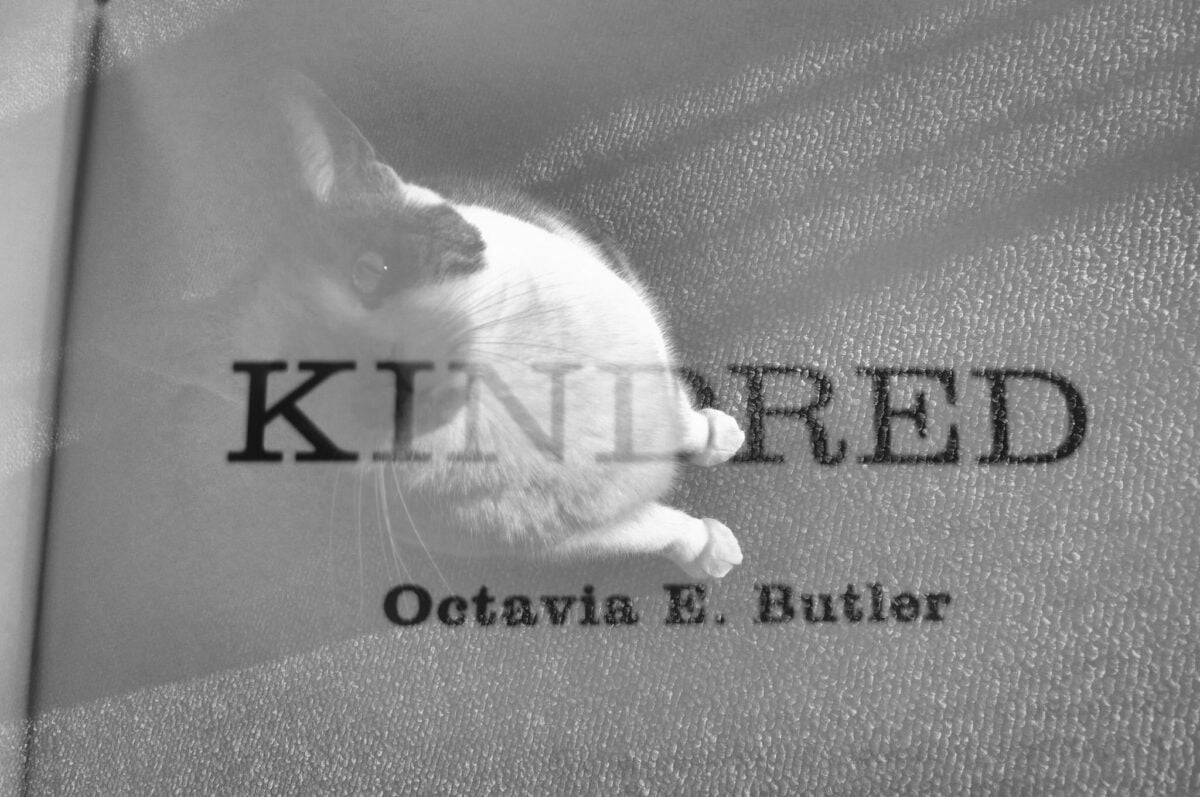
Octavia Butler’s time-travel novel doesn’t ease readers in. It throws a modern Black woman into the brutality of the 19th-century American South, forcing her to face the realities of slavery firsthand.
Part science fiction, part history, part horror. It doesn’t moralise — it immerses.
The kind of book that makes you pause between chapters, just to breathe.
The Brief Wondrous Life of Oscar Wao
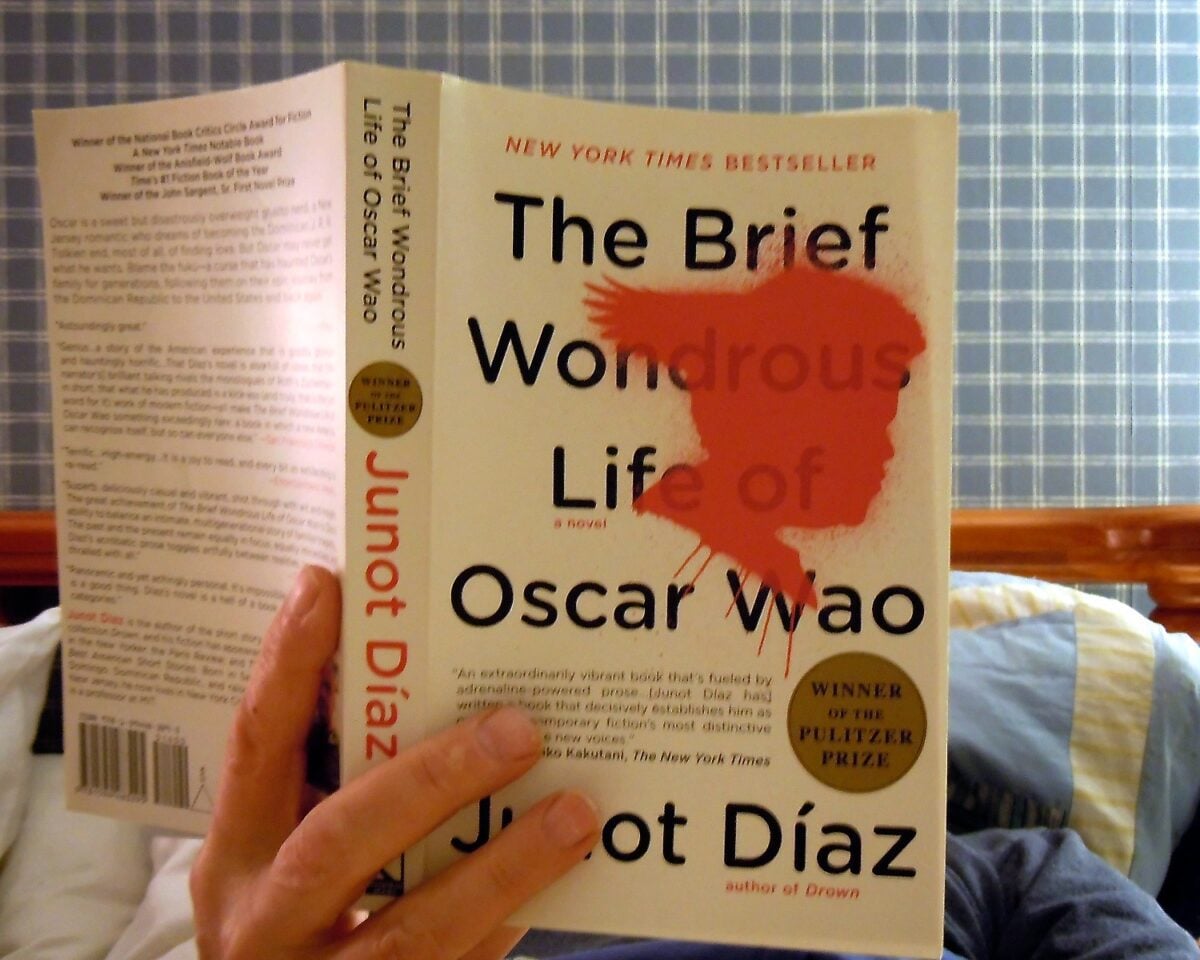
Junot Díaz’s story blends Dominican history, family curses, and pop-culture chaos. Footnotes, slang, and heartbreak — all colliding in a voice that feels alive and unpredictable.
Oscar’s tragic, geeky life captures the weight of identity and migration. It’s funny in one line and devastating in the next.
And maybe that’s why it stuck — because it sounds like life itself.
Like Go2Tutors’s content? Follow us on MSN.
The Shock Doctrine

Naomi Klein peeled back the curtain on how disasters, wars, and crises are often used to push radical economic changes. Her research was sharp, but what made it powerful was timing — she connected dots others ignored.
You might disagree with her conclusions. Still, after reading it, you start watching the news differently. Suspiciously. Maybe that’s its lasting impact.
The Quiet Revolutions

Not every revolution roars. Some whisper through pages, reshaping thought in slow, invisible ways.
These books didn’t dominate headlines, yet they linger — in conversations, in art, in the way people see the world. That’s the influence. The kind that endures.
More from Go2Tutors!

- 16 Historical Figures Who Were Nothing Like You Think
- 12 Things Sold in the 80s That Are Now Illegal
- 15 VHS Tapes That Could Be Worth Thousands
- 17 Historical “What Ifs” That Would Have Changed Everything
- 18 TV Shows That Vanished Without a Finale
Like Go2Tutors’s content? Follow us on MSN.