18 Temporary Fixes That Turned Into Permanent Features of Life
We’ve all been there—implementing a quick fix just to get by until a proper solution comes along. Yet sometimes, those stopgap measures become so integrated into our daily lives that we forget they were never meant to be permanent.
The temporary becomes the new normal, and what started as a workaround transforms into an essential feature of our environment. Here is a list of 18 temporary fixes that somehow evolved into permanent fixtures in our world, from everyday items to major infrastructure projects.
The QWERTY Keyboard
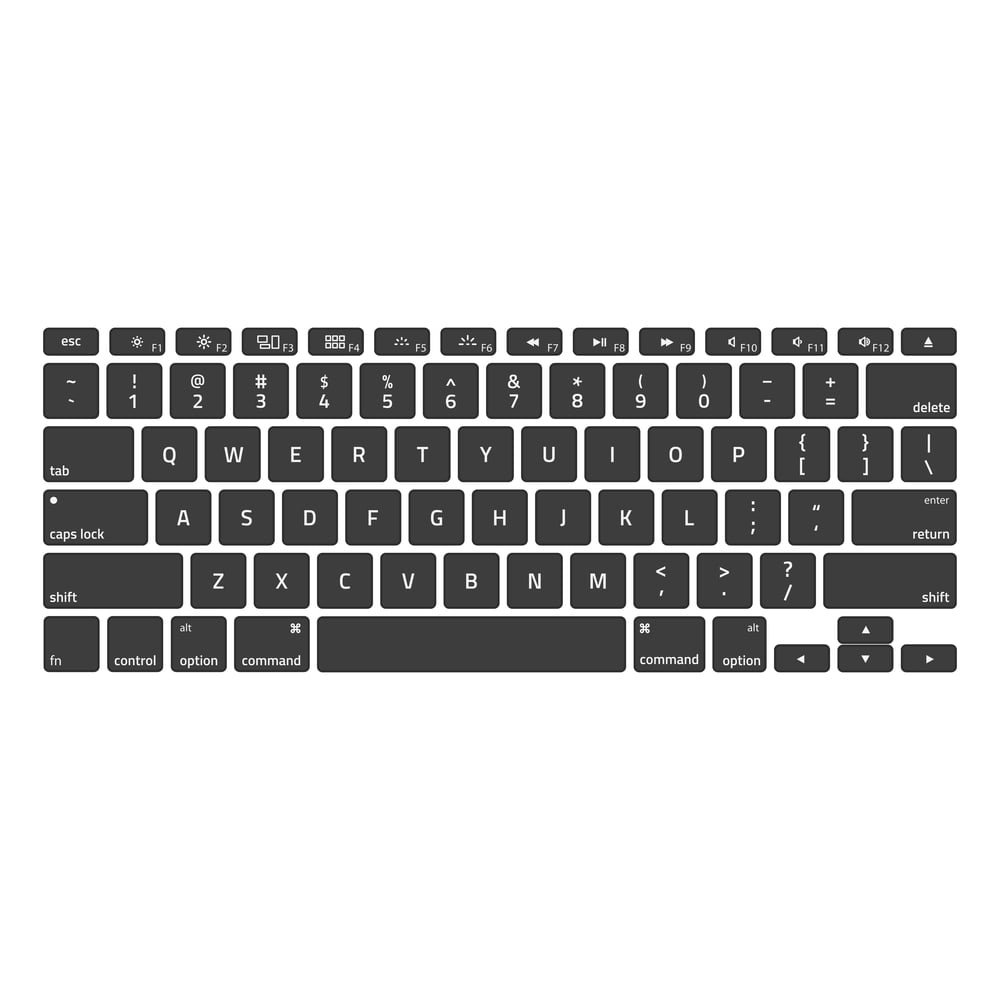
The keyboard layout we use today was designed in the 1870s specifically to slow typists down. Early typewriters would jam if adjacent keys were pressed too quickly, so inventor Christopher Sholes arranged the keys to prevent this mechanical limitation.
Despite developing newer, more efficient layouts and eliminating the original problem, we’ve collectively stuck with this deliberately inefficient design for over 150 years.
Daylight Saving Time
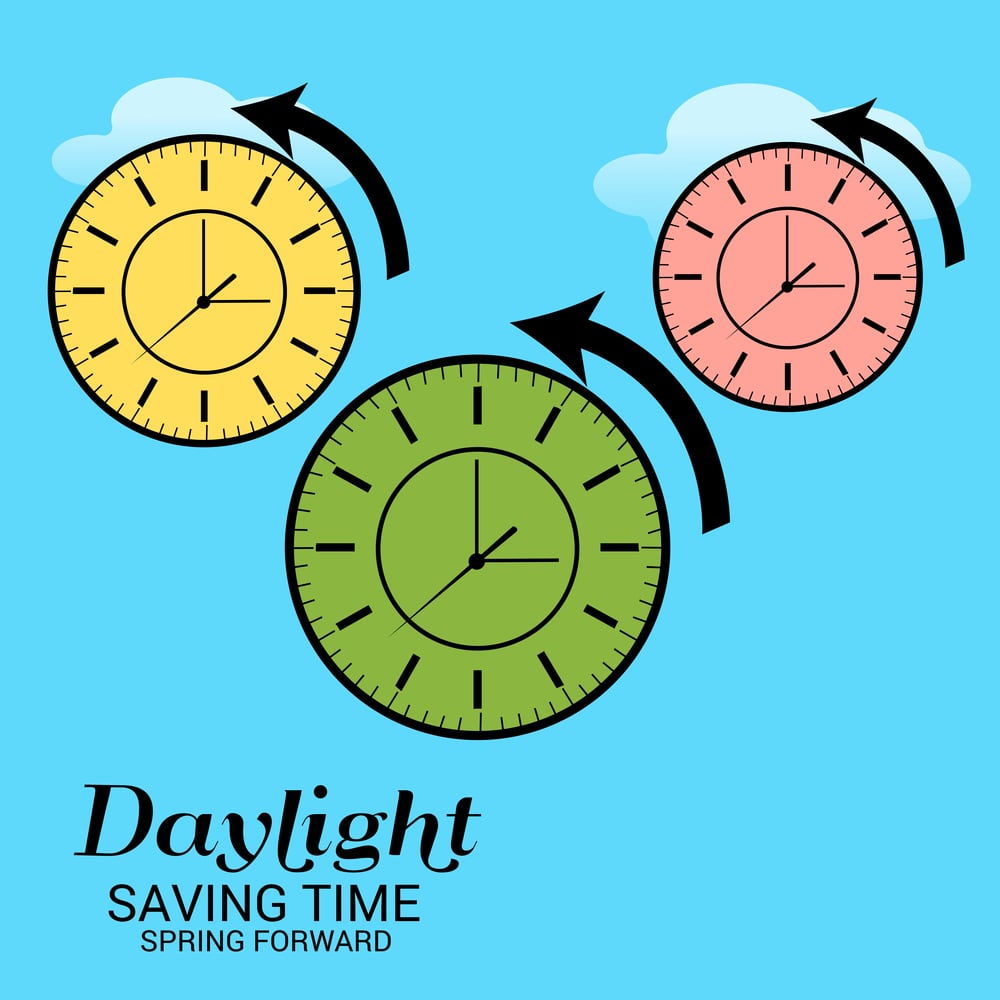
What started as a wartime energy conservation measure during World War I was never intended to become a twice-yearly ritual for most Americans. The initial implementation was supposed to be temporary, helping to conserve coal during the war.
Now millions of people adjust their clocks forward and backward each year, despite ongoing debates about their actual energy benefits and the documented health impacts of these sudden time shifts.
The Panama Canal
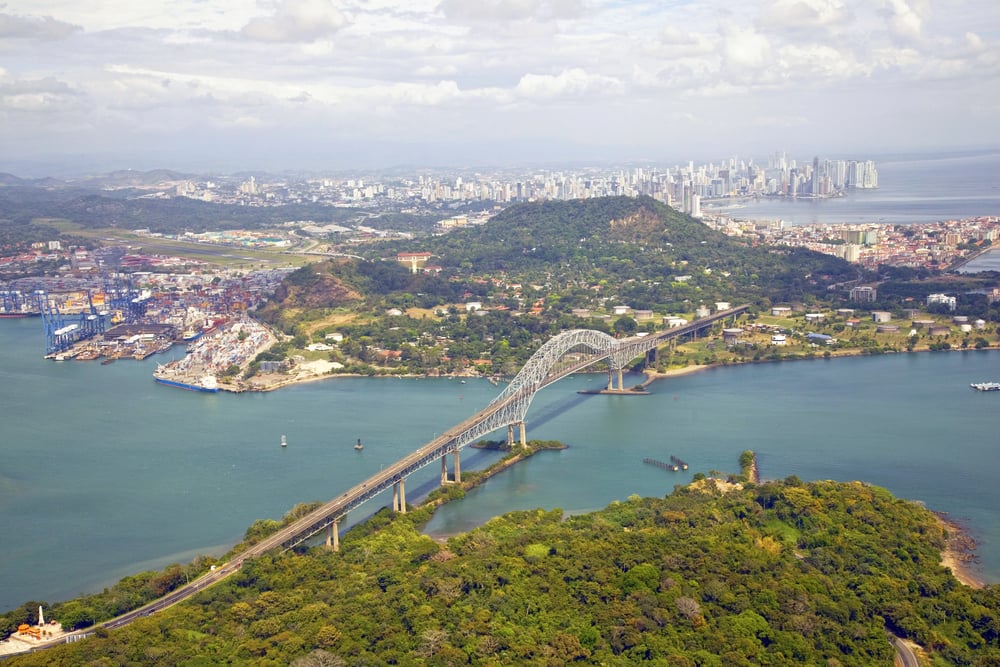
Originally constructed as a temporary solution to avoid sailing around South America, the Panama Canal was built with the expectation that a more efficient sea-level canal would eventually replace it. The lock-based system was considered a compromise due to technological limitations and funding constraints at the time.
Over a century later, this “temporary” solution remains one of the most important waterways in global commerce, handling over 14,000 ships annually.
WD-40
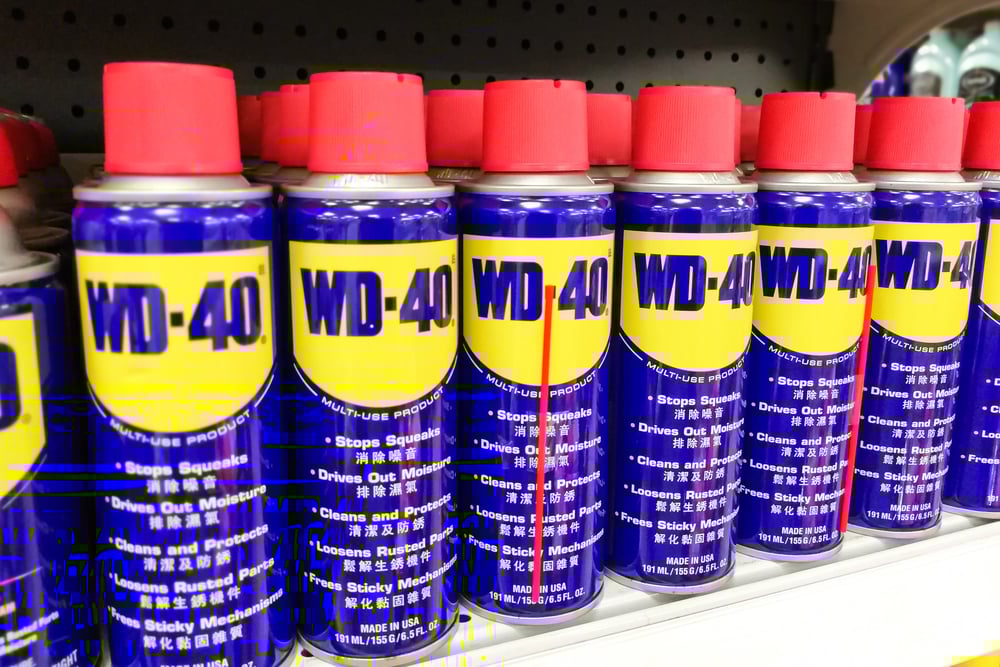
This famous penetrating oil was developed by the Rocket Chemical Company in 1953 as a temporary rust-prevention solvent for the aerospace industry. The name literally stands for “Water Displacement, 40th formula”—indicating it took 40 attempts to get the solution right.
What was created as a specialized industrial product for a specific purpose transformed into a household staple with countless uses, from lubricating squeaky doors to removing crayon marks from walls.
London’s Millennium Wheel (The London Eye)

Initially approved as a temporary attraction to celebrate the millennium, the giant Ferris wheel was granted only a five-year permit when it was constructed. Public enthusiasm and its unexpected success as a tourist attraction led to its permanent status.
Today, it’s one of London’s most recognizable landmarks and the most popular paid tourist attraction in the United Kingdom, with over 3 million visitors annually.
Social Security Numbers

When Social Security numbers were first issued in 1936, they were explicitly not to be used for identification purposes. Government officials assured the public that these numbers would only track earnings for future benefit calculations.
Fast-forward to today, and SSNs have become the de facto national identification number in the United States, used for everything from credit applications to medical records despite never being designed with security features appropriate for such widespread use.
The Leaning Tower of Pisa
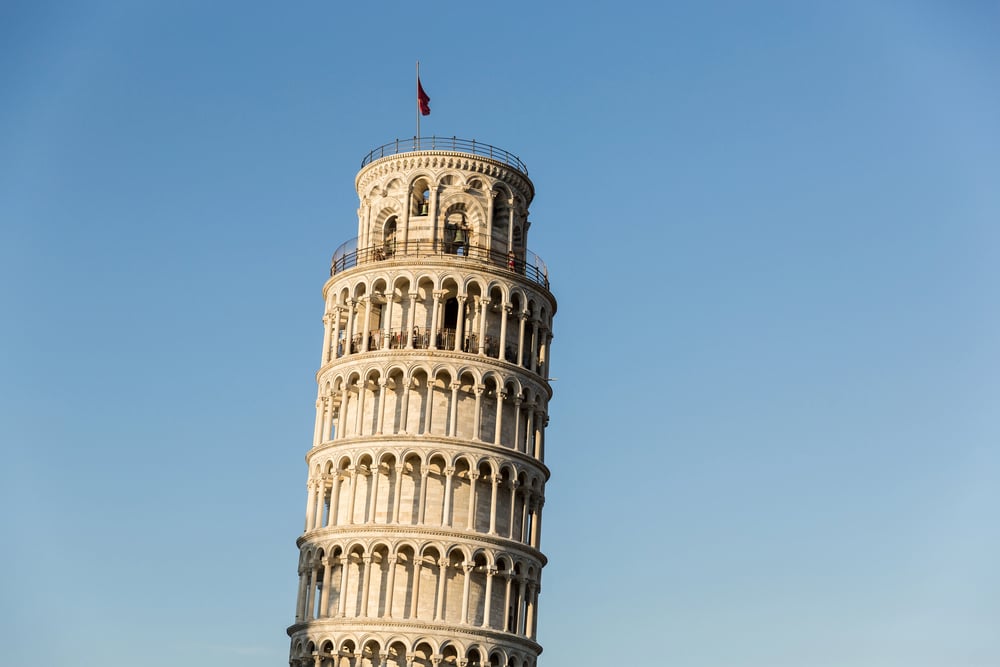
The famous lean wasn’t part of the original design—it was a structural defect that appeared during construction due to an inadequate foundation on soft ground. Work continued despite the tilt, with various attempts to compensate for it over the 199-year construction period.
Rather than being demolished and rebuilt properly, the tower’s lean became its most famous feature, attracting millions of tourists each year who come specifically to see this architectural “mistake.”
Eiffel Tower

Gustave Eiffel’s iron lattice tower was built for the 1889 World’s Fair and was scheduled for demolition after 20 years. Many Parisians initially considered it an eyesore, demanding its removal once the exhibition ended.
The tower’s value as a radio transmission station saved it from being dismantled, and today it’s the most visited paid monument in the world and the undisputed symbol of Paris.
Hollywood Sign

The iconic hillside sign originally read “HOLLYWOODLAND” and was erected in 1923 as a temporary advertisement for a new housing development. Intended to last just 18 months, the sign remained standing long after the real estate promotion ended.
When the “LAND” portion deteriorated, rather than removing the entire structure, the Hollywood Chamber of Commerce restored the remaining letters, creating one of the most recognizable landmarks in the world.
Shipping Containers

Standardized shipping containers were developed in the 1950s as a temporary solution to streamline loading and unloading cargo from ships. Inventor Malcolm McLean never envisioned that they would completely transform global trade and transportation systems.
These metal boxes have since become the foundation of modern commerce, with over 90% of the world’s goods traveling in these containers at some point in their journey.
Saccharin

The first artificial sweetener was discovered accidentally in 1879 when researcher Constantin Fahlberg noticed an unusual sweet taste on his hands after working in the laboratory. Initially used as a sugar substitute during World War I sugar shortages, saccharin was meant to be a temporary replacement.
Instead of disappearing after sugar supplies normalized, it became a permanent fixture in diet foods and beverages, paving the way for the entire artificial sweetener industry
Sliced Bread

When Otto Frederick Rohwedder invented the first automatic bread slicer in 1928, many bakers were skeptical that it would catch on. They saw pre-sliced bread as a gimmick that would cause the bread to go stale more quickly.
The invention was expected to be a temporary novelty that would fade once the excitement wore off. Instead, sliced bread became so popular that it spawned the expression “the greatest thing since sliced bread,” revolutionizing both bread consumption and sandwich making forever.
The Income Tax

The first U.S. income tax was established in 1861 as a temporary measure to fund the Civil War. It was repealed a decade later, only to be reinstated as another “temporary” measure in 1894, then declared unconstitutional by the Supreme Court.
The 16th Amendment finally made income tax permanent in 1913, though many still viewed it as a temporary wartime measure. Today, this “temporary” revenue solution forms the backbone of the federal government’s funding system.
Air Conditioning in the U.S. Capitol
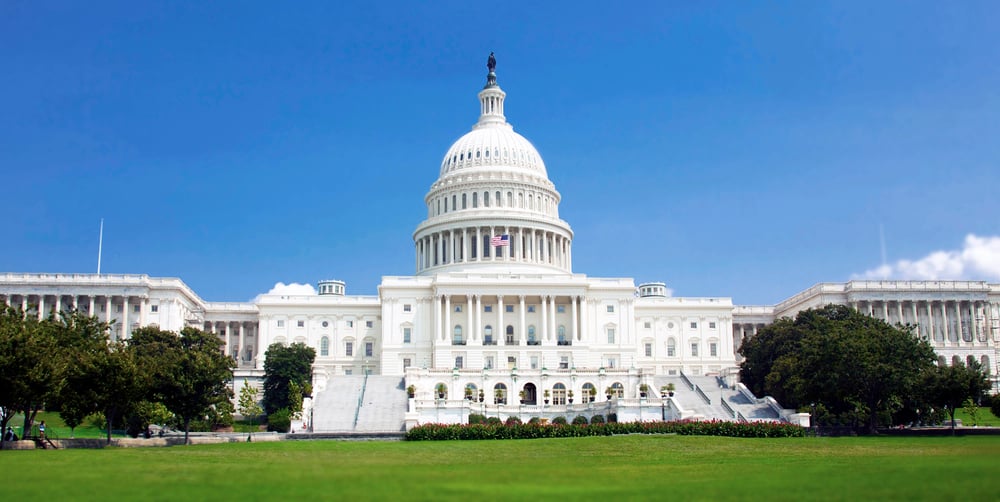
A temporary air conditioning system was put in place to chill only the rooms where Congress met during the early 20th-century renovation of the U.S. Capitol building. So effective was the system that members declined to go back to non-air-conditioned areas, which caused climate control to be permanently installed all across the facility.
This apparently small comfort improvement allowed Congress to convene year-round rather than adjourn during Washington’s scorching summers, so affecting politics significantly.
NASA’s Opportunity Rover
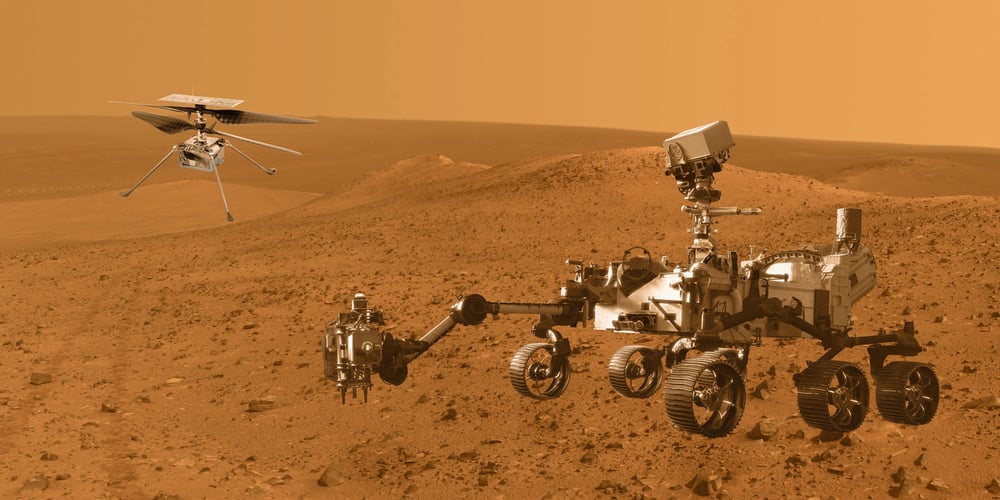
The Mars rover was initially meant as a 90-day reconnaissance mission over the Martian landscape. It was designed to survive under harsh conditions only long enough to fulfill its primary objectives.
Instead of this, Opportunity managed to survive for 15 years, covering a total of more than 28 miles on Mars and yielding valuable insights until a dust storm finally halted it in 2018. This “temporary” explorer survived 60 times longer than estimated.
The Athens Olympic Venues
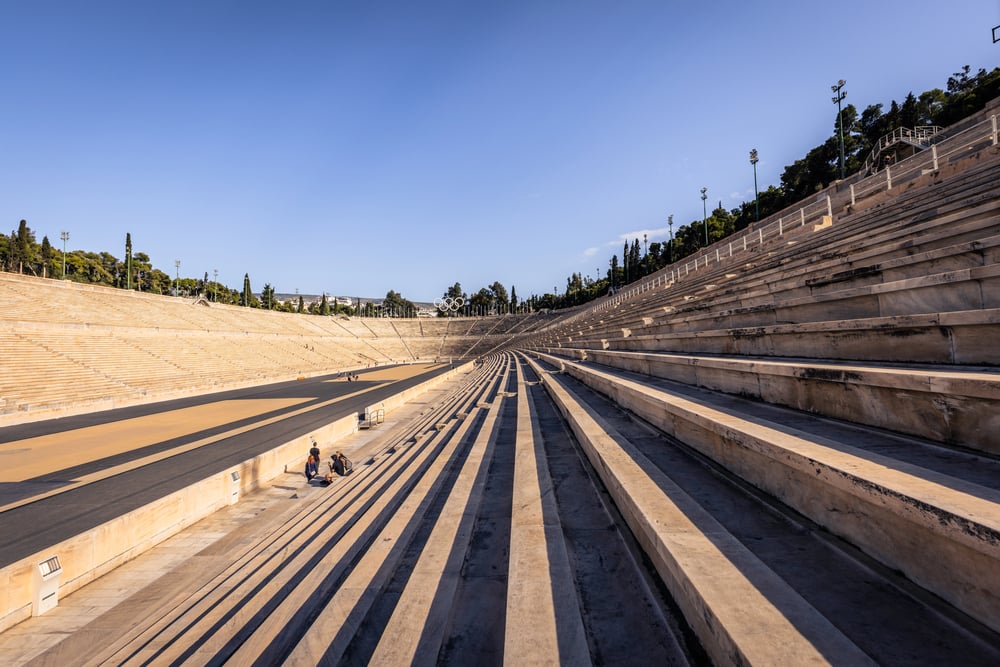
Many of the facilities constructed for the 2004 Olympics in Athens were intended to be temporary or used for other purposes following the competition. Due to financial limitations and planning concerns, these structures were never appropriately transformed for long-term usage.
Instead of being dismantled as planned, some sites remain abandoned almost twenty years later, acting as expensive monuments to bad design.
The Internet Protocol (IPv4)

Computer scientists assigned 4.3 billion IP addresses when they created the Internet Protocol version 4 in 1983, believing this would be more than enough until a more strong system could be put in place. During the development stage of the internet, this addressing method was viewed as a temporary fix.
Most of the internet still runs on this “temporary” protocol that was never meant to serve the billions of linked devices now in use even with the development of IPv6 with far more addresses.
Contactless Payments

Instead of replacing conventional payment methods, tap-to-pay technology was first launched as a practical alternative during checkout. This supplemental option became the major payment mechanism for millions of people very immediately after the COVID-19 outbreak.
Originally marketed as an extra convenience, contactless technology has become the norm, and companies that don’t provide it are now seen as outdated.
Where Temporary Becomes Timeless
The persistence of these supposedly short-term solutions reveals something fascinating about human nature and innovation. We often adapt to imperfect systems rather than replacing them, especially when the temporary fix becomes familiar enough to seem normal.
From keyboard layouts to global shipping standards, these examples show how deeply integrated temporary solutions can become in our daily lives and infrastructure. The very concept of permanence might be less about intentional design and more about our collective willingness to accept “good enough” solutions that manage to withstand the test of time.
Perhaps there’s wisdom in recognizing that today’s makeshift fix could become tomorrow’s established feature—a humbling reminder that innovation often follows unpredictable paths.
More from Go2Tutors!

- The Romanov Crown Jewels and Their Tragic Fate
- 13 Historical Mysteries That Science Still Can’t Solve
- Famous Hoaxes That Fooled the World for Years
- 15 Child Stars with Tragic Adult Lives
- 16 Famous Jewelry Pieces in History
Like Go2Tutors’s content? Follow us on MSN.