Strange Maritime Laws Modern Cruises Follow
The ocean has always been a realm unto itself, governed by traditions that stretch back centuries. Modern cruise ships, floating cities carrying thousands of passengers, still operate under maritime laws that would puzzle anyone accustomed to life on solid ground.
These vessels exist in a legal gray zone where ancient customs meet modern vacation expectations, creating a fascinating blend of old-world authority and contemporary hospitality.
Captain’s absolute authority
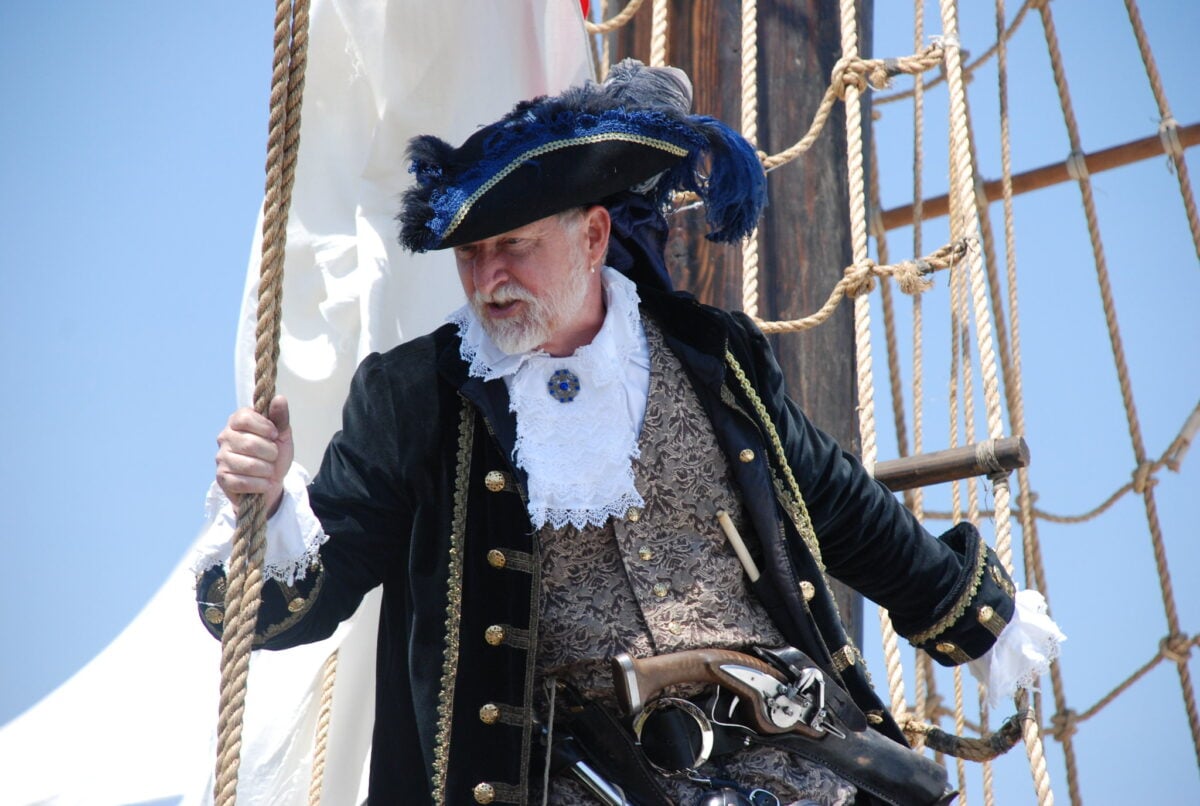
The captain’s word is law. Period.
This isn’t some romantic notion left over from pirate movies — it’s actual legal doctrine that applies to every cruise ship sailing today.
Marriages at sea
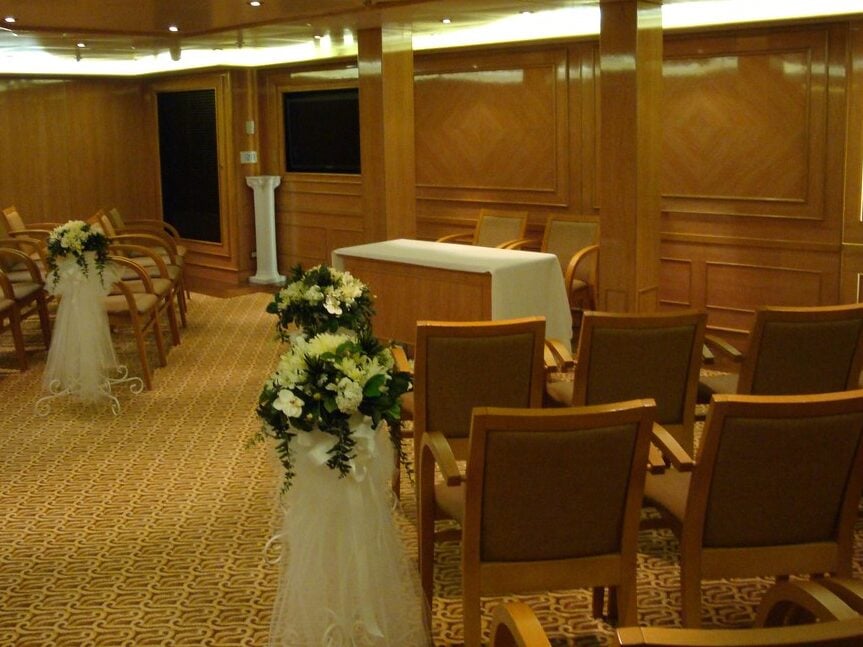
So the captain can marry you, but there’s a catch that most couples never see coming (and cruise lines rarely advertise): the marriage might not be legal once you dock. The captain’s authority to perform weddings depends entirely on the ship’s flag state — the country where it’s registered — and whether that nation’s laws are recognized by your home country.
And since most cruise ships fly flags of convenience from places like Panama or the Bahamas, your romantic ceremony under the stars could be nothing more than expensive theater. But couples keep doing it anyway, because there’s something irresistible about the idea of being married by someone who commands a floating city, even if it means filing the real paperwork later at the courthouse back home.
Detention powers aboard ship
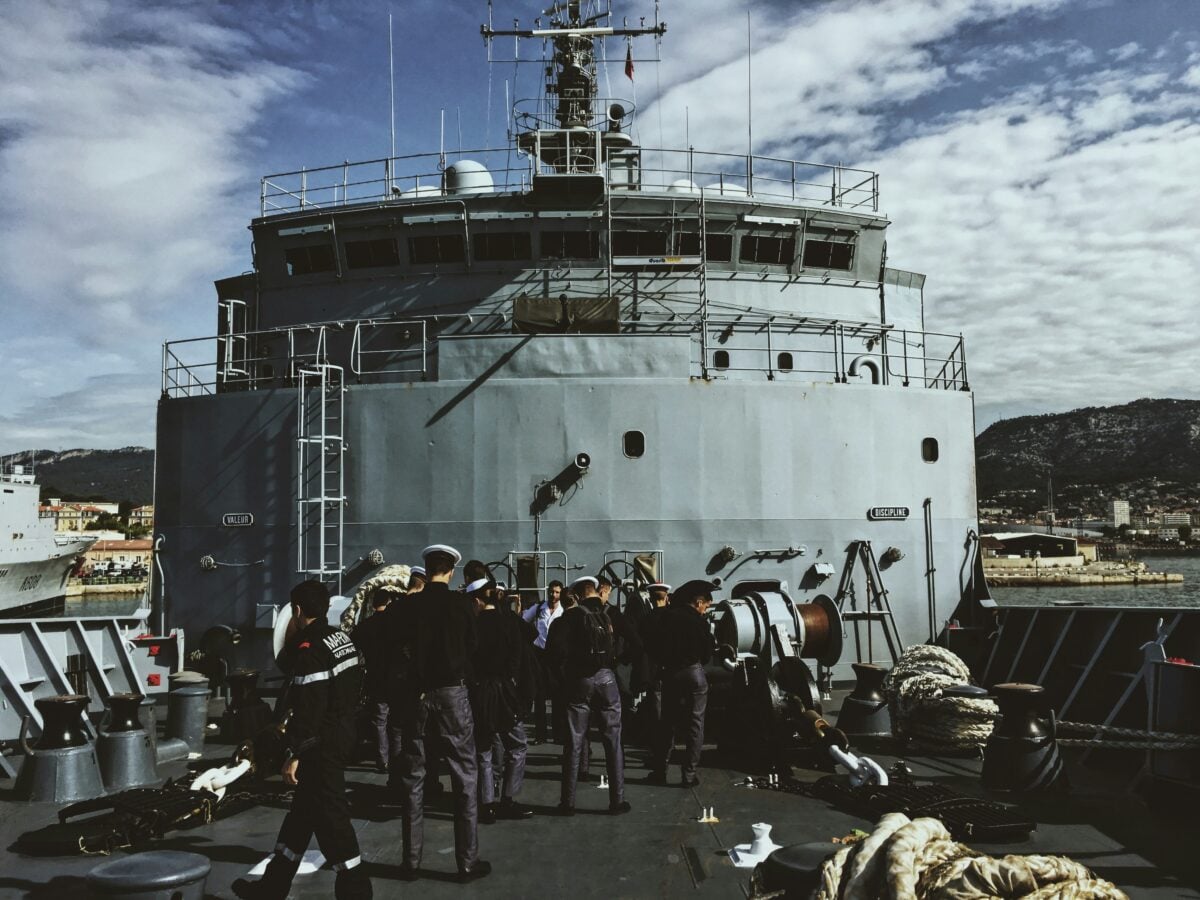
There’s something unsettling about the realization that cruise ships are essentially floating prisons with really good room service. The captain and security staff possess detention powers that would make a small-town sheriff envious — they can confine passengers to their cabins, restrict movement throughout the ship, and hold someone until the next port.
No warrant needed, no phone call to a lawyer, no constitutional protections. The ocean doesn’t recognize your rights the way dry land does.
Flag state jurisdiction overrides passenger nationality

Your passport means nothing here. The ship flies under Liberian law, Bahamian regulations, or Panamanian jurisdiction, and that trumps whatever legal protections you thought your citizenship provided.
American passengers discover their constitutional rights evaporate the moment they step aboard a foreign-flagged vessel, even if the cruise line is headquartered in Miami and the ship never leaves Caribbean waters.
Maritime salvage laws still apply
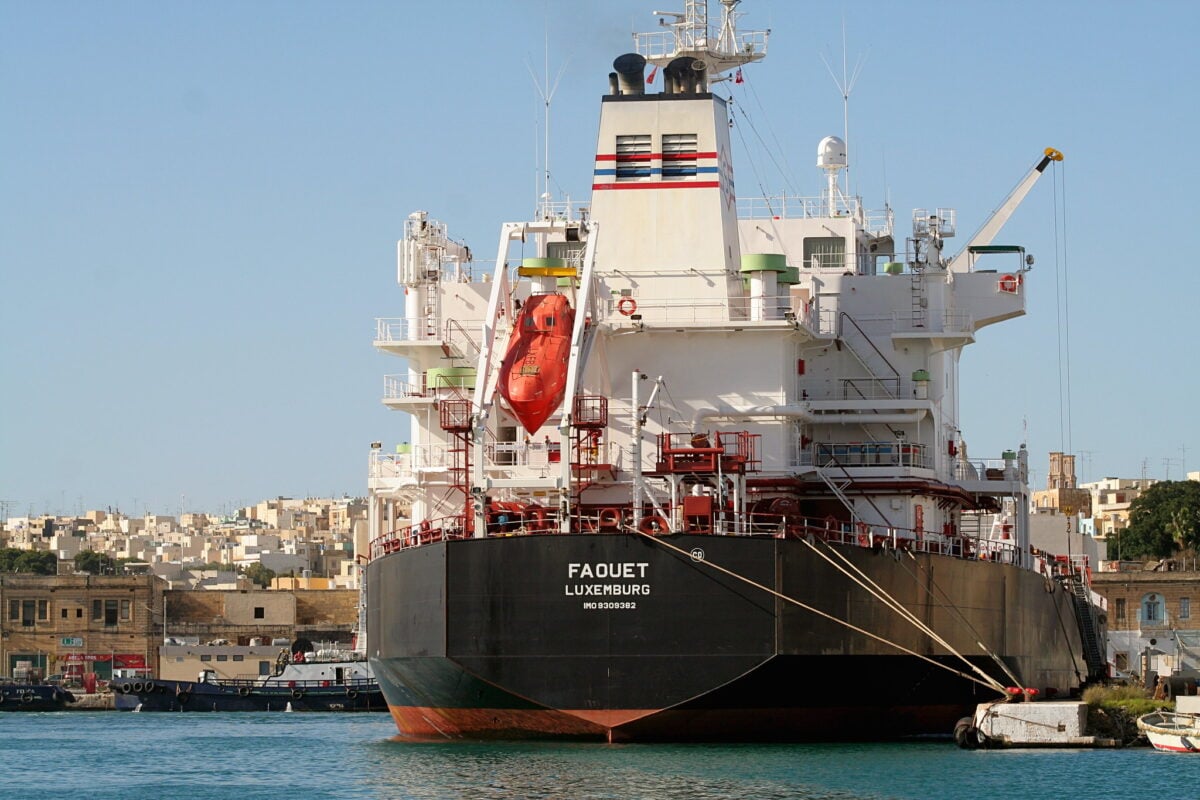
Picture this: you’re sipping a piña colada on the lido deck when another vessel sends out a distress call, and suddenly your floating vacation resort becomes part of an ancient legal obligation that predates most modern nations. Maritime salvage laws compel ships to assist vessels in distress, which means your cruise itinerary can change without notice if someone needs rescuing.
The captain doesn’t ask for a show of hands — the ship diverts, passengers wait, and vacation schedules bend to accommodate a tradition that’s kept sailors alive for centuries. And here’s the kicker: if your ship successfully aids in a salvage operation, it might be entitled to compensation from the rescued vessel, though passengers never see a dime of it (naturally).
But there’s something oddly comforting about knowing that even in our sanitized, scheduled world, the old covenant of the sea still holds: sailors help sailors, no questions asked.
Ship’s time zones are arbitrary

Time becomes negotiable once you leave port. The captain decides what time it is, and clocks throughout the ship adjust accordingly — not to match your location, but to maximize port time or dining schedules.
The ship might sail through three time zones overnight, but wake-up calls come at the same “ship time” regardless. Passengers stumble through their vacation in a temporal fog, never quite sure if they’re late for dinner or early for the show.
International waters gambling exemptions
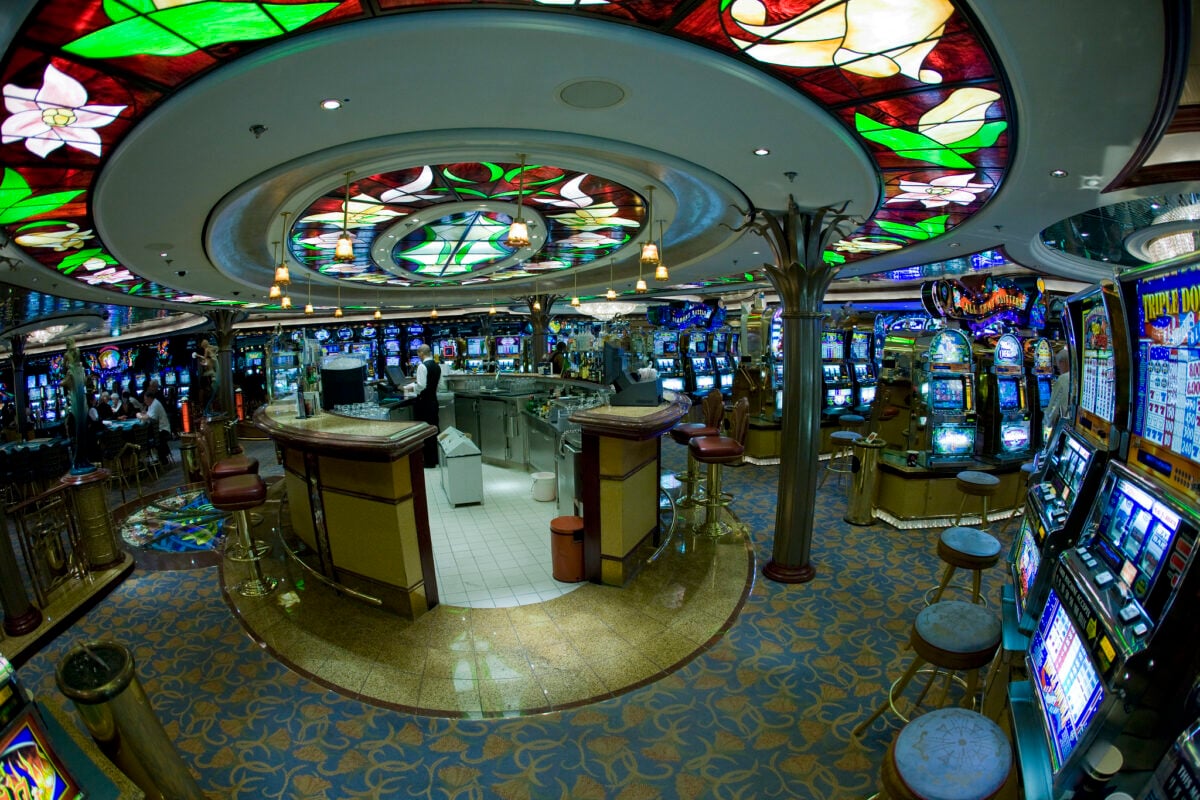
The moment the ship crosses into international waters, different rules kick in. Slot machines unlock, poker tables open, and suddenly gambling laws from dozens of different countries become irrelevant.
The casino operates under the flag state’s regulations, which tend to be remarkably permissive. Passengers who live in states where gambling is heavily restricted find themselves in a floating Vegas where the house rules are written by nations they’ve never visited.
The irony runs thick: you can’t buy a lottery ticket in Utah, but you can lose your mortgage payment on a cruise ship blackjack table the moment it clears territorial waters.
Medical care operates under ship’s country laws
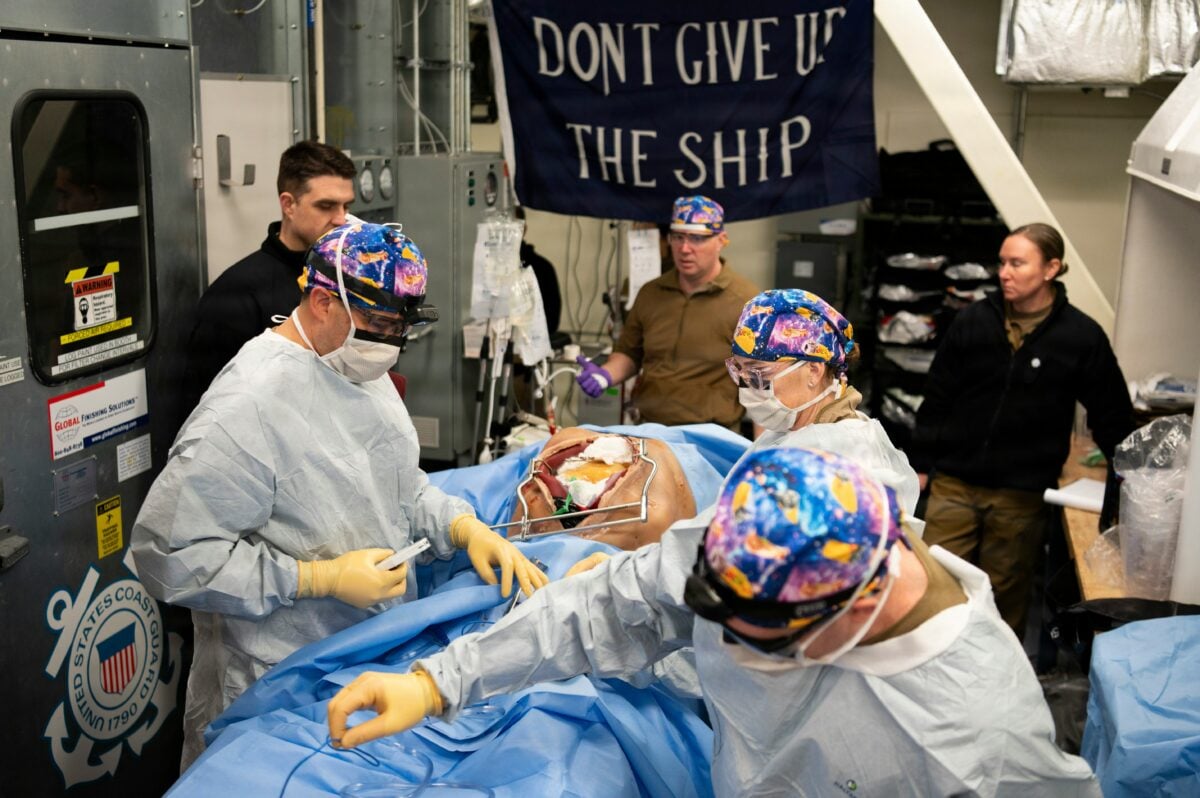
When the ship’s doctor treats your seasickness or handles a medical emergency, they’re practicing under the laws and standards of whatever country the ship calls home — not the standards you’d expect from a doctor in your hometown. A physician trained in American medical schools might be practicing under Bahamian medical regulations, with liability protections and malpractice standards that would shock patients accustomed to stateside healthcare.
The infirmary looks modern and reassuring, but the legal framework governing your treatment comes from jurisdictions chosen more for their business-friendly policies than their patient protection standards. Medical emergencies at sea reveal just how much passengers assume about the care they’re receiving, and how little those assumptions align with maritime legal reality.
Crew labor laws differ drastically from passenger expectations
The smiling staff serving your breakfast work under labor conditions that would violate employment laws in most developed nations. Crew members often work contracts spanning months without a single day off, logging 12-hour shifts seven days a week for wages that would be illegal in the ports where passengers board.
Maritime labor laws create a two-tiered system aboard every cruise ship. Passengers enjoy vacation rights and consumer protections while the crew operates under international maritime employment standards that prioritize ship operations over worker welfare.
The cheerful service comes from people living under legal conditions their passengers would find unacceptable on land.
Environmental discharge regulations in international waters
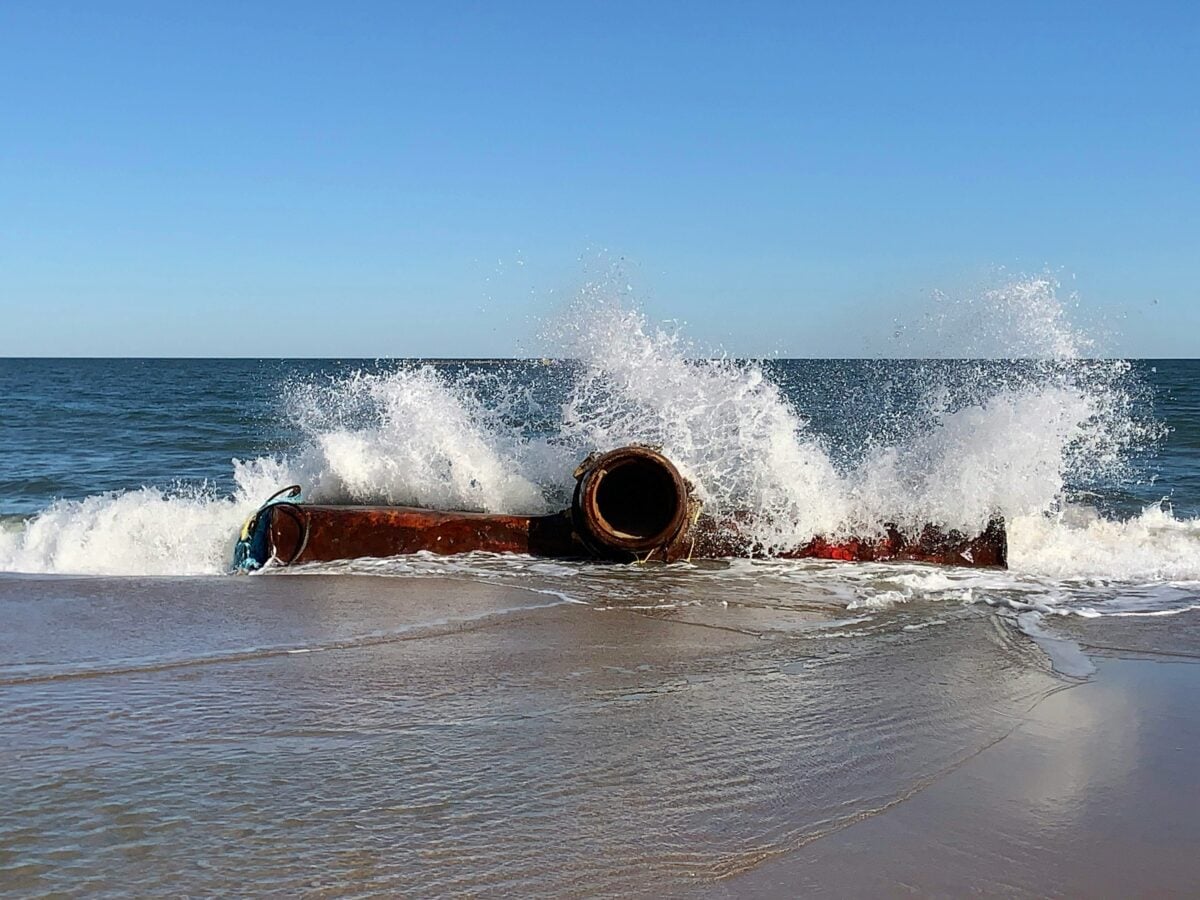
Cruise ships transform into floating cities with surprisingly lenient environmental rules once they reach international waters. What can’t be dumped near shore becomes permissible miles offshore, following maritime pollution standards that lag decades behind land-based environmental protection.
The same ship that must carefully manage waste disposal in port can discharge treated sewage and graywater in international waters under regulations that would horrify environmental agencies on land. Passengers generate tremendous amounts of waste during their floating vacation, and much of it ends up in the ocean under legal frameworks designed for cargo ships, not resort destinations carrying thousands of people.
Crime scene jurisdiction complications

When serious crimes occur aboard cruise ships, the legal response resembles a jurisdictional shell game that would be comical if the consequences weren’t so serious. The FBI might investigate, but prosecution depends on where the crime occurred, what nationality the perpetrator and victim hold, and which country’s laws the ship operates under — creating a legal maze that often leaves victims without clear recourse.
So a crime committed by an American against another American in international waters aboard a Panamanian-flagged ship might be investigated by the FBI, prosecuted under federal maritime law, but governed by evidence collection standards from yet another jurisdiction entirely. The result: cases that drag on for years while lawyers sort out which country’s legal system actually applies to floating crimes.
Ancient maritime lien laws

Ships can be seized for unpaid debts in ways that would be impossible with land-based businesses. Maritime lien laws date back centuries, giving everyone from fuel suppliers to injured crew members the right to place legal claims directly against the vessel itself.
A cruise ship worth hundreds of millions of dollars can be detained in port over relatively small unpaid bills, stranding thousands of passengers while lawyers sort out commercial disputes. The ship becomes collateral for debts in ways that make passengers unwitting participants in business conflicts they never saw coming.
Admiralty court procedures supersede civilian courts

Maritime disputes don’t get resolved in regular courthouses. They go to admiralty courts with procedures, precedents, and legal traditions that operate independently from the civilian legal system most people understand.
These courts handle everything from passenger injury claims to crew wage disputes using legal principles that prioritize maritime commerce over individual rights. Passengers who assume they can sue a cruise line like any other business discover their cases fall under specialized maritime law with damage caps, liability limitations, and procedural requirements that heavily favor the shipping industry.
The ancient code still governs the seas

Step aboard any modern cruise ship and you’re entering a legal time capsule where 14th-century maritime customs still hold sway over 21st-century vacations. The ocean remains the last frontier where ancient laws govern modern life, creating a parallel legal universe that most passengers never realize they’ve entered.
Your floating resort operates under rules written for merchant sailors and naval expeditions, adapted somewhat awkwardly to handle Instagram-worthy vacations and poolside entertainment. The result is a fascinating collision between old-world maritime authority and contemporary consumer expectations — a reminder that some frontiers still operate by their own timeless rules, regardless of how civilized and comfortable we make them appear.
More from Go2Tutors!

- The Romanov Crown Jewels and Their Tragic Fate
- 13 Historical Mysteries That Science Still Can’t Solve
- Famous Hoaxes That Fooled the World for Years
- 15 Child Stars with Tragic Adult Lives
- 16 Famous Jewelry Pieces in History
Like Go2Tutors’s content? Follow us on MSN.