Famously Difficult Video Game Levels
Every gamer has that one level. That stage, you know—the one that caused you to fling your controller, doubt your abilities, or quit playing the game for a few days.
Brutal enemy placement makes some levels difficult, confusing design makes others difficult, and some are just plain sadistic. These aren’t your typical difficult passages; they are renowned for trying patience and lowering spirits.
The top 14 notoriously challenging video game levels are listed here.
Turbo Tunnel

Battletoads begins as a silly, entertaining beat-’em-up in which you swing down pipes and punch opponents. Then level three appears, shattering all of your preconceived notions about the game.
Reflexes alone are insufficient on the Turbo Tunnel, a lightning-fast hoverbike course. One incorrect move puts you back at the beginning, and obstacles are presented to you like nightmare flashcards.
Because both players restart if one dies, playing cooperatively makes it worse. It’s pure chaos masquerading as a racing level, the video game equivalent of synchronized suffering.
Water Temple
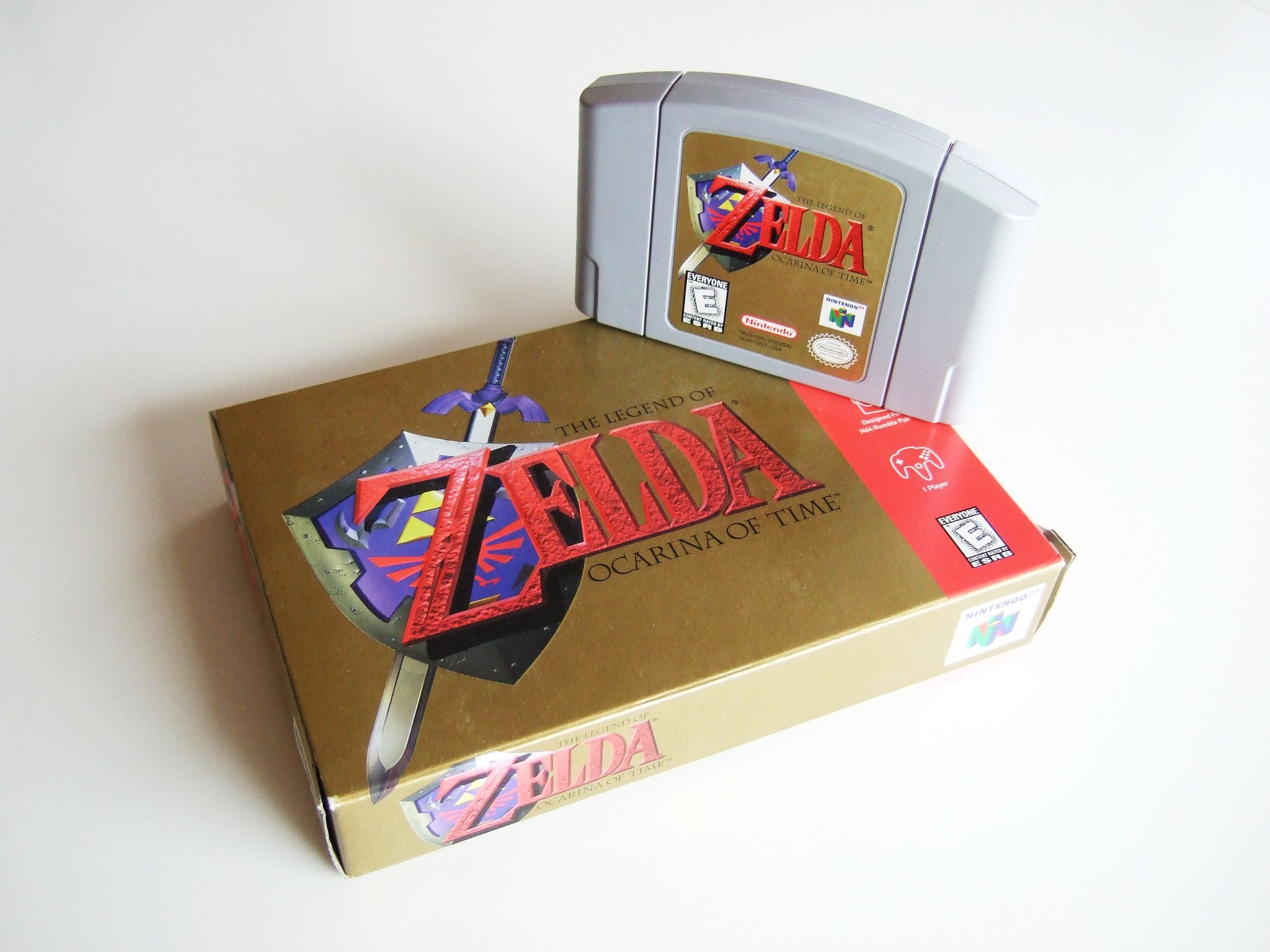
Decades later, the Water Temple from Ocarina of Time continues to provoke discussion. The mental acrobatics are the difficult part, not the adversaries.
In order to access new areas, players must continuously change the water level, but the temple’s layout is a tangle of identical hallways and switches that appear to have been created by someone who detested having fun. Exploration became tedious on the Nintendo 64 because even changing the iron boots required pausing the game every few seconds.
For people who experienced the original, it is still the benchmark for frustrating design, even though later remasters made it simpler.
Ornstein and Smough

Dark Souls is known for its merciless bosses, but Ornstein and Smough are on another level. One is fast and agile, the other slow but devastating, and they attack in perfect sync.
The confined arena leaves no room to breathe, and even experienced players often crumble before landing a hit. The real cruelty comes after defeating one—because the other absorbs his power, becoming stronger and meaner.
It’s a duel that forces you to master timing, patience, and adaptability. Many players admit that once they finally won, they had to put the controller down and just… stare.
The Dam

Teenage Mutant Ninja Turtles on the NES is remembered for one thing: The Dam. This underwater bomb-defusal mission gives you limited oxygen, clunky controls, and electric coral that punishes every mistake.
The layout feels intentionally cruel—tight passages, instant-death hazards, and a timer that never seems fair. Players had to memorize every movement like a deadly dance routine.
For many kids in the ’80s, The Dam was where their TMNT dreams drowned.
The Perfect Run

Super Mario Galaxy 2’s “The Perfect Run” sounds cheerful—until you realize it’s a sadistic endurance test. You must clear a long series of tricky obstacles without taking a single hit.
One mistake, and it’s back to the start. Precision jumps, flying enemies, and laser traps create a gauntlet that feels endless.
The name isn’t metaphorical—you truly have to be perfect. When players finally finish, the relief feels more like surviving a storm than completing a level.
Crysis – Reckoning

The final mission of Crysis, called Reckoning, pushes both players and hardware to the limit. Even the best computers of its era could barely handle the explosion-filled chaos.
You face alien forces on a frozen aircraft carrier while everything around you crumbles. Enemies are fast, unpredictable, and deadly accurate, making this mission as much about resource management as shooting.
To this day, the phrase “Can it run Crysis?” still echoes as a badge of gaming toughness.
Mike Tyson

In Punch-Out!!, facing Mike Tyson feels like stepping into the ring with fate itself. The first 90 seconds are a blur of uppercuts that knock you out in one hit.
Memorizing his patterns takes dozens of losses, and even when you learn them, execution is another battle. The fight is pure rhythm—blink, and it’s over.
When you finally land the winning punch, it feels like toppling a myth.
Aztec and Egyptian Missions
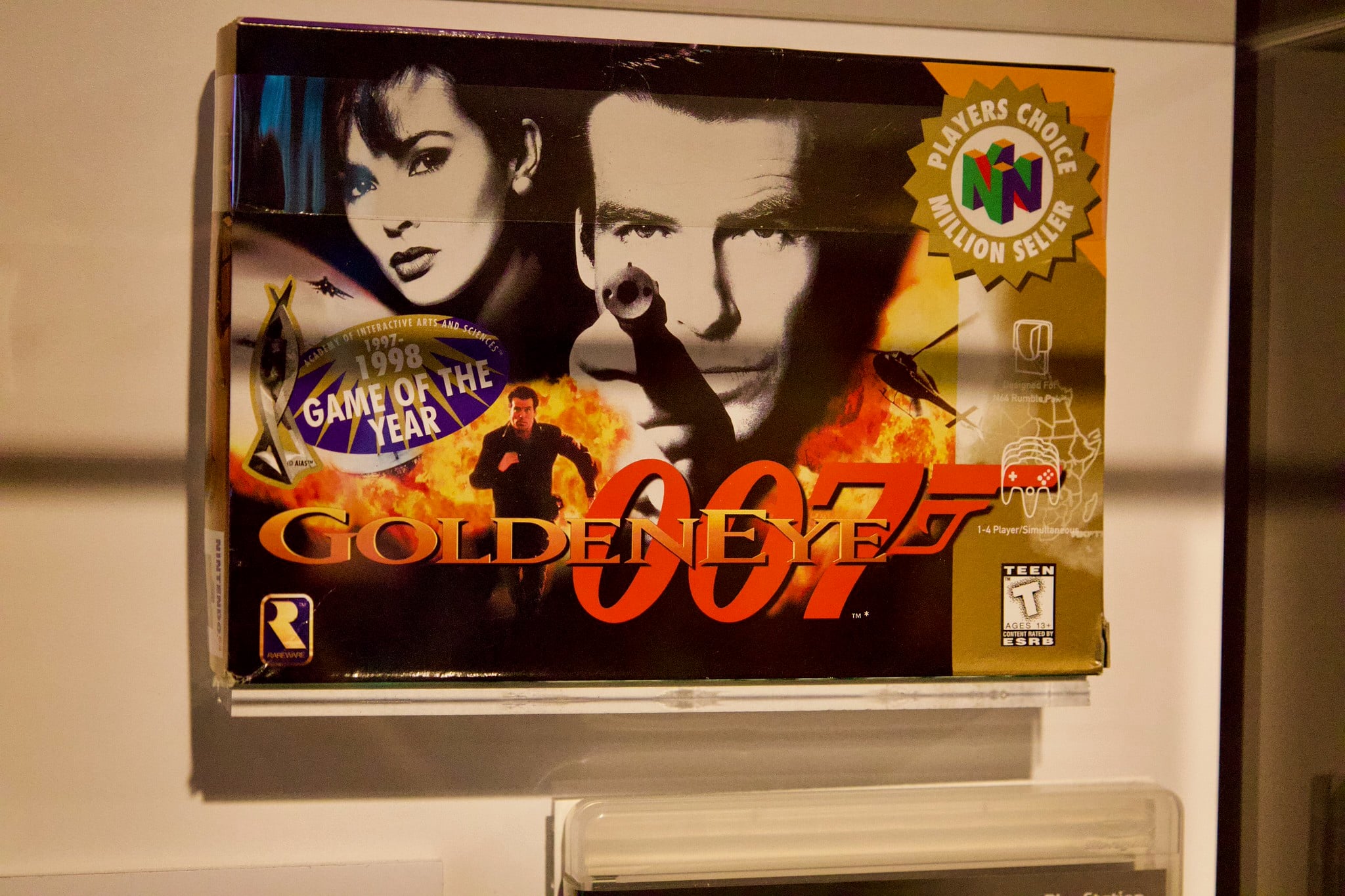
GoldenEye 007’s bonus missions were meant for experts, and they delivered. The Aztec mission throws rocket troopers at you in tight hallways, while the Egyptian mission piles on traps, enemies, and timers.
Even today, fans debate which is worse. The combination of bad aim mechanics, strict objectives, and limited health turns these stages into mini horror films.
They were a test of composure—and your controller’s durability.
Air Man’s Stage

Mega Man 2 looks bright and cheerful, but Air Man’s Stage is the opposite of friendly. Strong winds blow you backward as floating platforms vanish under your feet.
Enemies appear mid-jump, pushing you into endless pits. Every success feels like surviving a miracle.
The chipper background music almost mocks your pain. Beating Air Man wasn’t just a win—it was proof you had mastered patience and pixel-perfect timing.
Mile High Club

This hidden mission in Call of Duty 4: Modern Warfare turns chaos into art. You have just one minute to clear a hijacked plane on Veteran difficulty.
Miss a single shot, and it’s over. Players sprint through narrow aisles, flashbangs flying, trying to remember the layout through muscle memory alone.
The tension is so high that finishing it feels like defusing a bomb with a heartbeat.
Rainbow Road

There’s no level more beautiful—or cruel—than Rainbow Road. It’s a test of pure focus wrapped in neon lights.
One wrong drift, and you’re gone, watching your kart fall endlessly into space. Every version across the Mario Kart series has its own brand of torment, but they share one truth: no guardrails, no mercy.
It’s where friendships are tested, rivalries are born, and pride goes to die.
The Library
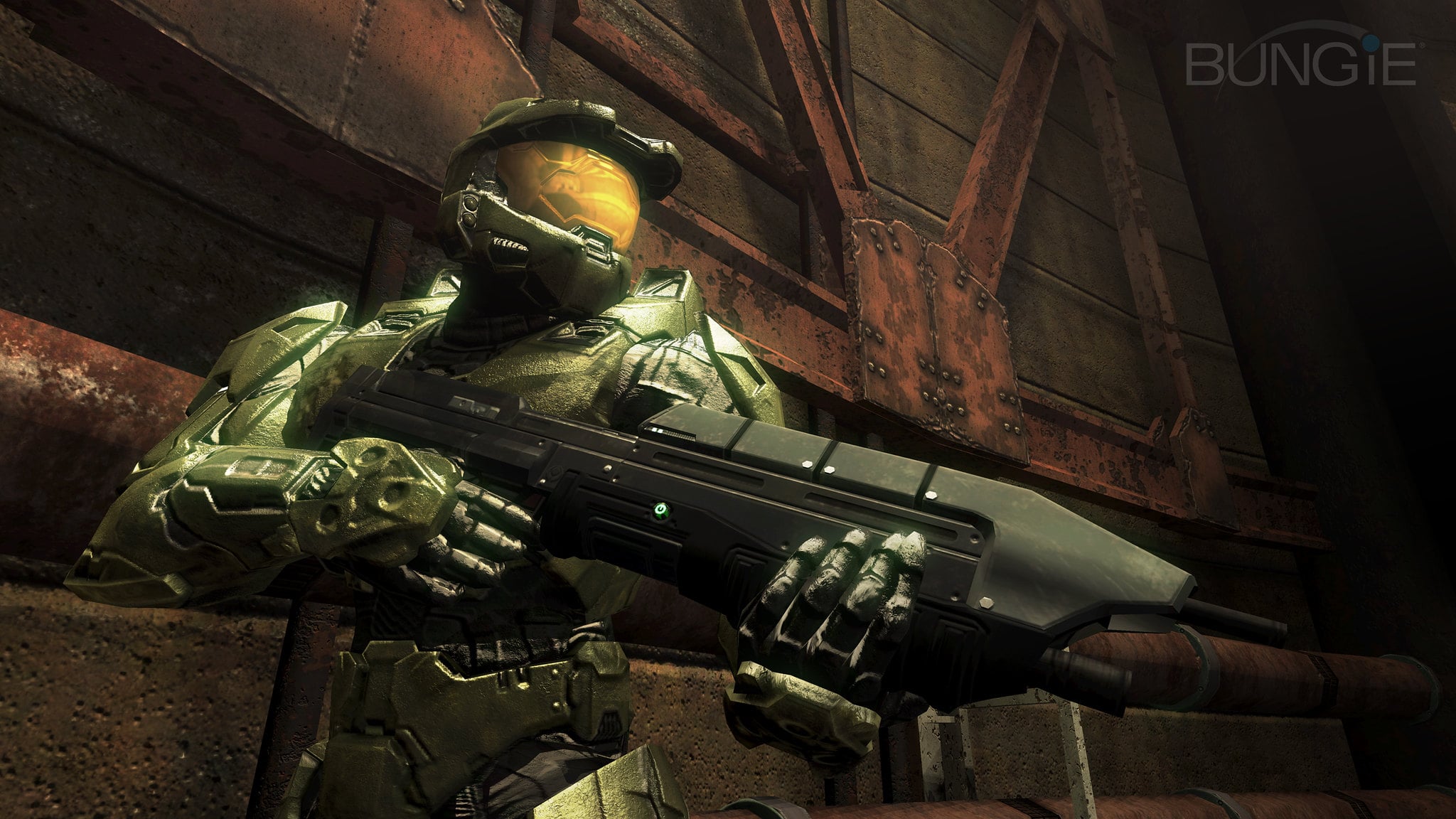
Halo’s Library mission traps players in an endless loop of monotony and fear. The Flood comes in waves that never seem to stop, and the dim lighting turns every corridor into a guessing game.
Running out of ammo is almost guaranteed, and checkpoints feel hours apart. It’s not that the level is unfair—it’s that it never lets you breathe.
By the time the elevator doors open at the end, it feels like escaping a nightmare.
Through the Fire and Flames

DragonForce’s song in Guitar Hero III is legendary for its speed. The first few seconds alone knock out most players before they can strum twice.
It’s a test of endurance and precision, demanding lightning-fast finger coordination. The level became a pop-culture benchmark—if you could finish it on Expert, you weren’t just good, you were elite.
It turned living rooms into concert stages and players into legends.
The Great Maze

Super Smash Bros. The Great Maze is where Brawl ends, and it lives up to its name. Players must re-fight all of the bosses, navigate well-known locations, and assemble a massive map that seems to go on forever.
It is notorious because it is mentally taxing rather than mechanically demanding. Completing it is like crawling out of a mental and physical maze.
The Legends That Still Haunt Us

Not only are these levels challenging, but their definition of perseverance is what keeps them going. Players learned patience, flexibility, and the satisfaction of finally overcoming the impossible from each one.
These incidents helped to create gaming culture by transforming annoyance into legend. They continue to reverberate through speedruns, memes, and nostalgia even after several decades.
They serve as a reminder that sometimes the hardest struggles are meant to be remembered rather than to be simple.
More from Go2Tutors!

- The Romanov Crown Jewels and Their Tragic Fate
- 13 Historical Mysteries That Science Still Can’t Solve
- Famous Hoaxes That Fooled the World for Years
- 15 Child Stars with Tragic Adult Lives
- 16 Famous Jewelry Pieces in History
Like Go2Tutors’s content? Follow us on MSN.