18 Things You Never Knew About Barcodes
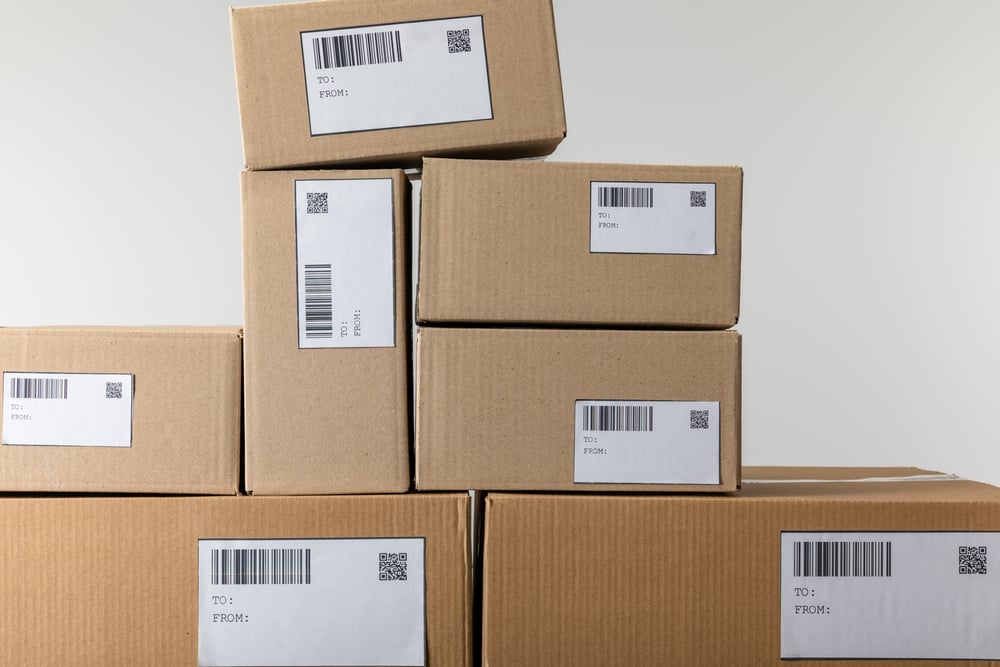
Everywhere you look, barcodes stick to things. Groceries have them, so do medicine containers, shipped boxes, event passes, also book spines.
Scanning happens fast, almost automatic, rarely noticed by most folks. They’re just part of the clutter on stuff we touch daily.
Far below the surface of those striped patterns, hidden motion thrives. What follows crosses minds too seldom.
Frustration Sparked Its Creation
Wallace Flint, a man who worked at a grocery store, jotted down rough ideas about black-and-white stripes back in 1932 – he’d had enough of customers waiting too long. Much later, two thinkers, Bernard Silver and Norman Woodland, picked up where he left off.
Supposedly, one afternoon by the ocean, Woodland traced lines into wet sand, borrowing rhythm from old telegraph signals. Years passed without movement – until machines grew smart enough to see what they saw.
A Barcode Passes Under Red Light. One Item Now Lives Inside A Machine’s Memory. A Screen Flashes New Numbers
Out front, a single pack of Wrigley’s Juicy Fruit changed everything. Back then, on June 26, 1974, it moved through a Marsh store in Troy, Ohio – first item ever scanned by barcode.
Since that day, it has lived inside the National Museum of American History, part of the Smithsonian collection. Just another gum purchase, yet suddenly historic.
Not one person there realized what had just taken place.
Lines Are Not Just Decoration
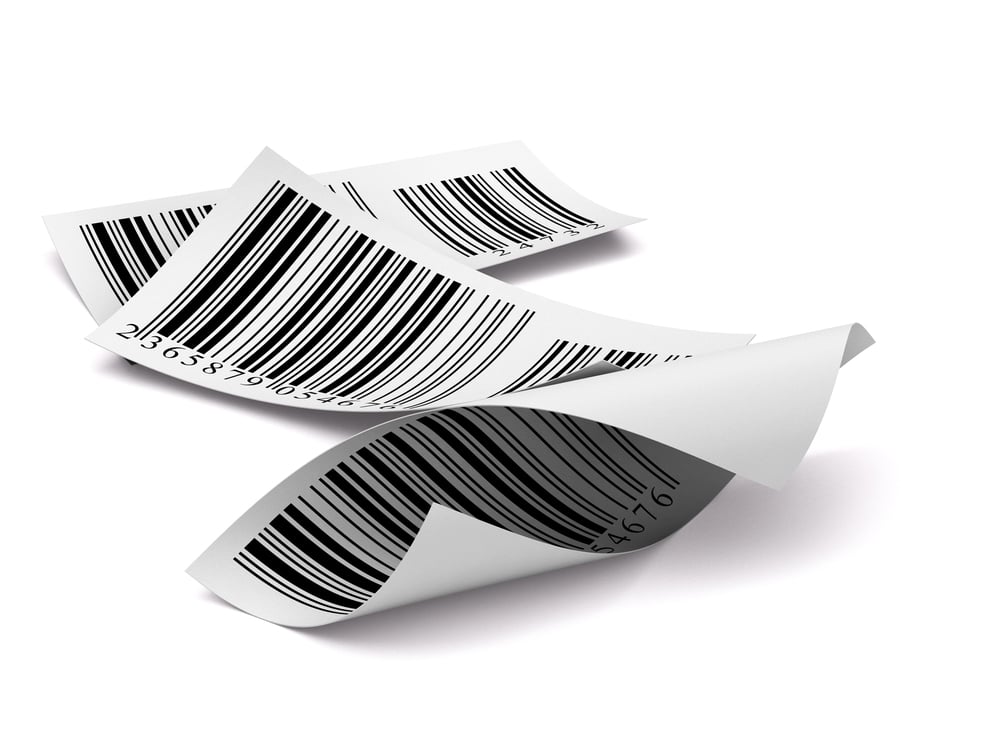
One number lives inside every barcode, hidden in how wide or narrow the stripes appear. Because thick marks mean one thing in machine code, while slim ones signal something else entirely.
White gaps between black bars create the difference scanners need to make sense of it all. Machines grab the message in a flash – their eyes built exactly for this patterned speech.
People can work it out by hand, though doing so eats up minutes instead of milliseconds.
Far From Every Barcode Looks Alike
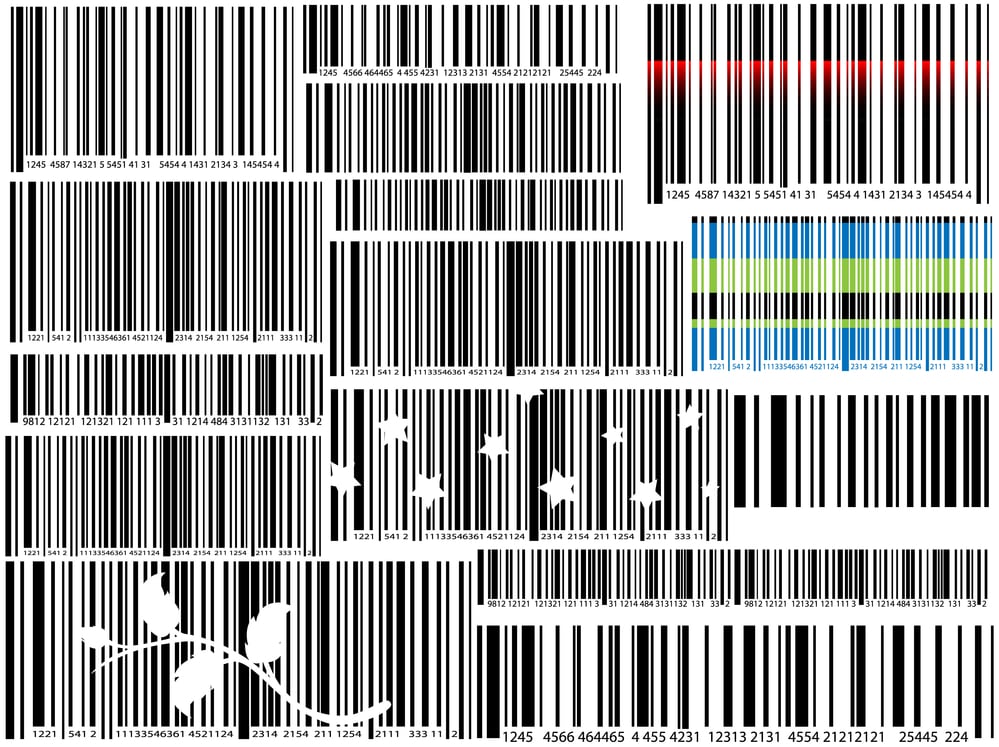
A familiar black-and-white stripe pattern on groceries? That is a UPC – short for Universal Product Code.
Yet more than thirty distinct kinds scan daily across the globe. Where space shrinks, such as on medicine capsules, certain codes step in neatly.
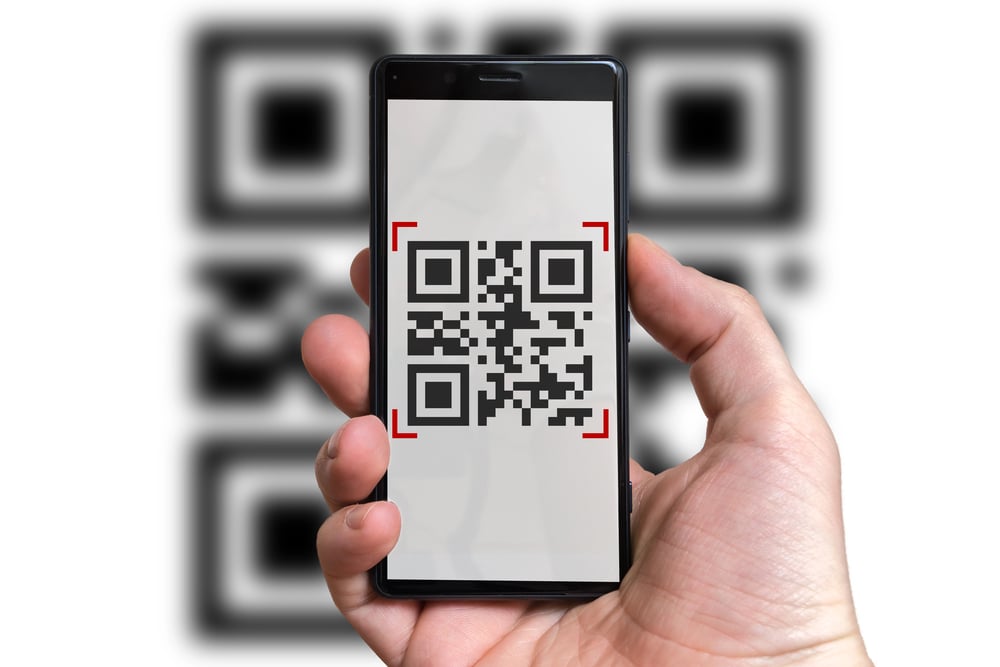
Vast cargo containers rely on alternate forms altogether. Consider QR symbols: these square-shaped patterns belong to the barcode family, though they store data both horizontally and vertically.
Purpose shapes design; each variant answers a particular need.
A Single Hush Moves Each Piece. Silence Runs Every Gear
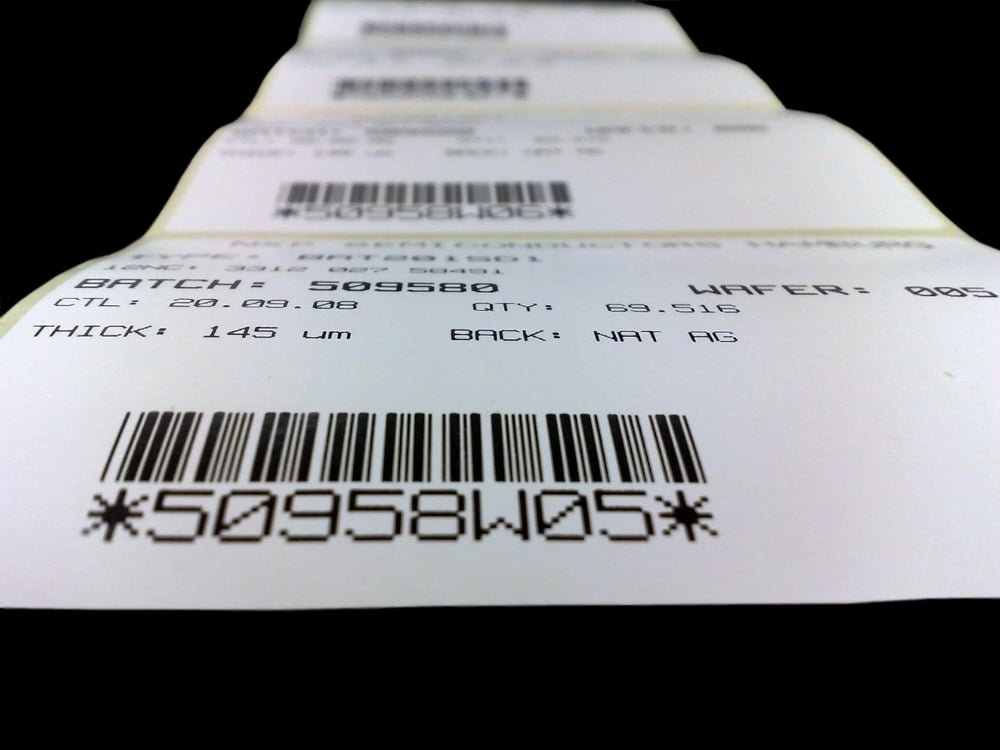
A single 12-digit code lives inside every item’s striped label on shop shelves. Starting it off, six numbers tell you who made the thing.
Then come five more, pointing straight at one exact version of what’s for sale. Finishing it up, the final number lets machines verify they got the whole sequence right.
Funny thing – those machines see by bouncing rays off pages. Not spells.
Just clever tricks with brightness.
A Flash Of Light Races Over The Black-And-White Stripes, One After Another
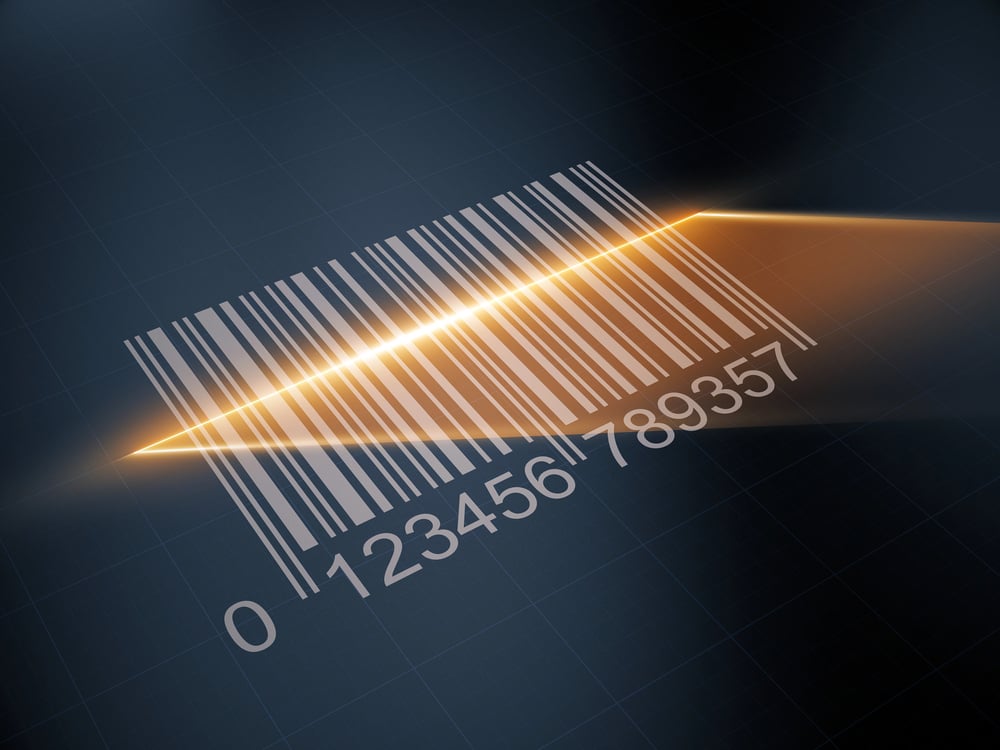
Bounce-back levels get recorded every time. Where dark strips swallow brightness, gaps send it right back.
Signals shift from flickers to pulses inside the machine. These pulses become digits almost instantly.
Speed like that keeps people walking through stores without long waits.
The Quiet Number On Books
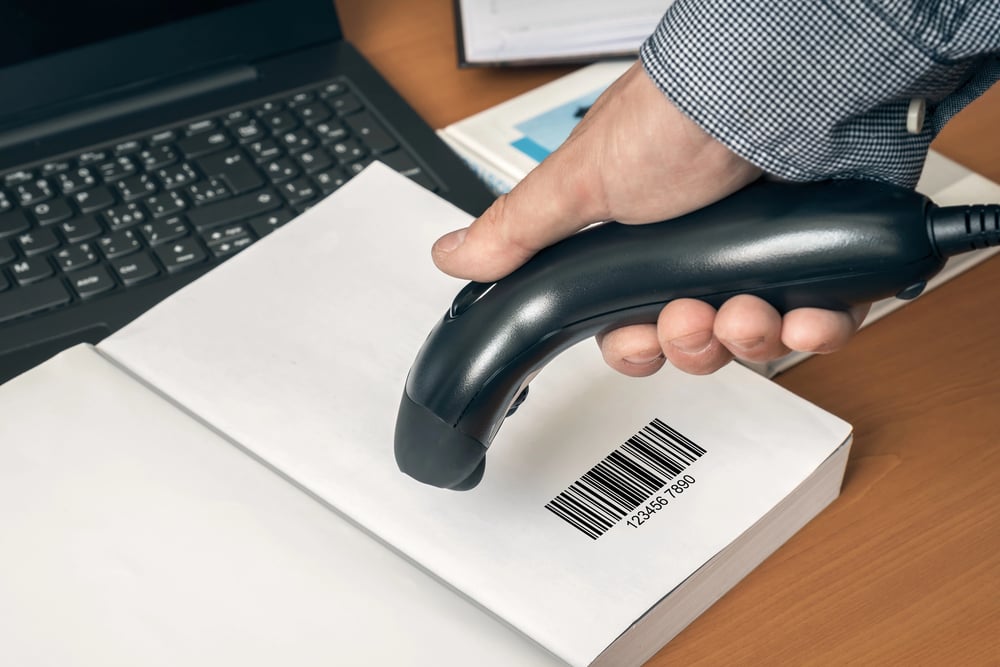
That little code on the back? It’s an ISBN – each book owns one, no repeats.
Found worldwide, this tag turns into a scannable stripe near the spine. When scanned, stores know exactly what they’re handling; so do warehouses, so do shelves in reading halls.
Try locating just one version without that helper – it’d feel like chasing smoke.
Barcodes Saved Lives In Hospitals

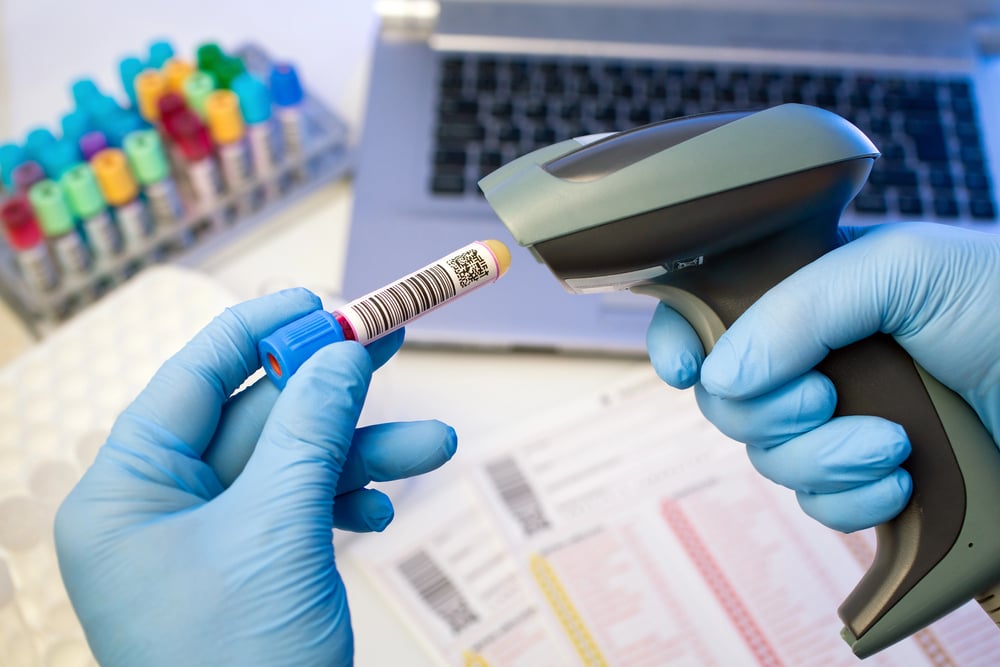
Back in the 2000s, hospitals started putting barcodes on wristbands worn by patients – mainly to stop medicine mistakes. Not long before that time, confusing one person’s file with another led to risky treatment blunders.
With just a quick scan today, staff see who the patient is, what they should get, and exactly how much. Data collected over years reveals these scanning setups cut down drug delivery errors close to 85 percent.
They Age Really Well
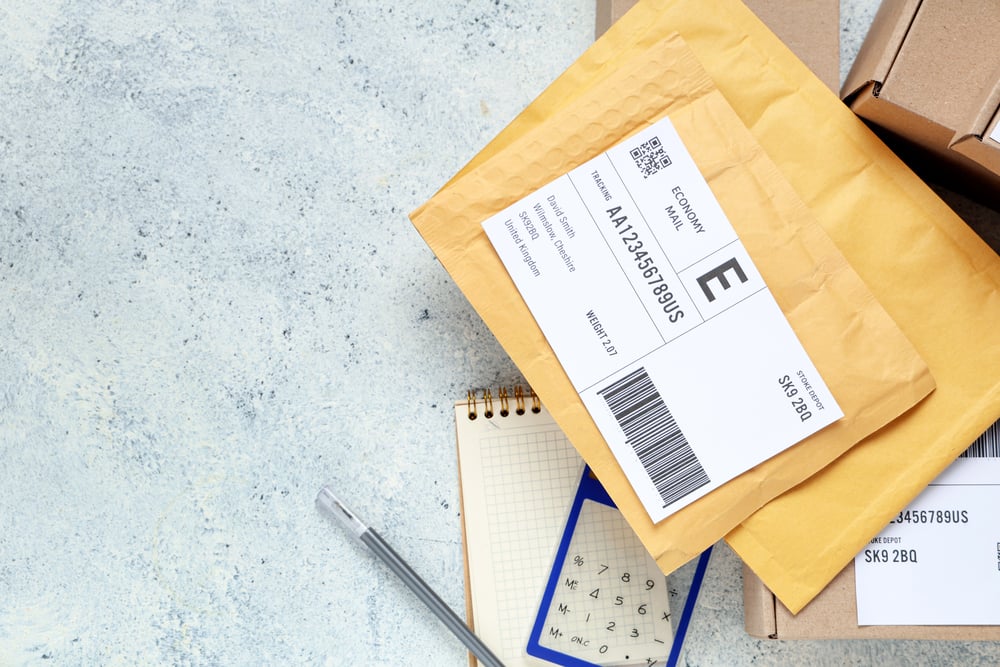
Even after many years, a paper barcode stays readable when kept safe from damage. Not the color but the arrangement holds the information.
Preserving black against white ensures function, no matter age. Scans confirm usability past four decades under proper storage.
Damaged Barcodes Can Still Work
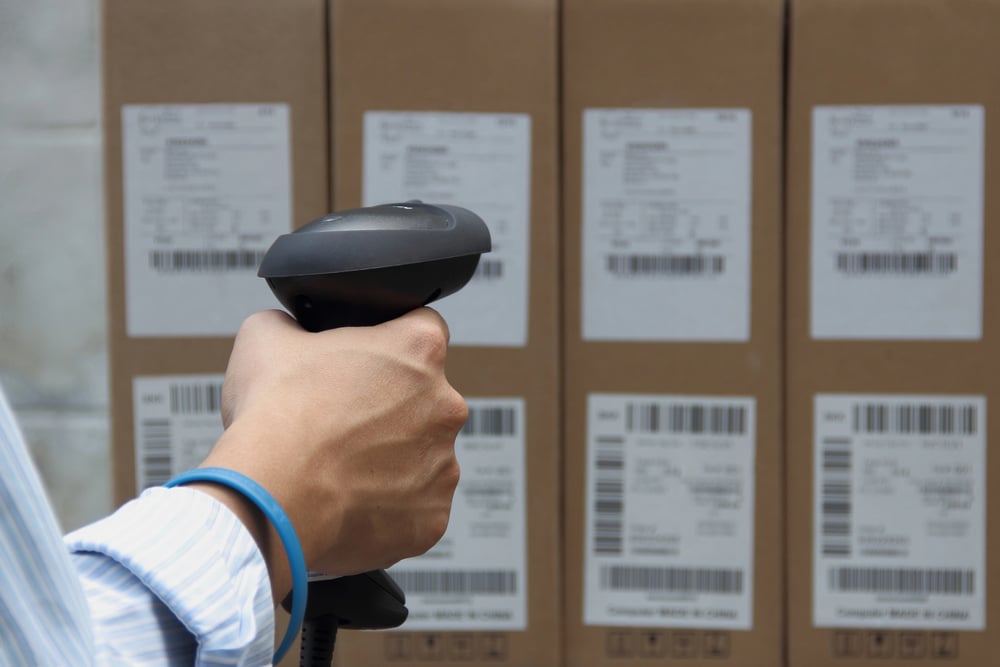
Barcodes are designed with some tolerance for damage. Most standard barcodes can still be read even if up to 25% of the barcode is scratched or smudged, depending on the type.
The check digit system helps the scanner catch and correct minor errors. That is why a slightly torn label at the grocery store usually still scans on the first try.
Used In Outer Space

NASA uses barcodes to track the thousands of parts and tools on spacecraft and in space stations. Every component, from a small bolt to a critical system module, gets a barcode label.
This helps crew members and ground teams keep accurate inventory without confusion. In a place where losing track of a single part can be a real problem, that kind of precision matters.
The Quiet Revolution In Supply Chains
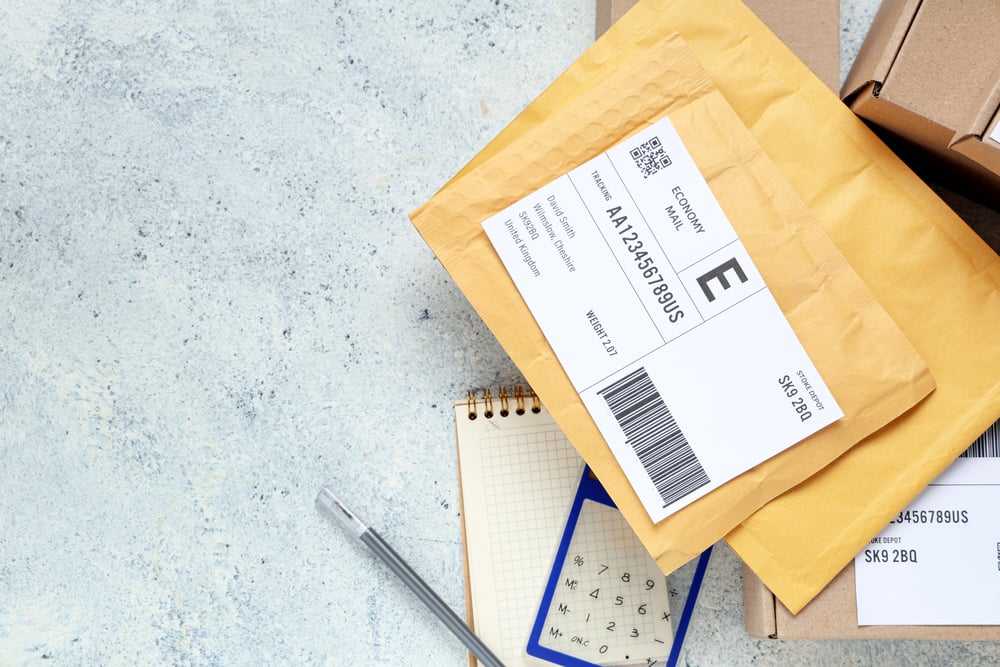
Before barcodes, warehouse workers had to manually count and record inventory, which was slow and full of errors. Barcodes made it possible to track millions of items moving through global supply chains in real time.
A single scan updates a database instantly, letting companies know exactly where a product is at any moment. Modern logistics as people know it today simply would not function without them.
Animals Get Barcodes Too

Zoos, wildlife conservation programs, and livestock farms use barcodes to track individual animals. Small barcode tags are attached to animals to log health records, feeding schedules, and location data.
Some programs use barcodes printed directly on feathers or shells for birds and reptiles. It is the same system used on cereal boxes, just applied to living creatures.
Color Barcodes Exist

Traditional barcodes are black and white because contrast is what the scanner reads. But modern scanners can now read colored barcodes, as long as there is enough contrast between the bars and the background.
Some brands use colored barcodes as part of their packaging design to make products look more appealing on shelves. The technology is the same; only the palette changes.
Printed In Billions Every Single Day
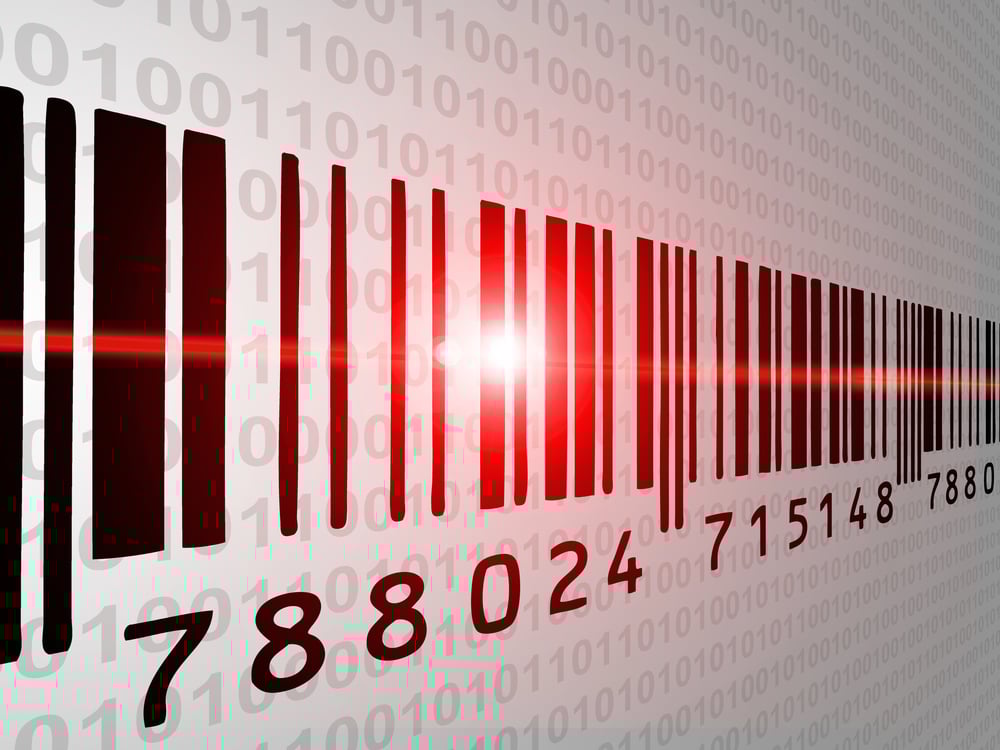
More than 10 billion barcodes are scanned every day around the world. That number includes retail stores, warehouses, hospitals, airports, and postal services.
If every scan were a step, that daily total would circle the Earth thousands of times over. Barcodes are one of the most widely used technologies in human history, yet most people never think twice about them.
Passports Use Them Too
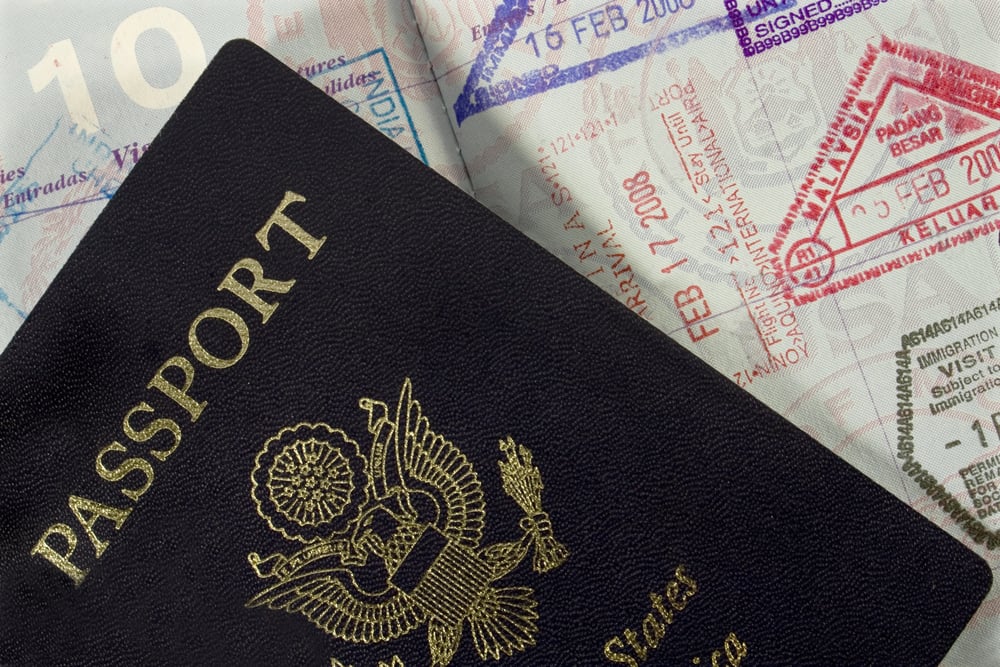
Many modern passports contain a machine-readable zone at the bottom of the photo page that works similarly to a barcode. It encodes the passport holder’s name, nationality, date of birth, and passport number.
Border control systems can scan this zone in seconds to pull up a traveler’s full profile. What looks like a row of letters and numbers to the human eye is an entire identity to a machine.
The Quiet Art Of Placement
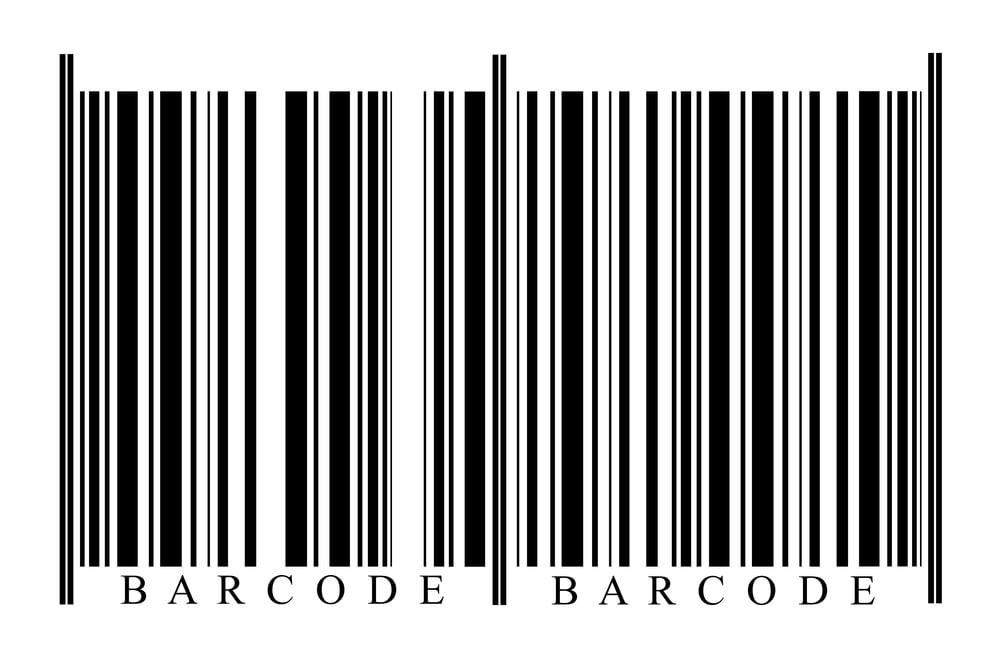
Where a barcode is placed on a product is not random. Designers and packaging engineers think carefully about barcode placement to make sure it can always be scanned from a standard angle at checkout.
Curved surfaces, reflective packaging, and certain ink colors can all interfere with scanning. Getting the placement wrong means delays, frustrated cashiers, and annoyed customers.
QR Codes Are Barcodes’ Ambitious Cousin
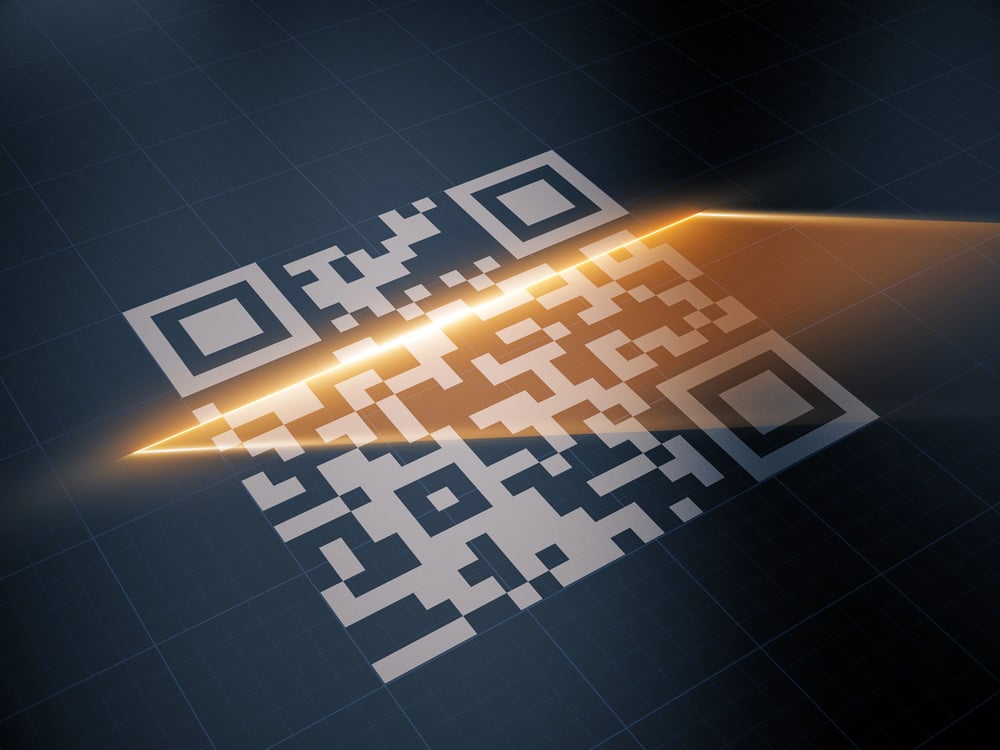
QR codes were invented in 1994 by a Japanese company called Denso Wave, originally to track car parts during manufacturing. Unlike traditional barcodes that store data in one direction, QR codes store data both horizontally and vertically, which means they hold much more information.
A single QR code can contain a website link, a phone number, a full address, or even a short paragraph of text. They became widely popular during the COVID-19 pandemic when businesses needed contactless menus and check-ins fast.
Still Going Strong
Barcodes quietly turned 50 years old in commercial use in 2024, and they show no signs of slowing down. As newer tracking systems like RFID gain ground, barcodes remain the most affordable, reliable, and widely supported option for most industries.
The technology that started with a sandy beach sketch and a pack of chewing gum has touched nearly every product on earth. Some ideas are so practical that the world just keeps building around them instead of replacing them.
More from Go2Tutors!

- The Romanov Crown Jewels and Their Tragic Fate
- 13 Historical Mysteries That Science Still Can’t Solve
- Famous Hoaxes That Fooled the World for Years
- 15 Child Stars with Tragic Adult Lives
- 16 Famous Jewelry Pieces in History
Like Go2Tutors’s content? Follow us on MSN.