15 most expensive materials on Earth
There are many materials that cost a lot, but some are really, really expensive because they are rare or special. These materials don’t just have big price tags — they also have important uses in science, industry, or collecting. From shiny metals to strange gemstones, these materials show us how valuable some things can be. Knowing what makes them so costly helps us see their importance in the world.
Here are 15 of the most expensive materials you can find on Earth. Each one has a different story and reason for being so pricey. Let’s check them out.
Antimatter

Antimatter is probably the most expensive stuff you can imagine. It costs billions of dollars per gram because it’s super hard to make and keep safe. Scientists create it in big machines, but only in tiny amounts. When antimatter touches regular matter, they both disappear in a flash of energy. People study it for things like space travel, but it’s still mostly experimental and super rare.
Californium-252
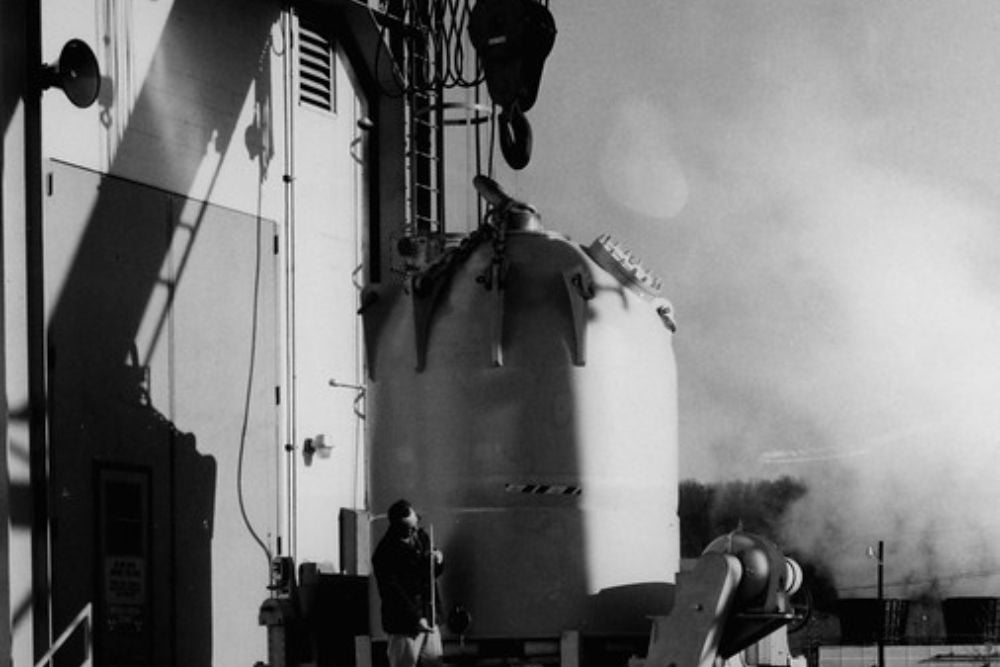
Californium-252 is a radioactive element that costs around $27 million per gram. It’s used to start nuclear reactions and in some medical treatments. This element shoots out neutrons, which helps in special machines and in finding metals underground. It’s dangerous and rare, so only experts work with it in special places. Even with the risks, it’s very important for certain science work.
Diamond

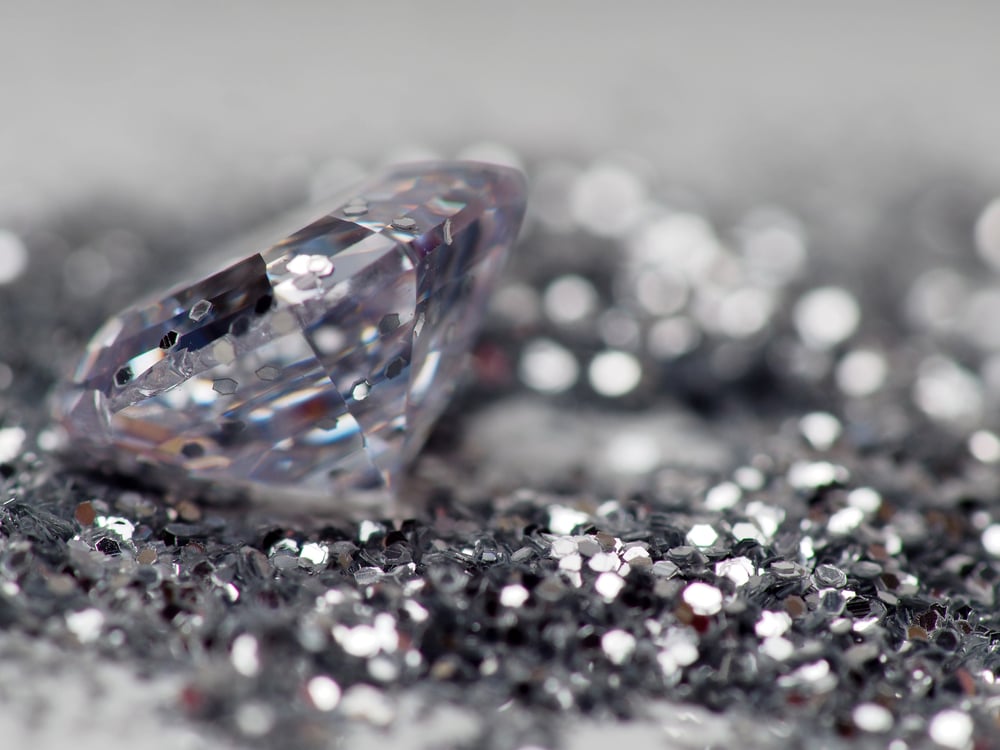
Diamonds are well-known for being beautiful and expensive. Big or rare-colored diamonds can cost tens of thousands of dollars per carat. They form deep underground under high pressure over many years. Besides jewelry, diamonds are used to cut or grind things because they are the hardest natural material. Their price depends on size, color, and how clear they are.
Taaffeite
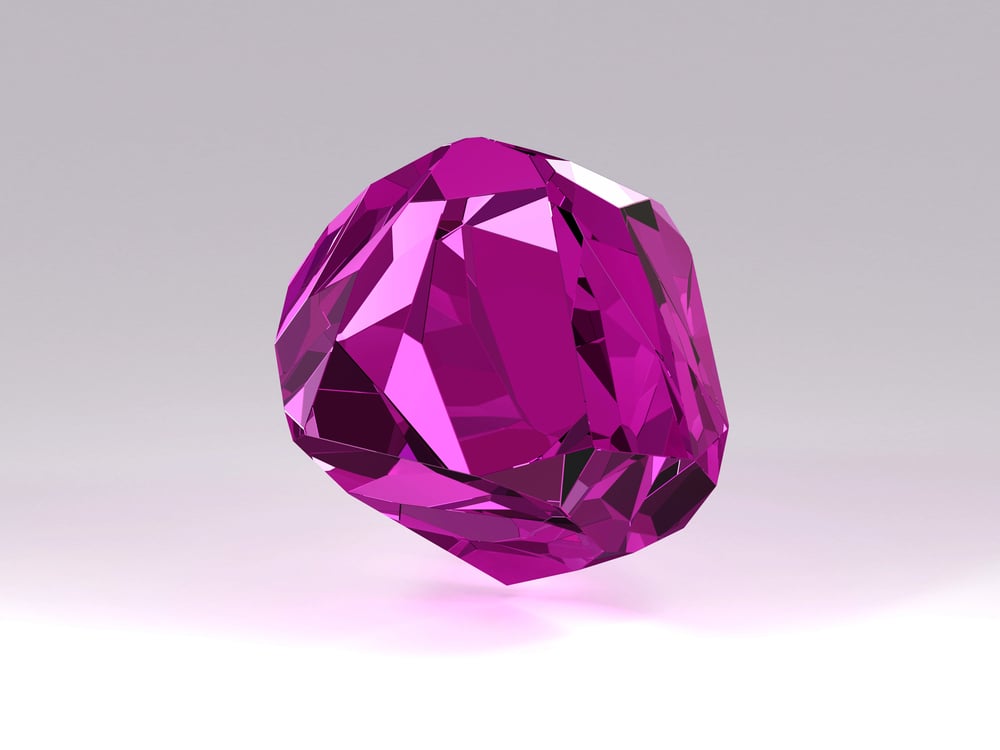
Taaffeite is a very rare gemstone discovered by chance. It can cost up to $20,000 per gram. It looks a bit like spinel but is much rarer. Taaffeite is usually purple or pink and loved by collectors. Its rarity and nice color make it one of the most expensive gems.
Plutonium
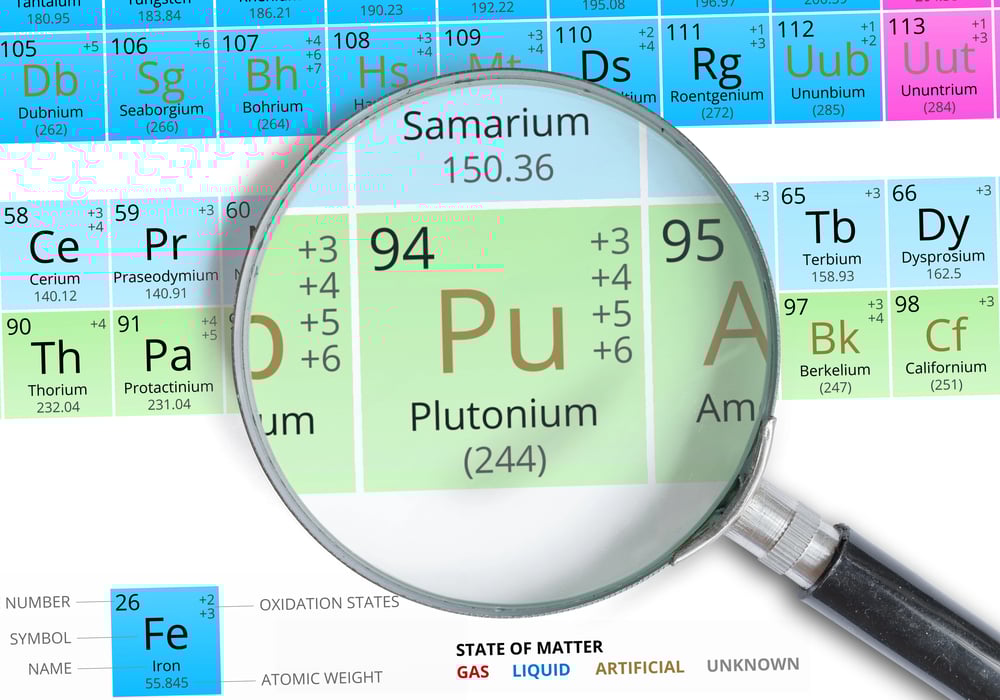
Plutonium costs about $4,000 per gram and is a radioactive metal mostly used in nuclear power and weapons. It’s very dangerous and only handled by trained experts in secure labs. It releases a lot of energy when used in nuclear reactions. Even though it’s risky, plutonium is important in energy and defense.
Gold

Gold has been valuable for thousands of years and is still expensive today. It can cost thousands per ounce depending on the market. People like gold because it shines, doesn’t rust, and is easy to work with. Gold is used in jewelry, electronics, and medicine. Its long history keeps it in demand all over the world.
Painite
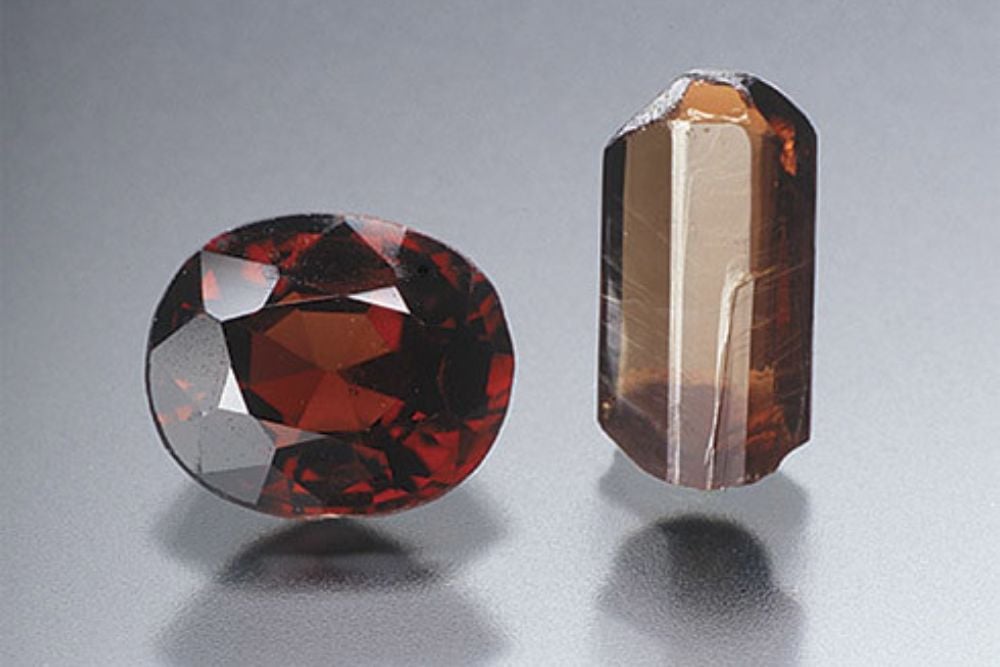
Painite is a super rare gemstone found not long ago. It can cost about $9,000 per gram. For many years, only a few painite crystals were known. This makes it very valuable to collectors. It’s usually reddish or brownish and has a unique crystal shape.
Rhodium
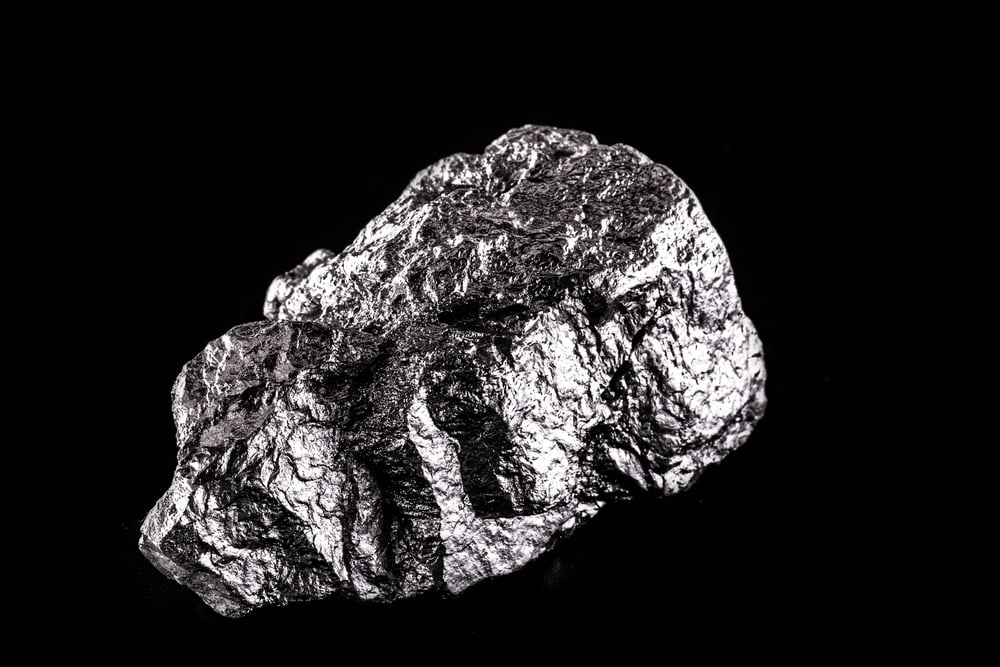
Rhodium is a rare, silver-white metal used in things like car converters and jewelry coating. It costs over $500 per gram. Rhodium does not rust and has a bright shine. It is much rarer than gold or platinum. Its price can jump up or down depending on how much people want it.
Platinum
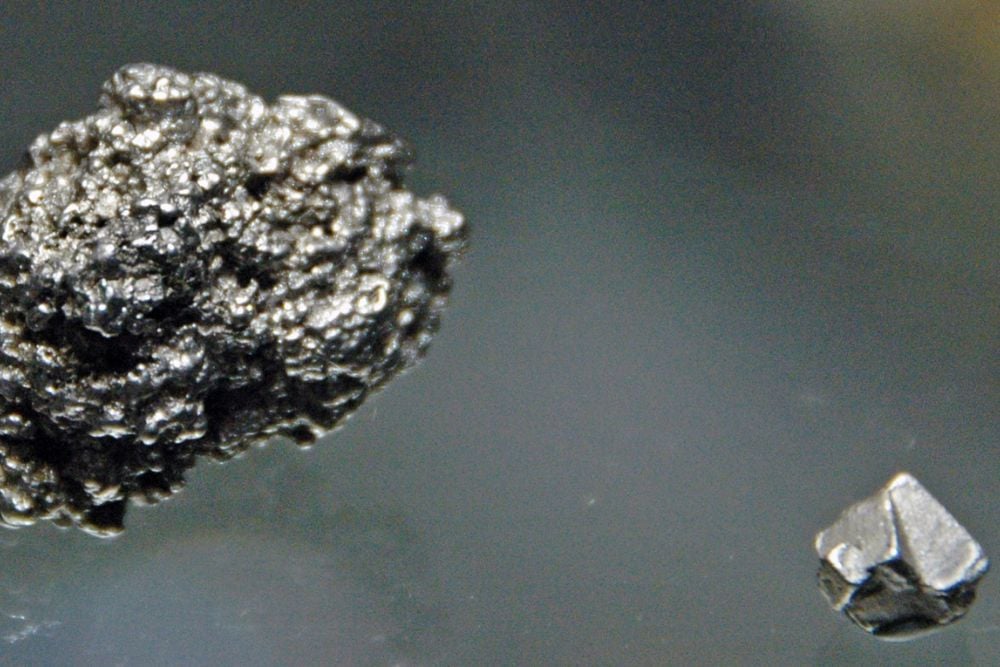
Platinum is a shiny metal used in jewelry and industry. It costs around $30 to $40 per gram. It is heavier and rarer than gold. Platinum stays shiny and doesn’t get damaged by heat easily. Its strength and rarity make it very valuable in many areas.
Tritium
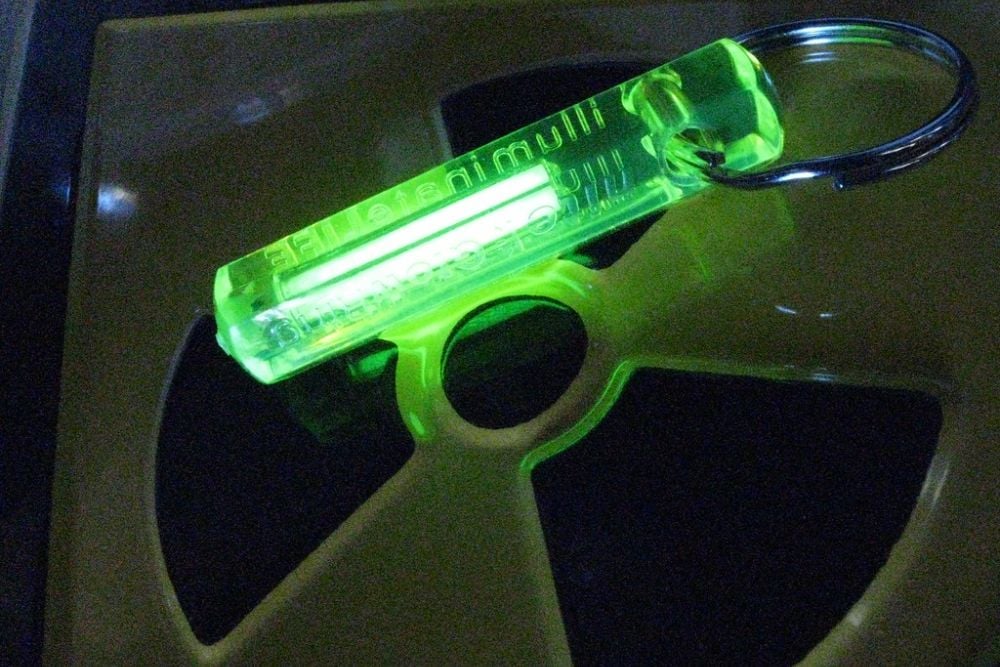
Tritium is a radioactive type of hydrogen that glows faintly. It costs about $30,000 per gram. People use it in watches and emergency signs because it lights up without batteries. Since it’s radioactive, handling tritium needs special care. It’s rare and tough to make in big amounts.
Tantalum

Tantalum is a metal used in electronics like phones and computers. It costs around $200 per kilogram. Tantalum does not rust and stores electrical charges well. It is mined mostly in Africa. Because it is important for gadgets, it stays expensive.
Iridium

Iridium is one of the rarest metals in the platinum family. It is very hard and resists heat and rust. Iridium costs about $1,600 per ounce. It is used in spark plugs and some medical tools because it lasts a long time. Its rarity and toughness make it valuable.
Diamonds from space
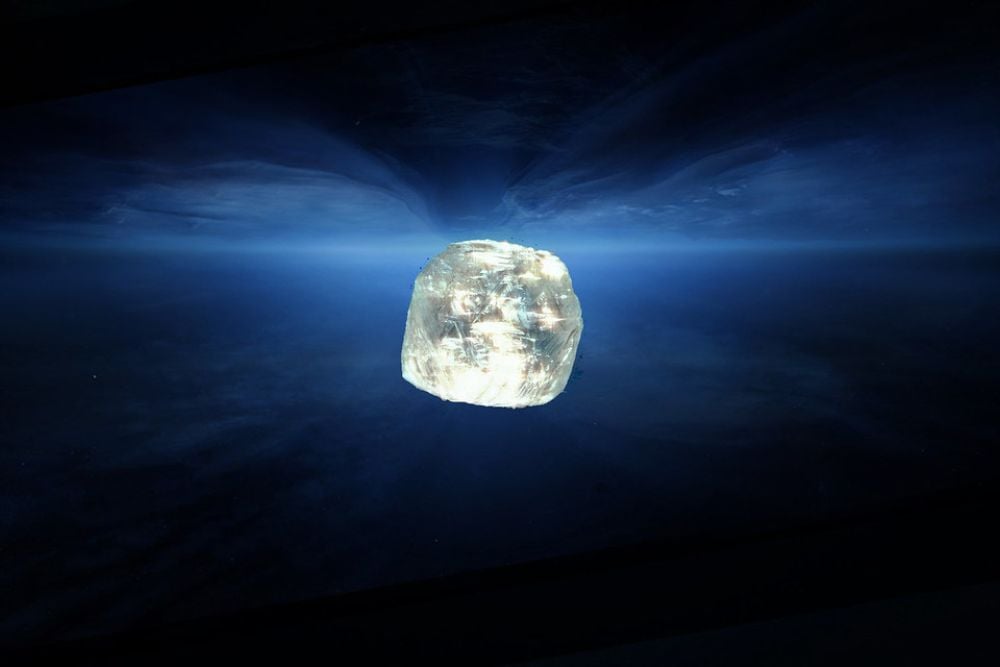
Not all diamonds form on Earth. Some come from meteorites that crash down from space. These space diamonds are rare and very valuable. They form in different ways and can have unusual elements inside. Scientists study these diamonds to learn about space, and collectors like them for their uniqueness.
Saffron

Saffron is the most expensive spice by weight. It can cost up to $10,000 per kilogram. It comes from tiny parts of a flower and needs thousands of flowers to make a small amount. Saffron is used for its color, taste, and smell in cooking. The hard work to harvest it keeps the price very high.
LSD

LSD is a man-made chemical that can cost about $3,000 per gram when pure. It’s not natural but is rare and difficult to make. Only tiny amounts are needed because it is very strong. Despite its price, it is illegal and hard to find.
Why these materials matter
Looking at these expensive materials shows how rare resources and human needs work together. Some materials are rare because they are hard to find or make. Others have special uses that increase their value in technology, health, or art. These materials link the past with today, showing how rarity and usefulness often go hand in hand. They remind us how much we rely on hidden treasures from the Earth and beyond.
More from Go2Tutors!

- The Romanov Crown Jewels and Their Tragic Fate
- 13 Historical Mysteries That Science Still Can’t Solve
- Famous Hoaxes That Fooled the World for Years
- 15 Child Stars with Tragic Adult Lives
- 16 Famous Jewelry Pieces in History
Like Go2Tutors’s content? Follow us on MSN.



