18 Times Nature Took Back an Abandoned Human Space in Spectacular Fashion
The relationship between human construction and the natural world has always been one of temporary dominance. We build, we occupy, and sometimes, we abandon—leaving behind the perfect canvas for nature to reclaim what was once hers.
When left to the devices of moss, vines, animals, and weather, these forgotten places transform into something entirely new. Here is a list of 18 remarkable examples of nature staging spectacular comebacks in places humans have left behind:
Pripyat, Ukraine
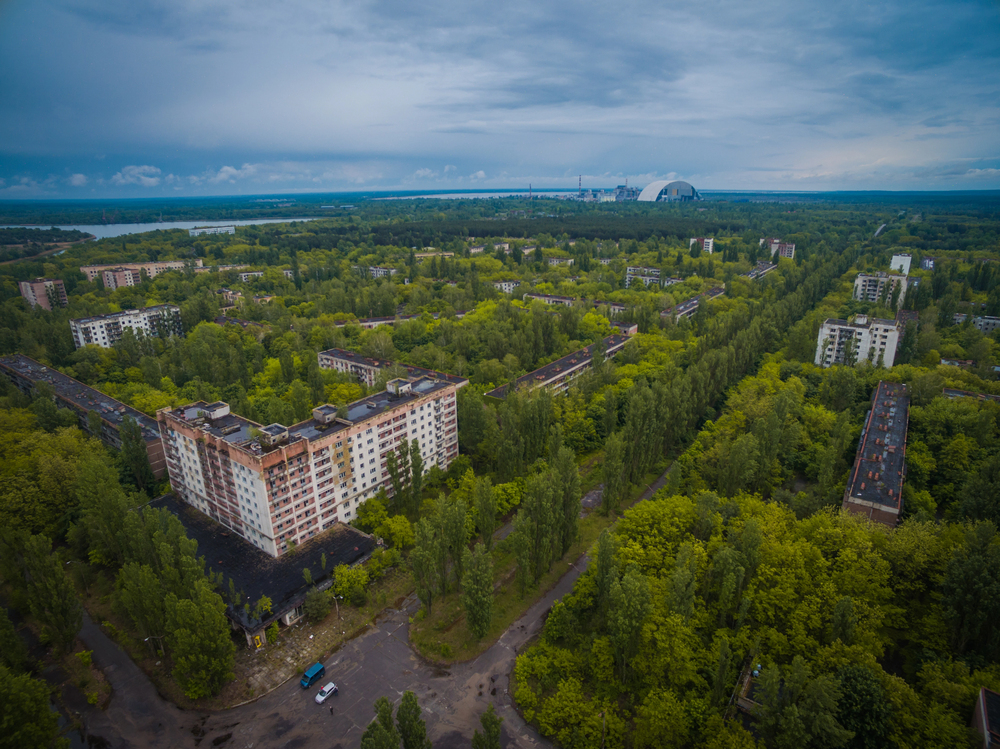
Since its evacuation in 1986, the abandoned city near Chernobyl has transformed into an unlikely wildlife sanctuary. Gray wolves, wild boars, eagles, and even European bison now roam the streets and buildings.
Scientists have discovered that many species are actually thriving in this human-free zone despite the radiation that initially drove people away.
Ta Prohm Temple, Cambodia
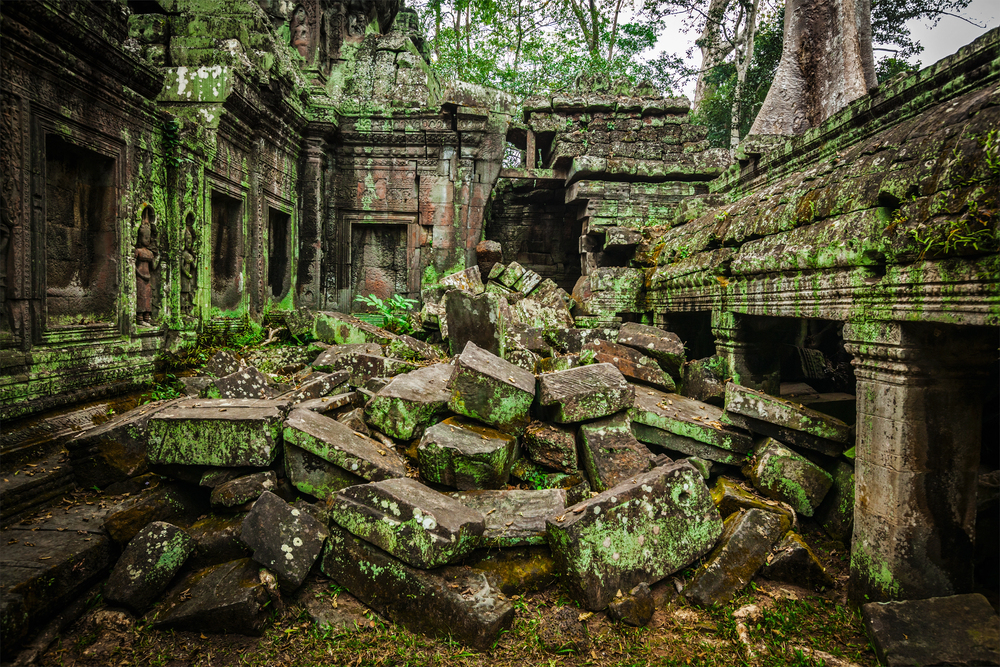
This 12th-century temple was deliberately left unrestored to showcase the power of the jungle. Massive strangler fig and silk-cotton trees have grown through and around the stone structures, creating a mesmerizing fusion of architecture and nature.
Their powerful roots embrace the temple walls, sometimes appearing to both destroy and support the ancient structure simultaneously.
Kolmanskop, Namibia
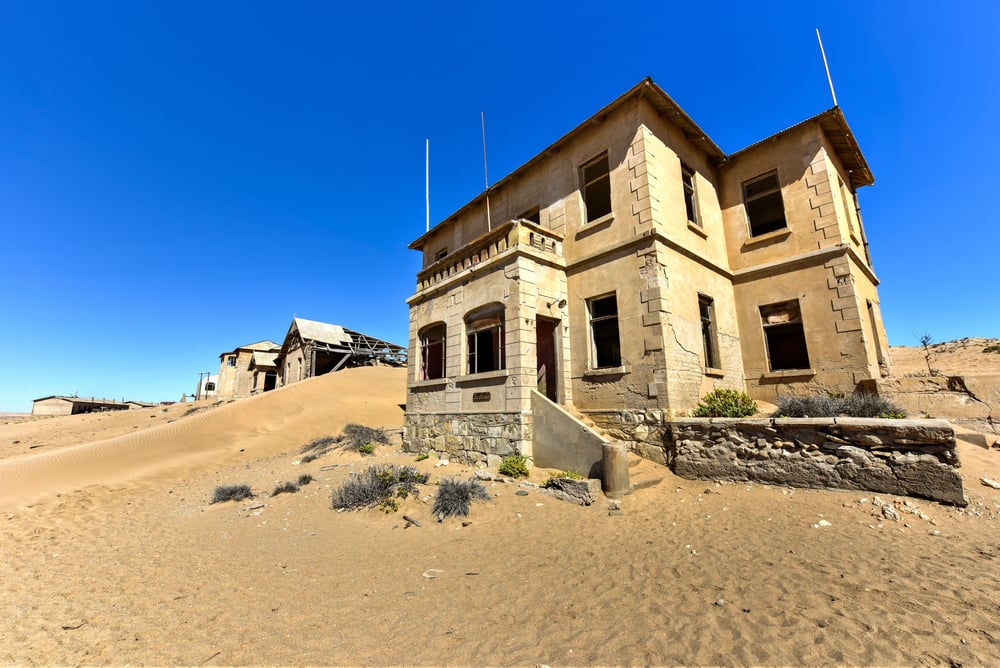
Once a prosperous diamond mining town, Kolmanskop now sits partially submerged in sand. The Namib Desert has steadily reclaimed the German-style buildings since the town’s abandonment in the 1950s.
Desert dunes flow through doorways and windows, creating surreal indoor landscapes where rooms are half-filled with golden sand.
North Brother Island, New York
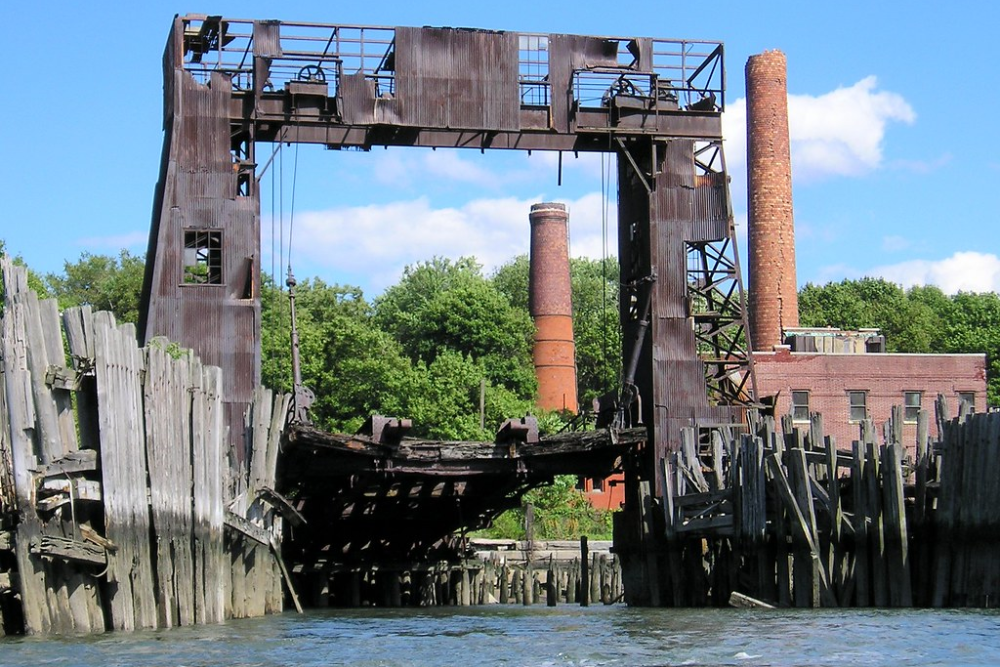
Just a few miles from Manhattan, this once-bustling quarantine facility has been transformed into a bird sanctuary. The buildings where Typhoid Mary spent her final years are now completely engulfed by dense forest.
Vines climb through windows, trees grow through rooftops, and the foundations of the hospital complex are almost invisible beneath the vegetation.
Hashima Island, Japan
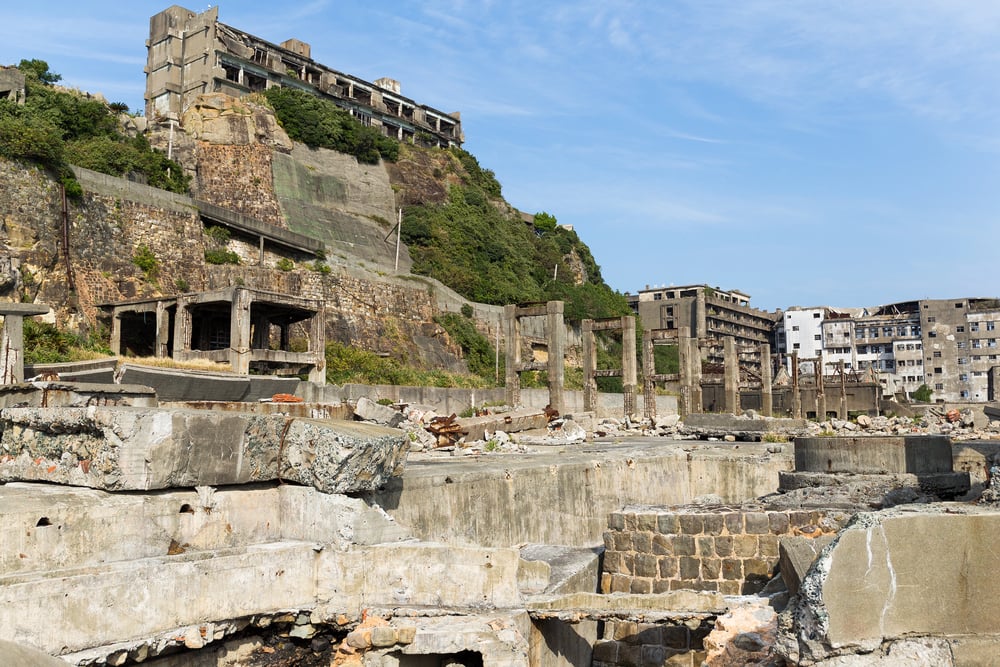
Also known as Battleship Island, this former coal mining facility housed over 5,000 people at its peak. Since closing in 1974, the concrete jungle has been weathered by powerful typhoons and saltwater corrosion.
Plant life has emerged from cracks in the concrete, and seabirds have established colonies throughout the crumbling structures.
Tunnel of Love, Ukraine
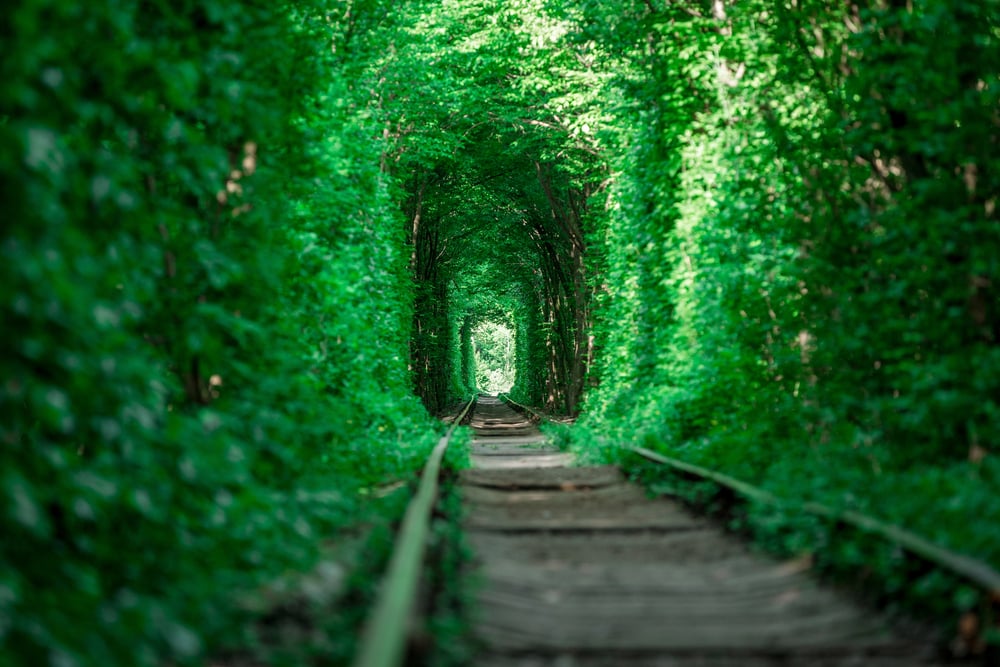
A three-mile stretch of industrial railway track has been transformed into a vibrant green tunnel by years of unrestrained plant growth. The trees along the tracks have grown to create a perfect arch that completely envelops the railway line.
This magical passage changes appearance with the seasons, from lush green in summer to golden hues in autumn.
Nara Dreamland, Japan
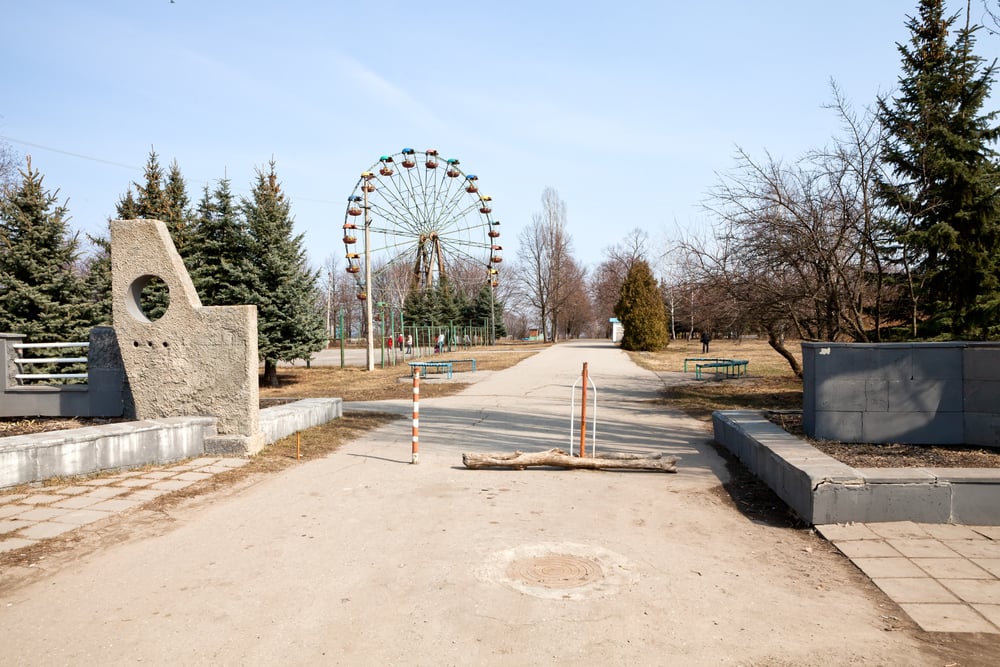
This abandoned theme park, originally inspired by Disneyland, stood empty for a decade before its demolition. During that time, nature quickly began reclaiming the roller coasters, carousels, and attractions.
Weeds pushed through the pavement, vines climbed the idle rides, and wild animals made homes in the forgotten fantasy world.
Craco, Italy
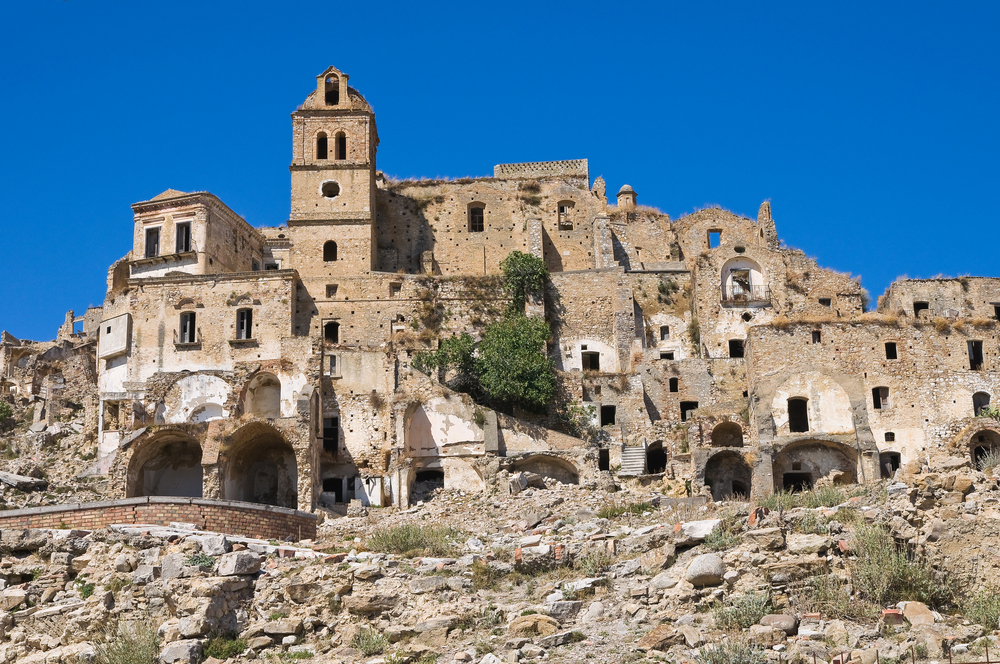
This medieval hill town was abandoned due to natural disasters in the mid-20th century. The ancient buildings are now draped in vegetation, with wildflowers growing from rooftops and walls.
Birds of prey nest in the bell tower of the old church, while the rolling hills surrounding the ghost town have begun to erode and incorporate the manmade structures back into the landscape.
Great Wall of China (Unrestored Sections)
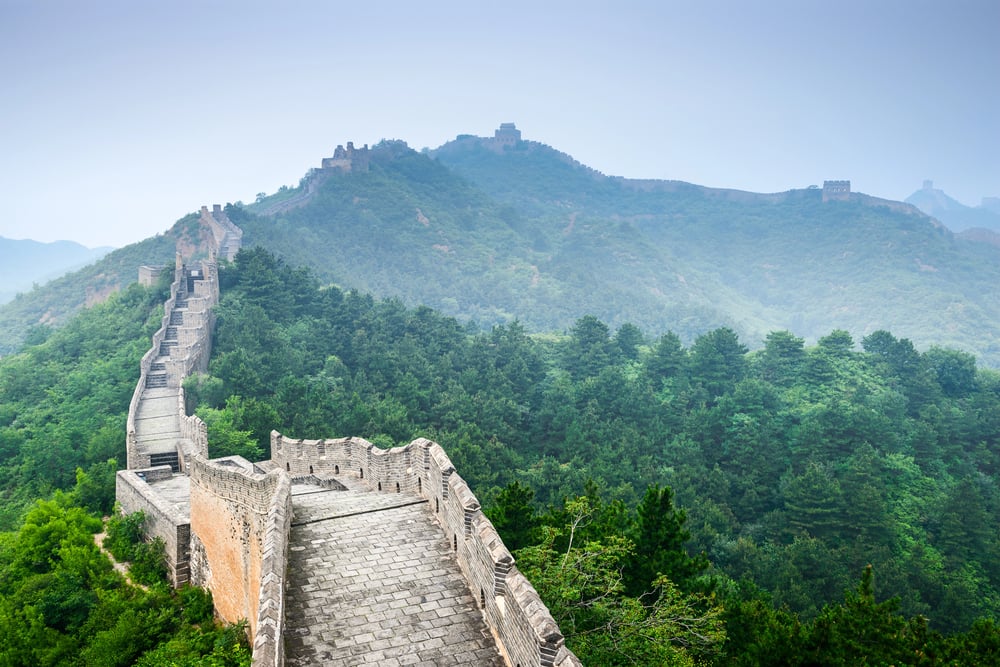
While tourists flock to the restored sections, much of the Great Wall has been left to nature’s devices. In these remote areas, the wall appears to melt back into the mountains from which its stones were quarried.
Trees grow from the walkways, and entire sections have crumbled and blended back into the hillsides after centuries of neglect.
New York State Pavilion, Queens
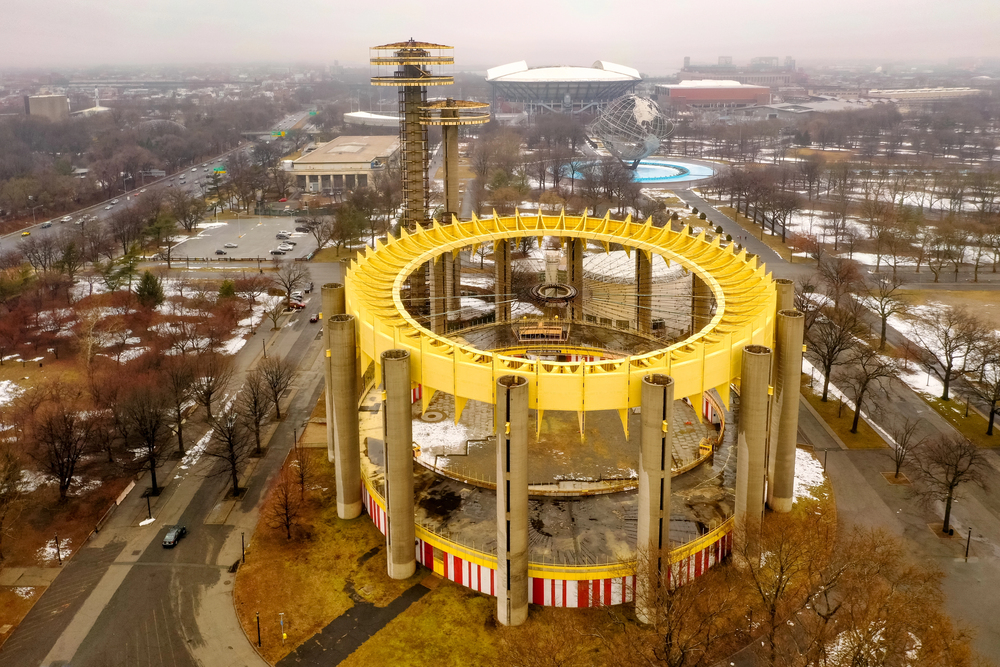
This remnant of the 1964 World’s Fair has been transformed by decades of exposure to the elements. The once-futuristic “flying saucer” structures now host trees growing from their roof decks.
The terrazzo map of New York State on the pavilion floor has been broken apart by freeze-thaw cycles and sprouting vegetation.
Ross Island, India
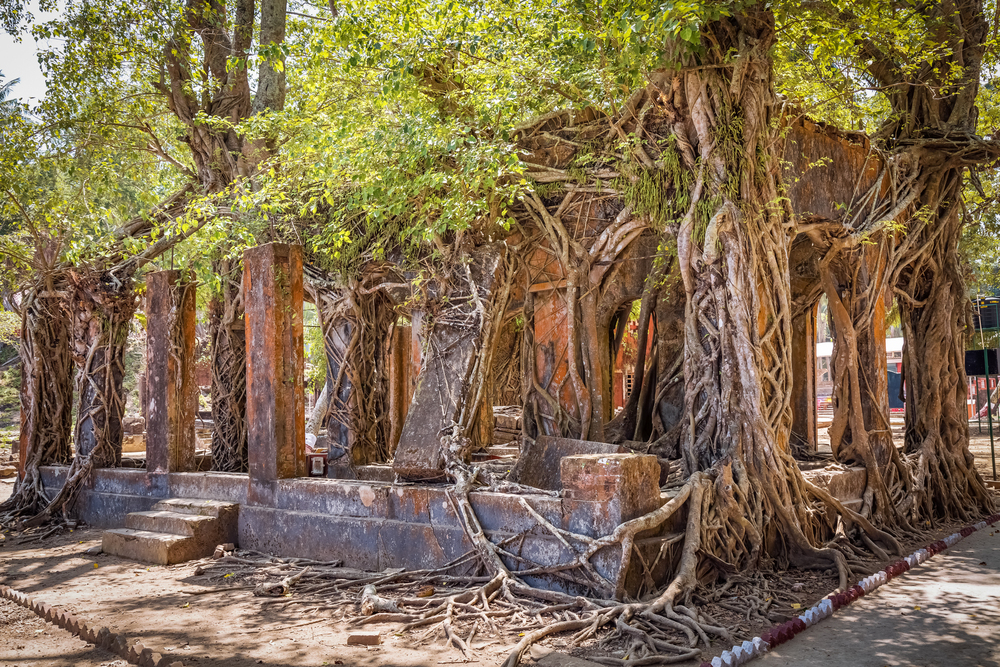
British colonial buildings on this small island in the Andaman archipelago have been completely swallowed by massive banyan trees and jungle growth. What was once an administrative headquarters now showcases the relentless power of tropical vegetation.
The roots of trees have become new architecture, forming natural columns and arches among the ruins.
Michigan Central Station, Detroit
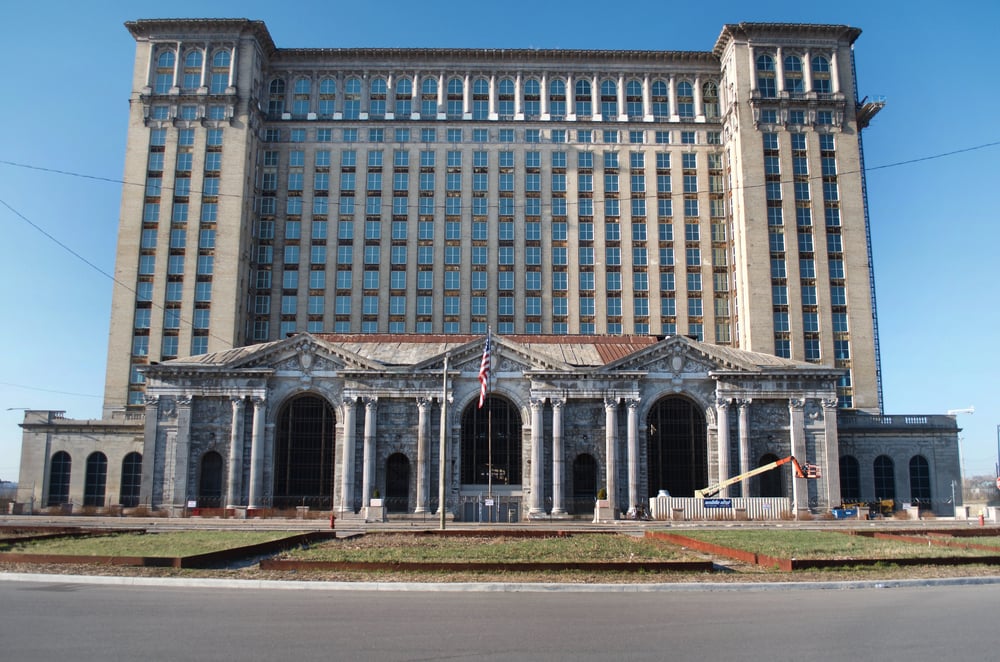
This magnificent Beaux-Arts train station stood abandoned for decades, becoming an iconic symbol of urban decay. During its vacancy, plants colonized the grand concourse, birds nested in the ornate ceiling work, and trees began growing on the roof.
Even as restoration efforts begin, the building’s period of rewilding transformed it into a different kind of landmark.
Bokor Hill Station, Cambodia
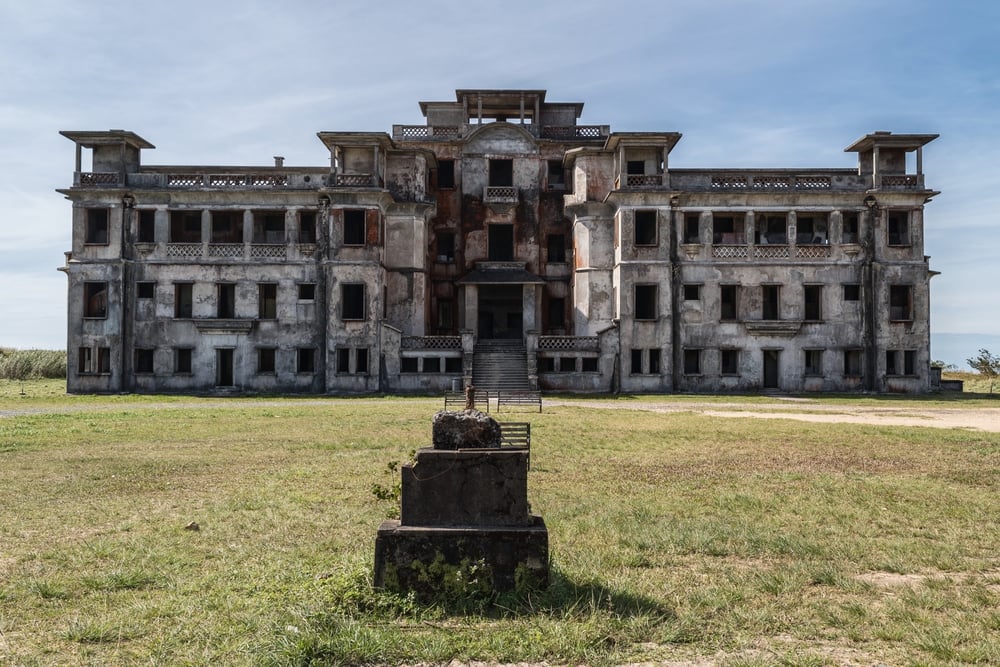
Built by French colonists as a mountain retreat, this ghost town sits shrouded in mist at 3,500 feet above sea level. The abandoned casino, church, and villas are perpetually damp, creating the perfect environment for moss and ferns that now carpet every surface.
The structures appear to be melting into the misty mountain landscape.
Salton Riviera, California
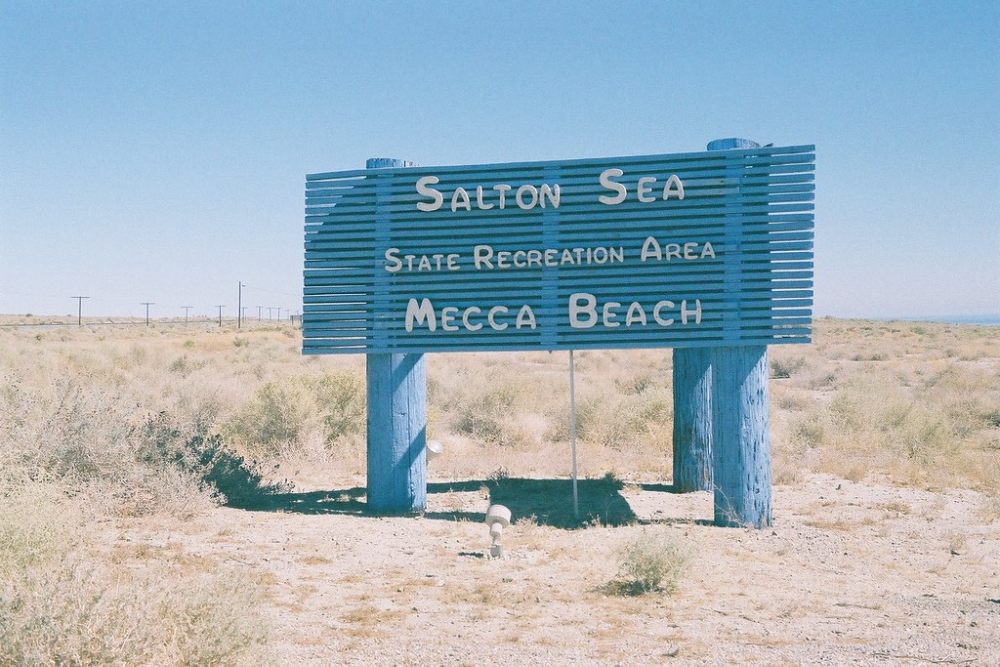
Once a booming resort area in the 1950s, the shores of the accidental Salton Sea are now a graveyard of abandoned buildings. As the toxic lake has receded, a unique ecosystem has emerged in the ruins.
Salt-tolerant plants push through concrete foundations, and the structures themselves have been transformed by mineral deposits into otherworldly formations.
Valley of the Mills, Italy
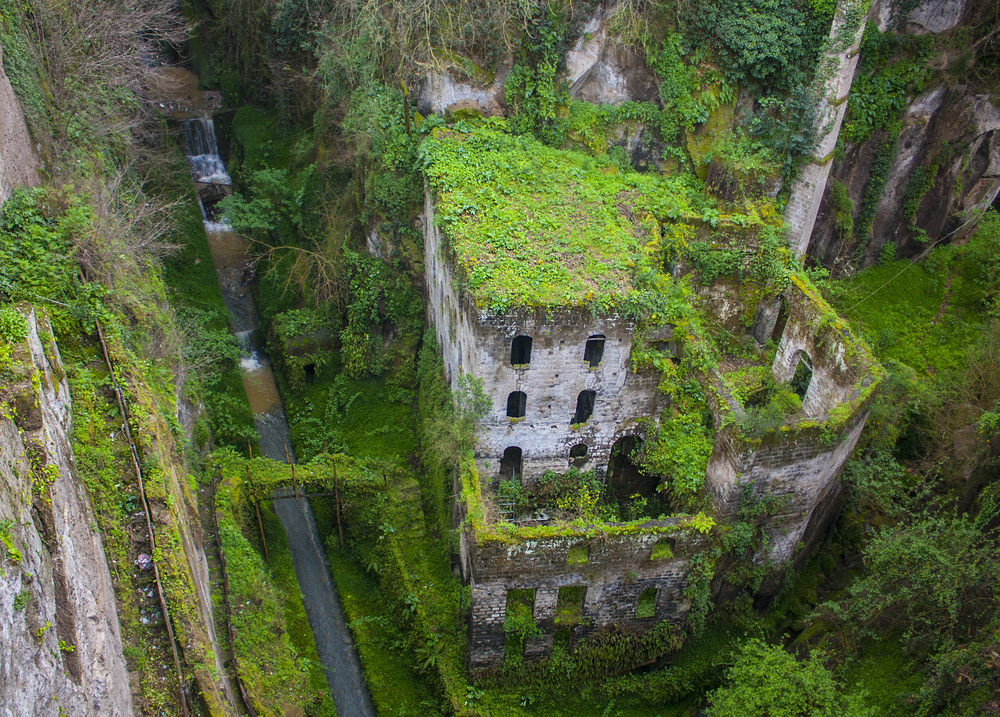
This complex of flour mills in a deep valley in Sorrento was abandoned in the 1940s. The uniquely humid microclimate has allowed ferns and other moisture-loving plants to completely overtake the stone buildings.
The mills now appear as if they’ve been transported to a prehistoric era, hidden beneath a canopy of lush greenery.
The Last House on Holland Island, Maryland
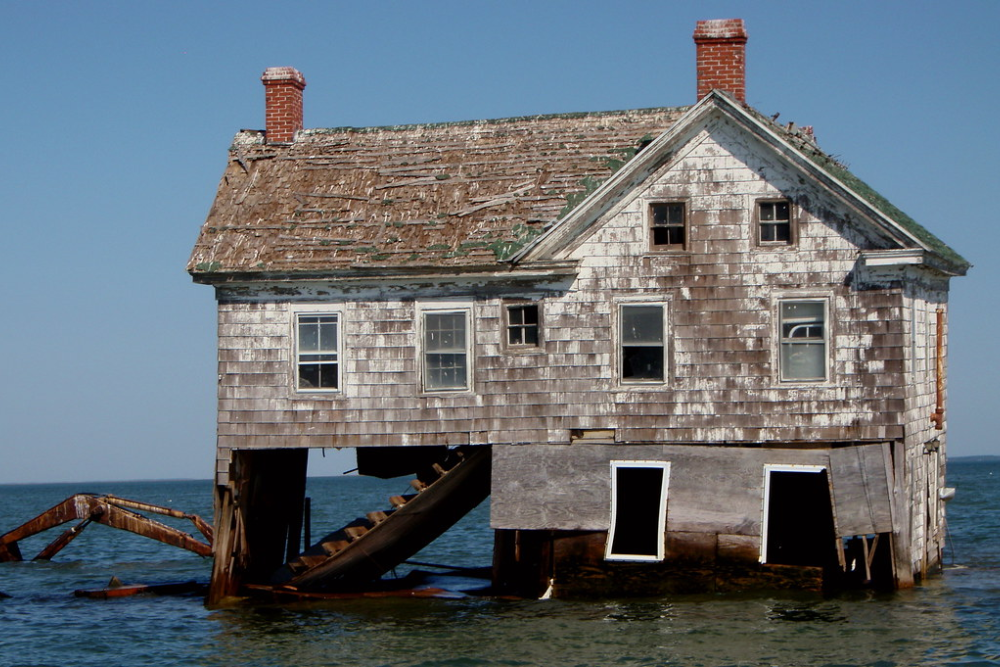
This famous house stood as the final remnant of a once-thriving Chesapeake Bay community. Year by year, rising water and erosion closed in until finally, in 2010, the house collapsed into the bay.
During its final decades, the building hosted numerous waterfowl nests, and underwater, its foundation became an artificial reef for marine life.
Olympic Venues, Athens
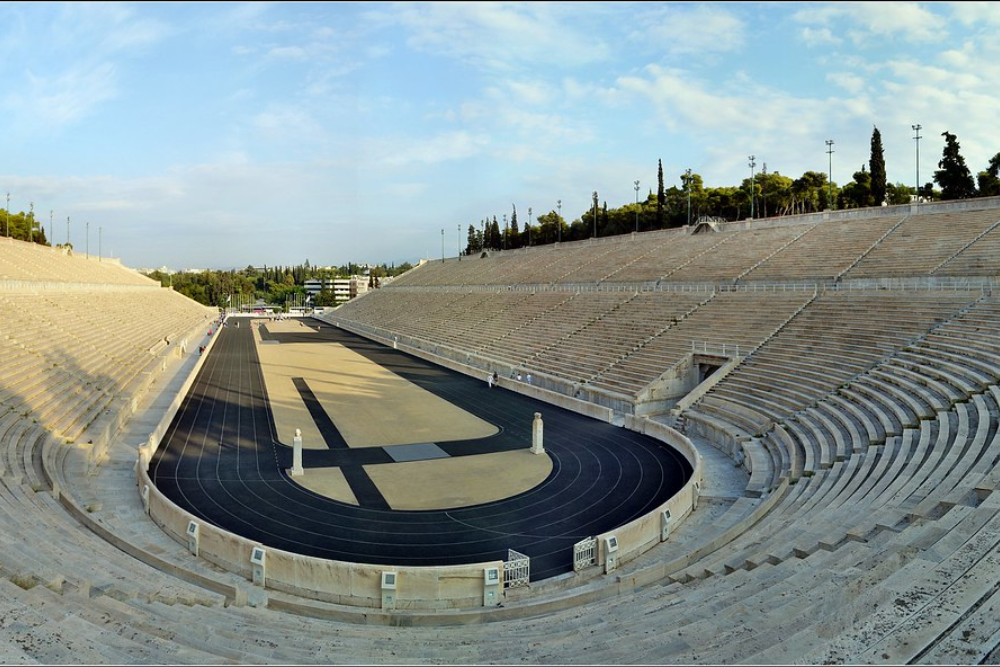
Many of the facilities built for the 2004 Summer Olympics have been abandoned and reclaimed by Mediterranean vegetation. The beach volleyball court has been reclaimed by the actual beach, weeds grow through the training pools, and olive trees have self-seeded around the perimeter fences.
What once represented the height of human athletic achievement now showcases nature’s persistent resilience.
Holy Ghost Town, Colorado
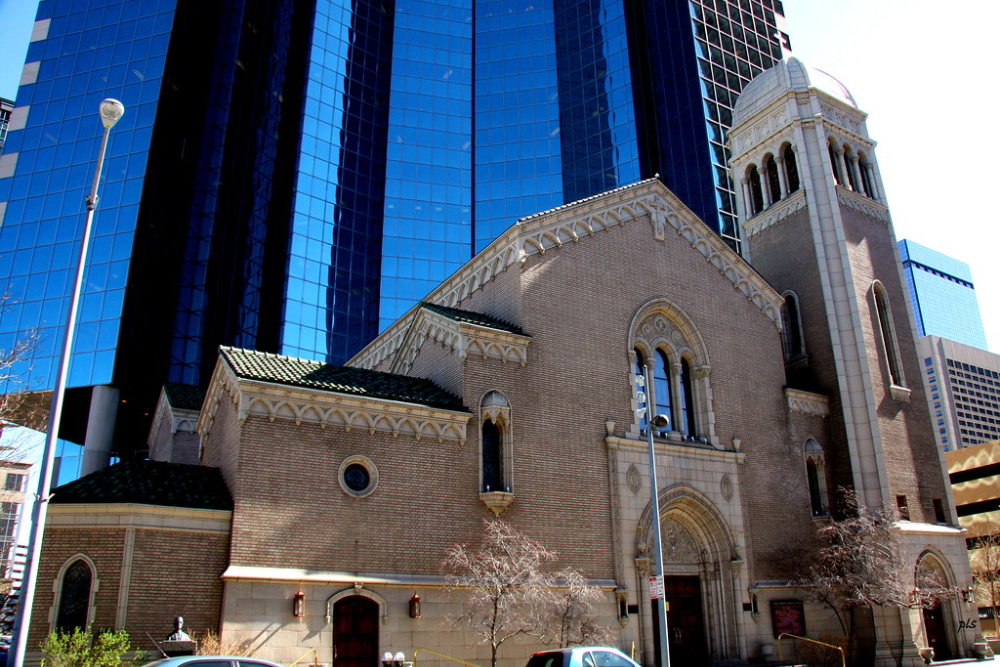
This mining settlement high in the Rockies has been dismantled not just by plants but by extreme weather and wildlife. Aspen trees grow through the collapsing wooden structures, while bears have been known to tear apart remaining walls, seeking hibernation shelters.
Winter avalanches have gradually pushed some buildings down the mountainside, where they decompose and feed new forest growth.
The Persistence of Nature
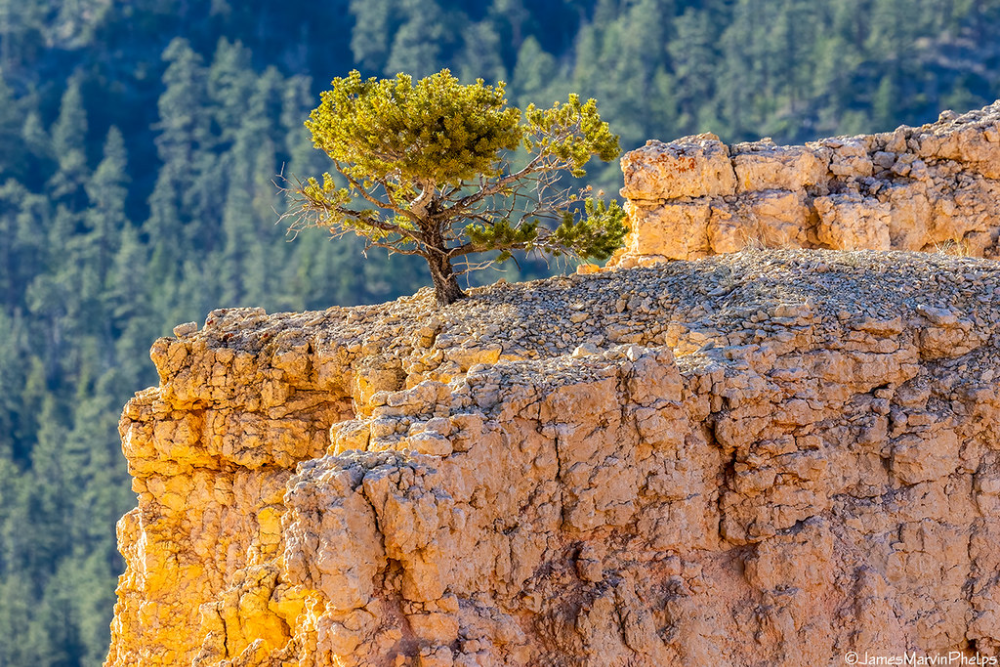
These remarkable transformations remind us of the temporary nature of human constructions when matched against the patient persistence of the natural world. The haunting beauty of these reclaimed spaces offers a glimpse into a possible future where our proudest achievements may one day return to the earth from which they came.
The dance between human ambition and natural reclamation continues—sometimes we lead, but nature always gets the last waltz.
More from Go2Tutors!

- The Romanov Crown Jewels and Their Tragic Fate
- 13 Historical Mysteries That Science Still Can’t Solve
- Famous Hoaxes That Fooled the World for Years
- 15 Child Stars with Tragic Adult Lives
- 16 Famous Jewelry Pieces in History
Like Go2Tutors’s content? Follow us on MSN.



